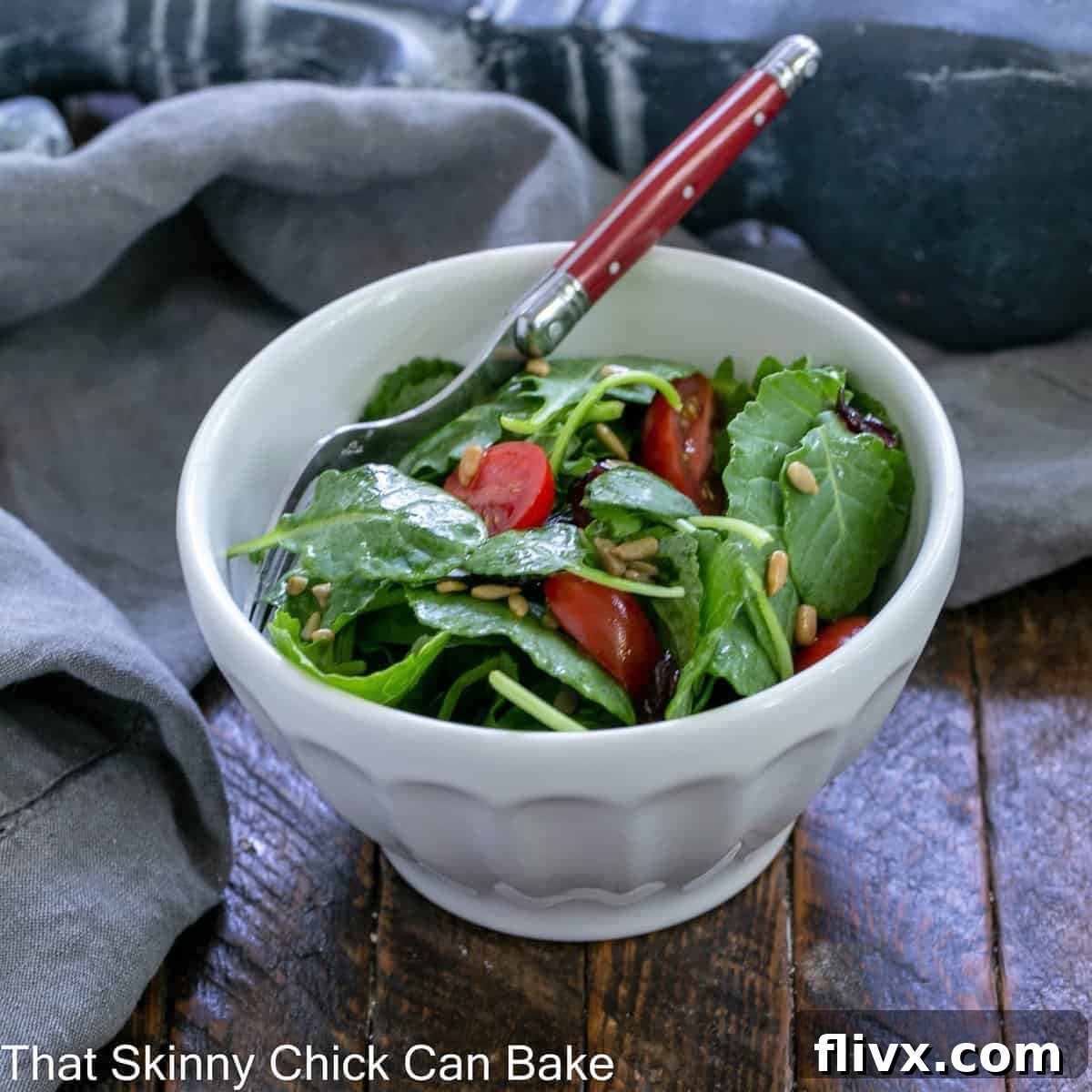
Massaged Kale Salad is a culinary delight that transforms this healthy, robust green into an unbelievably tender and flavorful dish. With a simple manual technique, you can easily become a fan of kale, or opt for the convenience of baby kale and skip a step entirely!
Kale has long been celebrated for its nutritional prowess, but its sometimes tough texture presented a challenge for raw salads. Before the widespread availability of tender baby greens, preparing kale for a salad often meant a significant workout for your jaw. However, a clever trick involving a gentle massage makes this Kale Salad with Cranberries, Tomatoes, and Sunflower Seeds an absolute winner. This recipe not only enhances the kale’s texture but also balances its earthy notes with bright, sweet, and savory additions, creating a salad that’s both deeply satisfying and incredibly refreshing.
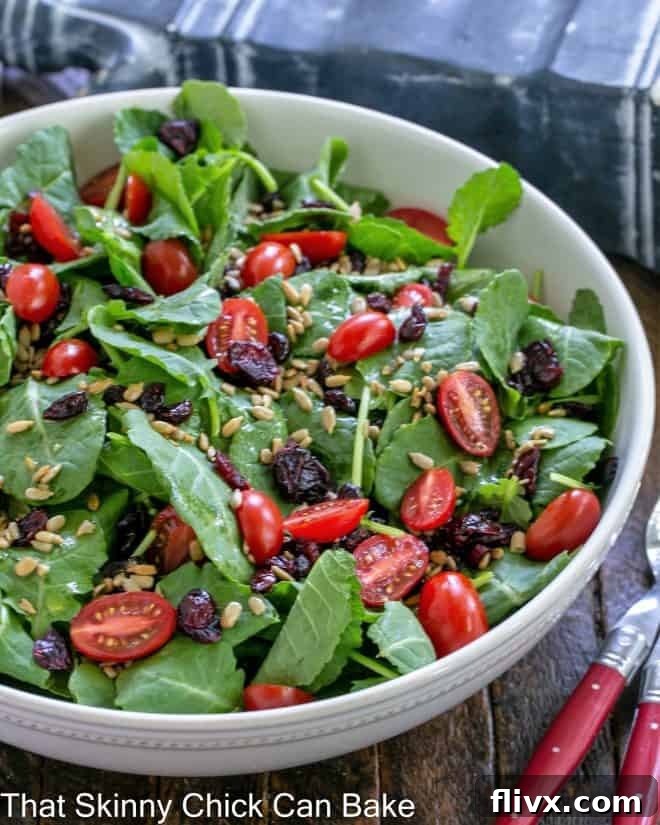
Why Our Massaged Kale Salad Recipe Will Become Your New Favorite
This Massaged Kale Salad isn’t just another green dish; it’s a vibrant, nutritious, and incredibly flavorful experience. Here’s why this recipe stands out and why you’ll find yourself making it again and again:
- A Delicious Introduction to Kale: For those new to kale or with family members who are hesitant about leafy greens, this recipe is a game-changer. The massaging technique (or using baby kale) eliminates bitterness and toughness, presenting kale in its most palatable form. The delightful blend of sweet, tart, and savory flavors will win over even the pickiest eaters.
- Visually Stunning Presentation: The frilly, dark green leaves of kale, combined with the ruby red cranberries, bright grape tomatoes, and golden sunflower seeds, create a salad that is as beautiful to look at as it is delicious to eat. It’s perfect for adding a splash of color to any meal or holiday spread.
- Effortlessly Simple Dressing: The homemade dressing is a testament to the power of simple, fresh ingredients. With just a few pantry staples like lemon juice, honey, and olive oil, you’ll create a bright, tangy, and perfectly balanced vinaigrette that enhances the natural flavors of the kale without overpowering them. It’s easy to whisk together and tastes far superior to any store-bought alternative.
- Nutrient-Packed Without the Fuss: Kale is renowned as a superfood, brimming with vitamins, minerals, and fiber. Thanks to the tender texture achieved through massaging or by simply using baby kale, your family will be enjoying a high-fiber, vitamin-rich powerhouse salad without even realizing they’re eating one of the healthiest greens available. It’s an ideal way to boost your daily nutrient intake deliciously.
- Incredibly Versatile and Customizable: This recipe serves as an excellent base for creativity. You can easily adapt it with different nuts, seeds, dried fruits, or even add proteins like grilled chicken, chickpeas, or feta cheese to make it a more substantial meal. It adapts beautifully to various dietary preferences and what you have on hand.
- Quick and Easy Preparation: Despite its gourmet appeal, this salad comes together quickly. With baby kale, prep time is minimal, making it an ideal healthy option for busy weeknights or last-minute potlucks.
Mastering the Art of Kale Salad: Understanding Baby vs. Regular Kale
The secret to a truly outstanding kale salad lies in understanding the different types of kale and how to prepare them. While both baby kale and regular kale offer incredible nutritional benefits, their textures and preparation methods differ significantly, impacting the final salad experience.
Baby Kale: The Convenient Choice
Baby kale refers to young, immature kale leaves harvested when they are still small and tender. This variety is characterized by its delicate texture, mild flavor, and vibrant green color. Due to its tenderness, baby kale does not require the “massaging” step that its mature counterpart demands. It can be washed, dressed, and enjoyed immediately, making it a fantastic choice for quick and easy salads.
Regular Kale: The Classic with a Twist
Regular (or mature) kale, such as curly kale or Lacinato (dinosaur) kale, has larger, tougher leaves and a more robust, sometimes slightly bitter flavor. While incredibly nutritious, its fibrous nature can make it chewy and less enjoyable in a raw salad. This is where the magic of “massaging” comes in.
The Importance of Massaging Regular Kale
Massaging regular kale involves gently rubbing the chopped leaves with a small amount of olive oil and an acidic component like lemon juice. This simple physical act, combined with the oil and acid, helps to break down the kale’s tough cell walls and fibers. The leaves transform from stiff and coarse to soft, pliable, and wonderfully tender. This process also mellows out any bitterness, making the kale significantly more palatable and easier to digest. If you opt for regular kale, don’t skip this crucial step – it’s the difference between a tough, fibrous salad and a truly delightful one.
Essential Ingredients for Your Perfect Massaged Kale Salad
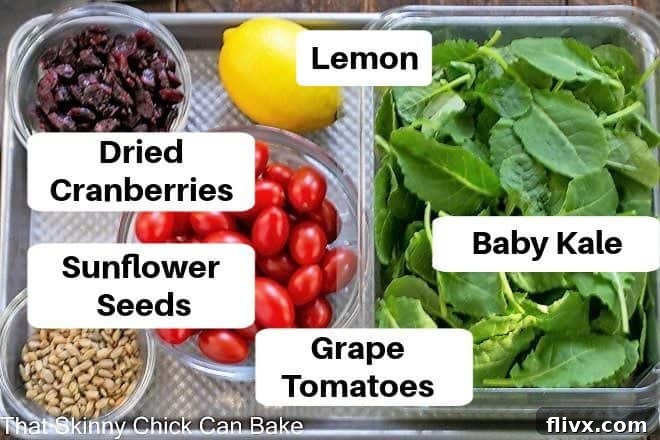
Crafting an exceptional massaged kale salad begins with thoughtful ingredient selection. Each component plays a vital role in creating the balanced flavors and varied textures that make this salad truly special. Here’s a deeper look at the essential ingredients and ideas for customization:
- Baby Kale (or Regular Kale with Stems Removed): As discussed, baby kale is the ultimate convenience, offering tender leaves ready for dressing. If you choose regular kale (curly, Lacinato, or Red Russian), remember to thoroughly wash it, remove the tough central stems and large ribs, and then chop the leaves into bite-sized pieces. The massaging step, which we’ll detail further, is essential for regular kale to achieve that desirable tender texture.
- Fresh Lemon Juice: This is a non-negotiable for the dressing! The bright, acidic, and wonderfully aromatic juice from a fresh lemon provides the essential tang that cuts through the richness of the olive oil and balances the sweetness of the honey. It also aids in tenderizing the kale. Avoid bottled lemon juice; its flat, processed flavor simply won’t yield the same vibrant results.
- Honey: A touch of natural sweetness is crucial for balancing the tartness of the lemon and the earthy notes of the kale. Honey creates a harmonious dressing, adding depth and a lovely glaze to the greens. You can easily adjust the amount to your preferred sweetness level. For a vegan alternative, pure maple syrup works beautifully.
- Extra-Virgin Olive Oil: The backbone of our vibrant vinaigrette. A good quality extra-virgin olive oil contributes healthy fats, a silky mouthfeel, and a subtle peppery or fruity note that enriches the entire salad. It’s essential for emulsifying the dressing and ensuring a smooth, cohesive texture. Use more for drizzling if you are massaging regular kale.
- Kosher Salt & Freshly Ground Black Pepper: These foundational seasonings enhance and unify all the flavors in the salad. Salt brings out sweetness and complexity, while freshly ground black pepper adds a subtle kick. Always taste and adjust to your personal preference; a little extra can make a big difference!
- Grape Tomatoes: These small, sweet, and juicy tomatoes add bursts of freshness, a lovely pop of color, and a delightful counterpoint to the kale’s robust texture. Cherry tomatoes are an excellent substitute. For a more exotic flavor profile, consider diced fresh mango, as was suggested in the original inspiration for this recipe.
- Salted Sunflower Seeds: Providing a fantastic crunch and a savory, nutty depth, sunflower seeds are a textural highlight. Their light saltiness complements the other ingredients perfectly. For an intensified flavor and aroma, lightly toast them in a dry skillet before adding to the salad. Other excellent alternatives include slivered almonds, pine nuts, pecans, or roasted pumpkin seeds (pepitas).
- Dried Cranberries (Craisins): These chewy, tart-sweet berries are a quintessential addition, offering a pleasant chewiness, a vibrant color, and a welcome burst of sweetness that beautifully contrasts the kale. They’re often called “Craisins,” a popular brand name. Feel free to experiment with other dried fruits such as dried tart cherries, golden raisins, or finely chopped dried apricots for varied flavors.
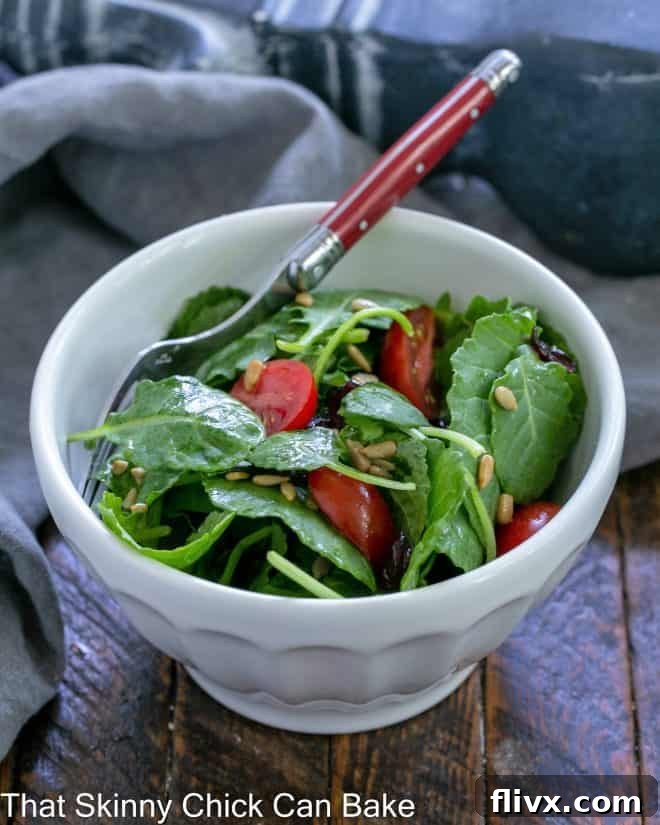
Pro Tips for Crafting Your Best Massaged Kale Salad
Elevate your Massaged Kale Salad from good to absolutely extraordinary with these expert tips and tricks. These insights will help you achieve perfect texture, balanced flavors, and a truly memorable salad experience every time.
- The Essential Art of Massaging Kale: If you’re using mature, regular kale leaves (not baby kale), the massaging step is non-negotiable. To do this, place the washed, de-stemmed, and chopped kale into a large bowl. Drizzle with a tablespoon of olive oil and a squeeze of fresh lemon juice, along with a pinch of salt. Using clean hands, gently but firmly massage the kale leaves for 2 to 3 minutes. You’ll observe a remarkable transformation: the leaves will soften, become darker green, and shrink in volume. This process breaks down tough fibers, making the kale tender, easier to chew, and significantly less bitter.
- A Note on Hand Care: When massaging kale with lemon juice, be aware that even tiny cuts or scrapes on your hands can sting intensely due to the acid. If you have any open wounds or sensitive skin, wearing kitchen gloves is highly recommended to protect your hands and ensure a comfortable preparation experience.
- Opt for Baby Kale for Ultimate Convenience: To completely bypass the massaging step while still enjoying a tender kale salad, simply purchase pre-washed baby kale. This variety is harvested young, so its leaves are naturally delicate and require no extra tenderizing. It’s an excellent time-saver for busy schedules.
- Always Taste and Adjust Your Dressing: Before you combine all the ingredients, always taste your dressing! Dip a small kale leaf into a spoonful of the dressing to get an accurate sense of the flavor profile. This is your opportunity to fine-tune the balance: add more lemon juice for extra tang, more honey for sweetness, or additional salt and pepper to perfection. It’s much easier to adjust the dressing at this stage than after it’s mixed with the entire salad.
- Unlock Deeper Flavors by Toasting Nuts/Seeds: For an incredible boost of nutty aroma and flavor, take a few extra minutes to gently warm your sunflower seeds (or any nuts you choose) in a dry skillet over medium-low heat. Stir them frequently for about 3-5 minutes until they are lightly golden and fragrant. This simple step releases their natural oils, intensifying their taste and adding a superior depth to your salad. Allow them to cool completely before adding them to the salad to maintain their crispness.
- Embrace Personalization and Creativity: This recipe is a fantastic canvas for your culinary imagination. Feel free to add or swap ingredients based on what you love or what you have on hand. Consider adding crisp cucumber slices for extra freshness, creamy avocado for healthy fats, crumbled feta or goat cheese for a tangy element, or even some thinly sliced red onion for a pungent kick. Ingredients like diced mango and pepitas (pumpkin seeds) were used in earlier versions of this recipe, demonstrating its adaptability to different flavor profiles.
- Strategic Meal Prep: While best served fresh, you can prepare the dressing up to 3-4 days in advance and store it in an airtight container in the refrigerator. If using regular kale, you can even massage it an hour or two before serving and store it covered in the fridge. However, for the crispiest texture, it’s best to combine the dressing, kale, and other mix-ins just before serving. This prevents the vegetables from becoming overly soft or soggy.
The Incredible Health Benefits of Kale: A Nutritional Powerhouse
Kale has earned its reputation as a “superfood” for good reason. Incorporating this leafy green into your diet, particularly in delicious and accessible forms like our Massaged Kale Salad, offers a remarkable array of health benefits that support overall well-being. Here’s a closer look at why kale is so good for you:
- Abundant in Essential Vitamins and Minerals: Kale is a powerhouse of vital nutrients. It’s an excellent source of Vitamin A, which is crucial for eye health, immune function, and skin integrity. It’s also exceptionally rich in Vitamin C, a potent antioxidant that supports collagen production, boosts immunity, and protects cells from damage. Furthermore, kale provides an impressive amount of Vitamin K, essential for blood clotting and strong bone health. Beyond vitamins, it’s a good source of important minerals such as calcium (important for bones), iron (for oxygen transport), and folic acid (vital for cell growth).
- Packed with Powerful Antioxidants: Beyond the well-known vitamins, kale contains a variety of powerful antioxidants, including quercetin and kaempferol. These compounds work to neutralize free radicals in the body, reducing oxidative stress and inflammation, which are linked to chronic diseases like heart disease and certain cancers.
- High in Dietary Fiber: Kale is an excellent source of dietary fiber, which plays a crucial role in digestive health. Fiber promotes regularity, aids in maintaining a healthy gut microbiome, and can contribute to feelings of fullness, which is beneficial for weight management. It also helps stabilize blood sugar levels.
- Supports Heart Health: The fiber in kale helps bind bile acids, which can lead to lower cholesterol levels. Additionally, kale’s high potassium content supports healthy blood pressure, further contributing to cardiovascular health. Its anti-inflammatory properties also protect against arterial damage.
- Anti-Inflammatory Properties: The rich concentration of antioxidants and phytonutrients in kale confers significant anti-inflammatory benefits. Chronic inflammation is at the root of many modern diseases, and consuming anti-inflammatory foods like kale can help mitigate these risks.
- Detoxification Support: Kale contains compounds that support the body’s natural detoxification processes, particularly those involving the liver. These compounds help to neutralize harmful substances and facilitate their elimination from the body.
- Important Consideration for Vitamin K: Due to its exceptionally high Vitamin K content, individuals taking anticoagulant medications (blood thinners) such as Warfarin (Coumadin) should consult their healthcare provider regarding their kale consumption. Vitamin K can interfere with the effectiveness of these medications, and consistent intake is often recommended.
Frequently Asked Questions About Kale
Delving deeper into kale can help you appreciate this versatile green even more. Here are answers to some common questions about kale:
Kale is a member of the *Brassica oleracea* plant species, which also includes other cruciferous vegetables like cabbage, broccoli, cauliflower, and Brussels sprouts. Unlike many of its cousins, kale is considered a “non-heading” variety because its leaves grow outwards from a central stem rather than forming a tight head. Originating from wild cabbage, kale has been cultivated for over 2,000 years, primarily in Europe, for its robust nutritional profile and resilience. It comes in several varieties, including curly kale (the most common, with ruffled leaves), Lacinato kale (also known as dinosaur or Tuscan kale, featuring dark, elongated, bumpy leaves), and Red Russian kale (with flat, purplish-green leaves). Each type offers a slightly different texture and a mild, earthy, cabbage-like flavor.
Proper storage is key to preserving kale’s crispness and extending its shelf life. For regular kale, store it unwashed in the coldest part of your refrigerator. A great method is to wrap the bunch loosely in a damp paper towel, then place it in a plastic bag or an airtight container. This helps maintain moisture without trapping too much, which can lead to spoilage. Regular kale can stay fresh for up to 3-5 days, though its flavor may become stronger as it ages. Baby kale, being more delicate, generally has a longer shelf life and can often stay fresh for over a week with similar storage methods. Always wash kale thoroughly just before you’re ready to use it, not before storing.
Massaging kale is a transformative technique that addresses the inherent toughness and slight bitterness often found in mature kale leaves. The physical act of gently rubbing the kale, typically with a small amount of olive oil and an acidic ingredient like lemon juice, helps to physically break down the rigid cell walls and fibers within the leaves. This process tenderizes the kale, making it much softer, more palatable, and easier to chew and digest. Additionally, the acid in the lemon juice and the friction from the massage help to “cook” the kale slightly, mellowing its sometimes-strong flavor and reducing any bitterness. This step is crucial for regular kale, converting it from a fibrous green into a tender, delightful salad base. Baby kale, by contrast, is naturally tender and usually does not require massaging.
Kale’s robust nature and nutrient density make it incredibly versatile in the kitchen, extending its uses far beyond just salads. It makes an excellent, more structured substitute for spinach in most cooked recipes. You can sauté it with garlic and a touch of chili flakes for a quick and healthy side dish, or incorporate it into hearty soups, stews, and stir-fries, where it holds its texture wonderfully. Blended into smoothies, kale adds a vibrant green color and a significant nutritional boost without overpowering other flavors. For a popular and delicious snack, try making crispy kale chips by tossing leaves with olive oil and salt and baking them until crunchy. It can also be added to pasta dishes, quiches, frittatas, and even used as a healthy topping for pizzas. Remember to always wash regular kale thoroughly and remove the tough central stalks and large ribs before cooking or adding to recipes.
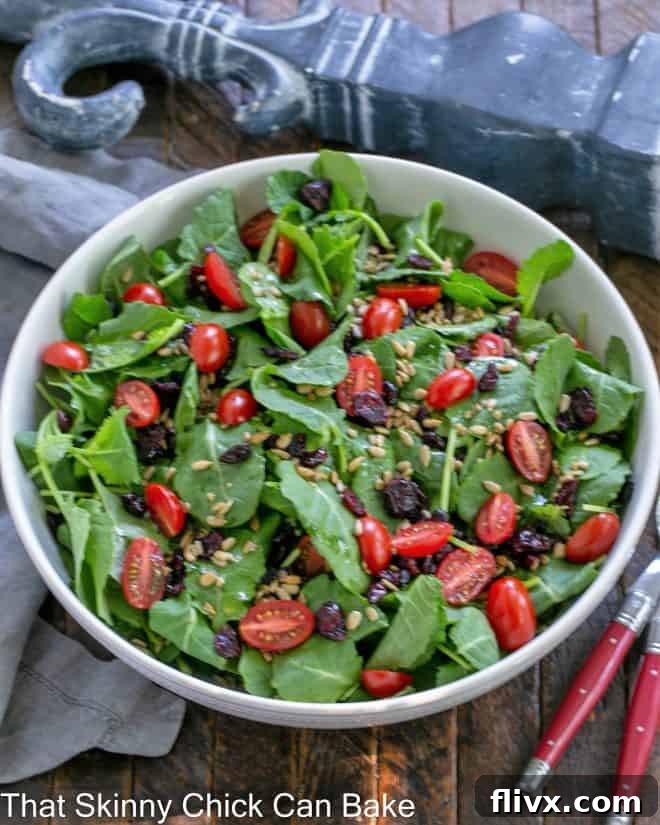
Serving Your Delicious Massaged Kale Salad with Style
This vibrant Massaged Kale Salad with Cranberries and Sunflower Seeds is a versatile dish that can complement a wide range of meals or stand proudly on its own. Its sturdy texture means it holds up well, making it a reliable choice for various occasions. Here are some inspired serving suggestions:
- As a Perfect Side Dish: This salad pairs beautifully with almost any main course. Serve it alongside grilled chicken, pan-seared salmon, baked cod, a hearty steak, or succulent pork chops. Its fresh, bright flavors provide a wonderful counterpoint to richer proteins.
- Elevate Your Lunch or Dinner: To transform this into a more substantial and satisfying meal, consider adding a protein boost. Grilled chicken breast strips, flaked salmon, baked tofu, a scoop of cooked quinoa, or even roasted chickpeas would all be excellent additions. A crumbled hard-boiled egg or some feta cheese can also add extra dimension.
- A Potluck and Picnic Favorite: Thanks to the massaged kale’s resilience, this salad is an ideal choice for potlucks, picnics, or barbecues. It travels well and won’t wilt as quickly as more delicate greens, making it a reliable crowd-pleaser.
- With Soups and Sandwiches: Enjoy a smaller portion of this refreshing salad as a healthy and flavorful side to a warm bowl of soup, a comforting sandwich, or a light wrap. It adds a crucial dose of freshness and crunch.
- Brunch Highlight: Brighten up your brunch spread by including this colorful and nutritious salad. It offers a fresh contrast to richer breakfast items and is a lovely way to incorporate greens early in the day.
Massaged Kale Salad with Cranberries and Sunflower Seeds Recipe
Get ready to create a truly irresistible and healthy salad that will quickly become a staple in your kitchen. This Massaged Kale Salad recipe is simple, flavorful, and packed with nutrients. Follow these clear, step-by-step instructions for culinary success, whether you choose tender baby kale or prefer to massage traditional kale for a richer experience.
Ingredients (Yields 4 Servings)
- 10 ounces baby kale (or regular kale with stems and ribs removed and chopped*)
- Juice of one large fresh lemon (approximately 3-4 tablespoons for the dressing, plus extra if massaging regular kale)
- ¼ cup extra-virgin olive oil, plus an additional drizzle (about 1 tablespoon) for massaging if using regular kale
- ½ teaspoon Kosher salt, or to taste
- 2 teaspoons honey (or pure maple syrup for a vegan option), adjustable to your preferred sweetness level
- ¼ teaspoon freshly ground black pepper, or to taste
- 1-pint grape tomatoes, halved (or cherry tomatoes, quartered)
- 2-3 tablespoons salted sunflower seeds, gently toasted for enhanced flavor (optional but recommended)
- ½ cup dried cranberries (such as Crasins), or other dried tart fruit like dried cherries
Instructions
- Prepare the Lemon-Honey Vinaigrette: In a small glass measuring cup or a mixing bowl, combine the fresh lemon juice, honey, and freshly ground black pepper. Whisk these ingredients together until well combined. Slowly begin to drizzle in the ¼ cup of extra-virgin olive oil, whisking continuously and vigorously. Continue whisking until the dressing is well emulsified and takes on a slightly creamy consistency. Taste the dressing and adjust the seasonings as needed, adding more salt, pepper, lemon juice, or honey to achieve your desired balance of sweet, tart, and savory. Set aside.
- Prepare the Kale: If you are using pre-washed baby kale, simply transfer it directly into a large serving bowl. If you are using regular kale (which you’ve already de-stemmed and chopped), place it into the large serving bowl. Drizzle half of the prepared lemon-honey vinaigrette over the regular kale, along with an additional small drizzle (about 1 tablespoon) of extra-virgin olive oil and a pinch of salt. Using clean hands, gently but firmly massage the kale leaves for approximately 2 to 3 minutes. You will feel the leaves soften significantly, turning a darker shade of green and becoming more pliable. This step tenderizes the kale and mellows its flavor.
- Assemble the Salad: Add the halved grape tomatoes, toasted sunflower seeds, and dried cranberries to the bowl containing the prepared kale.
- Dress and Serve: Pour the remaining dressing over all the salad ingredients. Toss everything gently but thoroughly to ensure all the components are evenly coated with the delicious vinaigrette. Serve your Massaged Kale Salad immediately to enjoy its freshest texture and vibrant flavors.
Notes
*Massaging is a critical step when using regular kale to break down its tough fibers and tenderize the leaves, making them palatable for a raw salad. This step is entirely optional and unnecessary if you choose to use delicate baby kale, which is already tender.
For the best texture and flavor, it is recommended to dress the salad just before serving. However, the dressing can be prepared up to 3-4 days in advance and stored in an airtight container in the refrigerator.
Nutrition Information (Estimated Per Serving)
While exact nutritional values can vary based on specific brands, ingredient choices, and portion sizes, here’s an estimated nutritional breakdown for one serving of this delicious Massaged Kale Salad, based on dividing the recipe into 4 servings. This information is provided as a general guide:
- Calories: Approximately 444 kcal
- Total Fat: Approximately 33g
- Saturated Fat: Approximately 4g
- Trans Fat: Approximately 0g
- Unsaturated Fat: Approximately 26g
- Cholesterol: Approximately 9mg
- Sodium: Approximately 2038mg
- Total Carbohydrates: Approximately 34g
- Dietary Fiber: Approximately 7g
- Sugars: Approximately 22g
- Protein: Approximately 11g
Please note: This information is provided as a courtesy and is an estimate only. Nutritional values can vary significantly based on ingredients used, specific portion sizes, and preparation methods. For the most accurate nutritional information, it is recommended to calculate it with the exact ingredients you use. This recipe is also rich in essential vitamins like A, C, and K, as well as various beneficial antioxidants.
Explore More Delicious Salad Recipes
If you’ve discovered the joy of this Massaged Kale Salad, you’ll surely enjoy exploring other fresh and flavorful salad creations from our collection. Expand your culinary repertoire with these enticing recipes:
- Invigorating Winter Salad with Apples, Pecans, Blue Cheese, and Dried Cherries: A hearty and elegant salad perfect for colder months, combining crisp apples, crunchy pecans, tangy blue cheese, and sweet dried cherries.
- Delightful Spinach Salad with Pears, Cranberries and Candied Pecans: A sophisticated yet simple salad featuring the sweet and savory harmony of fresh pears, tart cranberries, and irresistible candied pecans.
- Refreshing Spinach Salad with Strawberries, Pomegranate Arils, and Feta: A vibrant and colorful salad bursting with the freshness of strawberries, the jeweled sweetness of pomegranate arils, and the salty tang of feta cheese.
- Creamy Homemade Blue Cheese Salad Dressing Recipe: Elevate any salad with this rich, tangy, and incredibly flavorful homemade blue cheese dressing, far superior to store-bought versions.
- Discover even more of the Best Salad Recipes: Browse our extensive collection for inspiration for every season, occasion, and palate, ensuring your next salad is always a hit!
We hope you thoroughly enjoy preparing and tasting this wonderful Massaged Kale Salad! Your feedback and culinary creations are always valued. Please leave a comment below with your thoughts, any modifications you made, or simply share how much you loved it. Don’t forget to share a photo of your vibrant salad on social media! Stay connected with us and discover more delicious recipes by following us on Instagram, Facebook, and Pinterest. Make sure to tag us when you try one of our recipes! If you loved the results, please consider giving this recipe a 5-star rating to help others discover this delightful and healthy dish.