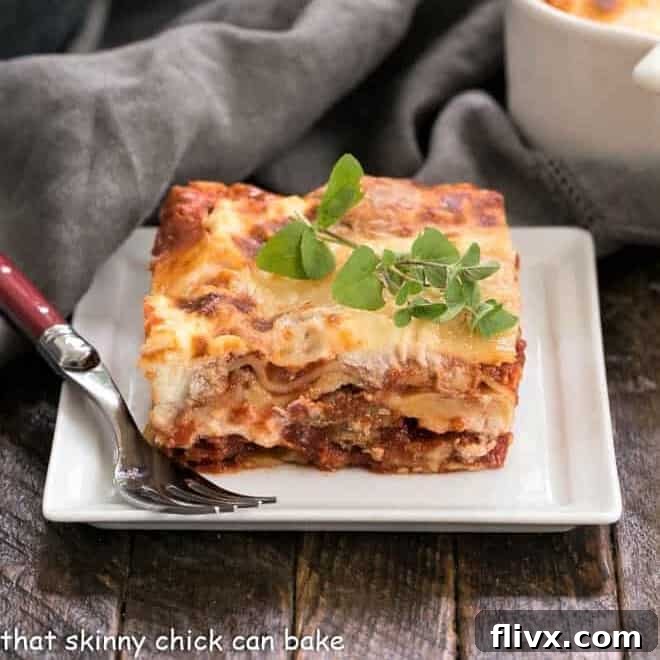
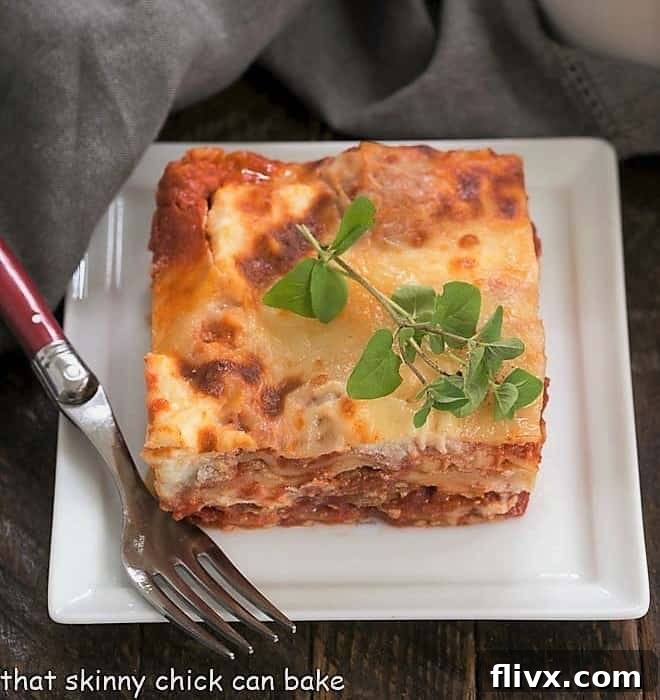
Pure comfort food takes on a new meaning with this incredibly delicious Lasagna with Ricotta Cheese and Italian Sausage. A family-favorite entrée that promises layers of rich flavor and cheesy goodness, perfect for any occasion.
The Ultimate Ricotta and Italian Sausage Lasagna: A Timeless Family Favorite
Prepare to be enchanted by a lasagna recipe that consistently earns rave reviews. This isn’t just any pasta dish; it’s a culinary masterpiece featuring luscious layers of creamy ricotta cheese, perfectly seasoned Italian sausage, and a deeply flavorful, slow-cooked tomato sauce, all enveloped in gooey, melted mozzarella. Whether you’re planning a cozy family dinner or a festive gathering, this Ricotta Lasagna with Italian Sausage stands as a testament to hearty, authentic Italian-American cooking. It’s a dish that embodies warmth, tradition, and pure gastronomic pleasure, making it a staple in any home cook’s repertoire.
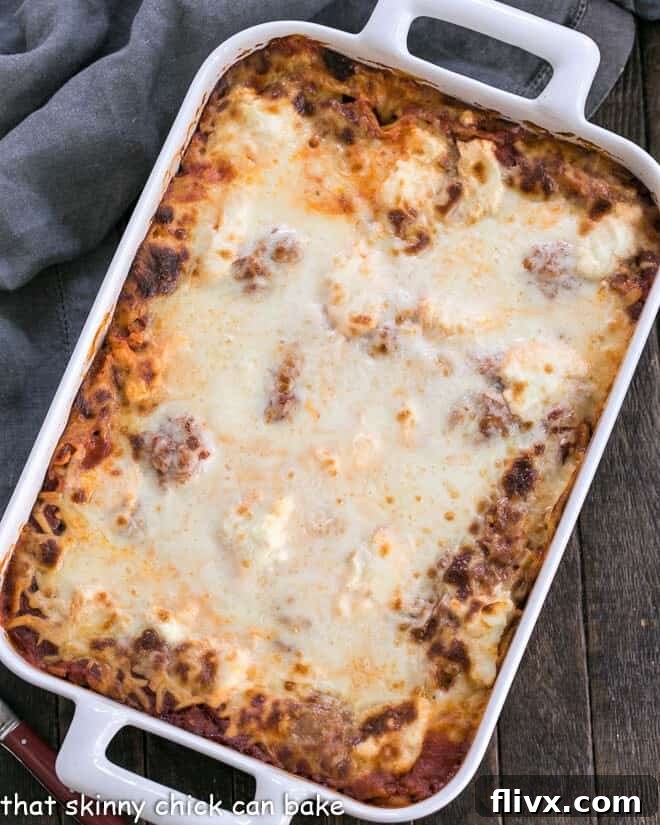
Why This Ricotta and Sausage Lasagna Will Become Your Go-To Recipe
Forget everything you thought you knew about traditional lasagna. While many recipes, especially older ones from regions where specialty ingredients were scarce, might suggest cottage cheese, embracing the creamy indulgence of ricotta cheese elevates this dish to an unparalleled level of luxury. My own family’s journey from cottage cheese to ricotta-based lasagna was a revelation, marking a significant upgrade in texture and flavor that we never looked back from. This recipe is more than just a meal; it’s an experience that brings warmth and satisfaction to the table, making it an absolute must-try for several compelling reasons:
- Unforgettable Creaminess: If you’ve never experienced lasagna made with authentic ricotta cheese, prepare for a delightful surprise. Ricotta provides a smooth, rich texture and a subtle sweetness that cottage cheese simply cannot replicate. Each bite transforms into a melt-in-your-mouth delight, creating pockets of soft, savory cheese throughout the dish.
- Depth of Flavor from Italian Sausage: The inclusion of Italian sausage isn’t just about adding meat; it’s about infusing the entire sauce with a complex, savory, and often slightly spicy character. When properly browned, the sausage releases its aromatic fats and develops a deep umami flavor that permeates every layer, ensuring every forkful is bursting with robust, well-rounded taste.
- Irresistibly Cheesy Perfection: What’s lasagna without copious amounts of gooey, perfectly melted mozzarella? This recipe doesn’t hold back, promising generous layers of stringy, satisfying cheese that stretch and pull with every serving. The combination of ricotta’s creamy texture and mozzarella’s melt creates a harmonious balance that satisfies every cheese lover’s craving.
- A Versatile Meal for Every Occasion: From casual weeknight dinners to special holiday feasts, this hearty lasagna is a crowd-pleaser that scales perfectly. It’s comforting, substantial, and universally adored, ensuring empty plates and happy smiles. Its ability to feed a large family or be prepared in advance makes it an ideal choice for entertaining or busy schedules.
Crafting the Perfect Lasagna: Essential Ingredients
The secret to an extraordinary lasagna lies in the quality and meticulous preparation of its core components. Here’s a detailed look at the ingredients you’ll need to create this magnificent Ricotta and Italian Sausage Lasagna, along with expert tips for selecting and preparing each to achieve optimal flavor and texture:
- Premium Italian Sausage: This is the undeniable star of our meat sauce. Italian sausage is available in several varieties – mild, sweet, or spicy – allowing you to tailor the heat level to your preference. Whether you choose bulk sausage or links (which you’ll remove from their casings), the most critical step is to brown the sausage thoroughly before adding it to the sauce. This process initiates the Maillard reaction – a complex chemical interaction between amino acids and reducing sugars – which creates hundreds of new flavor compounds, deepening the umami (savory) taste and adding a beautiful golden-brown crust. This initial browning is crucial as it lays a rich, foundational flavor that permeates the entire dish.
- Whole Milk Ricotta Cheese: For the creamiest, most luxurious lasagna experience, whole milk ricotta is an absolute must. Its higher fat content results in a silkier, more indulgent cheese layer compared to its part-skim counterparts. This richness contributes significantly to the overall mouthfeel and classic comfort-food appeal of the lasagna. If your ricotta appears excessively watery, gently drain it in a fine-mesh sieve lined with cheesecloth for 30 minutes to an hour to remove excess moisture and prevent a runny lasagna.
- High-Quality Lasagna Noodles: You have a choice between traditional dried lasagna noodles or the convenience of no-boil varieties, each with its own preparation considerations:
- No-Boil Lasagna Noodles: If opting for no-boil noodles, ensure your sauce has ample liquid. These noodles absorb moisture directly from the sauce to soften and cook through in the oven. A sauce that is too thick might leave them slightly firm or “al dente” in places.
- Traditional Dried Lasagna Noodles: For classic dried noodles, cook them according to package directions in a generous amount of well-salted water. A time-honored Italian chef’s tip: the cooking water should taste noticeably salty, similar to seawater. Salting the water properly seasons the noodles from the inside out, providing a superior, integrated flavor compared to seasoning only after cooking. Cook them to just under al dente as they will continue to cook and soften further during the baking process in the oven.
- Rich Tomato Sauce Base: While the full recipe outlines exact quantities, understand that a truly great lasagna sauce begins with high-quality tomatoes. Using a combination of crushed and diced tomatoes provides a wonderful balance of smooth consistency and chunky texture. Slow simmering the sauce for at least two to three hours is not merely a suggestion but a cornerstone of flavor development. This extended cook time allows the tomatoes, aromatic vegetables (like onion and garlic), and herbs (oregano, thyme, bay leaf) to meld, deepen, and concentrate their flavors, creating a robust, complex foundation that defines your lasagna. A touch of brown sugar helps to balance the acidity of the tomatoes.
- Abundant Mozzarella Cheese: For that irresistible gooey factor, fresh shredded or thinly sliced mozzarella is ideal. While pre-shredded cheese is convenient, it often contains anti-caking agents that can slightly affect its melt. If time allows, grating your own block of mozzarella yields a superior, smoother, and more appealing melt. Consider a blend of low-moisture, whole-milk mozzarella for the best results.
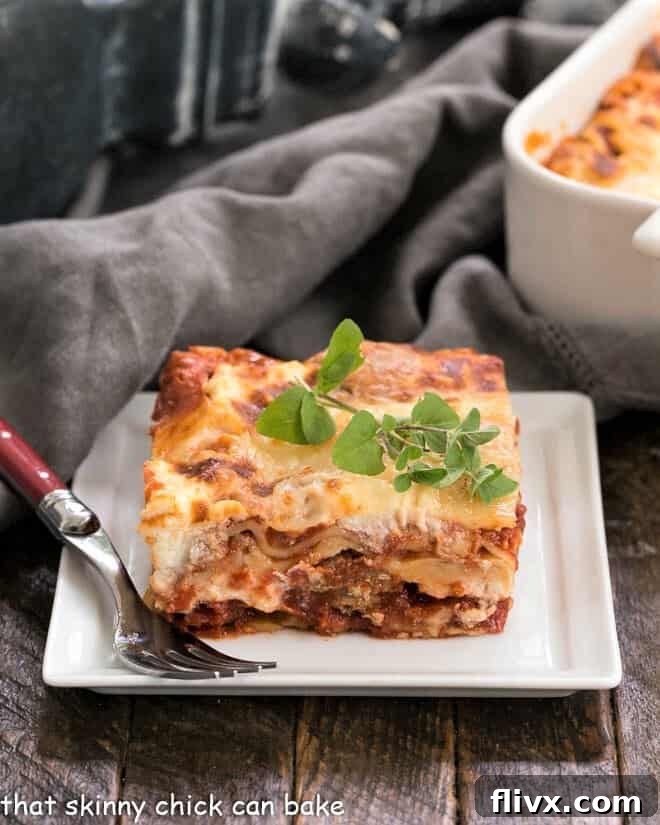
Exploring Ricotta Cheese: Store-Bought vs. Homemade & Its Many Uses
Ricotta cheese is a cornerstone of this lasagna, offering a delicate sweetness and a wonderfully creamy texture. While it’s conveniently available in most grocery stores, the experience of creating homemade ricotta is surprisingly straightforward and immensely rewarding. Freshly made ricotta often boasts a brighter, cleaner flavor that can truly elevate your dishes, adding a touch of artisanal quality to your cooking.
Beyond its starring role in lasagna, ricotta is an incredibly versatile ingredient in the kitchen. Its mild flavor and creamy consistency make it a fantastic addition to numerous recipes, both savory and sweet:
- A rich and delicate filling for stuffed pasta shells, manicotti, and other baked pasta dishes.
- A delightful, light, and protein-rich alternative to cream cheese when spread on toast, bagels, or crackers.
- A creamy base for sophisticated savory dips and spreads, often mixed with herbs, garlic, or roasted vegetables.
- A luxurious dollop on top of hearty soups and stews, providing a cooling contrast and added richness.
- An essential component in classic Italian sweet treats like cheesecakes, cannoli fillings, and crostata.
- Spread onto homemade pizza as a flavorful white sauce base or dolloped on top with other toppings for bursts of creamy flavor.
- Mixed into scrambled eggs or frittatas for an extra fluffy and moist texture.
Expert Tips for Lasagna Perfection
Achieving lasagna perfection involves more than just following a recipe; it’s about understanding the nuances and techniques that elevate each component, transforming a good dish into an extraordinary one. These expert tips will help you create a lasagna that is consistently delicious, visually stunning, and truly memorable:
- Mastering the Sausage Browning: We’ve touched on this, but it bears repeating: do not skip browning the Italian sausage. Whether you opt for bulk sausage or slices, thoroughly cooking it first helps intensify its flavors through the Maillard reaction. This crucial chemical process, occurring between amino acids and reducing sugars in the meat, produces a distinct, savory browned flavor (umami) that is impossible to achieve otherwise. Ensure you achieve a lovely golden-brown color on your sausage during sautéing for the best possible outcome. This step creates flavor depth that will carry through the entire dish.
- Customizing for Dietary Preferences and Families: If you have family members with varying preferences, consider how you incorporate the meat. Adding cooked Italian sausage as slices rather than fully integrating crumbled bulk sausage into the sauce can be a thoughtful approach. This allows those who prefer a meatless option, or simply don’t enjoy meat in every bite, to easily pick around it. For a completely meatless version, you can adapt this recipe into a delightful Lasagna with Spinach, detailed further below.
- The Art of the Slow-Simmered Sauce: A truly exceptional lasagna begins with a deeply flavorful tomato sauce. Simmering your sauce for a minimum of 2-3 hours is not merely a suggestion but a cornerstone of flavor development. This extended cook time allows the tomatoes, herbs, and aromatics to meld, deepen, and concentrate their flavors, creating a robust, complex foundation that defines your lasagna. Use good quality crushed tomatoes for a smooth, consistent sauce texture, and diced tomatoes for a pleasant textural contrast.
- Layering with Care and Precision: The structural and flavor success of your lasagna hinges on thoughtful and even layering. Always start with a thin layer of sauce on the bottom of your baking dish – this prevents the first layer of noodles from sticking and provides initial moisture to aid in cooking. Alternate layers of noodles, a generous portion of the meat sauce, dollops of ricotta, and ample sprinklings of mozzarella. Don’t press down too hard; aim for a structure that allows steam to circulate during baking, ensuring even cooking and melting.
- Preventing a Dry or Runny Lasagna: To prevent dry noodles, ensure your sauce has adequate moisture, especially if using no-boil noodles. Conversely, to avoid a watery lasagna, allow your sauce to cool slightly before assembling, and drain any excess liquid from the ricotta if it seems too wet. Overly wet ricotta can introduce too much moisture into the final dish, resulting in a less cohesive texture.
- The Crucial Resting Period: After baking, resist the urge to cut into your lasagna immediately. Allowing it to rest for at least 15-20 minutes after it comes out of the oven is crucial. This resting period allows the layers to set, the cheeses to firm up slightly, and the liquids to redistribute, making for cleaner, more defined slices and preventing the lasagna from collapsing when served. It ensures each portion holds its shape beautifully.
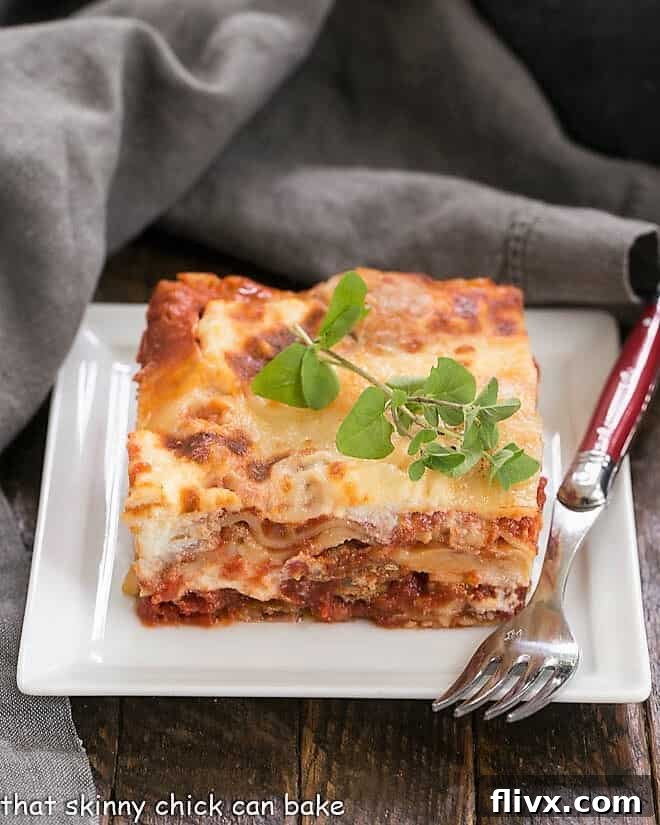
Mastering Your Lasagna: Pro Tips and Exciting Variations
With the core ingredients and expert techniques understood, let’s dive into more specific tips and exciting variations to make your Ricotta and Italian Sausage Lasagna truly shine, ensuring it caters to all tastes and preferences.
- Optimizing Cheese Layers: While mozzarella is traditional for its exceptional melt and stretch, consider adding a sprinkle of grated Parmesan cheese between layers or on top for an extra layer of salty, nutty flavor and a beautiful golden crust. For the ricotta layer, remember to spoon it in dollops rather than trying to spread it evenly, especially if using whole milk ricotta, which can be quite thick. This ensures a delightful distribution of creamy pockets throughout the lasagna, enhancing every bite.
- Baking to Golden Perfection: Always bake your lasagna covered with greased or non-stick foil for the majority of the baking time. This critical step traps steam, ensuring the noodles cook thoroughly and the cheese melts evenly without browning too quickly or drying out. For the last 15-20 minutes, remove the foil to allow the top layer of mozzarella to bubble, brown, and form that appealing golden crust. If desired, a quick broil for 1-2 minutes (watch carefully to prevent burning!) can achieve a more intense golden-brown top, adding texture and visual appeal.
- Delightful Lasagna Variations: This recipe serves as a fantastic base for customization:
- Meatless Lasagna with Spinach: For a superb vegetarian alternative, simply omit the Italian sausage entirely. In a medium bowl, combine 1 pound of whole milk ricotta cheese with one 9-ounce box of frozen chopped spinach (defrosted and thoroughly squeezed dry), one large egg (for binding), ¼ cup grated Parmesan cheese, 1 teaspoon dried basil, ½ teaspoon salt, and ¼ teaspoon freshly ground black pepper. Mix well and use this flavorful spinach-ricotta mixture in place of the plain ricotta in your layers. This creates a vibrant and satisfying meatless dish.
- Adding More Vegetables: Feel free to incorporate other sautéed vegetables like sliced mushrooms, diced bell peppers, thinly sliced zucchini, or caramelized onions into your sauce. These additions can boost nutrients, add textural interest, and introduce new layers of flavor. Ensure vegetables are cooked down to release excess moisture before adding to the sauce.
- Ground Beef Alternative: If Italian sausage isn’t your preference or is unavailable, high-quality lean ground beef or a blend of ground beef and pork can be used. Brown it thoroughly, drain any excess fat, and season it well with Italian herbs, salt, and pepper before adding it to your slow-simmered tomato sauce.
- Freezing and Reheating for Convenience: Lasagna is an excellent make-ahead meal and freezes beautifully. Once assembled and completely cooled, it can be tightly wrapped in several layers of plastic wrap and then foil, and frozen for up to 3 months. To bake from frozen, simply extend the baking time significantly, usually to about 1 ½ hours or until heated through and bubbling vigorously in the center. For best results and more even cooking, it’s recommended to thaw the frozen lasagna in the refrigerator overnight before baking, then follow the standard baking instructions.
Frequently Asked Questions About Lasagna and Ricotta
The word “Ricotta” literally translates to “recooked” in Italian. Historically, it was made from the whey – the yellowish liquid leftover from milk after cheese production (like mozzarella or provolone). In traditional Italian cheesemaking, an acid, such as lemon juice or vinegar, would be added to this whey, often with a small amount of fresh milk, to coagulate the remaining proteins (primarily albumin and globulin, not casein) and form the soft, fluffy curds we know as ricotta.
In contemporary American production, ricotta is more commonly made directly from whole milk or a combination of milk and cream, rather than solely whey. However, the underlying technique of acid coagulation remains the same. This process yields a fresh, creamy, and subtly sweet cheese that is lighter and finer in texture than cottage cheese, making it remarkably versatile for both savory applications like lasagna and sweet dishes such as cheesecakes and cannoli.
Absolutely! Making fresh ricotta at home is a surprisingly simple and immensely rewarding process. It’s an excellent option if store-bought ricotta isn’t readily available or if you simply prefer the superior taste and freshness of homemade. You only need a few basic ingredients and a little patience:
- Prepare Lemon Juice: Squeeze 2-3 fresh lemons to yield approximately 7 tablespoons of fresh lemon juice. This acid is crucial for curdling the milk.
- Combine Ingredients: In a large, heavy-bottomed, non-reactive pan (like stainless steel), combine ½ gallon of whole milk, 1 cup of heavy cream, and ¼ teaspoon of salt. Stir gently to ensure all ingredients are well mixed.
- Heat Slowly: Place the pan over medium-low heat. Slowly bring the mixture to a temperature between 165°F and 170°F (74°C-77°C). This gentle heating typically takes 45 to 50 minutes. Stir occasionally with a spoon or whisk to prevent the milk from sticking to the bottom of the pan, but avoid over-stirring, as this can prevent the curds from forming properly or result in very small curds.
- Increase Heat & Coagulate: Once the target temperature is reached, add the lemon juice and stir once or twice. Slightly increase the heat and continue cooking for another 7 to 8 minutes, or until the temperature reaches 200°F to 205°F (93°C-96°C) around the edges and in the center. At this point, you will distinctly see the milk begin to curdle and separate into solid white curds and yellowish, clear whey.
- Rest: Remove the pan from the heat and let it rest undisturbed for 15 minutes. This crucial resting period allows the curds to fully form and settle, resulting in a better yield and texture.
- Strain: Line a colander with a double thickness of damp cheesecloth and carefully pour the curds and whey into the prepared colander.
- Drain: Allow the ricotta to drain for about 20 minutes for a soft, creamy texture. For a firmer consistency, suitable for baking or where less moisture is desired, you can allow it to drain longer, up to an hour or two.
This process typically yields about 16 ounces of delicious, light, and subtly lemony homemade ricotta – an ingredient that will undoubtedly elevate your lasagna, fresh salads, or even a delicate, homemade cheesecake!
Discover More Delicious Pasta Recipes
If you’ve enjoyed the rich flavors and comforting warmth of this Ricotta and Italian Sausage Lasagna, we invite you to explore more of our pasta creations. Each recipe is crafted to bring joy to your kitchen and satisfaction to your table, promising to become new family favorites:
- Sausage Pepper Mushroom Fettuccine
- Classic Italian Meat Sauce
- Easy Spinach Lasagna
- Straw and Hay Pasta
- Explore More Irresistible Pasta Recipes
The Recipe:
Ricotta Lasagna with Italian Sausage
30 minutes
3 hours
3 hours 30 minutes
8 servings
A fabulous homemade lasagna featuring a richly flavorful slow-simmered sauce, creamy dollops of whole milk ricotta cheese, savory mild Italian sausage, and generous layers of gooey mozzarella!
Ingredients
- 1 cup chopped onion
- 2 tablespoons olive oil
- 2 cloves minced garlic
- 1 28-ounce can crushed tomatoes
- 1 16-ounce can diced tomatoes
- 1 6-ounce can tomato paste
- 1 tablespoon brown sugar
- 1 teaspoon salt
- 1 ½ teaspoons oregano
- ¼ teaspoon thyme
- 1 bay leaf
- 1 stalk of celery, cut in half
- 2 cups water
- 4 links Italian sausage (1½-2 pounds), casing removed and cooked (sliced or crumbled)
- 1 pound whole milk ricotta cheese
- 1 ½ pounds mozzarella, grated or shredded
- 8 ounces lasagna noodles (either traditional dried noodles, soaked in warm water for about an hour, or no-boil lasagna noodles)
Instructions
- In a large, heavy-bottomed pan or Dutch oven, heat the olive oil over medium heat. Add the chopped onion and sauté until translucent, about 5-7 minutes. Add the minced garlic and sauté for another minute until fragrant, being careful not to burn it.
- Stir in the crushed tomatoes, diced tomatoes, tomato paste, brown sugar, salt, oregano, thyme, bay leaf, celery stalk (whole), and water. Bring the sauce to a gentle simmer.
- Reduce the heat to low, cover, and let the sauce simmer for 2-3 hours, stirring occasionally, until it develops a rich, deep flavor. Before assembling the lasagna, remove and discard the celery stalk and bay leaf.
- If using traditional dried lasagna noodles, place them in a large dish and cover them with warm water for about an hour to soften. This method eliminates the need for pre-boiling. If using no-boil lasagna noodles, no prior preparation is required.
- While the sauce simmers, in a separate sauté pan, cook the Italian sausage (casing removed, crumbled, or sliced) over medium-high heat until it is thoroughly browned on all sides and cooked through. Drain any excess fat. Add the cooked sausage to the simmered tomato sauce and stir to combine.
- Preheat your oven to 350ºF (175ºC). Lightly grease a 9 x 13-inch baking pan. Spread a small amount of the meat sauce (about ½ cup) on the bottom of the dish to prevent the noodles from sticking and to provide initial moisture.
- Begin layering: Arrange half of the softened or no-boil lasagna noodles over the sauce base. Evenly spread half of the meat sauce over the noodles. Distribute half of the ricotta cheese in small dollops over the sauce, and then sprinkle generously with half of the grated mozzarella cheese.
- Repeat the layering process: Place the remaining noodles, followed by the rest of the meat sauce, the remaining ricotta cheese dollops, and finally, top with the remaining mozzarella cheese.
- Cover the baking pan tightly with a piece of greased aluminum foil or non-stick foil.
- Bake in the preheated oven for 1 hour. For a golden-brown and bubbly cheese topping, remove the foil for the last 15 minutes of baking, or until the cheese is melted and lightly browned to your liking.
- Once baked, remove the lasagna from the oven and allow it to cool and rest for about 15-20 minutes before cutting and serving. This crucial resting period helps the layers set, making for cleaner slices and preventing the lasagna from collapsing.
Notes
Lasagna is an excellent dish for meal preparation and freezing. Once assembled and completely cooled, it can be tightly wrapped in several layers of plastic wrap and then aluminum foil, and frozen for up to 3 months. If baking directly from frozen, extend the baking time to approximately 1 ½ hours or until heated through and bubbling vigorously in the center. For optimal results and more even cooking, it is generally recommended to thaw the frozen lasagna in the refrigerator overnight before baking, then follow the standard baking instructions.
This recipe is adapted from Creme de Colorado.
Nutrition Information:
Yield: 8 servings
Serving Size: 1 portion
Amount Per Serving:
Calories: 627
Total Fat: 38g
Saturated Fat: 18g
Trans Fat: 0g
Unsaturated Fat: 19g
Cholesterol: 106mg
Sodium: 1404mg
Carbohydrates: 35g
Fiber: 5g
Sugar: 13g
Protein: 38g