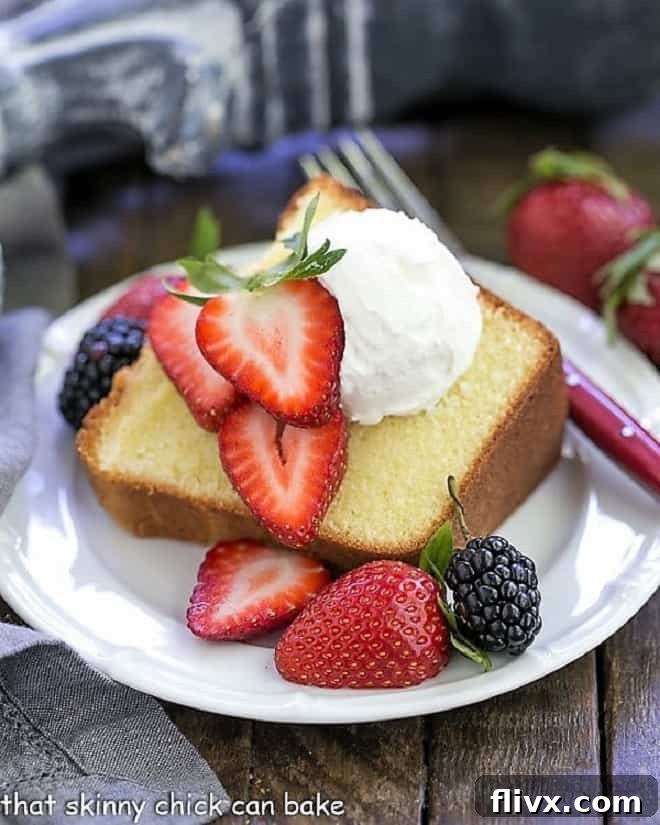
Welcome to the definitive guide for baking the Best Pound Cake Recipe you’ll ever encounter! This isn’t just any pound cake; it’s a culinary masterpiece. We’re talking about a cake that’s incredibly dense, exquisitely moist, and boasts an impeccably fine crumb. With a few simple yet brilliant tricks, like incorporating rich heavy cream and delicate cake flour, and mastering the art of alternating wet and dry ingredients, you’ll unlock the secret to a dessert that’s not only a showstopper but also a timeless staple in your baking repertoire. Prepare to impress with every single slice!
The pound cake earns its iconic name from its humble, yet perfectly balanced origins. Hailing from British culinary traditions, the earliest recipes were refreshingly straightforward, calling for a pound each of butter, sugar, eggs, and flour. This precise, equal-weight ratio created a robust, satisfying cake that stood the test of time. While our modern recipe might deviate slightly from those exact pound-for-pound measurements, the essence of that simple perfection remains. What I can absolutely promise you is that this particular Whipping Cream Pound Cake recipe delivers an unparalleled level of scrumptiousness, a true delight for the senses that you’ll want to bake again and again.
Why This Pound Cake Will Become Your Go-To Recipe
My journey with pound cake began in Junior High Home-Ec, where a simple recipe from my mother’s cookbook sparked a lifelong passion for baking. Despite a rookie mistake of forgetting the vanilla, my teacher praised the cake’s wonderful texture and taste, instilling in me a confidence that I could indeed bake! Years later, I stumbled upon this extraordinary recipe in Gourmet magazine, and it quickly eclipsed all others. I guarantee you, this isn’t just a good pound cake; it is, without a doubt, the BEST you will ever make. Here’s why it deserves a prime spot in your recipe collection:
- A Legacy of Flavor: This isn’t just any recipe; it’s rumored to be Elvis Presley’s favorite pound cake! A testament to its timeless appeal and classic flavor, it’s a tried-and-true recipe that has delighted palates for decades.
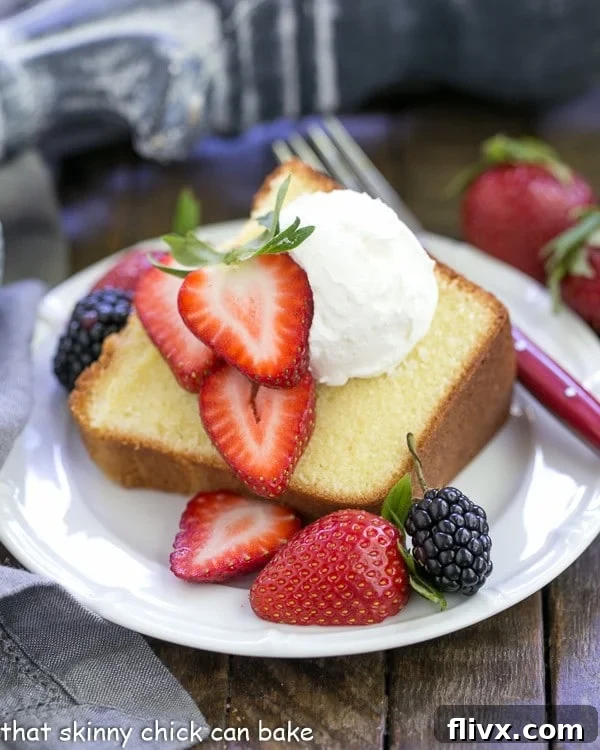
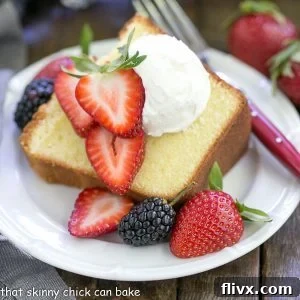
- Unrivaled Versatility: A classic vanilla pound cake serves as the perfect canvas for a myriad of delicious toppings. Imagine it adorned with an abundance of fresh, seasonal berries, a scoop of creamy vanilla ice cream, a generous cloud of homemade whipped cream, or a drizzle of your favorite fruit sauce. Its elegant simplicity makes it suitable for any occasion, from casual family desserts to sophisticated dinner parties.
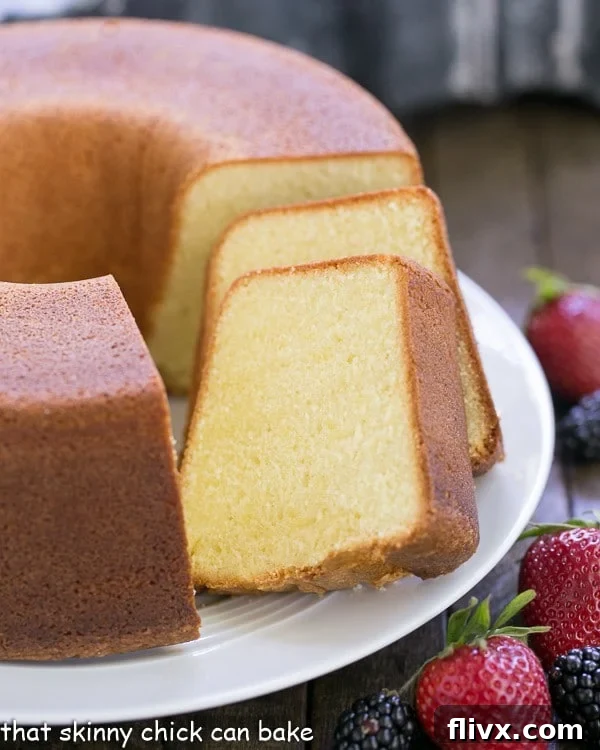
- Exceptional Texture and Taste: Prepare for a truly indulgent experience. This pound cake is characterized by its signature dense yet tender crumb, rich buttery flavor, and a moistness that lingers beautifully on the palate. Every bite is a harmonious blend of sublime texture and delicious taste, making it utterly irresistible.
- Simplicity with Superior Results: Despite its impressive outcome, the recipe is straightforward and accessible, even for novice bakers. The specific techniques and ingredient choices ensure that you achieve a professional-quality cake with minimal fuss.
- The Ultimate Comfort Food: There’s something inherently comforting about a perfectly baked pound cake. Its inviting aroma filling your kitchen and its satisfying richness make it the ideal treat for cozy evenings, festive gatherings, or simply when you need a little something special.
Hear It From Our Happy Bakers:
From Jacqueline on Pinterest: “Awesome! This cake is the BOOM BAM BOOM! I have branded myself as a baker with this recipe.”
Essential Ingredient Insights for a Flawless Pound Cake:
Achieving pound cake perfection starts with understanding your ingredients. While many are kitchen staples, a few key components and preparation tips can elevate your cake from good to truly exceptional. Always use high-quality ingredients for the best flavor outcome.
- Kitchen Staples: Ensure you have fresh and high-quality granulated sugar, unsalted butter, pure vanilla extract, and a good quality salt. These form the foundational flavor profile of your cake, so their quality matters.
- Eggs (you’ll need 7!): This recipe calls for a generous amount of eggs, which contribute significantly to the cake’s structure, richness, and moisture. It is absolutely crucial that your eggs are at room temperature. This allows them to emulsify more effectively with the butter and sugar, creating a smooth, cohesive batter and preventing curdling. If you forget to take them out in advance, a quick trick is to place them in a bowl of warm (not hot) water for 10-15 minutes.
- Cake Flour: This is a game-changer for pound cake texture. You’ll typically find cake flour in a box in the baking aisle. It has a lower protein content than all-purpose flour, resulting in less gluten formation. This is vital for achieving that signature fine, tender crumb that makes this pound cake so remarkable, rather than a chewy or tough texture.
- PRO-Tip for DIY Cake Flour: If cake flour isn’t readily available, you can easily make your own. For every cup of all-purpose flour, remove 2 tablespoons and replace them with 2 tablespoons of cornstarch. Sift this mixture together thoroughly several times to ensure even distribution. This simple substitution effectively reduces the gluten content, mimicking the properties of commercial cake flour.
- Heavy Cream: One of the unique and most impactful ingredients in this recipe, heavy cream (often labeled as heavy whipping cream) is essential. It should contain at least 36% butterfat content. The high fat content of the cream adds incredible richness, unparalleled moisture, and contributes to the cake’s dense yet incredibly tender texture, distinguishing it from other pound cake recipes that might use milk or buttermilk.
The Legend of Elvis Presley’s Favorite Pound Cake:
Roughly two decades ago, when Epicurious became my primary go-to resource for culinary inspiration, I uncovered a recipe that instantly captivated me: Elvis’ Favorite Pound Cake. What immediately set this recipe apart was its innovative use of both heavy cream and cake flour. This dynamic duo is responsible for the cake’s truly marvelous crumb—a texture that is dense and luxurious, yet simultaneously tender and delicate. It’s a remarkable balance that once tasted, is never forgotten.
This classic vanilla pound cake truly shines when paired with all the fabulous bounty of seasonal berries. It transforms into an exquisite dessert, perfect for celebrating the vibrant flavors of spring and summer. Imagine serving it with a medley of fresh strawberries, blueberries, and raspberries, perhaps lightly macerated to bring out their sweetness. But its versatility doesn’t end there! During the cooler months, you can enjoy it with a warm sauce made from frozen raspberries, or simply dusted with powdered sugar and accompanied by a generous scoop of classic vanilla bean ice cream. This cake is designed to be cherished year-round, making it a stellar choice for your next family gathering, holiday feast, or simply as an indulgent treat on an ordinary Tuesday. With Elvis’s legendary endorsement, you can be sure this recipe will never disappoint.
Mastering Your Pound Cake: Expert Tips for Success
While some baking principles are universal, such as ensuring your butter and eggs are at room temperature, crafting the perfect pound cake involves a few distinctive pointers. Pay close attention to these expert tips to achieve a consistently flawless result every time.
Mixing the Batter to Perfection
- Start with Room Temperature Ingredients: This cannot be stressed enough! For optimal emulsification and volume, ensure your eggs, butter, and heavy cream have all come to room temperature. This typically takes about an hour when left on the counter. If you’re short on time, place eggs in a bowl of warm water for 10-15 minutes, and cut butter into smaller pieces to speed up softening. Room temperature ingredients blend more smoothly, creating a homogeneous batter that holds more air, leading to a lighter density despite the cake’s inherent richness.
- Creaming Butter and Sugar: Use the paddle attachment on your stand mixer for this crucial step. Beat the butter and sugar together on medium-high speed for a full 5 minutes until the mixture is light, fluffy, and pale yellow. This process incorporates air, creating a stable foundation for your cake and ensuring a velvety batter without excessive aeration, which is key for pound cake’s dense crumb.
- Adding Eggs Gradually: After creaming, add the eggs one at a time, beating well after each addition until just incorporated. Avoid over-mixing once the eggs are added, as this can develop too much gluten and result in a tougher cake. The goal is to create a smooth, unified batter without overworking it.
- The Role of Cake Flour: As mentioned, cake flour is paramount for a finer, more delicate crumb. For an even lighter texture, sift the cake flour three times before adding it to the batter. This process aerates the flour, preventing lumps and ensuring it’s evenly dispersed.
- Alternating Wet and Dry Ingredients: The recipe calls for adding half the flour, then all the cream, then the remaining flour. This alternating method helps to create a stable emulsion and prevents the batter from becoming too thick or too thin at any one stage. It ensures even distribution of ingredients and a consistent batter texture.
- Do Not Over-mix the Flour: Once the flour is introduced to the wet ingredients, mix only until just combined. Over-mixing activates the gluten in the flour, which, for a pound cake, is undesirable as it leads to a tough, chewy texture instead of the desired tender crumb. Use the lowest speed on your mixer and stop as soon as no dry streaks remain. The paddle attachment naturally minimizes gluten development compared to a whisk attachment.
Achieving Baking Perfection
- Prepare Your Pan Properly: Thoroughly grease and flour your 10-inch tube or Bundt pan. Alternatively, a non-stick flour and oil spray like Baker’s Joy works wonders. Ensure every nook and cranny is coated to prevent sticking, which can be disastrous after all your hard work.
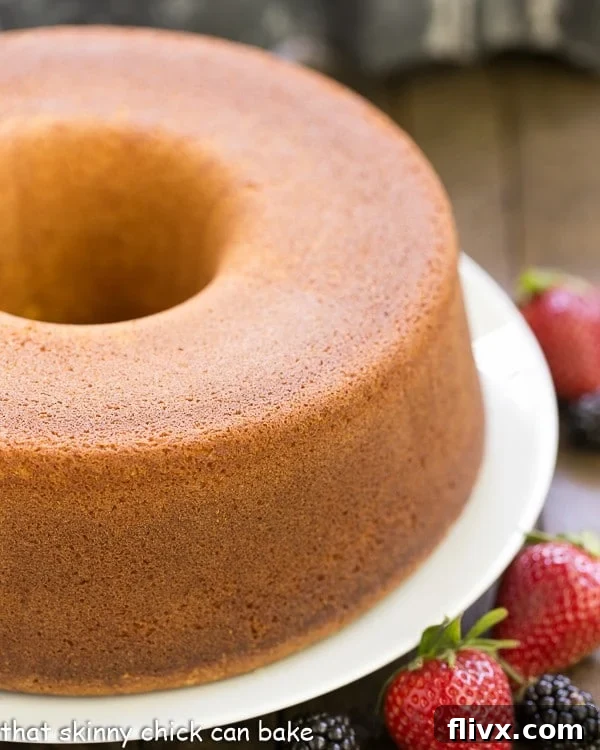
- Choose the Right Pan: Absolutely do not use a 2-piece angel food cake pan for pound cake. The rich, heavy batter will inevitably leak out of the seams at the bottom during baking, creating a huge mess in your oven and a ruined cake. A solid tube pan or a Bundt pan is essential for this recipe.
- The Cold Oven Method: This recipe uniquely instructs you to start the cake in a cold oven. While I’m no food chemist, this method is believed to delay the activation of leavening agents. By doing so, the cake has more time to slowly rise and set, leading to a more even bake, a denser texture (characteristic of pound cake), and a more pronounced crack on top. This gradual heating helps prevent the crust from setting too quickly, allowing the interior to fully cook without drying out.
- Patience is a Virtue: Pound cakes typically require a longer baking time, often an hour or more, due to their density. Resist the urge to open the oven door too frequently, especially during the first 45 minutes, as this can cause the cake to fall. The cake is done when a wooden skewer or toothpick inserted into the center comes out clean or with just a few moist crumbs attached. If it comes out wet, continue baking in 5-10 minute increments.
- Proper Cooling Technique: Once baked, let the pound cake cool in its pan on a wire rack for 10-15 minutes. This allows the cake to firm up slightly, making it easier to handle. Then, gently shake the pan side to side to loosen the cake, invert it onto the cooling rack, and remove the pan. Allow it to cool completely on the rack before slicing. Cooling completely ensures the cake’s structure is fully set and prevents it from crumbling when cut.
Storing Your Masterpiece
- Room Temperature Storage: Keep your pound cake covered tightly (e.g., under a cake dome or wrapped in plastic wrap) at room temperature for up to 3-4 days. This helps maintain its moisture and freshness.
- Freezing for Longer Enjoyment: Pound cake freezes exceptionally well, making it perfect for preparing ahead or saving leftovers. For storage longer than 4 days, ensure the cake is completely cool. Wrap it first in plastic wrap, then in heavy-duty aluminum foil. This double layer of protection guards against freezer burn. It can be frozen for up to 3 months. Thaw overnight in the refrigerator or at room temperature.
Frequently Asked Questions About Pound Cake
For pound cake, a 10-inch tube pan or a Bundt pan is ideal. The central tube in these pans helps the dense batter bake more evenly, ensuring the middle cooks through without the edges becoming overbaked. It’s crucial to avoid a two-piece angel food cake pan, which has a removable bottom. The heavy, buttery pound cake batter is prone to leaking out of the seams of such pans during baking, leading to a messy oven and a wasted effort. Look for a solid, one-piece tube pan or a sturdy Bundt pan. You can also divide the batter between two loaf pans, though this will significantly decrease the baking time.
The charmingly simple name “Pound Cake” originated from the traditional English recipe, which historically called for one pound each of four core ingredients: butter, sugar, eggs, and flour. This straightforward, equal-weight measurement made the recipe easy to remember and reproduce, resulting in a rich, dense, and satisfying cake that quickly became a beloved classic.
Absolutely! Pound cake is an excellent candidate for freezing, and it retains its quality wonderfully. To freeze, ensure the cake is completely cooled. First, wrap it tightly in plastic wrap to prevent air exposure, then add a second layer of protection with heavy-duty aluminum foil. This double-wrapping method provides superior defense against freezer burn and preserves its moisture and flavor. Label the package with the date, and it can be safely stored in the freezer for up to 3 months. Thaw the cake wrapped, either overnight in the refrigerator or for a few hours at room temperature, before serving.
The exceptional density and moisture of this pound cake can be attributed to a few key factors. Firstly, the use of heavy cream instead of milk or buttermilk significantly boosts the fat content, leading to a richer, more tender crumb. Secondly, cake flour, with its lower protein content, reduces gluten development, resulting in a finer, softer texture. Additionally, the creaming method for butter and sugar, combined with the precise order of adding wet and dry ingredients, creates a stable emulsion that holds moisture effectively. Lastly, the cold oven start allows for a slower, more even rise and bake, preventing dryness and encouraging a denser, more uniform cake structure.
Determining doneness is crucial for any cake, especially a dense one like pound cake. The most reliable method is to insert a long wooden skewer or a toothpick into the very center of the cake. If it comes out clean or with only a few moist crumbs attached, your cake is ready. If it comes out with wet batter, continue baking and check again in 5-10 minute intervals. The top of the cake should be golden brown, and the sides may start to pull away slightly from the pan. Trust the toothpick test for accuracy!
Explore More Delicious Cake Recipes
- Million Dollar Pound Cake from Melissa’s Southern Style Kitchen
- Sour Cream Pound Cake
- Strawberry Pound Cake
- Streusel Pound Cake
- Lemon Pound Cake
- More of our Best Cake Recipes
- More of our Best Dessert Recipes
We love connecting with our baking community! Stay in touch through social media @ Instagram, Facebook, and Pinterest. Don’t forget to tag us when you try one of our recipes! Your creations inspire us. If you absolutely love the results and this recipe has brought joy to your kitchen, please consider leaving a 5-star rating and a comment below. Happy baking!
Best Pound Cake Recipe
A truly classic and incredibly delicious pound cake recipe, famously known as Elvis’s favorite. This recipe, adapted from Gourmet Magazine, guarantees a dense, moist cake with a fine crumb that will delight everyone.
25 minutes
1 hour 15 minutes
1 hour 40 minutes
12 servings
Ingredients
- 2 sticks (1 cup) unsalted butter, at room temperature, plus more for greasing the pan
- 3 cups granulated sugar
- 7 large eggs, at room temperature
- 2 teaspoons pure vanilla extract
- ½ teaspoon fine sea salt
- 3 cups cake flour, sifted twice
- 1 cup heavy cream (at least 36% butterfat), at room temperature
Instructions
- Prepare Your Pan: Thoroughly butter and flour a 10-inch tube or Bundt pan. Alternatively, use a non-stick flour and oil cooking spray like Baker’s Joy. Ensure you are NOT using a 2-piece angel food cake pan, as the batter will leak.
- Cream Butter and Sugar: In a large mixing bowl, using a stand mixer fitted with the paddle attachment, cream the room temperature butter and sugar together. Beat on medium-high speed for 5 minutes until the mixture is light, fluffy, and pale.
- Incorporate Eggs and Flavoring: Scrape down the sides of the bowl. Add the room temperature eggs one at a time, beating well after each addition until just incorporated. Stir in the vanilla extract, then mix in the salt.
- Add Flour and Cream Alternately: With the mixer on low speed, gradually add half of the sifted cake flour, mixing until just combined. Then, pour in all of the room temperature heavy cream, mixing until smooth. Finally, add the remaining flour and mix on low speed until no dry streaks remain. Scrape down the bowl. Beat the entire batter on medium-high speed for 5 more minutes until it appears satiny and smooth.
- Prepare for Baking: Pour the velvety batter evenly into your meticulously prepared pan. Gently tap the pan onto the counter once or twice to release any trapped air bubbles. Place the pan in the lower third of a cold oven.
- Bake to Perfection: Set the oven temperature to 350ºF (175ºC). Bake for 60-75 minutes, or until a wooden skewer or toothpick inserted into the very center of the cake comes out clean or with just a few moist crumbs clinging to it.
- Cool and Serve: Allow the cake to cool in the pan on a wire rack for 30 minutes. After this initial cooling period, gently invert the cake onto a serving plate or another cooling rack to cool completely before slicing and serving.
Notes
This recipe yields a substantial cake. For a smaller batch, you can halve the ingredients (estimating 3½ eggs for half a batch) and bake in a standard loaf pan for approximately 45-55 minutes, or until a toothpick comes out clean.
Nutrition Information:
Yield: 12 servings
Serving Size: 1 slice
Amount Per Serving:
Calories: 564
Total Fat: 26g
Saturated Fat: 15g
Trans Fat: 1g
Unsaturated Fat: 8g
Cholesterol: 171mg
Sodium: 257mg
Carbohydrates: 78g
Fiber: 1g
Sugar: 51g
Protein: 7g