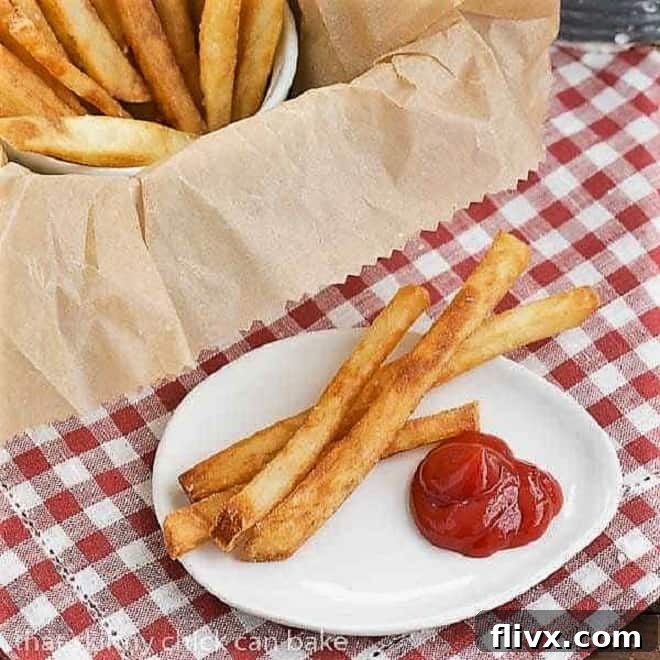
Unlock the secret to homemade Thin Crispy French Fries that not only rival but often surpass your favorite fast-food version. Experience pure perfection, crafted right in your own kitchen.
Ever wondered how to achieve that coveted golden crispness and fluffy interior in your homemade French fries? This comprehensive guide will teach you the exact techniques and simple tricks on How to Make Crispy French Fries that will impress even the most discerning palates. Say goodbye to soggy, lackluster fries and hello to a culinary triumph!
Mastering Crispy Fries: The Ultimate Homemade Experience
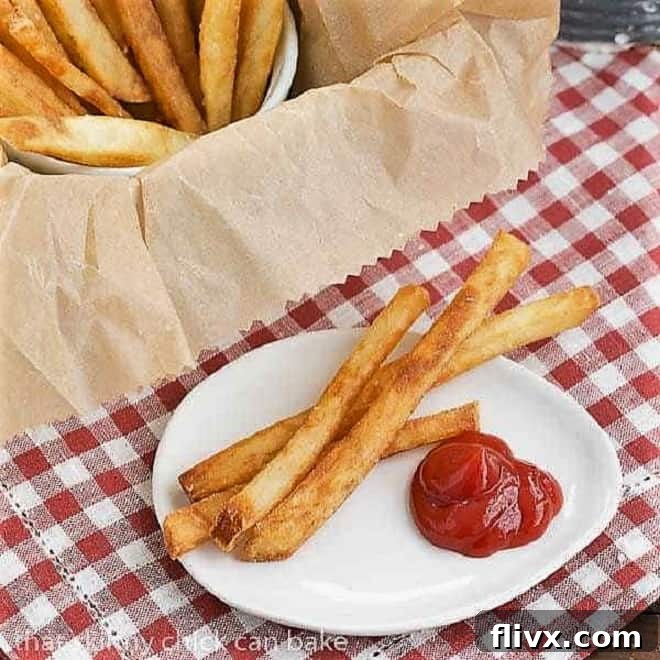
The pursuit of the perfect French fry is a culinary quest many embark on, often ending in disappointment with subpar results. But what if we told you that the secret to achieving perfectly crispy, golden-brown fries with a tender, fluffy interior is not only attainable at home but also surprisingly straightforward? This recipe, adapted from the rigorously tested methods of Serious Eats (developed by an MIT-trained chef, no less!), delves into the science and art behind truly exceptional French fries. It’s time to elevate your homemade comfort food game.
Why You Must Make These Homemade French Fries
While grabbing a bag of frozen fries or heading to a drive-thru might seem convenient, the truth is, nothing compares to the fresh, hot, and utterly irresistible appeal of homemade French fries. Here’s why these thin, crispy delights are an absolute must-try:
- Unmatched Freshness and Flavor: Imagine fries pulled straight from the oil, perfectly seasoned, and still piping hot. The taste is profoundly superior to any store-bought or reheated option.
- Ultimate Convenience: Forget leaving your house! With just a few simple ingredients and a proven method, you can enjoy gourmet-quality fries in the comfort of your own kitchen.
- Simple Ingredients, Incredible Results: You only need four core ingredients – potatoes, vinegar, salt, and oil. The magic happens in the technique, not in a long list of obscure items.
- The Power of the Four-Step Method: Our unique process involves boiling, initial frying, freezing, and a final fry. Each step plays a critical role in developing the perfect texture and flavor, ensuring a crispy exterior and a fluffy interior every time.
- Beyond Frozen: These fries are a world apart from baked or air-fried frozen varieties. The double-frying method creates an unparalleled crispness that simply cannot be replicated by other techniques.
- Complete Control: You dictate the quality of ingredients, the type of oil, and the level of seasoning, ensuring a healthier and more personalized snack or side dish.
Ingredient Notes: The Foundation of Flavor and Crispness
The success of perfect French fries lies not just in the technique but also in understanding the role of each ingredient. Quality matters, and a few strategic choices can make all the difference.
- Russet Potatoes: The Starchy Superstar – For the best French fries, starchy potatoes like Russets are your best friend. Their high starch content and low moisture make them ideal for achieving that coveted fluffy interior while crisping beautifully on the outside. Always keep your cut potatoes submerged in a bowl of cool water to prevent enzymatic browning (oxidation) and to rinse off excess surface starch.
- White Vinegar: The Secret to a Sturdy Crust – PRO-Tip: Incorporating white vinegar into the initial boiling water is a game-changer. The acidity from the vinegar helps to break down the pectin in the potatoes, allowing them to absorb less oil during frying. More importantly, it creates a slight, imperceptible crust on the exterior of the fries, which helps them retain their shape and contributes significantly to their overall crispness and structural integrity.
- Kosher Salt: The Flavor Finisher – I highly recommend using coarse salt, like Kosher salt, for seasoning French fries. Its larger granules adhere better to the hot, freshly fried potatoes and provide a burst of flavor with every bite. The key is to sprinkle the salt generously while the fries are still steaming hot, immediately after they come out of the oil. This ensures the salt melts slightly and clings effectively. If you’re feeling adventurous and want to elevate your flavor profile, consider this outstanding Fry Seasoning blend for an extra kick!
- Peanut Oil: The High-Heat Hero – For deep-frying, selecting the right oil is paramount. Peanut oil is an excellent choice due to its high smoke point (around 450°F or 232°C) and neutral flavor profile. This means it can withstand the high temperatures required for frying without breaking down, imparting off-flavors, or burning. Other suitable high smoke point oils include canola, vegetable, or grapeseed oil. Avoid olive oil or butter for deep-frying, as they have much lower smoke points.
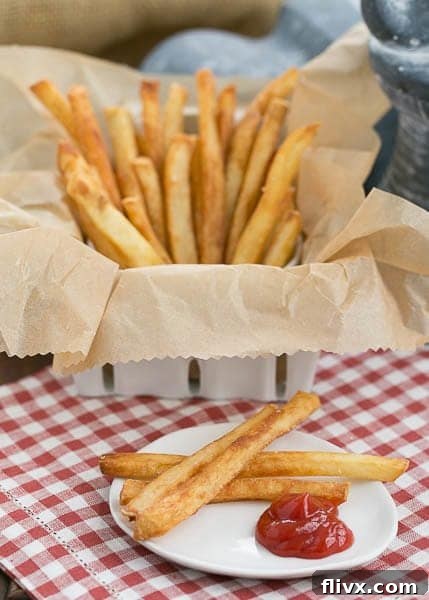
The journey to perfect fries is an exciting one, starting with these fundamental ingredients. Prepare to be amazed by the transformation!
How to Make the Ultimate Thin Crispy French Fries: A Step-by-Step Masterclass
This recipe for homemade French fries is the culmination of a rigorous quest for culinary excellence. It’s directly inspired by the meticulously researched methods developed by the food science experts at Serious Eats, specifically one of their chef contributors who, quite impressively, is an MIT graduate. This background ensures that every step is not just about cooking but also about understanding the underlying scientific principles that guarantee a consistently crispy and delicious result.
- Step 1: The Initial Boil & Tenderizing Soak. Begin by preparing your potatoes. Peel them thoroughly, then slice them into ¼-inch by ¼-inch strips. It’s crucial to maintain a consistent thickness for even cooking. Place the cut potatoes immediately into a large bowl of cool water to prevent oxidation. In a large saucepan, add 2 quarts of water, 2 tablespoons of white vinegar, and 2 tablespoons of kosher salt. Bring this mixture to a rolling boil over high heat. Once boiling, add your potato strips. Boil for precisely 10 minutes, or until the potatoes are tender enough to be easily pierced with a fork but not so soft that they are falling apart. The vinegar and salt here work wonders, setting the stage for flavor and crispness.
- Step 2: Air-Drying & The First Fry (Blanching). Carefully drain the boiled potatoes and spread them out in a single layer on a paper towel-lined rimmed baking sheet. Allow them to air-dry for a full five minutes. This step is vital for removing surface moisture. While they dry, heat your peanut oil in a large Dutch oven or deep fryer to 400°F (200°C). Once the oil reaches temperature, add about one-third of the potatoes to the hot oil. The oil temperature will likely drop; aim to keep it at 360°F (182°C) or above. Fry for about 60 seconds, gently stirring with a spider strainer to ensure even cooking and to prevent sticking. The goal here is to partially cook them and create a slight skin, not to brown them.
- Step 3: The Crucial Freeze (Building the Ultimate Crisp). After the initial brief fry, remove the potatoes to another paper towel-lined baking sheet to drain excess oil. Allow them to cool completely to room temperature. Reheat your oil to 400°F (200°C) before frying the next batch, repeating the process until all potatoes have had their first fry. Once all batches are done and cooled, spread the blanched potatoes in a single layer on a baking sheet (you might need multiple sheets or to work in batches) and transfer them to the freezer. Freezing them overnight is highly recommended, as this allows the water molecules within the potato cells to expand and rupture, creating more pockets for air and ultimate crispness. However, if time is a constraint, a few hours in the freezer will still yield good results.
- Step 4: The Final Fry (Golden Perfection). When you’re ready to serve, reheat your peanut oil to a precise 400°F (200°C) over high heat. Take the frozen fries and add half of them to the hot oil. Fry for approximately 3-4 minutes, or until they achieve a beautiful crisp, golden-brown finish. Again, try to maintain the oil temperature around 360°F (182°C) throughout this final frying stage. Overcrowding the fryer will drop the oil temperature too much, leading to soggy fries, so fry in batches if necessary.
- Step 5: Season & Serve Immediately. Once perfectly golden and crispy, remove the fries from the oil and let them drain on a fresh paper towel-lined baking sheet. Immediately, and I mean *immediately*, sprinkle them generously with kosher salt. The residual heat and oil will help the salt adhere perfectly. Serve your homemade thin crispy French fries without delay, paired with your favorite dipping sauce. The satisfaction of biting into these perfectly crafted fries is truly unparalleled.
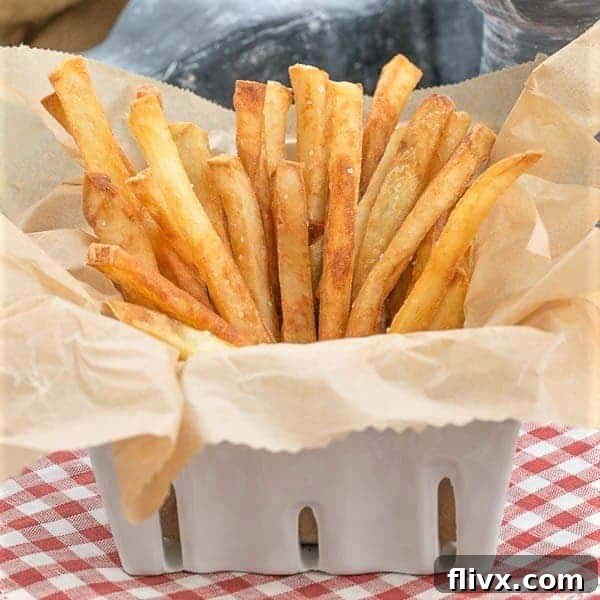
The dedication to these steps will reward you with French fries that are as good, if not better, than any restaurant’s. Their first salty bath infused them with the needed flavor, so just a light dusting of kosher salt while hot finished them off perfectly. If you have a hankering for homemade fried potatoes, you must try these thin, crispy French fries!
Pro Tips for Achieving Flawless French Fries Every Time
While the step-by-step instructions are key, a few additional tips can help you perfect your French fry game:
- Don’t Overcrowd the Fryer: Frying in batches is crucial. Overloading the pot will drastically drop the oil temperature, leading to soggy, greasy fries instead of crisp ones. Give them space to swim!
- Maintain Oil Temperature: A good digital thermometer is your best friend. Constantly monitor and adjust the heat to keep the oil within the recommended temperature range. Consistency is vital for even cooking and crispness.
- Thoroughly Dry Potatoes: After boiling and draining, ensure your potatoes are as dry as possible before the first fry. Excess water can cause oil to splatter dangerously and prevent proper crisping.
- Salt Immediately: As soon as the fries come out of the oil, transfer them to a paper towel-lined baking sheet and salt them generously. The hot oil and steam help the salt adhere and melt, infusing flavor.
- Use a Large, Heavy-Bottomed Pot: A Dutch oven or a dedicated deep fryer is ideal. Heavy-bottomed pots distribute heat more evenly and help maintain a consistent oil temperature.
- Consider a Mandoline: For perfectly uniform potato strips, a mandoline slicer can be incredibly helpful. Uniformity ensures even cooking.
Beyond Ketchup: Elevate Your French Fry Experience
While ketchup remains a classic, don’t limit your French fry dipping adventures! Explore a world of flavors that can truly elevate your homemade crispy fries:
- Classic Ketchup: The timeless partner, offering a tangy, sweet counterpoint.
- Creamy Mayonnaise or Aioli: Popular in Europe, a rich, savory aioli (garlic mayonnaise) or a simple high-quality mayo adds a luxurious touch.
- Malt Vinegar: A beloved choice in the UK and Canada, a splash of tangy malt vinegar enhances the potato flavor.
- Cheese Sauce: Drizzle with a homemade cheddar cheese sauce for a comforting, indulgent treat.
- Chili and Cheese: Transform your fries into loaded chili cheese fries with a hearty scoop of chili and melted cheese.
- Specialty Seasonings: Experiment with garlic powder, onion powder, smoked paprika, cayenne pepper, or a pre-made fry seasoning for unique flavor profiles.
- Poutine Style: For a Canadian classic, top with cheese curds and warm gravy.
- Spicy Sriracha Mayo: Mix sriracha with mayonnaise for a fiery kick.
Frequently Asked Questions (FAQ) about French Fries
Are French Fries Really French?
Despite their name, French fries are widely believed to have originated in Belgium. The story goes that American soldiers during World War I discovered fried potatoes in Southern Belgium. Since French was the predominant language spoken in that particular area, the soldiers began referring to them as “French fries,” and the name stuck.
What are the Best Potatoes for French Fries?
For the ultimate crispy French fries, Russet potatoes are hands down the best choice. Their high starch content and relatively low moisture make them ideal for achieving a light, fluffy interior and a super crispy exterior when fried. Other starchy varieties like Idaho potatoes also work well.
Why Do You Soak Potatoes in Water Before Frying?
Soaking potato strips in cold water (especially with salt and vinegar as in this recipe) serves a few critical purposes. Primarily, it helps to remove excess surface starch, which can otherwise lead to fries sticking together and becoming gummy. Removing starch also contributes to a firmer texture and helps the fries hold their shape better. The salt in the solution infuses flavor, and the vinegar also plays a crucial role in creating that desirable outer crust, as detailed in our ingredient notes.
How Do You Slice Potatoes for French Fries?
Achieving uniformly cut fries is key for even cooking. First, peel your Russet potatoes. Then, slice off a small piece from one side of the potato to create a flat, stable base. Place the potato flat-side down on your cutting board. Next, slice the potato lengthwise into planks of your desired thickness (¼-inch is recommended for thin fries). Finally, stack these planks and slice them into ¼-inch wide strips, again working lengthwise from top to bottom. A mandoline can also be used for perfect consistency.
My French Fries Didn’t Get Crispy – What Went Wrong?
The most common reason for soggy or non-crispy French fries is insufficient drying. After boiling and soaking, the fries absolutely need to be drained thoroughly on paper towels and then patted dry on all sides before the first fry. Any lingering moisture will prevent crisping. Other reasons include overcrowding the fryer (which drops oil temperature) or not maintaining the correct oil temperature during frying. Using a reliable thermometer and frying in batches are essential to prevent this issue.
Can I Make French Fries Ahead of Time?
Yes, absolutely! This recipe inherently involves making them partially ahead of time through the freezing step. You can boil and perform the first fry, then freeze the potatoes for up to several weeks. When you’re ready to serve, simply pull them from the freezer and proceed with the final high-heat fry. This makes them a fantastic make-ahead option for entertaining or meal prep.
Your Culinary Journey Continues: Other Delicious Potato Recipes
If you’ve enjoyed mastering these thin, crispy French fries, you might be keen to explore other delightful potato-based dishes. Potatoes are incredibly versatile, offering endless possibilities for delicious sides and main courses. Here are a few more recipes to inspire your culinary adventures:
- Spicy Sweet Potato Fries: A fabulous and slightly healthier alternative to regular fries, these offer a delicious sweet and spicy kick that pairs wonderfully with burgers or as a standalone snack.
- Bacon-wrapped Smashed Redskin Puffs: Indulgent and flavorful, these are a fantastic party appetizer or a decadent side dish by Stacy from Food Lust People Love.
- French Potato Gratin: A creamy, cheesy, and utterly comforting classic, perfect for a cozy dinner or a holiday feast.
- Homemade Potato Bread: Soft, tender, and incredibly flavorful, this bread uses mashed potatoes for an unbelievably moist crumb.
- Best Scalloped Potatoes: Layers of thinly sliced potatoes baked in a rich, savory cream sauce – a timeless side that never disappoints.
- More Best Side Dish Recipes: Explore a wide array of other fantastic side dishes to complement any meal.
Stay in touch and share your delicious creations through social media! Follow @ Instagram, Facebook, and Pinterest. Don’t forget to tag me when you try one of my recipes! And if you love the results, please consider giving it a 5-star rating in the recipe card below.
Thin Crispy French Fries Recipe
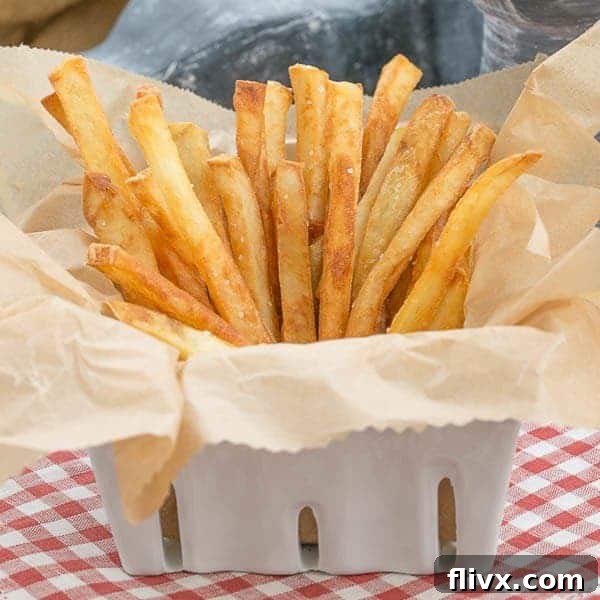
The ultimate French Fry recipe, adapted from the food science experts at Serious Eats, guarantees restaurant-quality crispness and flavor.
Ingredients
- 2 pounds russet potatoes (3-4 large), peeled and cut into ¼-inch x ¼-inch strips (keep in a bowl of cool water to prevent oxidation).
- 2 tablespoons white vinegar
- Kosher salt, to taste
- 2 quarts peanut oil (or other high smoke point oil like canola or vegetable oil)
Instructions
- Prepare Potatoes & First Boil: Add 2 quarts of water to a large saucepan. Stir in 2 tablespoons of white vinegar and 2 tablespoons of kosher salt. Add the cut potatoes and bring the mixture to a rolling boil over high heat. Boil for 10 minutes, or until the potatoes are tender but still firm and not falling apart.
- Drain & Air-Dry: Carefully drain the boiled potatoes using a colander. Spread them in a single layer on a paper towel-lined rimmed baking sheet. Allow them to air-dry for at least five minutes, ensuring as much surface moisture as possible is removed.
- Initial Fry (Blanching): In a large Dutch oven or deep fryer, heat the peanut oil to 400°F (200°C). Add about one-third of the dried potatoes to the hot oil. The oil temperature will drop; try to keep it at 360°F (182°C) or above. Cook for about 1 minute, using a spider strainer to gently stir the oil and prevent sticking.
- Remove & Repeat: Remove the blanched potatoes to a fresh paper towel-lined baking sheet to drain excess oil. Allow the oil to reheat to 400°F (200°C) before repeating the initial fry process with the next third of potatoes, and then again with the final third.
- Cool & Freeze: Let all the blanched potatoes cool completely to room temperature. Then, spread them in a single layer on baking sheets and freeze them overnight. For the best crispness, ensuring they are well frozen is key (though you can proceed with the final fry after a few hours if absolutely necessary).
- Final Fry (Golden Perfection): When ready to serve, return the oil to 400°F (200°C) over high heat. Fry about half of the frozen potatoes until they are crisp and beautifully golden brown, which typically takes about 3-4 minutes. Again, strive to keep the oil temperature around 360°F (182°C). Fry in batches to avoid overcrowding.
- Season & Serve: Remove the perfectly crispy fries from the oil and let them drain briefly on a clean paper towel-lined baking sheet. Immediately sprinkle generously with kosher salt while they are still hot. Serve your delicious thin crispy French fries without delay.
Notes
Note that for optimal crispness, French Fries need to be frozen (overnight suggested) after the initial fry and before their final frying.
Recommended Products
As an Amazon Associate and member of other affiliate programs, I earn from qualifying purchases.
- Deep Fryer
- Cuisinart Fine Mesh Strainers
- USA Pan Bakeware Half Sheet Pan
Nutrition Information:
Amount Per Serving: