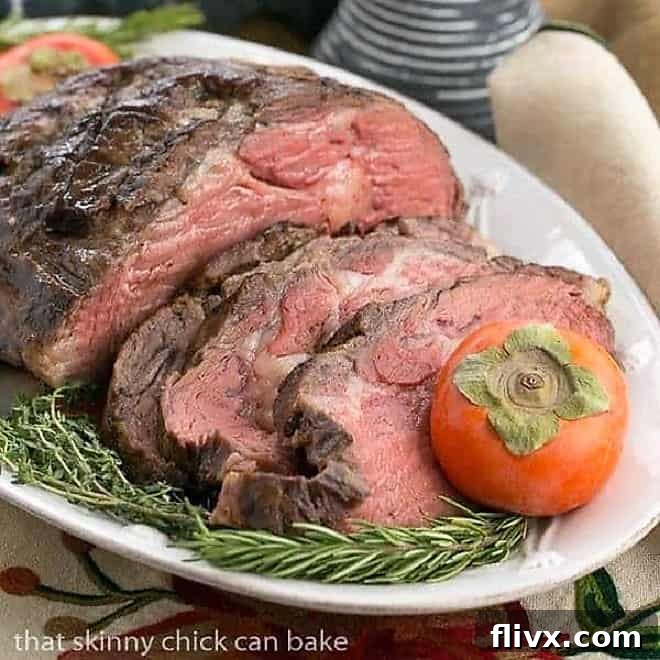
Indulge in the culinary masterpiece that is a Classic Prime Rib Roast. This magnificent cut of beef is the ultimate centerpiece for any special occasion, especially during the holidays. Our foolproof recipe ensures a perfectly cooked, tender prime rib every time, promising rave reviews from your family and dinner guests. Forget the intimidation often associated with such a grand dish; cooking prime rib can be surprisingly straightforward with the right guidance. Prepare to impress with this truly spectacular holiday tradition.
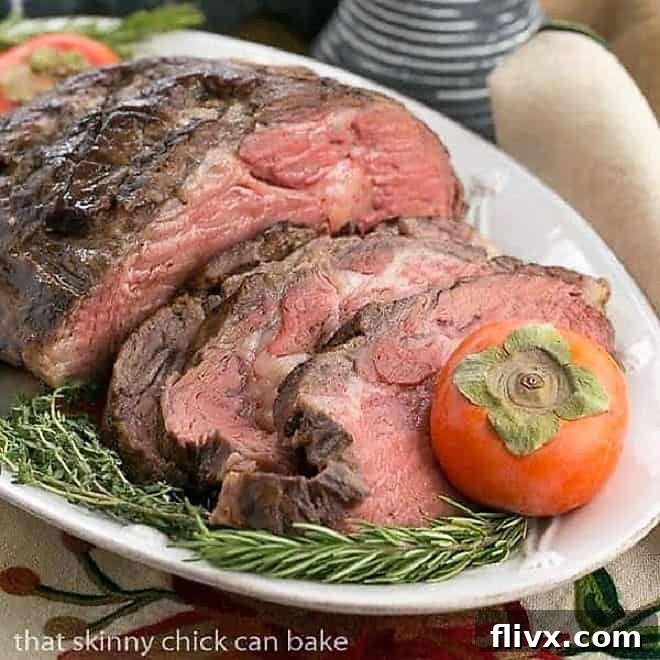
Why This Prime Rib Recipe is a Must-Try
There are countless reasons why this particular prime rib roast recipe deserves a coveted spot in your culinary repertoire, especially when planning a memorable meal.
- The Quintessential Holiday Centerpiece: Nothing quite announces a festive celebration like a beautifully roasted prime rib. It’s the ultimate expression of holiday cheer and culinary generosity, making it perfect for Christmas, New Year’s, or any significant gathering. This recipe empowers you to create that awe-inspiring focal point with confidence.
- A Reliable Recipe for a Prized Cut: A prime rib roast is a significant investment. Given its premium price tag, the last thing you want is an accidental overcook or a less-than-perfect result. This tried-and-true recipe minimizes guesswork and maximizes success, ensuring your investment yields a tender, juicy, and perfectly cooked roast that truly shines.
- Effortlessly Feeds a Crowd: Whether you’re hosting an intimate family dinner or a larger festive party, a prime rib roast is ideal for feeding many guests without excessive fuss. A 7-rib prime rib roast, for example, can comfortably serve 10 or more people, making it a fantastic solution for entertaining large groups with impressive elegance.
- Unforgettable Flavor and Texture: This method focuses on achieving that desirable rare to medium-rare interior, boasting incredible juiciness and flavor. The slow roasting process, followed by a strategic rest and broil, locks in moisture and develops a rich, savory crust that will have everyone swooning.
Understanding Prime Rib: The Cut That Defines Excellence
Before diving into the cooking process, it’s essential to understand what makes prime rib such a special cut of beef and how to select the best one for your celebration.
What Exactly is Prime Rib?
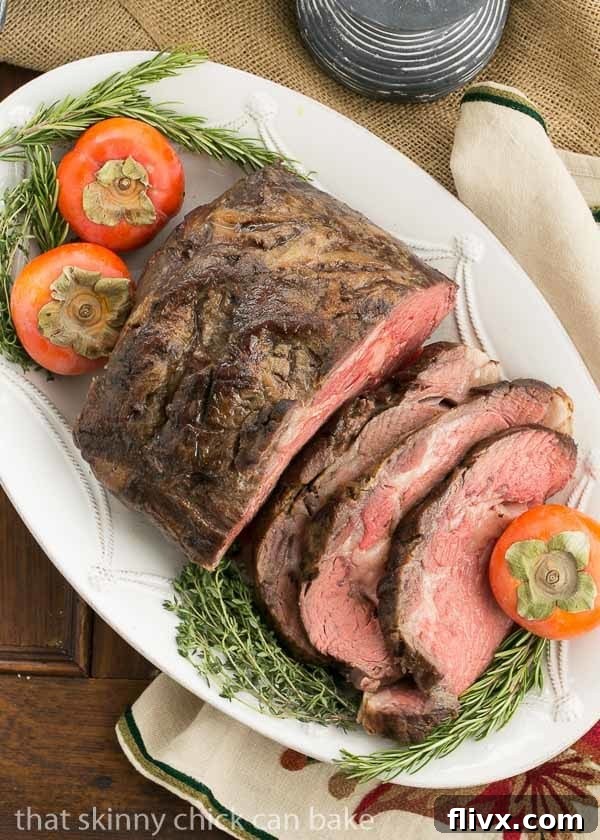
Prime rib, also known as a standing rib roast, originates from the primal rib section of the beef, specifically from the sixth through the twelfth ribs. This area is renowned for its tenderness, rich marbling, and robust beefy flavor. It’s the same section from which succulent ribeye steaks are cut; the key difference is that a prime rib roast is cooked whole, allowing for a magnificent presentation and incredible succulence.
Selecting the Perfect Prime Rib Roast
Choosing the right prime rib is the first step towards a truly exceptional meal. Here’s what to consider:
- Number of Ribs and Weight: Prime rib roasts can range from 2 to 7 ribs. As a general guideline, plan for approximately one pound of roast per person, keeping in mind that a portion of this weight accounts for the bone. A 3-rib roast typically serves 4-6, while a larger 7-rib roast can serve 10-14.
- Quality and Marbling: While the name “prime rib” suggests the highest quality, it’s important to distinguish between the cut’s name and USDA grading. For an truly outstanding experience, look for beef graded “Prime” by the USDA, which indicates superior marbling and tenderness. “Choice” grade is also excellent and more commonly available. Always seek out a roast with ample, even marbling – those fine streaks of fat within the lean meat are crucial for flavor and juiciness.
- Reputable Butcher: Purchase your prime rib from a trusted butcher. They can provide insights into the beef’s origin, answer questions, and often trim or prepare the roast to your specifications.
- Bone-In vs. Boneless: A bone-in roast offers superior flavor and helps to insulate the meat during cooking, leading to a juicier result. However, carving can be easier with a boneless roast. Some butchers can remove the bones and tie them back onto the roast, offering the best of both worlds.
- The “First Cut” or “Small End”: For the best of the best, ask for a 3-rib prime rib cut from the loin end, also known as the small end or first cut (ribs 10-12). This section contains a large, single rib-eye muscle that is exceptionally uniform and tender.
Essential Tips for a Flawless Prime Rib Roast
Achieving prime rib perfection involves a few crucial steps and a little advanced planning. Following these expert tips will elevate your roasting game and ensure an unforgettable dining experience.
- Accurate Temperature Control is Paramount: For a roast as precious as prime rib, an accurate meat thermometer is not just recommended, it’s absolutely essential. Cooking to precise internal temperatures is the only way to guarantee your desired doneness, especially if you prefer it rare. Remember, you can always cook longer, but you can’t reverse an overcooked roast!
- Embrace Dry Brining for Superior Flavor: This is a game-changer! Dry brining involves generously rubbing your roast with kosher salt and leaving it uncovered in the refrigerator for 1 to 3 days. The salt draws out moisture, then reabsorbs, flavoring the meat deeply and tenderizing it by breaking down proteins. This simple step takes minutes but yields incredible results.
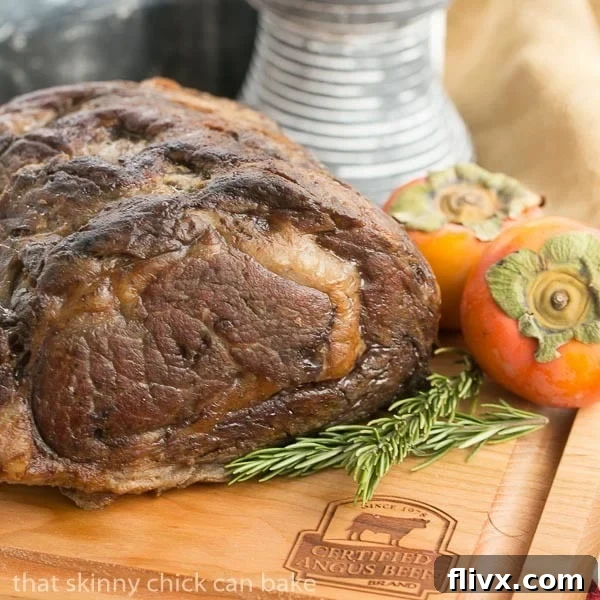
- Score the Fat Cap: If your roast has a thick layer of fat on top, use a sharp knife to score it in a shallow crosshatch pattern. Be careful not to cut into the meat itself, only the fat. Scoring allows the fat to render more efficiently during cooking, creating a deliciously crispy crust and basting the meat below.
- Bring the Roast to Room Temperature: About an hour before you plan to roast, remove the prime rib from the refrigerator. Allowing it to sit at room temperature helps to take the chill off the meat, promoting more even cooking from edge to center.
- Consider Classic Pairings: Prime rib is classically accompanied by Yorkshire puddings. These savory, airy delights typically call for beef fat, making them the perfect, rich accompaniment. Don’t forget a creamy horseradish sauce for that perfect tangy counterpoint.
Step-by-Step Guide to Roasting the Perfect Prime Rib
This “low and slow” method of cooking prime rib is designed to deliver a beautifully rare interior with minimal graying around the edges, a common issue with higher heat roasting. A quick broil at the end ensures a perfectly browned and crispy fat cap.
- Prepare in Advance with Dry Brine (1-3 Days Ahead): This crucial step enhances flavor and tenderness. Score the fat cap if it’s thick, cutting a shallow crosshatch pattern without penetrating the meat. Generously rub the entire roast with kosher salt. Place it, uncovered, in the refrigerator for 1 to 3 days. This allows the salt to work its magic through osmosis, deeply seasoning and tenderizing the beef.
- Bring to Room Temperature (1 Hour Before Roasting): On the day of serving, remove the prime rib from the refrigerator about one hour before you plan to roast it. This allows the internal temperature to rise slightly, promoting more even cooking.
- Preheat Oven and Sear the Roast: Preheat your oven to a low 200ºF (93ºC). Meanwhile, in a large, heavy-bottomed roasting pan or cast-iron skillet, heat a small amount of high-smoke point oil over medium-high heat. Sear the entire exterior of the prime rib for a couple of minutes on each side until deeply browned. This critical step develops rich flavor and a beautiful crust through the Maillard reaction. Nobody wants a gray roast!
- Slow Roast to Perfection: Place a rack in your roasting pan and set the seared prime rib on top. Insert a reliable meat thermometer into the thickest part of the roast, avoiding bone. Transfer the roast to the preheated 200ºF (93ºC) oven and cook for approximately 3-4 hours, or until the internal temperature reaches 110ºF (43ºC) for very rare. Cooking times can vary significantly based on roast size and oven calibration, so trust your thermometer.
- The “Rest and Carryover Cook” Method: Once the roast reaches 110ºF (43ºC), turn off the oven. Leave the roast inside the oven, without opening the door, for about 30 minutes. During this time, the residual heat will continue to cook the meat, slowly bringing the internal temperature up to approximately 120ºF (49ºC) for a perfect rare doneness. This gentle carryover cooking ensures maximum juiciness and an even cook throughout.
- Initial Rest (Covered with Foil): Remove the roast from the oven. Loosely cover it with foil and let it rest on a carving board for at least 10 minutes, and up to 30 minutes. This crucial resting period allows the juices to redistribute throughout the meat, resulting in a significantly juicier and more tender slice.
- Final Broil for a Crispy Crust: After the initial rest, remove the foil. Turn on your oven’s broiler to high. Place the prime rib back into the oven, watching it very carefully, and broil until the top layer of fat is beautifully browned and crispy. This step creates that coveted crackly exterior.
- Important Broiler Safety: Never leave the roast unattended under the broiler. This expensive cut of beef can go from perfectly browned to burnt in a matter of seconds. Stay vigilant!
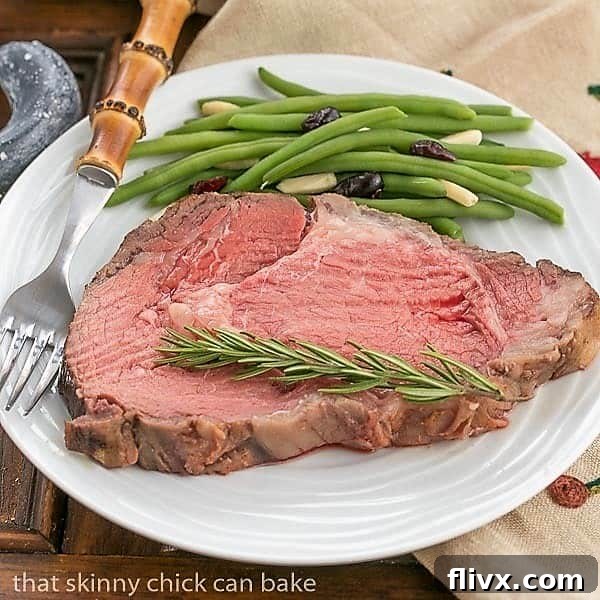
- Slice and Serve: Once the fat cap is perfectly crisp, remove the roast from the oven. Carve the meat into slices against the grain. Season with additional kosher salt and freshly ground black pepper to taste, if necessary. Serve immediately and bask in the accolades!
Once again, this spectacular holiday entree has earned the highest seal of approval. Try this Classic Prime Rib Roast Recipe for your next special occasion and elevate your culinary reputation!
Serving Suggestions and Accompaniments
A magnificent prime rib roast deserves equally impressive side dishes and sauces to complete the meal. Here are some classic pairings that will create a truly unforgettable feast:
- Yorkshire Puddings: As mentioned, these savory, airy popovers are a quintessential pairing. Their light texture and ability to absorb the rich beef drippings make them an absolute must-have.
- Creamy Horseradish Sauce: The sharp, zesty kick of a good horseradish sauce is the perfect counterpoint to the rich, savory flavor of prime rib. It cuts through the richness and adds a delightful brightness to each bite.
- Au Jus: Don’t let those flavorful pan drippings go to waste! Skim off excess fat and use the concentrated pan juices to create a simple yet incredibly flavorful au jus. This natural sauce enhances the beef’s flavor without overpowering it.
- Roasted Vegetables: Complement the roast with seasonal roasted vegetables. Asparagus, Brussels sprouts, carrots, or even classic roasted potatoes make excellent choices.
- Creamed Spinach: Rich, creamy, and decadent, creamed spinach is another beloved side that pairs wonderfully with prime rib, adding a touch of elegance and warmth.
Storing and Reheating Leftovers
Properly storing and reheating prime rib ensures that every last slice is as delicious as the first. Avoid the microwave at all costs, as it will inevitably overcook and toughen your perfectly rare beef.
- Storage: Allow any leftover prime rib to cool completely before storing. Wrap slices tightly in plastic wrap or aluminum foil, or place them in an airtight container. Refrigerate promptly, where it will keep well for 3-4 days. For longer storage, you can freeze prime rib slices, wrapped airtight, for up to 2-3 months. Thaw in the refrigerator overnight before reheating.
- Reheating Method: The best way to reheat prime rib without overcooking it is in the oven. Preheat your oven to a low 250°F (120°C). Place slices of prime rib in a baking dish, adding a tablespoon or two of beef broth or water to keep them moist. Cover the dish tightly with foil. Warm in the oven for about 10-15 minutes, or until just heated through. Check the internal temperature to ensure it reaches at least 130°F (54°C) for safe reheating while retaining tenderness.
Frequently Asked Questions
A general rule of thumb is to purchase about one pound of bone-in prime rib per person. If you’re opting for boneless, you can reduce this slightly to ¾ to 1 pound per person. This accounts for some bone weight and ensures generous servings.
Using a reliable meat thermometer is key. Here are the target internal temperatures for a perfectly cooked prime rib (before resting, as carryover cooking will add a few degrees):
- Rare: 115-120°F (46-49°C)
- Medium-Rare: 120-125°F (49-52°C)
- Medium: 125-130°F (52-54°C)
Remember that the temperature will rise by 5-10 degrees during the resting period. Always pull your roast from the oven 5-10 degrees below your desired final temperature.
Absolutely! While kosher salt and freshly ground black pepper are the foundations, you can enhance the flavor. Consider cutting small slits into the fat cap and inserting thin slices of garlic before roasting. Alternatively, a sprinkle of garlic powder, onion powder, rosemary, or thyme mixed with the salt rub can add wonderful aromatic notes.
Even a shorter dry brine of 12-24 hours will make a noticeable difference. If you’re truly pressed for time, a generous seasoning with salt and pepper at least an hour before roasting (bringing to room temperature during this time) is better than nothing, though the depth of flavor from a longer brine is unparalleled.
After the roast is removed and resting, carefully pour the pan drippings into a fat separator. Once the fat has separated, pour the defatted jus into a small saucepan. You can add a splash of beef broth or red wine for extra depth. Simmer gently for a few minutes, scraping up any browned bits from the bottom of the pan, and season with salt and pepper to taste. Serve warm alongside your prime rib.
You May Also Like:
- Garlic Crusted Prime Rib Roast by Life Tastes Good
- Gorgonzola Mushroom Stuffed Beef Tenderloin
- Bacon Wrapped Beef Tenderloin
- Beef Tenderloin with Gorgonzola Sauce
- For a delicious pairing, serve this with a tasty Creamy Horseradish Sauce
- More Beef Recipes
Stay in touch through social media @ Instagram, Facebook, and Pinterest. Don’t forget to tag me when you try one of my recipes! If you love the results, please consider giving it a 5-star rating in the recipe card below.
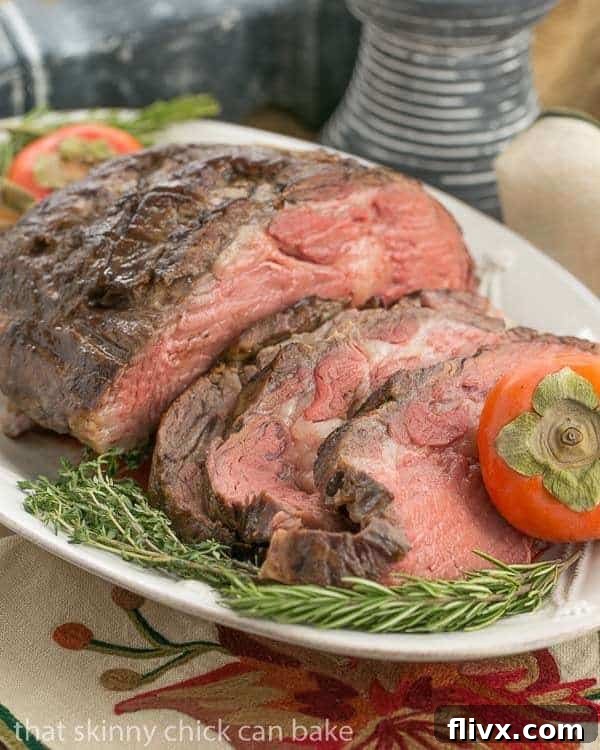
Classic Prime Rib Roast
10 minutes
4 hours
4 hours 10 minutes
8 servings
A simple yet outstanding recipe for prime rib, adapted for a perfectly tender and juicy holiday roast.
Ingredients
- 6-pound Certified Angus Beef® Brand prime rib roast (ribs removed for easier carving, or bone-in for extra flavor)
- 2 tablespoons kosher salt
- Freshly ground black pepper, to taste
- 1-2 tablespoons high-smoke point oil (such as canola or grapeseed oil), for searing
Instructions
- Dry Brine (1-3 Days Ahead): One to three days before serving, cut shallow slits into the fat cap on top of the roast in a crosshatch pattern (avoid cutting into the meat). Rub the kosher salt generously all over the entire roast. Place the roast, uncovered, in the refrigerator.
- Bring to Room Temperature: On the day you plan to serve, remove the roast from the refrigerator about 1 hour before cooking to allow it to come to room temperature.
- Preheat Oven & Sear: Preheat your oven to a low 200ºF (93ºC). In a large roasting pan or heavy-bottomed skillet, heat the oil over medium-high heat until shimmering. Sear the roast for a couple of minutes on each side until deeply browned on all surfaces.
- Roast Low and Slow: Place a rack into the roasting pan and set the seared beef on the rack. Insert a reliable meat thermometer into the thickest part of the roast, avoiding bone. Place in the preheated oven and cook for 3-4 hours, or until the meat thermometer registers 110ºF (43ºC).
- Rest in Warm Oven: Once the roast reaches 110ºF (43ºC), turn the oven off. Leave the roast inside the oven, without opening the door, for about 30 minutes. Remove the roast when its internal temperature reaches approximately 120ºF (49ºC) for a perfect rare doneness.
- Initial Foil Rest: Remove the roast from the oven, cover it loosely with foil, and let it rest on a cutting board for at least 10 minutes, and up to 30 minutes, to allow the juices to redistribute.
- Broil for Crispy Exterior: Uncover the roast. Turn on your oven’s broiler to high. Place the roast back under the broiler and broil until the top layer of fat is browned and crispy. Watch carefully to prevent burning.
- Slice and Serve: Once the desired crispiness is achieved, remove the roast from the oven. Carve the meat into slices against the grain. Season with additional salt and freshly ground black pepper if necessary, and serve immediately.
Notes
Feel free to cut some slits in the top of the roast and insert some slices of garlic before roasting. Or sprinkle with garlic powder for added flavor.
Note that total time in the recipe card does not include the essential dry brining time of 1-3 days.
Recommended Products
As an Amazon Associate and member of other affiliate programs, I earn from qualifying purchases.
-
 Kosher Salt
 -
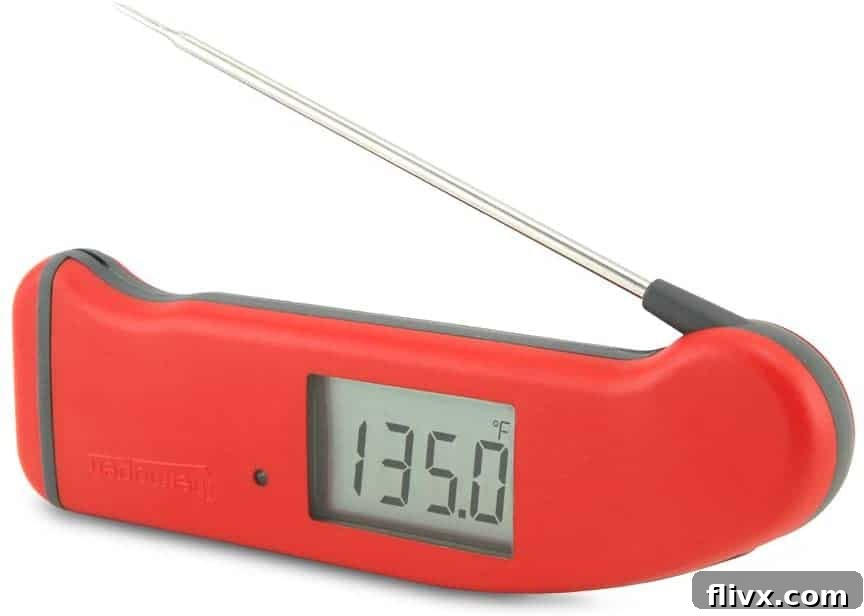
Thermapen Instant Read Thermometer
-
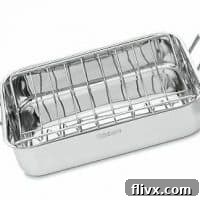
Roasting Pan
Nutrition Information:
Yield:
8
Serving Size:
1
Amount Per Serving:
Calories: 1074Total Fat: 74gSaturated Fat: 29gTrans Fat: 0gUnsaturated Fat: 35gCholesterol: 318mgSodium: 1813mgCarbohydrates: 0gFiber: 0gSugar: 0gProtein: 96g
Calories include all visible fat.
HOW MUCH DID YOU LOVE THIS RECIPE?
Please leave a comment on the blog or share a photo on Pinterest