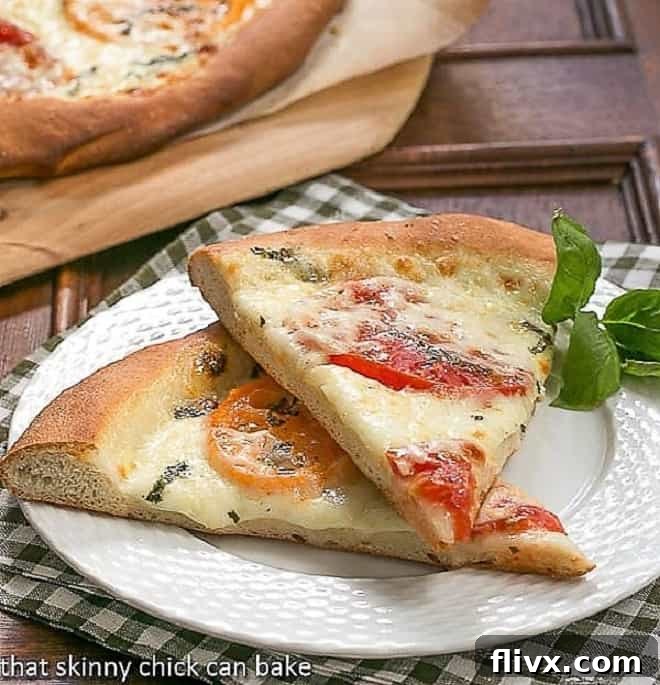
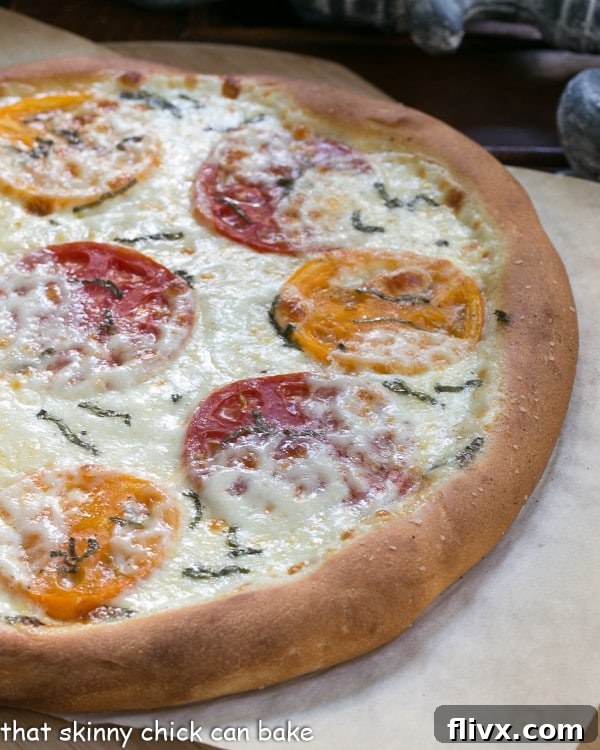
Experience the true taste of Italy in your kitchen with this incredibly simple yet profoundly flavorful Homemade Pizza Margherita. Crafted with fresh, premium ingredients, this classic Italian pizza is surprisingly easy to make and utterly irresistible for every palate.
Featuring a harmonious blend of creamy fresh mozzarella, juicy ripe tomatoes, and fragrant basil, this isn’t just a pizza; it’s a culinary journey. Often celebrated as a Caprese Pizza due to its iconic toppings, it stands proudly as the best vegetarian pizza you’ll ever create and savor. Dive into a recipe that promises an authentic taste and a delightful cooking experience.
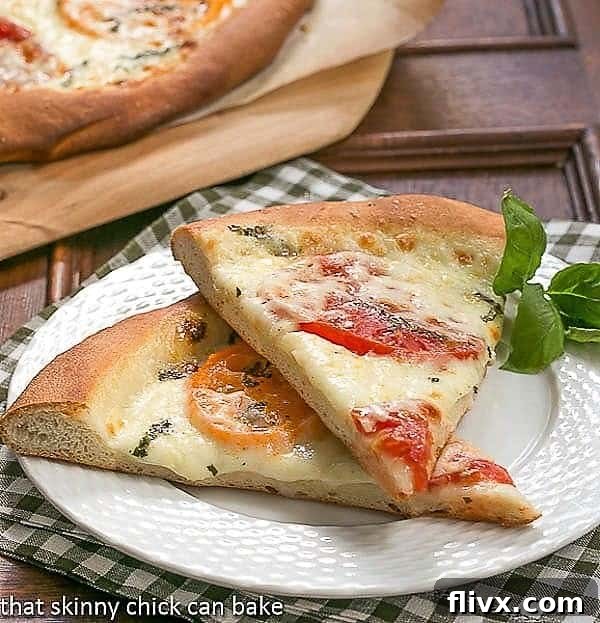
Why You Must Make This Authentic Pizza Margherita
In a world bustling with complex culinary creations, there’s a timeless beauty in simplicity. Our Homemade Pizza Margherita recipe embodies this principle, offering a gourmet experience that’s accessible to every home cook. Here’s why this recipe deserves a permanent spot in your kitchen repertoire:
- A Flawless, Tried-and-True Pizza Crust: The foundation of any great pizza is its crust. This recipe utilizes a meticulously developed pizza dough that yields a perfectly crisp exterior and a tender, airy interior. It’s a crust designed for optimal flavor and texture, ensuring every bite is a delight.
- Simple, Classic, and Authentic Toppings: Pizza Margherita is defined by its minimalist yet powerful toppings. We focus on the freshest mozzarella, the sweetest tomatoes, and the most aromatic basil. This trifecta creates a flavor profile that is truly Italian and undeniably delicious, proving that sometimes, less truly is more.
- Unanimously Family-Approved: My family, like many others, can be quite selective when it comes to meals. This Pizza Margherita, however, consistently receives their wholehearted endorsement. From the moment it graced our dinner table, it became an instant favorite, quickly integrating into our regular meal rotation. It’s a guaranteed crowd-pleaser, perfect for picky eaters and gourmet enthusiasts alike.
- Versatile and Customizable: While the classic toppings are impeccable, this recipe also provides a wonderful base for gentle customizations, ensuring it can be adapted to various dietary preferences or pantry staples.
- Budget-Friendly and Wholesome: Made with readily available fresh ingredients, this pizza is a delicious and economical choice for a satisfying meal. Paired with a seasonal tossed salad, it’s a balanced option that won’t strain your budget or derail your healthy eating goals.
My family’s discerning tastes often present a challenge in the kitchen, with very few recipes earning universal approval. Yet, this Homemade Pizza Margherita consistently triumphs. The first time I introduced this vibrant vegetarian pizza, adorned with fresh tomatoes, creamy mozzarella, and fragrant basil, it was an immediate hit, securing its place as a cherished tradition. I recall Friday evenings during my eldest son’s college years; this pizza was a menu staple whenever he returned home for the weekend. While he appreciates a good meat lover’s or a hearty sausage and mushroom pizza, the simple elegance of a Margherita always hit the spot.
During Lent, it offered a welcome, meatless alternative, delighting those who aren’t fond of tuna casserole. This recipe is not just about a meal; it’s about creating moments, offering a delicious, comforting dish that brings everyone together without overcomplicating things. After dinner, consider a family walk—a simple, enjoyable habit that boosts metabolism and provides precious time for conversation, laughter, and bonding, perhaps with your furry friends joining in!
Ingredient Notes for Your Homemade Pizza Margherita
The magic of Pizza Margherita lies in the quality and freshness of its few, carefully selected ingredients. Here’s a detailed look at what you’ll need and why each component is vital:
- Pizza Dough: While a store-bought dough (like those conveniently found in the refrigerator section of stores like Trader Joe’s) can be a fantastic time-saver, nothing quite compares to the flavor and texture of homemade. The ingredients below are for crafting a superior homemade dough that elevates this pizza.
- Bread Flour: Essential for a robust and chewy crust. Bread flour boasts a higher protein content than all-purpose flour, leading to increased gluten development. This gluten network provides the necessary structure and elasticity for a beautifully risen and satisfyingly chewy pizza crust, preventing it from becoming dense or crumbly.
- Instant Yeast: The leavening agent that gives your dough its lift and airy texture. Unlike active dry yeast, instant yeast does not require prior dissolution in liquid, making the dough-making process quicker and simpler. Just mix it directly with your dry ingredients.
- Sugar: A small amount of sugar acts as food for the yeast, helping to activate it and encourage fermentation. This not only aids in the dough’s rise but also contributes to a subtle sweetness and better browning of the crust during baking.
- Salt: Far from just a seasoning, salt is imperative for enhancing the overall flavor of the pizza dough. It also helps to regulate yeast activity and strengthens the gluten structure, resulting in a more flavorful and well-textured crust.
- Ice Water: Using ice-cold water is a crucial technique for developing exceptional flavor in your pizza dough. The cold temperature slows down yeast activity, allowing for a longer, slower fermentation process in the refrigerator. This extended proofing time enables the dough to develop complex flavors and aromas, far superior to quick, warm proofing.
- Olive Oil (for Dough): A tablespoon of good quality olive oil incorporated into the dough adds richness, improves its elasticity, and contributes to a tender crumb. It also helps in achieving a golden, crisp crust.
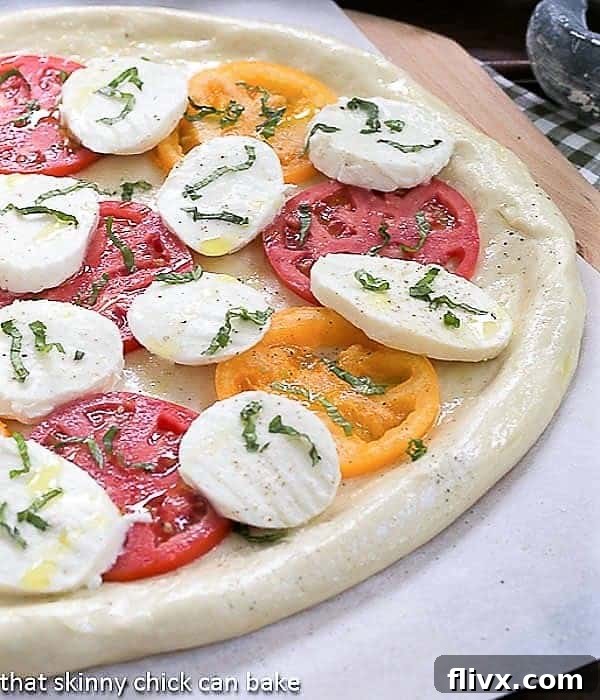
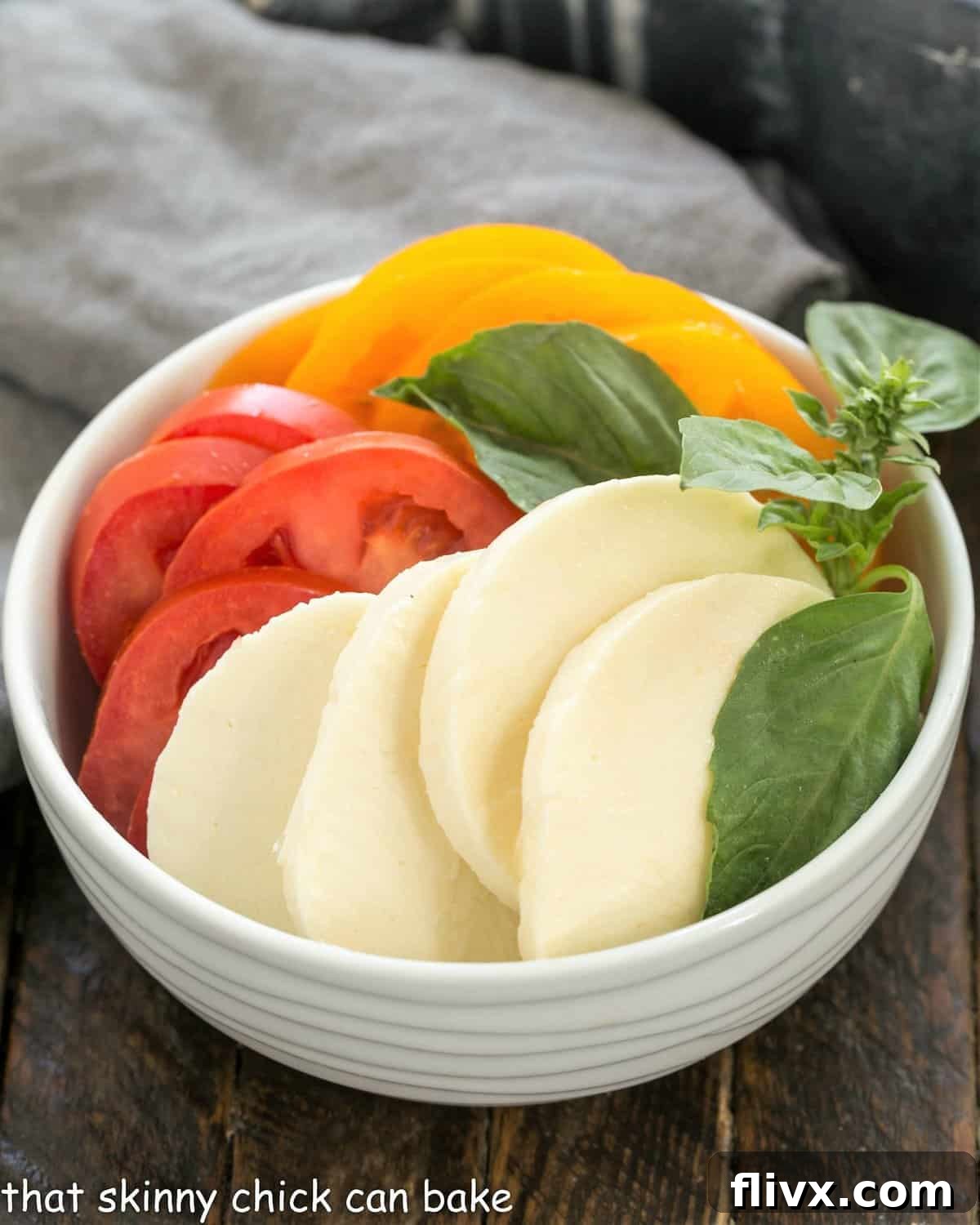
- Tomatoes: The choice of tomatoes significantly impacts the pizza’s flavor. During summer, thinly sliced, ripe garden tomatoes are unparalleled. In winter, opt for meatier plum tomatoes (like Roma or San Marzano), which have less water content and a concentrated flavor. Always slice them thinly and drain them on paper towels to remove excess moisture, preventing a gummy crust.
- Fresh Basil: The aromatic essence of Margherita. Fresh basil is non-negotiable for its vibrant flavor and color. To prepare, stack the leaves, roll them tightly like a cigar, and then slice thinly (chiffonade) to create elegant strips that are easy to sprinkle and distribute evenly across the pizza. If you have an herb garden, basil is surprisingly hardy and thrives in warm months.
- Mozzarella: For an authentic experience, fresh mozzarella balls (buffalo or cow’s milk) are preferred. Their creamy texture and delicate flavor melt beautifully. Slice them into ¼-inch rounds or tear them into irregular pieces. While shredded mozzarella can be used, it won’t offer the same classic texture or fresh taste.
- Kosher Salt and Freshly Ground Black Pepper: These seasonings are vital. A light sprinkle over the mozzarella and tomatoes before baking enhances all the natural flavors, making them pop. Freshly ground black pepper adds a subtle, fragrant warmth.
- Olive Oil (for Topping): A final drizzle of extra virgin olive oil over the assembled pizza before baking, and sometimes after, adds a luxurious sheen and a fruity, peppery note. Extra virgin olive oil offers the best flavor, but regular olive oil will also suffice.
Crafting Your Homemade Pizza Margherita: Basic Steps
Creating your own Pizza Margherita is a rewarding culinary adventure. Follow these fundamental steps to bring this Italian classic to life:
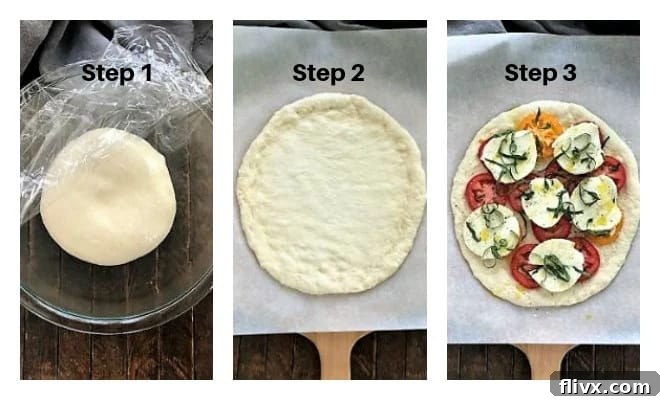
- Prepare the Dough: Begin by mixing your dough ingredients. Once combined, cover it and allow it to proof slowly in the refrigerator, a crucial step for flavor development.
- Shape and Top: After proofing, gently work the dough into a desired round shape and carefully transfer it onto a sheet of parchment paper for easy handling. Then, add your fresh, vibrant toppings.
- Bake to Perfection: Transfer your topped pizza (still on the parchment) into a preheated, hot oven. Bake until the crust achieves a beautiful golden-brown color and the mozzarella cheese is perfectly melted and bubbly.
Detailed Steps for an Unforgettable Pizza Margherita
Achieving the perfect Homemade Pizza Margherita involves a few key techniques. Here’s a comprehensive breakdown to guide you through each stage, ensuring a delicious outcome every time:
- Yeast Check: Before you begin, ensure your yeast is active. Check the expiration date on the package first. If using jarred yeast and unsure, dissolve a pinch of sugar in warm (not hot) water, then stir in a teaspoon of yeast. If it starts bubbling within 5-10 minutes, it’s good to go. If you only have one packet, trusting the date is often your best bet to avoid waste.
- PRO-Tip for Yeast Storage: Did you know you can extend the life of your yeast by storing it in the freezer? Properly stored, it can remain viable for years, saving you last-minute trips to the store!
- Mixing the Dough: Follow the recipe’s precise measurements. If using a stand mixer, begin by combining the dry ingredients with the paddle attachment. Once lightly mixed, slowly add the cold water. After the dough starts to come together, switch to the dough hook. Knead on medium speed for about 5-7 minutes until the dough is elastic, smooth, and slightly sticky to the touch. It should pull away cleanly from the sides of the bowl.
- Cold Proofing for Flavor: Unlike many bread recipes that require a warm spot for proofing, this pizza dough thrives in the refrigerator. This slow, cold fermentation (preferably overnight, or for 24-72 hours) allows the yeast to work gradually, producing byproducts that develop profound, complex flavors and a superior crust structure. This patience is truly rewarded.
- Ready for Action: Once your dough has completed its slow proofing cycle (it only needs one, unlike many yeast breads that require multiple rises), it’s ready to be shaped and topped. Allow it to come to room temperature for about 30-60 minutes before shaping, as it will be easier to work with.
- Shaping the Dough: Gently remove half of the dough from the bowl (this recipe yields two pizzas). Lightly flour your hands and gently stretch the dough. You can start by draping it over the back of your hands and letting gravity assist, rotating it with your thumbs and knuckles to gradually stretch it into a round. Avoid tearing the dough.
- Parchment Paper Perfection: Once you have a preliminary stretch, transfer the dough onto a piece of parchment paper. Continue to gently press and stretch it with your fingers from the center outwards, forming it into a 12-inch circle. The parchment paper makes transferring the pizza to the oven effortless and significantly simplifies cleanup.
- Preheat for Optimal Crispness: Preheat your oven to its highest setting, ideally 500ºF (260ºC) or 550ºF (290ºC), with a pizza stone or steel placed inside. Allow the stone to heat thoroughly for at least 30-60 minutes before baking. This intense heat is crucial for achieving a beautifully crisp crust.
- PRO-Tip for Toppings: Resist the urge to overload your pizza with too many toppings. Simplicity is key for Margherita. Crucially, ensure that any soft ingredients, especially tomatoes, are free of excess liquid. I highly recommend slicing tomatoes very thinly and draining them on paper towels for at least 15-20 minutes. If tomatoes are too thick or wet, their juices can steam the crust, making it gummy instead of crisp. Even if it happens, a slightly softer crust is still incredibly tasty!
- Transferring to the Oven: With your pizza assembled on the parchment paper, use a pizza peel to slide the entire assembly (pizza and parchment) directly onto the preheated pizza stone in the oven.
- Cooling Rack Transition: Once baked to perfection, remove the pizza from the oven using the pizza peel and immediately transfer it to a wire cooling rack. This allows air to circulate around the bottom of the crust, preventing it from becoming soggy and maintaining its crispness.
- Dough Storage Strategy: This recipe yields enough dough for two pizzas. If you only plan to make one, perfectly wrap the other half in plastic wrap and then aluminum foil, and store it in the freezer for a future meal. This means a delicious homemade pizza is always just a thaw away! Alternatively, double your toppings and enjoy two fresh pizzas!
Expert Tips for Pizza Margherita Perfection
Transform your homemade pizza from good to extraordinary with these expert tips, honed over countless batches of perfect pies:
- Master the Slow Proof: This pizza dough isn’t proofed in a warm spot, but rather in the refrigerator. This isn’t an oversight—it’s a secret weapon! The slow, cold proofing allows for significantly more flavor development in the dough, creating a complex, nuanced taste and a superior texture that simply cannot be rushed. Plan ahead for this step; it’s worth the wait.
- Embrace Dough Elasticity: Don’t be discouraged if the dough seems a bit resistant to shaping at first. It’s naturally very elastic. Take your time, working gently and patiently. Gravity is your friend; let the dough hang and stretch over your hands, rotating it slowly. A few minutes of careful handling will yield a beautifully round and even crust.
- Parchment Paper is Your Ally: Always place your shaped dough onto a sheet of parchment paper before adding the toppings. This simple trick revolutionizes the baking process. It makes transferring the delicate, topped pizza onto a hot pizza stone or baking steel incredibly easy, preventing sticking and ensuring a smooth slide.
- PRO-Tip for Effortless Cleanup: Baking your pizza on parchment paper not only aids in transfer but also drastically simplifies cleanup. No more scrubbing burnt cheese or dough bits from your pizza stone or pan – just slide the pizza off and discard the parchment!
- Seamless Oven Transfer: Once topped, your pizza (still on its parchment paper) can be effortlessly slid onto the preheated pizza stone or steel in your scorching hot oven using a pizza peel. This method minimizes handling of the raw pizza, preserving its shape and preventing toppings from shifting.
- PRO-Tip for Pizza Peel Alternatives: If you don’t own a pizza peel, don’t fret! A rimless baking sheet or a flat cutting board generously dusted with cornmeal or flour can serve as an excellent substitute. Simply slide the parchment-lined pizza onto your hot baking surface.
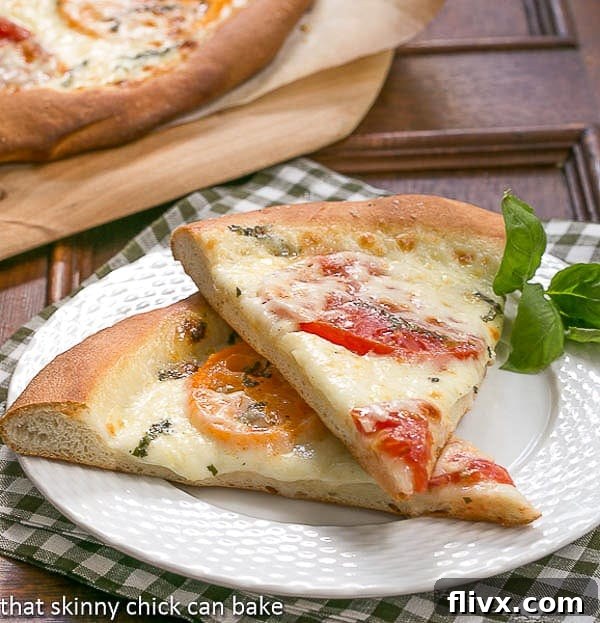
- Visual Cues for Doneness: Bake your pizza as directed, but always keep an eye on it. The perfect pizza Margherita will have a beautifully browned, slightly blistered crust and a cheese topping that is melted, bubbly, and just beginning to show hints of golden-brown spots. These visual cues signal optimal flavor and texture.
- Patience is a Virtue (Especially After Baking): Once out of the oven, resist the immediate urge to slice and devour. Transfer the pizza to a cooling rack and let it cool briefly for 3-5 minutes. This allows the cheese to set slightly, preventing it from sliding off, and more importantly, allows the scorching hot cheese to cool just enough to prevent burning the roof of your mouth. A little patience ensures a much more enjoyable first bite!
Serving and Pairing Suggestions
While Homemade Pizza Margherita is a star on its own, pairing it with complementary dishes can elevate your meal to a true Italian feast. Its light, fresh flavors make it incredibly versatile:
- Classic Green Salad: A simple tossed green salad with a light vinaigrette is the quintessential accompaniment. The crisp, cool greens offer a refreshing contrast to the warm, savory pizza.
- Caprese Salad: Given the shared ingredients, a small Caprese salad (sliced tomatoes, fresh mozzarella, basil, and a drizzle of balsamic glaze) perfectly complements the pizza, reinforcing its fresh, Italian theme.
- Olives and Marinated Artichokes: A small bowl of assorted Italian olives or marinated artichoke hearts provides a wonderful salty, briny counterpoint to the pizza’s richness.
- Wine Pairings: For adults, a light-bodied Italian red wine like a Dolcetto or a dry rosé works beautifully. If you prefer white, a crisp Pinot Grigio or Vermentino would be an excellent choice.
- Non-Alcoholic Options: Sparkling water with a squeeze of lemon or a homemade lemonade provides a refreshing palate cleanser.
- Post-Dinner Family Walk: As mentioned earlier, don’t let the deliciousness end at the table! After enjoying your pizza, gather your family (and perhaps the dog!) for a leisurely walk around the block. It’s a fantastic way to aid digestion, boost metabolism, and create more opportunities for cherished conversations and laughter.
Storage and Reheating Leftovers
If you’re lucky enough to have any leftover Homemade Pizza Margherita, proper storage and reheating can ensure it tastes almost as good as fresh:
- Storage: Allow the pizza to cool completely to room temperature. Once cool, wrap individual slices tightly in plastic wrap or aluminum foil, or place them in an airtight container. Refrigerate promptly within two hours of baking. Stored correctly, it will keep for up to 3-4 days in the refrigerator.
- Reheating for Crispness (Oven Method): This is the best method for maintaining a crispy crust. Preheat your oven to 350°F (175°C). Place the leftover slices directly on the oven rack or on a baking sheet. Bake for about 8-10 minutes, or until the cheese is melted and bubbly and the crust is crisp again.
- Reheating for Speed (Skillet Method): For a quick reheat that also maintains some crispness, place slices in a non-stick skillet over medium-low heat. Cover the skillet with a lid (or aluminum foil) for 2-3 minutes to allow the cheese to melt and the toppings to warm through. Then, remove the lid and continue heating for another 1-2 minutes until the bottom of the crust is crispy.
- Microwave (Use with Caution): While the quickest option, microwaving pizza can make the crust soggy. If you must use a microwave, place a small glass of water in the microwave alongside your pizza slice to help retain moisture and prevent the crust from becoming rubbery. Heat for 30-60 seconds, or until warmed through.
Frequently Asked Questions About Pizza Margherita
Absolutely, Pizza Margherita is authentically Italian. It originated in Naples (Napoli) and is traditionally made with San Marzano tomatoes, fresh mozzarella, fragrant fresh basil, a touch of salt, and a drizzle of extra virgin olive oil. These ingredients represent the colors of the Italian flag.
There are a couple of popular theories. Some believe the name Pizza Margherita comes from the flower-like arrangement of its toppings, as “margherita” translates to “daisy” in Italian. The most widely accepted and romanticized story, however, dates back to 1889. Queen Margherita of Savoy visited Naples and, tiring of the elaborate French cuisine she had been served, requested local pizzas. The renowned pizzamaker, Raffaele Esposito, created a pizza specifically for her, using toppings that reflected the colors of the Italian flag: red tomatoes, white mozzarella, and green basil. He proudly named this patriotic creation after Queen Margherita, cementing its place in history.
Yes, absolutely! While homemade dough offers superior flavor and texture, good quality store-bought pizza dough is a fantastic option for convenience, especially when you’re short on time. Look for fresh dough in the refrigerated section of your grocery store.
No pizza stone? No problem! You can achieve a crispy crust using a heavy-duty baking sheet or an inverted cast-iron skillet. Simply preheat your chosen pan in the oven at its highest temperature for at least 20-30 minutes before sliding your parchment-lined pizza onto it. A cold baking sheet will result in a soggy bottom.
Yes, and it’s highly recommended! This recipe’s dough is designed for cold proofing in the refrigerator for 24-72 hours. This extended fermentation time significantly develops the dough’s flavor and texture. You can also freeze half the dough for future use.
You May Also Like Other Yeast Bread Recipes
Once you’ve experienced the satisfaction of making your own pizza dough, you’ll undoubtedly be inspired to explore more yeast bread recipes. Here are some of our favorites that are perfect for expanding your baking skills:
- Classic Oatmeal Bread: A wholesome and comforting bread, perfect for sandwiches or toast.
- The NYT No-Knead Bread: An incredibly easy recipe that yields a professional-quality artisan loaf with minimal effort.
- Pumpernickel Bread Recipe: A rich, dark, and flavorful bread with a distinctive texture.
- Homemade Pretzel Rolls: Soft, chewy, and irresistibly salty, these rolls are a fantastic project for any baker.
- Plus, you may enjoy this Easy Pizza Casserole: For those days you crave pizza flavors in a comforting bake.
- Explore more Yeast Bread Recipes for endless baking inspiration!
Stay connected with us through social media! Follow us on Instagram, Facebook, and Pinterest. Don’t forget to tag us when you try one of our delicious recipes! And if you love the results, please consider giving it a 5-star rating in the recipe card below – your feedback means the world to us!
Homemade Pizza Margherita
20 minutes
15 minutes
35 minutes
1 large pizza (serves 4)
My family’s favorite pizza recipe – simple, fresh, and bursting with classic Italian flavors!
Rated 5 stars based on 30 reviews.
Ingredients
Dough:
- 3 cups bread flour plus more to dust the work surface
- 2 teaspoons sugar
- ½ teaspoon instant yeast (e.g., Red Star Platinum Yeast)
- 1 ⅓ cups ice water
- 1 ½ teaspoons salt
- 1 tablespoon olive oil plus more to oil the work surface
Topping:
- 2 (8-ounce) balls of fresh Mozzarella, sliced
- 4 medium to large garden tomatoes or 8-10 plum tomatoes, cut into thin slices and drained on paper toweling
- Fresh basil, cut into thin strips
- Kosher salt, to taste
- Freshly ground black pepper, to taste
- Extra virgin olive oil, for drizzling
Instructions
- Place the flour, sugar, and yeast into the bowl of a food processor. Process for a couple of seconds until thoroughly combined.
- With the food processor running, slowly add the cold water through the feed tube. Continue to mix until the dough comes together and is combined, typically about 10 seconds.
- Stop the processor and let the dough rest in the bowl for 10 minutes. This allows the flour to fully hydrate.
- Add the olive oil and salt to the dough. Process again until the dough forms a ball and cleans the side of the bowl, which usually takes a minute or less. Remove the dough and knead it gently on a lightly oiled surface until it feels smooth and elastic.
- Form the dough into a ball and place it into an oiled bowl. Cover the bowl tightly with plastic wrap and refrigerate for 24 to 72 hours. This slow proofing develops incredible flavor.
- When you are ready to bake, remove the dough from the refrigerator and divide it in half (this recipe makes two pizza crusts). Shape each half into a dough ball and place them on an oiled baking sheet. Cover with greased plastic wrap and let rest at room temperature for 1 hour to relax the gluten.
- The topping ingredients listed are for two pizzas. If you only plan to make one pizza, you can use half of the topping ingredients and freeze the other half of the dough for later use.
- Place your pizza stone (or a heavy baking sheet) into the oven and preheat to 500ºF (260ºC) or its highest setting. Allow the stone to heat for 30-60 minutes to ensure it is thoroughly hot, which is key for a crispy crust.
- On a sheet of parchment paper, gently pat out and stretch one ball of dough into a large circle, approximately 12 inches in diameter. Repeat with the second ball of dough if you’re making two pizzas.
- Evenly top the dough with the drained tomato slices, followed by the sliced fresh mozzarella cheese. Season lightly with kosher salt and freshly ground black pepper, and then scatter the fresh basil strips over the toppings. Finish with a light drizzle of extra virgin olive oil.
- Using a pizza peel, carefully slide the pizza (still on its parchment paper) onto the preheated pizza stone in the oven.
- Bake for about 12 minutes, or until the crust is beautifully browned and crisp, and the cheese is melted and bubbly with golden spots. Remove the pizza with the peel to a cooling rack, let it rest for a few minutes, then slice and serve immediately.
Notes
Dough recipe adapted from Cook’s Illustrated. This recipe yields enough dough for two pizzas. If desired, freeze half the dough for another meal (remember to use only half the toppings).
The total time listed above does not reflect the essential slow proofing time in the refrigerator, which is typically 24-72 hours.
Recommended Products
As an Amazon Associate and member of other affiliate programs, I earn from qualifying purchases.
- Reynolds Cookie Baking Sheets Non-Stick Parchment Paper, 25 Sheet, 4 Count
- Pizza Cutter
- Pizza Peel
Nutrition Information:
Yield:
4 Servings
Serving Size:
1 Slice (assuming 4 slices per pizza)
Amount Per Serving:
Calories: 782
Total Fat: 33g
Saturated Fat: 14g
Trans Fat: 0g
Unsaturated Fat: 17g
Cholesterol: 73mg
Sodium: 3646mg
Carbohydrates: 86g
Fiber: 5g
Sugar: 8g
Protein: 35g
HOW MUCH DID YOU LOVE THIS RECIPE?
Please leave a comment on the blog or share a photo on Pinterest