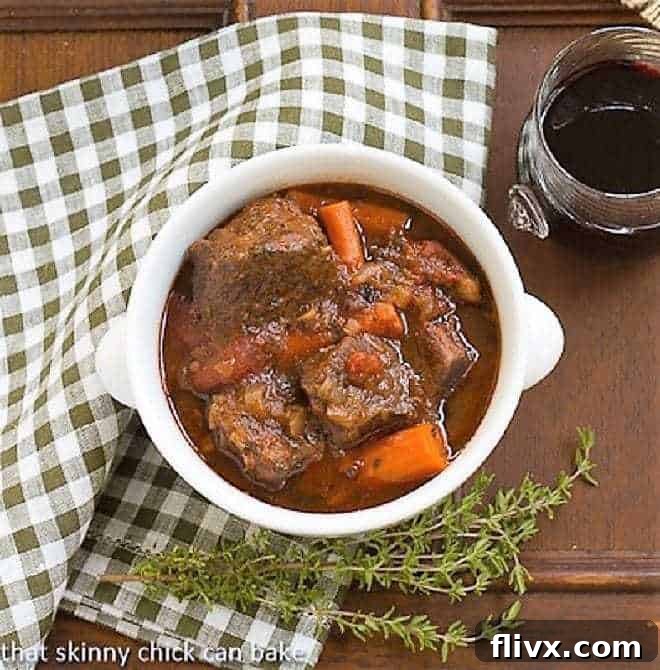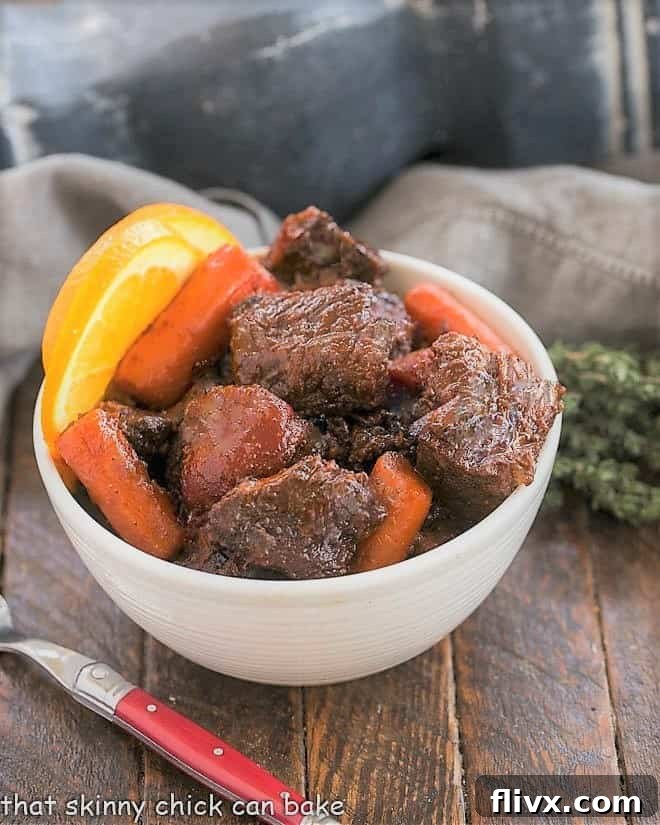
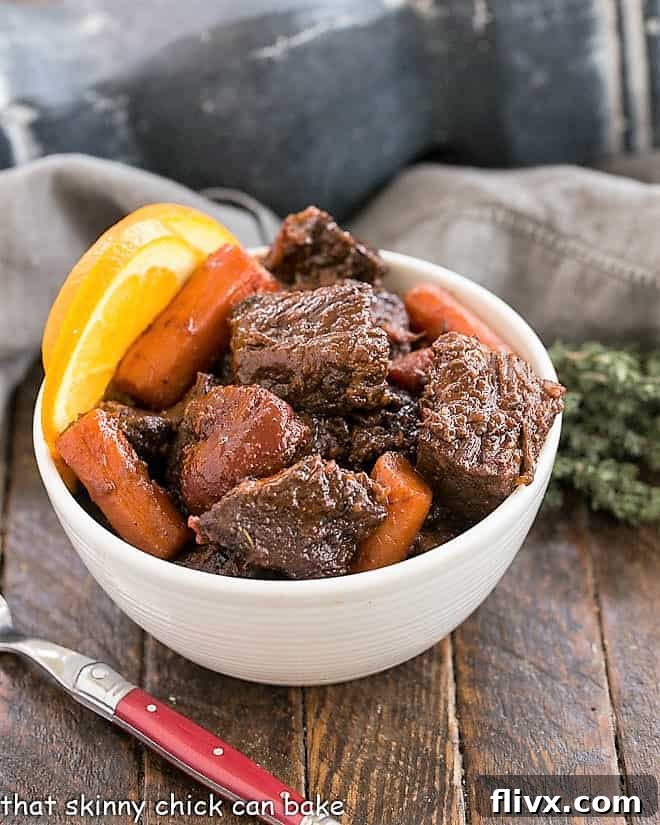
Welcome to the ultimate guide for creating the most extraordinary and comforting Slow Cooked Beef Stew with Red Wine. This recipe transcends the ordinary, offering a symphony of flavors that will undeniably tantalize your taste buds and leave you craving more. Inspired by a cherished family favorite, affectionately dubbed “Lizzy Bourguignon” by a dear friend’s family, this stew is more than just a meal; it’s an experience. We’re diving deep into the art of crafting a rich, elegant beef stew, complete with insightful tips on how to achieve unparalleled depth and tenderness, ensuring every spoonful is pure comfort.
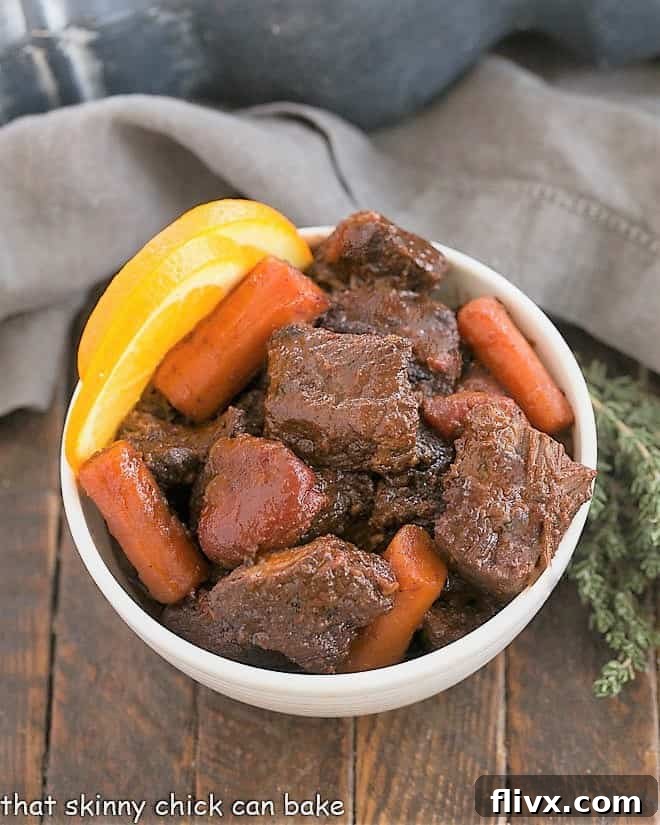
Why This Red Wine Beef Stew Stands Out
There’s a reason this particular red wine beef stew recipe has become a staple and garnered such high praise. It’s not just another beef stew; it’s a culinary journey that brings the warmth and sophistication of a French bistro right into your home. Here’s what makes this dish truly special:
- Unrivaled Flavor Depth: This stew is a masterclass in building layers of flavor. Starting with big, tender chunks of beef chuck roast, it’s enriched with the robust notes of red wine, the subtle sweetness of shallots, fragrant garlic, savory bacon, and bright carrots and tomatoes. But what truly sets it apart are the secret weapons: a splash of Cognac and a hint of orange zest, which elevate the complexity and create an unforgettable taste profile.
- Ultimate Comfort Food: There’s something inherently nostalgic and reassuring about a slow-cooked beef stew. It’s the kind of meal that wraps you in a warm hug on a cold day, perfect for Sunday dinners or cozy gatherings. This elegant version takes that comfort to a new level, proving that even the most impressive dishes can be deeply soulful and satisfying.
- Elegance in Simplicity: While packed with sophisticated flavors, the process remains approachable. The slow cooking method ensures the beef becomes incredibly tender, practically melting in your mouth. This recipe delivers a dish that will impress both family and friends, making them think you spent hours slaving away, when in reality, the oven or slow cooker did most of the work for you. It’s a testament to the fact that simple, quality ingredients, prepared with care, yield extraordinary results.
If you’re seeking another exceptional slow-cooked beef dish, don’t miss our ultimate pot roast recipe, which also features incredible depth of flavor.
Key Ingredients for an Unforgettable Stew
The magic of this comforting beef stew lies in the quality and combination of its ingredients. Each component plays a crucial role in developing the rich, nuanced flavors that define this dish. Here’s a closer look at what you’ll need:
- Pantry Staples: Olive oil for browning, salt and freshly ground black pepper to season, and a blend of dried basil, sage, and marjoram for aromatic depth. Canned whole tomatoes and tomato paste contribute acidity and a concentrated savory base. Garlic, finely chopped, is essential for a robust foundation.
- Chuck Roast: The Heart of the Stew: For a truly tender and flavorful stew, boneless beef chuck roast is the top choice. This cut is celebrated for its excellent marbling and abundance of collagen-rich connective tissue. When cooked low and slow, this collagen breaks down into gelatin, infusing the meat with moisture and creating that desirable melt-in-your-mouth texture. You can purchase it pre-cubed, but for optimal control over fat and piece size, we highly recommend buying a whole roast and cutting it yourself into 1½-inch chunks.
- Bacon: The Flavor Starter: Thick-cut bacon, rendered until browned but not overly crisp, forms the initial flavor layer. The rendered bacon fat provides a rich base for browning the beef and sautéing the aromatics, imparting a smoky, savory depth to the entire stew.
- Shallots: The Sweet Aromatic: Shallots offer a milder, sweeter, and more delicate flavor compared to onions, making them an elegant choice for this bistro-style stew. They caramelize beautifully, adding a subtle sweetness that complements the robust beef and wine.
- Carrots: Earthy Sweetness: Regular, full-sized carrots, peeled and cut into 2-inch chunks, are ideal. Their firm texture holds up wonderfully during the long cooking time, providing a gentle sweetness and vibrant color. Avoid baby carrots, as they tend to become mushy and lose their texture in extended slow cooking.
- Cognac and Red Wine: The Liquid Gold: These alcoholic components are not just for drinking; they are fundamental to developing an unparalleled depth of flavor. The red wine (choose a hearty variety you’d enjoy drinking, like a Cabernet Sauvignon or Merlot) deglazes the pan, capturing all the browned bits (fond) that are packed with flavor. The Cognac adds an extra layer of sophisticated warmth and aroma. During the extensive slow cooking process, the alcohol fully evaporates, leaving behind only their complex flavors, making this stew perfectly safe and delicious for everyone, including children. Any leftover wine can be stored in airtight containers in the freezer for future cooking endeavors.
- Fresh Herbs: Brightness and Aroma: Fresh sprigs of thyme and chopped flat-leaf parsley are essential. Thyme infuses the stew with a classic savory aroma during cooking, while fresh parsley, stirred in at the end or used as a garnish, adds a burst of vibrant color and fresh, herbaceous notes.
- Orange Zest: The Secret Brightener: A few strips of orange zest, carefully peeled with a vegetable peeler (avoiding the bitter white pith), are a game-changer. The citrus oils in the zest provide a bright, fragrant counterpoint to the rich, savory flavors, lifting the entire dish and adding a subtle, elegant complexity that truly makes this stew stand out.
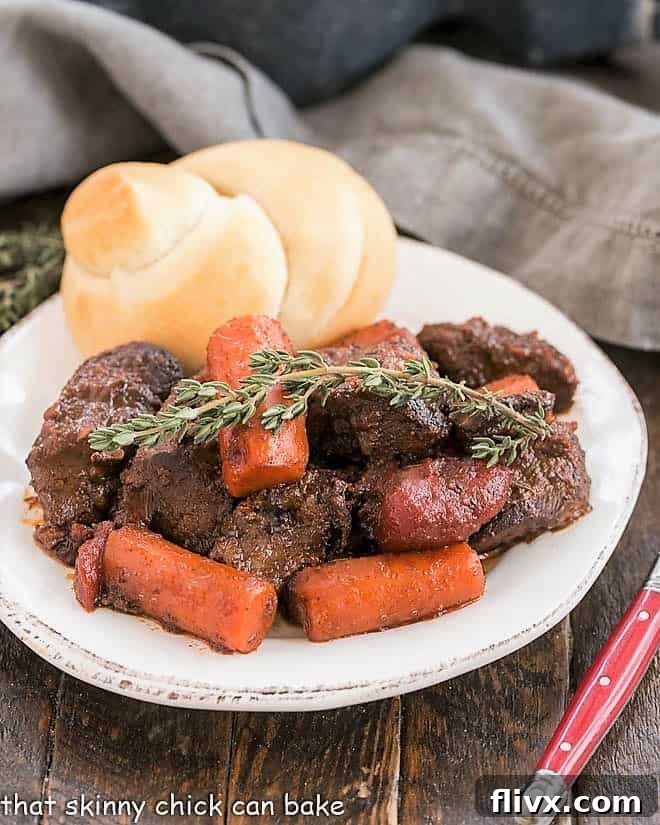
Mastering Your Slow Cooked Beef Stew
Achieving a perfectly tender and flavorful beef stew is an art, but with these expert tips, you’ll master it in no time. These techniques are designed to maximize flavor and ensure a consistently delicious result, whether you’re using an oven or a slow cooker.
- Selecting and Preparing the Beef: The foundation of a great stew is excellent meat. Always opt for a chuck roast. Its rich marbling and connective tissues are perfectly suited for slow cooking, yielding incredibly tender and succulent beef. While pre-cubed stew meat is convenient, it often consists of various cuts that cook unevenly. To ensure uniform browning and tenderness, purchase a whole chuck roast and cut it into 1½-inch cubes yourself. This also allows you to trim any excessive fat.
- Building Layers of Flavor: The secret to an extraordinary stew lies in developing flavor at every stage.
- Browning is Key: Before adding any liquids, thoroughly brown the seasoned beef in batches. This process, known as the Maillard reaction, creates deep, savory, complex flavors that cannot be achieved any other way. Don’t overcrowd the pan, as this steams the meat instead of browning it.
- Aromatics and Deglazing: After browning the beef and bacon, sauté the shallots and garlic until softened. Then, deglaze the pan with Cognac and red wine, scraping up all the delicious browned bits (fond) from the bottom. This “fond” is packed with concentrated flavor and will dissolve into your stew, enriching the broth.
- Season Throughout: Don’t just season at the end. Salt and pepper the beef generously before browning. Season the shallots as they cook. This layered seasoning approach allows flavors to penetrate the ingredients more deeply, resulting in a more cohesive and delicious final dish.
- The Power of Wine and Cognac: As previously mentioned, red wine and Cognac are more than just liquids; they are essential flavor enhancers. They add acidity, fruitiness, and an incredible depth that cannot be replicated. Paired with a few strips of orange zest, these ingredients are indeed the keys to unlocking the best beef stew recipe in your culinary repertoire.
- Cooking Methods: Oven vs. Slow Cooker:
- Oven Method (Traditional): This stew is traditionally cooked in a Dutch oven in the oven at 325°F (160°C). Stirring every 45 minutes ensures even cooking and allows you to monitor the liquid level and tenderness of the beef. This hands-on approach offers a bit more control and often results in a slightly thicker, more developed sauce.
- Slow Cooker Method (Hands-Off): For a more hands-off approach, convert this to a Crockpot Beef Stew. After browning and deglazing on the stovetop, transfer everything to your slow cooker. Cook on high for 3-5 hours (checking for tenderness around 2½ hours) or on low for 6-8 hours. The slow cooker excels at maintaining consistent low heat, making it nearly impossible to dry out the beef, thanks to the steam being trapped within.
- Monitoring and Adjusting: Whether in the oven or slow cooker, regularly check the stew. Ensure there’s sufficient liquid to cover the meat and vegetables. The beef should be fork-tender, easily pierced with no resistance. Be mindful of vegetables; while the beef benefits from long cooking, some vegetables like carrots can become overly soft. Adjust seasoning one final time before serving.
Serving Suggestions for Your Hearty Stew
Once your slow cooked beef stew is ready, you’ll want to serve it with accompaniments that truly complement its rich flavors and comforting nature. Here are some classic and creative ideas:
- Creamy Mashed Potatoes: A timeless pairing. The smooth, buttery mashed potatoes are perfect for soaking up the delicious, rich gravy of the stew.
- Crusty Bread or Rolls: Essential for wiping the bowl clean! A warm, crusty baguette or a soft dinner roll is ideal for dipping into the flavorful sauce.
- Egg Noodles or Rice: For a heartier meal, serve the stew over a bed of wide egg noodles or fluffy white rice. Both absorb the sauce beautifully.
- Simple Green Salad: A light, crisp green salad with a vinaigrette dressing provides a refreshing contrast to the richness of the stew, adding balance to the meal.
- Roasted Vegetables: If you’re looking for more vegetables, consider serving a side of simply roasted asparagus or green beans, lightly seasoned, to maintain a fresh texture.
Always garnish with a sprinkle of fresh flat-leaf parsley before serving for a pop of color and an additional layer of fresh, herbaceous flavor.
Variations and Customizations
This red wine beef stew is fantastic as written, but it’s also wonderfully adaptable. Feel free to customize it to your taste or what you have on hand:
- Add More Vegetables: Beyond carrots, consider adding diced potatoes (added about 1 hour before the end of cooking to prevent mushiness), mushrooms (sautéed with the shallots for extra umami), celery, or even frozen peas (stirred in during the last 15 minutes of cooking for freshness).
- Herb Adjustments: While thyme is classic, experiment with other herbs like bay leaves (removed before serving) or a touch of fresh rosemary for a different aromatic profile.
- Thickening the Stew: If you prefer a thicker sauce, you can remove a cup or two of the liquid at the end, whisk in a tablespoon of cornstarch mixed with a little cold water, and return it to the stew to simmer until thickened. Alternatively, you can mash some of the cooked carrots or tomatoes against the side of the pot.
- Spice It Up: For a subtle kick, add a pinch of red pepper flakes along with the dried herbs.
Storage and Reheating Your Beef Stew
One of the many joys of this slow cooked beef stew is that it often tastes even better the next day, once the flavors have had more time to meld. It’s also excellent for meal prepping!
- Refrigeration: Leftover beef stew can be stored in an airtight container in the refrigerator for 3-4 days.
- Freezing: This stew freezes beautifully for up to 3 months. Portion it into freezer-safe containers or heavy-duty freezer bags once completely cooled. When ready to enjoy, thaw overnight in the refrigerator.
- Reheating: Reheat thawed stew gently on the stovetop over medium-low heat, stirring occasionally, until heated through. You may need to add a splash of broth or water if it’s too thick. If reheating from frozen, it’s best to thaw first to ensure even heating, but you can also reheat gently from frozen on the stovetop, allowing extra time and stirring frequently. Be gentle when stirring, especially if potatoes were added, as they can become a bit mushy after freezing and reheating.
Frequently Asked Questions About Beef Stew
Can You Overcook Beef Stew?
Yes, it is possible to overcook beef stew, but it’s quite challenging, especially in a slow cooker where steam retention helps maintain moisture. As long as there’s plenty of flavorful liquid surrounding the beef, the stew meat itself is unlikely to dry out. The primary risk of overcooking typically involves the vegetables becoming too soft or mushy. Because this beef stew recipe is stirred every 45 minutes during oven cooking, you have the opportunity to regularly assess the amount of liquid and the tenderness of the beef and vegetables, making it easier to pull it off the heat at the perfect moment.
Can You Freeze Beef Stew?
Absolutely! Beef stew can be easily frozen for up to 3 months. Store it in airtight containers or freezer bags once it has completely cooled. When you’re ready to enjoy it, simply defrost it in the refrigerator overnight. While the beef retains its texture wonderfully, be aware that vegetables, particularly potatoes if added, may become slightly softer or break apart more easily after freezing and thawing. When reheating, stir gently to maintain their integrity.
Other Comforting Beef Recipes You Might Also Like:
If you loved this beef stew, explore some of our other favorite beef dishes that promise comfort and incredible flavor:
- Pressure Cooker Mongolian Beef from Pressure Cooking Today
- Slow Cooker Beef Stew with Mushrooms
- Easy Beef Stroganoff
- Beef Chuck Roast
- Beef Burgundy Pasta
- Easy Pot Roast Recipe
- Red Wine, Soy and Balsamic Marinated Flank Steak
- More of the Best Beef Recipes
Stay in touch through social media @ Instagram, Facebook, and Pinterest. Don’t forget to tag me when you try one of my recipes! And if you love the results, please give it a 5-star rating in the recipe card.
Slow Cooked Beef Stew Recipe
20 minutes
3 hours
3 hours 20 minutes
6 servings
An elegant beef stew recipe that will please the whole family!
Ingredients
- 3-pound boneless beef chuck roast, cut into chunks
- 2 tablespoons olive oil
- 2 slices thick bacon, cut into ½-inch pieces
- Salt and freshly ground black pepper
- 8-10 shallots, chopped
- 2 tablespoons Cognac
- 2 tablespoons tomato paste
- 2 to 3 cloves garlic, finely chopped, about a tablespoon
- 2 hefty sprigs of thyme
- ½ teaspoon dried basil
- ½ teaspoon dried sage
- ½ teaspoon dried marjoram
- 2 cups hearty red wine
- 1 14 ½-oz can whole, peeled tomatoes
- 2 strips orange zest, peel 2-inch pieces with a vegetable peeler
- 1-2 pounds thin carrots, peeled and cut into 2-inch chunks
- ¼ cup chopped fresh flat-leaf parsley, optional, to garnish
Instructions
- Preheat oven to 325ºF (160°C).
- Heat the oil and bacon together in a Dutch oven over medium heat, stirring as needed until the bacon is browned, but not crisp. Remove the bacon to a plate, leaving the rendered fat in the pot.
- Season the beef with salt and pepper. Working in batches, brown the beef on all sides in the Dutch oven. Once browned, remove the beef to the plate with the bacon. Remove all but 1 tablespoon of the fat from the pan (if the pan seems dry, add a small amount of olive oil).
- Add the chopped shallots to the Dutch oven, season with a pinch of salt and pepper, and cook over medium heat until they are softened and translucent, about 5-7 minutes. Pour in the Cognac and cook, stirring, until it has almost completely evaporated.
- Stir in the tomato paste, finely chopped garlic, and dried herbs (basil, sage, marjoram). Cook for another minute, stirring constantly, to toast the tomato paste and release the garlic’s aroma. Add the red wine and bring the mixture to a boil, scraping up any browned bits from the bottom of the pot.
- Add the canned whole, peeled tomatoes along with their juice to the pot. Using a spatula or wooden spoon, break the tomatoes into smaller chunks. Stir in the orange zest, then return the browned beef, bacon, and any accumulated juices from the plate to the pot.
- Finally, add the carrot chunks to the stew. Bring the mixture to a gentle simmer on the stovetop, then cover the Dutch oven tightly and carefully place it into the preheated oven.
- Cook the stew in the oven for 2 to 3 hours, stirring every 45 minutes, until the beef is incredibly tender and easily pierced with a fork. The cooking time will vary depending on the beef and your oven.
- Before serving, skim off any excess fat from the surface of the stew. Taste for seasoning and adjust with additional salt and pepper if needed. Stir in the fresh flat-leaf parsley if using, or sprinkle it on top as a garnish. Serve hot and enjoy!
Notes
Recipe adapted from Molly Stevens.
Nutrition Information:
Yield:
6
Serving Size:
1
Amount Per Serving:
Calories: 807Total Fat: 41gSaturated Fat: 16gTrans Fat: 2gUnsaturated Fat: 23gCholesterol: 192mgSodium: 410mgCarbohydrates: 34gFiber: 9gSugar: 13gProtein: 62g
HOW MUCH DID YOU LOVE THIS RECIPE?
Please leave a comment on the blog or share a photo on Pinterest
I often joke that my designated dishwasher, Bill, wishes I’d make one-pot meals, like beef stew recipes, every single day! His eyes tend to glaze over when he walks into the kitchen after a long day, only to find it resembling a culinary tornado, with pots, pans, and measuring utensils scattered everywhere. But, as I often remind him, if he cooked, and I cleaned, we’d probably be going to bed hungry. Just ask my oldest son about the infamous “rice incident” – a dinner dad cooked using little to no seasoning, which put Tom off rice for years! So, do your dishwasher (and your taste buds) a favor and try this scrumptious, slow-cooked beef stew. It’s truly a one-pot wonder!