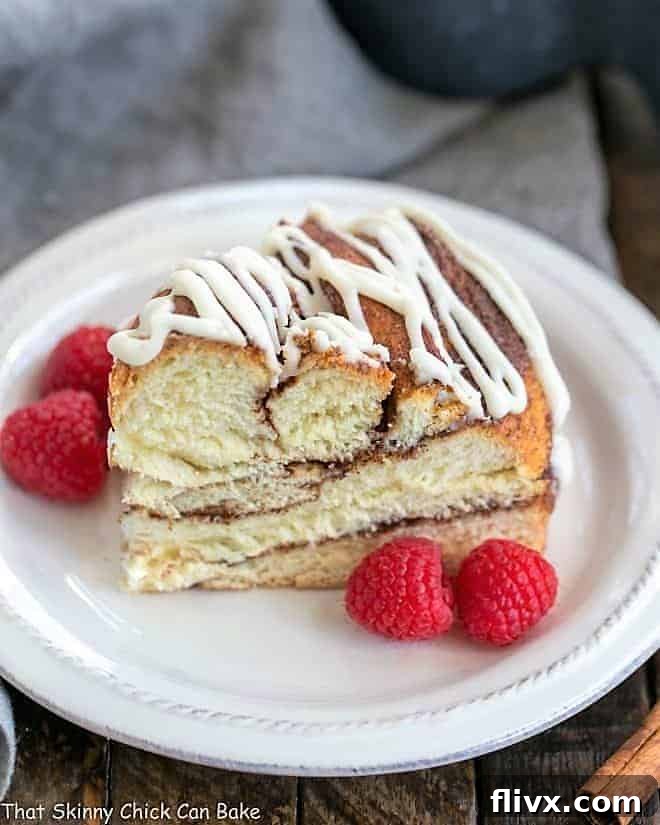
Welcome to the enchanting world of homemade **Cinnamon Twists**, a delightful creation that promises the comforting warmth and delectable flavors of your favorite cinnamon rolls, but with an elegant, twisted presentation. Imagine biting into a soft, tender bread, rich with golden ribbons of spiced cinnamon-sugar filling, all crowned with a luscious, creamy vanilla glaze. This isn’t just breakfast; it’s an experience, a perfect treat to share with loved ones or savor by yourself with a hot cup of coffee or tea. And here’s the best part: this recipe yields two magnificent twists, meaning you can enjoy one immediately and tuck the other away in your freezer for a future moment of pure bliss – a spontaneous brunch, an unexpected guest, or simply a day when you crave homemade comfort without the fresh baking effort. These Cinnamon Twists are designed to be freezer-friendly, ensuring that deliciousness is always just a thaw and reheat away.
The inspiration for this recipe arose from a familiar request: my husband’s unwavering love for cinnamon rolls. While classic cinnamon rolls are undoubtedly wonderful, I wanted to craft something equally irresistible yet distinct. The goal was to maintain that beloved cinnamon roll flavor profile – the sweet, spicy filling, the tender dough, the decadent glaze – but present it in a fresh, visually appealing way. The answer? A “twist” on traditional **Cinnamon Bread**, transforming a simple loaf into a beautiful, swirled masterpiece. This braided beauty offers more nooks and crannies to capture every bit of that irresistible cinnamon filling, making each bite an absolute delight.
Why These Cinnamon Twists Are a Must-Bake
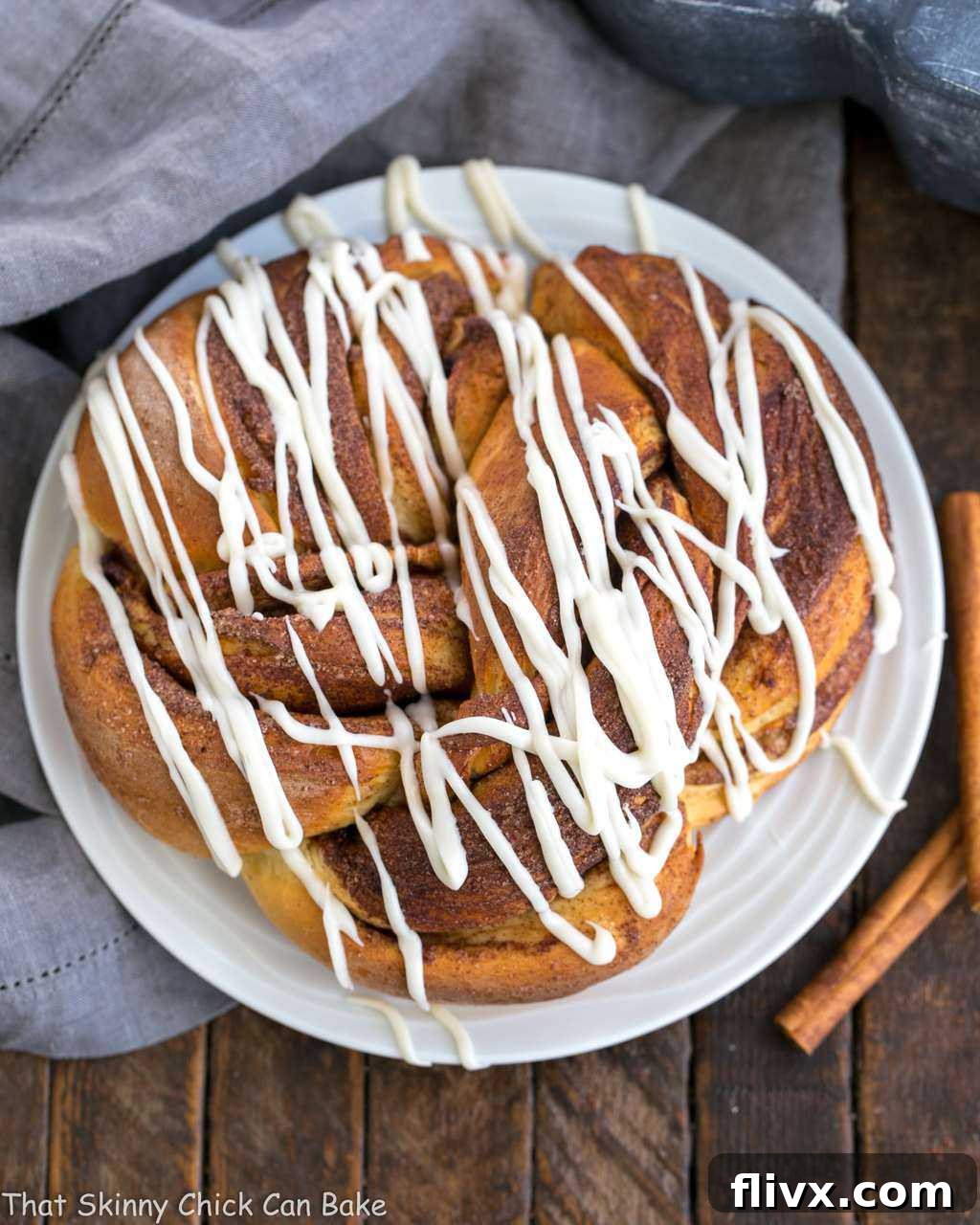
- An Elevated Take on a Classic: This recipe offers a delightful “twist” on traditional cinnamon rolls. You get all the familiar, comforting flavors you adore – the rich cinnamon, the sweet bread, the creamy glaze – but in a new, elegant shape. The twisting technique creates more surface area for that delicious filling, ensuring every bite is packed with cinnamon goodness. It’s perfect for impressing guests or simply elevating your everyday breakfast.
- Double the Deliciousness, Double the Convenience: This ingenious cinnamon bread recipe makes not one, but two generously sized twists. This means you can indulge in one warm from the oven, filling your home with an irresistible aroma, and then freeze the second one for a special occasion, an unexpected visitor, or simply a busy morning when you need a ready-made breakfast treat. Imagine having a homemade gourmet breakfast ready in minutes, anytime you desire!
- Effortless Freezing for Future Feasts: Yeast bread freezes exceptionally well, making these twists an ideal make-ahead option. Properly wrapped, they retain their freshness and tender texture for up to three months in the freezer. This allows you to plan ahead for holiday brunches, impromptu gatherings, or just to have a comforting treat on hand. Just ensure you wrap it well in plastic wrap and then foil to prevent freezer burn and keep it airtight. Don’t let that second twist go stale; save it for a spectacular future breakfast or brunch!
- A Unique Ingredient for Unmatched Tenderness: The inclusion of dried potato flakes or buds is a secret weapon in this recipe. Potatoes are packed with starch, which helps the dough retain more moisture during baking. This results in an incredibly soft, tender, and moist bread that stays fresh longer than traditional yeast breads. It’s a subtle addition that makes a huge difference in the final texture, giving these twists an irresistible melt-in-your-mouth quality.
Key Ingredient Insights: Crafting the Perfect Cinnamon Twist
Understanding the role of each ingredient is essential for baking success. Here’s a closer look at what goes into these delectable Cinnamon Twists:
- Kitchen Staples: All-Purpose Flour, Sugar, Salt, Milk, Butter, Cinnamon, Egg: These foundational ingredients form the heart of any great yeast bread. All-purpose flour provides the structure, sugar feeds the yeast and adds sweetness, salt balances flavors, milk adds richness and moisture, butter contributes tenderness and flavor, cinnamon is, of course, the star of the filling, and an egg enriches the dough, giving it a beautiful golden hue and softer crumb. Ensure your butter is at room temperature for optimal creaming and mixing.
- Dried Potato Flakes or Buds: The Secret to Supreme Softness: As mentioned, this is a game-changer! Potato flakes significantly increase the dough’s starch content, which helps it absorb and retain more water. This hydration leads to a remarkably soft, moist, and tender bread with a finer crumb that stays fresh longer. It’s a technique often used by professional bakers for superior texture. Don’t skip this ingredient for truly exceptional results.
- Instant Yeast: Your Dough’s Best Friend: Instant yeast is a baker’s dream because it doesn’t require proofing in liquid before being added to dry ingredients. It activates quickly and efficiently, ensuring a reliable rise for a light and airy texture. I personally favor Red Star Yeast for its consistent performance, but any high-quality instant yeast will work wonders. Always check the expiration date to ensure your yeast is active!
- Vanilla Extract: Flavor Elevation: For the best flavor, always opt for real vanilla extract over imitation. Real vanilla provides a complex, aromatic depth that imitation vanilla simply cannot replicate. It enhances the overall sweetness and complements the cinnamon beautifully, especially in the dough and the rich glaze.
- Powdered Sugar: For a Silky Smooth Glaze: Sifting your powdered sugar before mixing the glaze is a crucial step for achieving that perfectly smooth, lump-free consistency. Powdered sugar tends to clump easily, and sifting ensures a silky glaze that drizzles beautifully and melts deliciously into the warm bread.
- Heavy Cream: The Key to a Rich Glaze: Heavy cream (typically around 36% butterfat) is essential for creating a luscious, creamy, and decadent glaze. Its high-fat content gives the glaze a rich mouthfeel and a beautiful sheen that truly elevates the Cinnamon Twists from delicious to extraordinary. Milk can be used in a pinch, but for that truly indulgent experience, heavy cream is non-negotiable.
Expert Recipe Tips for Cinnamon Twist Perfection
Achieving beautiful, bakery-worthy Cinnamon Twists is simpler than you think with these professional tips:
- Mastering the Dough Roll and Seal: When rolling out your dough, use a minimal amount of flour on your work surface. Too much flour will prevent the dough from sealing properly when you roll it into a log, causing the filling to spill out during baking. Once you’ve rolled the dough with the cinnamon filling, gently but firmly pinch the seam together to create a tight seal. This ensures the log stays intact as you move to the next step.
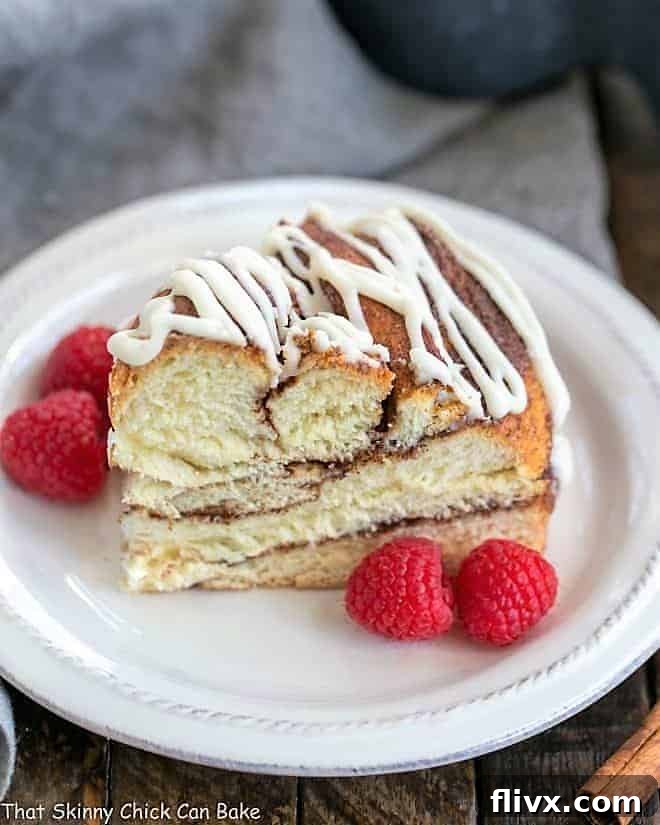
- The Art of the Twist (and Forgiveness): After cutting the log lengthwise, you’ll have two halves with the cinnamon-sugar filling exposed. These halves will naturally want to separate. The key is to carefully cup them in your hands as you perform the twisting maneuver. Begin by sealing two short ends together, then gracefully cross one side over the other repeatedly, creating that signature twisted design. Don’t fret if your twist isn’t absolutely perfect or looks a bit rustic; it will still bake up beautifully and taste absolutely wonderful! The charm of homemade lies in its unique imperfections.
- Crucial Step: Sealing the Ends Before Proofing: Before tucking your formed cinnamon swirl bread into its warm proofing spot, make sure to seal the two ends of the twisted ring together firmly. This helps the bread maintain its circular shape during the rise and ensures an even bake, preventing any unraveling or uneven expansion.
- PRO-Tip: The Ideal Proofing Temperature: For yeast bread, 85°F (29°C) is the gold standard for proofing. This temperature provides the optimal environment for yeast activity, encouraging a steady and controlled rise that develops flavor and a strong gluten structure. While some ovens feature a dedicated proof setting, most do not. If your oven lacks this feature, you can create a warm environment by heating your oven to its lowest setting for a few minutes, then turning it off and letting the residual warmth create the ideal temperature. Alternatively, place the covered dough in a warm, draft-free spot in your kitchen, such as near a sunny window or on top of a warm appliance.
- Don’t Over-Flour: When rolling out the dough, resist the urge to heavily flour your surface. A light dusting is all you need. Excess flour will prevent the dough from sealing onto itself when you roll it up, which can lead to the filling oozing out during baking. You want just enough to prevent sticking, but not so much that it interferes with the dough’s ability to adhere.
The satisfaction of baking these Cinnamon Twists is immense. We wasted no time devouring one of these masterpieces straight from the oven, savoring every sweet, tender bite. The second one was carefully wrapped and placed in the freezer – a wise decision, as our kitchen was soon undergoing a demolition! My husband, Bill, was absolutely thrilled to have a break from his “gourmet” buttered toast routine and indulge in a homemade treat that truly brightened his day. These twists are more than just bread; they’re a little slice of comfort and joy.
Frequently Asked Questions About Cinnamon Twists
There are a few primary reasons why yeast bread dough might fail to rise properly. The most common culprit is expired or inactive yeast. Always check the expiration date on your yeast package before you begin baking. To test if your yeast is alive, combine a small amount (about a teaspoon) with 1/4 cup of warm water (ideally between 105-115°F or 40-46°C, but definitely no hotter than 115°F) and a pinch of sugar. If it’s active, it should become foamy and bubbly within 5-10 minutes. If it doesn’t, your yeast is likely dead, and you’ll need a new batch. Another common issue is excessively hot liquids; temperatures above 115°F (46°C) can kill the yeast, rendering it ineffective. Always measure your liquid temperature carefully.
An ideal temperature for proofing yeast dough is around 85°F (29°C). Temperatures slightly above or below this range are generally acceptable, but consistency is key. If the yeast dough is forced to rise in an environment that is too hot (exceeding 115°F or 46°C), the yeast will ferment too quickly. This can lead to a rapid initial rise, but the gluten structure may not develop adequately to support the air bubbles, potentially resulting in a dense bread with a “boozy” flavor. Conversely, if the temperature is too cold, the dough will rise very slowly, or not at all, extending proofing times significantly.
Once baked and cooled, your Cinnamon Twists will stay wonderfully fresh at room temperature for up to 3 days. To maintain their softness and prevent them from drying out, ensure they are stored in an airtight container or tightly wrapped in plastic wrap. For longer storage, these twists freeze exceptionally well. Wrap them tightly in plastic wrap, then an additional layer of aluminum foil to protect against freezer burn, and they can be stored in the freezer for up to 3 months. Thaw at room temperature or gently reheat in a low oven for a “freshly baked” experience.
Refrigerating the dough for a slow, overnight proof (also known as a “cold fermentation”) is a technique beloved by bakers for several reasons. This extended, cooler rise allows for significantly better flavor development, as the yeast has more time to produce complex aromatic compounds. It also contributes to a more stable gluten structure, resulting in a bread with a superior texture – often more tender, chewier, and with a more open crumb. This slow proof also provides greater flexibility in your baking schedule, as you can prepare the dough the day before and bake it fresh the next morning.
To enjoy your Cinnamon Twists as if they were just baked, preheat your oven to 300°F (150°C). Place the twist (whole or sliced) on a baking sheet and heat for about 10-15 minutes, or until warmed through and fragrant. If reheating from frozen, allow it to thaw at room temperature first, then follow the same reheating instructions. The low temperature helps to warm the bread evenly without drying it out, restoring its soft texture and bringing out the lovely cinnamon aroma.
While potato flakes are highly recommended for the exceptional tenderness they bring, you can omit them if you don’t have them on hand. The bread will still be delicious, though it might be slightly less soft and may not stay fresh quite as long. If you’re looking for a substitute to help with moisture, you could try adding a tablespoon of vital wheat gluten to the flour, which helps improve dough elasticity and rise, or a tiny amount of mashed potato if you prefer fresh over flakes, ensuring it’s completely cooled.
Round Out Your Brunch Menu with These Delectable Recipes:
Looking to create an unforgettable brunch spread? These recipes perfectly complement your homemade Cinnamon Twists and are sure to impress:
- Homemade Blueberry Sour Cream Muffins – These muffins are exceptionally moist and tender thanks to the secret ingredient: sour cream. Bursting with juicy blueberries, they’re a delightful addition to any breakfast or brunch.
- Authentic Homemade Bagels – Ever dreamed of making authentic, chewy bagels in your own kitchen? This well-tested recipe guides you through the process, resulting in perfectly boiled and baked bagels with that classic New York-style texture.
- Savory Egg Muffin Cups – A convenient and low-carb way to start your day, these individual egg muffins are packed with protein and vegetables. They’re ideal for meal prepping or serving a crowd.
- Baked Denver Omelet – Elevate your egg game with this classic Denver Omelet, baked to perfection. It’s an easy way to prepare a hearty, flavorful omelet for multiple servings without standing over the stove.
- Gourmet Cinnamon Coffeecake with Laminated Dough – For an impressive treat, try this Cinnamon Coffeecake made with laminated dough, similar to croissants and puff pastry. It’s a truly gourmet baking project that yields stunning results.
- Irresistible Cinnamon Monkey Bread from Scratch – A fun, pull-apart bread that both kids and adults adore. Each bite-sized piece is coated in cinnamon sugar and baked to gooey perfection.
- Discover even more of my **Best Brunch Recipes** for every occasion.
Stay in touch through social media! Find delicious inspiration and connect with me on Instagram, Facebook, and Pinterest. Don’t forget to tag me when you try one of my recipes – I love seeing your creations! If you adore these Cinnamon Twists, please consider leaving a 5-star rating and a comment on the blog post. Your feedback means the world to me!
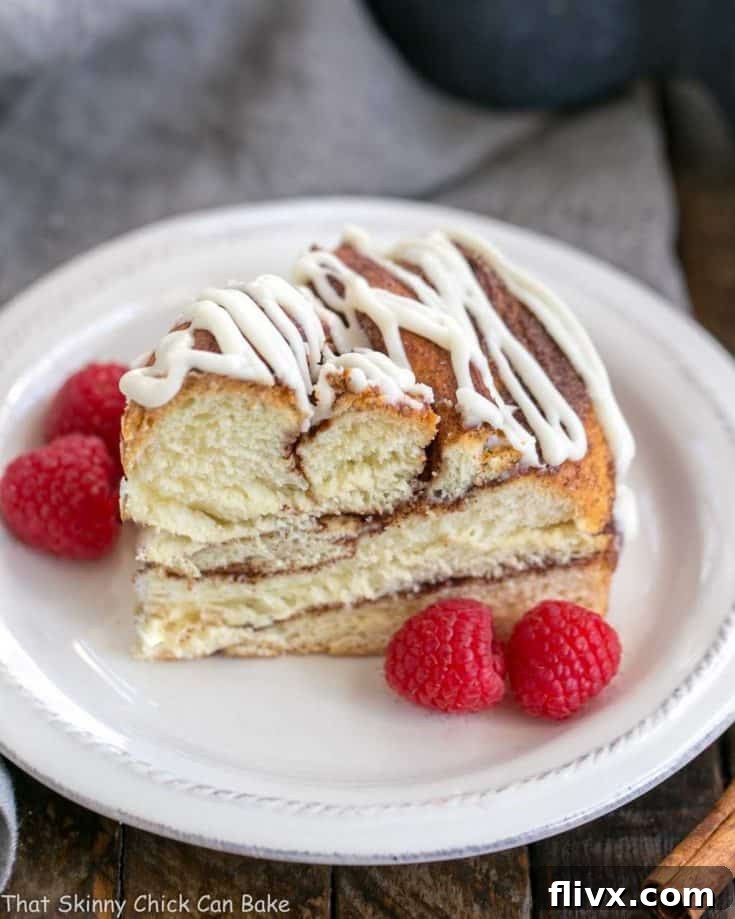
Irresistible Cinnamon Bread Twist Recipe
30 minutes
Overnight + 4 hours
30 minutes
1 hour
2 loaves
A truly delicious and visually stunning breakfast bread that offers the gourmet taste and comfort of homemade cinnamon rolls, perfect for sharing or freezing!
Rating: 5 out of 5 stars (Based on 28 reviews)
Ingredients
For the Dough:
- 3¼ cups all-purpose flour
- ¼ cup dried potato flakes or buds
- ¼ cup granulated sugar
- 1½ teaspoons instant yeast
- 1¼ teaspoon salt
- 3 tablespoons unsalted butter, softened to room temperature, plus extra for buttering the bowl
- 1 teaspoon pure vanilla extract
- 1 large egg
- 1 cup milk, warmed to lukewarm (around 105-115°F)
For the Cinnamon Filling:
- ¼ cup plus 2 tablespoons granulated sugar
- 4½ teaspoons ground cinnamon
- 2 tablespoons unsalted butter, melted
For the Vanilla Glaze:
- 1 cup powdered sugar, sifted
- ¼ cup heavy cream
- 1 teaspoon pure vanilla extract
Instructions
- Prepare the Dry Ingredients: In the bowl of a large stand mixer fitted with a dough hook, combine the all-purpose flour, dried potato flakes or buds, granulated sugar, instant yeast, and salt. Mix thoroughly on low speed (or by hand) to ensure the potato flakes are well dispersed throughout the flour mixture.
- Add Wet Ingredients: Add the softened butter, vanilla extract, egg, and warm milk to the dry ingredients. Mix with the dough hook on low speed until a shaggy, cohesive dough begins to form, scraping down the sides of the bowl as needed.
- First Rest: Cover the bowl with plastic wrap or a clean kitchen towel and let the dough rest at room temperature for 30 minutes. This allows the flour to fully hydrate, making the dough easier to knead.
- Knead and Overnight Proof: After the rest, knead the dough with the dough hook on medium speed (or by hand on a lightly floured surface) for 10 minutes, until it becomes smooth and elastic. Lightly grease a clean large bowl with butter, place the dough in it, turning once to coat the top with butter. Cover the bowl tightly with plastic wrap and refrigerate the dough overnight (8-12 hours) for a slow, flavorful proof.
- Bring to Room Temperature: The next morning, remove the dough from the refrigerator and let it sit out on the counter, still covered, for 3 hours. This allows the dough to warm up and continue its final rise before shaping.
- Prepare the Filling: While the dough is coming to temperature, prepare the cinnamon filling. In a small bowl, combine the granulated sugar and ground cinnamon. Set aside.
- Deflate and Divide Dough: Once the dough has warmed and lightly risen, gently deflate it by pressing down with your knuckles. Transfer the dough to a lightly floured surface and divide it in half using a bench scraper or knife.
- Roll Out Dough Half #1: On a lightly floured surface, take one half of the dough and roll it out into a rectangle approximately 10 x 12 inches. Ensure the surface is only lightly floured to allow for proper sealing later.
- Apply Filling and Roll: Brush half of the melted butter evenly over the rolled-out dough, leaving about a ½-inch border clear along one of the longer edges. Sprinkle half of the cinnamon-sugar mixture over the buttered surface, again avoiding the clear border. Starting from the long edge covered with cinnamon, carefully roll the dough up jelly-roll style into a tight log. Pinch the seam firmly together to lightly seal.
- Slice the Log: Using a sharp knife or kitchen twine, carefully cut the log in half lengthwise. Turn each half so that the filling and cut edges are facing upward, showcasing the beautiful layers.
- Create the Twist: Take the two cut halves of the dough. Seal two of the short ends together firmly. Then, cross one side over the other repeatedly, creating a braided or twisted appearance. Try to keep the cut sides facing up as much as possible to highlight the cinnamon swirls.
- Form and Place: Carefully transfer the twisted dough into a lightly greased 8-inch round cake pan, forming it into a ring. Gently press the two remaining short ends together to seal the ring. Repeat the entire process (steps 7-12) with the second piece of dough and another greased 8-inch cake pan.
- Final Proof: Lightly cover the pans with plastic wrap or a clean kitchen towel and let the twists rise at room temperature for about 1 hour, or until visibly puffy and almost doubled in size.
- Preheat Oven: While the twists are proofing, preheat your oven to 350°F (175°C).
- Bake: Bake the Cinnamon Twists for about 30 minutes, or until they are golden brown on top and sound hollow when tapped on the bottom. If they start to brown too quickly, you can loosely tent them with aluminum foil.
- Cool: Allow the baked twists to cool in their pans for a few minutes before carefully removing them to a wire rack to finish cooling completely. This prevents them from becoming soggy.
- Prepare and Glaze: While the twists cool, make the glaze. In a small bowl, whisk together the sifted powdered sugar, heavy cream, and vanilla extract until smooth. For easy drizzling, transfer the glaze to a quart-sized ziplock bag, seal it, and snip a tiny corner off with scissors. Drizzle the luscious glaze generously over the cooled Cinnamon Twists just before serving.
Notes
This Cinnamon Bread Twist recipe was lovingly adapted from a classic King Arthur Flour recipe, renowned for its reliability and delicious results.
This recipe yields 2 beautiful 8-inch cinnamon twists, perfect for sharing or freezing.
Remember, when rolling out the dough into a rectangle, be mindful not to use too much flour on your rolling surface. An excessive amount of flour will prevent the dough from sealing properly onto itself when you roll it up, which can cause the cinnamon filling to escape during baking. A light dusting is sufficient to prevent sticking.
Nutrition Information:
Yield:
12 servings
Serving Size:
1 slice
Amount Per Serving (estimated):
Calories: 284Total Fat: 8gSaturated Fat: 5gTrans Fat: 0gUnsaturated Fat: 3gCholesterol: 36mgSodium: 281mgCarbohydrates: 45gFiber: 2gSugar: 16gProtein: 5g
HOW MUCH DID YOU LOVE THIS RECIPE?
Please leave a comment on the blog below or share a photo of your beautiful Cinnamon Twists on Pinterest and tag us!