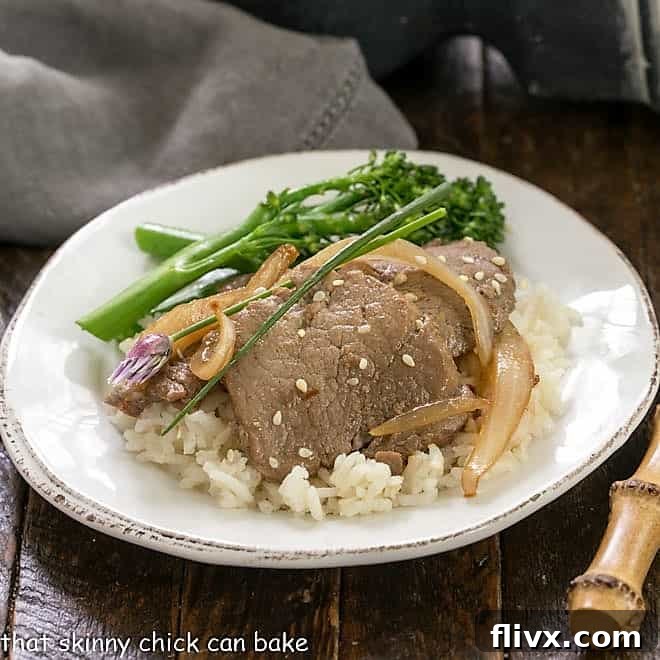
Experience an explosion of authentic Korean flavors with this incredibly easy and tantalizing Pork Bulgogi Recipe! This quick Korean stir-fry is renowned for its tender, marinated pork and a remarkably flavorful Bulgogi Sauce that will have your family asking for seconds. If you’re looking to introduce exciting international cuisine into your meal rotation, this dish is the perfect starting point.
For many, Korean cuisine might seem exotic or complex, but this Bulgogi recipe proves just how simple and rewarding it can be. Having personally introduced my own family, who previously stuck to more conventional meals, to the vibrant world of Asian flavors, I can confidently say this Korean Pork Bulgogi has become an instant favorite. Its balance of savory, sweet, and subtly spicy notes, coupled with a quick preparation time, makes it an ideal weeknight dinner solution.
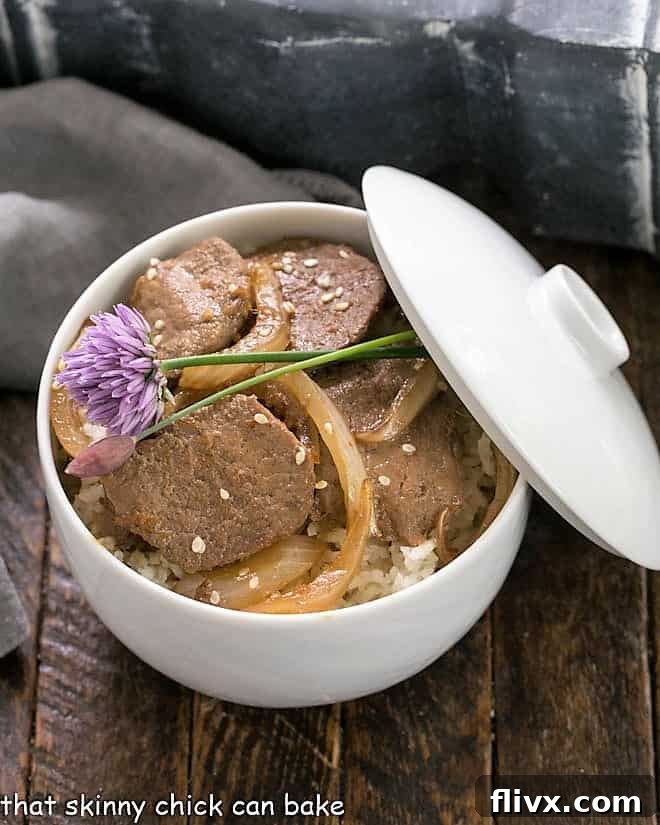
Why This Pork Bulgogi Recipe Belongs in Your Kitchen
This isn’t just another recipe; it’s an invitation to a world of delicious, accessible Korean cooking. Here’s why this Pork Bulgogi recipe is an absolute must-try:
- Quick, Flavorful, and Delicious Dinner: In under an hour, you can transform simple ingredients into a gourmet Korean meal. The marinade infuses the pork with such depth that every bite is bursting with flavor, making it perfect for busy evenings without compromising on taste.
- A Welcoming Introduction to Korean Food: For those new to Korean cuisine, Bulgogi is a fantastic entry point. Its universally appealing flavors are less intimidating than some other Korean dishes, making it a gateway to exploring more authentic recipes later on. It’s a gentle yet exciting culinary adventure.
- Customizable Heat Levels: Whether you prefer a mild warmth or a fiery kick, this recipe allows you to easily adjust the spice. A simple tweak to the red pepper flakes means you can tailor it to suit everyone’s palate, from the most sensitive eaters to ardent spice lovers.
- Versatile with Various Proteins: While we highlight pork tenderloin here, this incredible Bulgogi sauce recipe is incredibly versatile. I’ve personally made it with chicken and beef, and the results are consistently outstanding. Feel free to experiment with your favorite protein! For another fantastic beef option, don’t miss my Beef Bulgogi recipe. And if you’re craving more homemade Asian delights, check out these Quick and Easy Asian Takeout Recipes you can whip up in your own kitchen.
What Exactly is Bulgogi? Exploring this Korean Delight
Bulgogi (pronounced “bool-GOH-gee”) literally translates to “fire meat” in Korean, a name that perfectly encapsulates its cooking method and often its spicy character. Traditionally, Bulgogi features thinly sliced, marinated meat – most commonly beef or pork – grilled over an open flame or stir-fried on a stovetop. The meat is tenderized and infused with a savory-sweet marinade, creating a dish that is both satisfying and incredibly addictive.
This dish holds a special place in Korean culinary culture, often served during celebrations or as a comforting family meal. The distinctive flavor comes from a blend of soy sauce, sugar, sesame oil, garlic, and ginger, which caramelizes beautifully as the meat cooks, creating a rich glaze. While beef bulgogi is arguably the most famous, pork bulgogi, or “Dwaeji Bulgogi,” offers a delightful alternative, often having a slightly spicier profile and a wonderful texture.
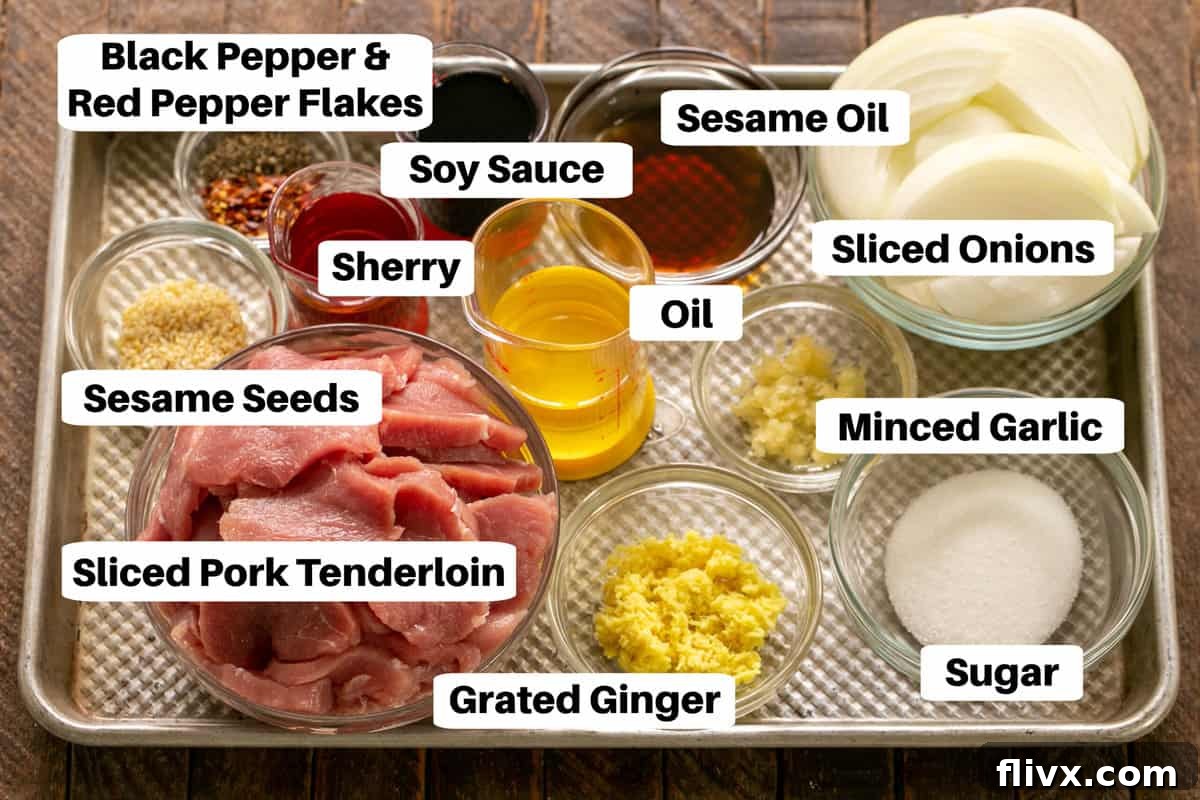
Essential Ingredients for Perfect Pork Bulgogi
The magic of this Pork Bulgogi recipe lies in its simple yet powerful marinade. Here’s a closer look at the key ingredients and why they are indispensable:
- Pork Tenderloin: This cut is chosen for its lean nature and tenderness, making it ideal for quick stir-frying. A fantastic pro tip: slicing the pork wafer-thin is much easier when the tenderloin is still slightly frozen. This allows for precise, even cuts that cook quickly and absorb the marinade beautifully.
- Kitchen Staples:
- Soy Sauce: The backbone of the savory flavor profile, providing essential umami and saltiness. Opt for a good quality soy sauce for the best results.
- Sugar: Balances the savory notes and promotes caramelization, contributing to Bulgogi’s signature sweet-savory appeal. Brown sugar can also be used for a deeper molasses flavor.
- Garlic: A generous amount of minced garlic is crucial for that pungent, aromatic depth that defines Korean cuisine. Freshly minced garlic is always superior to pre-packaged.
- Onion: Sliced onions are not just for texture; they release natural sugars during cooking, adding a subtle sweetness and aromatic base to the stir-fry.
- Ground Black Pepper: A simple seasoning that adds a touch of sharpness and warmth.
- Sesame Oil: This fragrant oil is a cornerstone of Korean cooking, imparting a distinctive nutty aroma and flavor that ties all the other ingredients together. A little goes a long way!
- Fresh Ginger: Grated fresh ginger adds a vibrant, zesty warmth and a subtle spice that brightens the entire dish. Don’t skip this; peel it easily with a spoon and grate it on a box grater for fine strands.
- Dry Sherry or Sake: These alcoholic components act as flavor enhancers, deepening the overall taste of the marinade. Most of the alcohol will evaporate during the cooking process, leaving behind only their delicious essence. You can substitute with mirin (sweet Japanese rice wine) or even apple juice for a non-alcoholic option, though the flavor profile will differ slightly.
- Red Pepper Flakes: This is where you control the heat! Adjust the amount depending on your preference for mild or spicy bulgogi. Start with a smaller amount and add more if you dare! Gochugaru, or Korean chili flakes, can also be used for a more authentic Korean spice, often providing a brighter, fruitier heat.
- Sesame Seeds: Toasted sesame seeds serve as an elegant and flavorful garnish, adding a pleasant crunch and nutty finish. They elevate the presentation, especially when serving guests.
- Peanut Oil or Canola Oil: Essential for stir-frying. These oils have a high smoke point, making them suitable for cooking at the high temperatures required to quickly sear the meat and achieve that desirable browned exterior without burning.
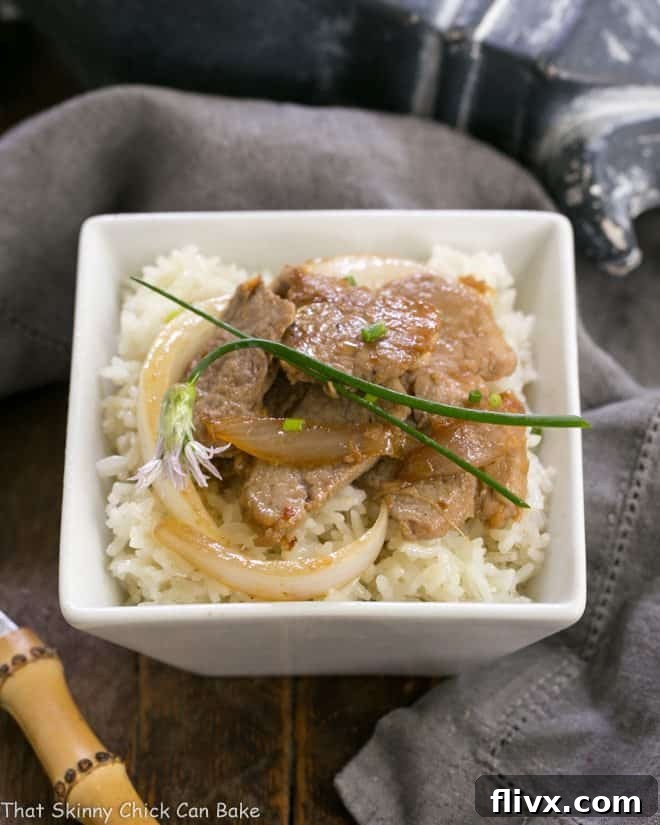
Mastering Pork Bulgogi: Expert Tips for a Flawless Stir Fry
This recipe, originally adapted from a version published in Everyday Food Magazine, is a testament to culinary excellence. After making it countless times, I’ve gathered some invaluable tips to ensure your Korean stir-fry is nothing short of spectacular:
- Choosing the Right Cut: The EDF magazine editors smartly opted for pork tenderloins over fattier cuts. Pork tenderloin is not only leaner but also incredibly simple to slice into uniform, thin medallions. This even thickness ensures quick and consistent cooking.
- PRO-Tip: Slicing Made Easy: For effortlessly thin slices, partially freeze your pork tenderloin for about 20-30 minutes before slicing. This firms up the meat, allowing your knife to glide through, creating those essential wafer-thin pieces that are characteristic of traditional bulgogi.
- The Art of Stir-Frying: Cook in Batches: To achieve that perfect browning and avoid steaming the meat, cook the pork quickly and in small batches. Overcrowding the pan lowers the temperature, preventing proper searing and resulting in less flavorful, grey meat. Cook until just done, then remove to a serving bowl before adding the next batch.
- Wok vs. Skillet: While a traditional wok is ideal for stir-frying due to its shape and ability to distribute heat evenly, a large saute pan or cast-iron skillet works perfectly well. The key is to use a pan that can maintain high heat.
- Managing Heat for the Perfect Spice: This spicy pork bulgogi can be as mild or as fiery as you desire! PRO-Tip: Adjust the amount of red pepper flakes to suit your preference. For a milder flavor, reduce the flakes to ½ teaspoon or omit them entirely. For a bolder kick, feel free to add more or even a dab of Gochujang (Korean chili paste) for extra depth and heat.
- Low-Carb Serving Option: If you’re following a low-carb diet or simply prefer a lighter meal, serve your delectable pork bulgogi in crisp lettuce leaves instead of traditional white rice. It makes for a refreshing and equally satisfying meal, often called “Ssam.”
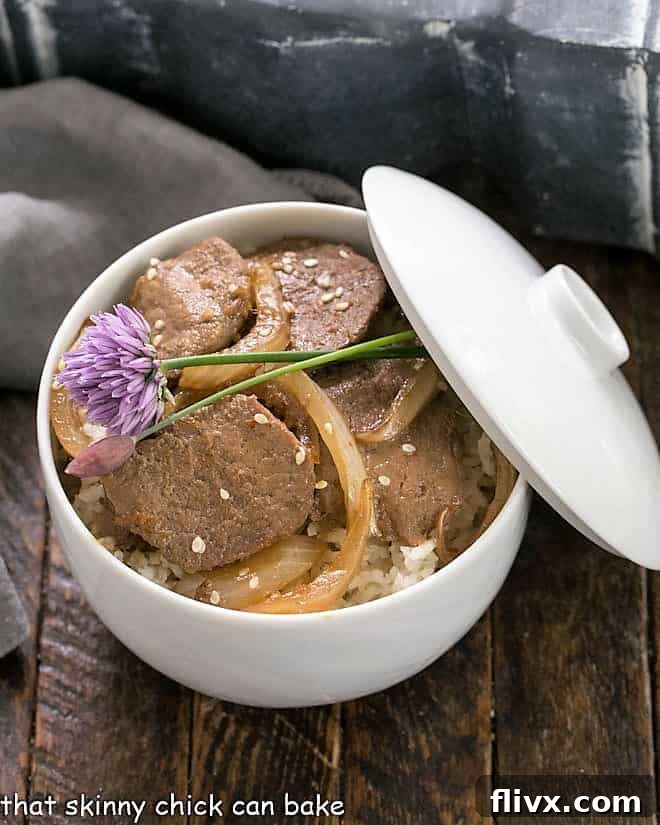
- Garnishing for Impact: A sprinkle of toasted sesame seeds adds a beautiful finishing touch and a subtle nutty flavor. If your garden is in bloom, flowering chives make a gorgeous and fresh addition, providing a delicate oniony note and a pop of color.
- Pre-Marinating for Deeper Flavor: While the recipe calls for at least 10 minutes of marinating, for an even deeper flavor penetration and more tender pork, consider marinating the meat for 30 minutes to an hour at room temperature, or up to 4 hours in the refrigerator.
Step-by-Step Guide: How to Make Irresistible Pork Bulgogi
Creating this flavorful Korean Pork Bulgogi is straightforward. Follow these simple steps for a truly delicious experience:

Serving Suggestions & Recipe Variations
This Pork Bulgogi is a star on its own, but it truly shines when paired with the right accompaniments and can be easily adapted to your taste.
What to Serve with Korean Bulgogi:
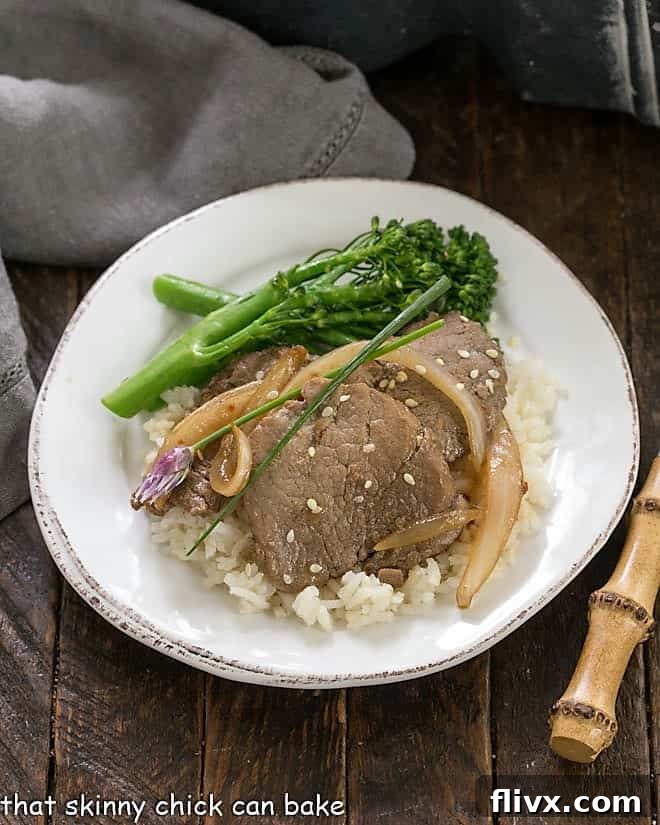
- Classic White Rice: The flavorful Bulgogi and its delicious sauce are best served with warm white rice, which perfectly soaks up all the savory juices. Brown rice or quinoa can also be a healthier alternative.
- Fresh Lettuce Wraps (Ssam): For a refreshing and interactive dining experience, serve the bulgogi with crisp lettuce leaves (such as red leaf or green leaf lettuce). Guests can wrap the meat, rice, and even a dollop of ssamjang (Korean spicy dipping sauce) for a delightful bite.
- Vegetable Side Dishes:
- Steamed or Stir-Fried Greens: Offer a simple vegetable side dish like blanched asparagus, stir-fried broccoli or broccolini, or sautéed snow peas or sugar snap peas.
- Kimchi: No Korean meal is complete without kimchi! Its fermented, spicy, and tangy flavors are the perfect counterpoint to the rich bulgogi.
- Quick Cucumber Salad: A refreshing cucumber salad with a light vinegar dressing can cut through the richness of the meat.
- Garnish Galore: Beyond sesame seeds and chives, consider adding sliced green onions (scallions) for a mild oniony crunch and fresh cilantro for an herbal note.
Pork Bulgogi Recipe Variations:
- Different Meats: This marinade is incredibly versatile. Feel free to substitute pork tenderloin with thinly sliced beef (rib eye or sirloin work best for beef bulgogi) or chicken breast/thighs for equally delicious results.
- Add Vegetables: Incorporate more vegetables into your stir-fry! Sliced mushrooms, bell peppers, carrots, or zucchini can be added to the pan along with the onions for extra nutrition and color.
- Spicier Kick: For those who love heat, beyond increasing red pepper flakes, you can add a tablespoon or two of Gochujang (Korean chili paste) to the marinade for a deeper, more complex spicy flavor.
- Sweetness Adjustment: If you prefer a less sweet bulgogi, reduce the sugar content by half a tablespoon. For a richer, more nuanced sweetness, use brown sugar instead of white.
- Ginger Power: If you’re a big fan of ginger, feel free to increase the amount slightly for an extra zing.
Frequently Asked Questions About Pork Bulgogi
Bulgogi (bool-GOH-gee) is a classic Korean dish, traditionally made with thinly sliced, marinated meat – most commonly beef (so-gogi) or pork (dwaeji-gogi). The name translates to “fire meat,” referring to its traditional preparation over an open flame or stovetop. The marinade is a delightful blend of savory soy sauce, sweet sugar, aromatic garlic and ginger, and fragrant sesame oil.
The heart of this incredible dish is the Bulgogi sauce, which is essentially the delicious marinade. This recipe’s bulgogi sauce is a robust combination of soy sauce, sugar, sesame oil, freshly ground black pepper, minced garlic, grated fresh ginger, dry sherry or sake, and red pepper flakes. During cooking, these flavors deepen and meld with the natural juices from the pork and onions, creating a rich, irresistible glaze.
Korean Bulgogi is incredibly versatile and pairs well with many sides. It’s most commonly served over a bed of fluffy white rice, which perfectly absorbs the flavorful sauce. Complementary vegetable side dishes include steamed or stir-fried asparagus, broccoli, broccolini, snow peas, or sugar snap peas. Don’t forget the quintessential Korean side: kimchi! For a healthier twist, serve it in crisp lettuce cups as a “Ssam” wrap.
For the most tender and flavorful results, always use a tender cut of meat. For pork bulgogi, pork tenderloin is an excellent choice due to its lean nature and ease of slicing, as used in this recipe. While pork belly is also a popular, richer option for Dwaeji Bulgogi, tenderloin is widely available and cooks beautifully. For beef bulgogi, rib eyes or beef tenderloin are highly recommended for their marbling and tenderness.
You can certainly enjoy a bulgogi recipe with a knife and fork, but for an authentic experience, chopsticks are a wonderful choice. When served with rice, use your chopsticks to pick up a piece of meat and some rice together. If you’re having lettuce wraps (ssam), place a piece of bulgogi and a bit of rice into a lettuce leaf, add any desired condiments (like ssamjang), wrap it up, and enjoy in one delicious bite!
Storing and Reheating Your Bulgogi
Cooked Pork Bulgogi stores well and makes for excellent leftovers!
- Refrigeration: Allow any leftover bulgogi to cool completely before transferring it to an airtight container. It will keep fresh in the refrigerator for up to 3-4 days.
- Freezing: While possible, freezing cooked bulgogi can sometimes alter the texture of the pork. If you do freeze it, ensure it’s in a freezer-safe container for up to 2-3 months. Thaw overnight in the refrigerator before reheating.
- Reheating: For best results, reheat bulgogi in a skillet over medium heat until warmed through. You can add a splash of water or broth if it seems too dry. Avoid microwaving if possible, as it can make the pork rubbery.
Explore More Delicious Pork Recipes!
If you loved this Pork Bulgogi, you’ll surely enjoy these other fantastic pork dishes:
- Apple Mustard Pork Tenderloin: A delicious blend of sweet and savory.
- The Best Pork Marinade: Elevate any pork dish with this incredible marinade.
- Pulled Pork Sandwiches: Perfect for a crowd-pleasing, comforting meal.
- Pork Chops Dijonnaise: An elegant and flavorful option for Sunday supper.
- More Easy Main Course Recipes: Discover a variety of simple yet satisfying dinner ideas.
We love hearing from you! Stay connected and share your culinary adventures with us through social media on Instagram, Facebook, and Pinterest. Don’t forget to tag us when you try one of our recipes! And if this Pork Bulgogi becomes a favorite in your home, please consider leaving a 5-star rating and a comment in the recipe card below – your feedback helps fellow food lovers discover amazing dishes!
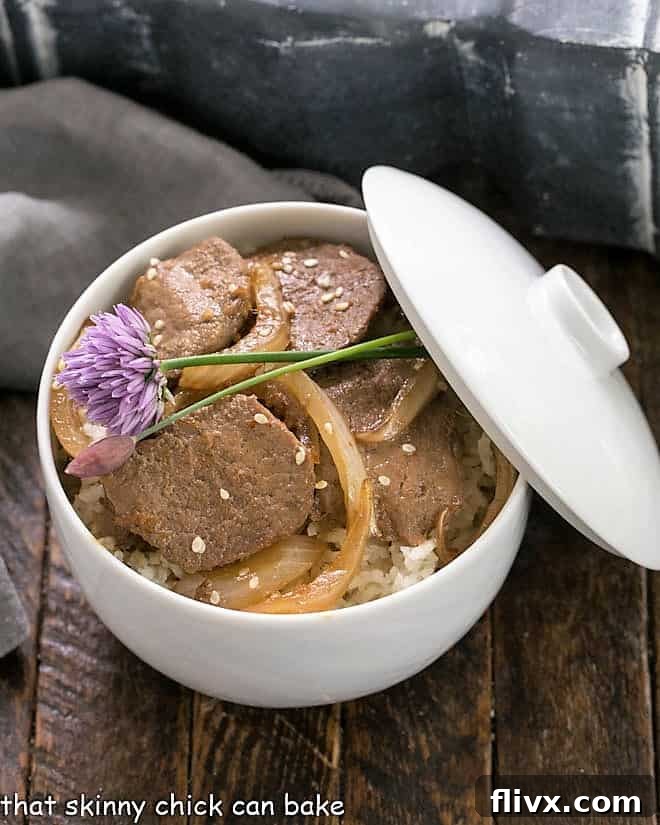
Pork Bulgogi
A flavorful Korean stir fry that comes together in minutes!
Prep Time: 20 minutes
Cook Time: 20 minutes
Total Time: 40 minutes
Yield: 4 servings
Rating: 5.0 stars (43 Reviews)
Ingredients
- 1 pound pork tenderloin, sliced wafer-thin (easier when partially frozen)
- ¼ cup soy sauce
- 2 tablespoons sugar
- 2 tablespoons sesame oil
- ¼ teaspoon freshly ground black pepper
- 4-6 cloves garlic, minced
- 2 tablespoons freshly grated ginger
- 2 tablespoons dry sherry or sake
- 2 teaspoons red pepper flakes (adjust to taste, e.g., ½ teaspoon for mild)
- 1 large onion, cut into 12ths
- Toasted sesame seeds to garnish (optional)
- Peanut or canola oil, for frying
Instructions
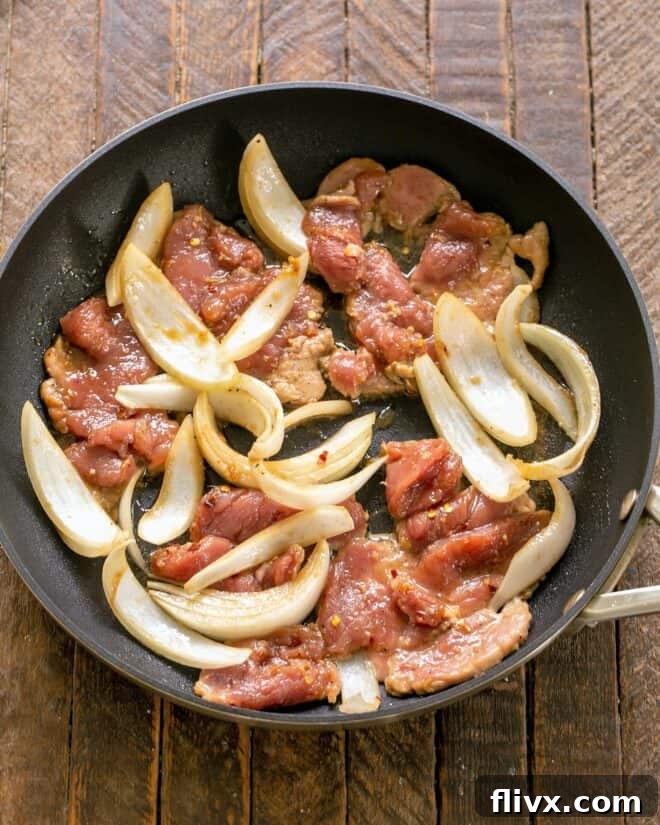
- Prepare the Marinade: In a large bowl, combine the soy sauce, sugar, sesame oil, black pepper, minced garlic, grated ginger, dry sherry or sake, and red pepper flakes. Add the thinly sliced pork tenderloin and onion pieces to the bowl. Mix well to ensure the pork and onions are thoroughly coated with the marinade. Set aside to marinate for at least 10 minutes. For deeper flavor, you can marinate for up to 1-2 hours at room temperature, or up to 4 hours in the refrigerator.
- Heat the Pan: Heat a wok or a large skillet over high heat. Add 1-2 tablespoons of peanut or canola oil. Ensure the oil is hot and shimmering before adding the meat.
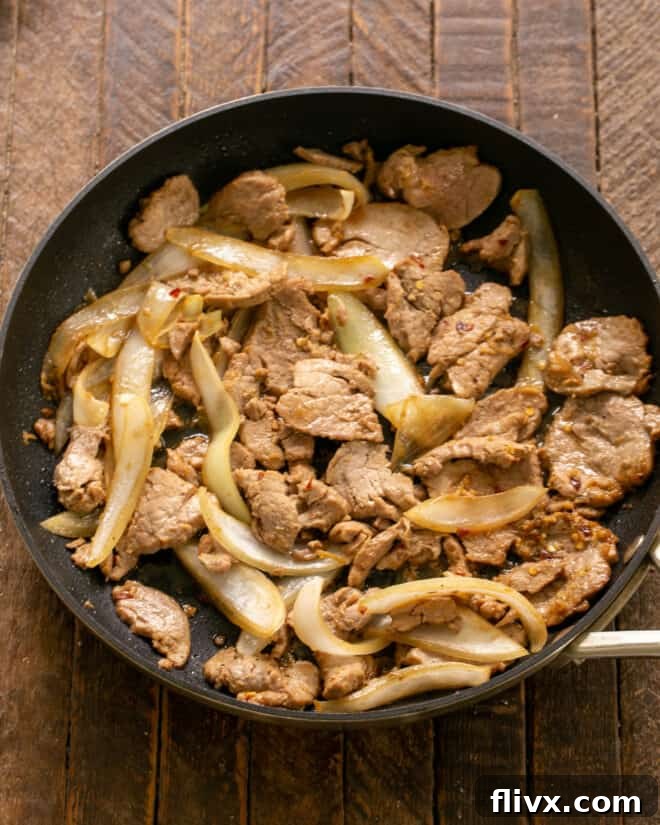
- Cook in Batches: Add the marinated pork and onion mixture to the hot pan in batches. Do not overcrowd the pan, as this will steam the meat instead of browning it. Stir-fry each batch quickly for about 2-3 minutes, or until the pork is no longer pink and begins to caramelize.
- Remove and Repeat: As each batch is cooked, remove it from the pan and transfer it to a clean serving plate. Repeat the process with the remaining pork and onions, adding more oil to the pan if needed for subsequent batches.
- Reheat and Serve: Once all the pork is cooked, return all the stir-fried meat and onions to the pan. Quickly reheat everything together for about 1-2 minutes to ensure it’s piping hot. Serve the Pork Bulgogi immediately over a bed of freshly cooked white rice. Garnish with toasted sesame seeds and fresh chives, if desired.
Notes
Recipe courtesy of my friend, Norm Matthews, whose excellent palate guided this delicious creation.
Recommended Products
As an Amazon Associate and member of other affiliate programs, I earn from qualifying purchases.
- Measuring Spoons (for accurate marinades)
- Immersion Blender (useful for various kitchen tasks, though not essential for bulgogi)
- OXO Cutting Board (for safe and easy slicing)
Nutrition Information:
Yield: 4 servings
Serving Size: 1
Amount Per Serving (estimated):
- Calories: 521 kcal
- Total Fat: 30g
- Saturated Fat: 8g
- Trans Fat: 0g
- Unsaturated Fat: 20g
- Cholesterol: 100mg
- Sodium: 990mg
- Carbohydrates: 17g
- Fiber: 2g
- Sugar: 8g
- Protein: 34g