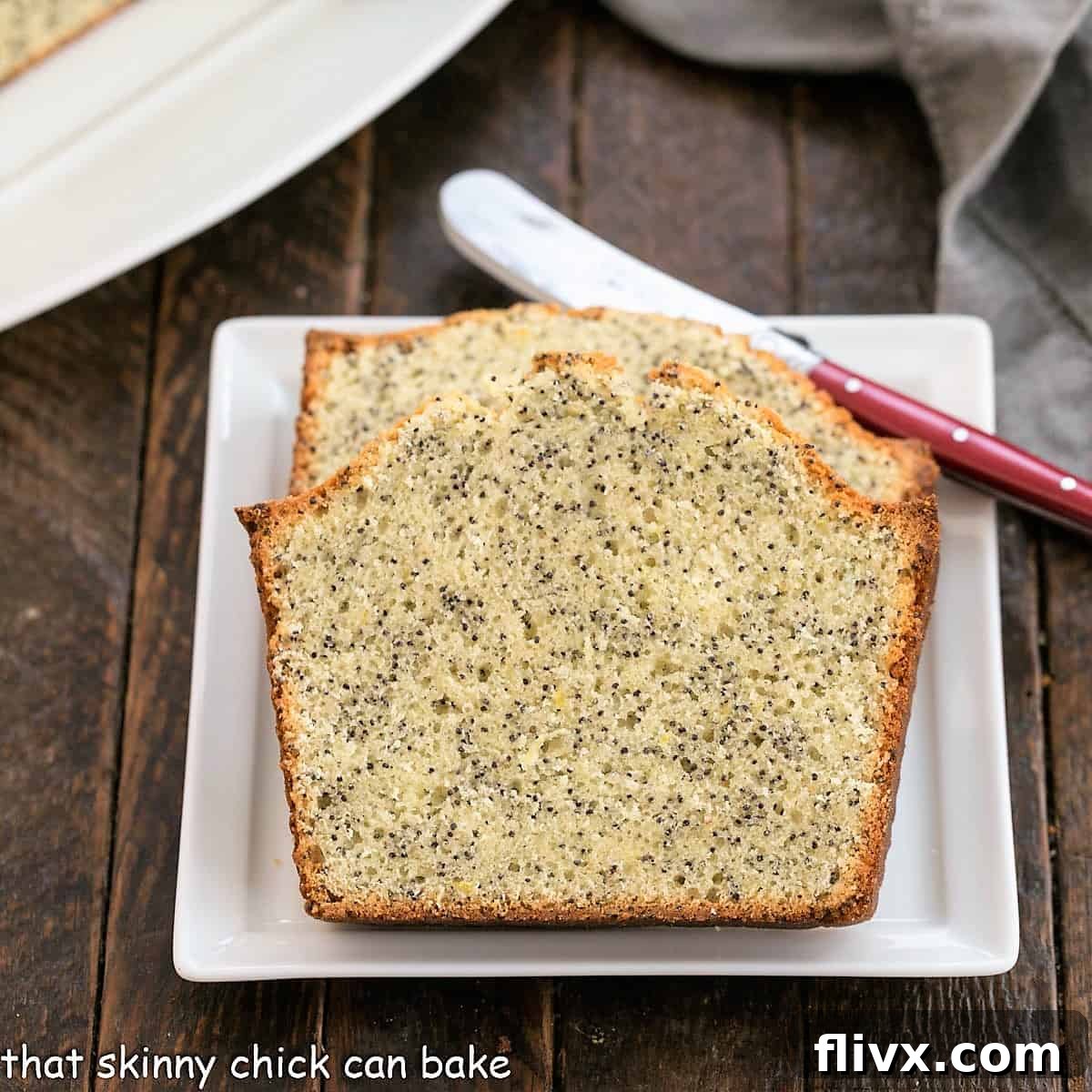
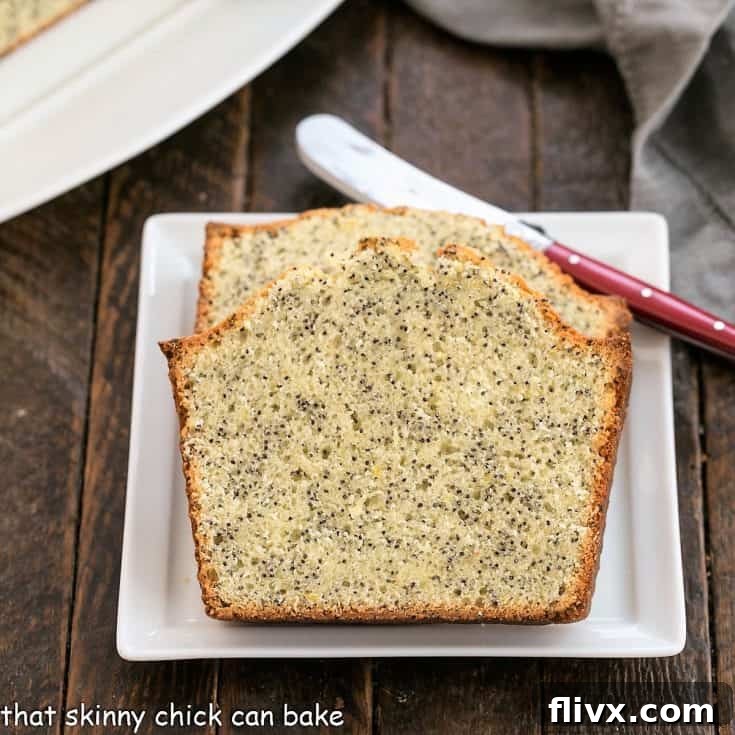
Indulge in the irresistible charm of this dense, tender Lemon Poppy Seed Loaf Cake, a simple yet utterly delicious creation that promises to be the perfect accompaniment to your afternoon tea or a delightful dessert for any occasion. This recipe elevates the classic combination of bright citrus and subtle nuttiness into a memorable treat that’s both comforting and elegant.
Inspired by an exceptional Dorie Greenspan Tea Cake Recipe first featured in the prestigious New York Times, this particular loaf cake arrived at a serendipitous moment. Just as our family’s cherished stash of homemade poppy seed muffins began to dwindle, this recipe emerged, offering a fresh, exciting take on a beloved flavor profile. It truly felt like kismet, destined to become a new staple in our baking repertoire.
Why This Lemon Poppy Seed Loaf Cake Will Become Your Favorite
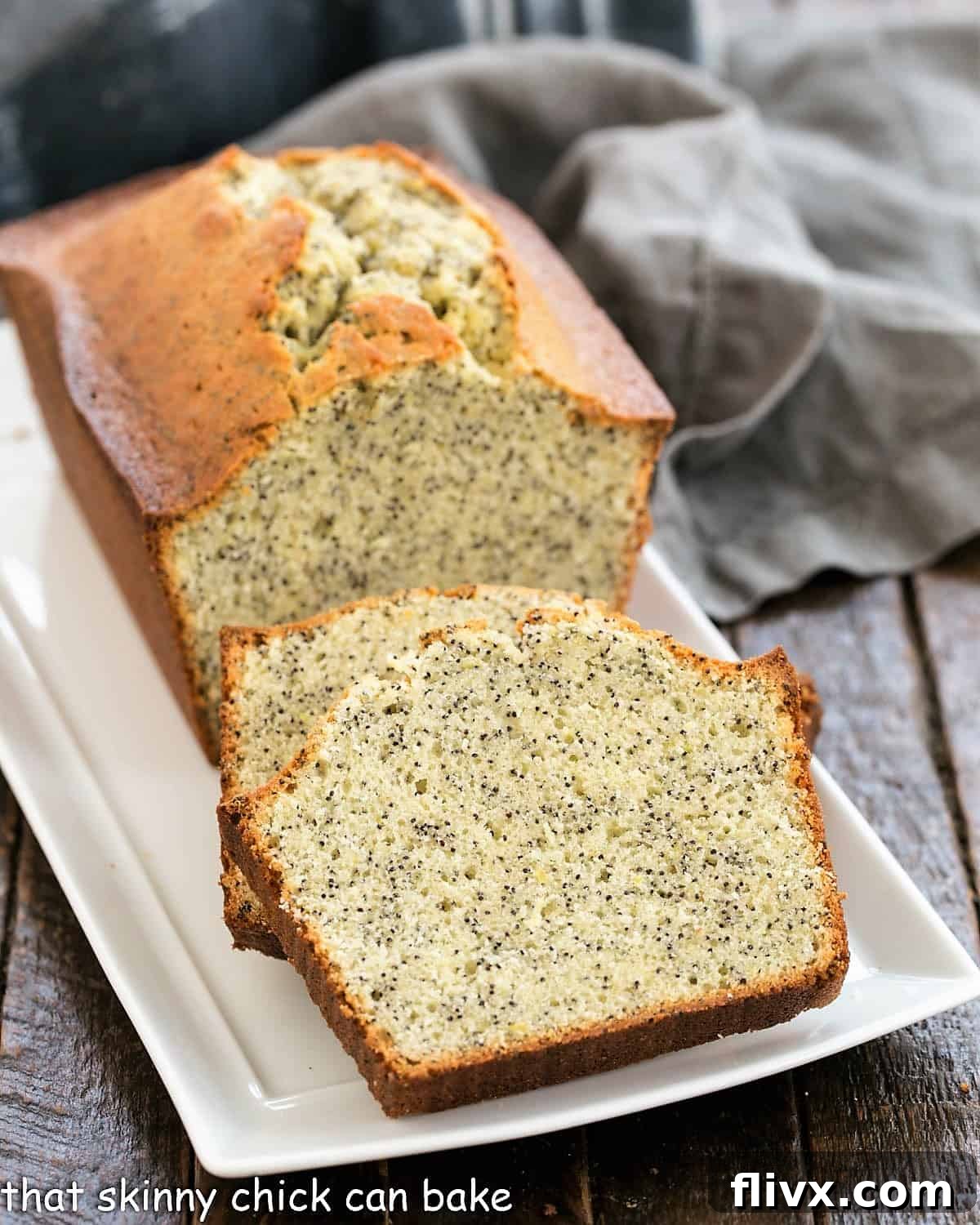
There are countless reasons why this particular Lemon Poppy Seed Loaf Cake stands out and deserves a prime spot in your recipe collection. From its esteemed origins to its exquisite flavor profile, every aspect of this cake is designed to delight.
- Authored by a Baking Legend: This recipe hails from Dorie Greenspan, a culinary icon whose expertise in baking is simply extraordinary. Her recipes are renowned for their reliability, exquisite flavors, and perfect textures, ensuring that every bake is a success. Trusting a Dorie Greenspan recipe means you’re in for a truly professional and delightful baking experience.
- A Symphony of Flavors and Textures: Prepare for a truly scrumptious and versatile cake boasting a beautifully tender, moist crumb that melts in your mouth. Each slice is generously studded with an abundance of poppy seeds, providing a delightful, subtle crunch and a hint of nutty depth that perfectly complements the cake’s sweetness.
- Bright, Aromatic, and Unforgettable: The cake is infused with the vibrant flavors of fresh lemon zest and bright lemon juice, creating a zesty burst that awakens the palate. A touch of vanilla adds warmth and complexity, while the inherent subtle nuttiness of the poppy seeds provides an intriguing counterpoint. This harmonious blend of flavors culminates in a loaf cake that is not just a treat, but a truly memorable culinary experience, perfect for any time of day.
Mastering the Art of Lemon Poppy Seed Loaf: Expert Baking Tips
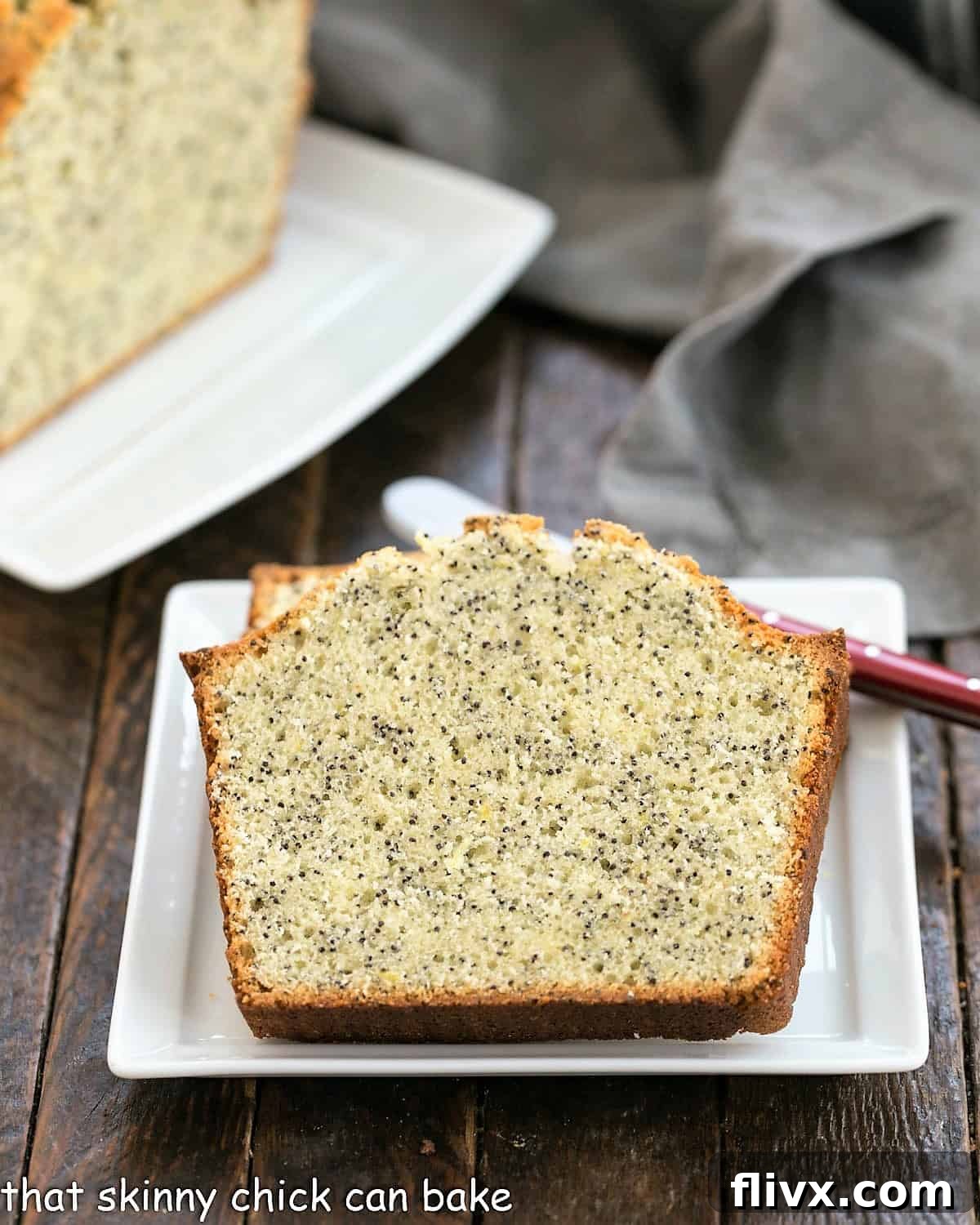
Achieving a perfect loaf cake is simpler than you might think, especially with a few professional insights. These tips will guide you through the process, ensuring your Lemon Poppy Seed Loaf Cake turns out beautifully every time.
Essential Preparations for Success
- Read the Recipe Thoroughly: Before gathering any ingredients or preheating your oven, take a moment to read the entire recipe from start to finish. This helps you understand the steps, anticipate potential challenges, and ensure you have all necessary ingredients and equipment. Do you have a fresh lemon for vibrant zest and juice? Is your baking powder still active and potent?
- Ensure Fresh Leavening Agents: Baking powder, unlike baking soda, is not used as frequently in everyday cooking and can often lose its potency over time as it sits in your kitchen cabinet. Always check the expiration date. If it’s nearing expiration or you’re unsure, it’s best to replace it. To test its freshness, mix a spoonful of baking powder into a cup of hot water. If it’s still active, it will bubble vigorously, indicating it’s ready to help your cake rise beautifully.
- Verify Poppy Seed Freshness: Poppy seeds contain a high oil content, which means they can go rancid if stored for too long or improperly. Rancid poppy seeds can impart an unpleasant, bitter flavor to your cake. Before incorporating them, taste a small pinch. Fresh poppy seeds should have a mild, slightly nutty flavor. If they taste bitter or stale, it’s time to get a new batch.
Unlocking Maximum Lemon Flavor
- Dorie Greenspan’s Zest-Rubbing Trick: This is a game-changer for intensifying citrus flavor. When the recipe calls for sugar and lemon zest, don’t just add them separately. Instead, combine the sugar and finely grated lemon zest in a bowl, then use your fingers to rub them together vigorously for a minute or two. This action releases the fragrant oils from the lemon zest, infusing the sugar with an incredibly vibrant, concentrated lemon aroma and flavor that will permeate your entire cake.
Perfecting Your Loaf Pan Preparation
- Prepare Your Loaf Pan Meticulously: Proper pan preparation is crucial to prevent your cake from sticking. Start by lining the bottom of your loaf pan with a rectangle of parchment paper; this creates a sling that makes removal incredibly easy. Then, generously spray the entire pan, including the parchment, with a non-stick baking spray that contains flour, like Baker’s Joy. Alternatively, you can butter and flour the pan thoroughly, ensuring you tap out any excess flour to prevent white streaks on your baked loaf.
Achieving the Ideal Bake
- Tent with Foil to Prevent Over-Browning: If you notice the top of your loaf cake is browning too quickly before the center is fully cooked, loosely tent the pan with aluminum foil. This shields the top from direct heat, allowing the inside to continue baking without the exterior becoming overly dark or dry.
- The Trusty Toothpick Test: To accurately determine if your quick bread is fully baked, insert a wooden toothpick or a thin skewer into the very center of the cake. If it comes out clean, with no wet batter or moist crumbs attached, your loaf is perfectly done. If it comes out with wet batter, continue baking for a few more minutes and test again.
- Room Temperature Eggs for Better Emulsion: Many baking recipes, including this one, call for room temperature eggs. This isn’t just a suggestion; it’s a technique that contributes to a better cake. Room temperature eggs emulsify more easily with other ingredients like butter and sugar, creating a smoother, more homogenous batter. This leads to a finer, more tender crumb in the final baked product. If your eggs are cold, simply place them in a bowl of warm (not hot) water for 5-10 minutes before using.
Step-by-Step Guide: How to Bake Your Lemon Poppy Seed Quick Bread
Baking this Lemon Poppy Seed Loaf Cake is a straightforward process, but following these steps carefully will ensure a delightful result. Here’s a concise overview of the method:
- Preheat Oven and Prep Pan: Begin by preheating your oven to the specified temperature and preparing your loaf pan as directed in the tips section above (lining with parchment and greasing/flouring).
- Combine Dry Ingredients: In a medium bowl, whisk together all the dry ingredients – flour, baking powder, and salt – until they are well combined. This ensures even distribution of the leavening agent.
- Infuse Sugar with Lemon Zest: In a separate, large mixing bowl, combine the granulated sugar and the finely grated lemon zest. Use your fingertips to rub the zest into the sugar until the sugar becomes fragrant and slightly yellowish. This essential step maximizes the lemon flavor.
- Combine Wet Ingredients: Whisk the eggs into the lemon-infused sugar vigorously, one at a time, ensuring each egg is fully incorporated before adding the next. Then, whisk in the lemon juice, vanilla extract, and finally, the heavy cream until the mixture is smooth and well combined.
- Alternate Dry and Wet: Gradually add the dry flour mixture to the wet ingredients in three additions, whisking gently after each addition until just combined. Follow this by incorporating the melted and cooled butter in two additions, whisking until smooth after each. Be careful not to overmix the batter.
- Fold in Poppy Seeds: Gently stir in the poppy seeds using a silicone spatula until they are evenly distributed throughout the batter. Scrape the finished batter into your prepared loaf pan, smoothing the top.
- Bake to Perfection: Bake the loaf cake as directed in the recipe card, typically for 60-70 minutes. Use the toothpick test to confirm doneness.
- Cooling Process: Once baked, cool the loaf in the pan on a wire rack for about 5 minutes. This allows the cake to set slightly. Then, carefully remove the cake from the pan (using the parchment sling if you made one) and transfer it to the cooling rack to cool completely.
The Magic Behind the Ingredients: What Makes This Loaf Cake Special
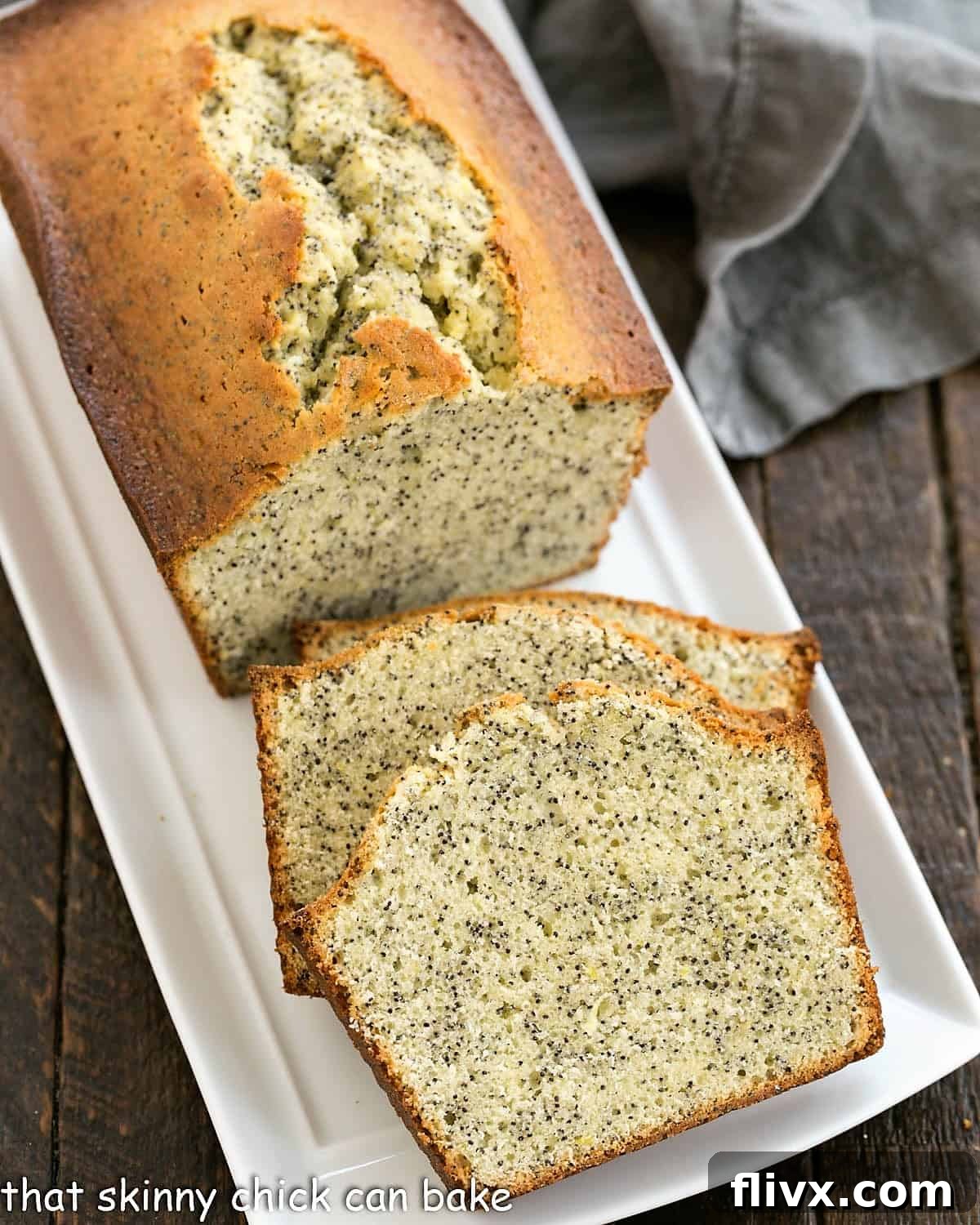
Understanding the role of each ingredient in this Lemon Poppy Seed Loaf Cake not only enhances your appreciation for the recipe but also helps you become a more intuitive baker. Every component plays a crucial part in achieving its distinct flavor and texture.
The Brightness of Lemon
Lemon is undoubtedly the star of this cake. We use both the zest and the juice to achieve a multi-faceted citrus flavor. The zest, which contains concentrated aromatic oils, is rubbed into the sugar to infuse the entire batter with a vibrant, perfumed essence. The lemon juice, on the other hand, provides a tart, fresh counterpoint that brightens the sweetness and also interacts with the baking powder to aid in leavening, contributing to the cake’s tender crumb.
The Nutty Whisper of Poppy Seeds
Poppy seeds, small but mighty, are integral to the identity of this loaf cake. They provide a unique, subtle nutty flavor and a delightful textural contrast with their tiny, crunchy pearls. Beyond flavor, their high oil content contributes to the cake’s overall moisture and richness. Ensuring your poppy seeds are fresh is key, as rancid seeds can introduce an off-flavor that detracts from the cake’s delicate balance.
The Role of Leavening Agents: Baking Powder vs. Baking Soda
In baking, leavening agents are responsible for the rise and airy texture of your goods. While often confused, baking soda and baking powder function differently:
- Baking soda (sodium bicarbonate) is a pure alkali. It requires an acid (like lemon juice, buttermilk, or brown sugar) in the recipe to create carbon dioxide bubbles, which cause baked goods to rise. Without an acid, baking soda alone won’t react.
- Baking powder is a complete leavening agent. It’s a mixture of baking soda, an acid (like cream of tartar), and a starch (to keep it dry). It just needs to be mixed with a liquid to start reacting and produce gas for leavening. Many baking powders are “double-acting,” meaning they produce gas once when mixed with liquid and again when exposed to heat in the oven.
You might find recipes that call for both baking soda and baking powder. This usually happens if the amount of baking soda needed to neutralize all the acid in the recipe isn’t quite enough to provide sufficient leavening for the desired rise. Adding a bit of baking powder alongside the baking soda ensures that you get that “bonus” lift. Using both can also contribute to better browning and a more complex flavor profile in some recipes. Remember, baking powder typically has a shorter shelf life than baking soda, so always check its freshness!
Butter and Cream: For Richness and Moisture
Melted butter provides a distinct richness and tenderness to this loaf cake. Its presence contributes to the moist crumb and helps carry the flavors of lemon and vanilla. Heavy cream, a luxurious addition, further enhances the cake’s moistness and adds a creamy depth that results in a wonderfully tender texture, a hallmark of a truly indulgent loaf cake.
Frequently Asked Questions About Tea Cakes and Loaf Cakes
The term “tea cake” can be quite broad and varies geographically. In British tradition, a tea cake might refer to a lightly sweetened bun, often toasted and buttered, or a small, sweet cookie-like confection. It can also describe a loaf cake, similar to this lemon poppy seed recipe, that is sweetened and sometimes studded with dried fruit. Essentially, it encompasses any relatively simple cake or sweet bread that is perfectly suited to be served alongside a cup of tea, emphasizing its role as a delightful snack or light dessert.
The name “tea cake” originated in Britain, where these delightful baked goods were traditionally served as an accompaniment to the quintessential afternoon tea ritual. While they are usually more akin to a cookie or a quick bread in texture and preparation than a formal layer cake, their primary purpose was to provide a sweet bite alongside the tea. It’s interesting to note that despite the name, tea is generally not used as an ingredient in the cake itself, but rather as the beverage it’s meant to complement.
Dorie Greenspan’s recipe, and many standard loaf cake recipes, typically call for an 8½-inch by 4½-inch rectangular loaf pan. This is a common and versatile size used frequently for baking a variety of items, including yeast breads, quick breads, and loaf cakes. It’s important to use the specified size as it impacts baking time and how the cake rises and bakes evenly. Using a pan that is too small can cause overflow, while a pan that is too large might result in a thinner, drier cake.
Serving Suggestions and Perfect Pairings
This Lemon Poppy Seed Loaf Cake is a versatile treat that can be enjoyed in many ways. It shines brightly on its own, but here are a few suggestions to elevate your experience:
- Classic Tea Time: Naturally, it’s perfect with a hot cup of black or herbal tea, making it an ideal companion for a quiet afternoon moment or an elegant brunch spread.
- Coffee Complement: The cake’s zesty sweetness also pairs beautifully with a fresh cup of coffee or a latte.
- Fresh Fruit Medley: Serve slices alongside a vibrant bowl of fresh berries (strawberries, blueberries, raspberries) for a light and refreshing dessert.
- Simple Glaze: For an extra touch of sweetness and lemon intensity, whisk together powdered sugar with a little fresh lemon juice to create a simple glaze to drizzle over the cooled loaf.
- Whipped Cream or Ice Cream: A dollop of lightly sweetened whipped cream or a scoop of vanilla bean ice cream makes this loaf cake an even more indulgent dessert.
Storage and Make-Ahead Tips
To keep your Lemon Poppy Seed Loaf Cake fresh and delicious for longer, follow these storage guidelines:
- Room Temperature: Store the cooled loaf cake wrapped tightly in plastic wrap or in an airtight container at room temperature for up to 3-4 days. The plastic wrap helps maintain its moisture.
- Refrigeration: While not strictly necessary, if you live in a very warm climate or prefer to extend its shelf life, you can refrigerate the cake for up to a week. Be sure to bring it to room temperature before serving for the best flavor and texture.
- Freezing: This loaf cake freezes beautifully! Wrap the cooled loaf (whole or in individual slices) tightly in plastic wrap, then an additional layer of aluminum foil. Freeze for up to 2-3 months. Thaw overnight in the refrigerator or at room temperature.
Explore More Irresistible Cake Recipes
If you’ve fallen in love with the vibrant flavors of this Lemon Poppy Seed Loaf Cake, you’re in for a treat! Discover more delightful baking adventures that celebrate citrus, poppy seeds, and the joy of homemade cakes.
- Lemon Poppyseed Cake from Saving Room for Dessert
- Meyer Lemon Poppy Seed Tea Cakes
- Glazed Lemon Tea Scones
- Glazed Poppy Seed Bread
- Poppy Seed Bread with Blueberries
- More of my Favorite Cake Recipes
Stay in touch through social media @ Instagram, Facebook, and Pinterest. Don’t forget to tag me when you try one of my recipes! And if you love the results, please give it a 5-star rating in the recipe card.
Lemon Poppy Seed Loaf Cake Recipe
20 minutes
1 hour 10 minutes
30 minutes
2 hours
10 servings
A sweet, simple loaf cake flavored with bright lemon and generously packed full of nutty poppy seeds.
Ingredients
- 5 ½ tablespoons butter, melted and cooled
- 1 ½ cups all-purpose flour
- 1 teaspoon baking powder
- ⅛ teaspoon salt
- 1 ½ cups granulated sugar
- Zest of one large lemon (finely grated)
- 2 tablespoons fresh lemon juice
- 4 large eggs, at room temperature
- 1 ½ teaspoons vanilla extract
- ½ cup heavy cream
- ⅓ cup poppy seeds
Instructions
- Preheat Oven & Prepare Pan: Preheat your oven to 350°F (175°C). Lightly grease and flour an 8½-inch by 4½-inch loaf pan, or line the bottom with parchment paper and spray with non-stick baking spray. Set aside.
- Whisk Dry Ingredients: In a small bowl, whisk together the flour, baking powder, and salt. Set aside.
- Infuse Sugar with Lemon Zest: In a large mixing bowl, combine the granulated sugar and the finely grated lemon zest. Using your fingers, rub the lemon zest into the sugar for about 1-2 minutes until the sugar is fragrant and looks slightly yellow. This technique helps release the essential oils from the zest, intensifying the lemon flavor.
- Combine Wet Ingredients: Add the eggs to the lemon-sugar mixture, whisking vigorously one at a time until each egg is fully incorporated and the mixture is light and fluffy. Whisk in the lemon juice, vanilla extract, and then the heavy cream until the mixture is smooth and well combined.
- Alternate Dry and Wet with Butter: Gradually add the dry flour mixture to the wet ingredients in 3 additions, whisking gently after each until just combined. Next, add half of the melted and cooled butter, whisk to combine, then whisk in the remaining butter until the batter is smooth. Be careful not to overmix.
- Add Poppy Seeds: Using a silicone spatula, gently fold in the poppy seeds until they are evenly distributed throughout the batter.
- Bake: Pour the batter into the prepared loaf pan and smooth the top. Bake for 60-70 minutes, or until the loaf rises, develops a golden-brown cracked top, and a wooden toothpick inserted into the center comes out clean. If the top browns too quickly, loosely tent with aluminum foil.
- Cool: Allow the loaf cake to cool in the pan on a wire rack for 5 minutes. Then, carefully remove the cake from the pan and transfer it to the cooling rack to cool completely before slicing and serving.
Notes
For best results, ensure your eggs are at room temperature. If they’re cold, you can quickly bring them to temperature by placing them in a bowl of warm (not hot) water for 5-10 minutes. Room temperature eggs emulsify better with other ingredients, leading to a smoother batter and a more tender crumb.
Always check the freshness of your poppy seeds. Due to their high oil content, older seeds can become rancid and impart a bitter taste. Taste a few before using them. If they taste stale or bitter, it’s best to discard them and use a fresh batch.
This exquisite recipe is an adaptation from the legendary Dorie Greenspan, originally shared through the New York Times, ensuring a truly reliable and delicious outcome.
Recommended Products
As an Amazon Associate and member of other affiliate programs, I earn from qualifying purchases.
- 3 Pyrex Mixing Bowls
- OXO Good Grips 11-Inch Better Balloon Whisk
- Silicone Spatulas
- Stainless Steel Loaf Pan
Nutrition Information:
Yield:
10 servings
Serving Size:
1 slice
Amount Per Serving:
Calories: 318Total Fat: 15gSaturated Fat: 8gTrans Fat: 0gUnsaturated Fat: 6gCholesterol: 105mgSodium: 158mgCarbohydrates: 42gFiber: 2gSugar: 26gProtein: 6g
This nutritional information is provided as a courtesy and is an estimate only. It is derived from online calculators and should not be considered a substitute for professional dietary advice. While efforts are made to provide accurate data, varying factors such as specific product types, brands used, or custom modifications to the recipe can alter the nutritional content. Additionally, optional toppings or ingredients listed “to taste” are not included in this calculation. For the most precise nutritional values, it is recommended to calculate the information using the exact ingredients and quantities you use in your own preparation. You are solely responsible for verifying the accuracy of any nutritional information before relying on it.
HOW MUCH DID YOU LOVE THIS RECIPE?
Please leave a comment on the blog or share a photo on Pinterest