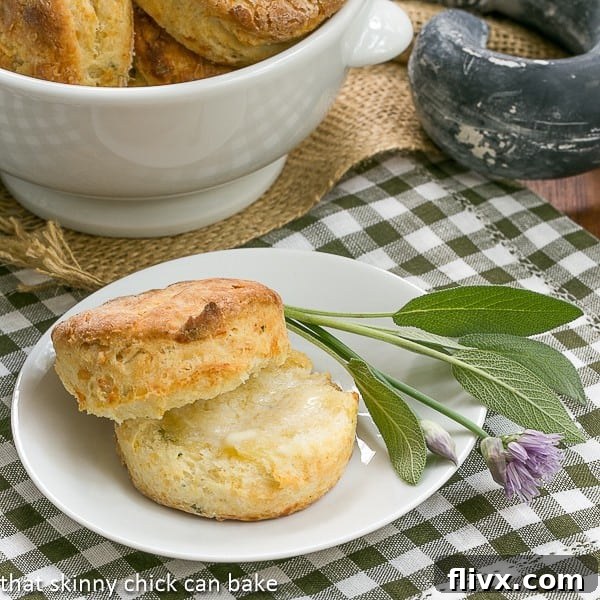
Herbed Buttermilk Biscuits: Flaky, Buttery, and Bursting with Fresh Flavor
These Herbed Buttermilk Biscuits are a true culinary delight, boasting a tender, melt-in-your-mouth texture and a rich, buttery taste. What truly sets them apart is the vibrant boost of flavor from a medley of fresh herbs! This unique twist on a classic buttermilk biscuit recipe promises an irresistible addition to any meal.
Crafting the perfect Buttermilk Biscuit Recipe is an art, and this rendition achieves that ideal, delicate texture every time. The addition of savory herbs transforms them into a versatile side dish, making them an excellent companion for hearty chili, warming stews, rich gravies, or any beloved comfort food. Imagine tearing into a warm biscuit, its flaky layers revealing pockets of herbaceous goodness, ready to soak up every last drop of your favorite meal.
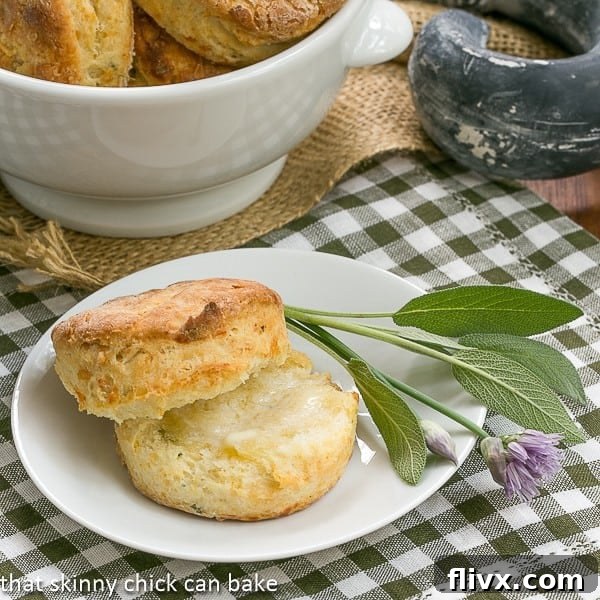
Why You Must Make These Irresistible Herbed Biscuits
If the thought of biting into a perfectly flaky biscuit makes your heart sing, then prepare to fall head over heels for this recipe. These Herbed Buttermilk Biscuits aren’t just good; they’re an experience waiting to happen. Here’s why they deserve a permanent spot in your baking repertoire:
- Unmatched Flakiness: If you are a fan of truly flaky biscuits, where each bite reveals distinct, airy layers, you’ll go nuts for this recipe. Our special technique ensures a texture that’s light as a cloud and utterly satisfying.
- A Delicious Savory Twist: The thoughtful addition of fresh herbs elevates a simple biscuit into something extraordinary. This savory twist introduces an aromatic depth and complexity that plain biscuits simply can’t achieve, making them suitable for a wider range of meals.
- Flavor Boost, Naturally: Herbs are an incredible way of boosting the flavor of foods without adding extra calories or unhealthy fats. You don’t have to sacrifice taste just because you’ve reduced calories; your food doesn’t have to be bland! Fresh basil can brighten your garden tomatoes, thyme adds an earthy note to grilled zucchini, or sage leaves tucked under the skin of roasted chicken create an unforgettable aroma. Incorporating them into biscuits is another brilliant way to infuse flavor.
- The Ultimate Comfort Food Companion: These biscuits are absolutely perfect alongside a comforting bowl of soup, a hearty chili, a rich stew, or even just a simple pat of butter and a drizzle of honey. Their savory profile makes them versatile enough to complement a multitude of main courses, from roasted meats to vegetarian casseroles.
My gardening journey has often been a tale of triumph and, more frequently, defeat. I generally possess what one might call a “black thumb.” Each spring, I begin with immense enthusiasm, diligently planting my herb garden with high hopes. However, by late July, the crucial task of “watering” often slips my mind, leading to wilted disappointment. This summer, fortunately, has been different. Thanks to regular rainfall, my little plot is flourishing, brimming with vibrant sage, aromatic thyme, and perky chives.
One sunny afternoon, surrounded by the lush green of my garden, I was inspired. I remembered a particular flaky biscuit dough technique that involved a sort of “pseudo-laminating.” With clippers in hand, I snipped a few fragrant stems and leaves, eager to incorporate their freshness. The result? These glorious homemade Buttermilk Biscuits, bursting with garden-fresh flavor and an irresistible texture that exceeded all expectations.
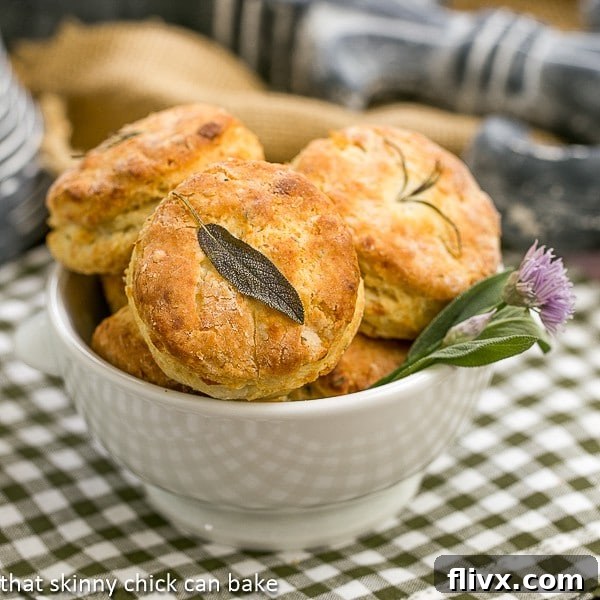
Recipe Tips for Perfect Herbed Buttermilk Biscuits
Achieving biscuit perfection requires attention to a few key details. While making biscuits might seem daunting, especially with talk of lamination, these tips will guide you to a batch of tender, flaky, and flavorful Herbed Buttermilk Biscuits every time. The magic is in the method and the quality of your ingredients.
- Understanding “Lamination” (The Pseudo-Kind): What exactly is laminating, you ask? It’s basically the technique used to make delicate, airy puff pastry. This involves repeatedly folding, turning, and rolling layers of dough and butter to create countless thin layers of pastry. When baked, the butter melts and releases steam, pushing the dough layers apart to form that characteristic flakiness. For these biscuits, we adopt a simplified, “pseudo-lamination” approach to create beautiful, tender, flaky buttermilk biscuits without the extensive effort of traditional methods.
- The Secret to Flakiness: Cold Butter and Folding: The key to those tender, flaky layers lies in using very cold butter (and shortening, if used). Instead of fully incorporating the fat, work the cold butter and shortening into the flour mixture with your fingers or a pastry blender, leaving flat, pea-sized pieces of fat. These cold pockets of fat create steam when baked, lifting the dough into distinct layers. But besides this crucial step, we also incorporate a simple fold: after combining the dough, you’ll fold it into thirds, much like folding a letter. This single “turn” before the final rolling and cutting significantly enhances the flakiness, giving you that delightful layered texture. Remember, avoid overworking the dough, as this can melt the butter and develop too much gluten, resulting in tough biscuits.
- The Tenderizing Power of Buttermilk: Beyond the pseudo-lamination, the addition of cold buttermilk is paramount to ensuring a wonderfully tender biscuit. The lactic acid in buttermilk reacts with the baking soda (a common leavening agent in biscuits) to produce carbon dioxide bubbles, which contribute to the biscuit’s rise and light texture. More importantly, the acid also helps to break down and tenderize the gluten strands in the flour, preventing the biscuits from becoming tough or chewy. Always use cold buttermilk for the best results, as it helps keep the butter solid.
- Customize Your Herb and Cheese Blend: The beauty of these biscuits lies in their adaptability. Feel free to adjust the amount and type of herbs and cheese to suit your preference. My recipe typically yields a lovely, subtle herb flavor, without any single dominant note, making them perfect with almost any meal and cuisine. But the options are truly endless! Consider fresh rosemary for a more robust flavor, dill for a brighter note, or a mix of parsley, chives, and thyme for a classic blend. For cheese, cheddar, Parmesan, or even a touch of goat cheese could add another layer of savory deliciousness. Don’t be afraid to experiment and make them your own! I sincerely hope you’ll give them a shot and discover your favorite combination!
And if you’ve ever heard of Angel Biscuits, they offer another delightful variation, featuring yeast along with baking powder and soda for an extra fluffy texture! They are truly fabulous in their own right, showcasing the incredible versatility of biscuit baking.
Frequently Asked Questions About Biscuits
Here are some common questions bakers often have when making biscuits, along with clear and helpful answers to ensure your success:
Buttermilk is a superstar ingredient in biscuit making! It adds incredible richness, essential moisture, and superior tenderness to the finished product. The natural acidity in buttermilk reacts with the baking soda, creating gas bubbles that help the biscuits rise beautifully. Furthermore, this acid helps to relax and loosen the gluten strands in the flour, preventing the biscuits from becoming tough and ensuring a wonderfully tender crumb that practically melts in your mouth.
There are a few common culprits if your biscuits don’t rise as expected. The most frequent reason is expired baking powder. Baking powder has a significantly shorter shelf life compared to baking soda, losing its potency over time. To check its activity, simply put a spoonful of baking powder into a cup of very hot water. If it’s active and potent, it will bubble vigorously and immediately. If you see little to no bubbling, it’s time to replace it before attempting this recipe. Other reasons could include not using enough leavening agents or overworking the dough, which can deflate air pockets.
Hard or tough biscuits are typically a sign of overworked dough. When you knead or handle biscuit dough too much, you develop the gluten in the flour excessively. This overdevelopment of gluten makes the biscuits tough and dense instead of light and tender. Overworking also breaks down the tiny pieces of cold butter that are crucial for creating flakiness; these small pieces should still be visible in your dough before baking. The key is to knead the dough just until it barely comes together and no dry streaks of flour remain, handling it as little as possible.
Proper storage is essential to keep your homemade biscuits fresh. Freshly baked biscuits can be kept at room temperature for 1-2 days, provided they are stored in an airtight container. This prevents them from drying out. For longer storage, transfer them to the refrigerator, where they will remain fresh for up to a week. To reheat, a quick warm-up in a toaster oven or microwave will bring back some of their original warmth and softness.
Other Delicious Recipes You Will Also Like:
If you love the comfort and versatility of these Herbed Buttermilk Biscuits, you’re sure to enjoy these other delightful baked goods and savory recipes:
- Herbed Skillet Cornbread by Magnolia Days: Another fantastic way to infuse savory herbs into a classic bread, perfect for a cozy meal.
- Pesto Bread by Karen’s Kitchen Stories: If you adore aromatic flavors, this bread with vibrant pesto is a must-try.
- Cheddar Cheese Biscuits: For cheese lovers, these savory biscuits offer a delightful tangy kick.
- Plus, if you can’t get enough of biscuits, you’ll go nuts for these incredibly tender Buttermilk Goat Cheese Biscuits! The creamy tang of goat cheese adds an exquisite touch.
- Explore more of the Best Bread Recipes for endless baking inspiration.
Stay in touch through social media and connect with me @ Instagram, Facebook, and Pinterest. Don’t forget to tag me when you try one of my recipes! And if you love the results and want to share the joy, please consider giving it a 5-star rating in the recipe card below. Your feedback truly makes a difference!
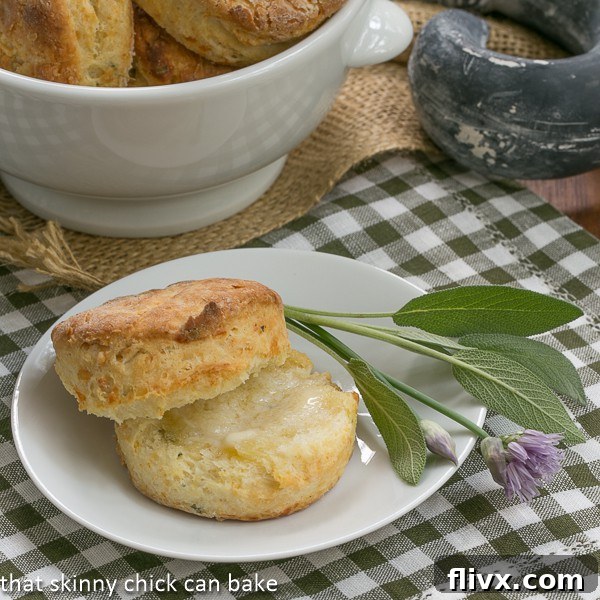
Herbed Buttermilk Biscuits
15 minutes
15 minutes
30 minutes
8 servings
Tender, flaky biscuits infused with the delightful tang of buttermilk and aromatic fresh herbs.
Ingredients
- 4 cups all-purpose flour
- 4 teaspoons baking powder
- 1 teaspoon baking soda
- ¾ teaspoon salt
- 1 tablespoon finely chopped fresh parsley or chives
- 1 tablespoon finely chopped fresh sage
- 12 tablespoons cold unsalted butter, cut into small pieces
- 1 and ½ cups cold buttermilk
- 2 tablespoons unsalted butter, melted (for brushing)
Instructions
- Preheat your oven to 450°F (230°C). Prepare a baking sheet by lining it with parchment paper.
- In a food processor, combine the flour, baking powder, baking soda, salt, and your chosen fresh herbs. Pulse 2-3 times briefly to combine these dry ingredients evenly. Scatter the cold butter pieces over the dry ingredients and pulse 5-6 times, or until the mixture resembles a coarse meal with some pea-sized pieces of butter still visible. Be careful not to overmix. Add the cold buttermilk and pulse again just until the dough begins to come together.
- Alternatively, you can mix the butter into the dry ingredients by hand using a pastry blender. I find it helpful to use my fingertips to gently flatten out any larger bits of butter, ensuring good fat distribution for flakiness.
- Carefully dump the dough onto a lightly floured surface. Gently shape it into a large rectangle, approximately ¾-inch thick. Perform the “pseudo-lamination” fold: fold about a third of the dough towards the middle from one side, then repeat with the other side, creating a 3-layer piece of dough. Gently roll the dough again to a thickness of about ¾ to 1 inch.
- Using a 3-inch round biscuit cutter, cut out biscuits and place them onto your prepared parchment paper-lined baking sheet. For best rise, avoid twisting the cutter; press straight down and lift.
- Gather the scraps of dough, gently press them together without overworking, and continue cutting out rounds until all the dough is used up. Remember: handle the dough as little as possible to maintain tenderness.
- Bake for 12 to 15 minutes, or until the tops are beautifully golden brown and the biscuits are fully cooked through. As soon as they come out of the oven, brush the tops with melted butter for extra richness and shine. Serve warm.
Notes
Feel free to use any of your favorite fresh herbs in this recipe. Fresh basil is another particularly tasty option that adds a wonderful aromatic note. You can also experiment with a blend of herbs like thyme, rosemary, or even a hint of dill. For an extra savory kick, consider adding a tablespoon or two of grated Parmesan or sharp cheddar cheese to the dry ingredients along with the herbs.
Nutrition Information:
Yield:
8
Serving Size:
1
Amount Per Serving:
Calories: 414Total Fat: 21gSaturated Fat: 13gTrans Fat: 1gUnsaturated Fat: 6gCholesterol: 54mgSodium: 790mgCarbohydrates: 49gFiber: 2gSugar: 1gProtein: 7g
Thatskinnychickcanbake.com occasionally offers nutritional information for recipes contained on this site. This information is provided as a courtesy and is an estimate only. This information comes from online calculators. Although thatskinnychickcanbake.com attempts to provide accurate nutritional information, these figures are only estimates.
Varying factors such as product types or brands purchased can change the nutritional information in any given recipe. Also, many recipes on thatskinnychickcanbake.com recommend toppings, which may or may not be listed as optional and nutritional information for these added toppings is not listed. Other factors may change the nutritional information such as when the salt amount is listed “to taste,” it is not calculated into the recipe as the amount will vary. Also, different online calculators can provide different results.
To obtain the most accurate representation of the nutritional information in any given recipe, you should calculate the nutritional information with the actual ingredients used in your recipe. You are solely responsible for ensuring that any nutritional information obtained is accurate.
HOW MUCH DID YOU LOVE THIS RECIPE?
Please leave a comment on the blog or share a photo on Pinterest