
Welcome to the world of Japanese Milk Bread, also known as Shokupan, where unparalleled softness meets delicate flavor. This bread isn’t just a treat; it’s an experience that will redefine your expectations for homemade baked goods. Imagine biting into a cloud-like roll, so tender it practically melts in your mouth – that’s the magic of Japanese Milk Bread.
The secret weapon behind this extraordinary texture is a traditional Asian technique called tangzhong, a flour and water roux. This simple pre-cooked paste transforms ordinary bread dough into something truly remarkable, imparting an ethereal lightness and extending freshness like no other method. Whether you’re an experienced baker or just starting your journey, mastering this recipe will bring immense satisfaction and countless moments of delicious enjoyment to your kitchen.
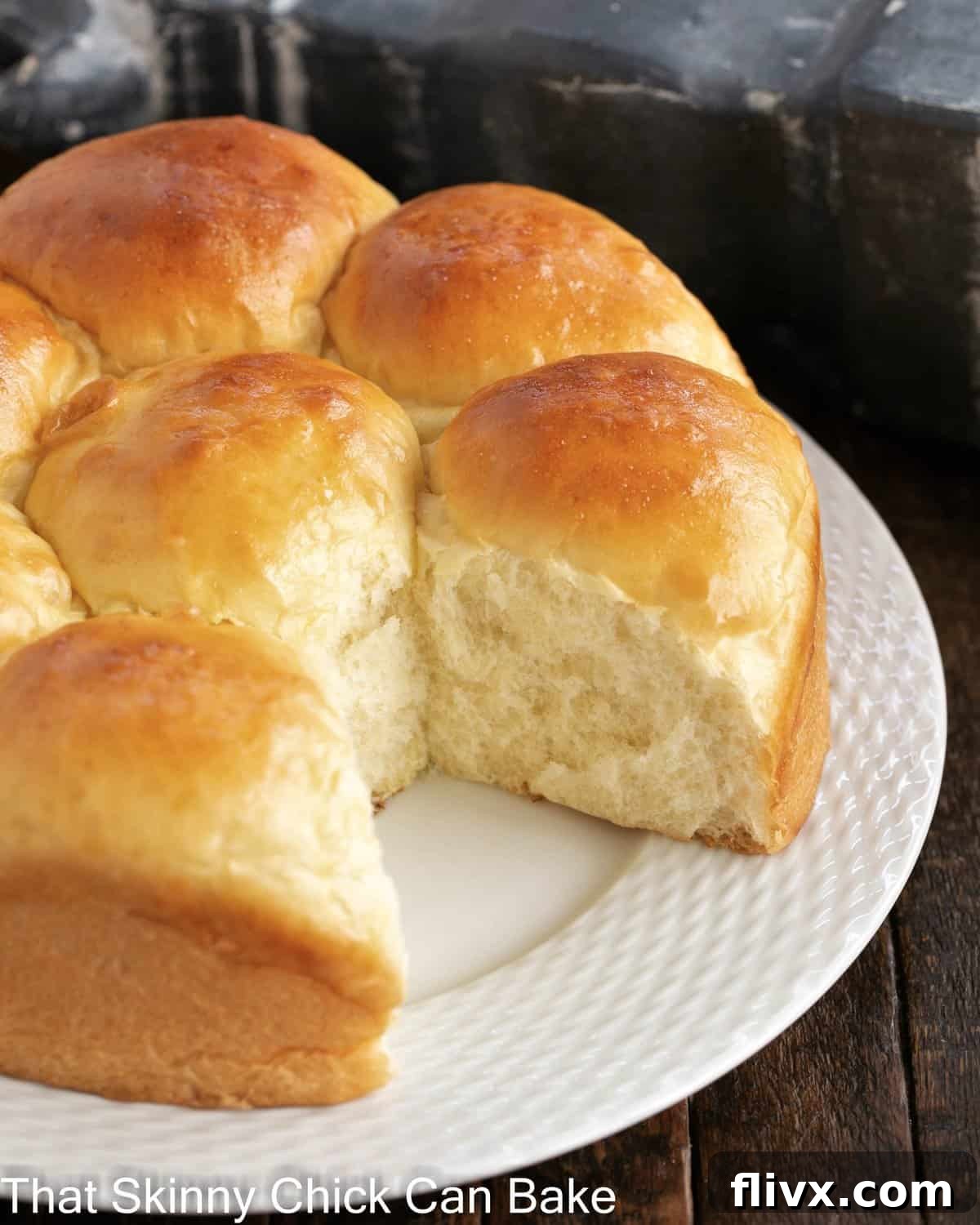
Why You’ll Absolutely Love Baking These Japanese Milk Buns
There’s a reason Japanese Milk Bread has captivated bakers and food lovers worldwide. It offers a unique combination of qualities that make it truly irresistible:
- Unmatched Softness and Tenderness: Prepare for the softest bread you’ve ever made. The tangzhong method creates a crumb so fine and pillowy, it feels like biting into a dream. This isn’t just soft; it’s a sublime tenderness that will leave you wanting more.
- Longer-Lasting Freshness: Thanks to the tangzhong roux, this bread stays incredibly fresh and moist for days longer than conventional bread. Say goodbye to stale bread after just one day; these rolls retain their delightful texture and flavor, making them perfect for meal prepping or enjoying throughout the week.
- Versatility for Any Occasion: These rolls are wonderfully versatile. Serve them warm with butter for breakfast, as a side with dinner, or transform them into exquisite sandwiches. They also make an excellent base for sweet treats like cinnamon rolls or fruit-filled buns, proving their adaptability in your culinary repertoire.
- A Rewarding Baking Experience: While the process involves a few steps, each one is straightforward and leads to a profoundly satisfying outcome. Learning the tangzhong technique is a valuable skill that you can apply to other bread recipes, elevating your entire baking game. The joy of pulling these golden, fragrant buns from your oven is truly unparalleled.
- Impress Your Friends and Family: Bring a batch of these exquisite Japanese Milk Buns to any gathering, and watch them disappear! Their beautiful appearance, delicate aroma, and incredible taste are guaranteed to impress everyone lucky enough to try them.
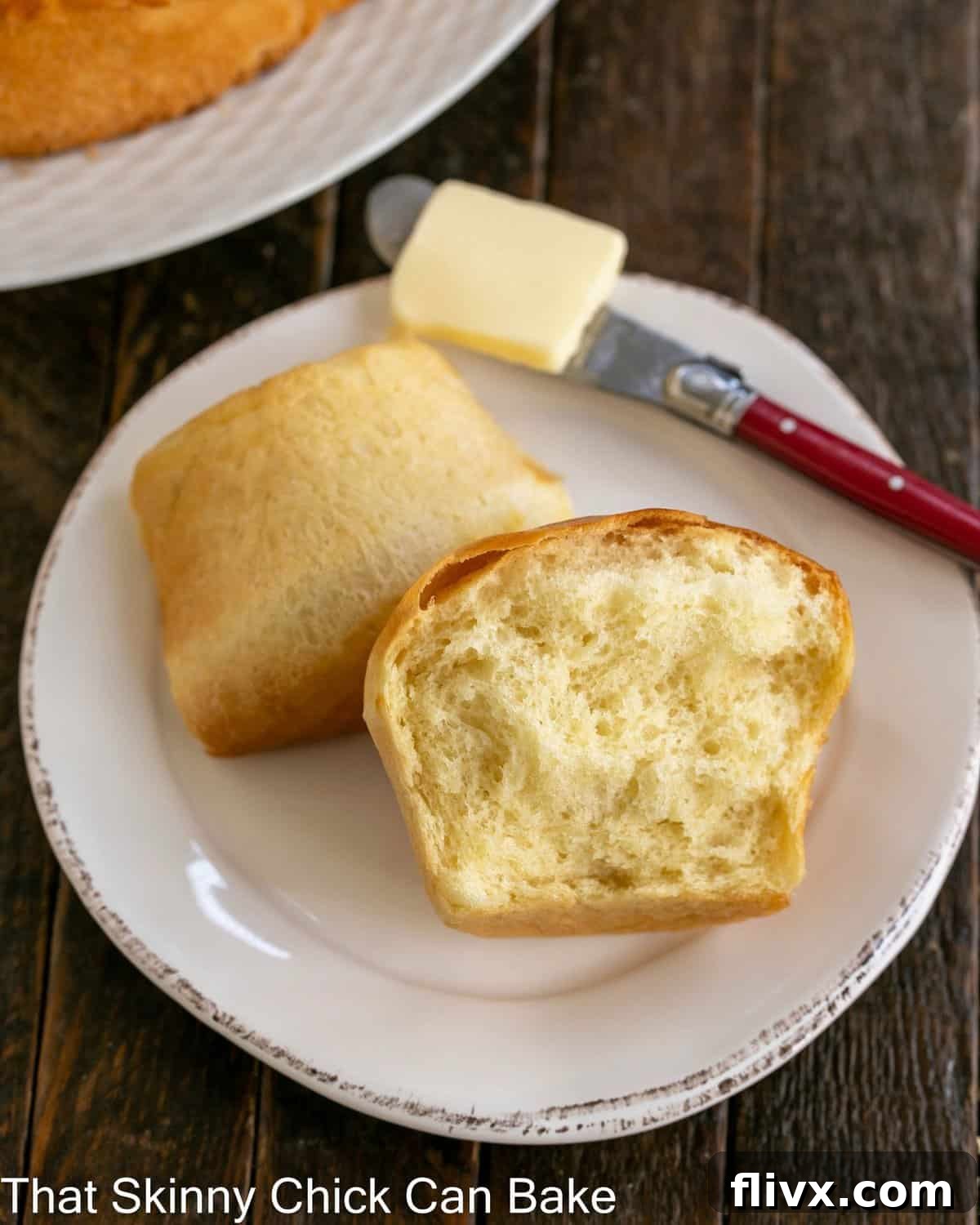
Understanding Tangzhong: The Heart of Japanese Milk Bread
At the core of Japanese Milk Bread’s exceptional texture lies tangzhong, often referred to as a “water roux” or “flour-water paste.” This isn’t just a fancy name; it’s a technique rooted in scientific principles that revolutionizes bread baking.
What is Tangzhong?
Tangzhong is created by cooking a small portion of flour with liquid (typically water, milk, or a combination) until it forms a thick, gelatinous paste. This pre-cooking step is crucial because it gelatinizes the starch in the flour. When starches gelatinize, they absorb and retain a significant amount of liquid. Think of it like making a roux for gravy, but for bread.
The Science Behind the Softness
When this cooked tangzhong is added to your bread dough, it introduces a higher hydration level without making the dough sticky or difficult to handle. The flour in the tangzhong has already absorbed a lot of water, but this water isn’t readily available to the yeast. Instead, it remains trapped within the gelatinized starch. This means:
- Increased Moisture: The dough contains more water overall, leading to a moister final product.
- Improved Structure: The gelatinized starch helps create a more elastic and extensible dough, which contributes to a finer crumb structure.
- Extended Freshness: Because the moisture is locked within the starch, it takes much longer for the bread to dry out and become stale. This is why Japanese Milk Bread stays soft and fresh for days.
How to Make Tangzhong: A Simple Step
Making tangzhong is incredibly simple. You combine flour with water and/or milk in a small saucepan and cook it over medium-low heat, stirring constantly with a whisk. As the mixture heats, it will thicken, transforming from a liquid slurry into a paste that resembles paper mâché glue. You’ll know it’s ready when your whisk leaves trails on the bottom of the pan. It’s essential to let the tangzhong cool completely before adding it to your yeast dough, as hot tangzhong can kill the yeast.
Gather Your Ingredients: What You’ll Need
High-quality ingredients are the foundation of any great recipe. For these Japanese Milk Buns, selecting the right components ensures the best flavor and texture. Here’s a detailed look at what you’ll need:
Yeast Mixture
- 1 tablespoon active dry yeast: Ensure your yeast is fresh and active for a good rise. You can test it by letting it bloom in lukewarm water.
- ¼ cup lukewarm water (98-105°F): The perfect temperature to activate the yeast without killing it.
Tangzhong
- 2 tablespoons all-purpose flour: Standard all-purpose flour works perfectly for the roux.
- 2 tablespoons water: Combined with milk, it forms the liquid base for the tangzhong.
- 4½ tablespoons milk: Adds richness and flavor to the tangzhong and the final bread.
Main Dough
- 2⅓ cups or 380 grams all-purpose flour: While cup measurements are provided, we highly recommend weighing your flour using a kitchen scale for the most accurate and consistent results. This makes a significant difference in dough consistency. Using all-purpose flour, rather than bread flour, contributes to a more tender crumb.
- ¼ cup sugar: Provides a subtle sweetness and helps with browning.
- 1 teaspoon salt: Balances the flavors and strengthens the gluten structure.
- ½ cup milk: Adds moisture and richness to the dough.
- 1 large egg: Contributes to the richness, color, and tenderness of the rolls.
- 3 tablespoons unsalted butter, at room temperature: Softened butter incorporates smoothly into the dough, providing richness and improving texture.
Egg Wash
- 1 large egg: Gives the buns a beautiful golden-brown, glossy crust.
- 1 tablespoon water: Helps thin out the egg for an even wash.
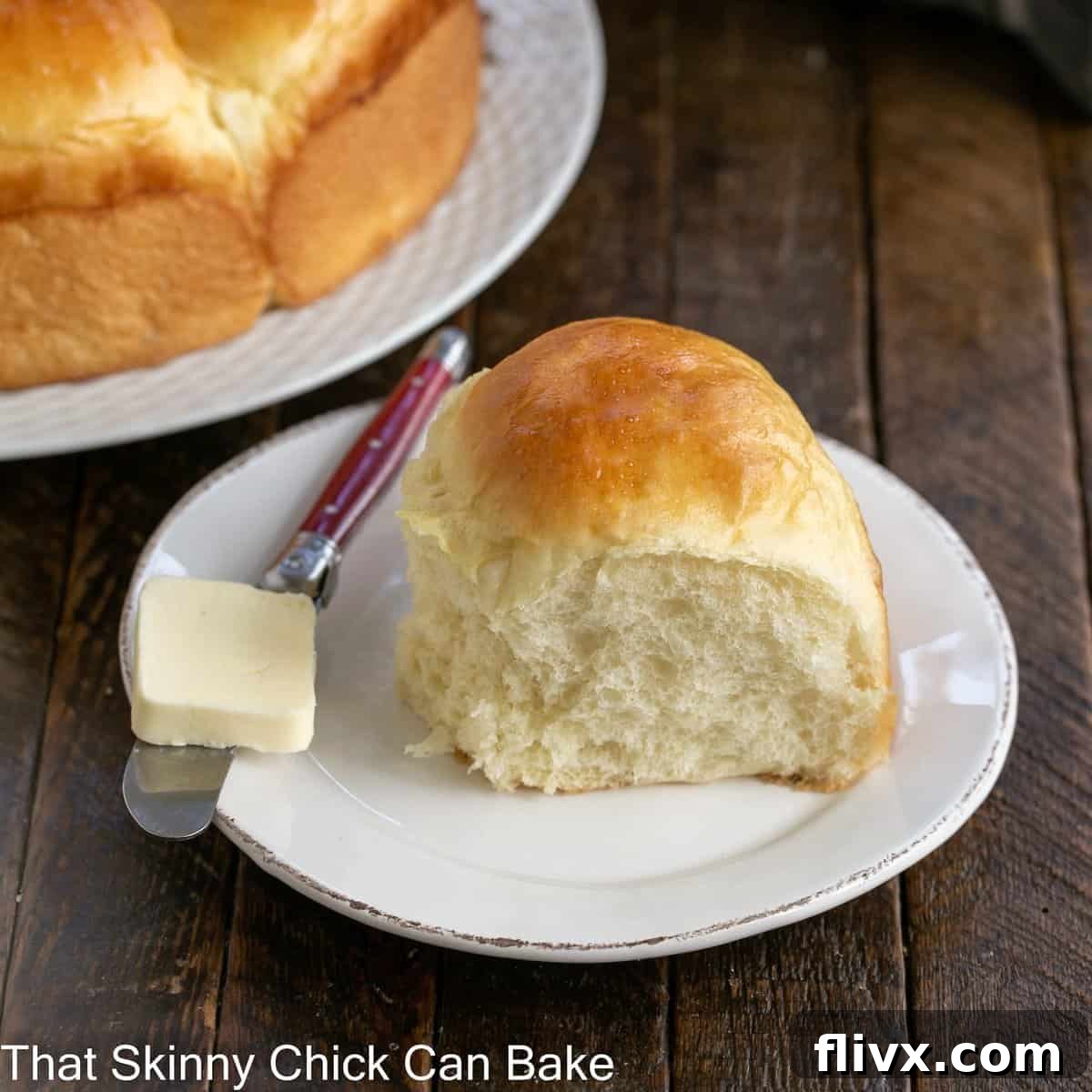
Step-by-Step Guide to Baking Perfect Japanese Milk Bread
Baking these soft, fluffy Japanese Milk Buns is a journey of precision and patience, but the rewards are truly worth every moment. Follow these detailed steps for a perfect batch every time.
1. Activating Your Yeast
- In a small bowl, combine the active dry yeast with the lukewarm water (98-105°F). Stir gently to dissolve the yeast.
- Allow the mixture to sit for about 10 minutes. During this time, the yeast should “bloom” – it will become foamy and bubbly on the surface. This indicates that your yeast is active and ready to work its magic. If it doesn’t bloom, your yeast might be old or the water temperature was off, and it’s best to start again with fresh yeast.
2. Crafting the Tangzhong Roux
- In a small saucepan, whisk together the 2 tablespoons of flour, 2 tablespoons of water, and 4½ tablespoons of milk for the tangzhong.
- Place the saucepan over medium-low heat. Cook and stir continuously with a whisk. Initially, it will be a thin slurry, but as it heats, it will begin to thicken.
- Continue stirring until a thick paste forms, resembling paper mâché glue. You’ll know it’s ready when your whisk or spoon leaves distinct trails on the bottom of the pan. This usually takes about 3-5 minutes.
- Remove the tangzhong from the heat and transfer it to a small bowl. Cover it directly with plastic wrap to prevent a skin from forming and allow it to cool completely to room temperature before proceeding. This step is crucial to avoid killing the yeast.
3. Mixing the Dough
- In the bowl of a stand mixer fitted with the dough hook attachment, combine the activated yeast mixture, the cooled tangzhong, and all the remaining dough ingredients (2⅓ cups all-purpose flour, ¼ cup sugar, 1 teaspoon salt, ½ cup milk, and 1 large egg), except for the butter.
- Mix on low speed for about 5 minutes, or until the ingredients are well combined and a soft, shaggy dough forms.
- Once the dough starts to come together, begin adding the softened butter (3 tablespoons), one tablespoon at a time, allowing each addition to be fully incorporated before adding the next.
- Increase the mixer speed to medium and continue kneading for another 10-15 minutes, or until the dough is very smooth, elastic, and passes the “windowpane test” (you can stretch a small piece of dough thin enough to see light through it without tearing). The dough should be soft but no longer sticky. If it remains too sticky after extended kneading, add a tiny bit more flour (1 teaspoon at a time) until it reaches the desired consistency.
4. The First Rise (Proofing)
- Lightly grease a large bowl with a neutral oil. Transfer the kneaded dough to the bowl, turning it once to coat all sides.
- Cover the bowl tightly with plastic wrap or a damp kitchen towel.
- Place the bowl in a warm location (ideally around 85°F, like a slightly warm oven that’s been turned off or a sunny spot) and let it rise for approximately 1½ hours, or until the dough has doubled significantly in size. The exact time may vary depending on the ambient temperature.
5. Shaping Your Rolls
- Once the dough has doubled, gently deflate it by pressing down with your fists to release the accumulated gases.
- Turn the dough out onto a lightly floured surface. Using a kitchen scale, divide the dough into 8 or 9 equal pieces (approximately 80-90 grams each for 8 rolls). Consistent sizing ensures even baking.
- Shape each piece into a smooth, round ball. To do this, pull the edges of the dough under itself and pinch the seams at the bottom, then roll it against your palm on the counter to create tension and a smooth top surface.
6. The Second Rise
- Lightly grease a 9-inch round springform or cake pan with butter or baking spray.
- Arrange the shaped dough balls in the prepared pan, leaving about ⅓ to ½ inch of space between each roll. They will expand during the second rise and baking.
- Cover the pan loosely with plastic wrap or a damp towel and let the rolls rise again in a warm place for another 45 minutes, or until they have puffed up significantly and are nearly touching.
7. Baking to Golden Perfection
- About 15-20 minutes before the second rising period is complete, preheat your oven to 350°F (175°C).
- Prepare the egg wash: In a small bowl, whisk together the 1 large egg and 1 tablespoon of water until well combined.
- Once the rolls have completed their second rise, gently brush the egg wash evenly over the tops of the rolls. This will give them a beautiful golden-brown, glossy finish.
- Place the pan in the preheated oven and bake for 20-25 minutes, or until the tops are golden brown and the internal temperature of the bread reaches 190°F (88°C) using an instant-read thermometer. If the tops start browning too quickly, loosely tent the pan with aluminum foil.
8. Cooling and Enjoying
- Once baked, remove the pan from the oven and immediately transfer the rolls (still in the pan) to a wire cooling rack.
- Let them cool in the pan for about 10-15 minutes. This allows the internal structure to set.
- After 10-15 minutes, carefully remove the rolls from the pan and place them directly on the wire rack to finish cooling completely. While they are tempting warm, allowing them to cool slightly improves their texture.
- Serve these incredibly soft Japanese Milk Bread rolls warm or at room temperature. Enjoy them with butter, jam, or as a delightful accompaniment to any meal!
Expert Tips for Mastering Japanese Milk Bread
Achieving bakery-quality Japanese Milk Bread at home is within your reach with these expert tips and tricks:
- Perfecting Tangzhong Consistency: If you’re new to making tangzhong, the key is knowing when it’s done. It should have the consistency of a thick, smooth paste, similar to paper mâché glue. As you stir it, your spoon or whisk should leave clear trails on the bottom of the pan. Don’t overcook it, or it might become too stiff.
- Yeast is Key: Ensure your active dry yeast is fresh. If it doesn’t foam up after 10 minutes in lukewarm water, it’s likely expired, and you should get new yeast. One tablespoon of dry active yeast is often more than a single packet (which typically contains 2¼ teaspoons or 7 grams), so measure accurately.
- Weigh Your Flour for Precision: This recipe, more than many others, benefits immensely from measuring flour by weight (grams) rather than volume (cups). Using a kitchen scale will produce a less sticky, more consistent dough and yields superior results. Flour can pack differently into a measuring cup, leading to significant variations.
- All-Purpose Flour for Tenderness: Stick to all-purpose flour for this recipe, not bread flour. While bread flour has higher protein content and creates a chewier crumb, all-purpose flour contributes to the signature tender, melt-in-your-mouth texture of Japanese Milk Bread.
- Thorough Kneading is Essential: Don’t skimp on kneading time. The dough needs to develop sufficient gluten for that characteristic airy, stretchy texture. It should be smooth, elastic, and pass the windowpane test. A stand mixer is highly recommended for this, but hand kneading vigorously for 20-25 minutes can also achieve this.
- Warm Environment for Rising: Yeast loves warmth. Find a warm, draft-free spot for your dough to rise. An oven with just the light on can create a perfect warm environment. Ensure the dough is well-covered to prevent drying out.
- Grease Your Pan Generously: Butter your baking pan thoroughly. This ensures your beautiful rolls release easily without sticking, preserving their perfect shape.
- Prevent Over-Browning: If your bread is browning too quickly on top before it’s fully cooked through, loosely tent the pan with aluminum foil. This will protect the crust while allowing the interior to finish baking.
- Confirm Doneness with Temperature: The most reliable way to know if your Japanese Milk Bread is perfectly baked is to check its internal temperature. It should reach 190°F (88°C). An instant-read thermometer is a valuable tool for this.
- Handle with Care: These rolls are delicate. Once baked, handle them gently. Allow them to cool sufficiently on a wire rack to prevent them from becoming gummy or losing their structure before slicing or serving.
Serving Suggestions and Versatility
The beauty of Japanese Milk Bread lies not only in its sublime texture but also in its incredible versatility. Here are some delightful ways to enjoy your freshly baked rolls:
- Simple & Classic: Enjoy them warm from the oven with a generous pat of butter, a drizzle of honey, or your favorite jam. The delicate sweetness and milky flavor pair perfectly with these simple additions.
- Breakfast Treat: Transform them into breakfast sandwiches with scrambled eggs, bacon, or sausage. Their soft nature makes them ideal for absorbing flavors without falling apart.
- Elegant Dinner Rolls: Serve these rolls as a sophisticated accompaniment to any meal. They are fantastic with soups, stews, roasted meats, or a light salad, adding a touch of homemade comfort to your dining table.
- Gourmet Sandwiches: Elevate your lunch by using Japanese Milk Bread for your sandwiches. The softness of the bread beautifully complements a variety of fillings, from deli meats and cheese to avocado and grilled vegetables.
- Sweet Variations: This dough is a dream for sweet treats. Use it as a base for homemade cinnamon rolls, fruit-filled buns, or even savory garlic knots. The tangzhong ensures they remain soft and moist.
- Bread Pudding: If you happen to have any leftover (which is unlikely!), Japanese Milk Bread makes an exceptional bread pudding, soaking up custards beautifully.
Storage and Freshness
One of the many benefits of the tangzhong method is how long Japanese Milk Bread stays fresh. Here’s how to store it properly:
- Room Temperature: Store cooled rolls in an airtight container or a sealed plastic bag at room temperature for up to 3-4 days. They will maintain their incredible softness.
- Freezing for Longer Storage: For longer storage, freeze the cooled rolls. Wrap individual rolls tightly in plastic wrap, then place them in a freezer-safe bag. They can be frozen for up to 2-3 months.
- Reheating: To enjoy frozen rolls, thaw them at room temperature, then warm them briefly in a preheated oven (300°F/150°C for 5-10 minutes) or microwave for a few seconds until soft and warm. They’ll taste almost as fresh as the day they were baked!
Frequently Asked Questions
Yes, “Shokupan” is the Japanese term for “eating bread” and typically refers to a loaf of fluffy Japanese Milk Bread, often baked in a square Pullman-style pan for perfect, evenly sized slices. While milk bread can be shaped into rolls, Shokupan specifically refers to the loaf form, both sharing the same characteristic softness achieved through the tangzhong method.
Shokupan bread offers a subtle sweetness and a distinct milky flavor that is incredibly appealing. However, its most notable characteristic is its luxurious texture: exceptionally soft, pillowy, and almost feathery light. It’s truly a delight for the senses.
Yes, Shokupan is indeed a variety of white bread. Its crumb is typically bright white, though it may have a very slight yellow tinge due to the inclusion of egg in many recipes, which also contributes to its richness and color.
Tangzhong is a water roux, a traditional Asian baking technique involving a pre-cooked gelatinous mixture of flour and liquid (water, milk, or both). When incorporated into bread dough, the pregelatinized starch allows the dough to hold significantly more moisture. This results in bread that is incredibly soft, moist, possesses a delicate, airy crumb, and remains fresh for a longer period due to its enhanced water retention capabilities.
While Japanese Milk Bread involves a few steps, including making the tangzhong and two rises, it’s generally considered accessible for home bakers. The steps are straightforward, and the process is very forgiving. The main “difficulty” is often the kneading time required to achieve the desired elasticity.
Yes, absolutely! While a stand mixer makes the kneading process much easier and quicker, you can certainly knead the dough by hand. Expect to knead for a longer duration, typically 20-25 minutes, to achieve the same smooth, elastic consistency. It’s a great workout!
Several factors can affect dough rising. Ensure your yeast is active (test it first!). The water used to activate the yeast should be lukewarm, not too hot or cold. Also, ensure your rising environment is warm and draft-free. If your kitchen is cold, consider using a warm (but not hot) oven with the light on, or a proofing setting if your oven has one.
You May Also Like:
- Classic Oatmeal Bread
- Whole Wheat Challah
- Homemade Pretzel Rolls
- More of my Yeast Bread Recipes
Thank you for exploring the delightful world of Japanese Milk Bread! We hope this detailed guide encourages you to try this incredibly rewarding recipe in your own kitchen. There’s nothing quite like the joy of baking and sharing homemade bread, especially one as universally adored as these soft, tender buns.
Stay in touch through social media @ Instagram, Facebook, and Pinterest. Don’t forget to tag me when you try one of my recipes! And if you love the results, please consider leaving a 5-star rating and comment to help other bakers.
Recommended Baking Tools
To make your Japanese Milk Bread baking experience even smoother, consider these helpful tools:
- Kitchen Scale: Essential for accurately weighing flour and other ingredients.
- Silicone Pastry Brush: Perfect for applying the egg wash evenly.
- Thermapen Instant Read Thermometer: For precise temperature checks of your tangzhong, lukewarm water, and baked bread.
- KitchenAid KSM150PSER Artisan Tilt-Head Stand Mixer with Pouring Shield, 5-Quart, Empire Red: A valuable asset for effortless kneading.
- 9-inch springform pan: Ideal for baking a beautiful cluster of rolls.
Nutrition Information
Nutrition Information:
Yield:
8 rolls
Serving Size:
1 roll
Amount Per Serving:
Calories: 277Total Fat: 7gSaturated Fat: 4gTrans Fat: 0gUnsaturated Fat: 2gCholesterol: 60mgSodium: 330mgCarbohydrates: 46gFiber: 2gSugar: 8gProtein: 8g
Please note that nutritional information is an estimate based on online calculators and can vary depending on specific brands and quantities of ingredients used. It is provided for informational purposes only.
Cuisine: Japanese | Category: Bread