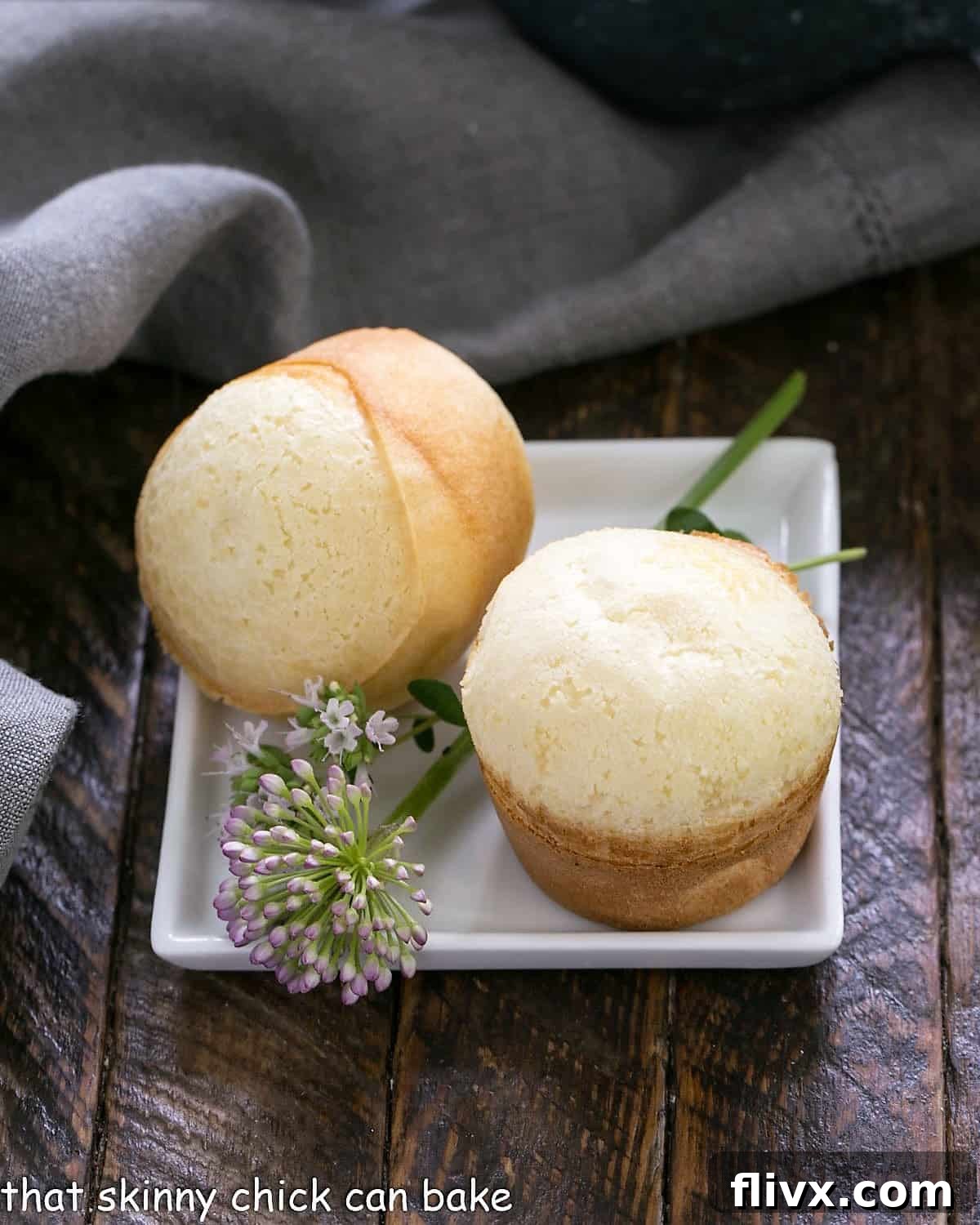
Embark on a culinary journey to Brazil with this incredibly easy and utterly delicious Brazilian Cheese Bread, known locally as Pão de Queijo! After a gentle nudge from both my son and a dear friend, Kathy, this delightful snack finally graced our kitchen, and it’s safe to say it was an instant sensation. Imagine soft, pillowy, and intensely cheesy bread puffs with a texture so light it almost resembles delicate cream puffs. This recipe isn’t just a meal; it’s an experience, transforming simple ingredients into a taste of South American warmth and hospitality.
The universe seemed to align when both my son and friend separately raved about the same Brazilian Cheese Bread Recipe. As fate would have it, a bag of tapioca flour was already nestled in my pantry, practically begging to be transformed. This wasn’t just an invitation; it was a destiny fulfilled, leading to the creation of these irresistible, naturally gluten-free bites that quickly became a household favorite.
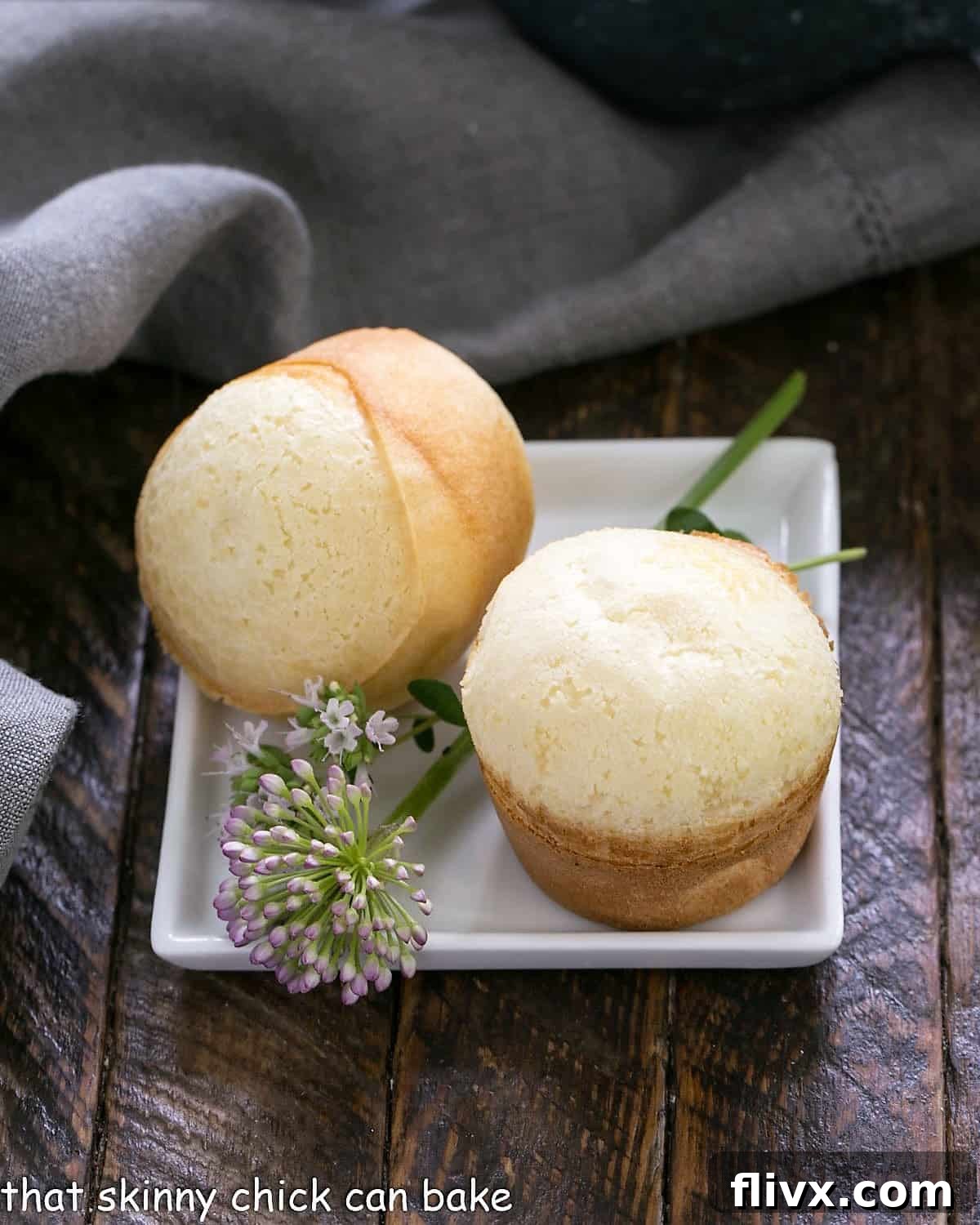
Why This Pão de Queijo Recipe Will Become Your New Favorite
There are countless reasons why Pão de Queijo deserves a permanent spot in your recipe collection. From its unique texture to its sheer simplicity, this Brazilian cheese bread is a delightful addition to any meal or a perfect snack on its own. Here’s why you absolutely must try making these:
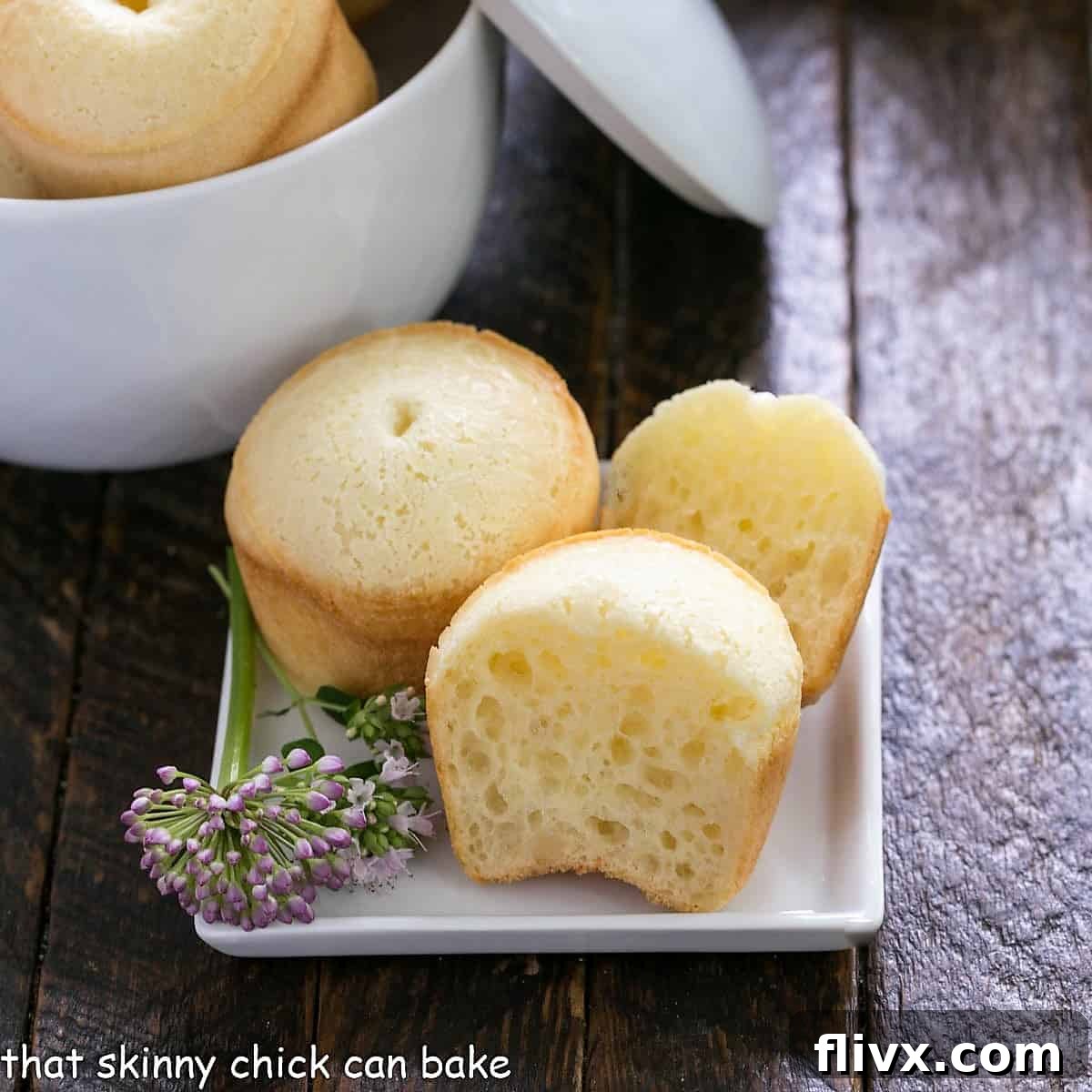
- Irresistibly Delicious Flavor and Texture: Pão de Queijo offers a singular experience—a slightly crispy exterior giving way to a soft, chewy, and incredibly cheesy interior. Its elastic texture, a hallmark of tapioca flour, is utterly addictive and unlike any other bread you’ve tasted. It’s a culinary delight that appeals to all ages and palates.
- Remarkably Easy to Make: Forget complex kneading or lengthy proofing times. This recipe is designed for ultimate convenience. Simply toss all the ingredients into a blender, blitz until smooth, and then pour the batter into a well-greased mini muffin tin (affiliate link). It’s so straightforward, even novice bakers can achieve perfect results every time.
- A Versatile Culinary Treat: Whether you’re looking for a quick breakfast item, a savory snack, an appetizer for guests, or a unique side dish to accompany your lunch or dinner, Pão de Queijo fits every occasion. It pairs wonderfully with coffee, soup, salads, or as a complement to your main entree.
- Naturally Gluten-Free: Made with tapioca flour, these cheese bread puffs are inherently gluten-free, making them an excellent option for individuals with gluten sensitivities or those following a gluten-free diet. You don’t have to compromise on taste or texture to enjoy a delicious, wholesome bread.
- Expand Your Culinary Horizons: Introducing Pão de Queijo into your repertoire is a fantastic way to explore the rich and diverse flavors of South American cuisine. It’s an authentic taste of Brazil that will impress your family and friends, offering a delightful departure from everyday bread options.
Essential Ingredients for Authentic Brazilian Cheese Bread
Crafting perfect Pão de Queijo begins with understanding the role of each ingredient. While simple, their quality and preparation make all the difference in achieving that signature fluffy, chewy, and cheesy perfection. Here’s a closer look at what you’ll need:
- Egg: I always recommend using a large egg. Crucially, ensure your egg is at room temperature. Cold eggs can cause the batter to seize slightly and won’t emulsify as smoothly with the other liquids, potentially leading to a less uniform texture. To quickly bring an egg to room temperature, you can let it sit in a bowl of warm (not hot!) tap water for about 10-15 minutes while you gather your other ingredients. This ensures it integrates seamlessly into the batter.
- Extra Virgin Olive Oil: This ingredient plays a vital role in contributing to the desirable elasticity and tenderness of the Pão de Queijo dough. It also imparts a subtle richness and flavor. While extra virgin olive oil is preferred for its taste, a neutral-flavored oil like canola or vegetable oil can be used in a pinch, though it might slightly alter the final flavor profile.
- Milk: I typically use 2% milk as it’s what we usually have on hand, and it yields excellent results. However, if you desire an even richer, more indulgent cheese bread, whole milk would be an outstanding choice. The fat content in the milk contributes to the moistness and tenderness of the Pão de Queijo. Like the egg, having your milk at room temperature can help ensure a smoother, more homogeneous batter.
- Tapioca Flour: This is the star of the show and irreplaceable for authentic Pão de Queijo. Also known interchangeably as Tapioca Starch, Manioc, or Cassava Flour, it’s derived from the cassava root, which is native to South America. Tapioca flour is naturally gluten-free and is responsible for the characteristic stretchy, chewy, and incredibly light texture of Brazilian cheese bread. Do not confuse it with pearl tapioca used for puddings; you need the fine, powdery flour.
- Grated Cheese: The beauty of Pão de Queijo lies in its cheesy core. I personally love a combination of Mozzarella and Parmesan for their distinct flavors and melting properties—Mozzarella for gooey stretch and Parmesan for sharp saltiness. However, this recipe is highly adaptable. Feel free to experiment with your favorite grated cheeses! Cheddar offers a sharp, tangy kick, while Swiss provides a nutty sweetness. A mixture of Monterey Jack and Colby could also create a wonderfully melty and flavorful bread. For a more traditional touch, if you can find it, a firm, salty white cheese reminiscent of Brazilian Minas cheese would be ideal.
- Salt: A fundamental flavor enhancer, salt is crucial for balancing the richness of the cheese and the subtle sweetness of the tapioca. Don’t be tempted to leave it out, as it brings all the flavors into harmony and elevates the overall taste profile of your Pão de Queijo. Table salt works perfectly here.
Mastering Brazilian Cheese Bread: Expert Tips for Success
While this Pão de Queijo recipe is incredibly simple, a few expert tips can elevate your baking experience and guarantee perfect results every time. Follow these guidelines to achieve the best possible texture and flavor:
- Sourcing the Right Tapioca Flour: Your first and most crucial step is to track down authentic Tapioca Flour (affiliate link), also labeled as tapioca starch or cassava flour. This is NOT the same as pearl tapioca, which is used for puddings and has a different consistency. Look for brands like Bob’s Red Mill, often found in the gluten-free or baking aisle of larger supermarkets or health food stores like Whole Foods. The success of Pão de Queijo hinges on this specific flour.
- Generous Greasing is Non-Negotiable: My biggest and most important tip is to generously grease your muffin tin. This step cannot be overstated! My first batch was a struggle to remove, leading to slightly smashed but still delicious cheese puffs. For optimal release, use a solid shortening like Crisco, ensuring every cavity is thoroughly coated. Alternatively, a baking spray specifically designed with flour can work, but for guaranteed non-stick results, shortening is often superior.
- Invest in a Quality Mini Muffin Tin: Complementing the generous greasing, using a relatively new, high-quality nonstick mini muffin tin will significantly improve your experience. Older, scratched pans are more prone to sticking, even with ample grease. The mini size is perfect for bite-sized Pão de Queijo, but you can use a standard muffin tin by adjusting baking time.
- PRO-Tip for Gluten-Free Serving: As Brazilian Cheese Bread is naturally gluten-free, it’s a fantastic option for those with dietary restrictions. If you are serving individuals who are strictly gluten-free, be mindful of your greasing agent. Avoid baking sprays that contain flour, as they will introduce gluten. Stick to pure shortening, oil, or a gluten-free baking spray.
- Make-Ahead Batter Convenience: This recipe is incredibly convenient for meal prep! The Pão de Queijo batter can be made ahead of time and stored overnight in the refrigerator. Keep it covered in the blender, and the spout will prove invaluable for easy, mess-free pouring directly into your prepared muffin tins the next day. This is perfect for busy mornings or entertaining.
- Optimal Enjoyment and Storage: Pão de Queijo is truly at its peak when eaten warm, fresh from the oven, offering the best texture and melt-in-your-mouth cheesiness. However, leftovers are still delicious! Store them in an airtight container at room temperature for a day or two, or in the refrigerator for up to a few days. They can be easily reheated in a 400-degree Fahrenheit oven for a few minutes to restore their warmth and some of their initial crispness.
- Customize Your Cheese Blend: While Mozzarella and Parmesan are a fantastic classic combination, feel free to get creative with your cheese choices! Cheddar or Swiss cheeses also work wonderfully and add different flavor dimensions. You can even incorporate a blend of three or four cheeses for a more complex taste. For an added layer of flavor, consider mixing in finely chopped fresh herbs like chives, parsley, or a touch of dried oregano into the batter.
- PRO-Tip: Longer Batter Storage: For even more convenience, the batter, when properly covered, can actually keep well in the refrigerator for up to a week. Before using, simply whisk it thoroughly to re-combine any separated ingredients and ensure a smooth consistency before pouring it into your prepared pan.
- Blender Method vs. Traditional: While more traditional Pão de Queijo recipes often involve forming individual dough balls by hand, the blender method outlined here makes the process significantly faster and easier. Using a muffin tin eliminates the need for shaping, allowing you to whip up these delightful Brazilian cheese puffs in record time without compromising on flavor or texture.
Frequently Asked Questions About Brazilian Cheese Bread (Pão de Queijo)
Brazilian Cheese Bread, or Pão de Queijo, is a beloved traditional Brazilian snack that hails from the state of Minas Gerais. Its history is deeply rooted in the 16th century when African slaves in Brazil, seeking alternatives to wheat flour, began using the starchy roots of the yucca (cassava) plant to create “bread-like” rolls or puffs. These early versions were primarily made from tapioca starch. It wasn’t until the late 1800s, with the increased availability of dairy products in the region, that local cheese and milk were incorporated, transforming these simple rolls into the iconic cheesy, chewy bread we know and love today.
The core ingredients for Pão de Queijo include tapioca flour (also known as tapioca starch, cassava flour, or manioc starch), eggs, milk, and cheese. Traditional recipes may also incorporate a small amount of fat like lard, oil, butter, or margarine to enhance the texture and richness. The beauty of Pão de Queijo is that it is naturally gluten-free, thanks to the tapioca flour base.
In Brazil, the most authentic Pão de Queijo typically uses a specific regional cheese from Minas Gerais, often a type of “queijo minas.” As this cheese can be difficult to find outside of Brazil, many American recipes successfully substitute readily available cheeses. Common choices include Parmesan cheese, a mixture of Parmesan and mozzarella for a balance of sharp flavor and gooey texture, or even Queso Fresco. Experimenting with different cheese blends like Cheddar, Monterey Jack, or Swiss can also yield delicious results.
Pão de Queijo is undeniably best enjoyed warm, straight from the oven, when its texture is at its peak. However, if you have leftovers, store them in an airtight container to maintain freshness. They can be kept at room temperature for up to two days, or in the refrigerator for up to five days. For longer storage, see the freezing question below.
Absolutely! Reheating Pão de Queijo is simple and highly recommended to revive its delicious texture. Just pop them into a preheated 400-degree Fahrenheit (200°C) oven for a few minutes (typically 3-5 minutes) until they are warm and slightly re-crisped on the outside. You can also use an air fryer for a similar effect.
Pão de Queijo is incredibly versatile! For breakfast, they are exquisite served with a cup of coffee, fresh fruit, butter, and your favorite jam. They also make a fantastic accompaniment to lunch or dinner, serving as a flavorful alternative to traditional bread alongside soups, salads, or your main entree. For a simple snack, they are perfect on their own, but can also be served with a variety of dips or spreads.
Yes, Pão de Queijo freezes wonderfully, both raw and baked!
To freeze raw batter: You can pour the batter into a muffin tin, freeze until solid, then pop out the frozen dough balls and store them in an airtight freezer bag for up to 2-3 months. Bake directly from frozen, adding a few extra minutes to the baking time.
To freeze baked Pão de Queijo: Allow the baked cheese bread to cool completely, then store them in an airtight freezer bag for up to 1-2 months. Reheat in a 400-degree Fahrenheit (200°C) oven directly from frozen until warmed through.
While a mini muffin tin is ideal for bite-sized portions, you can certainly use a standard-sized muffin tin. If using a standard tin, you’ll need to increase the baking time slightly, typically by 5-10 minutes, until they are golden brown and puffed. Alternatively, you can form the dough into small balls by hand (if the batter is thick enough, otherwise chill it) and bake them on a parchment-lined baking sheet, adjusting the baking time as needed.
Other Delicious Bread & Puff Recipes You’ll Love
If you’re a fan of the light, airy, and savory goodness of Pão de Queijo, you’re in for a treat with these other fantastic recipes. Expand your baking repertoire with these irresistible options:
- Spinach Puffs from Lil’ Luna: A delightful savory pastry, perfect for appetizers or a light snack.
- French Cheese Puffs (Gougères): Elegant and airy, these classic French cheese puffs are a sophisticated treat.
- Japanese Milk Bread: Known for its incredibly soft, fluffy texture, this bread is a comforting staple.
- Angel Biscuits: A magical hybrid of a biscuit and a roll, these are light, fluffy, and utterly delicious.
- Buttery Homemade Crescent Rolls: Flaky, rich, and perfect for any meal, these crescent rolls are a true classic.
- Explore more of the Best Quick Bread Recipes on our site for quick and easy baking inspiration.
Stay connected and share your culinary creations with us through social media! Follow us on Instagram, Facebook, and Pinterest. Don’t forget to tag me when you try one of my recipes! If you adore the results as much as we do, please consider giving it a 5-star rating in the recipe card below. Your feedback helps other home cooks discover these amazing dishes!
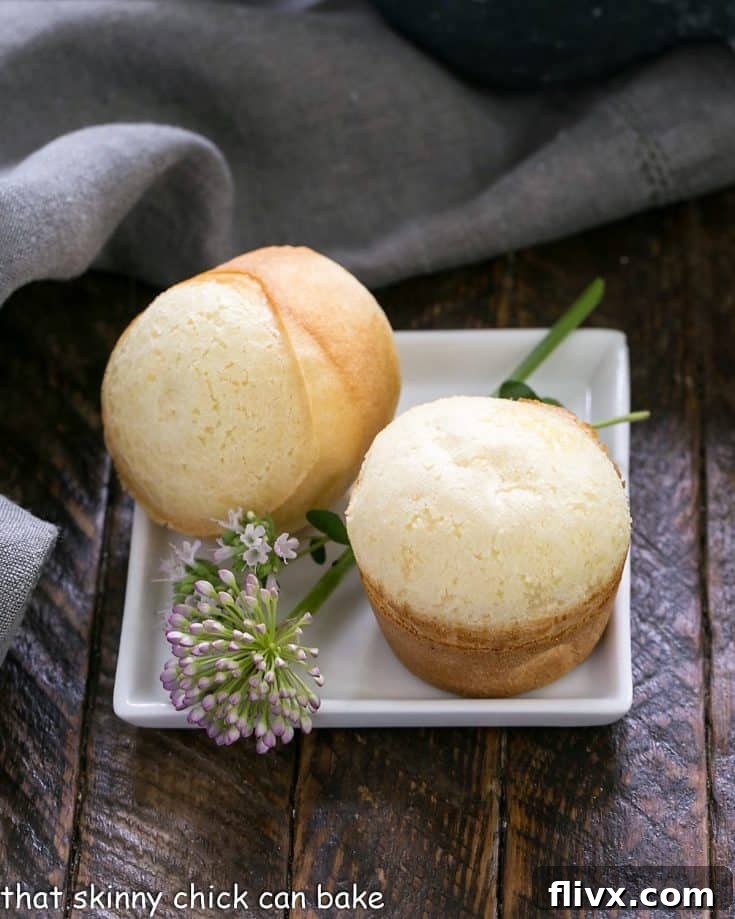
Brazilian Cheese Bread (Pão de Queijo)
20 minutes
20 minutes
5 minutes
45 minutes
12 Pão de Queijo (6 servings)
Light, airy, and cheesy bread puffs from Brazil! Made effortlessly in a blender, these naturally gluten-free Pão de Queijo are a quick, easy, and addictive snack or side dish.
Ingredients
- 1 large egg, at room temperature
- ⅓ cup extra virgin olive oil
- ⅓ cup milk, at room temperature (whole milk for richer results)
- 1 ½ cups tapioca flour (tapioca starch / cassava flour)
- ½ cup grated Parmesan cheese
- ¼ cup grated Cheddar cheese (or your favorite blend)
- 1 teaspoon salt
Instructions
- Thoroughly grease a mini muffin tin well with shortening (like Crisco) or a good non-stick baking spray. Set aside. This step is crucial for easy removal!
- Preheat your oven to 400°F (200°C).
- Place all the listed ingredients into a blender. Process on high speed until the mixture is completely smooth and well combined. You may need to stop and scrape down the sides of the blender with a spatula a few times to ensure everything is incorporated.
- Carefully pour the smooth batter into each cavity of your prepared mini muffin tin. Fill each cup, leaving at least 1/8-inch of space at the top to allow the Pão de Queijo to puff up during baking.
- Bake in the preheated oven for 15-20 minutes, or until the cheese breads are beautifully puffed, golden brown, and slightly crispy on the outside.
- Once baked, let the Pão de Queijo cool on a cooling rack in the pan for just 1-2 minutes. This brief cooling period helps them set slightly. Then, carefully remove them from the pan and transfer them to the cooling rack. If you wait too long, they may stick to the pan.
- Serve immediately and enjoy warm for the best taste and texture!
Notes
Feel free to experiment with your favorite grated cheeses or a blend to customize the flavor of these delicious cheese bread puffs. For an extra touch, finely chopped chives or parsley can be added to the batter.
Recommended Products for Pão de Queijo
As an Amazon Associate and member of other affiliate programs, I earn from qualifying purchases.
- High-Heat Silicone Spatulas
- Non-Stick Mini Muffin Pan
- KitchenAid High-Performance Blender
Nutrition Information:
Yield:
6 Servings (12 Pão de Queijo)
Serving Size:
2 cheese puffs
Amount Per Serving:
Calories: 285Total Fat: 17gSaturated Fat: 4gTrans Fat: 0gUnsaturated Fat: 12gCholesterol: 44mgSodium: 552mgCarbohydrates: 29gFiber: 0gSugar: 2gProtein: 5g
Thatskinnychickcanbake.com occasionally offers nutritional information for recipes contained on this site. This information is provided as a courtesy and is an estimate only. This information comes from online calculators. Although thatskinnychickcanbake.com attempts to provide accurate nutritional information, these figures are only estimates.
Varying factors such as product types or brands purchased can change the nutritional information in any given recipe. Also, many recipes on thatskinnychickcanbake.com recommend toppings, which may or may not be listed as optional and nutritional information for these added toppings is not listed. Other factors may change the nutritional information such as when the salt amount is listed “to taste,” it is not calculated into the recipe as the amount will vary. Also, different online calculators can provide different results.
To obtain the most accurate representation of the nutritional information in any given recipe, you should calculate the nutritional information with the actual ingredients used in your recipe. You are solely responsible for ensuring that any nutritional information obtained is accurate.
HOW MUCH DID YOU LOVE THIS RECIPE?
Please leave a comment on the blog or share a photo on Pinterest