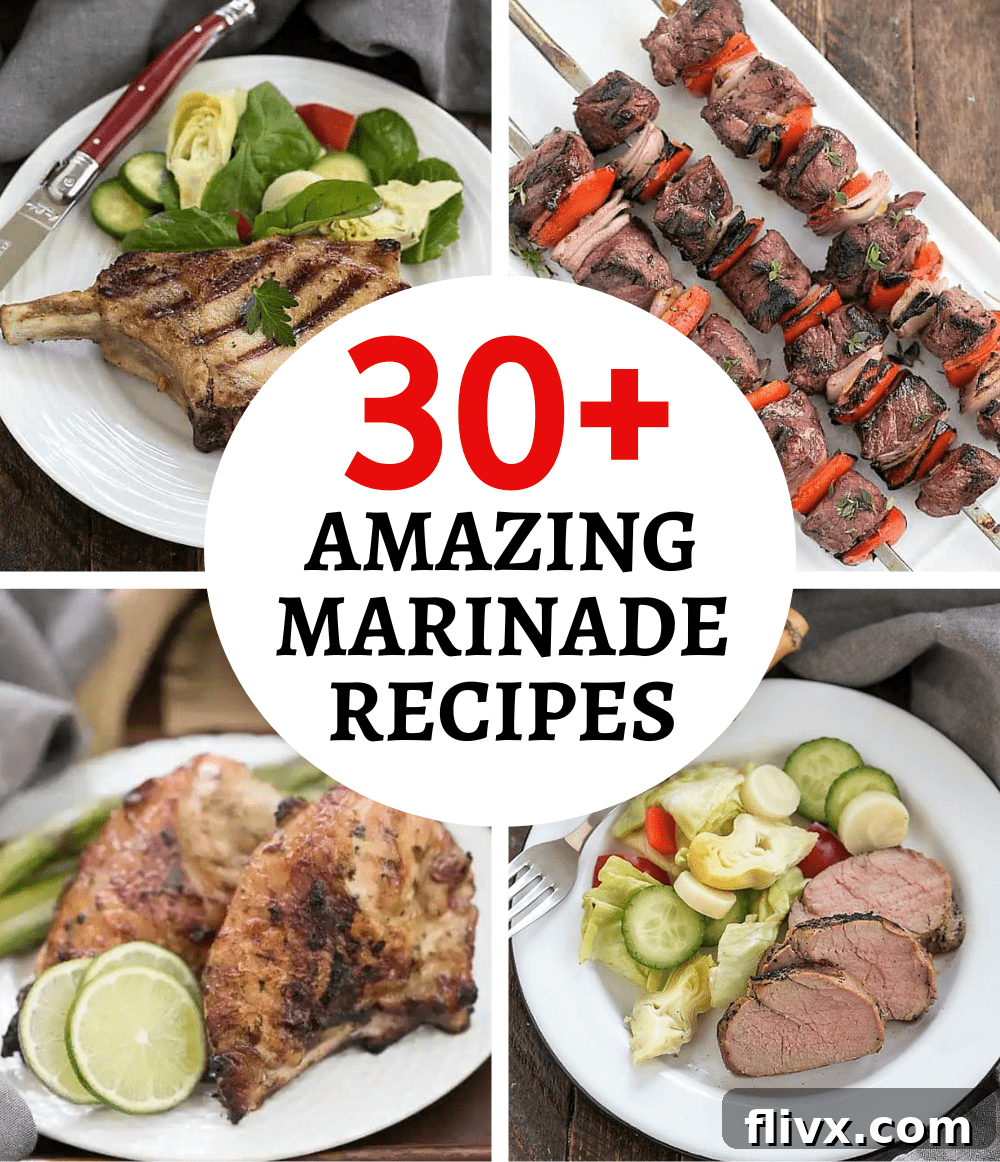
Elevate Your Grilling Game: The Ultimate Guide to Delicious Marinade Recipes
Welcome to the definitive collection of the Best Marinade Recipes for Grilling! Marinades are truly culinary magic, transforming ordinary cuts of meat, poultry, seafood, and even vegetables into extraordinary culinary experiences. They are the secret weapon of every grill master, imparting deep, cell-level flavors and ensuring a moist, tender texture that delights the palate. When combined with the irresistible charred essence from a charcoal or gas grill, these marinades promise a simple yet profound way to achieve a succulent, flavorful entree every time.
Whether you’re a seasoned griller or just starting your journey, understanding the power of a well-crafted marinade is essential. Some marinades are specifically designed to complement certain types of protein, while others, like the versatile teriyaki, prove to be universally fantastic with everything from robust beef to delicate seafood, tender chicken, and more. Within this comprehensive guide, you’ll discover a diverse range of recipes tailored for various categories of ingredients. Beyond the recipes, we’ll delve into expert marinating tips, including optimal marinating durations for different foods and a selection of helpful tools to make your grilling endeavors smoother and more successful. Get ready to unlock a world of flavor and tenderness that will make your next barbecue truly unforgettable!
Why Marinades Are a Must-Try for Every Griller
Marinades offer a multitude of benefits that elevate your grilled dishes from good to absolutely outstanding. If you’ve never fully embraced the art of marinating, here’s why you should start today:
- Effortless Flavor Infusion: Most marinades are crafted from readily available pantry staples, making them incredibly simple and quick to prepare. A few minutes of whisking can lead to hours of flavor development.
- Unleash Culinary Creativity: The world of marinades is vast and adaptable. You have endless opportunities to customize and tweak recipes by experimenting with different spices, herbs, aromatic vegetables (like garlic and ginger), and various acidic ingredients. This versatility allows you to cater to any taste preference or dietary need.
- Guaranteed Moisture and Tenderness: This is arguably one of the most significant advantages. Marinades penetrate the meat’s fibers, helping to break them down and lock in moisture. The result is consistently juicy, tender meat that resists drying out on the high heat of the grill.
- Enhanced Texture and Juiciness: Beyond just tenderizing, marinades contribute to a more pleasant mouthfeel. The combination of oil and acid helps create a barrier that keeps natural juices within the protein, leading to a truly succulent bite.
- Potential for Better Browning: The sugars and oils in many marinades caramelize beautifully on the grill, creating that desirable charred, crusty exterior that adds another layer of flavor and texture.
- Reduced Charring: Some studies suggest that certain marinades can help reduce the formation of potentially harmful compounds that occur when meat is charred directly over high heat. While not a primary function, it’s an added bonus for health-conscious grillers.
Mastering the Art of Marinating: Essential Expert Tips
To ensure your marinated meats, seafood, and vegetables reach their full potential, keep these professional tips in mind:
- The Power of Acid: Always incorporate an acidic ingredient into your marinade. Acids are crucial for tenderizing meat, fish, or poultry by breaking down tough muscle fibers and connective tissues. Excellent examples include citrus juices (lemon, lime, orange), various vinegars (red wine, balsamic, apple cider), yogurt, buttermilk, and even wine. However, moderation is key – too much acid, or marinating for too long, can result in a mushy texture.
- PRO-Tip on Quantity: A good rule of thumb is to use approximately ½ cup of marinade for every pound of meat. This ensures adequate coverage and flavor penetration without excessive liquid.
- Choose Non-Reactive Containers: Always marinate your food in non-reactive materials. Glass casserole dishes (like Pyrex), ceramic dishes, and heavy-duty, food-grade plastic bags (such as Ziploc freezer bags) are ideal. Avoid metal or foil containers, as the acid in the marinade can react with the metal, potentially imparting an off-flavor or even causing discoloration.
- Even Exposure is Key: To guarantee that all surfaces of your food are equally exposed to the marinade, turn the meat at least once during the marinating process. If using a Ziploc bag, simply flip and massage it periodically to redistribute the marinade.
- Mind the Salt: Be cautious with the amount of salt in your marinade. While salt can enhance flavor, oversalted marinades can draw moisture out of the meat through osmosis, making it dry and tough instead of juicy. Remember those high school biology lessons! It’s often better to add a lighter amount of salt to the marinade and then season to taste after grilling.
- PRO-Tip on Marinating Duration: Resist the urge to marinate too long, especially with highly acidic marinades or delicate proteins. Prolonged exposure to acidic ingredients will excessively break down proteins, leading to an undesirable mushy texture. The goal is to tenderize and flavor, not to disintegrate. Likewise, avoid freezing raw meat directly in a marinade; it’s best to marinate thawed meat.
- Safety First: Always marinate food in the refrigerator to prevent bacterial growth and ensure food safety. Never leave marinating food at room temperature for extended periods.
Exceptional Beef Marinades for Grilling
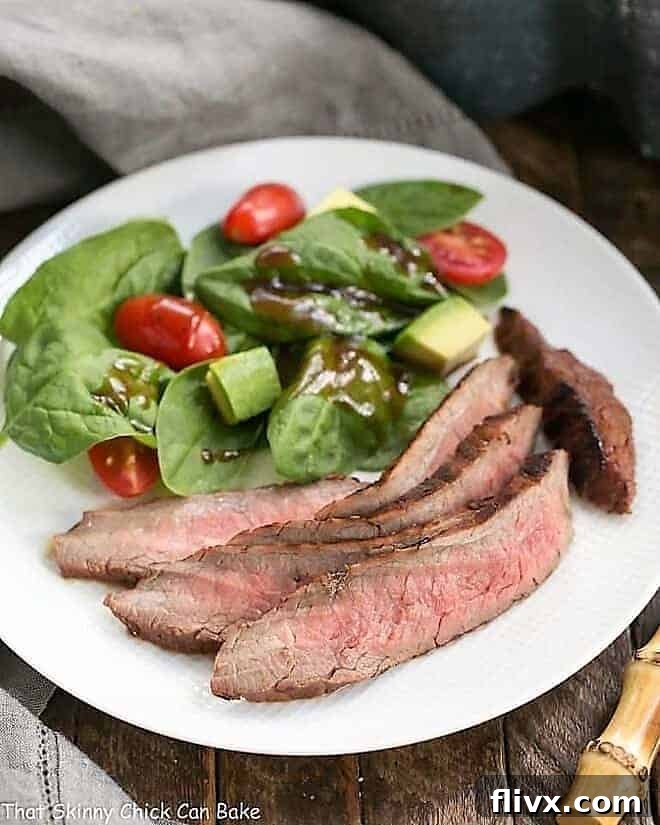
Beef, with its robust flavor and varied cuts, truly shines when given the marinade treatment. Marinades for beef often feature bolder flavors that complement its richness, creating an incredibly tender and flavorful outcome. For optimal results, beef can typically be marinated for 3 to 24 hours. The specific cut of beef (flank, skirt, sirloin, ribeye) can influence how well it absorbs flavor and tenderizes, with thinner cuts benefiting most from marinades.
When grilling beef, precise internal temperatures are key to achieving your desired doneness and ensuring food safety. Here are the recommended internal temperatures:
- Rare: 125°F
- Medium-Rare: 130-135°F
- Medium: 135-140°F
- Medium-Well: 140-150°F
- Well Done: 155°F (though often not recommended for steak to preserve tenderness and juiciness)
For ground beef, due to a higher risk of E. coli, it is safest when cooked to an internal temperature of 160°F.
Top Beef Marinade Recipes:
- Soy, Orange Juice, and Red Wine Marinade: A sophisticated blend perfect for tenderizing and flavoring various beef cuts.
- Easy Grilled Flank Steak: Simple yet incredibly flavorful, this marinade enhances the natural richness of flank steak.
- Beef Teriyaki Kabobs: Sweet and savory teriyaki works wonders, especially for delicious kabobs.
- Korean Grilled Flank Steak: Experience the vibrant flavors of gochujang, soy, and sesame for an authentic taste.
- Grilled Korean Beef Steaks: Another fantastic Korean-inspired option, ideal for grilling individual steaks.
- Flank Steak Fajitas: Zesty and spiced, this marinade prepares your flank steak perfectly for sizzling fajitas.
- Grilled Beef Shish Kebobs: A classic choice for skewered beef, often featuring a Mediterranean-inspired marinade.
- Best Steak Marinade from Healthy Delicious: A go-to recipe for perfectly flavored steak every time.
- 5 Easy Steak Marinades from Gimme Some Oven: A collection offering diverse flavor profiles for any occasion.
- Plus, check out this post on How to Make the Ultimate Steak Charcuterie Board from Our Tiny Nest, for creative serving ideas after grilling your marinated masterpiece.
Our Favorite Chicken Marinades for Juiciness and Flavor
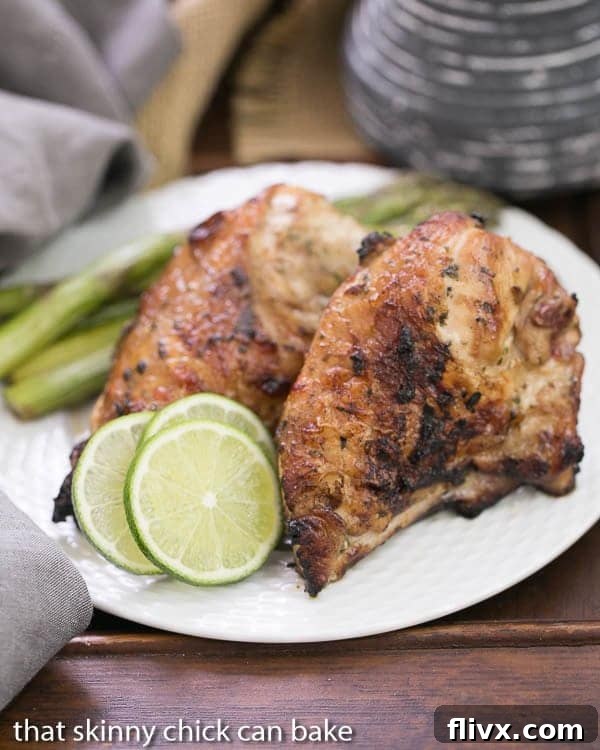
Chicken, being a leaner protein, benefits immensely from marinades which help keep it moist and infuse it with exciting flavors. Its mild taste makes it a blank canvas for a wide array of marinades, from bright and zesty to rich and savory. Chicken can be marinated for 3 to 12 hours, depending on the cut and the marinade’s acidity. While white meat like chicken breast can dry out quickly, a good marinade ensures it stays juicy. Dark meat, such as thighs, is more forgiving but still benefits from tenderization and flavor.
Always cook chicken to the correct internal temperatures to ensure it’s safe and delicious:
- Chicken Breasts: 165°F
- Chicken Thighs: 165-175°F (the higher end can offer a more tender texture for dark meat)
- Chicken Burgers: 170°F
Similar to ground beef, ground chicken (or other ground poultry) should be cooked to a higher temperature of 170°F. This is because the grinding process can spread bacteria (most commonly Salmonella) that would ordinarily only be found on the surface of the meat throughout the minced product.
Irresistible Chicken Marinade Recipes:
- Thai Chicken Marinade: A flavorful blend of coconut milk, fish sauce, lime, and cilantro for an exotic taste.
- Honey Glazed Chicken Kebobs: Sweet and sticky, perfect for creating beautifully caramelized kabobs.
- Feta Chicken Kabobs: A Mediterranean-inspired marinade that pairs wonderfully with chunks of feta cheese.
- Mustard Garlic Lime Marinated Chicken: A zesty and pungent marinade that adds incredible depth to chicken breasts.
- Lemon Herb Grilled Chicken Marinade from Tidy Mom: Fresh herbs and bright lemon make this a perennial favorite.
- Mexican Chicken Marinade from Little Sunny Kitchen: Infused with bold spices for a fiesta of flavors, ideal for tacos or fajitas.
- Best Chicken Marinade from Mom on Timeout: A highly rated, versatile marinade for any chicken dish.
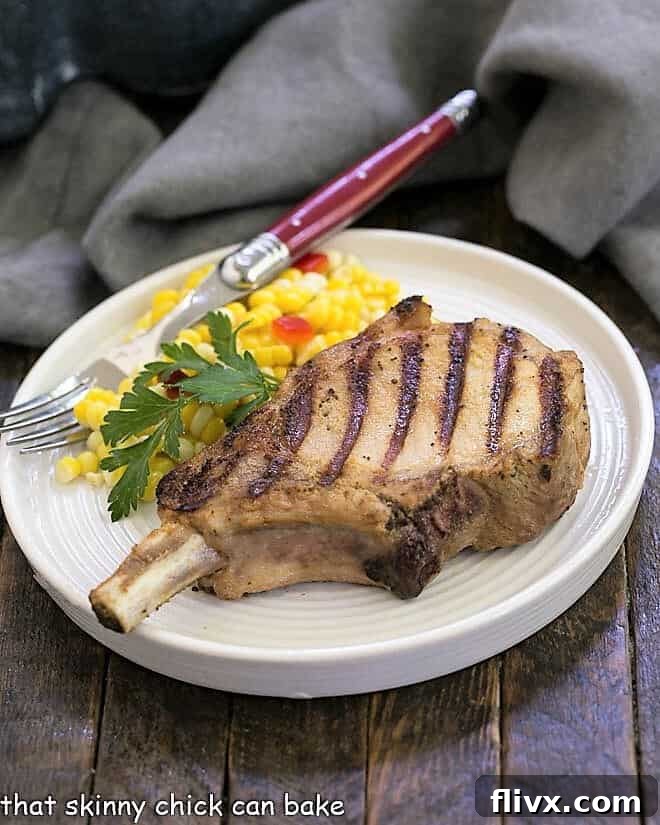
The Best Pork Marinades for Grilling Perfection
Pork, known for its mild flavor and versatility, truly benefits from marinades that can enhance its natural sweetness and tenderness. From lean tenderloins to juicy chops, a good marinade can prevent drying out and introduce delightful flavor profiles. Pork can be marinated for 3 to 12 hours, with leaner cuts like tenderloin requiring less time than thicker chops.
Achieving the right internal temperature for pork is vital for both safety and enjoyment:
- Pork for Medium-Rare: 145°F (with a 3-minute rest, this is often preferred for chops and tenderloins for maximum juiciness)
- Pork for Medium: 150°F
- Pork for Well Done: 160°F
- Pork Burgers: 160°F (due to the grinding process, ensuring all bacteria are eliminated)
Delectable Pork Marinade Recipes:
- The Best Pork Marinade: A versatile and highly effective marinade that works well for chops, tenderloin, and ribs.
- Easy Pork Tenderloin Marinade: Designed to infuse the lean tenderloin with maximum flavor and maintain juiciness.
- Whiskey Marinated Pork Tenderloin: Adds a smoky, slightly sweet, and sophisticated depth of flavor.
- Maple Grilled Pork Tenderloin: A fantastic sweet and savory combination that caramelizes beautifully on the grill.
- Grilled Pork Chop Marinade: A bright and savory marinade that guarantees tender and flavorful pork chops.
- Easy Pork Chop Marinade from Easy Budget Recipes: A simple, flavorful solution for everyday grilling.
- Easy Pork Tenderloin Marinade from Spend with Pennies: Another excellent option for perfectly seasoned pork tenderloin.
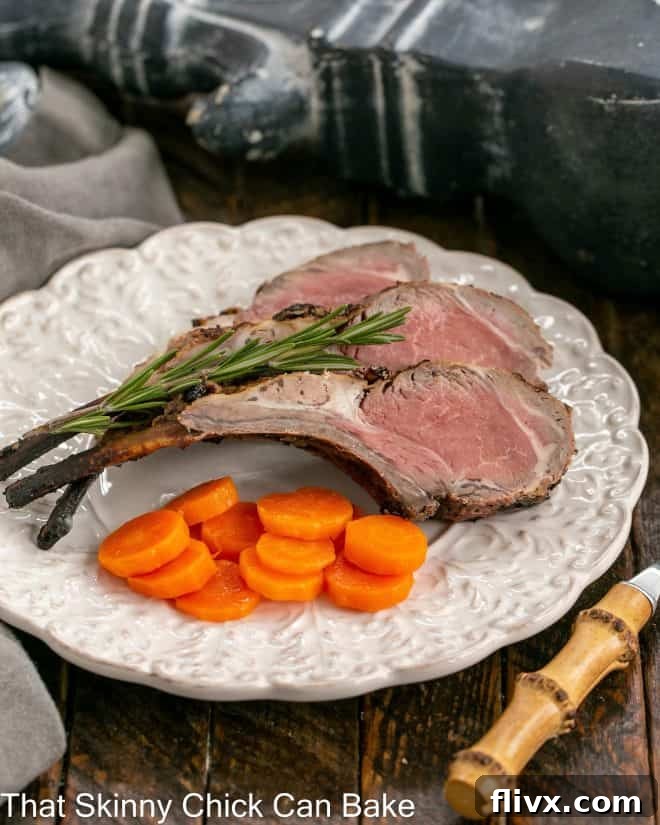
Delicate Delights: Lamb, Seafood, and Vegetable Marinades
While beef, chicken, and pork are grilling staples, marinades are equally transformative for lamb, various seafoods, and an array of vegetables. Due to their more delicate nature, these ingredients often require shorter marinating times to prevent the acid from breaking them down too much. The right marinade can enhance their unique flavors and ensure they cook up perfectly moist and tender.
Lamb: Marinating times and doneness temperatures for lamb are generally the same as for beef, as lamb also benefits from tenderization and robust flavor pairings. Aim for 3-24 hours marinating time.
Seafood and Shellfish: Given their delicate proteins, seafood and shellfish require much shorter marinating periods. Shellfish (like shrimp, scallops) can typically be marinated for a quick 15 minutes, while other fish (like salmon, cod) can be marinated from 15-30 minutes. Any longer risks “cooking” the fish with acid, leading to a mealy texture.
Vegetables: Vegetables absorb flavors quickly and can be marinated for up to 30 minutes, or even a few hours for firmer vegetables like potatoes or carrots. A good vegetable marinade adds zest and helps them soften slightly for better grilling.
Flavorful Recipes for Lamb, Seafood & Vegetables:
- Grilled Lamb Chops with Mustard, Rosemary, and Garlic: A classic and aromatic combination that perfectly complements lamb’s rich flavor.
- Greek Lamb Kabobs: Infused with Mediterranean herbs, lemon, and garlic for authentic Greek flavor.
- Cedar Plank Salmon: While the plank imparts flavor, a simple marinade can enhance the salmon’s natural richness.
- Easy Glazed Salmon: A quick and flavorful glaze that keeps salmon moist and delicious.
- Grilled Shrimp Scampi: A zesty, garlic-butter marinade that’s perfect for quick-cooking shrimp on the grill.
- Prosciutto Wrapped Shrimp: A savory and appealing option where the marinade plays a supporting role to the salty prosciutto.
- Grilled Margarita Shrimp: Tequila, lime, and a hint of sweetness create a festive and irresistible flavor.
- Rosemary Prosciutto Shrimp: An aromatic and savory pairing that brings out the best in shrimp.
- Marinated Vegetable Salad (not grilled): While this particular recipe is for a cold salad, the principles of vegetable marinating apply to grilling.
- Easy Baked Shrimp from Living Locurto: A simple marinade for shrimp that transitions beautifully to the grill.
- Marinated Grilled Squash from More than Meat and Potatoes: Learn how to infuse summer squash with delicious flavors before grilling.
- Grilled Vegetables from What a Girl Eats: A versatile recipe for marinating various vegetables for grilling.
Frequently Asked Questions About Marinades
The foundational trinity of any effective marinade consists of an acid, an oil, and a blend of flavorings. The acidic component is vital for tenderization, with common choices including citrus juices (lemon, lime, orange), various vinegars (balsamic, red wine, apple cider), dairy products like yogurt or buttermilk, and even wine. The oil acts as a carrier for fat-soluble flavors and helps retain moisture. Flavorings, which are highly customizable, include herbs, spices, garlic, onion, ginger, and sweeteners.
Making a marinade is refreshingly simple. In most cases, it involves merely whisking together all the liquid and dry ingredients in a bowl until well combined. For a thicker, more emulsified marinade that clings better to the food, your blender can be a great tool. If you slowly drizzle in the oil while the blender processes the other ingredients, you can create an emulsion, similar to how mayonnaise is made. This thicker consistency ensures maximum coverage and flavor transfer to your meat or vegetables.
Absolutely, yes! For crucial food safety reasons and to prevent the growth of harmful bacteria, all marinating must be done in the refrigerator. Never marinate at room temperature for more than a few minutes. Additionally, a critical safety tip: never reuse marinade that has been in contact with raw meat, as it will contain raw meat juices and any surface bacteria. If you plan to use some of the marinade as a sauce, separate a portion before adding it to the raw food, or boil any used marinade vigorously for several minutes before serving.
The “best” oil often comes down to personal preference and the desired flavor profile. I typically use olive oil for its rich flavor and potential health benefits, but neutral vegetable oils like canola, sunflower, or grapeseed oil also work exceptionally well as they don’t overpower the other flavors. Some culinary research suggests that the monoglycerides and diglycerides found in olive oil might actually assist marinades in penetrating foods faster, making it an excellent choice for flavor infusion.
The ideal marinating time is highly dependent on the type of food you are preparing. More delicate proteins such as fish and shellfish require significantly less time (15-30 minutes) compared to tougher cuts of beef or lamb (up to 24 hours). The acid or enzymes present in the marinade work to break down the surface texture, allowing flavors to penetrate more easily and tenderizing the food. Over-marinating, especially with strong acids, can lead to a mushy texture. The recommended marinating times for different categories of food are conveniently listed above under each respective section.
You can, but with a crucial caveat for safety. If the marinade has come into contact with raw meat, it must be brought to a rolling boil for at least 5 minutes to kill any bacteria before it can be used as a basting sauce during cooking or as a finishing sauce. Alternatively, set aside a portion of fresh, unused marinade before adding it to your raw ingredients; this reserved portion can then be used safely without boiling.
For most grilling applications, yes, it is beneficial to lightly pat the marinated meat dry with paper towels before placing it on the grill. Removing excess surface moisture allows the meat to develop a better sear and a more desirable crust (the Maillard reaction). If the surface is too wet, the meat will steam rather than sear, hindering the development of those appealing char marks and rich flavors.
Essential Helpful Tools for Marinating and Grilling Success
Having the right equipment can make your marinating and grilling process much smoother and more enjoyable. Here are some indispensable tools:
- Grilling Tongs: Long-handled tongs are essential for safely turning and moving food on a hot grill, keeping your hands away from the heat.
- Wusthof 4-Piece BBQ Chef’s Tool Set: A high-quality set of grilling tools can make a significant difference in precision and ease of handling.
- Metal Skewers: Reusable metal skewers are perfect for preparing delicious kabobs with marinated meats and vegetables, offering even cooking.
- Whisk: A good whisk is indispensable for thoroughly blending marinade ingredients, ensuring they are evenly combined. Alternatively, a blender works wonderfully to emulsify marinades for a thicker, more clinging consistency.
- Non-reactive Mixing Bowls: Essential for preparing marinades, as the acidic components can react negatively with metal bowls, affecting flavor and potentially leaching undesirable elements.
- Pyrex Dishes: These durable glass dishes are perfect for marinating various foods safely in the refrigerator, offering a non-reactive and easy-to-clean solution.
- Freezer Quality Gallon Ziploc Bags: My personal go-to for marinating. The heavy-duty freezer bags are extra durable, ensuring no leaks, though regular gallon Ziplocs also work efficiently for convenient, mess-free marinating.
- Instant Read Thermometer: An absolute must for grilling. This tool allows for quick and accurate monitoring of internal food temperatures, ensuring perfectly cooked and safe results every time.
- Sauce Pot and Basting Brush: Ideal for heating up any reserved marinade (after boiling!) or applying fresh glazes to your food while it cooks on the grill.
- Charcoal Grill Chimney Starter: For charcoal grillers, a chimney starter is invaluable for lighting briquettes quickly and evenly without the need for lighter fluid.
- Original Weber Charcoal Grill: A classic and reliable choice for authentic charcoal flavor, offering consistent results for all your grilling adventures.
Stay connected with us and share your grilling triumphs through social media! Find us on Instagram, Facebook, and Pinterest. Don’t forget to tag us when you try one of our delicious recipes! And if you love the results, please consider giving it a 5-star rating in the recipe card – your feedback helps other home cooks discover these fantastic flavors!