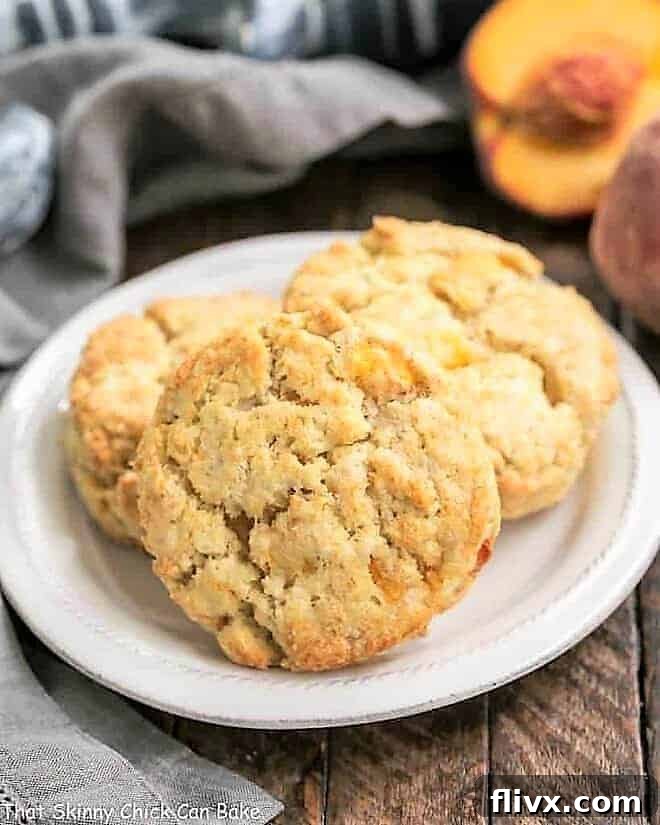
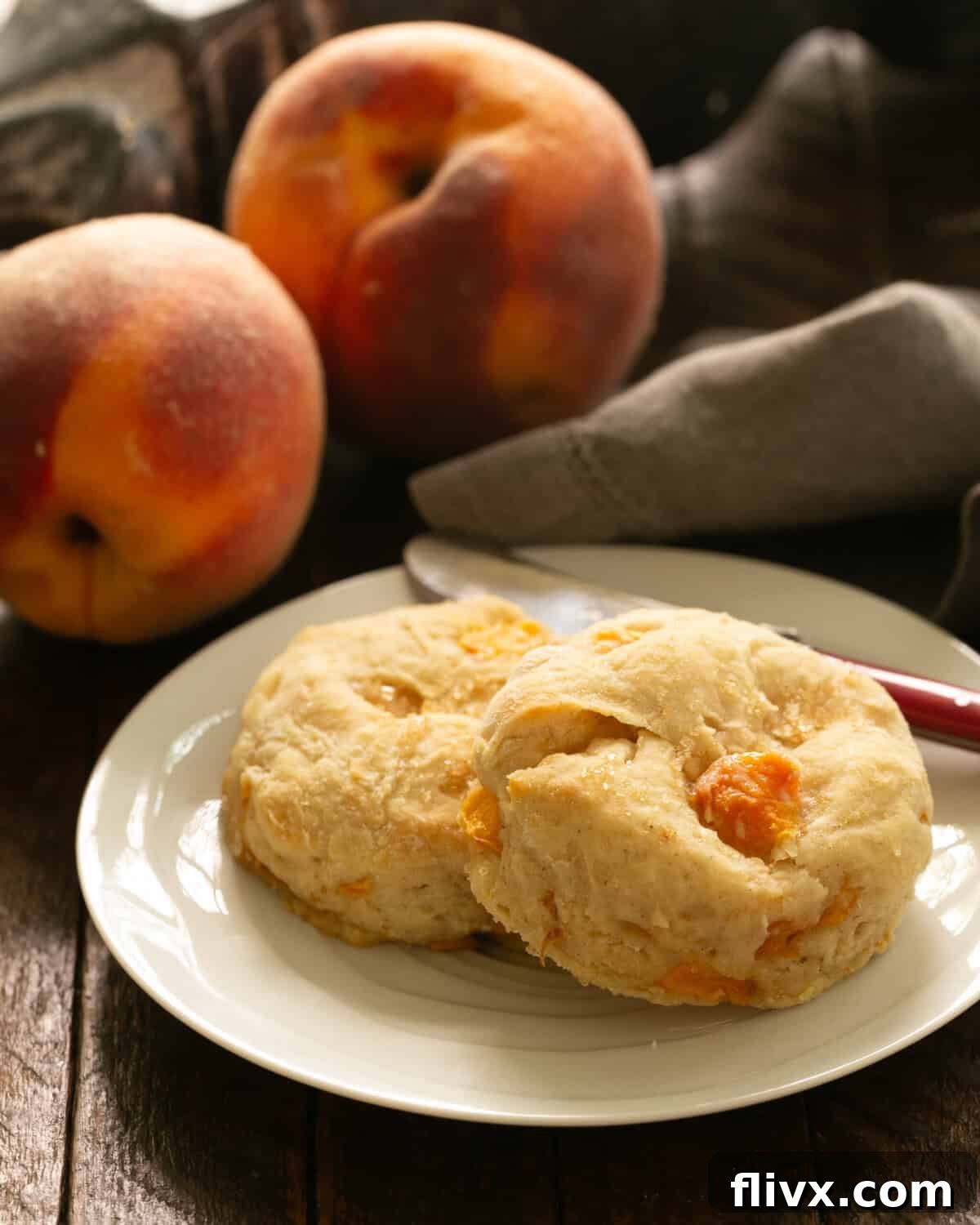
If you’re looking for a delightful summer treat that’s both elegant and incredibly easy to make, these Brown Butter Peach Scones are an absolute must-try. Imagine moist, tender, and flaky scones bursting with the sweet, juicy flavor of ripe peaches, all elevated by the rich, nutty aroma of brown butter. They are truly irresistible and come together much faster than you might expect, making them perfect for a spontaneous weekend brunch or a special breakfast gathering.
Cream scones are renowned for their light texture and simple preparation, making them an ideal choice for entertaining guests, especially during the warmer months. With these tender brown butter peach scones on your menu, you’ll effortlessly earn the reputation of a superb host or hostess. Their exquisite flavor and charming presentation will leave a lasting impression on anyone lucky enough to try them.
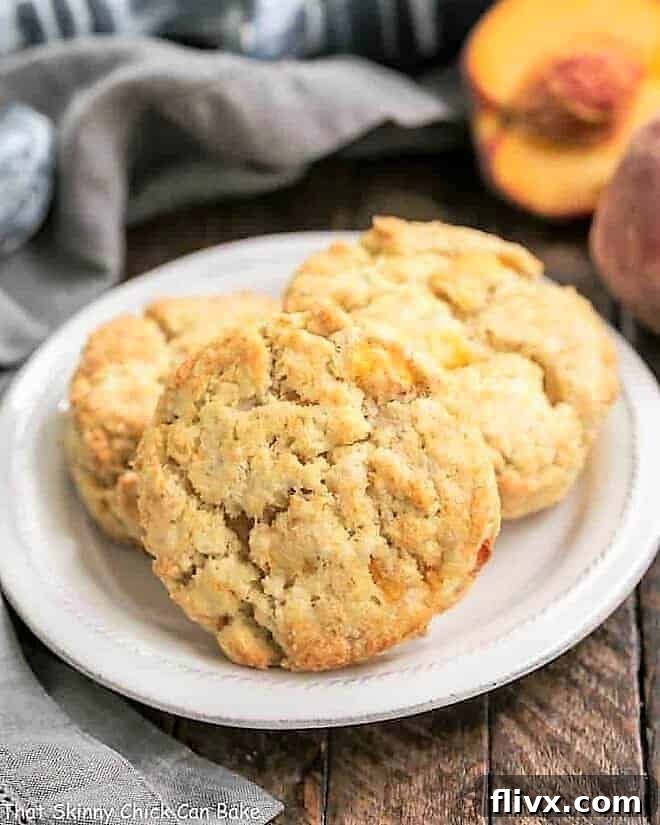
Why These Brown Butter Peach Scones Are a Must-Bake
There are countless reasons to fall in love with this brown butter peach scone recipe. Beyond their undeniable deliciousness, they offer a unique combination of flavors and textures that set them apart:
- Bursting with Fresh Peach Flavor: Each bite is chock-full of sensational, ripe peach chunks. The natural sweetness and soft texture of fresh peaches are essential, providing a vibrant, summery taste that truly shines through in these scones. Using perfectly ripe peaches ensures a natural sweetness that complements the rich scone base beautifully.
- The Irresistible Depth of Brown Butter: The secret ingredient here is brown butter, also known as beurre noisette. This simple technique transforms regular butter into a golden, nutty, and incredibly fragrant ingredient that adds an unparalleled layer of complex flavor to the scones. While it’s an extra step, the minimal effort is profoundly rewarded in the depth and richness it brings, making these scones far from ordinary.
- Guaranteed Rave Reviews: These scones consistently receive enthusiastic praise from everyone who tries them. I’ve had friends, including a self-proclaimed anglophile (a true connoisseur of scones!), ask for seconds and even thirds. Their marvelously tender crumb and exquisite flavor profile are sure to impress your guests and become a requested favorite in your baking repertoire.
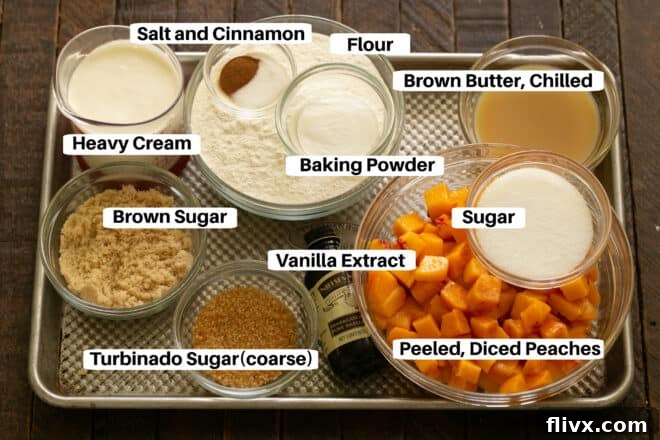
Ingredient Notes for Perfect Scones
Crafting the perfect scone begins with understanding your ingredients. Here’s a closer look at what you’ll need and why each component is crucial for achieving that ideal tender, flaky texture and rich flavor:
- Kitchen Staples: You’ll need all-purpose flour for structure, baking powder for lift, granulated sugar for sweetness and browning, brown sugar for added moisture and a subtle molasses note, ground cinnamon to complement the peaches, and a pinch of salt to balance the flavors. Ensure your flour is fresh and your baking powder is active for the best rise.
- Heavy Cream (Heavy Whipping Cream): This is vital for tender scones. Heavy cream, typically containing 36-40% milk fat, contributes to the richness and moisture without adding too much liquid. The high fat content helps create a delicate crumb and a rich flavor. Always use cold heavy cream, as cold ingredients are key to tender scones.
- Baking Powder: This leavening agent requires liquid to activate and create the carbon dioxide bubbles that make scones rise. It’s crucial to distinguish it from baking soda, as they are not interchangeable in this recipe. Baking powder has a shorter shelf life than baking soda, so always check the expiration date on the tin. To test its freshness, mix a spoonful with a few tablespoons of hot water; it should bubble vigorously if active. Replace it if it doesn’t, to avoid flat, dense scones.
- Fresh Peaches: The star of the show! It’s absolutely essential to use sweet, ripe fresh peaches. Unripe or bland peaches will result in scones that lack the vibrant, summery taste you’re aiming for. Choose peaches that yield slightly to gentle pressure and have a fragrant aroma. Patting diced peach pieces dry with paper towels is important to remove any excess moisture that could make the dough too wet.
- Turbinado Sugar: This coarse, raw sugar is perfect for sprinkling on top of the scones before baking. It creates a beautiful sparkle and a delightful crunchy texture on the crust. If you don’t have turbinado sugar, regular granulated sugar can be used as an alternative, though it won’t provide the same textural contrast.
- Real Vanilla Extract: A good quality vanilla extract enhances all the other flavors. I personally recommend brands like Nielsen-Massey for their superior quality and rich, authentic vanilla essence. Avoid imitation vanilla for the best results, as its artificial flavor can detract from the natural sweetness of the peaches and the depth of the brown butter.
How to Make Brown Butter for Irresistible Flavor
Brown butter, or beurre noisette (French for “hazelnut butter”), is a simple yet transformative ingredient that adds an incredible depth of nutty, toasted flavor to baked goods. It’s surprisingly easy to make and takes minimal time, typically no more than 5-7 minutes. The process involves cooking butter on the stovetop until the milk solids separate, toast, and turn a beautiful golden-brown color, releasing a distinctly nutty aroma.
To make brown butter, it’s best to use unsalted butter so you can control the salt content in your recipe. Melt the butter in a light-colored saucepan (this helps you monitor the color changes) over medium heat. It will first melt, then foam, and eventually, tiny brown bits will start to form at the bottom of the pan. Swirl occasionally. Keep a close eye on it, as it can go from perfectly browned to burned very quickly. Once it achieves a rich, amber color and smells nutty, immediately remove it from the heat and pour it into a heatproof bowl to stop the cooking process. Allow it to cool completely, then refrigerate until it solidifies. This cold, solid brown butter is what you’ll incorporate into your scone dough. For a more detailed visual guide, you can check out tips on How to Make Brown Butter.
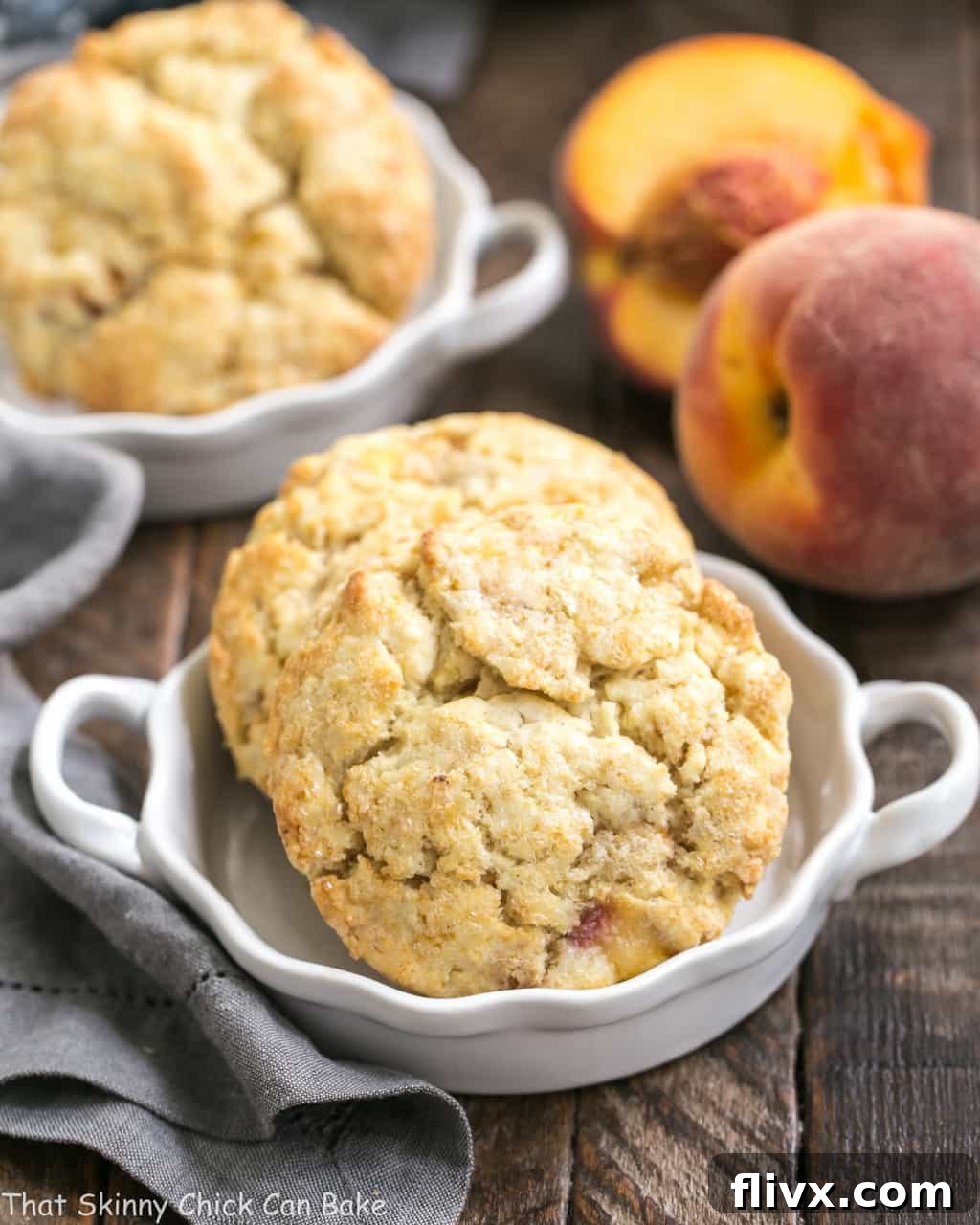
How to Make Brown Butter Peach Scones: Step-by-Step Guide
Creating these delightful brown butter peach scones is a straightforward process, especially with the right techniques. Follow these steps for tender, flavorful results:
Tips for Making Perfect Scones Every Time
Achieving light, flaky, and tender scones requires a few key techniques. Keep these tips in mind to ensure your brown butter peach scones turn out perfectly:
- Keep Ingredients Cold: This is arguably the most important rule for scone making. Ensure your heavy cream and especially your brown butter are thoroughly chilled. Cold butter creates pockets of steam in the dough during baking, resulting in those desirable flaky layers. If your kitchen is warm, you can even chill your mixing bowl and pastry blender beforehand.
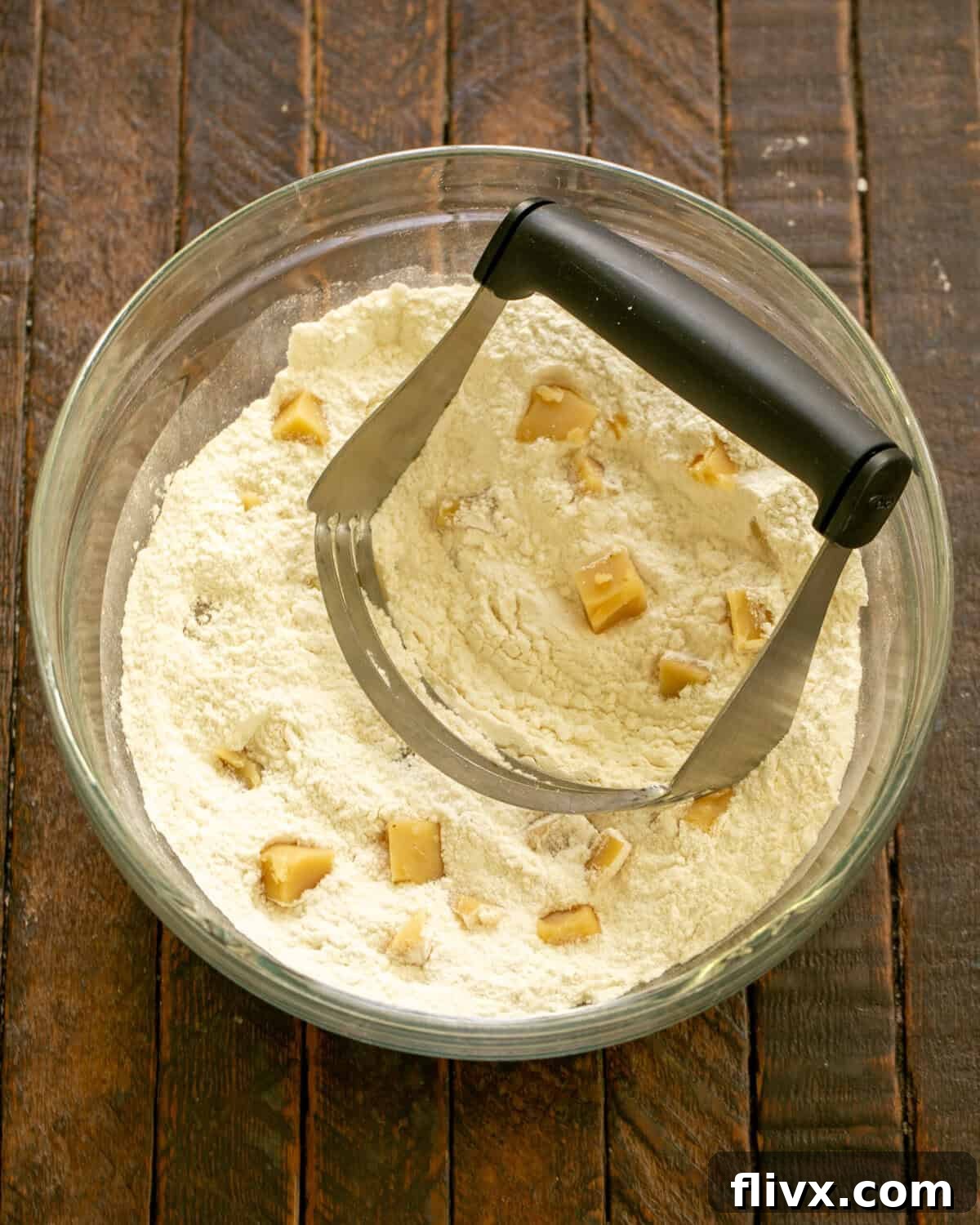
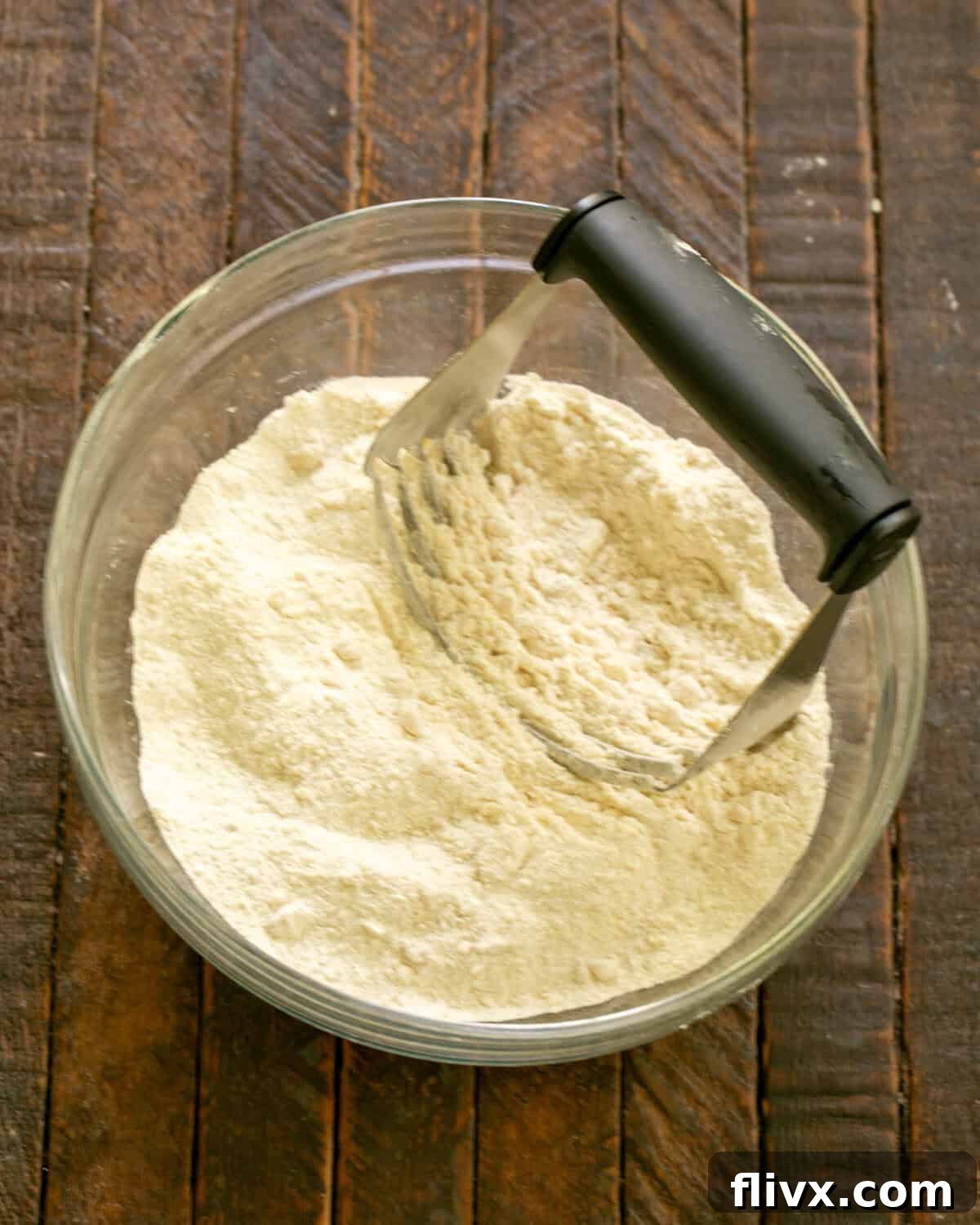
- PRO-Tip: Do Not Overwork the Dough: Overworking or over-processing the dough develops the gluten, which will make your scones tough instead of tender. You want to see small, pea-sized pieces of butter distributed throughout the dough. Mix just until the ingredients come together and no dry streaks of flour remain. The less you handle the dough, the more tender your scones will be.
- Pat Peaches Dry: If your fresh peaches are exceptionally ripe and juicy, it’s crucial to pat the diced pieces dry with paper towels before adding them to the dough. Excess liquid from the fruit can make the dough too sticky and difficult to handle, and can also lead to a denser scone.
- PRO-Tip: Flour Your Biscuit Cutter: If you’re using a biscuit cutter to create perfectly round scones, lightly dust it in flour between each cut. This simple step prevents the dough from sticking to the cutter and ensures clean, precise shapes every time.
- PRO-Tip: Avoid Twisting the Cutter: When cutting out your scones with a biscuit cutter, press straight down firmly without twisting. Twisting the cutter can seal the edges of the dough layers, which inhibits the scones from rising to their fullest and achieving their signature flaky texture.
- Use Parchment Paper: Line your baking sheet with parchment paper or a silicone baking mat (like a Silpat). This prevents the scones from sticking to the pan and makes cleanup incredibly easy, ensuring your beautiful scones come off the tray effortlessly.
- Preheat Oven Thoroughly: Always make sure your oven is fully preheated to the specified temperature (425°F/220°C) before placing the scones inside. A hot oven helps the scones rise quickly and create a crisp crust.
Frequently Asked Questions About Scones
Scones can be cut in a few ways. The most common method is using a round biscuit cutter to create traditional round shapes. When using a biscuit cutter, remember to press straight down firmly without twisting. Twisting the cutter will seal the edges of the dough, preventing the scones from rising properly and achieving their fullest height and flakiness. Alternatively, you can pat the dough into a thick round (about 1-inch tall) and then use a sharp knife to slice it into 8 wedges, similar to cutting a pizza. This is an excellent method for rustic, triangular scones with minimal waste.
Scones are undeniably best enjoyed on the day they are baked, when their texture is at its peak. However, you can certainly prepare them ahead of time. If you wish to make baked scones in advance, let them cool completely after baking, then wrap them tightly in plastic wrap and freeze them for up to 3 months. To reheat, defrost them first at room temperature, then place them on a sheet pan and bake in a 300-degree oven for 10-15 minutes, or until thoroughly heated through and crisp again. For ultimate freshness, you can also freeze unbaked scones. After cutting them into wedges or rounds, place them on a baking sheet and freeze until solid, then transfer them to an airtight container or freezer bag. To bake from frozen, simply place them on a baking sheet, let them sit out while your oven preheats, and then bake as directed. They may require an additional 5-10 minutes of baking time to compensate for their frozen state.
Once your brown butter peach scones emerge from the oven, allow them to cool slightly on a wire rack for about 10 minutes. The traditional British method of serving involves splitting each scone half and adding luxurious toppings. Typically, this means a generous dollop of Devonshire cream or authentic clotted cream, followed by a spoonful of delicious strawberry jam. The order of cream and jam can vary depending on regional preferences within the British Isles – some prefer jam first, then cream, while others reverse it. In the US, the rules are often much more relaxed; lemon curd or a good quality jam alone can suffice if clotted cream isn’t readily available. Regardless of your topping choice, your scones should be accompanied by a freshly brewed cup of hot black tea or coffee for the quintessential experience.
As mentioned, scones are always at their absolute best when enjoyed on the very day they are baked. Their fresh, tender texture and crisp crust are unparalleled. However, if you happen to have any delicious leftovers, you can store them in an airtight container at room temperature for 1-2 days. To refresh them and bring back some of their original appeal, reheat them in a 300-degree oven for about 5-10 minutes, or until warmed through and slightly crisped on the outside.
While fresh peaches are highly recommended for their superior flavor and texture, you can use frozen peaches in a pinch. If using frozen peaches, make sure to thaw them completely and then pat them very dry with paper towels to remove all excess moisture. This is crucial; otherwise, the extra water will make your dough too wet and result in dense scones. You might also want to toss them with a little extra flour before adding to the dough to absorb any residual moisture.
You May Also Like: Other Brown Butter and Breakfast Recipes
If you’ve fallen in love with the rich, nutty flavor of brown butter in these peach scones, or if you’re simply looking for more delicious breakfast and brunch ideas, explore these fantastic recipes:
- Homemade Vanilla Pudding with Brown Butter from Rachel Cooks – a creamy, comforting dessert with a sophisticated twist.
- Brown Butter Funfetti Sugar Cookies from The Little Kitchen – fun and festive cookies with added depth from brown butter.
- The Best Brown Butter Brownies from Crazy for Crust – elevate your brownie game with this incredible flavor boost.
- Brown Butter Toffee Cookies – a delightful combination of nutty brown butter and crunchy toffee.
- Brown Butter Chocolate Chunk Bars – chewy, rich bars packed with chocolate goodness and brown butter flavor.
- More of my Best Breakfast and Brunch Recipes – explore a wider collection of inspiring morning meal ideas.
Stay in touch and share your creations with our community! Follow us on social media at Instagram, Facebook, and Pinterest. Don’t forget to tag us when you try one of my recipes! If you absolutely love the results and these brown butter peach scones become a new favorite, please consider giving it a 5-star rating in the recipe card below.

The Recipe:
Brown Butter Peach Scones
15 minutes
15 minutes
30 minutes
8-12 scones (varies by size)
These delightfully delicious brown butter peach scones are made with a secret ingredient – nutty brown butter – and generously filled with fresh, juicy peach chunks. This recipe is an adaptation from America’s Test Kitchen, ensuring a perfectly balanced and tender result.
Rated 4.8 out of 5 stars based on 15 reviews.
Ingredients
- 2 cups all-purpose flour
- 1 tablespoon baking powder
- 4 tablespoons granulated sugar, divided
- ¼ teaspoon salt
- ¼ teaspoon ground cinnamon
- 5 tablespoons unsalted butter, browned and solidified (see instructions below for brown butter)
- 1 cup diced fresh peaches, excess moisture dried with paper towels
- 1 cup heavy cream, plus extra for glazing (if desired)
- ½ teaspoon real vanilla extract
- Turbinado sugar, for finishing (optional)
Instructions
- Prepare Brown Butter (Ahead of Time): A few hours before baking, or even the day before, melt 5 tablespoons of unsalted butter in a light-colored saucepan over medium heat. Cook, stirring occasionally, until the butter turns a rich amber color and smells nutty, typically 5-6 minutes. Immediately pour into a heatproof bowl.
- Chill Brown Butter: Allow the browned butter to cool completely at room temperature, then refrigerate it until it solidifies and becomes firm.
- Preheat Oven: Preheat your oven to 425°F (220°C). Line a baking sheet with parchment paper or a silicone baking mat.
- Combine Dry Ingredients: In a large mixing bowl, whisk together the flour, baking powder, 3 tablespoons of the granulated sugar, and salt until well combined.
- Cut in Butter: Cut the solidified brown butter into ½-inch pieces. Scatter these cold butter pieces over the dry ingredient mixture. Using a pastry blender, two knives, or your fingertips, cut the butter into the flour until the mixture resembles coarse cornmeal with a few slightly larger, pea-sized lumps of butter remaining. Work quickly to keep the butter cold.
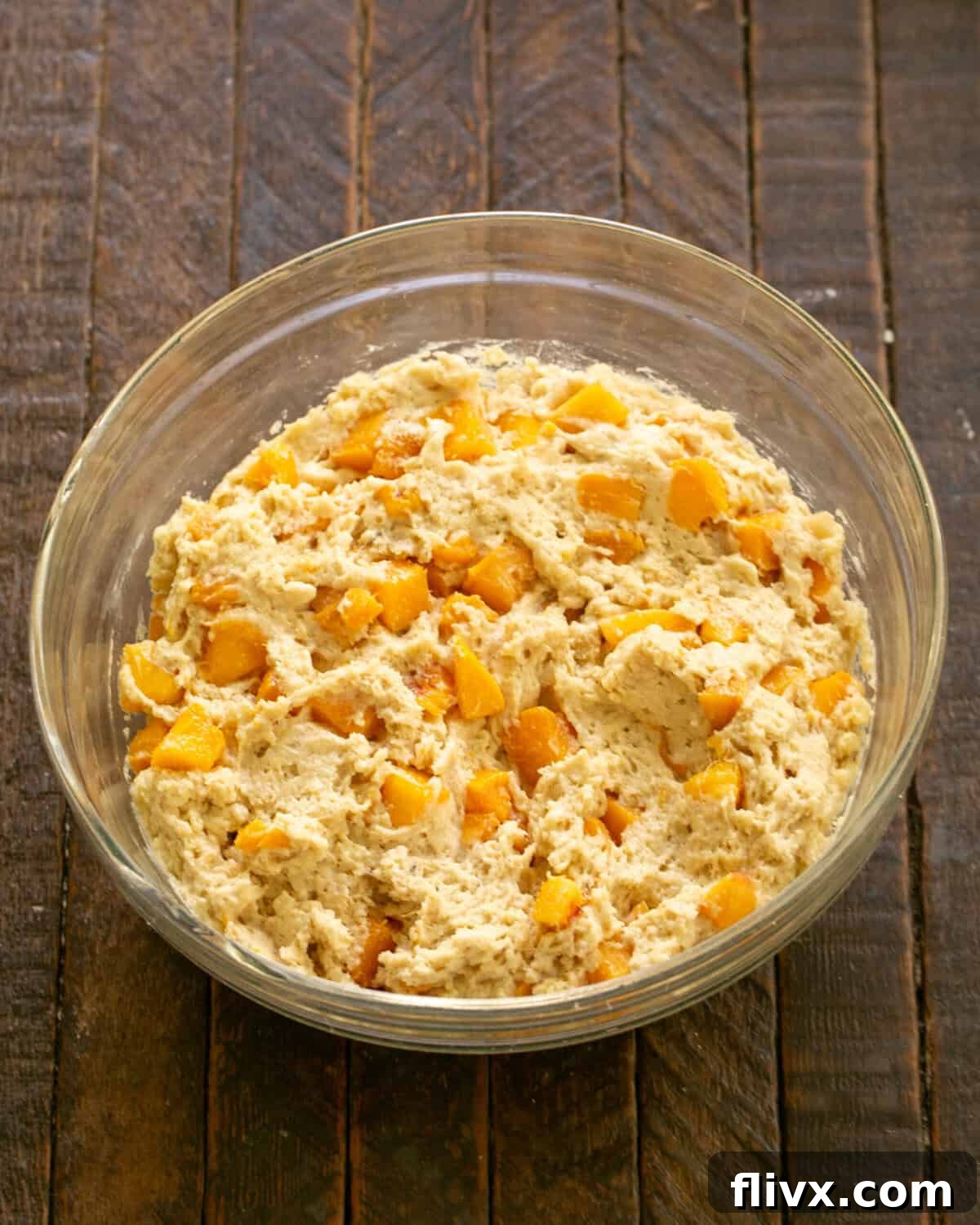
- Season Peaches and Combine: In a small separate bowl, mix the diced peaches with the remaining 1 tablespoon of granulated sugar and the ground cinnamon. Gently stir these seasoned peaches into the dry ingredients in the large bowl.
- Add Wet Ingredients: Add the vanilla extract to the heavy cream and stir briefly. Pour this cream mixture into the peach-flour mixture. Using a spatula or fork, gently stir until a shaggy dough just begins to form. Be careful not to overmix.
- Lightly Knead and Shape: Turn the dough out onto a lightly floured countertop. Knead by hand for only 5-10 seconds, just until the dough comes together into a slightly sticky, cohesive mass. Avoid overworking.
- Cut Scones: Pat the dough into a round or rectangle, approximately 1 inch thick. Using a biscuit cutter (dusted with flour between cuts and pressing straight down without twisting) or a sharp knife, cut the dough into 8 wedges or 8-12 rounds, depending on desired size.
- Prepare for Baking: Place the cut scones onto the prepared baking sheet, leaving a little space between them.
- Optional Glaze and Topping: If desired, lightly brush the tops of the scones with a little extra heavy cream and sprinkle generously with turbinado sugar for a lovely golden, crunchy finish.
- Bake: Bake for 10-15 minutes (baking time may vary depending on the size and thickness of your scones) or until the tops are light golden brown and a wooden skewer inserted into the center comes out clean.
- Cool and Serve: Let the baked scones cool on a wire rack for at least 10 minutes before serving. They are best served warm or at room temperature.
- Storage and Freezing: These scones are truly exceptional the day they are made. Leftovers can be stored in an airtight container for 1-2 days. They also freeze very well, either baked or unbaked (see FAQ for detailed freezing instructions).
- Food Processor Option: For quick prep, you may also make these scones in a food processor. Use the pulse setting and be careful not to over-process the dough.
Notes
Scones are at their peak freshness and texture on the day they are made. To enjoy later, freeze any leftovers. Baked scones can be quickly reheated in the microwave or a low oven for a delicious treat. Unbaked scones can also be frozen, then baked from frozen (with a slightly longer baking time) for fresh-baked goodness whenever a craving strikes.
Recommended Products
As an Amazon Associate and member of other affiliate programs, I earn from qualifying purchases.
- USA Pan Bakeware Half Sheet Pan
- Pastry Blender
- Biscuit Cutters
Nutrition Information:
Yield:
8
Serving Size:
1 scone
Amount Per Serving (estimated):
Calories: 314
Total Fat: 18g
Saturated Fat: 11g
Trans Fat: 1g
Unsaturated Fat: 6g
Cholesterol: 53mg
Sodium: 315mg
Carbohydrates: 34g
Fiber: 1g
Sugar: 9g
Protein: 4g
Please note: The nutritional information provided for this recipe is an estimate only and should be considered a courtesy. It is calculated using online calculators and may vary significantly based on specific brands of ingredients used, portion sizes, optional toppings not accounted for, and other variables. While we strive for accuracy, these figures are not guaranteed. For the most precise nutritional information, it is recommended to calculate with the exact ingredients you use. You are solely responsible for verifying the accuracy of any nutritional data.
How much did you love this recipe?
Please leave a comment on the blog or share a photo on Pinterest!