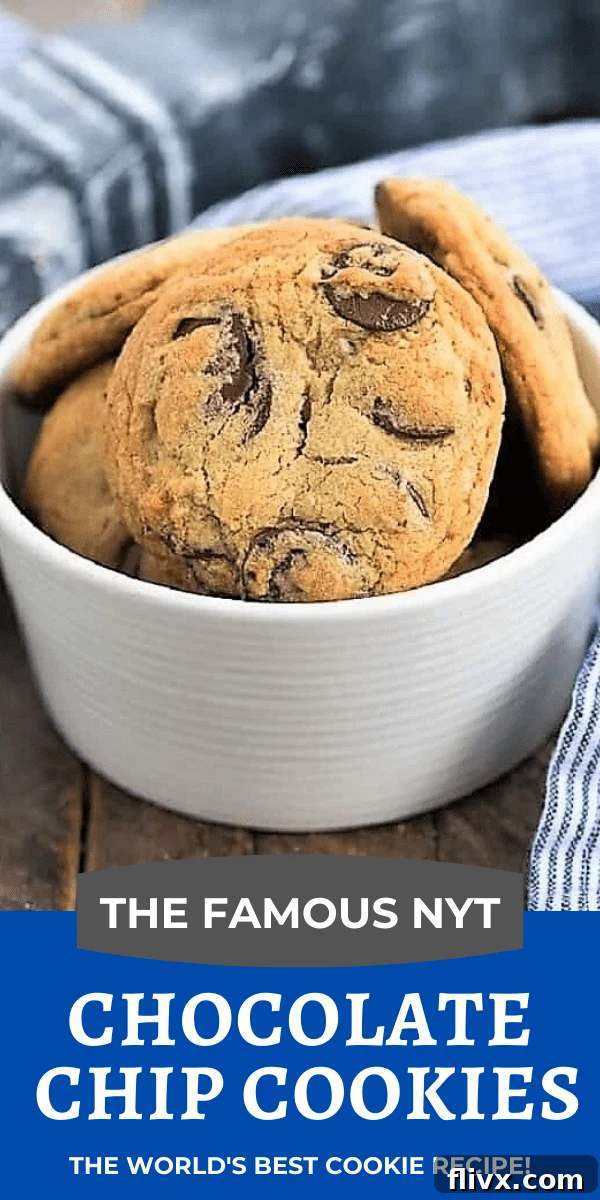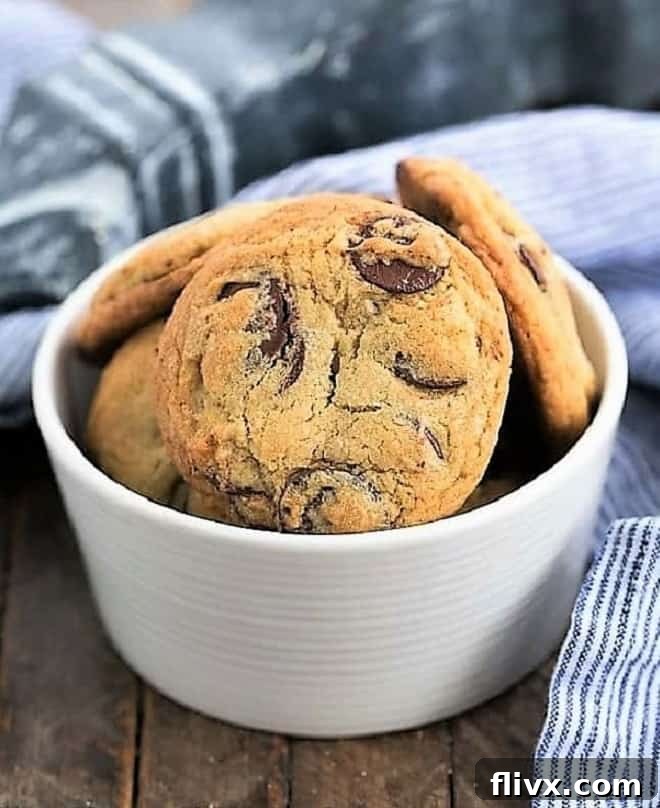
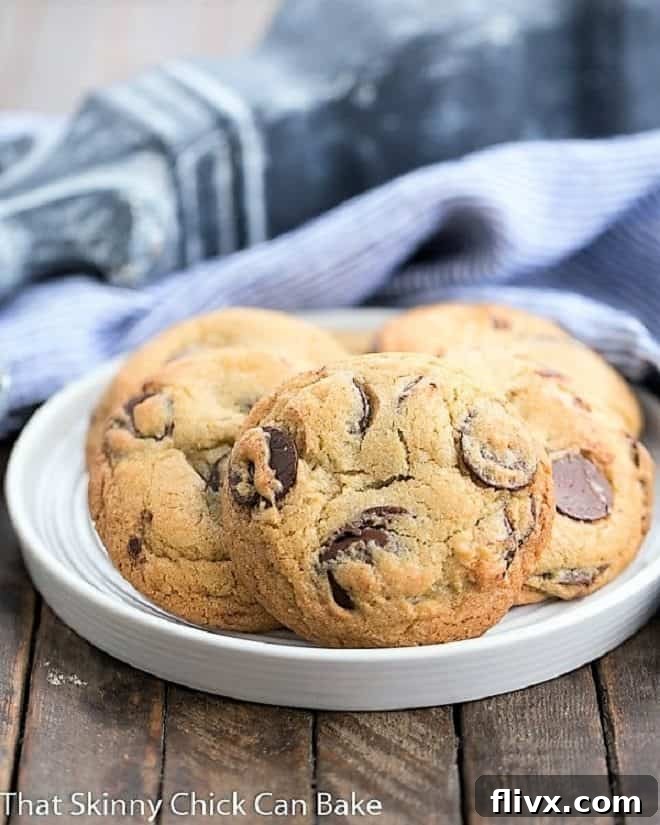
Embark on a culinary journey to discover what many consider the definitive treat: the Best Chocolate Chip Cookie Recipe. This isn’t just another cookie recipe; it’s a revelation that transforms humble ingredients into an extraordinary experience. Through a few clever culinary “secrets,” such as combining two distinct types of flour and the crucial step of aging the dough, these cookies achieve unparalleled perfection. Prepare for a cookie that is utterly ideal in every single bite!
Originally popularized as the illustrious New York Times Chocolate Chip Cookies, this recipe quickly surpassed even the iconic Nestlé Toll House cookies to become our family’s undisputed favorite. Whether it’s their impressive, generous size, their wonderfully chewy texture, or the delightful underlying notes of rich caramel, these Jacques Torres’ Secret Chocolate Chip Cookies promise a flavor profile unlike any you’ve ever encountered. Get ready to bake and taste the difference!
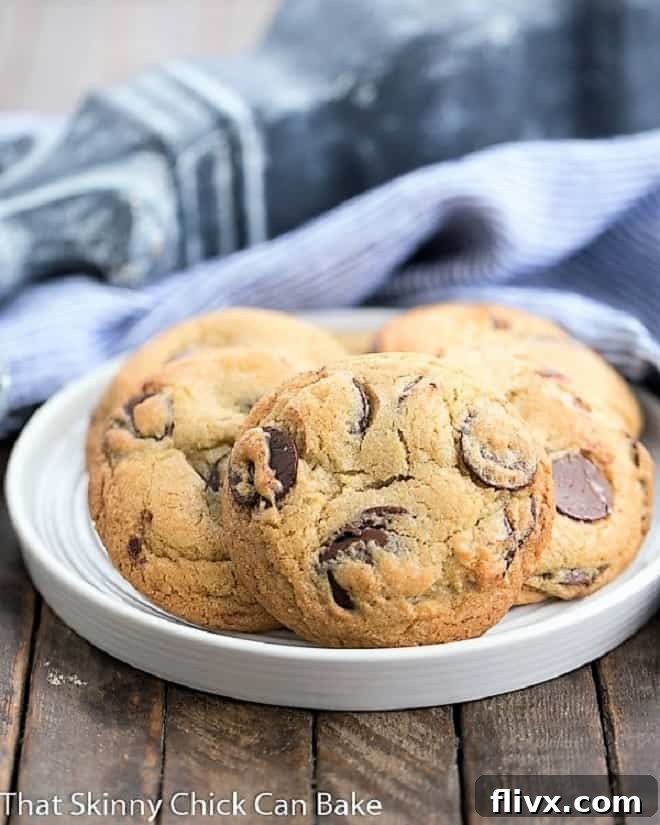
Why These Cookies Are Unforgettable: A Must-Bake Experience
Imagine a cookie so good that it inspires a craving for more, a desire to elevate your baking game. These aren’t just cookies; they’re an experience, a delightful indulgence that will earn you rave reviews and solidify your reputation as a master baker. Here’s why these extraordinary treats are an absolute must-make:
- Husband-Approved Perfection: My husband, a connoisseur of all things sweet, adores these cookies so much he offered to buy me a larger stand mixer just so I could bake them more frequently! That’s a testament to their irresistible charm. After his first couple of bites, he unequivocally declared this the best chocolate chip cookie recipe he had ever tasted.
- Universal Acclaim: It’s not just my husband; even my discerning knitting friends, who served as my official taste-testers, wholeheartedly agreed. The consensus is clear: these cookies stand in a league of their own.
- Generous & Flavorful: These are not your average bite-sized cookies. We’re talking about generously sized, substantial cookies, each one absolutely packed with decadent chocolate. The unique combination of ingredients and an unconventional method might seem a bit unorthodox at first glance, but the unparalleled results speak for themselves. The chewy texture, crisp edges, and gooey chocolate centers create a symphony of flavors and sensations that make every bite truly outstanding.
- A Culinary Masterpiece: This recipe elevates the humble chocolate chip cookie to an artisanal masterpiece. It’s a journey into the nuances of baking science, where precise ingredient choices and patient preparation yield a cookie that is rich, complex, and deeply satisfying.
The Mastermind Behind the Magic: Jacques Torres
The culinary world buzzed with excitement when the New York Times Chocolate Chip Cookies recipe, a creation by the renowned pastry chef Jacques Torres, first made its appearance in 2008. Chef Torres, often known as “Mr. Chocolate,” redefined what a chocolate chip cookie could be. His “secret” recipe challenged conventional wisdom, introducing innovative techniques and ingredient combinations that yielded a cookie so superior, it quickly gained legendary status. This recipe isn’t just about baking; it’s about experiencing the culinary genius of Jacques Torres in your own kitchen, creating a truly memorable dessert that will impress everyone who tries it.
Unlocking the Secrets: Key Ingredients and Techniques for Supreme Chewy Chocolate Chip Cookies
What truly sets these cookies apart, elevating them to the title of the best chocolate chip cookie recipe, lies in a handful of distinct ingredients and innovative techniques. Forget everything you thought you knew about classic chocolate chip cookies; Jacques Torres’ approach is a game-changer, focusing on maximizing flavor, texture, and overall indulgence. Let’s delve into these critical elements:
The Flour Power Duo: Bread Flour and Cake Flour
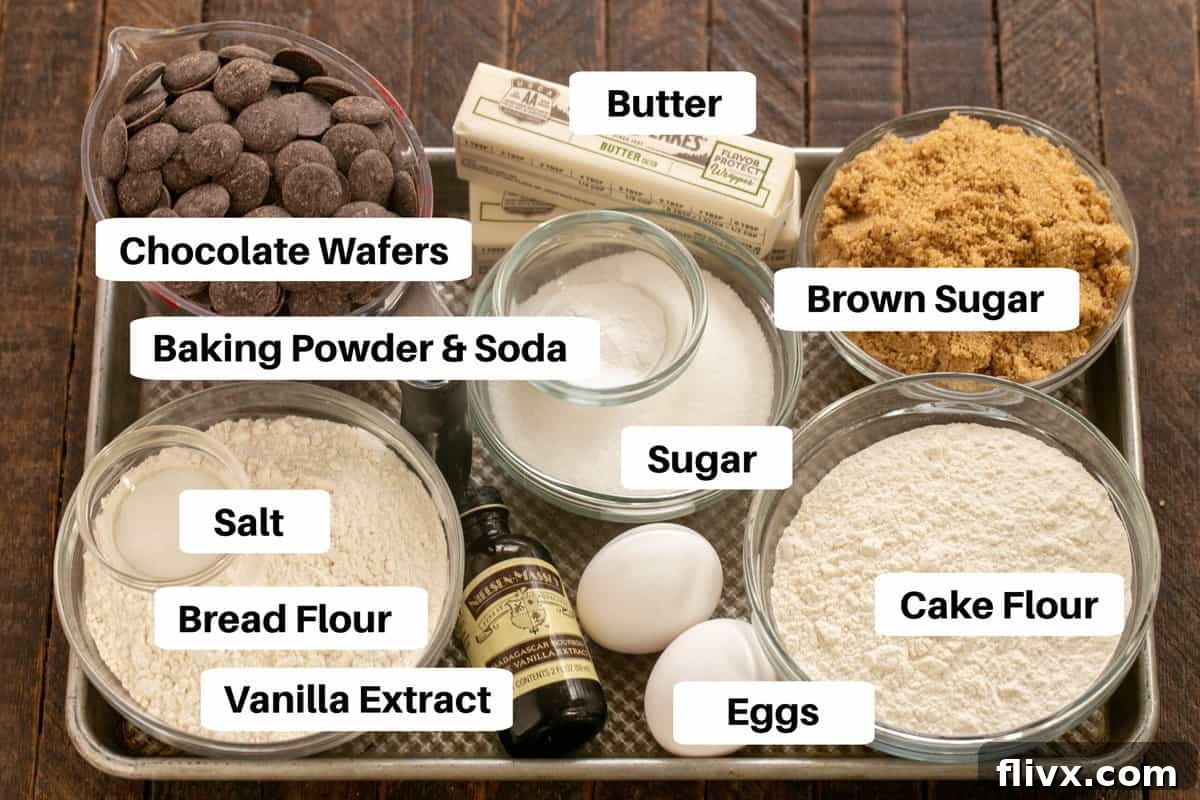
Unlike most recipes that rely solely on all-purpose flour, this recipe calls for an ingenious combination of bread flour and cake flour. This might seem unusual, but it’s a brilliant move for achieving that perfect balance of chewiness and tenderness:
- Bread Flour: With its higher protein content, bread flour develops more gluten. This gluten network provides the structure and elasticity essential for that satisfying, signature chewy texture that is so desirable in a truly great chocolate chip cookie.
- Cake Flour: In contrast, cake flour has a lower protein content, meaning less gluten development. This results in a wonderfully tender crumb, preventing the cookies from becoming overly dense or tough. The delicate softness provided by cake flour perfectly complements the chewiness from the bread flour.
- Pro-Tip: Make Your Own Cake Flour: If cake flour isn’t readily available, you can easily make your own. For every cup of cake flour required, measure 1 cup of regular all-purpose flour. Remove 2 tablespoons of this flour and replace them with 2 tablespoons of cornstarch. Sift this mixture thoroughly a couple of times to ensure it’s well combined and aerated. This simple trick reduces the gluten content, mimicking the properties of commercial cake flour.
The Chocolate Choice: Discs, Fèves, or Premium Chips
While ordinary chocolate chips will work in a pinch, the recipe truly shines when you opt for higher-quality chocolate. Jacques Torres famously uses chocolate discs or fèves:
- Chocolate Discs (or Fèves): These specialized baking chocolates, typically 60-percent semisweet or bittersweet, melt beautifully and create pockets of intensely rich, gooey chocolate throughout the cookie. Brands like Guittard (often found at specialty stores like Sur la Table or Williams-Sonoma) offer superb quality discs or fèves.
- Why Discs are Superior: Discs and fèves melt more evenly and create a more luxurious, velvety chocolate experience compared to standard chips, which often contain stabilizers to hold their shape during baking. This results in those irresistible pools of melted chocolate that make these cookies so special.
- Alternative: Premium Chocolate Chunks: If discs are hard to find, opt for high-quality chocolate baking chunks. Even a premium brand of chocolate chips will yield delicious results, just ensure they are semisweet or bittersweet for the intended flavor balance.
The Chilling Revelation: Dough Maturation for Flavor Depth
Perhaps the most critical and often overlooked “secret” is the prolonged chilling of the cookie dough. This isn’t just about preventing spread; it’s about flavor development:
- Minimum Overnight, Up to 72 Hours: While an overnight chill is a good starting point, the recipe strongly recommends chilling the dough for at least 24 hours, and ideally up to 72 hours (three full days!).
- The Science of Chilling: During this extended refrigeration period, several magical transformations occur. The flours fully hydrate, leading to a more tender and evenly textured cookie. More importantly, the sugars in the dough have time to break down and caramelize, intensifying the flavors and creating those complex, deeper caramel undertones that make these homemade chocolate chip cookies truly spectacular. The chilling also solidifies the butter, which helps prevent excessive spreading during baking, ensuring thicker, chewier cookies.
Butter and Eggs: The Foundation of Flavor and Texture
- Room Temperature is Key: Ensure your butter and eggs are at room temperature. This allows them to cream together more easily and incorporate smoothly into the other ingredients, creating a more uniform and cohesive dough. Cold ingredients can lead to a lumpy batter and a less consistent final product.
- Salt Adjustment: The amount of salt needed will vary depending on whether you use salted or unsalted butter. If using unsalted butter, you may want to increase the salt slightly to enhance the flavors.
Leavening Agents: Baking Soda and Baking Powder
- Both Are Essential: This recipe utilizes both baking soda and baking powder. Baking soda reacts with acidic ingredients (like brown sugar) to help the cookies spread and tenderize, while baking powder provides lift, contributing to a lighter texture.
- Freshness Check: Both leavening agents have a shelf life. To test baking powder, put a spoonful into a cup of very hot water; it should bubble vigorously if still active. For baking soda, add a spoonful to a small amount of vinegar or lemon juice; it should fizz immediately. Replace if they don’t react.
Real Vanilla Extract: The Aroma Enhancer
- No Substitutions: Always opt for real vanilla extract, not artificially flavored versions. Genuine vanilla adds a depth of flavor and a beautiful aroma that artificial alternatives simply cannot replicate. High-quality brands like Nielsen-Massey can make a noticeable difference.
The Mixing Method: The Paddle Attachment’s Role
- Paddle Over Whisk: When mixing the dough in a stand mixer, use the paddle attachment. The whisk attachment incorporates too much air, which can lead to cakey cookies. The paddle attachment mimics hand-mixing, ensuring a denser, chewier texture by minimizing air incorporation.
Step-by-Step Perfection: Crafting Your Jacques Torres Chocolate Chip Cookies
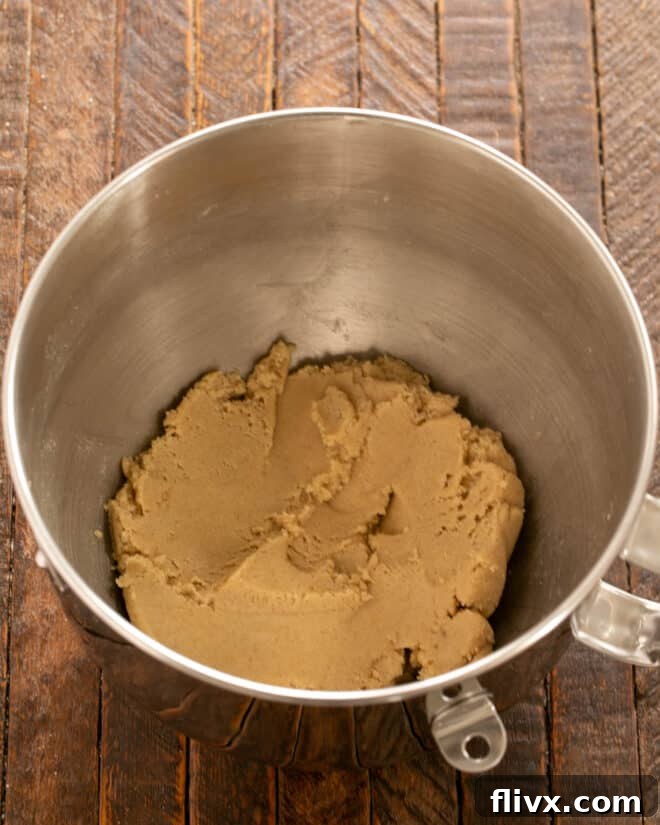
Creating these magnificent cookies is a rewarding process. While patience is required for the chilling stage, the hands-on baking steps are straightforward, leading to incredibly delicious results. Here’s a visual and descriptive guide to making these sensational cookies:
Beyond the Basics: Pro Tips for Cookie Mastery
Achieving cookie perfection requires attention to detail. These additional professional tips will ensure your chewy chocolate chip cookies are nothing short of spectacular, consistently outperforming other recipes:
- Do Not Overbake: This is perhaps the most crucial tip for chewy cookies. The centers should still look slightly soft, even a little underbaked, when you pull them from the oven. They will continue to cook and set on the hot baking sheet due to carryover heat. Overbaking leads to dry, crunchy cookies instead of soft and chewy ones.
- Scoop Size Matters: For those impressive, bakery-sized cookies, use a generous scoop—a 1/4 cup measure (about 2 ounces) is ideal. This larger size contributes to the thick, chewy center and slightly crisp edges.
- Patience with Chilling Pays Off: Seriously, commit to the chilling time. The 72-hour mark yields cookies with an unparalleled depth of flavor and caramel notes. If you can’t wait that long, at least give them an overnight rest. It’s the “secret sauce” for these extraordinary cookies.
- Quality Ingredients are Non-Negotiable: From real vanilla extract to premium chocolate, using high-quality ingredients makes a noticeable difference in the final taste. Don’t skimp on the good stuff!
- Room Temperature for Butter and Eggs: We can’t stress this enough. Room temperature ingredients cream together smoothly, creating a uniform dough that bakes evenly.
- Test Your Leavening Agents: Old baking powder or baking soda can render your cookies flat and dense. Perform the quick freshness tests described above before you start baking.
- Even Scooping: Use a cookie scoop to ensure all your cookies are the same size. This guarantees even baking across the batch.
What Our Readers Are Saying
“This recipe is the best one I have found anywhere. I’ve made these several times and I get requests from friends to make them and bring to events. It’s a unique recipe using bread/cake flour and I think the 48/72 hours in the refrigerator brings the flavor up on the cookies. Great recipe!”
Indeed, something truly magical happens to the dough during that extended chilling time. While a food chemist could provide the detailed rationale, you can simply trust the process. These cookies are absolutely worth the wait, transforming into a dessert that consistently wows.
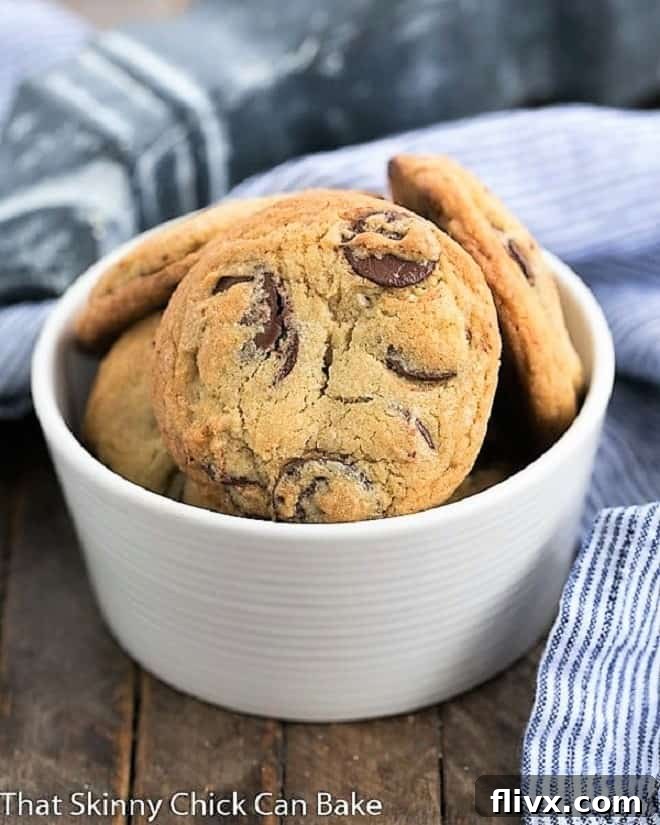
NYT Cooking – Chewy Chocolate Chip Cookies: A New Standard
For years, Nestlé Toll House chocolate chip cookies (especially those without nuts) held the gold standard in the Berg household. I’ve experimented with countless “best” and “ultimate” recipes, yet none truly came close until I discovered this sensational NYT Cooking Chocolate Chip Cookies recipe. When this recipe first appeared in The Times in 2008, it created an enormous buzz among foodies and home bakers alike, and for good reason.
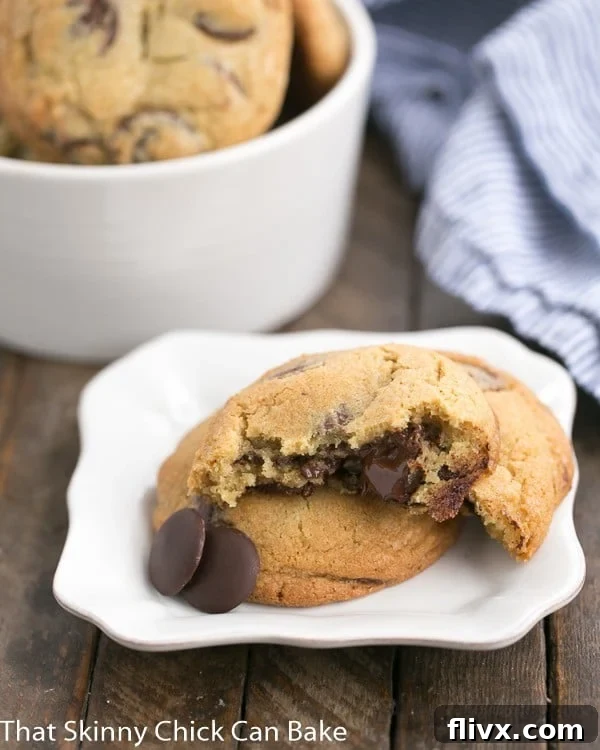
The combination of a pound of rich butter, the dynamic duo of cake flour and bread flour, and a generous two pounds of premium chocolate discs culminates in pure perfection. These giant mounds of dough bake into impressive, bakery-sized cookies with an absolutely superb texture. I vividly recall my youngest child’s impatience, unable to wait for the cookies to cool before eagerly sinking his teeth into the warm, gooey chocolate centers. These cookies redefine expectations, delivering an unmatched level of indulgence and flavor.
Frequently Asked Questions About Baking the Best Chocolate Chip Cookies
Chilling cookie dough serves several crucial purposes. Firstly, it allows the flour to fully hydrate, resulting in a more tender and uniformly textured cookie. Secondly, it solidifies the butter, which significantly minimizes spreading during baking, leading to thicker, chewier cookies. Most importantly, chilling allows the flavors to meld and deepen, creating rich caramel notes that wouldn’t develop otherwise.
The combination of white and brown sugar plays a vital role in both flavor and texture. Brown sugar, with its molasses content, contributes moisture, ensuring the cookies remain soft and chewy. Its slightly acidic nature also aids in the leavening process. White granulated sugar, on the other hand, provides crispness and helps with spreading. Together, they create a balanced flavor profile and the ideal chewy-crisp texture.
Using the paddle attachment on your stand mixer is essential for achieving the desired chewy texture. The paddle attachment mixes the ingredients without incorporating too much air into the dough. A whisk attachment would whip too much air in, resulting in a lighter, cake-like cookie rather than a dense, chewy one. The paddle essentially mimics the gentle mixing action of a wooden spoon, but without the arm workout!
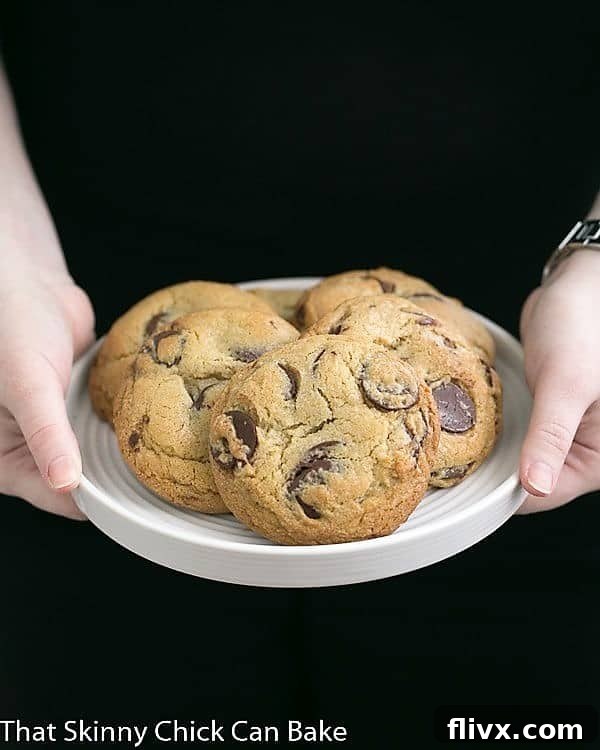
The Recipe: Jacques Torres’ Secret Chocolate Chip Cookies
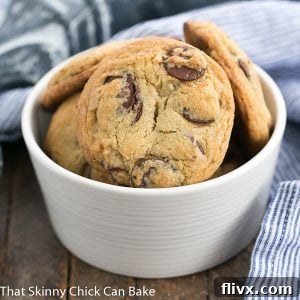
Jacques Torres’ Secret Chocolate Chip Cookies Recipe
20 minutes
20 minutes
40 minutes
36 large cookies
Experience the legendary Jacques Torres Secret Chocolate Chip Cookies, made famous by the NYT, for an unparalleled chewy and flavorful treat.
Ingredients
- 1 pound (4 sticks) unsalted butter, at room temperature
- 1 ¾ cups (350g) granulated sugar
- 2 ¼ cups (480g) light brown sugar, packed
- 4 large eggs, at room temperature
- 3 cups plus 2 tablespoons (375g) cake flour*
- 3 cups (360g) bread flour
- 2 teaspoons salt (use 1 tablespoon if using unsalted butter and desire more saltiness)
- 2 teaspoons baking powder
- 2 teaspoons baking soda
- 1 tablespoon pure vanilla extract
- 2 pounds (907g) 60-percent chocolate semisweet or bittersweet chocolate disks, feves, or high-quality chocolate chunks
Instructions
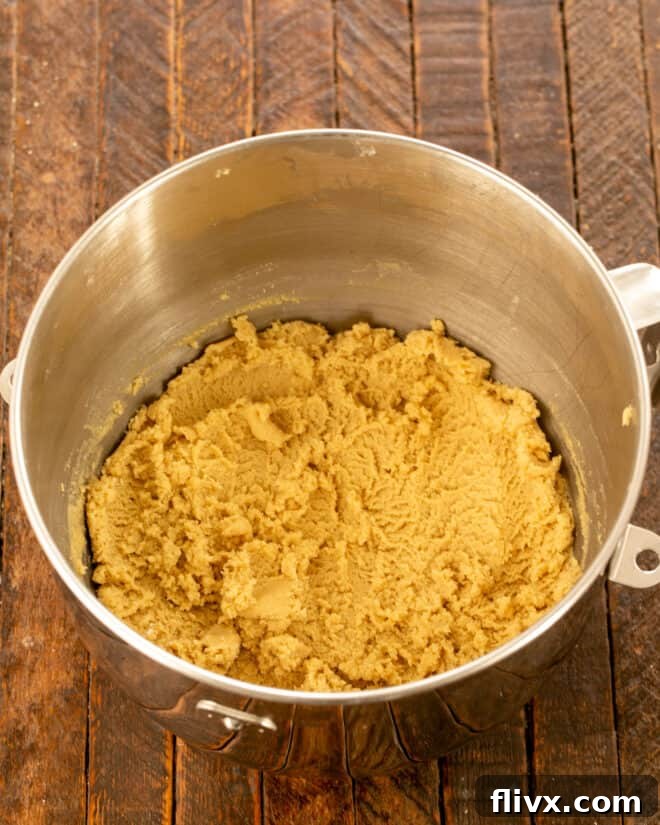
- In the bowl of an electric mixer fitted with the paddle attachment, cream together the room temperature butter and both sugars (granulated and brown) until the mixture is light, fluffy, and thoroughly combined, about 2-3 minutes.
- Add the large eggs, one at a time, mixing well after each addition until fully incorporated. Reduce the mixer speed to low, then gradually add both the cake flour and bread flour, salt, baking powder, baking soda, and pure vanilla extract. Mix until the dry ingredients are just combined and no streaks of flour remain, being careful not to overmix.
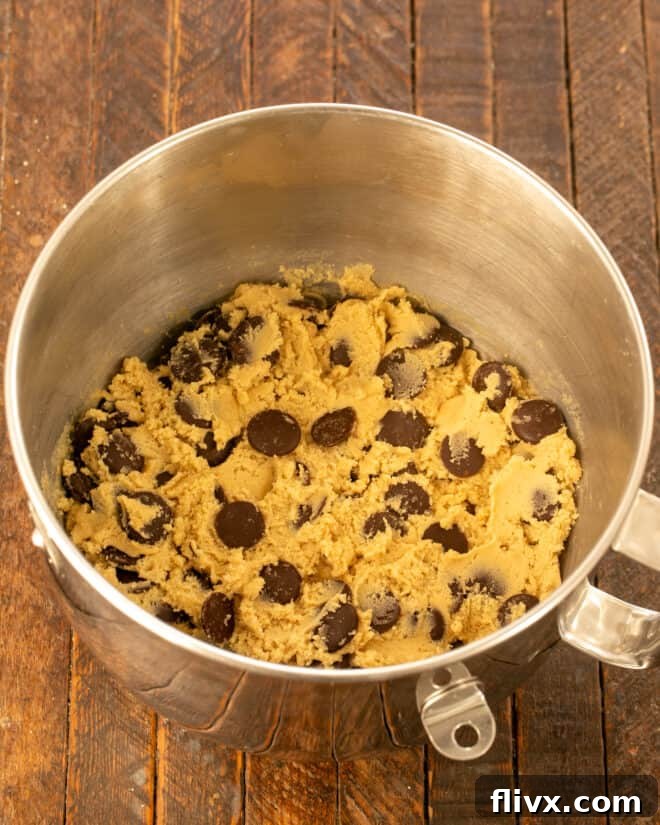
- Remove the bowl from the mixer and, using a spatula, gently fold in the chocolate (disks, feves, or chunks) making sure to distribute them evenly throughout the dough.
- Cover the bowl tightly with plastic wrap and refrigerate the dough overnight, or for an optimal period of up to 72 hours. This chilling process is vital for flavor development and texture.
- Before baking, remove the dough from the refrigerator and let it sit at room temperature for approximately one hour. This makes the dough easier to scoop and helps ensure even baking.
- Preheat your oven to 350ºF (175ºC). Line several baking sheets with parchment paper and set them aside.
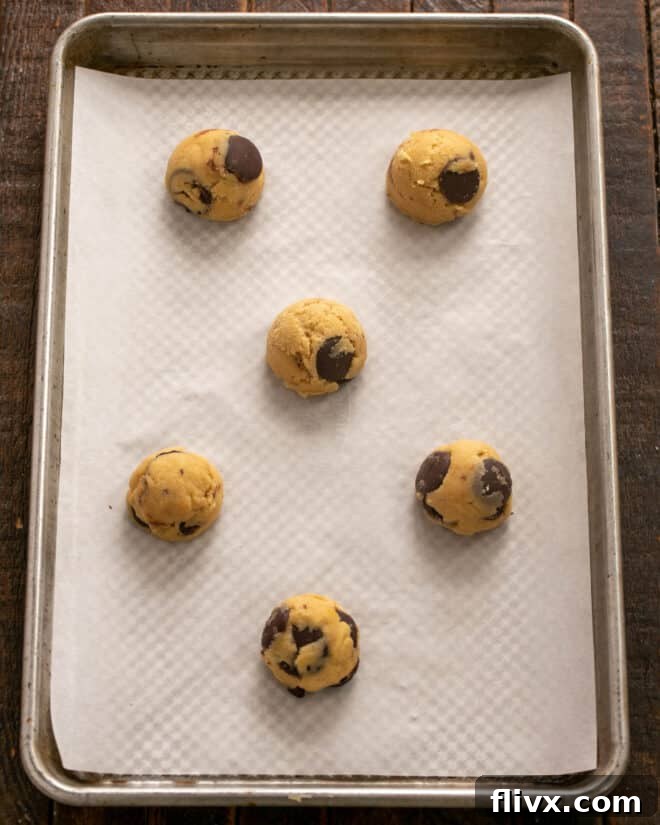
- Using a 2-ounce scoop (equivalent to ¼ cup) for larger, bakery-style cookies, or a medium scoop (1 ½ tablespoons) for smaller cookies, scoop portions of cookie dough onto the prepared baking sheets, leaving about 2 inches of space between each cookie to allow for spreading.
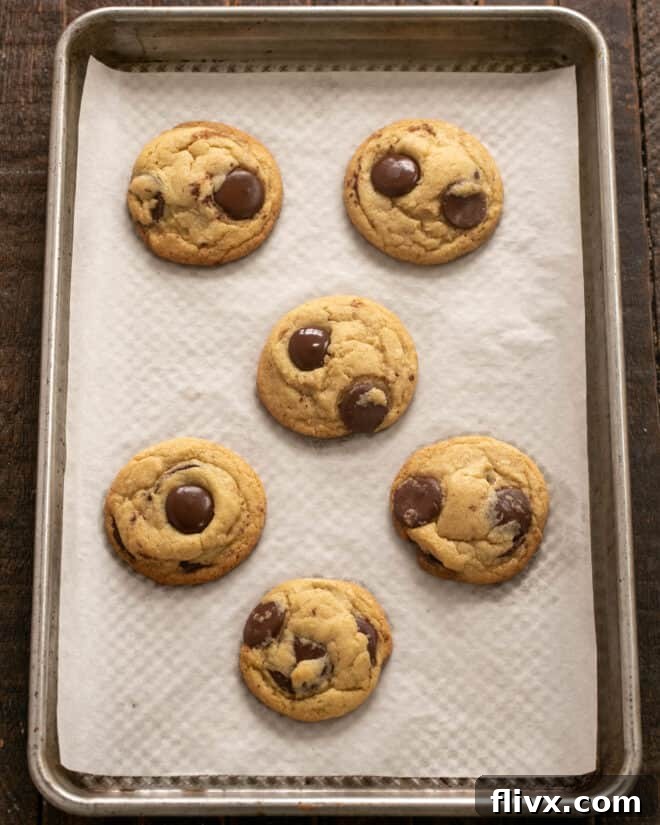
- Bake until the edges are lightly golden brown but the centers still appear soft and slightly unset. This will take approximately 18-20 minutes for larger cookies and 12-15 minutes for smaller cookies. Do not overbake! Cool the cookies slightly on the baking sheets for about 5-10 minutes before carefully transferring them to a wire rack to cool completely.
Notes
This recipe yields approximately 26-36 larger cookies (using a ¼ cup scoop) or around 100 smaller cookies. (Warning: If you’re as ambitious as my sister, Katie, you might find yourself baking 300 cookies all night long!)
Always ensure your butter and eggs are at room temperature for the best incorporation and a smooth, consistent dough.
Utilize the paddle attachment on your stand mixer. The whisk attachment introduces too much air, which can result in cakey cookies rather than the desired chewy texture.
*If cake flour is unavailable, you can substitute it by using all-purpose flour. For every cup of cake flour, measure 1 cup of all-purpose flour, remove 2 tablespoons, and replace with 2 tablespoons of cornstarch. Sift well. Note that the protein percentages in pastry flour and cake flour differ, and cake flour was specifically used in the original Jacques Torres recipe for its unique tenderizing properties.
Recommended Baking Tools
As an Amazon Associate and member of other affiliate programs, I earn from qualifying purchases.
- Smithcraft Stainless Steel Measuring Cups Set
- Silicone Spatulas
- 7 qt Pro Line KitchenAid Mixer
- Reynolds Cookie Baking Sheets Non-Stick Parchment Paper, 25 Sheet, 4 Count
- USA Pan Bakeware Half Sheet Pan
- ¼ cup stainless steel scoop
Nutrition Information:
Yield:
36
Serving Size:
1
Amount Per Serving (estimated):
- Calories: 291
- Total Fat: 15g
- Saturated Fat: 9g
- Trans Fat: 0g
- Unsaturated Fat: 5g
- Cholesterol: 50mg
- Sodium: 316mg
- Carbohydrates: 37g
- Fiber: 1g
- Sugar: 27g
- Protein: 3g
Explore More Delicious Cookie Recipes
If you’ve fallen in love with these Jacques Torres cookies, be sure to explore other fantastic cookie creations that are sure to delight:
- Better Than Brownies Chocolate Cookies from Brown Eyed Baker
- Killer Chocolate Chip Cookies
- Classic Chocolate Peanut Butter No-Bake Cookies
- Flourless Chocolate Cookies
- Chocolate Chip Caramel Butter Bars
- Double Chocolate Chip Cookies
- Dark Chocolate Pudding Cookies
- Triple Chocolate Fudge Cookies
- Quadruple Chocolate Cookies
- Discover even more incredible Cookie Recipes
Stay in touch and share your baking triumphs! Find us on Instagram, Facebook, and Pinterest. Don’t forget to tag us when you try one of our recipes! If you adore the results, please consider leaving a 5-star rating and comment on the original blog post.
This comprehensive guide to Jacques Torres’ Secret Chocolate Chip Cookies was first shared in June 2010. The photos and text were last updated in 2024 to provide you with the most detailed and refined baking experience.