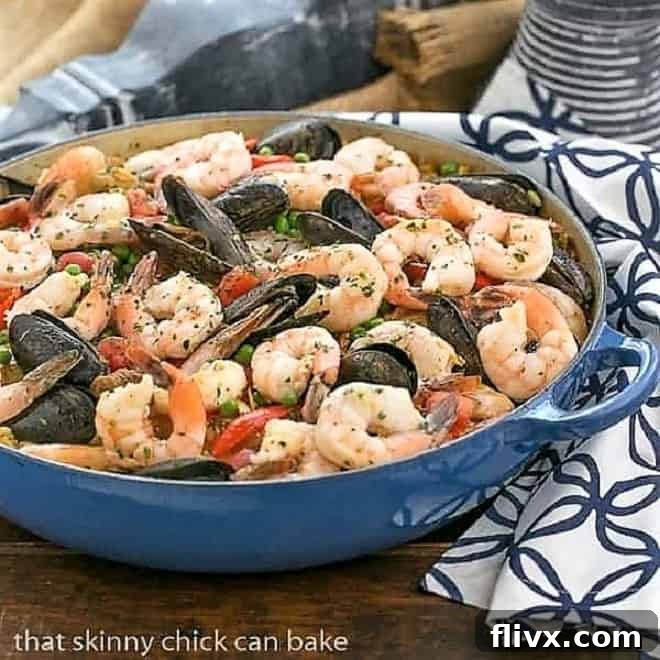
Step into the culinary legacy of Julia Child with an extraordinary rendition of a Spanish classic: Paella a l’Americaine. This vibrant, multi-layered dish, perfected by my mother, combines succulent chicken, fresh seafood, savory chorizo, and fragrant saffron rice into a magnificent one-pan meal. It’s not just a recipe; it’s an invitation to a feast, ideal for grand entertaining or cherished family gatherings. Prepare to captivate your guests with every glorious, flavorful bite of this iconic Seafood and Chicken Paella Recipe!
Why You Need to Experience This Julia Child Paella
Embracing this Julia Child Paella recipe is more than just cooking; it’s creating an unforgettable experience. This dish, a masterpiece of flavors and textures, holds a special place in the hearts of many, and it promises to become a cherished tradition in your home too. Here’s why this chicken and seafood paella is an absolute must-make:
- **A Culinary Icon’s Touch:** This isn’t just any paella; it’s Julia Child’s unique interpretation, a testament to her genius in adapting classic European dishes for the American kitchen. Her distinctive twist ensures a flavor profile that is both authentic in spirit and approachable for home cooks. Crafted and served in a traditional paella pan, it embodies both elegance and rustic charm.
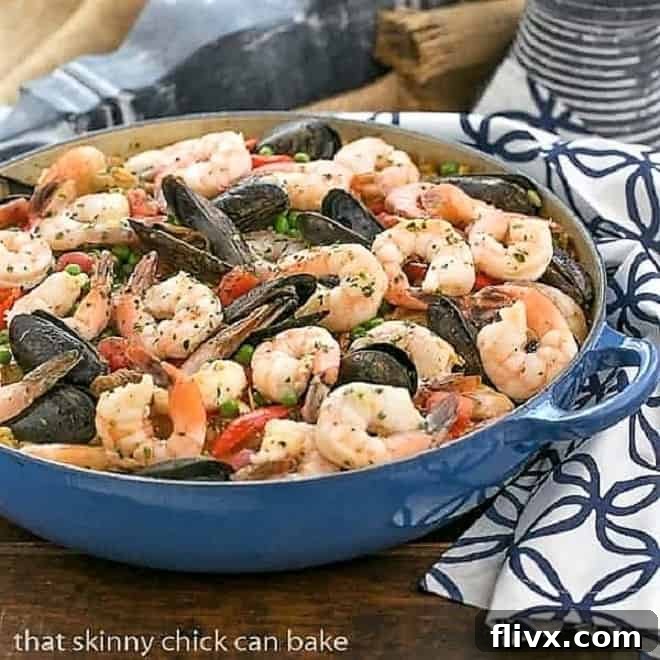
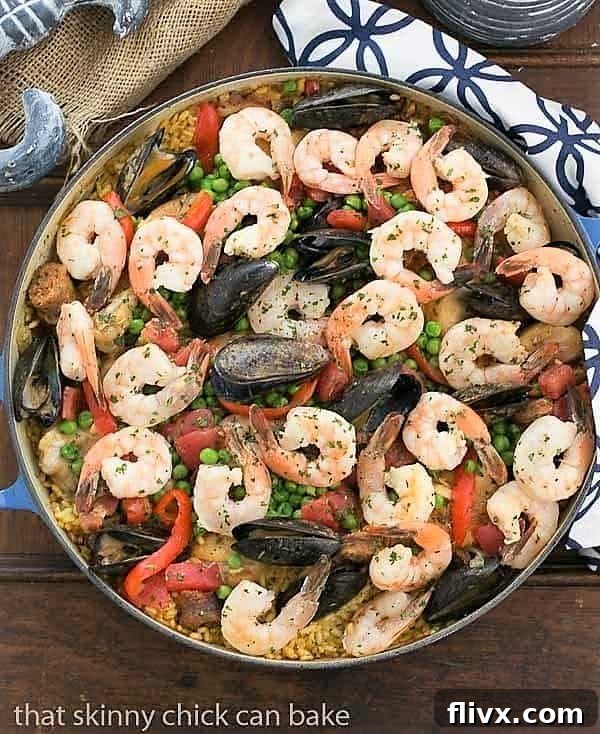
- **Stunning Presentation:** Imagine bringing a large, vibrant paella pan to the table, brimming with golden saffron rice, plump shrimp, tender mussels, savory chicken, and bright green peas. It’s a feast for the eyes as much as the palate, guaranteed to elicit gasps of delight from your guests. The layers of color and texture make for an incredibly beautiful and impressive centerpiece for any gathering.
- **The Ultimate One-Dish Meal:** Forget juggling multiple pots and pans. This magnificent paella encompasses every element of a satisfying meal: protein from chicken, shrimp, and mussels; carbohydrates from the perfectly cooked rice; and fresh vegetables. All you need to complement this hearty entree is some crusty bread for soaking up the delicious juices and perhaps a light, sweet dessert to conclude your culinary journey. It simplifies entertaining without compromising on gourmet quality.
My mother first stumbled upon this very Paella a l’Americaine recipe during an era when television offered a mere four channels and the concept of a remote control was futuristic fantasy. She was an avid viewer of culinary pioneers like The Galloping Gourmet and, of course, the incomparable Julia Child. One memorable Saturday, Julia captivated my mom by demonstrating her exquisite seafood paella recipe with chicken. Inspired, my mom promptly mailed a letter to the TV station, a quaint practice from a bygone era, and received the typed recipe in return. That original, treasured copy is still with me, a tangible link to a cherished family tradition.
My mother was an adventurous and incredibly talented cook, always eager to experiment, much to my father’s delight. He was her willing guinea pig, enjoying everything she made, with one notable exception: his mother’s oxtail soup, a dish that haunted his memories from the Depression era. When my mom would test out new recipes like wontons, egg rolls, moussaka, or paella on us, we’d devour every last morsel. Paella, with its vibrant array of ingredients and impressive presentation, was always reserved for special occasions. Today, I continue that tradition, using the exact same seafood paella recipe that my mom shared with our family decades ago. Mastering How to Throw a Paella Party will undoubtedly establish you as the most fabulous host or hostess among your circle of friends and family!
Perfect Menu Pairings for Your Paella Party
When you’re serving a showstopper like Julia Child’s Paella with Seafood and Chicken, crafting a complementary menu elevates the entire dining experience. Here are some thoughtfully curated suggestions to complete your Spanish-inspired feast, ensuring every course harmonizes beautifully with your main dish:
- **Beverage Selection:** Begin your evening with a robust California Cabernet Sauvignon or a crisp Sauvignon Blanc or Pinot Grigio. For those who prefer a creative cocktail, a homemade White Wine Sangria or a traditional Red Wine Sangria offers a festive and refreshing start. Always ensure non-alcoholic options like sparkling waters, fresh juices, coffee, and tea are readily available for all your guests.
- **Appetizer Extravaganza – A Spanish Cheese Board:** Kick off your paella party with an impressive Spanish-themed cheese board. Feature a rich Manchego, ideally paired with a sweet quince paste (membrillo). Add a smoky Spanish Goat Cheese and, if you can find it, a pungent Cabrales (Spanish blue cheese). If Cabrales is elusive, a creamy triple creme cheese like St. Andre makes a delightful and universally loved substitute. Enhance your board with flavorful Herbed Olives, crunchy Marcona almonds seasoned with rosemary and smoked paprika, fresh grapes, and an assortment of artisanal crackers and thinly sliced crusty bread.
- **Fresh and Crisp Salad:** A light yet flavorful salad provides a refreshing counterpoint to the richness of the paella. A classic Caesar Salad, enhanced with a scattering of sweet grape tomatoes, tangy marinated artichoke hearts, and delicate mini cucumber slices, alongside homemade croutons, offers a perfect balance.
- **Elegant Soup Course (Optional):** If you desire an additional course, a chilled Gazpacho Recipe is an ideal choice. This refreshing, non-heavy tomato soup perfectly aligns with the Spanish theme and prepares the palate for the main event without being too filling.
- **Essential Crusty Bread:** No Spanish meal is complete without ample crusty bread. It’s perfect for scooping up any lingering juices from the paella or for enjoying with your appetizers.
- **Dessert Delights:** Conclude your meal on a sweet note. For our most recent paella party, I prepared a luscious Cream Cheese Caramel Flan, a rich and creamy Spanish custard. Alternatively, individual Mini Vanilla Flans, each bathed in a delicate caramel sauce, offer a charming and equally delicious finish.
Essential Equipment for Crafting Authentic Paella
While paella can be made in various pans, using the right equipment significantly enhances the cooking process and the final outcome. Investing in a proper paella pan is highly recommended, especially if you plan to make this delicious dish a regular fixture in your culinary repertoire.
- **The Iconic Paella Pan:** For truly authentic paella, consider purchasing a dedicated paella pan. These shallow, wide pans are designed to maximize the surface area for the rice, allowing it to cook evenly and develop that coveted crispy bottom layer, known as socarrat. They come in various sizes, making it easy to find one that suits your entertaining needs.
- **A Versatile Alternative:** If a specialized paella pan isn’t within reach, a good substitute is a large, straight-sided stainless steel pan, ideally 3 quarts or larger. The key is to use a pan with a large surface area to mimic the characteristics of a traditional paella pan, ensuring even cooking and proper evaporation of liquids.
- **Pans to Avoid:** For the best results, non-stick and cast iron pans are generally not recommended for paella. Non-stick coatings can hinder the formation of the delicious socarrat, while cast iron, though excellent for heat retention, can be difficult to achieve the desired crust without burning the rice due to its intense heat distribution.
Mastering the Art of Paella: A Step-by-Step Guide
Creating Julia Child’s Paella a l’Americaine is a delightful culinary journey. The process, while involving several steps, is straightforward and immensely rewarding. Here’s a narrative overview of how to bring this Spanish masterpiece to life:
- **Sautéing the Foundations:** Begin by gently steaming the fresh chorizo sausage until it’s cooked through, then slice and brown it alongside crispy bacon strips. This flavorful combination forms the initial layer of richness.
- **Crafting the Sofrito:** Next, sauté your chosen vegetables – typically onions, peppers, and garlic – to create the aromatic sofrito, the soul of any good paella. Once tender and fragrant, set these ingredients aside.
- **Browning the Chicken:** Utilize the flavorful fat remaining in the pan to brown your chicken pieces to a beautiful golden hue. This step is crucial for developing deep, savory notes.
- **Simmering the Core Flavors:** Return the reserved vegetables and sausages to the pan with the chicken. Add dry white wine, chicken broth, saffron, paprika, and other seasonings. Allow this medley to simmer gently for about 20 minutes, infusing the chicken with rich, complex flavors.
- **Introducing the Rice:** Carefully sprinkle in the short-grain rice, ensuring it’s submerged in the liquid without excessive stirring. This is vital for the rice to cook evenly and develop the characteristic texture of paella. Boil rapidly for about 5-6 minutes, uncovered.
- **Marinating the Shrimp:** While the rice begins its cooking process, prepare your shrimp by marinating them briefly in a vibrant mix of lemon juice, oregano, olive oil, salt, and pepper.
- **Adding the Seafood:** Once the rice starts to swell and peek through the surface, gently arrange the marinated shrimp and fresh mussels on top. Avoid stirring; simply nestle them into the rice.
- **The Final Simmer:** Continue to simmer the paella, uncovered, for another 8-10 minutes, or until the rice is perfectly tender yet slightly al dente. In the last 4-5 minutes, scatter frozen peas, garbanzo beans, and diced tomatoes over the surface. If the seafood needs a bit more heat to open, you may briefly cover the pan.
- **Serving with Flair:** To serve, garnish generously with freshly minced parsley and offer lemon wedges on the side for a burst of citrusy brightness.
Chef’s Note: The Quest for Socarrat
The hallmark of a truly exceptional paella is the *socarrat* – a golden, toasted, and slightly crispy layer of rice that forms at the bottom of the pan. To achieve this delightful texture, turn up the heat for 1-2 minutes at the very end of the cooking time, listening for a subtle crackling sound. This final burst of heat creates that irresistible crunchy crust, adding another dimension to your paella experience.
PRO-Tip: Handling Fresh Mussels
When cooking mussels, it’s critical to ensure they are alive and fresh. If, after cooking, some mussel shells remain stubbornly closed, it’s best to discard them. They likely died before cooking. My fishmonger always advises storing fresh mussels in a colander, covered with a damp paper towel. This allows them to breathe and stay alive by providing essential oxygen through the vents.
Key Ingredients: Unlocking the Flavor of Paella
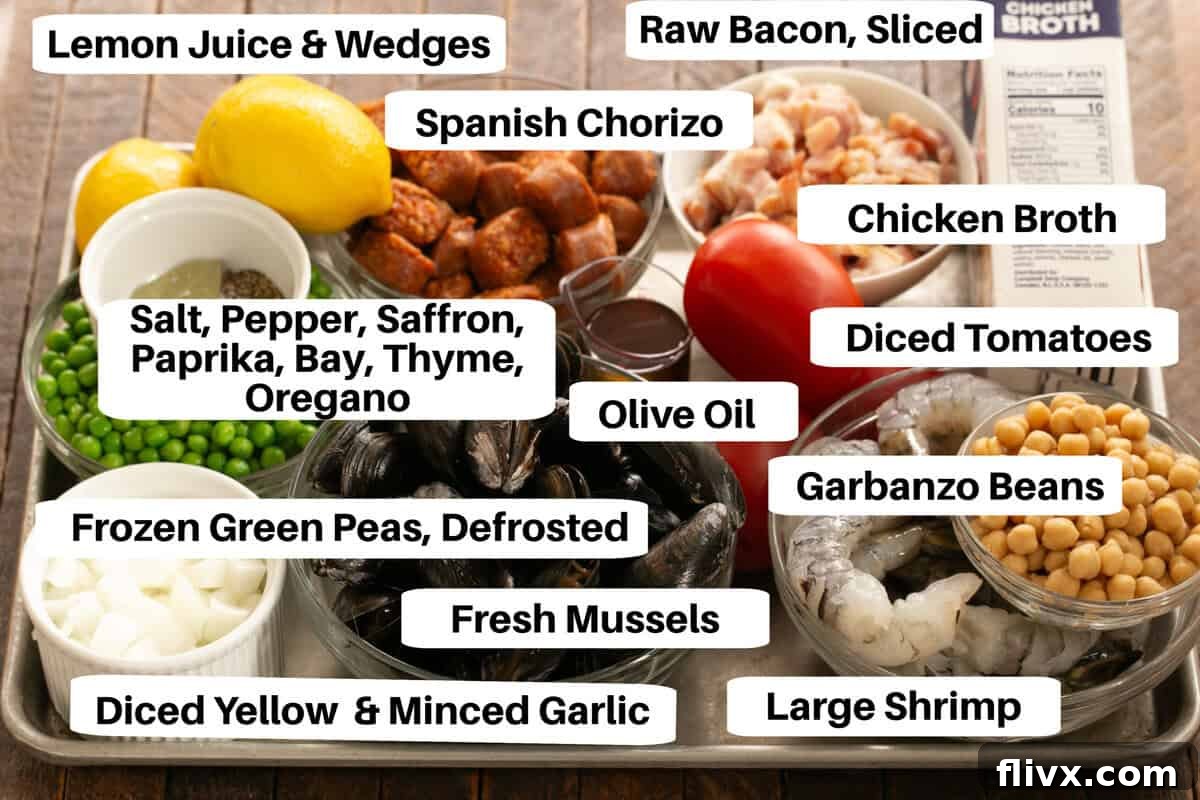
The magic of paella lies in the thoughtful selection and combination of its ingredients. Each component plays a vital role in building the complex and comforting flavors of this Spanish culinary icon. Here’s a closer look at the most crucial elements:
- **Sausage:** Julia Child’s American twist on paella often includes chorizo, a highly flavorful Spanish or Mexican pork sausage. Her original recipe calls for fresh chorizo, though dried varieties are also seen in other adaptations. If chorizo is unavailable, a good quality Italian sausage can serve as a suitable substitute, bringing a similar savory depth. It’s worth noting that traditional Spanish paella, particularly Paella Valenciana, typically omits sausage.
- **Spanish Rice:** The foundation of any great paella is the rice. Short-grain varieties like Italian Arborio or Spanish Bomba rice are preferred. Their ability to absorb liquids while remaining firm and separate, rather than becoming mushy, is crucial for achieving the perfect paella texture. Long-grain rice is generally not suitable.
- **Sofrito:** This aromatic base is the heart of many Spanish, Latin American, Italian, and Portuguese dishes. For paella, a rich sofrito is crafted by slowly sautéing chopped peppers, onions, garlic, and sometimes tomatoes, creating a concentrated burst of flavor that permeates the entire dish.
- **Stock:** Both chicken and seafood stock contribute to the depth of flavor in paella. While Julia Child’s recipe allows for both, chicken stock or broth is a commonly used and excellent choice, providing a robust base.
- **Dry White Wine:** A splash of dry white wine is added early in the cooking process. As it evaporates, it leaves behind a subtle acidity and aromatic complexity that enhances the overall flavor profile of the paella. Use a wine you enjoy drinking!
- **Saffron:** This luxurious and highly prized spice is what gives paella its signature golden hue and distinct, delicate aroma. Harvested from the stigmas of the “saffron crocus,” it’s a labor-intensive process, requiring approximately 80,000 crocuses to yield just one pound of saffron! Its unique flavor is irreplaceable. I highly recommend sourcing quality saffron from reputable spice merchants like Penzey’s.
- **Other Protein:** While traditional Paella Valenciana often features rabbit and snails, Julia Child’s Americanized version embraces a more broadly appealing mix. This recipe includes chicken, savory sausage, bacon, tender shrimp, and fresh mussels, creating a delightful surf-and-turf experience. Other popular paella proteins can include clams, squid, lobster, or even crayfish.
- **Vegetables:** A colorful array of vegetables adds freshness and texture. This recipe incorporates garbanzo beans (chickpeas), defrosted frozen green peas, ripe tomatoes (Roma tomatoes are excellent, especially in winter), vibrant red bell pepper for color and sweetness, yellow onion, and pungent garlic.
- **Spices:** Beyond the star saffron, a thoughtful blend of other spices deepens the flavor. You’ll need a bay leaf, dried thyme, and oregano, complemented by salt and freshly ground black pepper to taste.
Frequently Asked Questions About Paella
Paella is a world-renowned Spanish rice dish, celebrated for its vibrant flavors and communal spirit. Originating in Valencia, the most traditional version, known as Paella Valenciana, was typically cooked outdoors over an open fire and included ingredients like rabbit, chicken, snails, and a specific trio of beans, all bound together by saffron-infused short-grain rice. While the core elements of rice, saffron, garlic, and paprika are considered essential, modern paella recipes have evolved to incorporate a vast array of proteins and vegetables, adapting to regional tastes and readily available ingredients for home and restaurant preparation.
The correct pronunciation of Paella is pah-EH-yah, with a distinct emphasis on the second syllable. The name itself is derived from the Old French word “paelle” for pan, referring to the distinctive two-handled, wide, and shallow pan in which this iconic dish is traditionally prepared and served.
Hosting a paella party is a fantastic way to entertain, creating a relaxed yet festive atmosphere. Julia Child’s version of paella is particularly convenient as it uses ingredients easily found in most American grocery stores. Each region in Spain boasts its own unique take, often featuring squid, various fish, olives, chickpeas, or even rabbit. For my family, this dish is a warm embrace of my mother’s love, a tradition I continue with joy. Paella, packed with rice, sausage, chicken, seafood, and vegetables, serves as a complete meal, meaning you won’t need heavy or overly complex side dishes. Here’s how to plan your perfect paella gathering:
- **Theme and Menu:** Begin by selecting recipes that complement your paella. I typically lean towards Spanish or Spanish-American dishes. My mother’s Gazpacho, a refreshing cold tomato soup from Andalusia, pairs beautifully as a light starter. Refer to the “Menu Suggestions” section above for a comprehensive list of ideas, from appetizers to desserts.
- **Guest List and Portions:** This particular recipe easily serves eight people. Consider your guest count; if you’re hosting a larger group, you might want to prepare two paella pans or scale up the ingredients accordingly.
- **Ambiance:** Set a beautiful table. Candles, perhaps some Spanish-inspired decor, and a curated playlist of Spanish guitar or lively Latin music can effortlessly create a warm and inviting ambiance without requiring excessive effort or expense.
Socarrat is the highly coveted, golden, and slightly crispy layer of toasted rice that forms at the very bottom of the paella pan. It’s a sign of a perfectly cooked paella, adding a wonderful textural contrast and an intensified, nutty flavor that is truly a delight to discover. Achieving a good socarrat is often considered the mark of a skilled paella maker.
Explore More Delicious Recipes
If you enjoyed crafting and savoring Julia Child’s Paella a l’Americaine, you might also love these other hearty and flavorful entree recipes:
- Sausage and Chicken Gumbo: A comforting, flavorful stew perfect for chilly evenings.
- Grilled Thai Chicken: A tender, zesty chicken dish with exotic flavors.
- Sheet Pan Chicken with Roasted Fall Vegetables: An easy and wholesome meal for busy weeknights.
- King Ranch Chicken Casserole: A classic, creamy Tex-Mex favorite made from scratch.
- Shrimp and Grits: A soulful Southern staple, rich and satisfying.
- Tuna Noodle Casserole from Scratch: A beloved comfort food, elevated with homemade goodness.
- Discover more of our Best Chicken Recipes for every occasion.
- Dive into our collection of exquisite Seafood Recipes for fresh and exciting meal ideas.
Stay connected with us for more culinary inspiration! Follow us on Instagram, Facebook, and Pinterest. Don’t forget to tag us when you try one of our recipes! And if you’re delighted with the results, please consider giving it a 5-star rating in the recipe card below.
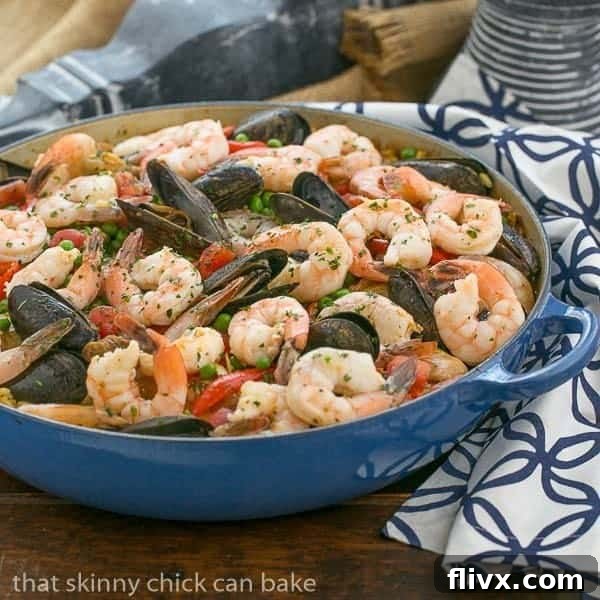
Julia Child’s Paella a l’Americaine
20 minutes
45 minutes
1 hour 5 minutes
8 servings
This classic Paella a l’Americaine recipe, a treasured adaptation from the legendary Julia Child, brings together the best of Spanish flavors with an American sensibility. It’s a celebratory dish, brimming with tender chicken, spicy chorizo, fresh shrimp, and mussels, all nestled in fragrant saffron-infused rice. Perfect for entertaining, this one-pan wonder is surprisingly straightforward to make and promises a spectacular feast every time.
Ingredients
- 1 pound fresh chorizo sausage
- 1⁄2 pound bacon, sliced into small strips
- 2 tablespoons olive oil
- 1 cup diced yellow onion
- 1 cup sliced red bell pepper
- 3 cloves garlic, minced
- 4 small bone-in chicken breasts
- 4 chicken drumsticks
- 1⁄2 cup dry white wine
- 4 1⁄2 cups chicken broth
- 1⁄2 teaspoon saffron threads
- 1 teaspoon paprika
- 1⁄4 teaspoon ground coriander
- 1 bay leaf
- 1⁄2 teaspoon thyme
- 1⁄2 teaspoon oregano
- Salt and freshly ground black pepper (to taste)
- 2 cups imported arborio rice
For the Shrimp Marinade:
- 1 tablespoon lemon juice
- ¼ teaspoon oregano
- 2 tablespoons olive oil
- Salt and freshly ground pepper (to taste)
To Finish the Paella:
- 1 pound large shrimp, peeled and deveined
- 24 mussels (or clams), scrubbed and de-bearded
- 2-3 medium tomatoes, peeled, seeded, juiced, and large diced
- 2 cups frozen green peas, defrosted
- 1 cup garbanzo beans (canned), drained and rinsed
- 2 lemons, quartered (for serving)
- Fresh parsley, minced (for garnish)
Instructions
- Prick the fresh chorizo sausages with a fork and steam them in a pan with a small amount of water until they are cooked through. Allow them to cool slightly, then slice them into rounds.
- In a large sauté pan, add the sliced sausages and bacon along with 2 tablespoons of olive oil. Cook over medium heat until the meats are lightly browned and crisp. Stir in the diced onions and sliced red bell peppers.
- Cover the pan and cook slowly until the vegetables are tender, about 8-10 minutes. Add the minced garlic and cook for another minute until fragrant, being careful not to burn it.
- Using a slotted spoon, carefully remove all the cooked ingredients (sausages, bacon, and vegetables) to a heatproof bowl. Transfer the flavorful fat from the pan into your paella pan (or a large, wide stainless steel pan).
- Pat the chicken pieces dry with paper towels. Heat the reserved fat in the paella pan over medium-high heat. Brown the chicken pieces thoroughly on all sides until golden.
- Return the reserved vegetables and sausages to the paella pan with the browned chicken. Pour in the dry white wine and chicken broth. Add the saffron threads, paprika, ground coriander, bay leaf, thyme, and oregano. Season with salt and freshly ground black pepper to taste (adjusting based on the saltiness of your broth). Cover the pan and let it simmer for about 20 minutes. (At this stage, the chicken will not be fully cooked. If preparing ahead, you can cool and refrigerate the mixture; bring it to a boil before proceeding).
- Evenly sprinkle the arborio rice into the pan, gently mixing it down into the liquid with a spoon. Ensure the rice is submerged but avoid vigorous stirring.
- Increase the heat to high and boil rapidly, uncovered, for 5 to 6 minutes. It is crucial **not to stir the rice** during this stage to allow it to cook undisturbed and begin forming the desirable bottom crust.
- While the paella is boiling, prepare the shrimp marinade: In a small bowl, combine lemon juice, ¼ teaspoon oregano, 2 tablespoons olive oil, and season with salt and freshly ground pepper. Add the peeled and deveined shrimp to this mixture and toss to coat; set aside.
- When you observe the rice has swollen and begins to rise to the surface of the liquid, quickly push the marinated shrimp, tail end down, into the rice. Add the scrubbed mussels, hinge-side down, among the rice and shrimp. Cook for a few minutes, flipping shrimp as needed to ensure even cooking.
- Again, resist the urge to stir. Instead, simply push the shrimp and mussels gently down into the rice mixture with a spoon to ensure they are nestled into the heat.
- Reduce the heat to low and let the paella simmer, uncovered, for another 8 to 10 minutes, or potentially a bit longer, until the rice is just tender and slightly al dente. During the last 4 or 5 minutes of cooking, sprinkle the defrosted green peas, drained garbanzo beans, and diced tomatoes over the surface. If the seafood, especially the mussels, needs a bit more steam to open, you may briefly cover the pan with a lid for a few minutes.
- To serve this magnificent dish, sprinkle generously with freshly minced parsley and arrange lemon quarters around the edge of the paella pan for guests to squeeze over their servings.
Notes
This recipe is a slightly adapted version of Julia Child’s iconic Paella a l’Americaine, designed to bring her gourmet touch into your home kitchen. Enjoy this culinary classic!
Recommended Products
As an Amazon Associate and member of other affiliate programs, I earn from qualifying purchases.
- Wusthof Wave (Tomato) Knife
- OXO Cutting Board
- Paella Pan
Nutrition Information:
Yield:
10
Serving Size:
1
Amount Per Serving:
Calories: 1288Total Fat: 58gSaturated Fat: 17gTrans Fat: 0gUnsaturated Fat: 34gCholesterol: 452mgSodium: 3345mgCarbohydrates: 50gFiber: 4gSugar: 7gProtein: 132g
HOW MUCH DID YOU LOVE THIS RECIPE?
We’d love to hear from you! Please leave a comment on the blog or share a photo of your culinary creation on Pinterest and tag us.