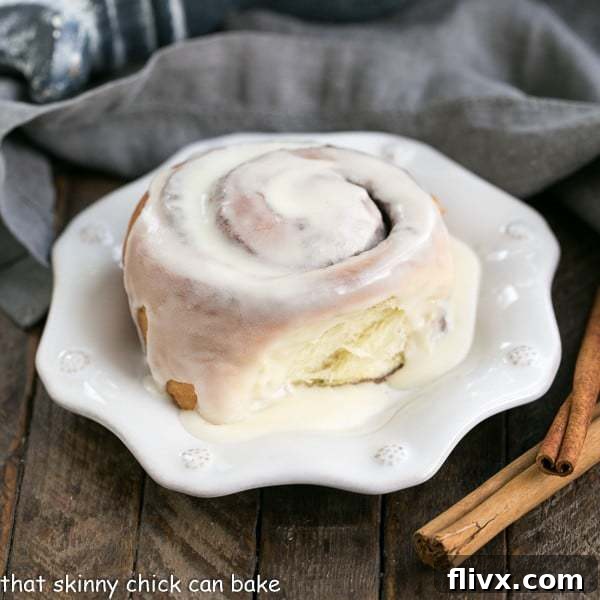
Welcome to the ultimate guide for crafting the most heavenly Glazed Cinnamon Buns! Few aromas can rival the comforting scent of freshly baked cinnamon rolls wafting through your home. These soft, fluffy, and generously glazed sweet treats are more than just a breakfast item; they’re a celebration, a token of love, and a guaranteed crowd-pleaser for any special occasion. Whether it’s Easter brunch, Mother’s Day, a festive holiday gathering, or simply a weekend craving for something truly spectacular, this recipe promises to deliver pure joy with every bite.
Forget those store-bought imitations; preparing homemade cinnamon buns from scratch is an incredibly rewarding experience. This detailed guide will walk you through every step, ensuring your kitchen is filled with warmth and your family with happy smiles. Get ready to bake a batch of cinnamon buns so tender and delicious, they’ll become an instant classic in your home.
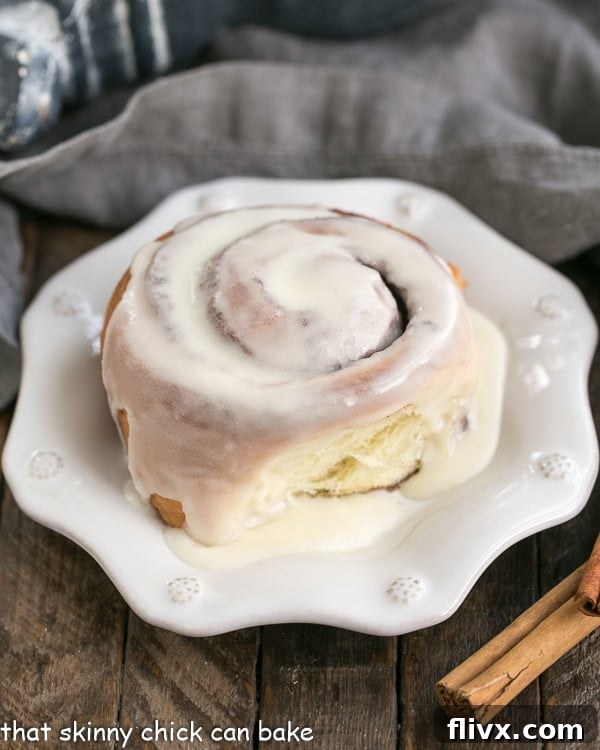
Why Homemade Glazed Cinnamon Buns Are a Must-Make Indulgence
There’s a unique magic that comes with homemade baking, especially when it involves something as universally beloved as cinnamon buns. While convenience items have their place, nothing quite compares to the unparalleled freshness, flavor, and texture of rolls made from scratch. My family, like many others, has a deep-seated obsession with cinnamon rolls. From the days of frozen options disappearing from shelves to the occasional canned tube, we’ve explored various avenues. However, it’s always the scratch-made versions, crafted with care and quality ingredients, that truly win hearts and elicit the most enthusiastic praise.
- Unmatched Freshness and Flavor: Store-bought cinnamon rolls simply can’t compete with the vibrant flavor of fresh cinnamon, rich butter, and a perfectly balanced sweet glaze. The aroma alone is enough to get everyone excited!
- Superior Texture: These homemade buns boast an incredibly soft, tender, and fluffy texture that melts in your mouth. This is achieved through careful attention to ingredients and the dough-making process, resulting in a light, airy crumb that’s truly addictive.
- A Rewarding Experience: The process of baking these buns, though it takes a bit of time, is incredibly satisfying. From activating the yeast to watching the dough rise and finally pulling golden-brown rolls from the oven, it’s a culinary journey that culminates in a truly spectacular treat. The silence that falls over the room as everyone savors their first bite is the ultimate reward.
- Perfect for Any Occasion: While they made a memorable appearance at our Easter brunch, these glazed cinnamon buns are versatile. They’re ideal for a cozy weekend breakfast, a festive holiday spread, a special Mother’s Day treat, or simply when you’re yearning for a comforting homemade pastry. Their impressive presentation and delightful taste make them suitable for any gathering.
The Art and Science Behind Perfect Cinnamon Buns
Creating flawless cinnamon buns isn’t just about following a recipe; it’s about understanding the role of each ingredient and the science behind the baking process. Here are some essential tips and insights to ensure your glazed cinnamon buns are nothing short of spectacular.
Mastering the Dough: Key Ingredients and Their Roles
The foundation of any great cinnamon bun is a rich, tender dough. Paying attention to your ingredients is crucial for achieving the desired texture and flavor.
- Whole Milk: Opting for whole milk instead of skim or low-fat varieties is a game-changer. Its higher fat content contributes significantly to a richer, more tender dough, making your buns incredibly moist and flavorful.
- Instant Dry Yeast: For consistent results, a reliable instant dry yeast like Red Star Platinum Yeast is recommended. Instant yeast doesn’t require proofing beforehand, though a quick check for foaminess (as described in the instructions) is a good practice to ensure it’s active. Remember, water temperature is key – too hot, and you’ll kill the yeast; too cold, and it won’t activate properly. Aim for 100-115°F.
- Butter (Melted and Softened): Butter is a star in this recipe, used both in the dough and the irresistible filling. Using room temperature or melted butter as specified helps it incorporate smoothly into the dough and spread evenly for the filling, ensuring a moist and flavorful interior.
- Egg Yolk: The egg yolk adds richness, tenderness, and a beautiful golden hue to the dough. It also acts as an emulsifier, contributing to a smooth, cohesive texture.
- All-Purpose Flour: While the recipe specifies a quantity, always have a little extra on hand. The exact amount of flour can vary based on humidity and how well you measure. The goal is a dough that’s tacky, not overly sticky, and pulls away from the sides of the bowl during mixing.
- Vanilla Extract: Use high-quality pure vanilla extract, such as Nielsen-Massey. It enhances the overall flavor profile, adding a warm, aromatic depth that complements the cinnamon beautifully.
- Powdered Milk (Dry Milk): This ingredient might seem unusual, but it’s a secret weapon for tender, flavorful bread. Powdered milk adds sweetness, protein, and helps the dough rise, contributing to a softer crumb and extended freshness.
- Heavy Cream (for Glaze): With 36% butterfat, heavy cream creates an incredibly rich and luxurious glaze. It provides a creamy texture and mouthfeel that perfectly balances the sweetness of the powdered sugar.
- Powdered Sugar: For the smoothest, most delectable glaze, sifting your powdered sugar is essential. This removes any lumps, ensuring a silky-smooth topping for your warm buns.
- Cinnamon and Sugar (for Filling): A generous amount of ground cinnamon mixed with sugar creates the classic, aromatic swirl. Don’t skimp on quality cinnamon for the best flavor!
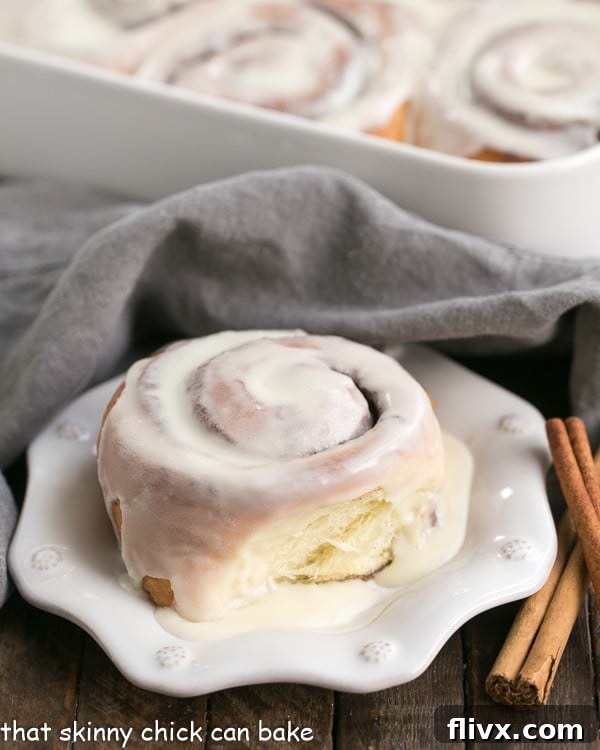
Essential Tips for Flawless Baking
Achieving bakery-quality cinnamon buns at home is within reach with these expert tips:
- Room Temperature Ingredients Are Crucial: Ensure your butter and eggs are at room temperature unless specified otherwise. This allows them to incorporate more easily and evenly into the dough, leading to a smoother texture and better rise.
- Don’t Over-Flour Your Work Surface: While a lightly floured surface is necessary to prevent sticking, using too much flour when rolling out the dough can make your rolls tough and dry. Aim for just enough to keep the dough manageable.
- Yeast Activation Temperature: The water used to activate the yeast should be between 100-115°F (38-46°C). Water that’s too hot will kill the yeast, preventing your dough from rising, while water that’s too cold won’t activate it sufficiently. If your yeast doesn’t become foamy after 5-10 minutes, it may be inactive or the temperature was off, and you should start with a fresh packet.
- Dough Consistency is Key: Your dough is properly mixed when it pulls away cleanly from the sides of the mixing bowl. It should feel tacky to the touch, not sticky. If it’s too sticky, add a tablespoon or two of flour at a time until it reaches the right consistency. Over-mixing can lead to tough buns, so knead only until smooth and elastic, usually around 6 minutes with a stand mixer.
- Roll Tightly for Perfect Swirls: When shaping your dough into a log, roll it as tightly as possible. This technique helps the rolls maintain their beautiful swirl pattern during rising and baking, preventing them from unraveling.
- Optimal Rising Temperature: Allow your rolls to rise in a warm, draft-free environment, ideally around 85°F (30°C). Forcing a rise at higher temperatures (e.g., above 100°F) can negatively impact the texture, leading to a denser crumb, reduced flavor, and even a slightly sour taste. A slightly warm oven (turned off, with the light on) or a proofing drawer can work wonders.
- Precise Cutting Techniques: For clean, even slices, use a very sharp knife or, for an even neater cut, dental floss (unwaxed, unflavored). Simply slide a piece of floss under the log, cross the ends over the top, and pull to slice through the dough cleanly. This method helps preserve the round shape of the buns.
- Check for Doneness: If you’re unsure if your cinnamon buns are fully baked, an instant-read thermometer is your best friend. Insert it into the center of a roll; an internal temperature of 190-200°F (88-93°C) indicates they are perfectly done, ensuring they are cooked through without being dry.
Crafting Your Delicious Glazed Cinnamon Buns: A Step-by-Step Guide
Follow these comprehensive instructions to create a batch of irresistible glazed cinnamon buns that will impress everyone.
- Activate the Yeast: Begin by gently warming 1 cup of whole milk to about 100°F (38°C) in a medium saucepan or microwave. Be careful not to overheat, as this will kill the yeast. Sprinkle the instant dry yeast and ¼ teaspoon of sugar over the warm milk (do not stir). Let it sit undisturbed for 5 minutes until it becomes foamy, indicating the yeast is active.
- Prepare the Dough Mixture: In a separate large bowl or the bowl of a stand mixer, whisk together the all-purpose flour, the remaining ¼ cup sugar, dry milk, and salt. Once the yeast mixture is foamy, whisk in the 4 tablespoons of melted butter, the egg yolk, and 1½ teaspoons of vanilla extract.
- Combine and Knead: Make a well in the center of your dry ingredients and pour in the yeast mixture. Using a dough hook on a stand mixer, mix on low speed until the ingredients just combine and form a thick, slightly sticky dough. Increase the speed to medium and knead for 6 minutes. The dough should gather around the hook and pull away from the sides of the bowl. If it’s too sticky, add up to 2 additional tablespoons of flour, one at a time.
- First Rise (Proofing): Shape the dough into a ball and place it in a lightly buttered bowl, turning to coat. Cover the bowl tightly with plastic wrap and let it rise in a warm, draft-free place until it has doubled in size, which typically takes about 1 hour and 15 minutes.
- Prepare the Filling: While the dough rises, prepare your cinnamon sugar filling. In a small bowl, combine ½ cup of sugar with 3 tablespoons of ground cinnamon. Set aside.
- Roll and Fill: Once the dough has doubled, gently punch it down. On a lightly floured surface, roll the dough into a 12-by-14-inch rectangle, with the longer side facing you. Evenly spread the 12 tablespoons of softened butter over the dough, leaving a ½-inch border along the long edge furthest from you. Sprinkle the cinnamon-sugar mixture generously over the buttered surface.
- Shape the Buns: Brush the unbuttered far edge of the dough with a little water; this will help seal the roll. Starting from the long edge closest to you, tightly roll the dough away from you into a cylinder. Press firmly on the watered edge to seal it securely.
- Cut the Rolls: Using a sharp knife or unwaxed dental floss, cut the dough cylinder into 6 to 9 equal-sized buns, depending on your desired size (6 will yield massive buns, 9 will be slightly smaller but still generous).
- Second Rise: Butter a 9-by-13-inch baking pan. Arrange the cut buns in the pan, cut-side down, ensuring there’s some space between each roll for them to expand. Cover the pan loosely with plastic wrap and let the buns rise again until doubled in size, approximately 40 minutes.
- Bake: While the buns are on their second rise, preheat your oven to 325°F (160°C). Once risen, bake the cinnamon buns for about 35 minutes, or until they are golden brown on top and the internal temperature reaches 190-200°F (88-93°C).
- Prepare the Glaze: While the buns cool slightly, prepare the irresistible glaze. Sift 2 cups of powdered sugar into a medium bowl. Whisk in ⅓ cup of heavy cream, 4 tablespoons of melted butter, and ½ teaspoon of vanilla extract until smooth and creamy.
- Glaze and Serve: Let the baked buns cool in the pan for about 15 minutes before transferring them to a wire rack. While they are still warm (but not piping hot), generously spoon the sweet, creamy glaze over each cinnamon bun. Serve immediately and enjoy the pure bliss!
Frequently Asked Questions About Glazed Cinnamon Buns
Here are answers to some common questions that arise when baking homemade cinnamon buns:
Why did my buns rise unevenly?
Uneven rising can occur for a few reasons. If the dough was rolled too loosely or too tightly in certain spots, or if the individual buns weren’t cut uniformly, they might rise inconsistently. Additionally, if your baking pan is too small, the buns may not have enough room to expand equally, leading to some being compressed while others rise more freely. Ensure even rolling, cutting, and adequate spacing in the pan for the best results.
Can these buns be iced with cream cheese frosting instead of the glaze?
Absolutely! While the provided glaze is wonderfully sweet and creamy, a tangy cream cheese frosting is an equally popular and delicious option for cinnamon buns. To make a simple cream cheese frosting, beat together 4 ounces of softened cream cheese, ½ cup (1 stick) of softened butter, 2 cups of sifted powdered sugar, and 1 teaspoon of vanilla extract until smooth and fluffy. Spread it generously over the warm buns.
Can I make these cinnamon buns ahead of time?
Yes, you can! There are a couple of ways to prepare them in advance:
- Overnight Rise in the Fridge: After placing the cut buns in the buttered baking pan for their second rise, instead of letting them rise at room temperature, cover the pan tightly with plastic wrap and refrigerate for 8-12 hours (or overnight). The next morning, remove them from the fridge about 1-1.5 hours before baking to allow them to come to room temperature and complete their rise. Then, bake as directed.
- Freeze After Shaping: You can also freeze the unbaked buns. After placing them in the baking pan, wrap the pan tightly with plastic wrap and then aluminum foil. Freeze for up to 2-3 weeks. When ready to bake, transfer the frozen buns to the refrigerator overnight to thaw and slowly rise, or let them rise at room temperature for 3-4 hours before baking.
How do I store leftover cinnamon buns and reheat them?
Store leftover glazed cinnamon buns in an airtight container at room temperature for up to 2 days, or in the refrigerator for up to 4 days. To reheat, place them in the microwave for 15-30 seconds until warm and soft, or wrap them in foil and warm them in a 300°F (150°C) oven for 10-15 minutes. This helps to restore their fresh-baked tenderness.
What if my yeast doesn’t foam when activated?
If your yeast doesn’t get foamy after sprinkling it over the warm milk and sugar, it’s a strong indication that either your yeast has expired (lost its potency) or the milk temperature was too hot (killing the yeast) or too cold (preventing activation). Unfortunately, if the yeast isn’t active, your dough won’t rise. It’s best to discard the mixture and start again with fresh yeast and carefully measured milk temperature.
Variations and Serving Suggestions
These glazed cinnamon buns are perfect as is, but don’t hesitate to get creative with variations and serving ideas!
-
Creative Glaze Ideas:
- Orange Glaze: Add 1-2 teaspoons of fresh orange zest and a tablespoon of orange juice to the glaze mixture for a bright, citrusy twist.
- Coffee Glaze: Substitute 1 tablespoon of the heavy cream with strongly brewed coffee or espresso for a subtle, sophisticated flavor.
- Maple Glaze: Replace some of the heavy cream with pure maple syrup for a rich, autumnal taste.
-
Delicious Add-Ins:
- Nuts: Sprinkle chopped pecans or walnuts over the cinnamon sugar filling before rolling for added crunch and flavor.
- Dried Fruit: A handful of raisins, dried cranberries, or chopped dried apricots can be added to the filling for extra chewiness and sweetness.
-
Serving Suggestions:
- Brunch Centerpiece: Serve these warm cinnamon buns as the star of your weekend brunch, alongside fresh fruit, scrambled eggs, and coffee.
- Dessert Treat: These are decadent enough to serve as a dessert, perhaps with a scoop of vanilla bean ice cream or a dollop of whipped cream.
- Gift of Love: Pack a few freshly baked and glazed buns in a decorative box to share with friends, family, or neighbors. They make a wonderful homemade gift!
More Delicious Brunch Recipes You May Also Like:
If you love these Glazed Cinnamon Buns, be sure to explore other delightful recipes perfect for breakfast or brunch:
- Homemade Orange Rolls
- Cinnamon Zucchini Muffins
- Classic Cinnamon Rolls
- Cinnamon Bubble Roll
- Cinnamon Sticky Buns
- More Brunch Recipes
Glazed Cinnamon Buns Recipe
40 minutes
35 minutes
1 hour 15 minutes
9 buns
One of our favorite cinnamon bun recipes! Tender, delicious with a sweet, creamy glaze!
Ingredients
For the buns:
- 1 cup whole milk
- 1 ¼-ounce packet instant dry yeast (e.g., Red Star Platinum Yeast)
- ¼ cup plus ¼ teaspoon sugar
- 4 tablespoons butter, melted, plus more for the bowl
- 1 egg yolk
- 1 ½ teaspoons vanilla extract (e.g., Nielsen-Massey)
- 2 ¾ cups all-purpose flour, plus more if needed
- ¼ cup dry milk (powdered milk)
- ¾ teaspoon salt
For the Filling:
- 12 tablespoons butter, softened, plus more for the pan
- ½ cup sugar (e.g., Dixie Crystals)
- 3 tablespoons ground cinnamon
For the Glaze:
- 2 cups powdered sugar
- ⅓ cup heavy cream
- 4 tablespoons butter, melted
- ½ teaspoon vanilla (e.g., Nielsen-Massey brand)
Instructions
- Make the dough: Warm the milk in a medium saucepan over low heat until it reaches about 100°F (38°C) (you can also use the microwave, testing every 20 seconds).
- Remove from the heat and sprinkle in the yeast and ¼ teaspoon sugar (don’t stir). Set aside until foamy, 5 minutes.
- Whisk in the melted butter, egg yolk, and vanilla.
- Whisk the flour, the remaining ¼ cup sugar, dry milk, salt, and a pinch of nutmeg (optional) in the bowl of a stand mixer.
- Make a well in the center and pour in the yeast mixture. Mix on low speed with the dough hook until thick and slightly sticky. Knead on medium speed until the dough gathers around the hook, about 6 minutes. (Add up to 2 more tablespoons flour if necessary, to achieve a tacky, not overly sticky, dough).
- Remove the dough and shape into a ball. Lightly butter the mixer bowl (or use a large glass bowl sprayed with cooking spray) and return the dough to the bowl, turning to coat with butter. Cover with plastic wrap and let rise until doubled, about 1 hour 15 minutes.
- On a lightly floured surface, roll the dough into a 12-by-14-inch rectangle with the longer side facing you.
- Spread with the softened butter, leaving a ½-inch border on the long edge furthest from you. Mix the sugar and cinnamon; sprinkle evenly over the butter.
- Brush the unbuttered far edge with water. Roll the dough away from you into a tight cylinder and press on the long edge to seal.
- Cut the cylinder with a sharp knife to make 6-9 equal-size buns.
- Butter a 9-by-13-inch baking pan; place the buns cut-side down in the pan, leaving space between each for rising. Cover with plastic wrap and let rise until doubled, about 40 minutes.
- Preheat the oven to 325°F (160°C).
- Bake the buns until golden brown, about 35 minutes. Cool in the pan for 15 minutes.
- Meanwhile, make the glaze: Sift the confectioners’ sugar into a bowl, then whisk in the cream, melted butter, and vanilla.
- Transfer the buns to a rack and spoon the glaze on top generously while they are still warm (but not hot from the oven).
Notes
If your yeast does not get foamy after 5-10 minutes, either it has expired or your water temperature was too hot or too cold. You will need to start over with fresh yeast and correctly tempered milk.
Recommended Products
As an Amazon Associate and member of other affiliate programs, I earn from qualifying purchases.
- Nielsen-Massey Madagascar Bourbon Pure Vanilla Extract, 4 ounces
- 9 x 13 Baking Pan
- Red Star Platinum Yeast (Instant Yeast)
Nutrition Information:
Yield:
9 buns
Serving Size:
1 bun
Amount Per Serving:
Calories: 586
Total Fat: 31g
Saturated Fat: 19g
Trans Fat: 1g
Unsaturated Fat: 9g
Cholesterol: 101mg
Sodium: 408mg
Carbohydrates: 71g
Fiber: 4g
Sugar: 38g
Protein: 8g