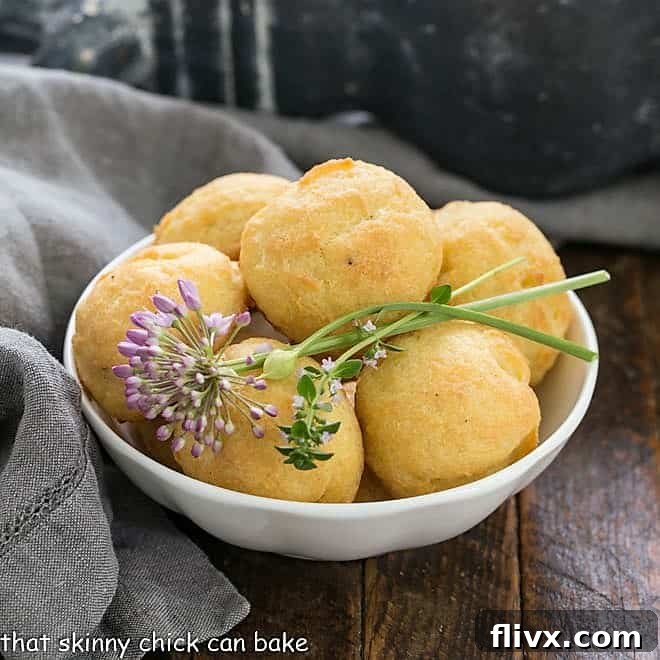
Gougères: Your Guide to Exquisite French Cheese Puffs (Pâte à Choux)
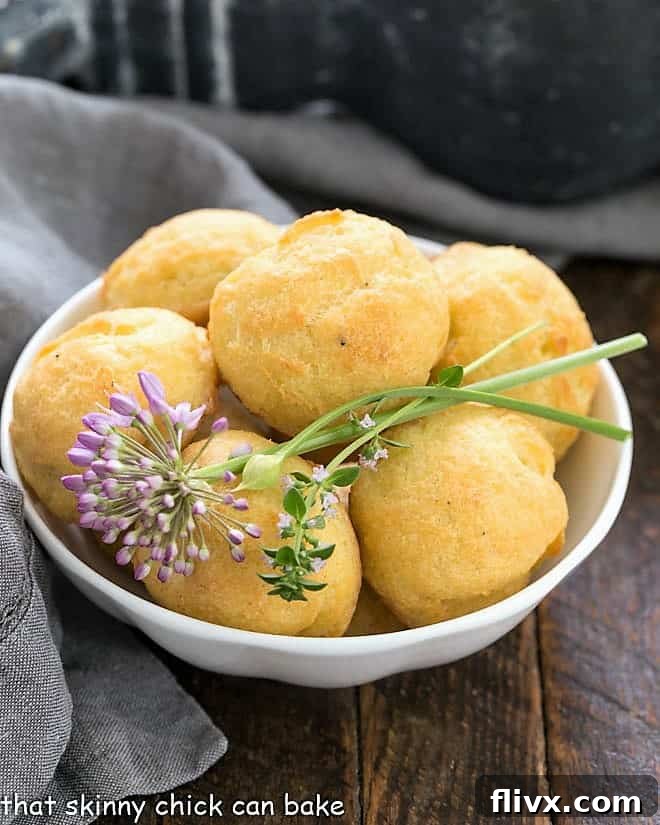
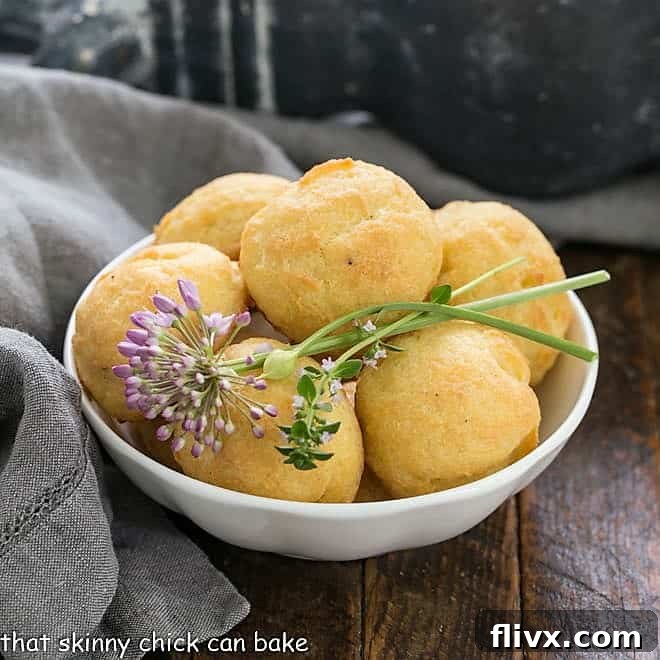
Gougères, famously known as French Cheese Puffs, are an exquisite savory pastry crafted from delicate pâte à choux dough, generously infused with the rich, nutty flavor of Gruyere cheese. These airy, golden delights make an absolutely marvelous starter or an elegant appetizer, perfect for welcoming guests and elevating any gathering with a touch of French sophistication.
My culinary journey with choux pastry began in my teenage years, perfecting classic cream puffs long before I discovered the savory magic of gougères. While my mom’s technique for plain cream puffs had its own unique charm, the method for these cheesy cousins, particularly Dorie Greenspan’s celebrated recipe, yields equally (if not more!) delightful results. It’s a foundational skill in baking that truly transforms simple ingredients—water, butter, flour, and eggs—into something spectacular: a light, hollow pastry shell ready for any filling, savory or sweet.
Why Gougères Are an Essential Addition to Your Culinary Repertoire
If you’re looking for a show-stopping appetizer that’s both impressive and surprisingly approachable, gougères are your answer. Beyond their irresistible flavor and texture, here’s why these French cheese puffs deserve a prominent place in your kitchen and at your next event:
- A Recipe from Dorie Greenspan: A Mark of Culinary Excellence. This particular recipe comes directly from the esteemed cookbook author, Dorie Greenspan. Her reputation precedes her, known for meticulously tested, consistently successful, and utterly delicious recipes. When Dorie puts her stamp on a dish, you know it’s going to be reliable, exceptional, and well worth your time and effort. Her method ensures a perfect outcome, making it ideal for both novice and experienced bakers.
- Effortless Elegance for Any Occasion. Gougères are inherently elegant and sophisticated. Their delicate puff, golden-brown crust, and inviting aroma make them a perfect choice for dinner parties, holiday gatherings, cocktail hours, or even a simple weekend brunch. They instantly elevate the perceived effort of your culinary skills, yet the process of making them is far less intimidating than many imagine. Serving them warm from the oven ensures maximum impact, impressing your guests with minimal stress.
- Master the Art of Pâte à Choux, Unlock a World of Baking. Learning to make gougères means mastering the fundamental technique of pâte à choux (choux pastry). This versatile dough is a cornerstone of French baking and the building block for numerous iconic desserts and savory treats. Once you’ve successfully created gougères, a vast world of French patisserie opens up to you, including sweet éclairs, classic cream puffs (profiteroles), elegant choux au craquelin, and even the grand croquembouche. The confidence gained from perfecting this dough is invaluable.
- Incredibly Versatile and Adaptable. While traditionally made with Gruyere, the beauty of gougères lies in their adaptability. You can experiment with various other hard, flavorful cheeses like Comté, Emmenthal, or even a sharp cheddar. Furthermore, you can enhance them with different seasonings, fresh herbs, or a hint of spice to perfectly match your preferences or the other dishes on your menu. This versatility ensures they never get boring!
The initial inspiration for these delightful gougères came years ago when a dear friend gifted me Dorie Greenspan’s fabulous cookbook, Around My French Table (affiliate link). I was thrilled to join a group of fellow bloggers, embarking on a culinary adventure, cooking through the book, and sharing our experiences each Friday. Our very first assignment was gougères – a savory treat that quickly transcended from a simple recipe to one of my absolute favorite hors d’oeuvres. The process itself brought back cherished memories of my youth, standing in the kitchen, stirring the pâte à choux with “the” designated wooden spoon, and helping my mom carefully hollow out the soft, delicious interiors of cream puffs, preparing them for their sweet, indulgent fillings. The experience of making choux pastry, while requiring careful attention to detail, is incredibly rewarding, yielding a product that feels both rustic in its preparation and refined in its final presentation.
What Our Readers Are Saying About These Irresistible French Cheese Puffs
Don’t just take our word for the sheer delight these gougères bring! Here’s a wonderful endorsement from Randy, one of our valued readers, shared via the comments section, highlighting the recipe’s reliability and deliciousness:
“So delicious. I never alter a recipe the first time I make something and this is one that needs no changes. Light, easy, perfection.” – Randy
This heartfelt feedback perfectly encapsulates the appeal and success of these gougères – they are consistently delightful, incredibly satisfying, and truly require no fussing to achieve perfection. Such testimonials are a testament to the simplicity and elegance of classic French baking, proving that authentic flavors can be achieved by home cooks with confidence.
Expert Tips for Crafting Perfect Gougères Every Time
Making light, airy, and flavorful gougères involves a few critical steps and techniques, primarily centered around perfecting the pâte à choux. Follow these detailed expert tips to ensure your French cheese puffs are consistently superb:
- Meticulous Preparation: Setting Your Oven and Baking Sheets.
- Begin by lining your baking sheets with parchment paper or a silicone baking mat. This crucial step prevents sticking and ensures even browning, allowing your gougères to release easily.
- Crucially, preheat your oven to the specified temperature (typically 375ºF or 190°C) well in advance. PRO-Tip: A very hot oven from the start is absolutely vital for successful choux pastry. The immediate high heat creates a sudden burst of steam inside the dough, which is what forces the gougères to puff up dramatically and develop their signature hollow interior. Do not open the oven door during the first 20-25 minutes of baking, as this can cause them to deflate prematurely.
- Achieving the Right Dough Consistency: Mastering the Panade.
- Boil with Vigor: For quicker melting and even distribution, cut your butter into tablespoon-sized pieces. Combine the butter, water, salt, and pepper in a medium, heavy-bottomed saucepan. Bring them to a vigorous, rolling boil over medium-high heat. Ensure the butter is fully melted and the mixture is truly boiling before proceeding.
- Incorporate the Flour Swiftly and Thoroughly: Remove the pan from the heat immediately after boiling (or significantly lower the heat if you prefer to keep it on a low simmer). Add all the flour at once and stir vigorously and continuously with a sturdy wooden spoon. Continue stirring until the flour is fully incorporated, forming a smooth, cohesive ball of dough (this cooked dough is known as a “panade”). You’ll know it’s ready when a slight, floury film or coating forms on the bottom and sides of the pan. This step is essential as it cooks out excess moisture from the flour, which is fundamental for a stable choux pastry.
- The Egg Incorporation Stage: Smooth, Glossy, and Ready to Puff.
- Cooling the Panade: Before adding the eggs, it’s critical to let the panade cool slightly. You can achieve this by stirring it off the heat for a minute or two, or by transferring it to a stand mixer bowl (if using one). PRO-Tip: Cooling the mixture prevents the eggs from scrambling when they are added to the warm dough, ensuring a smooth, emulsified mixture.
- Add Eggs One at a Time, Mix Thoroughly: Add the eggs one at a time, mixing thoroughly after each addition until it’s completely incorporated and the dough returns to a cohesive state before adding the next. The dough might look lumpy or separated after the first few additions; this is normal, just keep mixing; it will come back together into a smooth, pliable texture.
- Desired Dough Texture: The final dough should be smooth, glossy, and thick enough to hold its shape when piped or scooped, but still somewhat soft and pliable. If using a stand mixer, fit it with the paddle attachment for efficient and consistent mixing of the choux pastry.
- Flavoring Your Gougères: The Cheese and Seasonings.
- Once the eggs are fully incorporated, it’s time to add the stars of the show: your grated Gruyere cheese, dry mustard, and a pinch of cayenne pepper. The dry mustard is a secret weapon; it enhances the cheesy flavor without imparting a distinct mustard taste, and cayenne provides a subtle warmth that complements the richness of the cheese.
- Ensure the cheese is freshly grated for the best flavor and melt. Pre-shredded cheeses often contain anti-caking agents that can hinder smooth melting.
- Shaping and Baking for Optimal Puff.
- Scoop or Pipe: You have options for shaping! You can either scoop out rounded tablespoonfuls of dough onto your prepared baking sheet using two spoons or a small ice cream scoop, or pipe the dough using a pastry bag fitted with a large round tip for a more uniform and elegant appearance. Regardless of the method, leave sufficient space (about 2 inches) between each gougère for adequate expansion during baking.
- Bake Thoroughly for Stability: Bake as directed in the recipe until the gougères are deeply golden brown, firm to the touch, and feel very light when lifted. Crucial Baking Insight: It is paramount that these cheese puffs are thoroughly baked. If the interior remains even slightly moist, the structure will soften upon cooling, inevitably causing the choux to deflate and collapse. Don’t be afraid of a deep golden-brown exterior – it indicates a properly baked, stable puff that will remain crisp.
- Sweet Choux Pastry Variation: Beyond Savory. PRO-Tip: If you’re craving classic cream puffs, éclairs, or profiteroles for dessert, simply omit the savory elements – pepper, dry mustard, and cheese. Instead, add 1 tablespoon of granulated sugar to the dough along with the water and butter to create a versatile sweet pâte à choux base, ready for any sweet filling you desire.
Frequently Asked Questions About Gougères (French Cheese Puffs)
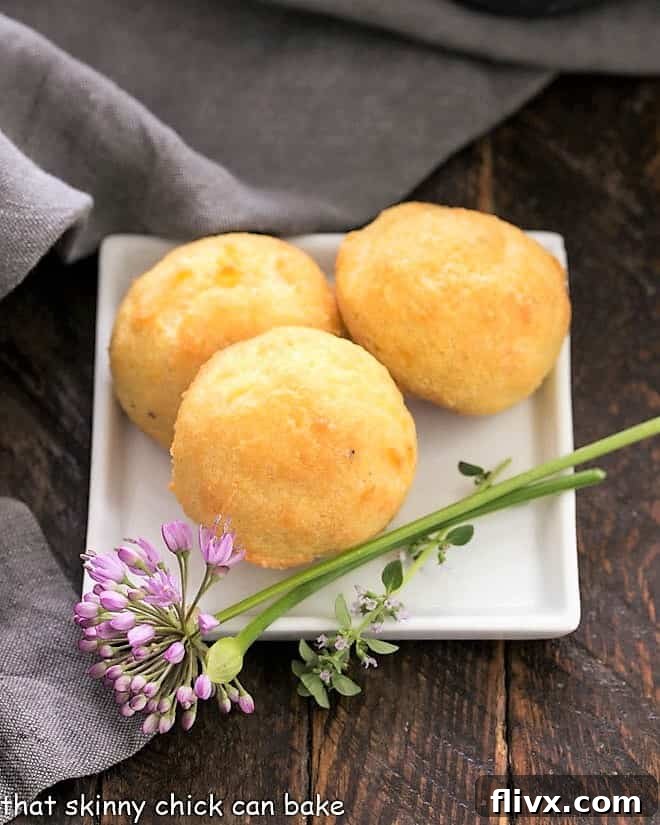
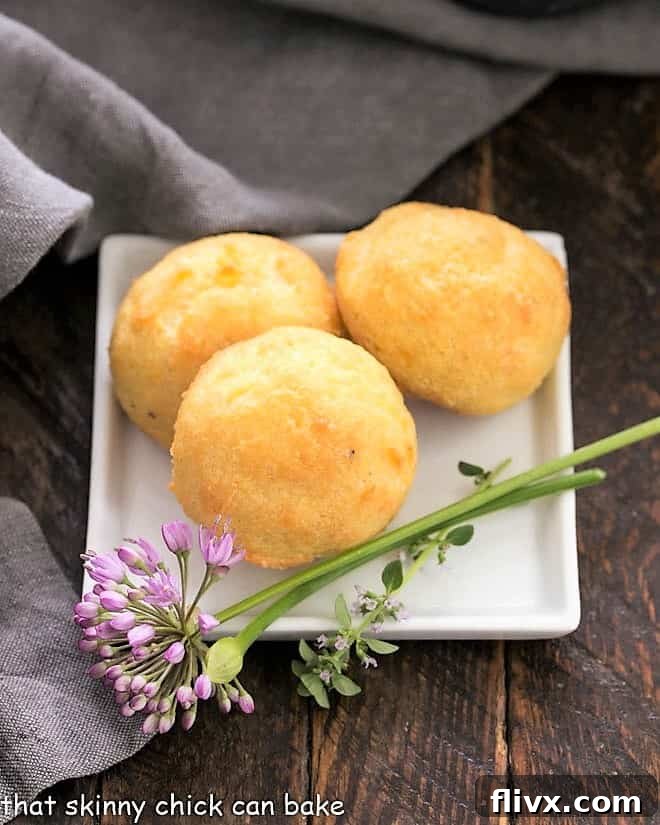
A gougère, an iconic French cheese puff, is a delightful “baked savory choux pastry made of choux dough mixed with cheese.” The cheese used is typically a hard, nutty Swiss variety such as Gruyere, Emmenthal, or Comté, with Gruyere being a universally popular choice for its distinctive and robust flavor profile. The French term for the base pastry, pâte à choux, literally translates to “choux pastry” or, quite amusingly, “cabbage” pastry. This whimsical name is attributed to their visual similarity to small, round cabbages once they’re baked and puffed, with their craggy, golden-brown exteriors. Pâte à choux is unique because it’s cooked twice: first on the stovetop to form a “panade” and then baked in the oven where steam creates its signature hollow interior.
Freshly baked gougères are truly best enjoyed warm, straight from the oven, when their texture is at its peak crispness. However, leftovers can be stored in an airtight container at room temperature for up to 3 days. For longer storage, they freeze exceptionally well! Place cooled, baked gougères in an airtight freezer-safe container or bag for up to 3 months. To serve frozen gougères, simply reheat them in a 350-degree Fahrenheit (175°C) oven for 5-10 minutes until warmed through and crisp again. For making ahead, Dorie Greenspan also offers a fantastic method for freezing raw dough mounds: scoop mounds onto a parchment-lined baking sheet, place the entire sheet in the freezer until the dough is frozen solid, then transfer the frozen dough mounds to a freezer-safe zip-top bag. Store in the freezer until needed, then bake directly from frozen, adding a couple of minutes to the usual baking time. This allows you to have freshly baked gougères on demand!
Deflation is a common issue with choux pastry, and it typically stems from two main reasons. First, and most frequently, the cheese puffs were not cooked long enough. The exterior walls of the choux need to be thoroughly dried out and firm to provide a stable structure once cooled. If the interior is still moist, the walls will soften upon cooling, leading to a collapse. Bake them until they are deeply golden brown (don’t be afraid of color!), firm to the touch, and feel very light when lifted, indicating a dry interior. Second, the liquid-to-flour ratio in your dough might be off. If your dough is too wet (too much liquid relative to flour or insufficient cooking of the panade), the choux will be too soft and may not hold its puff, resulting in flatter gougères. The dough should be firm enough to hold its shape when piped or scooped. Ensure your oven temperature is consistent and avoid opening the oven door too often during the initial baking phase, which can cause temperature fluctuations and lead to collapse.
This elegant French culinary term is pronounced: goo-ZHEHR. The ‘g’ sounds soft, similar to the ‘s’ in “measure” or the ‘g’ in “genre,” and the ‘s’ at the end is silent. Practice saying it a few times – soon you’ll sound like a seasoned French chef confidently ordering your next French pastry!
Gougères are incredibly versatile and can enhance a variety of meals and occasions! Serve them warm, straight from the oven, as an appetizer with a glass of crisp white wine (like a Sauvignon Blanc, dry Rosé, or unoaked Chardonnay) or a light, effervescent cocktail. Their savory, cheesy profile makes them an excellent companion to a simple green salad with vinaigrette, a comforting bowl of French onion soup, or a hearty bowl of tomato soup. For a more substantial offering, consider serving them alongside a charcuterie board, as a sophisticated alternative to bread with your main course, or even split and filled with creamy dips or pâté. The possibilities are truly endless!
Explore More French-Inspired Delights and Appetizer Recipes
If you’ve enjoyed making these delightful Gougères and are eager to explore further into the world of choux pastry and elegant appetizers, you’ll love these other recipes and resources from our kitchen and our friends:
- Pate a Choux Templates from Barbara Bakes – Essential guides for achieving perfectly shaped cream puffs and éclairs.
- French Paris-Brest – Dive into another classic Dorie Greenspan creation featuring ring-shaped choux pastry filled with praline cream.
- Triple Cheese Gougeres – For those who simply can’t get enough cheesy goodness, this variation takes it to the next level!
- S’mores Cream Puffs – A fun, imaginative, and utterly delicious sweet twist on the classic cream puff.
- Blue Cheese Gougeres – An adventurous and intensely flavorful variation perfect for blue cheese aficionados.
- Lemon Cream Croquembouche – The grand finale of choux pastry, a stunning and impressive dessert tower ideal for celebrations.
- More of my Best Appetizer Recipes – A curated collection of delicious and crowd-pleasing ideas for your next gathering.

Stay connected with us for more culinary inspiration, recipes, and baking tips through social media! Find us and share your creations on Instagram, Facebook, and Pinterest. Don’t forget to tag us when you try one of our recipes! And if you absolutely love the results and want to support our kitchen, please consider giving it a 5-star rating in the recipe card below – your feedback means the world to us and helps others discover these wonderful recipes.
Dorie Greenspan’s Gougères Recipe
10 minutes
40 minutes
50 minutes
8 servings
A truly marvelous savory, cheesy cream puff that serves as an elegant and unforgettable appetizer, straight from Dorie Greenspan’s French Table.
Ingredients
- 1 cup water
- ½ cup unsalted butter, cut into tablespoon pieces
- ½ teaspoon fine sea salt
- ¼ teaspoon freshly ground black pepper
- 1 cup all-purpose flour
- 4 large eggs, at room temperature
- 1 cup Gruyere cheese, freshly grated (or Emmenthal/Comté)
- 1 teaspoon dry mustard powder
- Pinch of cayenne pepper (optional, for a subtle kick)
Instructions
- Preheat your oven to 375ºF (190°C). Line a large baking sheet with parchment paper or a silicone baking mat.
- In a medium, heavy-bottomed saucepan, combine the water, butter, salt, and pepper. Bring the mixture to a vigorous, rolling boil over medium-high heat, ensuring the butter is fully melted.
- Remove the pan from the heat (or reduce heat to very low). Add all the flour at once and stir vigorously with a wooden spoon until the flour is completely incorporated and forms a smooth ball of dough. Continue stirring for about 1-2 minutes to cook out excess moisture, until a thin film forms on the bottom of the pan.
- Transfer the dough to a large mixing bowl or the bowl of a stand mixer fitted with a paddle attachment. Let it cool for 2-3 minutes, stirring occasionally, to prevent the eggs from scrambling. Add the 4 eggs, one at a time, mixing well after each addition until the egg is fully absorbed and the dough is smooth before adding the next. The dough will look lumpy initially but will come together to a smooth, glossy consistency.
- Once all eggs are incorporated, stir in the grated Gruyere cheese, dry mustard, and cayenne pepper (if using) until evenly distributed throughout the dough.
- Drop the dough by rounded tablespoonfuls onto the prepared baking sheet, leaving about 2 inches between each mound. You can also pipe them for a more uniform shape.
- Bake for 30-40 minutes, or until the gougères are deeply golden brown, firm to the touch, and feel light when lifted. It’s crucial they are thoroughly baked to prevent deflation.
- Serve immediately while warm, savoring their crisp exterior and cheesy, airy interior.
Notes from the Kitchen
This fantastic recipe was originally shared with me by my talented sister, Katie, and it quickly became a household favorite. For best results and the smoothest melt, always use freshly grated cheese instead of pre-shredded varieties, which often contain anti-caking agents. Remember, resist the urge to open the oven door too early during baking, especially in the first 20-25 minutes, as this can cause the delicate puffs to collapse due to sudden temperature changes.
Recommended Baking Essentials
As an Amazon Associate and member of other affiliate programs, I earn from qualifying purchases.
- Reynolds Kitchens Pre-Cut Parchment Paper Baking Sheets
- USA Pan Bakeware Half Sheet Pan
- Sturdy Wooden Mixing Spoon
Nutrition Information (Per Serving):
Yield:
8
Serving Size:
1 Gougère (Approx.)
Approximate Amount Per Serving:
Calories: 258
Total Fat: 19g
Saturated Fat: 11g
Trans Fat: 0g
Unsaturated Fat: 7g
Cholesterol: 140mg
Sodium: 368mg
Carbohydrates: 12g
Fiber: 0g
Sugar: 0g
Protein: 9g
Share Your Gougères Success!
How much did you love making these Gougères? We’d be thrilled to see your culinary creations! Please leave a comment on the blog or share a photo on Pinterest and tag us!