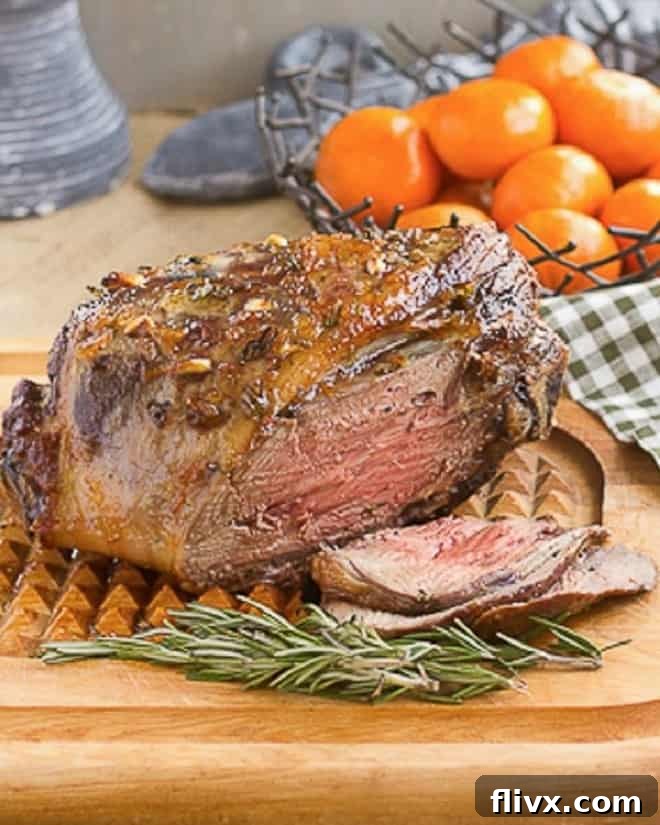
Elevate your holiday table with this exquisite Glazed Leg of Lamb Recipe, a true showstopper infused with aromatic garlic and fresh rosemary, then beautifully coated in a vibrant marmalade glaze. Perfect for Easter or any special occasion, this recipe ensures a tender, flavorful roast every time. The secret to its succulence? A simple yet effective dry brining process the night before, locking in moisture and intensifying the lamb’s natural deliciousness.
A perfectly cooked Leg of Lamb Roast transforms any meal into a memorable celebration. Choosing a bone-in roast is key, as the bone itself imparts incredible depth of flavor and helps the meat cook more evenly. By studding the lamb generously with fresh garlic and fragrant rosemary, we create pockets of intense aroma that permeate the entire cut, promising an unforgettable dining experience.
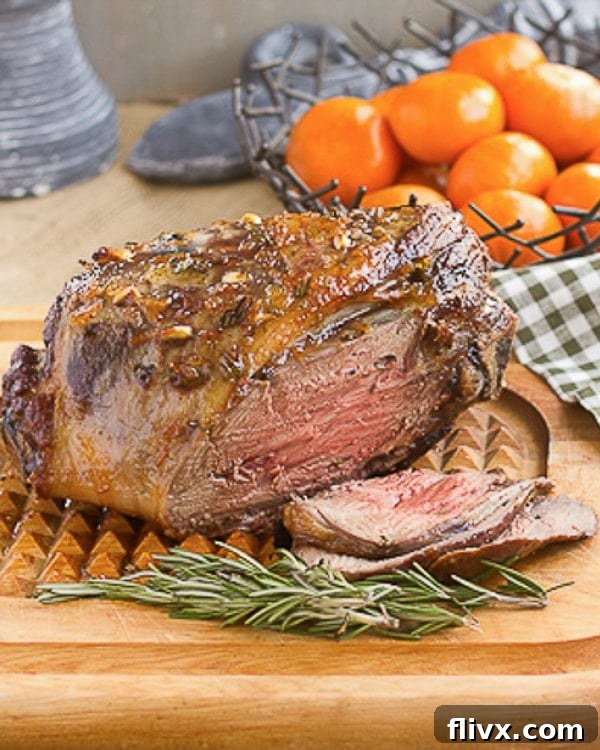
Why This Glazed Leg of Lamb is a Must-Try Recipe
If you’ve been searching for that perfect holiday centerpiece or simply a remarkable Sunday roast, look no further. This Glazed Leg of Lamb offers compelling reasons to take pride of place in your kitchen:
- **A Convert’s Choice:** This particular recipe has a reputation for turning even the most skeptical eaters into lamb enthusiasts. The rich flavors and tender texture are truly irresistible, making it a universally beloved dish.
- **Flavorful Simplicity:** Despite its impressive appearance and gourmet taste, this is a surprisingly straightforward recipe. It achieves maximum flavor without demanding hours of intricate prep work, making it accessible for home cooks of all skill levels.
- **The Ultimate Easter Alternative:** While ham often graces Easter tables, this succulent Leg of Lamb provides a sophisticated and equally traditional option. Its festive glaze and aromatic herbs make it perfectly suited for the spring holiday, offering a refreshing change of pace that will delight your guests.
My own journey with holiday meals took an interesting turn. Growing up, our family traditions centered around close family friends, as we had no extended relatives nearby. Our Easter, Thanksgiving, and Christmas celebrations invariably featured a grand turkey as the main course. While the sides and desserts varied, the turkey remained a constant, providing delicious dinners and abundant leftovers for our lively group of thirteen.
It might seem unusual for two Catholic families to forgo ham or lamb on Easter, but a substantial turkey always served our needs perfectly. Decades later, our traditions have evolved. While ham has become a frequent Easter choice, we occasionally revisit the classic elegance of a roasted leg of lamb. Last year, this very Glazed Leg of Lamb with Garlic and Rosemary stole the show. Its ease of preparation combined with truly amazing results solidified its place as a cherished family favorite, proving that some traditions are worth starting anew.
Achieving Perfection: Temperatures for Roasting Lamb
Cooking lamb to the correct internal temperature is crucial for both food safety and achieving your desired level of doneness. The FDA generally recommends cooking lamb to an internal temperature of 145°F (63°C) for safety. However, many lamb connoisseurs prefer their lamb cooked to a medium-rare finish, which offers the most tender and juicy experience.
It’s important to remember a key roasting principle: the meat will continue to cook and its internal temperature will rise by approximately 5-10°F (3-6°C) after it’s removed from the oven, especially when covered with foil during the resting period. This crucial resting time is not just for the temperature to equalize; it allows the muscle fibers to relax and reabsorb the flavorful juices, ensuring a succulent and tender roast. Always use a reliable meat thermometer inserted into the thickest part of the leg, avoiding the bone, for accurate readings.
- Rare: 115 to 120°F (46-49°C) – remove from oven; will rise to 120-125°F (49-52°C) after resting.
- Medium-Rare: 120 to 125°F (49-52°C) – remove from oven; will rise to 125-130°F (52-54°C) after resting. This is often the preferred doneness for leg of lamb.
- Medium: 130 to 135°F (54-57°C) – remove from oven; will rise to 135-140°F (57-60°C) after resting.
- Medium-Well: 140 to 145°F (60-63°C) – remove from oven; will rise to 145-150°F (63-66°C) after resting.
- Well-Done: 150 to 155°F (66-68°C) – remove from oven; will rise to 155-160°F (68-71°C) after resting.
Expert Tips for the Perfect Glazed Leg of Lamb
Achieving a truly spectacular roast lamb requires a little planning and attention to detail. These expert tips will guide you in preparing the most flavorful and tender leg of lamb, guaranteed to impress your guests.
- **The Power of Pre-Seasoning (Dry Brining):** One of the most critical steps for maximizing flavor and tenderness is seasoning the lamb at least a day in advance, a technique known as dry brining. By thoroughly rubbing the meat with salt (and pepper) the night before, the salt has ample time to penetrate the meat, drawing out moisture and then reabsorbing it, resulting in a more deeply flavored and incredibly tender roast. This method works wonders, much like with a Dry Brined Turkey.
- **Bringing to Room Temperature:** About 30-60 minutes before you plan to roast, remove the leg of lamb from the refrigerator and let it sit at room temperature. This crucial step helps the meat cook more evenly from edge to center, preventing the outside from overcooking before the inside reaches the desired doneness.
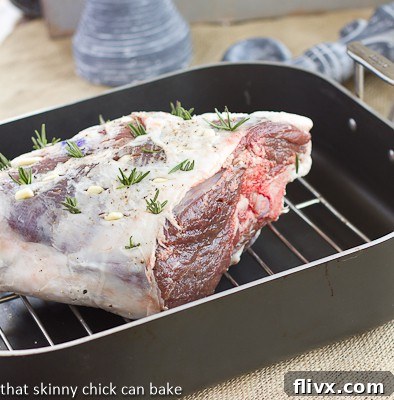
- **Garlic and Rosemary Infusion:** Don’t just season the surface! Creating small slits across the fatty cap of the lamb and inserting slivers of garlic and sprigs of fresh rosemary directly into the meat ensures that these vibrant flavors infuse throughout the roast as it cooks. This technique guarantees every slice is bursting with aromatic goodness.
- **Roast on a Rack:** Always roast your leg of lamb on a wire rack set inside a roasting pan. This elevates the meat, allowing hot air to circulate freely on all sides. This even airflow promotes beautiful browning and a crispy exterior, while also preventing the bottom from steaming.
- **The Marmalade Glaze Magic:** The marmalade glaze is surprisingly simple yet incredibly effective. A good quality orange marmalade from your local market is all you need. However, resist the urge to baste with the glaze immediately. Applying it too early can cause the sugars to burn and become bitter. Instead, wait until the final stages of roasting to brush it on, allowing it to caramelize into a shiny, flavorful crust.
- **Precision with a Meat Thermometer:** While a general guideline of about 20-25 minutes per pound for medium-rare is a good starting point, the only way to truly guarantee your lamb is cooked to your exact preference is with a reliable meat thermometer. Insert it into the thickest part of the meat, avoiding the bone, and pull the roast when it’s 5-10 degrees below your target final temperature.
- **The Essential Resting Period:** Once your roast reaches the desired internal temperature (before accounting for carryover cooking), remove it from the oven and tent it loosely with foil. Let it rest for at least 10-20 minutes, or even up to 30 minutes for a larger roast. This resting period is vital: it allows the muscle fibers to relax and the juices, which have been pushed to the center during cooking, to redistribute throughout the meat. The result is an incredibly moist and tender lamb. Remember, the internal temperature will continue to rise by about 5-10 degrees during this time.
If you’re new to roasting lamb at home, this recipe is an outstanding choice to begin with. It truly is a special occasion dish, especially considering the investment (be prepared for the price tag at the butcher shop!). But the reward of a perfectly cooked, beautifully glazed lamb is well worth it. I sincerely hope your family enjoys this delicious dish as much as mine does. Happy Easter to all who celebrate, and happy cooking!
Complementary Side Dishes for Lamb
A magnificent Glazed Leg of Lamb deserves equally splendid accompaniments. The rich, savory flavor of lamb, combined with the sweet and herbaceous notes of the glaze, pairs beautifully with a variety of side dishes. Here are some classic and creative suggestions to complete your meal:
- **Roasted Root Vegetables:** Carrots, parsnips, and potatoes roasted with a touch of rosemary and thyme will echo the flavors in the lamb and provide a hearty, earthy balance.
- **Asparagus or Green Beans:** Steamed or lightly sautéed green vegetables offer a fresh, vibrant contrast. A squeeze of lemon juice or a sprinkle of toasted almonds can elevate them further.
- **Creamy Mashed Potatoes or Gratin:** Few things are more comforting than creamy mashed potatoes or a rich potato gratin alongside a roast. Their smooth texture and buttery flavor are a perfect foil for the lamb.
- **Minted Pea Puree:** Mint is a classic pairing with lamb. A bright and fresh pea puree with a hint of mint brings a refreshing element to the plate.
- **Spring Salad:** A light salad with tender greens, cherry tomatoes, and a vinaigrette dressing can cut through the richness of the lamb, especially if using seasonal spring ingredients.
- **Couscous with Dried Fruits and Nuts:** For a touch of exotic flair, a fluffy couscous salad with apricots, pistachios, and a light dressing offers an interesting textural and flavor contrast.
- **Yorkshire Puddings:** If you’re feeling ambitious, these savory English popovers are excellent for soaking up all the delicious pan juices.
Frequently Asked Questions About Roasting Lamb
Roasting is undoubtedly the preferred method for a leg of lamb, as it consistently yields tender, juicy, and incredibly delicious results. While you can certainly sear the lamb in hot oil first to develop a flavorful crust, it’s not strictly necessary for this recipe, as the initial high-temperature roast and subsequent glazing will achieve a wonderful exterior.
Traditionally, mint jelly or a fresh mint sauce is a very popular accompaniment to lamb, offering a bright, herbaceous contrast. However, personal preferences vary widely. My mom always served lamb with mint jelly, but my husband famously prefers ketchup! Other delicious pairings include a tangy horseradish sauce, a rich Bernaise sauce, or even a robust red wine reduction. Don’t be afraid to experiment to find your favorite!
For most of the roasting time, it’s best to leave the leg of lamb uncovered to allow the skin to brown and crisp up beautifully. However, if you notice the lamb browning too quickly, you can loosely tent it with foil. Always tent with foil during the final resting period to help redistribute juices and allow for carryover cooking.
Carving a bone-in leg of lamb can seem daunting but is quite manageable. First, let the lamb rest for at least 15-20 minutes. Place the lamb on a cutting board with the bone side facing up. Make a few horizontal cuts along the bone to free large sections of meat. Then, slice downwards into thin pieces. Alternatively, you can slice against the grain of the meat, working around the bone, ensuring each slice is tender. A sharp carving knife is essential.
Absolutely! The dry brining step is specifically designed for overnight preparation, enhancing flavor and tenderness. You can also make the marmalade glaze mixture ahead of time and store it in the refrigerator. On the day of serving, simply bring the lamb to room temperature, insert the garlic and rosemary, and then proceed with roasting and glazing. This significantly reduces stress on the day of your event.
More Delicious Lamb Recipes You’ll Love
- Balsamic Brown Sugar Lamb Chops from Grandbaby Cakes
- Roasted Lamb London-Broil Style from A Family Feast
- Moroccan Lamb Stew from The Noshery
- Grilled Lamb Chops with Mustard, Rosemary and Garlic
- Fudge Lamb
- Herb-Crusted Rack of Lamb
- Plus more Entree Recipes
Stay in touch through social media @ Instagram, Facebook, and Pinterest. Don’t forget to tag me when you try one of my recipes! And if you love the results, please give it a 5-star rating in the recipe card below.
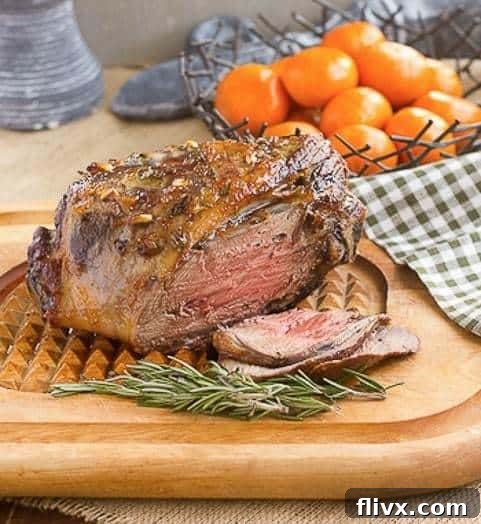
Glazed Leg of Lamb Recipe with Garlic and Rosemary
10 minutes
1 hour 20 minutes
1 hour 30 minutes
8 servings
Herbed leg of lamb with a delightful marmalade glaze. This flavorful roast is perfect for Easter or any special occasion.
Ingredients
- 6 pound leg of lamb, bone-in
- 4 garlic cloves, each cut into slivers
- 2 sprigs fresh rosemary
- 2 tablespoons kosher salt
- Freshly ground black pepper
- ½ cup orange marmalade
Instructions
- **Prepare Lamb Overnight:** The night before serving, carefully trim any excess fat from the leg of lamb. Using a sharp knife, make several small slits, approximately 1½ inch intervals, into the fat pad on top of the roast. Rub the entire roast thoroughly with 2 tablespoons of kosher salt, ensuring some salt gets into the slits for deeper flavor penetration. Finish by sprinkling with freshly ground black pepper. Cover the lamb loosely and refrigerate overnight. This dry brining step is crucial for tender and flavorful results.
- **Prepare for Roasting:** An hour before you plan to roast, remove the leg of lamb from the refrigerator. Insert the garlic slivers and small pieces of fresh rosemary into each slit you made earlier. Allow the roast to sit at room temperature for about an hour to take the chill off, which promotes more even cooking. Preheat your oven to 425ºF (220°C).
- **Roast and Glaze:** Place the lamb on a wire rack in a roasting pan. Roast at 425ºF (220°C) for 20 minutes to achieve a nice sear. Then, decrease the oven temperature to 300ºF (150°C). Begin brushing the exposed roast with the orange marmalade. Continue to baste the lamb with more marmalade approximately every 20 minutes. Cook until a meat thermometer inserted into the thickest part of the roast (avoiding the bone) reaches 125ºF (52°C) for a rare to medium-rare finish, which will take roughly another hour, depending on the roast size and your oven.
- **Rest and Carve:** Once the lamb reaches your desired temperature, remove it from the oven. Loosely cover the roast with aluminum foil and allow it to rest for 20-30 minutes before carving. This resting period is essential for the juices to redistribute throughout the meat, resulting in a more tender and succulent lamb. Remember that the internal temperature will continue to rise by about 5-10 degrees during this time.
Notes
Cooking time varies depending on the exact size and shape of your roast, as well as your oven’s calibration. Always use a reliable meat thermometer for accuracy.
Total time listed in the recipe card does not include the overnight dry brining time.
Recommended Products
As an Amazon Associate and member of other affiliate programs, I earn from qualifying purchases.
- OXO Cutting Board
- Roasting Pan
- Thermapen Instant Read Thermometer
Nutrition Information:
Yield:
8
Serving Size:
1
Amount Per Serving:
Calories: 930Total Fat: 56gSaturated Fat: 23gTrans Fat: 0gUnsaturated Fat: 28gCholesterol: 316mgSodium: 1822mgCarbohydrates: 14gFiber: 0gSugar: 12gProtein: 87g
HOW MUCH DID YOU LOVE THIS RECIPE?
Please leave a comment on the blog or share a photo on Pinterest