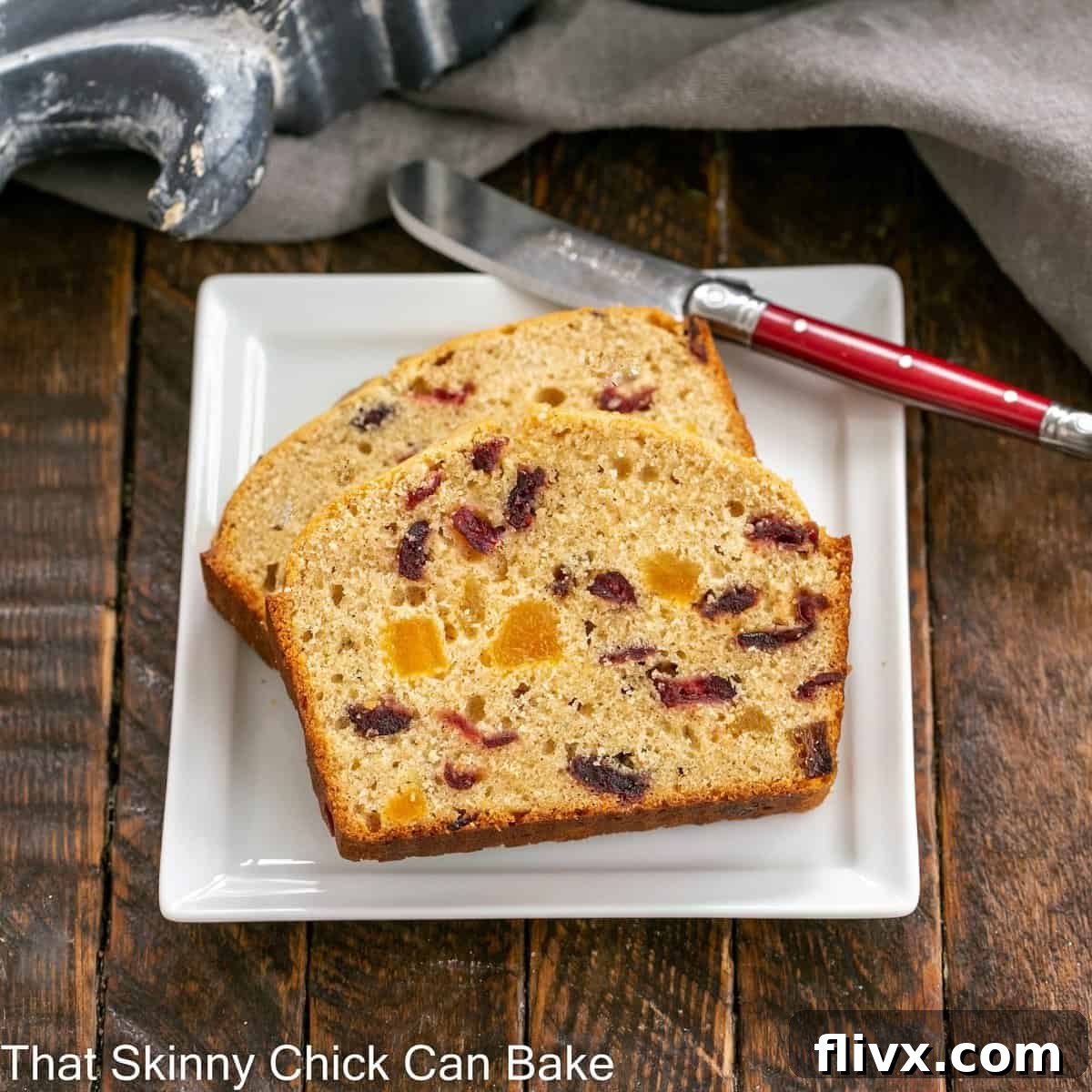
Welcome to a baking experience that promises both ease and exquisite flavor. Forget the usual quick bread varieties for a moment and prepare to be enchanted by our Apricot Quick Bread. This delightful loaf is a testament to how simple ingredients, when combined with a touch of ingenuity, can create something truly special. Infused with subtle, warming undertones of orange and cinnamon, these flavors perfectly complement the sweet tang of dried apricots, creating a harmonious symphony of taste in every bite. It’s an easy-to-make recipe that offers a refreshing change from your everyday banana or zucchini bread, promising a tender crumb and a rich, fruity aroma that will fill your kitchen with warmth.
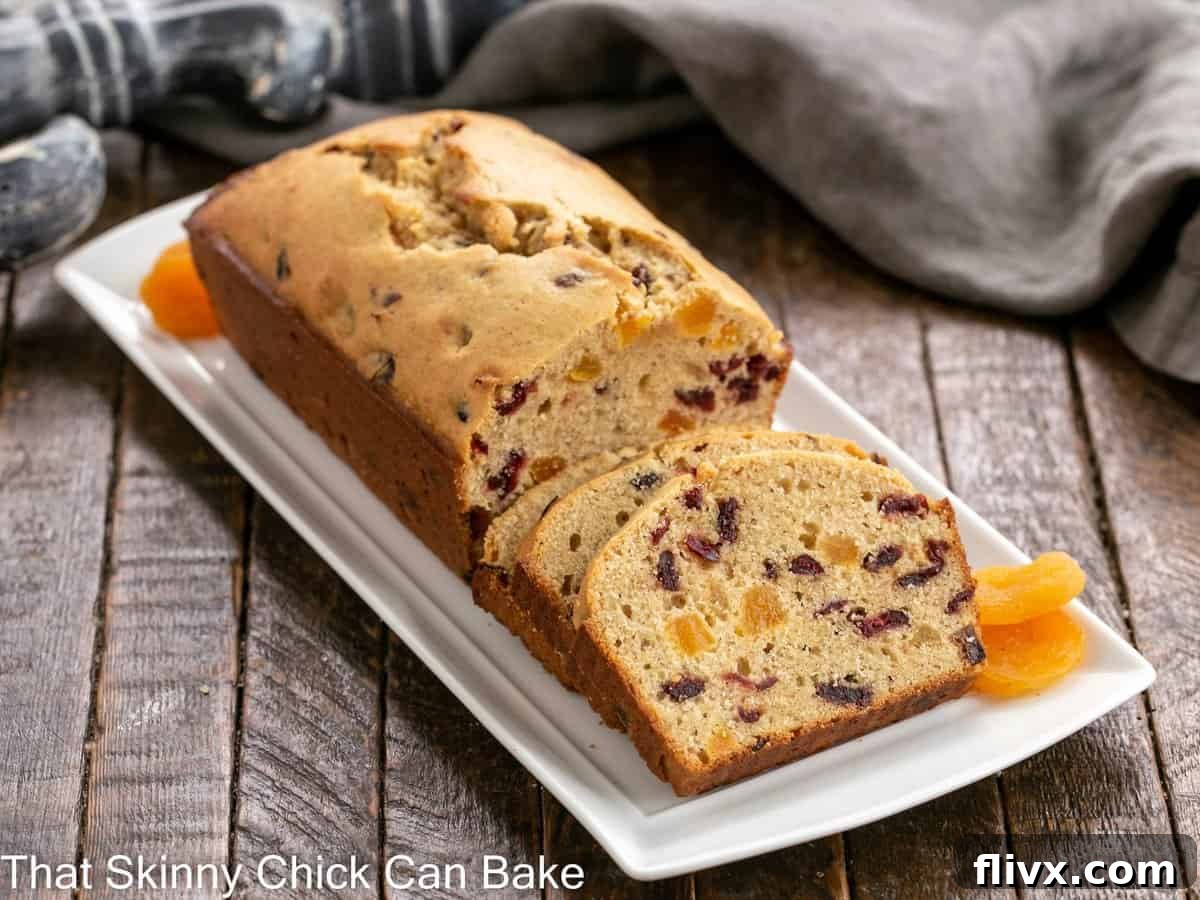
Why This Apricot Quick Bread Will Become Your New Favorite
There are countless reasons to fall in love with this Apricot Quick Bread, making it a must-try for any home baker:
- Season-Proof Deliciousness: One of the greatest advantages of this recipe is its reliance on dried fruit. This means you don’t have to wait for specific seasons to enjoy the vibrant taste of apricots or cranberries. Stock up your pantry, and you can whip up this delightful bread any time of the year, ensuring fresh, fruity flavor is always within reach.
- A Versatile Treat for Any Occasion: Whether you’re looking for a comforting morning breakfast, an elegant addition to a brunch spread, or a perfect accompaniment to your afternoon tea, this apricot bread fits the bill beautifully. Its comforting sweetness and tender texture make it suitable for a wide array of settings, always bringing a smile to those who taste it.
- Beyond the Usual: While banana and zucchini breads are beloved classics, sometimes it’s nice to venture beyond the familiar. This Apricot Quick Bread offers a unique and sophisticated flavor profile that stands out. The combination of sweet apricots with hints of orange and cinnamon provides a delightful complexity that will surprise and satisfy your palate, proving that quick bread can be truly extraordinary.
- Effortless Baking Experience: Quick breads, by definition, are designed for simplicity, and this recipe is no exception. With straightforward steps and common pantry ingredients, even novice bakers can achieve impressive results. It’s the perfect recipe for those busy days when you crave homemade goodness without a lengthy commitment.
- Crowd-Pleasing Aroma: As this bread bakes, your home will be filled with the most inviting aromas of warm spices and sweet fruit. It’s a scent that instantly evokes comfort and hospitality, making it an excellent choice for welcoming guests or simply creating a cozy atmosphere for your family.
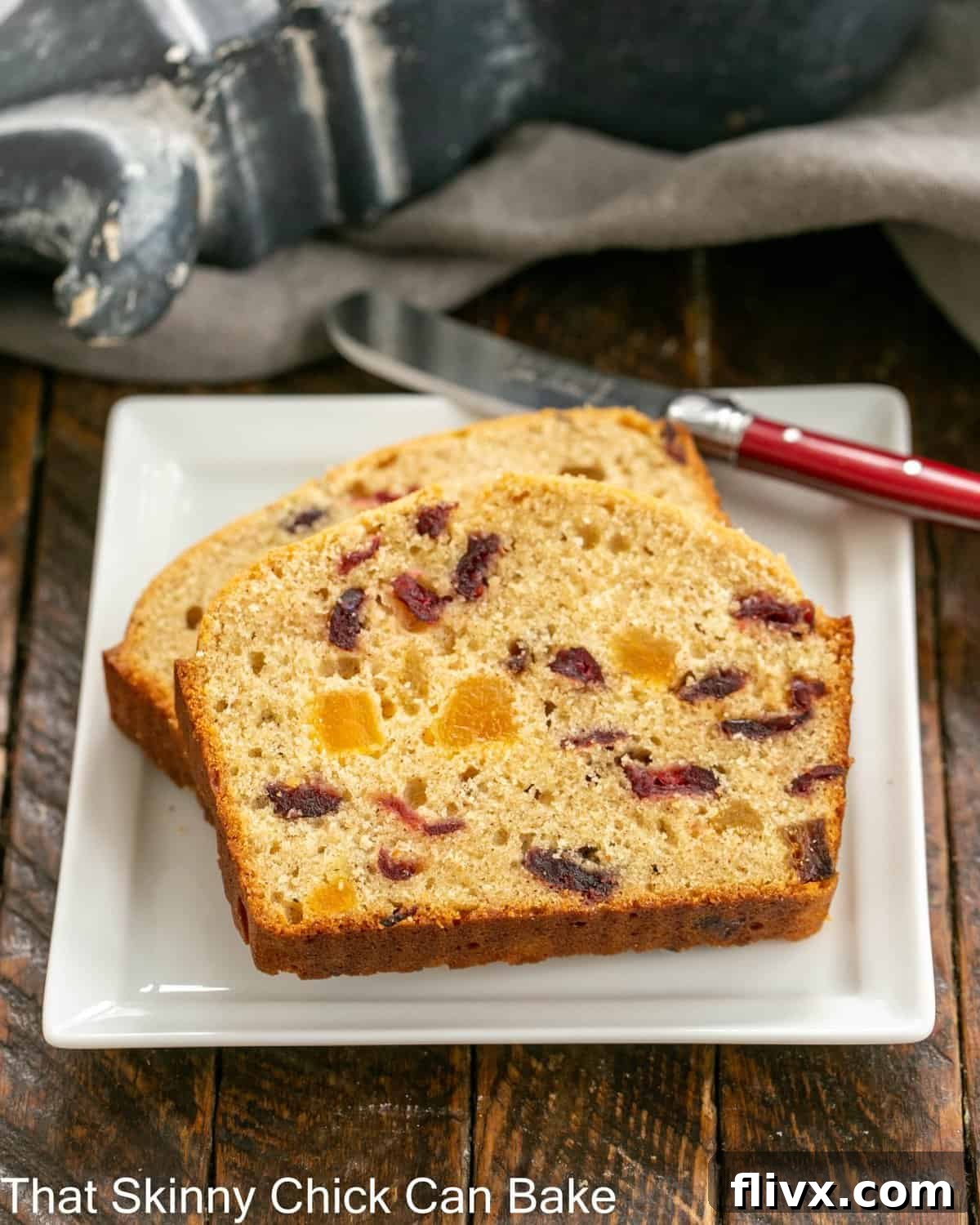
Crafting Your Perfect Loaf: Customizing Your Apricot Quick Bread
One of the joys of baking quick bread is the flexibility it offers for customization. While our Apricot Quick Bread recipe is fantastic as is, feel free to adapt it to your personal preferences or what you have on hand. Here’s how you can make this delicious loaf uniquely yours:
Fruit Combinations:
- Our recipe is adapted from a classic Apricot Cranberry Bread, but you can easily experiment with different dried fruits. For instance, instead of a full cup of dried cranberries, try a half cup of dried cherries combined with a half cup of Craisins for a varied texture and flavor. Golden raisins, chopped dried figs, or even a mix of tropical dried fruits can also provide delightful twists.
- Ensure your dried fruits are plump and moist. If they seem a bit dry, you can rehydrate them slightly by soaking them in warm water, juice, or even a little rum for about 10-15 minutes, then draining thoroughly before adding to the batter.
Flavor Enhancements:
- The original recipe often calls for orange oil or zest, but for convenience and a consistent flavor, we’ve substituted orange extract. You can also use lemon extract for a brighter citrus note or vanilla extract for a more classic profile. Adjust the amount to your taste, but a little goes a long way with extracts.
- Spices are another area for personalization. While cinnamon provides a warm, comforting background, you might consider adding a pinch of nutmeg, allspice, or ground ginger to deepen the spice profile. A touch of cardamom can also introduce an exotic, fragrant dimension.
Adding Texture and Crunch:
- For those who love a bit of crunch, incorporating a half cup of chopped, toasted pecans or walnuts into the batter is highly recommended. Toasting the nuts beforehand brings out their flavor and adds an extra layer of deliciousness. Almonds or even pumpkin seeds could also be excellent additions.
- Consider adding a streusel topping for an extra layer of texture and sweetness. A simple streusel of flour, brown sugar, butter, and a pinch of cinnamon can elevate the bread’s appeal.
The beauty of this Apricot Quick Bread lies not only in its ease of preparation but also in its ability to be transformed. The crust, when baked to perfection, is wonderfully crisp and sweet, yielding to a tender, moist interior packed with an abundance of flavorful dried fruit. The gentle whispers of orange and cinnamon are never overpowering; instead, they complement the fruit beautifully, ensuring every bite is a truly lovely experience.
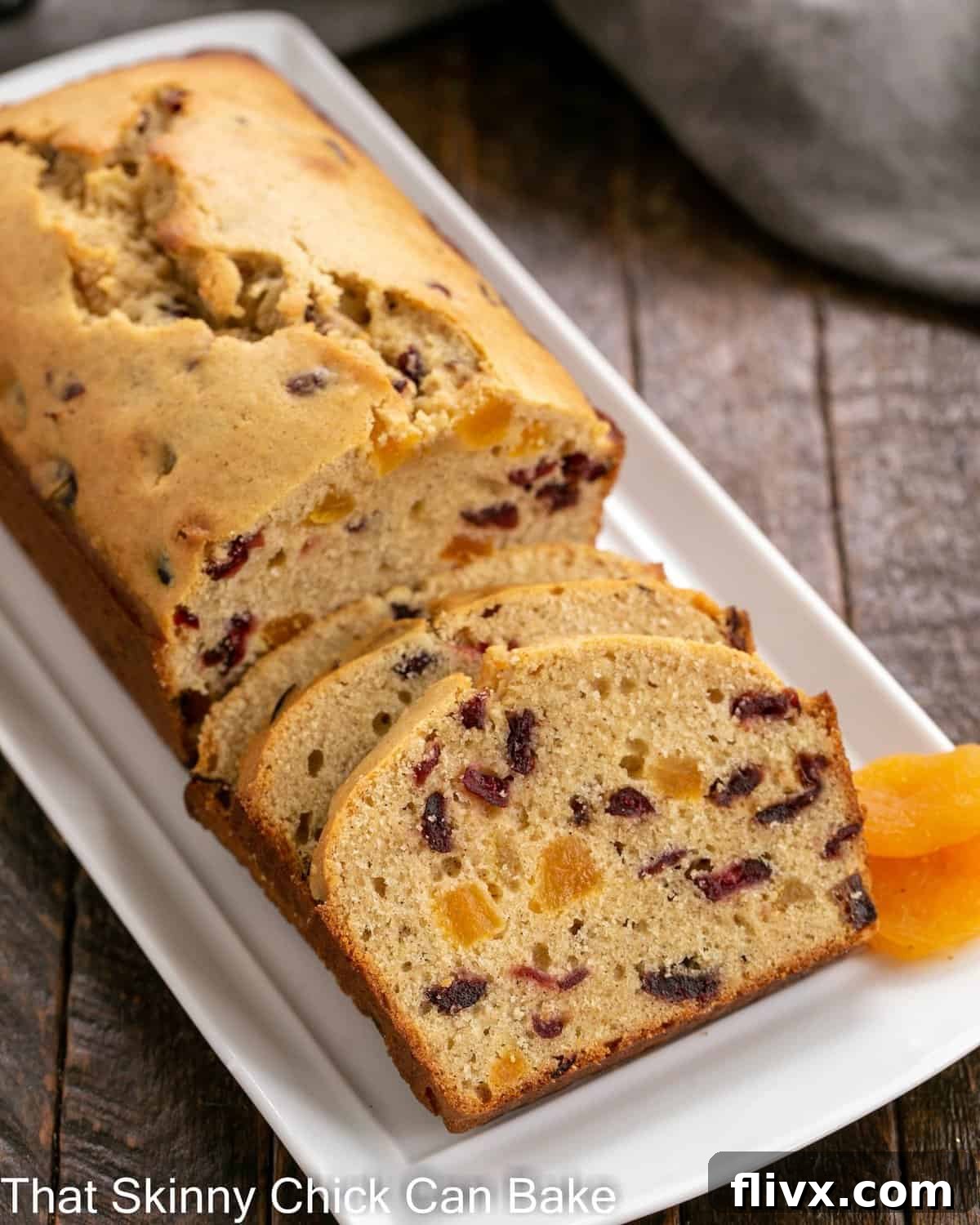
Expert Tips for Baking Flawless Quick Bread Every Time
Baking quick bread is a rewarding experience, but a few expert tips can elevate your results from good to absolutely outstanding. Here’s a comprehensive guide to help you achieve perfectly moist, tender, and flavorful loaves:
Understanding the Leavening Agents:
- Quick breads are a modern marvel, gaining popularity with the introduction of chemical leavening agents like baking powder and baking soda. Unlike yeast breads, they don’t require fermentation, making them “quick” to prepare.
- Baking Powder: This is a complete leavening agent, containing both an acid and an alkaline component. It reacts when moistened and again when heated (double-acting baking powder is most common), producing carbon dioxide gas that causes the bread to rise. A general rule of thumb is to use 1 to 2 teaspoons of baking powder per cup of flour.
- Baking Soda: This is an alkaline salt (sodium bicarbonate) that requires an acidic ingredient in the batter to react and produce carbon dioxide. Common acidic liquids include buttermilk, yogurt, sour cream, honey, molasses, brown sugar, and fruit juices. Use approximately ½ to 1 teaspoon of baking soda per cup of acidic liquid.
- Freshness is Key: Always ensure your baking powder and baking soda are fresh. Expired leavening agents can lead to dense, flat quick breads. Check the expiration date on the container. If you’re unsure, test your baking powder by adding a spoonful to a bowl of hot water; it should bubble vigorously. For baking soda, add a spoonful to a small amount of vinegar or lemon juice; it should fizz immediately. If either doesn’t react, it’s time for a new can.
Precision in Ingredients and Preparation:
- Measure Accurately: Baking is a science, and precise measurements are crucial. Especially for flour, spoon it into your measuring cup and level it off with a straight edge rather than scooping directly from the bag, which can compact the flour and lead to too much being used. Too much flour is a common culprit for dry, crumbly loaves. If you prefer to weigh your ingredients for ultimate accuracy, 1 cup of all-purpose flour typically weighs around 120-125 grams.
- Room Temperature Ingredients: Butter and eggs should be at room temperature unless specified otherwise. This allows them to cream together more smoothly, incorporating air for a lighter texture, and emulsify better with other ingredients.
- Prepare Your Pan: Grease and flour your loaf pan thoroughly, or line it with parchment paper for easy removal. This prevents sticking and ensures a beautifully shaped loaf.
Mixing and Baking Techniques:
- Don’t Overmix: This is arguably the most important tip for quick breads! Once the wet and dry ingredients are combined, mix just until no streaks of dry flour remain. Overmixing develops gluten, which can result in a tough, chewy, and dry quick bread. A light, quick mixing technique is essential for a tender crumb.
- Preheat Your Oven: Always preheat your oven to the correct temperature before placing your bread inside. A properly preheated oven ensures even baking and proper rising from the start. Arrange your oven racks so the bread bakes in the center, where heat distribution is most consistent.
- Allow for Air Circulation: When baking multiple loaves, leave at least 1 inch of space between pans and between the pans and the oven walls. This allows for proper air circulation, ensuring even baking. If baking more than one loaf, rotate the pans halfway through the baking time to compensate for any hot spots.
- Don’t Overbake: Overbaking is the second major cause of dry quick bread. Start checking for doneness at the lower end of the recommended baking time. Insert a wooden skewer or cake tester into the center of the loaf; if it comes out clean or with a few moist crumbs attached (but no wet batter), your bread is done. The internal temperature should be around 200-205°F (93-96°C).
Cooling and Storage:
- Proper Cooling: Allow the bread to cool in the pan for 10-15 minutes before attempting to remove it. This allows the loaf to set and prevents it from crumbling. Then, transfer it to a wire rack to cool completely. Slicing warm quick bread can cause it to steam and become gummy.
- Storage: Once completely cool, quick bread can be stored at room temperature, wrapped tightly in plastic wrap or aluminum foil, for 3-4 days. For longer storage, it freezes beautifully for up to 3 months. Slice the loaf before freezing for easy portioning.
By following these expert tips, you’ll consistently bake quick breads that are moist, flavorful, and perfectly risen, making every bite a delight.
Frequently Asked Questions About Quick Breads
Quick bread is a type of bread that uses chemical leavening agents such as baking powder, baking soda, or eggs (sometimes whipped to incorporate air) to rise, instead of yeast. Because it doesn’t require the time-consuming fermentation process of yeast, quick bread can be prepared and baked much faster, living up to its name. Common examples include muffins, scones, biscuits, and various loaf breads like banana bread or our Apricot Quick Bread.
Yes, in essence, a tea loaf is a specific type of quick bread. Both are leavened using agents like eggs, baking powder, or baking soda rather than yeast. The term “tea loaf” often refers to a sweetened quick bread, typically enriched with fruit, that is traditionally served with tea, particularly for breakfast, brunch, or afternoon tea time. Other common names for quick bread include soda bread, nut bread, or fruit bread, highlighting the variety of ingredients that can be incorporated.
The name “tea loaf” originates from the tradition of serving this type of sweetened, often fruit-filled, bread alongside a cup of tea. It’s a comforting and often portable baked good that perfectly complements the warmth of a morning or afternoon tea. Its mild sweetness and satisfying texture make it an ideal accompaniment for a relaxing tea break, providing a delightful culinary experience.
No, baking soda and baking powder are not interchangeable in recipes. Baking is a precise science, and each leavening agent has distinct properties that make it suitable for specific formulations. Baking soda is a pure alkaline ingredient and requires an acidic component (like buttermilk, yogurt, or lemon juice) in the recipe to activate and produce carbon dioxide gas for leavening. Without an acid, it won’t react, and it can leave an unpleasant soapy taste. Baking powder, on the other hand, contains both an acid and an alkaline, meaning it’s a complete leavening agent that only needs moisture (and often heat) to react. Always use the exact leavening agent specified in a recipe for the best results.
Absolutely! Quick breads like this Apricot Quick Bread freeze exceptionally well, making them perfect for meal prep or enjoying a homemade treat whenever a craving strikes. Once the bread has completely cooled, wrap the entire loaf tightly in plastic wrap, then an additional layer of aluminum foil. For individual servings, you can slice the bread before wrapping and freezing. It can be stored in the freezer for up to 3 months. Thaw at room temperature, or gently warm slices in the microwave or toaster oven for a fresh-baked feel.
This versatile bread can be enjoyed in many ways! It’s delicious simply sliced and eaten plain, allowing the rich fruit and spice flavors to shine. For a richer treat, serve it with a pat of butter, a dollop of cream cheese, or a light spread of apricot jam. It pairs wonderfully with a hot cup of coffee, tea, or even a glass of milk. For breakfast, toast a slice and enjoy it with your favorite fruit or yogurt. It also makes a fantastic, elegant dessert when served slightly warmed with a scoop of vanilla ice cream or a drizzle of glaze.
Explore More Delicious Quick Bread Recipes
If you’ve enjoyed the simplicity and deliciousness of our Apricot Quick Bread, you’ll surely love these other delightful quick bread recipes:
- Cinnamon Spiced Apple Bread
- Buttermilk Banana Bread
- Pumpkin Bread with Apples
- Glazed Cranberry Apple Bread
- More Easy & Delicious Bread Recipes
Stay in touch through social media @ Instagram, Facebook, and Pinterest. Don’t forget to tag me when you try one of my recipes! And if you love the results, please give it a 5-star rating in the recipe card.

Apricot Quick Bread
A sweet quick bread loaded with dried fruit, perfect for breakfast, brunch, or an afternoon treat!
Ingredients
- ½ cup butter, at room temperature
- ¾ cup sugar
- ½ teaspoon orange extract or oil
- 3 eggs
- ½ cup buttermilk
- 1 ¾ cups all-purpose flour
- ¼ teaspoon salt
- 1 teaspoon baking powder
- 1 teaspoon cinnamon
- ½ cup dried apricots, diced
- 1 cup dried cranberries (or Craisins)
Instructions
- Preheat the oven to 350ºF (175ºC). Grease a large loaf pan and line it with parchment paper, leaving an overhang on the sides for easy removal.
- In a large mixing bowl, cream together the softened butter, granulated sugar, and orange extract (or oil) until light and fluffy.
- Beat in the eggs one at a time, ensuring each is fully incorporated before adding the next. Scrape down the sides of the bowl as needed. Stir in the buttermilk until just combined.
- In a separate medium bowl, whisk together the all-purpose flour, salt, baking powder, and cinnamon until all dry ingredients are thoroughly blended.
- Gradually add the dry flour mixture to the wet ingredients, stirring with a rubber spatula until just combined. Be careful not to overmix; a few streaks of flour are acceptable. Gently fold in the diced dried apricots and cranberries until evenly distributed.
- Spoon the batter into the prepared loaf pan, spreading it evenly. Bake for 50 to 55 minutes, or until a wooden skewer or cake tester inserted into the center of the loaf comes out clean.
- Remove the bread from the oven and let it cool in the pan for 10 minutes. Then, using the parchment paper overhang, carefully lift the bread out of the pan and transfer it to a wire rack to cool completely before slicing and serving.
Notes
You can easily substitute dried cherries or other dried fruits for some or all of the apricots and cranberries to vary the flavor.
If you don’t have orange extract, vanilla extract can be used as a direct substitute, or use half the amount of almond extract for a different flavor profile.
For added crunch, stir in ½ cup of chopped, toasted pecans or walnuts with the dried fruit.
Recommended Products
As an Amazon Associate and member of other affiliate programs, I earn from qualifying purchases.
- OXO Good Grips 11-Inch Better Balloon Whisk
- Silicone Spatulas
- Stainless Steel Loaf Pan
Nutrition Information:
Yield:
12
Serving Size:
1 slice
Amount Per Serving:
Calories: 273Total Fat: 9gSaturated Fat: 5gTrans Fat: 0gUnsaturated Fat: 3gCholesterol: 68mgSodium: 215mgCarbohydrates: 44gFiber: 2gSugar: 27gProtein: 4g
HOW MUCH DID YOU LOVE THIS RECIPE?
Please leave a comment on the blog or share a photo on Pinterest