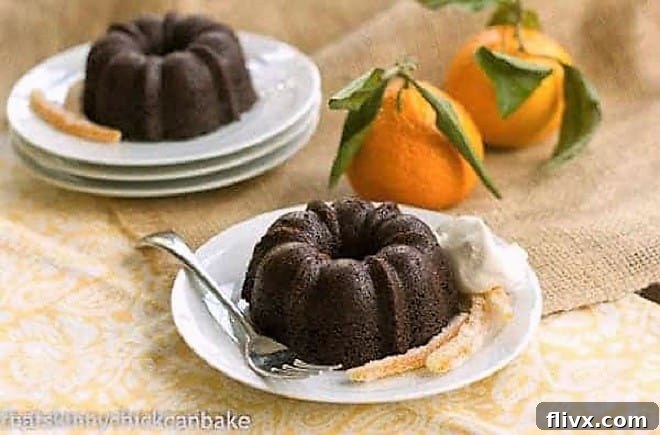
Welcome to the heartwarming world of holiday baking, where tradition meets delightful innovation! As the festive season approaches, there’s nothing quite like the comforting aroma of gingerbread wafting from the kitchen. This year, we’re taking a classic and transforming it into an enchanting individual treat: Gingerbread Baby Cakes with Homemade Candied Orange Peel. These mini bundt cakes encapsulate all the beloved, spicy flavors of gingerbread in a perfect, personal portion, making them an ideal dessert for any holiday gathering or a cozy winter evening.
Imagine tender, moist gingerbread cakes, each a miniature masterpiece, crowned with a generous dollop of sweetened whipped cream and adorned with glistening, homemade candied orange peel. This combination isn’t just a dessert; it’s a celebration of festive flavors and textures that promises to be a memorable highlight of your Christmas spread. They are not merely cakes; they are tiny parcels of holiday joy, ready to charm even the most discerning palates.
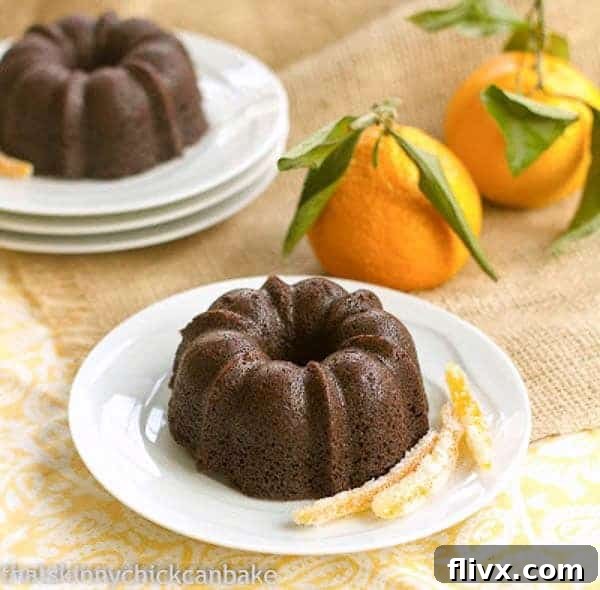
The Irresistible Allure of Gingerbread Baby Cakes
Gingerbread has long been synonymous with the holiday season, its rich, spicy aroma evoking memories of warmth, family, and celebration. Our Gingerbread Baby Cakes take this cherished tradition and package it into elegant individual servings. These mini bundt cakes are not only adorable but also incredibly practical for entertaining, offering a perfect portion that’s easy to serve and enjoy without the hassle of slicing a larger cake. Each bite delivers a symphony of warm spices—ginger, cinnamon, and a hint of something deeper—creating a truly robust and inviting flavor profile.
My journey to perfect these Gingerbread Baby Cakes involved a bit of a learning curve, particularly concerning the star ingredient: molasses. The original recipe called for unsulfured molasses, a crucial detail often overlooked by busy home bakers. In my haste, I grabbed blackstrap molasses, assuming “unsulfured” was the key identifier. Little did I know, the intensity of blackstrap molasses is far more potent, bitter, and less sweet than the mild unsulfured variety I typically had in my pantry. The result was a cake that, while still edible, possessed a much stronger, almost overpowering flavor that wasn’t quite what I’d hoped for, especially for my family’s particular tastes.
Thankfully, I had only made half a batch, allowing for an easy mental adjustment for future attempts. Even with the stronger molasses, a generous dollop of sweetened whipped cream rescued the cakes, balancing the robust ginger and molasses notes with a creamy, airy sweetness. This experience underscored the importance of selecting the right type of molasses, a detail I now enthusiastically share with fellow bakers. When made with the intended mild unsulfured molasses, these cakes truly shine, offering a beautifully balanced, sweet, and spicy treat that embodies the spirit of the holidays. For those who, like me, adore the zing of ginger, you’ll also love my tried-and-true recipe for Chewy Ginger Cookies, another festive favorite!
Mastering Molasses: A Baker’s Essential Guide
Molasses is more than just a sweetener; it’s a flavor powerhouse that defines the characteristic taste and moist texture of gingerbread. Understanding the different types is key to achieving baking success.
- Light Molasses: This is the lightest and sweetest variety, produced from the first boiling of sugar syrup. It has a mild, pleasant flavor and is often used in general baking.
- Dark Molasses (or Medium Molasses): Resulting from the second boiling, dark molasses is richer in flavor and color than light molasses, with a more pronounced, slightly bitter taste. It’s excellent for recipes where a stronger molasses flavor is desired.
- Blackstrap Molasses: This is the darkest and most robust molasses, a byproduct of the third boiling. It’s very thick, less sweet, and has a strong, bitter flavor with a high mineral content. While nutritious, its intense flavor can easily overpower delicate baked goods, as I discovered with my gingerbread cakes. It’s best reserved for savory dishes, robust breads, or in very small quantities where its strong character is desired.
- Unsulfured vs. Sulfured Molasses: The term “unsulfured” indicates that sulfur dioxide was not used as a preservative during processing. Unsulfured molasses generally has a cleaner, purer flavor. Sulfured molasses is made from young sugarcane that requires sulfur dioxide to preserve it, resulting in a slightly chemical taste. For baking, especially delicate sweets like our Gingerbread Baby Cakes, unsulfured molasses is always the preferred choice to ensure the best flavor.
For these Gingerbread Baby Cakes, opting for a mild unsulfured molasses (like Brer Rabbit Mild Molasses or similar brands found in the baking aisle) is paramount. This ensures the gingerbread flavor is warm, inviting, and perfectly spiced, without any overwhelming bitterness, allowing the ginger and other festive spices to truly shine.
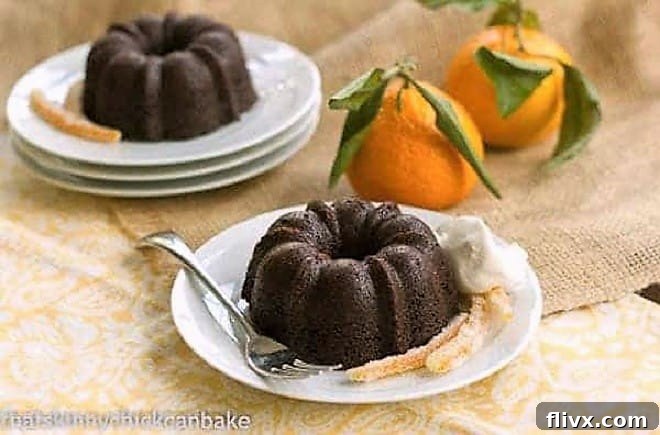
Crafting Exquisite Candied Orange Peel: A Sweet & Zesty Garnish
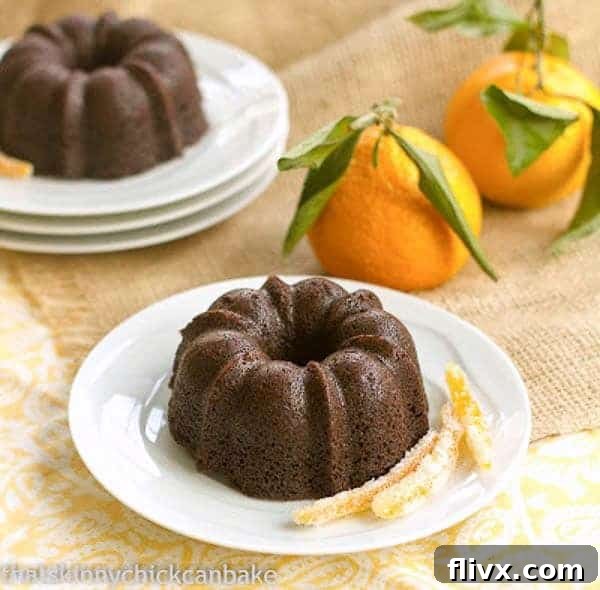
While the Gingerbread Baby Cakes are undeniably the star, the Candied Orange Peel serves as their exquisite counterpart, elevating the dessert from delightful to truly memorable. This homemade garnish is not just a visual treat; it adds a burst of sweet citrus flavor and a lovely chewy texture that perfectly complements the spicy gingerbread. It’s a surprisingly simple process that yields impressive results, making it a must-try for your holiday baking repertoire.
My own appreciation for candied citrus has evolved over the years. I vividly remember my mom making her beautiful candied peels every Christmas, but as a child, my sisters and I were entirely unimpressed, preferring the more conventional brownies and chocolate chip cookies. It seems my palate needed a few decades to mature, as I now find homemade candied orange peel to be an absolute delight and a “gorgeous garnish” for any festive dessert. For these cakes, I chose to omit black pepper from the candied peel recipe, knowing that a subtle citrusy sweetness would be more universally appreciated, especially by younger palates.
The Art of Candying Citrus: Tips for Success
The process of candying orange peel transforms bitter citrus rind into a tender, translucent, and sweet confection. Here’s a deeper look into the steps and why they are important:
- Preparing the Peel: Start with large, unblemished oranges. Trimming the top and bottom allows for easier segmentation. Cutting the peel into uniform strips ensures even cooking and a beautiful presentation.
- Blanching – The Key to Removing Bitterness: The most crucial step is blanching the orange peel in boiling water, often multiple times. This process extracts the bitter compounds from the peel, ensuring that your candied peel is sweet and pleasant, not acrid. Draining and rinsing thoroughly after each boil further aids in this process.
- Simmering in Syrup: After blanching, the peel is simmered in a sugar syrup. This slow cooking allows the peel to absorb the sugar, becoming tender and translucent. The sugar acts as a preservative and imparts the desired sweetness. Simmering until the peel is soft and almost translucent is key to a melt-in-your-mouth texture.
- Coating and Drying: Once tender, the peel is drained and tossed in additional granulated sugar. This final sugar coating prevents stickiness and adds a sparkling, crystalline finish. The strips then need ample time to dry, typically 1-2 days, allowing the coating to set and harden slightly.
Homemade candied orange peel is incredibly versatile. Beyond garnishing these Gingerbread Baby Cakes, it can be enjoyed as a sweet snack, chopped and added to fruitcakes, muffins, or scones, or even dipped in chocolate for an extra decadent treat. Make a larger batch, as it stores well and makes for wonderful edible gifts during the holidays!
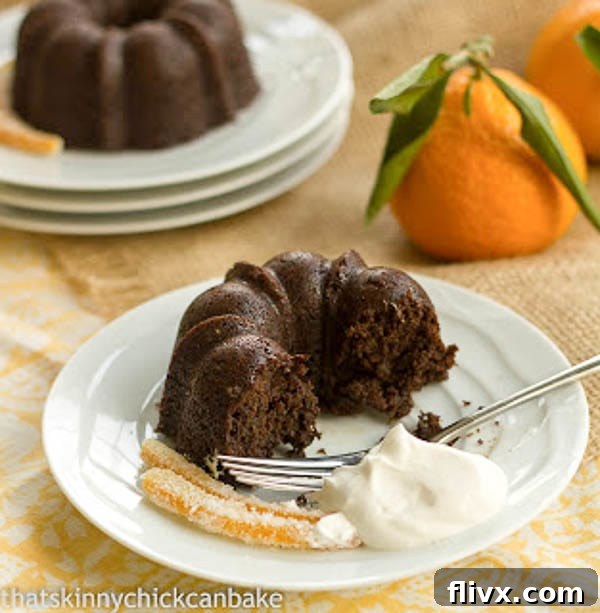
The Perfect Pairing: Serving Your Holiday Masterpiece
These Gingerbread Baby Cakes are truly designed for holiday indulgence. While they are delicious on their own, serving them with a few thoughtful additions elevates the experience significantly. A generous dollop of freshly whipped cream is almost mandatory; its cool, light sweetness provides a beautiful contrast to the warm spices of the gingerbread and the zesty sweetness of the candied orange peel. For an extra touch of festive flair, consider a light dusting of powdered sugar, mimicking freshly fallen snow.
Beyond whipped cream, you could also experiment with a simple spiced glaze made from powdered sugar, milk, and a touch of ginger or cinnamon, drizzled over the cooled cakes. A warm caramel sauce or a scoop of vanilla bean ice cream would also make luxurious accompaniments, turning each mini cake into a more elaborate dessert experience. The beauty of individual servings is that each guest can personalize their cake to their liking. These cakes also make charming edible gifts when beautifully packaged in small boxes, perfect for neighbors, friends, or teachers during the festive season.
Beyond Gingerbread: More Mini Dessert Inspirations for Your Holiday Table
If you’ve fallen in love with the charm and convenience of mini desserts, then the holiday season is the perfect time to explore more delightful options. Individual servings are not only elegant but also incredibly practical for entertaining, allowing guests to easily enjoy a variety of treats. Here are a few other mini dessert ideas that are sure to impress:
- Mini Zebra Bundt Cakes: These visually stunning cakes offer a delightful marble effect and are perfect for a sophisticated touch.
- Mini Pavlovas: Light, airy, and elegant, these meringue-based desserts can be topped with fresh berries and cream for a festive treat.
- Caramel Topped Mini Cheesecakes: Rich, creamy, and decadent, mini cheesecakes are always a crowd-pleaser, especially with a luscious caramel topping.
- Black Bottom Brownie Bites: A delightful combination of brownie and cheesecake in a bite-sized format, perfect for chocolate lovers.
And for a comprehensive collection of ideas to inspire your festive baking, be sure to check out all my Best Holiday Desserts. There’s something for every taste and occasion to make your holiday season deliciously memorable!
This wonderful Gingerbread Baby Cakes recipe is a tribute to Julia Child’s description of gingerbread: spicy, robust, and bursting with the heat of ginger. This particular recipe was initially shared as part of “Tuesdays with Dorie,” a baking group, and you can find it adapted on Karen’s Kitchen Stories or in the iconic Baking with Julia (affiliate link). My contribution here focuses on perfecting the process and enhancing the serving experience with my homemade candied orange peel.
Whether you’re an experienced baker or just starting your holiday traditions, these Gingerbread Baby Cakes with Candied Orange Peel offer a delightful and impressive addition to your festive table. Their irresistible flavor and charming presentation are sure to bring joy to everyone who tries them. Happy baking, and happy holidays!
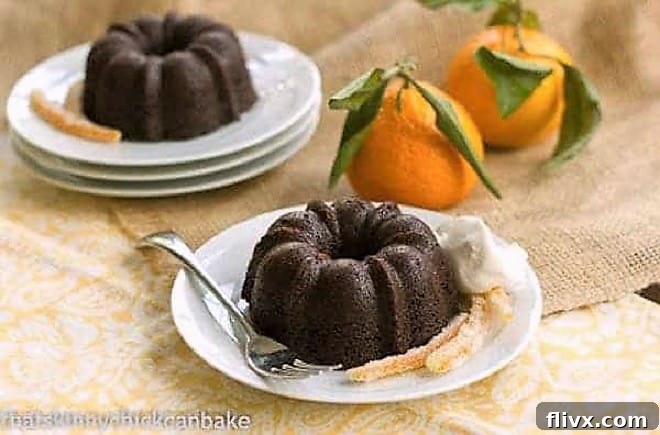
Gingerbread Baby Cakes
30 minutes
20 minutes
10 minutes
1 hour
8 small cakes
Julia Child describes this gingerbread as spicy, robust and bursting with the heat of ginger and black pepper.
Ingredients
- 2 cups All Purpose Flour
- ¼ cup Instant Espresso Powder
- 3 tablespoons Unsweetened Cocoa Powder
- 1 tablespoon Ground Ginger
- ½ teaspoon Baking Powder (check to make sure it’s not expired)
- 1 teaspoon fine salt
- 1 teaspoon freshly ground Black Pepper
- 2 sticks Butter, at room temperature
- 4 large Eggs, at room temperature
- 2½ tablespoons peeled and finely chopped Fresh Ginger
- 2 cups Unsulphured Molasses (I’d recommend using the molasses found in the baking aisle of your supermarket for a milder flavor)
- Plus, butter to grease pans, sweetened whipped cream and/or candied orange peel to serve.
Instructions
- Position a rack in the middle of the oven and preheat it to 350 degrees F.
- Grease and flour eight 4×8-inch cake pans. I used parchment and spray oil (no flour), and it worked out well.
- Whisk the flour, espresso, cocoa, ground ginger, baking powder, salt, and black pepper in a small bowl.
- Place the butter and brown sugar in the bowl of a stand mixer with the paddle attachment and beat until light and fluffy, about 6-8 minutes.
- Fold the dry ingredients into the wet ingredients until just incorporated.
- Divide the batter evenly among the mini cake pans.
- Place the cake pans on a baking sheet and place them in the oven. Bake for 20 to 25 minutes (mine took about 27 minutes), rotating the sheet pan halfway through, until a toothpick inserted in the center comes out pretty clean.
- The middle should be springy, and the cake should have just cracked. Place the cake pans on a cooling rack for 10 minutes to cool.
- Run a knife to loosen the cakes from the pans and turn them out onto the racks. Remove the parchment if you have used it, and allow the cakes to continue to cool. These cakes can be served warm or at room temperature.
- The cakes can be stored in an air-tight container for 3 or 4 days, or individually wrapped and frozen for about 30 days.
Notes
Note: I made a half batch of this recipe.
The cakes can be stored in an air-tight container for 3 or 4 days, or individually wrapped and frozen for about 30 days. This recipe can also be baked in one 10-inch cake pan and baked for 50 to 60 minutes until a toothpick inserted into the center comes out clean.
Nutrition Information:
Yield:
8
Serving Size:
1
Amount Per Serving:
Calories: 625
Total Fat: 28g
Saturated Fat: 16g
Trans Fat: 1g
Unsaturated Fat: 9g
Cholesterol: 158mg
Sodium: 557mg
Carbohydrates: 90g
Fiber: 1g
Sugar: 64g
Protein: 7g
Thatskinnychickcanbake.com occasionally offers nutritional information for recipes contained on this site. This information is provided as a courtesy and is an estimate only. This information comes from online calculators. Although thatskinnychickcanbake.com attempts to provide accurate nutritional information, these figures are only estimates. Varying factors such as product types or brands purchased can change the nutritional information in any given recipe. Also, many recipes on thatskinnychickcanbake.com recommend toppings, which may or may not be listed as optional and nutritional information for these added toppings is not listed. Other factors may change the nutritional information such as when the salt amount is listed “to taste,” it is not calculated into the recipe as the amount will vary. Also, different online calculators can provide different results. To obtain the most accurate representation of the nutritional information in any given recipe, you should calculate the nutritional information with the actual ingredients used in your recipe. You are solely responsible for ensuring that any nutritional information obtained is accurate.
HOW MUCH DID YOU LOVE THIS RECIPE?
Please leave a comment on the blog or share a photo on Pinterest
Candied Orange Peel Recipe
30 minutes
1 hour
1 day
1 day 1 hour 30 minutes
1 cup
A sweet citrus treat or garnish! Adapted from Epicurious.
Ingredients
- 1 large orange, top and bottom trimmed flat (about ¼-inch removed)
- 2 cups sugar, divided
- 1 ½ cups water
Instructions
- Cut through peel from top to bottom to make 4 equal-sized segments. Remove peel, including pith, from each quadrant. Cut each piece into ¼-inch strips.
- Cook in a pot of boiling water for 15 minutes. Drain, rinse, then rinse again.
- Bring 1 ½ cups of sugar and 1 ½ cups of water to a boil, stirring occasionally until the sugar has dissolved.
- Add peel and return to a boil. Simmer for about 45 minutes till the peel is soft. Drain.
- Toss the peel in the remaining ½ cup of sugar, separating the strips.
- Transfer strips to a sheet of foil and let them stand until the coating is dry, 1-2 days.
Notes
May freeze for up to 2 months.
Nutrition Information:
Yield:
8
Serving Size:
1
Amount Per Serving:
Calories: 205
Total Fat: 0g
Saturated Fat: 0g
Trans Fat: 0g
Unsaturated Fat: 0g
Cholesterol: 0mg
Sodium: 3mg
Carbohydrates: 53g
Fiber: 1g
Sugar: 52g
Protein: 0g
Calorie count may be skewed as it takes all the sugar syrup into consideration.
HOW MUCH DID YOU LOVE THIS RECIPE?
Please leave a comment on the blog or share a photo on Pinterest