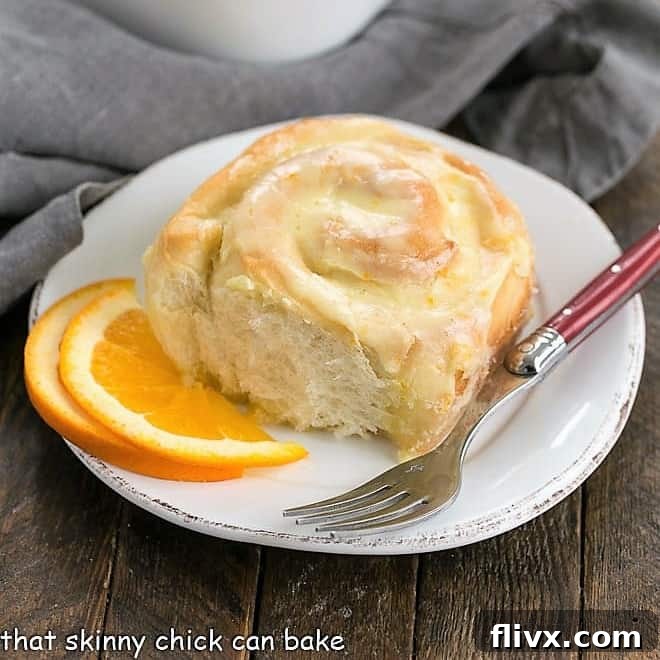
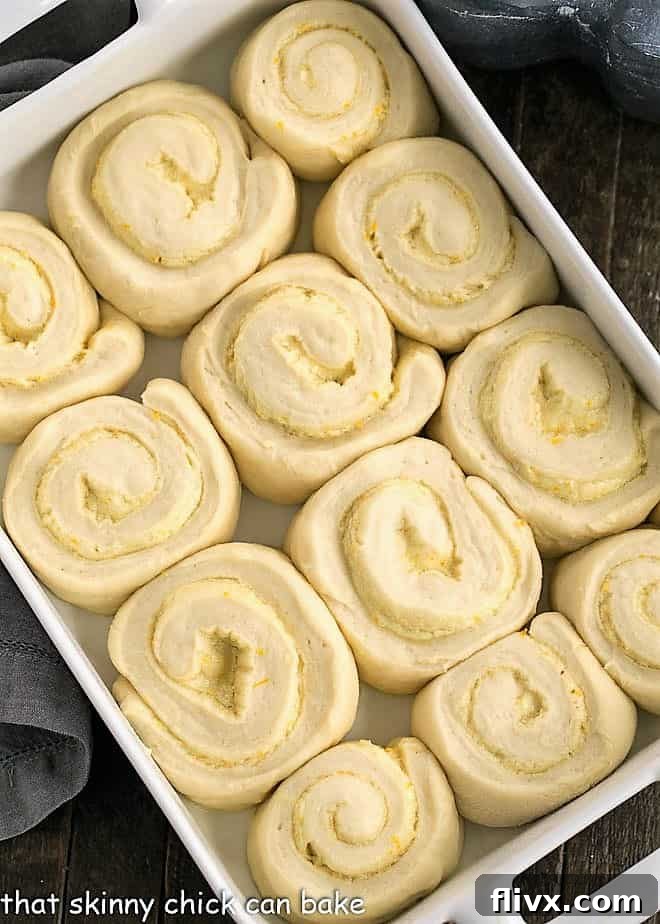
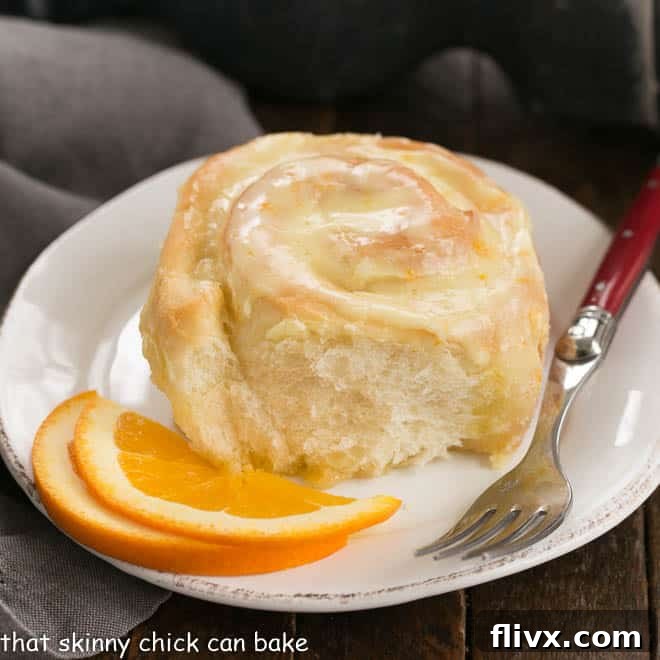
Homemade Orange Rolls are an exquisite twist on classic sweet rolls, generously filled and beautifully glazed with a vibrant, orange zest-infused frosting! These fluffy, homemade yeast rolls are an absolute delight and guaranteed to become a family favorite.
There’s a special kind of magic that fills a home with the enticing aroma of freshly baked yeast bread. It’s a scent that promises warmth, comfort, and deliciousness, especially when those rolls are made from scratch. Forget the ordinary and prepare to elevate your breakfast or brunch with these incredible Orange Sweet Rolls. I’m thrilled to guide you through every step of the procedure to create these tender, citrus-kissed treats that taste as good as they smell.
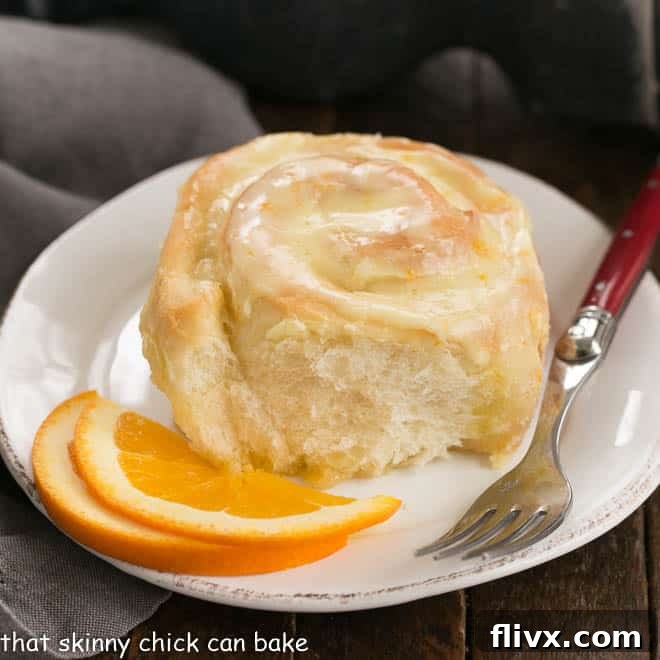
Why These Homemade Orange Rolls Are a Must-Make
Imagine starting your day with a warm, soft, and fragrant orange roll, perfectly paired with a steaming cup of coffee. These delightful creations aren’t just a treat for your family; they’re a perfect gesture of kindness. A freshly baked batch of orange rolls makes a wonderful offering for new neighbors, friends celebrating a new baby, or simply a delicious surprise for loved ones. My husband has been longing for these rolls for months, reminiscing about the cherished Maxson Manor’s rolls he and his family once enjoyed. This recipe brings that comforting, nostalgic flavor right into your kitchen.
Here are just a few reasons why these homemade orange rolls will win your heart:
- They offer a refreshingly delicious change of pace from traditional cinnamon rolls, providing a bright and zesty alternative.
- The dough is incredibly sweet, light, and tender, practically melting in your mouth. The orange flavor is perfectly balanced – present enough to make you swoon, but never overpowering.
- This versatile recipe yields enough for two pans of breakfast rolls, making it ideal for sharing. Keep one pan for your family and gift the other, or bake them all together in a single 9×13-inch pan if you’re feeding a particularly hungry crowd.
- Baking these from scratch fills your home with an irresistible aroma that synthetic air fresheners can only dream of mimicking.
- The satisfaction of creating such a beautiful and delicious pastry from simple ingredients is truly unmatched.
Reader Endorsement: What Bakers Are Saying
Don’t just take our word for it! Here’s what delighted home bakers have shared about these orange rolls:
Jamie via Pinterest: “These sure were a labor of love…but worth every bit of it! So fluffy and orangetastic! Really impressive.”
Kristin: “My husband thought these were amazing. I’ll be making them again for Easter.”
Jill: “My husband went crazy for these!! A wonderful recipe.”
Toni: “This was really amazing!! Can’t wait to make it again! Delicious!!”
Essential Ingredients for Your Homemade Orange Rolls
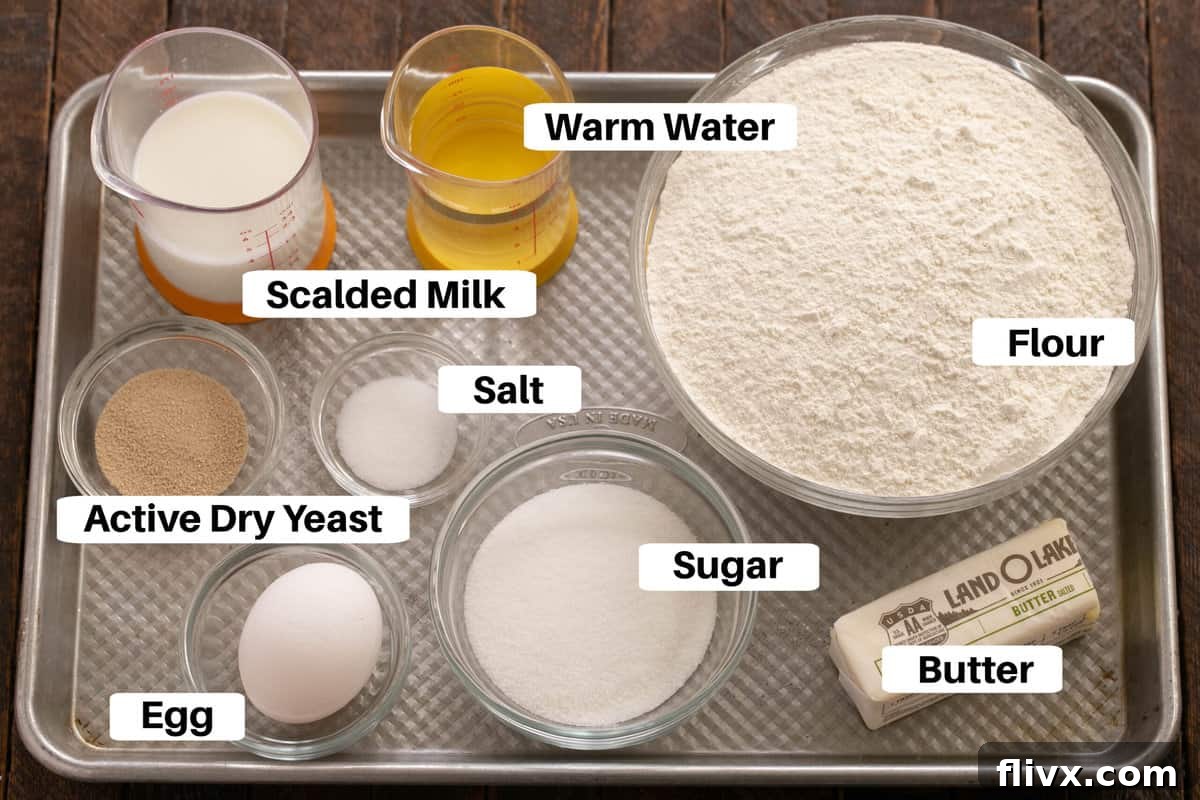
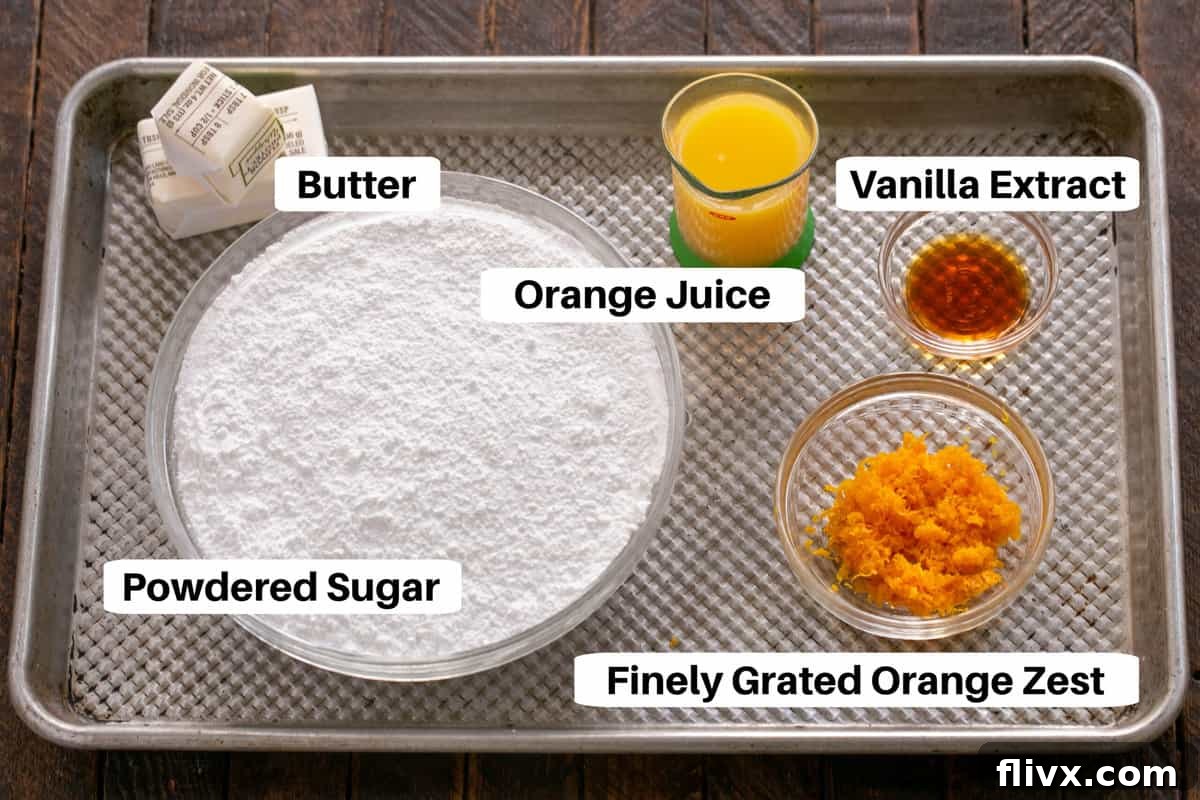
Crafting perfect orange rolls begins with selecting high-quality ingredients. While the full detailed list is in the recipe section below, let’s take a closer look at the main components for both the tender dough and the luscious orange filling and frosting.
For the Sweet and Tender Dough:
For the Zesty Orange Filling and Creamy Frosting:
Ingredient Notes for Best Results
Understanding each ingredient’s role is key to baking success. Here are some detailed notes to ensure your orange rolls turn out perfectly:
- Kitchen Staples: You’ll need granulated sugar, room temperature unsalted butter (for better control over saltiness), salt, all-purpose flour, and one large egg. Ensure butter and egg are at room temperature for easier incorporation into the dough, leading to a smoother, more uniform texture.
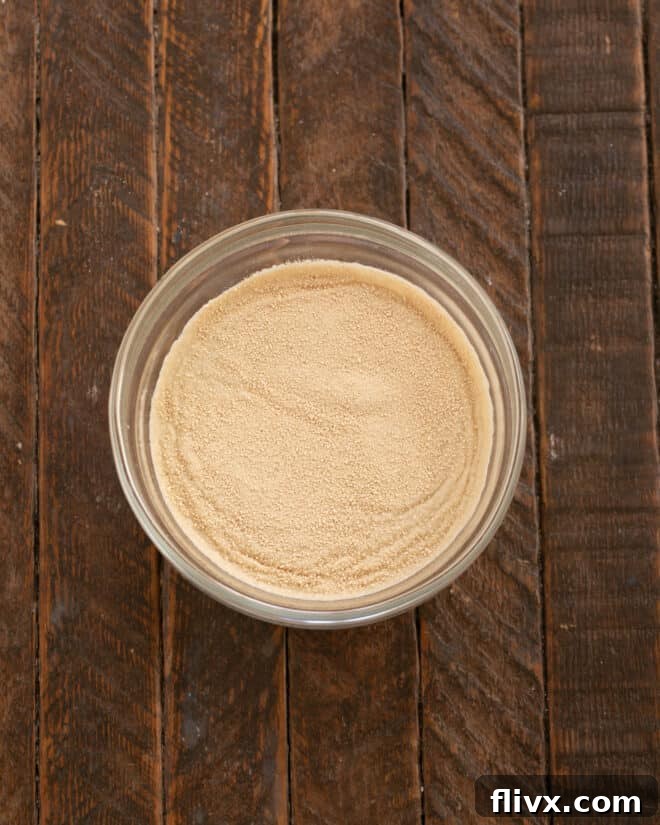
- Active Dry Yeast: One packet, typically 2 ¼ teaspoons, is what you’ll need. I personally recommend using Red Star Yeast for consistent results. Make sure to check the expiration date on your yeast packet; old yeast is often inactive and will prevent your dough from rising properly.
- Warm Water: The ideal temperature range for activating yeast is 105-115ºF (40-46ºC). Water that is too cold won’t activate the yeast, and water that is too hot will kill the living yeast organisms, rendering them ineffective. Use a thermometer for accuracy.
- Scalded Milk: Heat the milk just below boiling point, until small bubbles form around the edges of the pan. This process helps to denature proteins in the milk that can sometimes interfere with yeast activity, resulting in a softer crumb. After scalding, cool the milk to lukewarm, no hotter than 115ºF (46ºC), before adding it to your yeast mixture. Again, extreme temperatures can kill the yeast.
- Powdered Sugar (Confectioners’ Sugar): This is crucial for a smooth and creamy frosting. If your powdered sugar has a lot of little lumps, sifting it before mixing will ensure a very silky frosting. However, with good quality powdered sugar, I often find sifting isn’t strictly necessary.
- Orange Zest: The finely grated zest of an orange is where most of the vibrant orange flavor and aromatic oils reside. This will be used to infuse both the filling and the frosting with an intense citrus punch. Don’t skip this; it’s the heart of the orange roll! Use a microplane zester for the finest zest, avoiding the bitter white pith.
- Orange Juice: Freshly squeezed orange juice will provide the brightest flavor, but a good quality store-bought 100% orange juice also works well. This adds liquid and tang to the frosting, balancing the sweetness.
- Vanilla Extract: Always use real vanilla extract, not artificially flavored substitutes. The pure vanilla complements the orange beautifully, adding depth and warmth to the overall flavor profile.
Expert Tips for Perfect Yeast Rolls
Working with yeast dough can seem a little intimidating at first, but with these expert tips, you’ll master the process and consistently achieve wonderfully soft and delicious results. Once you get the hang of it, you’ll not only love the outcome but also enjoy the therapeutic process of baking with yeast.
- Understand Yeast: A Living Organism: Remember that yeast is a living organism, and its activity is crucial for your rolls to rise. It can be killed or hindered if not treated properly. Always check the expiration date on your yeast packet; using old or expired yeast is a common cause of failed dough rises and can lead to baking disasters.
- PRO-Tip: Temperature is Key for Yeast Activation: This is paramount for successful bread making! Do not add any liquid hotter than 120ºF (49ºC) to your yeast. The ideal range for active dry yeast is 105-115ºF (40-46ºC). If the water is too hot, it will instantly kill the yeast, preventing any rise. If it’s too cold, the yeast won’t activate effectively.
- The Art of Kneading: Kneading is an absolutely essential part of the bread-making process. It develops the gluten in the flour, which creates the elastic network that traps gases and gives bread its characteristic structure, chewiness, and rise.
- How to know it’s done: Whether you’re kneading by hand or using a dough hook in a stand mixer, the dough will transform from a sticky mass into a smooth, elastic, and springy ball. It should pass the “windowpane test,” meaning you can stretch a small piece thin enough to see light through it without tearing.
- Avoid Excess Flour: Don’t be tempted to add more flour than necessary just because the dough feels sticky. Adding too much flour can lead to dense, dry, and tough rolls, negatively affecting their tender texture. Only add extra flour in small increments (a tablespoon at a time) if the dough is excessively sticky and difficult to handle.
- The Perfect Proofing Environment: For your dough to rise beautifully, it needs a warm, moist, and draft-free environment.
- PRO-Tip: Optimal Temperature and Humidity: Do not force your dough to rise by placing it in an overly hot location, as this can lead to an uneven rise or an off-flavor. Somewhere around 80ºF to 90ºF (27-32ºC) is ideal. The ideal humidity is around 75%. If your oven has a “proof” setting, it’s perfect, usually setting the temperature around 85ºF (29ºC). Alternatively, you can create a warm environment by placing the covered bowl in a slightly warm (but turned off) oven with a pan of hot water on the rack below.
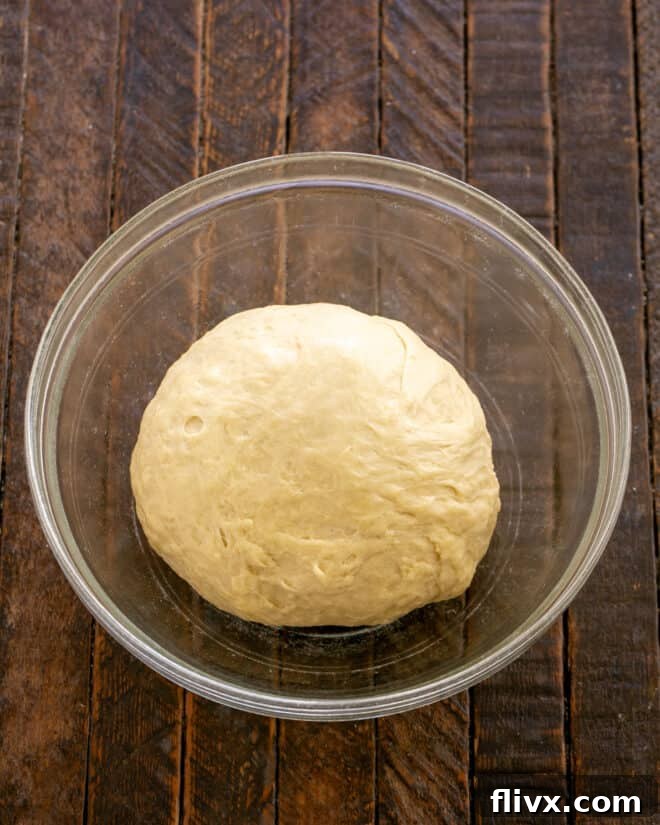
- Visual Cue: Let your dough rise until it has visibly doubled in size. This can take anywhere from 1 to 2 hours, depending on your room temperature and yeast activity.
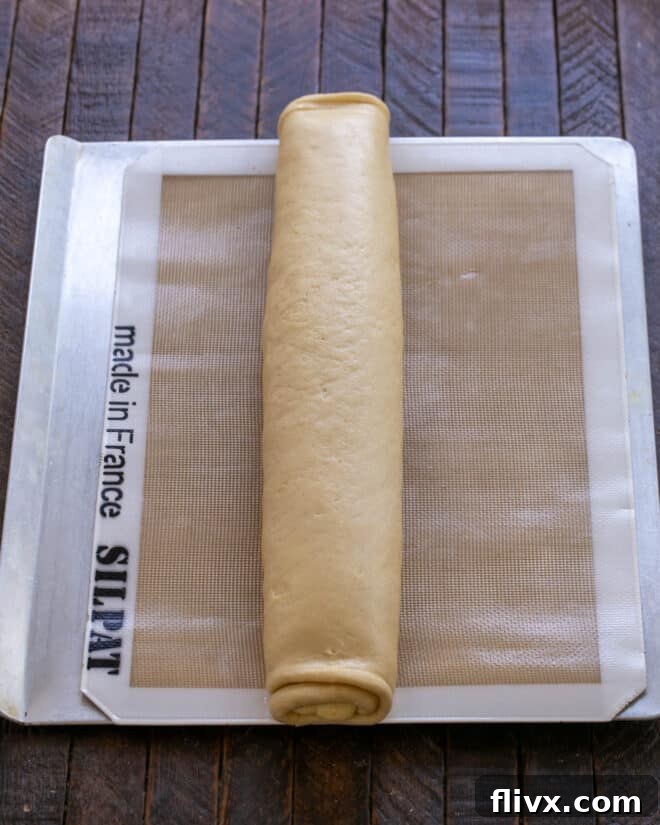
- Rolling Up Your Yeast Rolls: Not Too Tight! When you’re rolling your dough into a log after spreading the filling, aim for a firm but not overly tight roll. Rolling them too tightly can cause the center sections of the rolls to pop up higher than the rest during baking, creating an uneven appearance. They’ll still taste good, but a slightly looser roll ensures a more uniform and attractive shape.
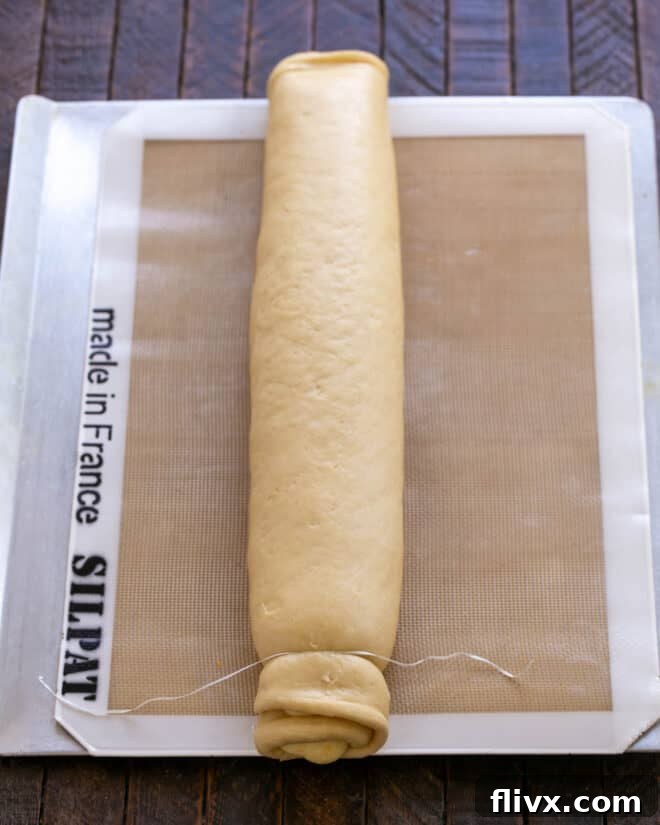
- PRO-Tip: The Dental Floss Method for Cutting: For perfectly clean and even slices without squishing your beautiful dough, use unflavored dental floss! Lightly score your dough log at 1½-inch intervals. Slip a 12-inch strand of floss under the roll, bring the ends up and over the top, crossing them over one of your marks. Pull the ends sharply and firmly to cut cleanly through the dough. This method prevents the top-to-bottom pressure and potential distortion that comes with using a knife. It’s a truly slick way to get uniformly shaped rolls.
How to Make Homemade Orange Rolls: A Step-by-Step Guide
Embark on your baking journey with this detailed, step-by-step guide to creating fluffy, flavorful homemade orange rolls. Follow these instructions closely for the best results!
The Dough Preparation
Creating the Orange Filling and Frosting
Shaping and the Second Rise
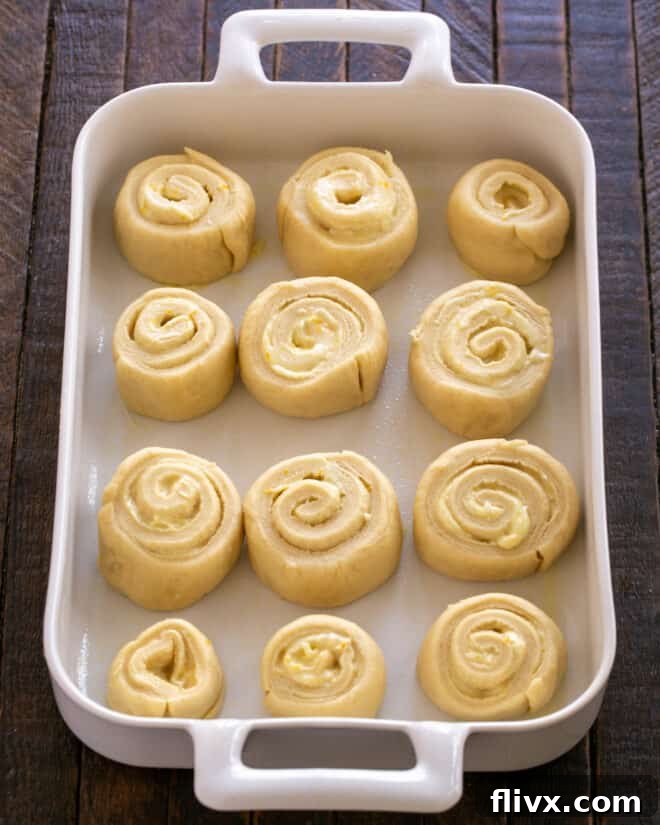
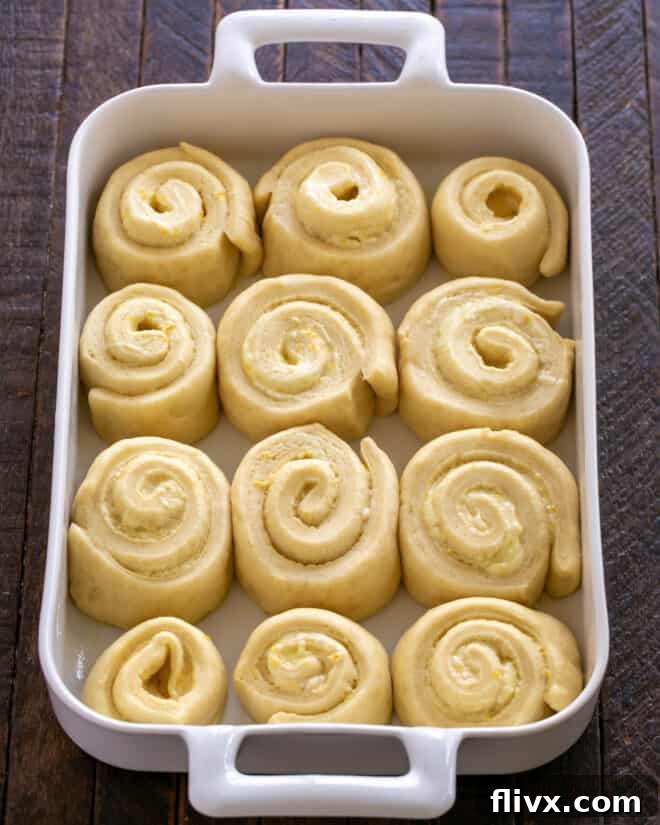
Baking and Frosting
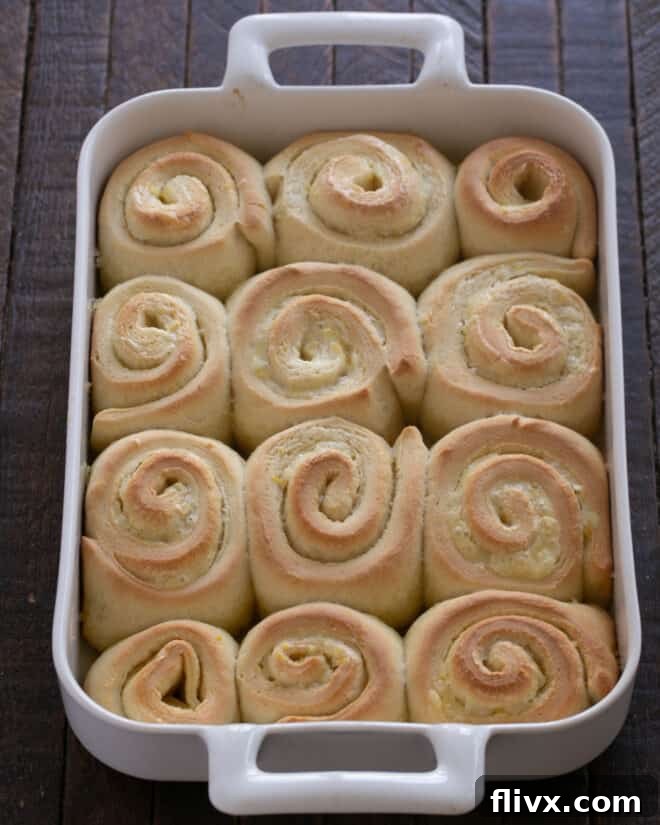
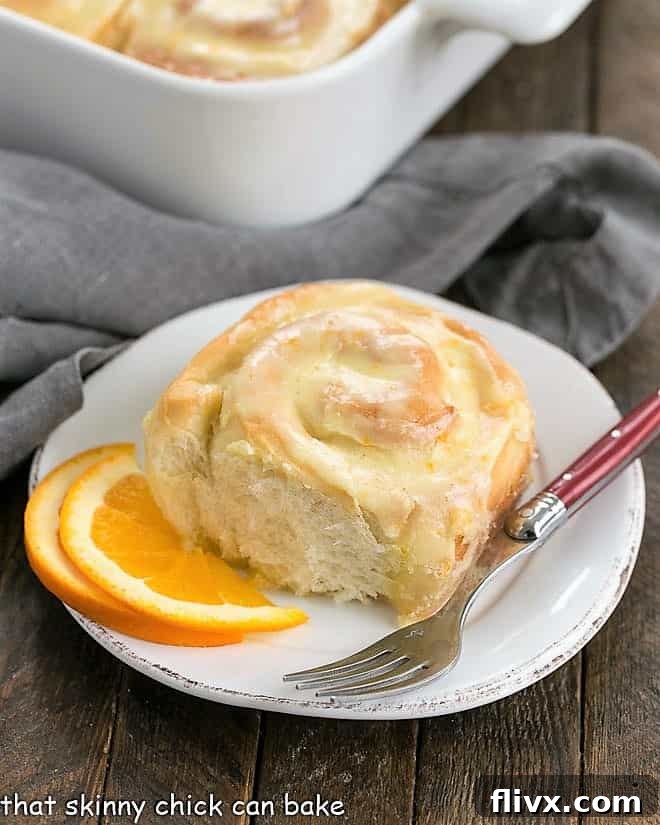
Step 15: Frost While Warm. As soon as the rolls come out of the oven, generously spread the remaining orange filling/frosting over the warm rolls. The warmth of the rolls will slightly melt the frosting, allowing it to seep into every crevice, creating an irresistible glaze.
Frequently Asked Questions About Orange Rolls
An orange roll is a delightful variation of the classic sweet roll, similar in structure and preparation to a cinnamon roll. However, instead of a cinnamon-sugar filling, these rolls feature a vibrant, citrusy filling typically made with butter, powdered sugar, and plenty of fresh orange zest. They are often topped with a creamy, orange-infused glaze, offering a brighter, more refreshing flavor profile compared to their cinnamon counterparts. It’s a fantastic alternative for those who love sweet pastries but crave a tangy, zesty kick.
Generally, the low pH (acidity) of orange juice is not strong enough to kill yeast in the small amounts used in a recipe, especially if the yeast is healthy and active. More importantly, in this particular orange rolls recipe, the orange juice is primarily used in the filling and frosting, not directly incorporated into the yeast dough itself. This means it won’t interfere with the yeast’s ability to activate and make your dough rise, so you can rest assured your rolls will be fluffy and light.
To maintain their freshness and tender texture, store your frosted orange rolls in an airtight container at room temperature for 2-3 days. For longer storage, you can move them to the refrigerator, where they will keep well for up to 3 additional days. For the best long-term storage, these rolls freeze beautifully! Once completely cooled, wrap individual rolls tightly in plastic wrap, then place them in a freezer-safe bag or container. They can be frozen for up to 3 months. To enjoy, simply thaw at room temperature and warm gently in the microwave or oven until soft and fragrant.
Absolutely! There are a couple of ways to prepare these orange rolls in advance. You can make the dough the night before and let it complete its first rise in the refrigerator overnight. The cold temperature slows down the yeast activity. In the morning, simply take it out, let it come to room temperature for about 30-60 minutes, then proceed with rolling, filling, shaping, and the second rise. Alternatively, you can assemble the rolls in the baking pan, cover them tightly, and refrigerate them overnight. Let them come to room temperature and rise for about an hour in the morning before baking. This makes them perfect for a leisurely weekend breakfast or holiday brunch!
A common issue with yeast baking is a dough that doesn’t rise. The most frequent culprits are inactive or expired yeast, or water that was either too hot or too cold during yeast activation. Always check your yeast’s expiration date, and use a thermometer for precise water temperatures (105-115ºF). If your yeast mixture didn’t foam after 5-10 minutes, it’s likely inactive, and you’ll need to start over with fresh yeast. Another reason could be a cold environment for proofing; ensure your dough is in a warm, draft-free spot. While it’s disappointing when dough doesn’t rise, understanding these common pitfalls will help you achieve success next time.
More Irresistible Bread and Roll Recipes You Might Like:
If you’ve fallen in love with the art of baking yeast rolls, you’ll be thrilled to explore these other fantastic recipes:
- Easy Caramel Pecan Sticky Rolls from Melissa’s Southern Style Kitchen – another sweet morning treat!
- Perfect Glazed Cinnamon Buns – for when you crave the classic comfort.
- Homemade Pretzel Rolls – a savory twist, great for sandwiches or as a side.
- Fluffy Homemade Pita Bread – ideal for dips or wraps.
- Hearty Whole Wheat Country Bread – wholesome and delicious.
- Homemade Sesame Seed Bagels – elevate your breakfast with these chewy delights.
- Discover even more Amazing Bread Recipes to expand your baking repertoire!
Stay connected and share your baking triumphs! Follow us on Instagram, Facebook, and Pinterest. Don’t forget to tag me when you try one of my delicious recipes! And if you absolutely love the results and are eager to share your experience, please consider leaving a 5-star rating and comment on the blog post – your feedback is truly invaluable!
Homemade Orange Rolls Recipe
45 minutes
25 minutes
1 hour 10 minutes
12 rolls
These orange rolls are adapted from Betty Crocker’s Baking Classics, a recipe that dates back to the 1920s when Betty Crocker first established her renowned test kitchen.
Avg. Rating: 4.9 stars from 83 reviews
Ingredients
For the Sweet Dough:
- 1 package active dry yeast (2 ¼ teaspoons)
- ½ cup warm water (105-115ºF)
- ½ cup scalded milk, cooled to lukewarm (no hotter than 115ºF)
- ⅓ cup granulated sugar
- ⅓ cup unsalted butter, at room temperature
- 1 teaspoon salt
- 1 large egg
- 3 ½ cups all-purpose flour (you may need up to ½ cup more)
For the Orange Filling and Frosting:
- 3 cups powdered sugar (confectioners’ sugar)
- 6 tablespoons unsalted butter, at room temperature
- 2 tablespoons finely grated orange peel (zest of about 1-2 oranges)
- 4 tablespoons fresh orange juice
- 1 teaspoon pure vanilla extract
- Heavy cream, to thin frosting if needed (start with 1-2 teaspoons)
Instructions
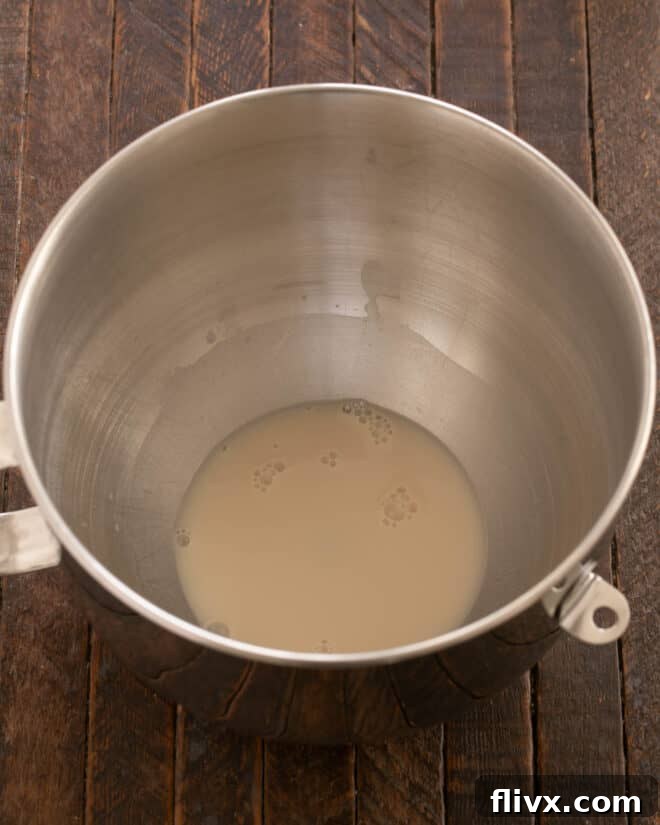
- Activate Yeast: In a small bowl, dissolve yeast in warm water (105-115ºF). Let stand for 5-10 minutes until foamy.
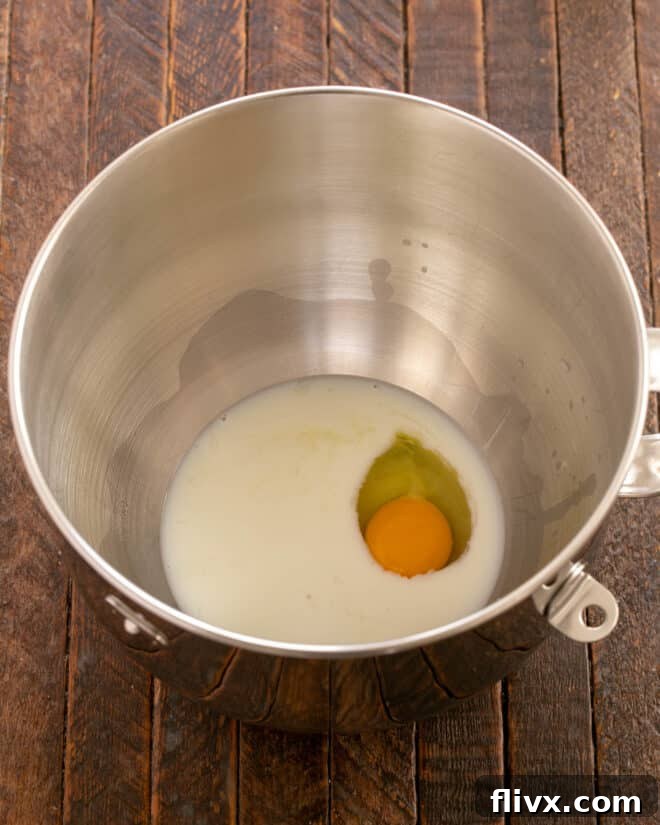
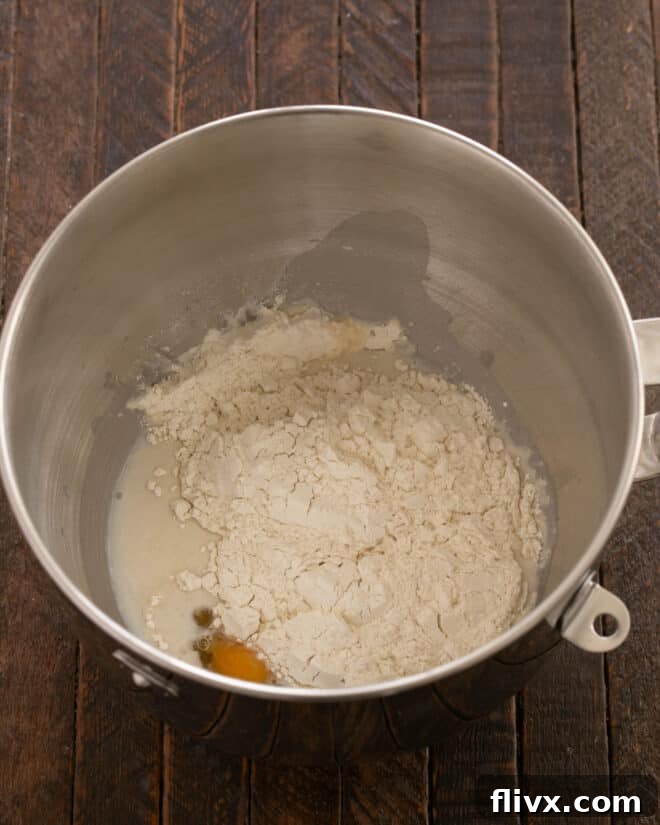
- Combine Wet Ingredients: In a large mixing bowl (or stand mixer bowl), stir in the cooled scalded milk, sugar, softened butter, salt, and egg with the activated yeast mixture.
- Add Flour & Knead: Gradually add 2 cups of flour, mixing with a paddle attachment until smooth. Switch to a dough hook. Add about 1½ cups more flour and knead for about 5 minutes until the dough is smooth and elastic. If dough is too sticky, add up to ½ cup more flour, one tablespoon at a time.
- First Rise (Proofing): Place dough in a lightly greased bowl, turning once to coat. Cover with plastic wrap or a clean kitchen towel and let rise in a warm, draft-free place until doubled in size (approx. 1½ hours). While dough rises, prepare the filling.
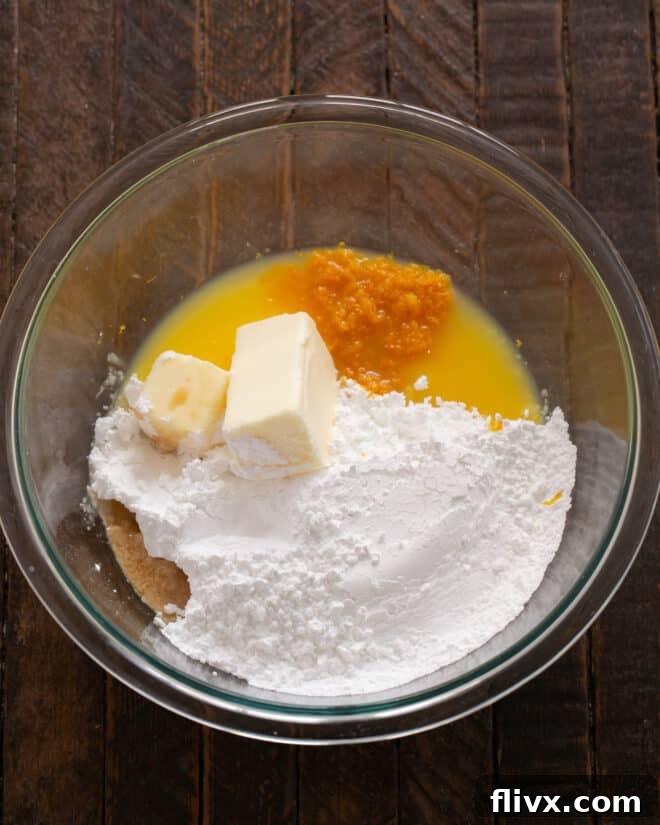
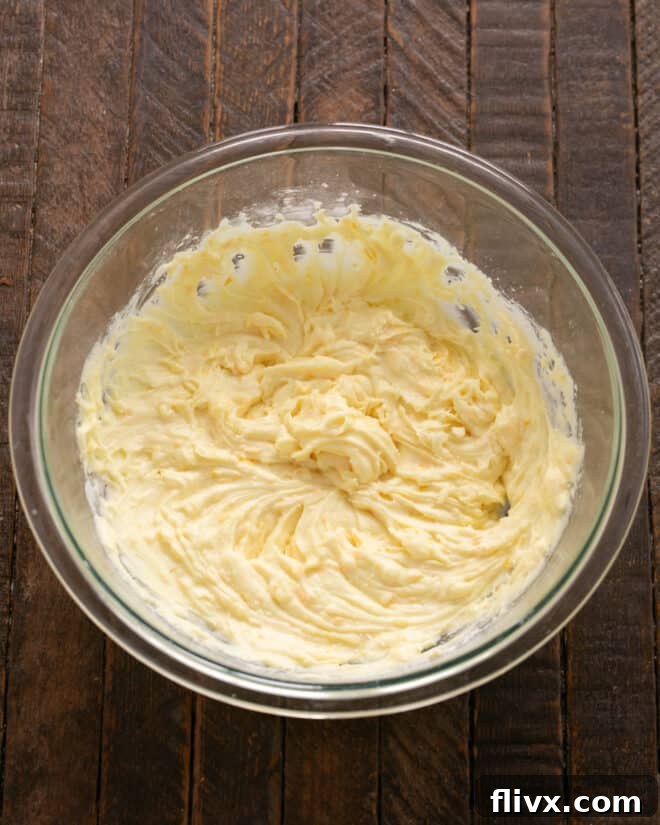
- Prepare Filling/Frosting: In a separate bowl, beat together powdered sugar, 6 tablespoons softened butter, orange zest, orange juice, and vanilla extract until creamy and smooth. Set aside.
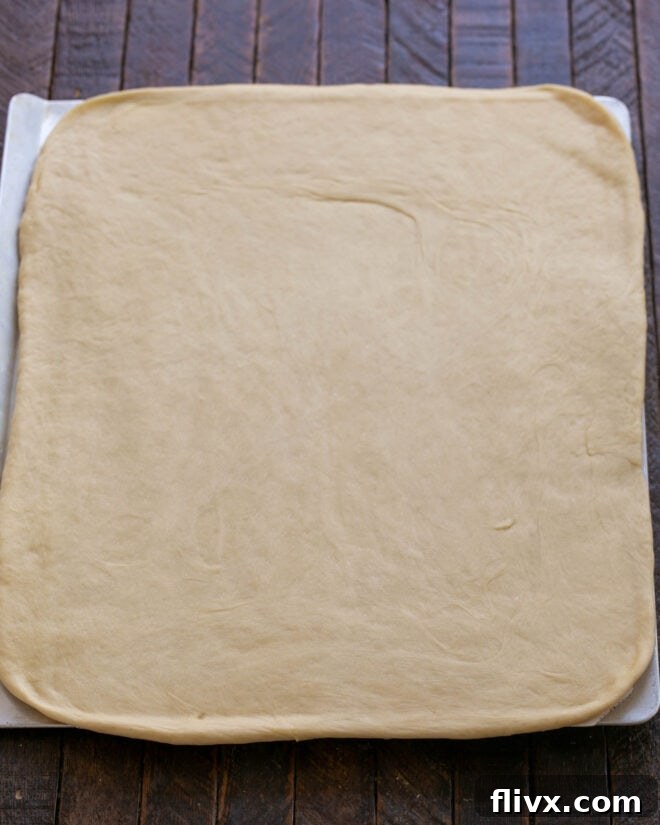
- Shape Dough: Once dough has risen, gently punch it down. On a lightly floured surface, roll the dough into an 18 x 12-inch rectangle.
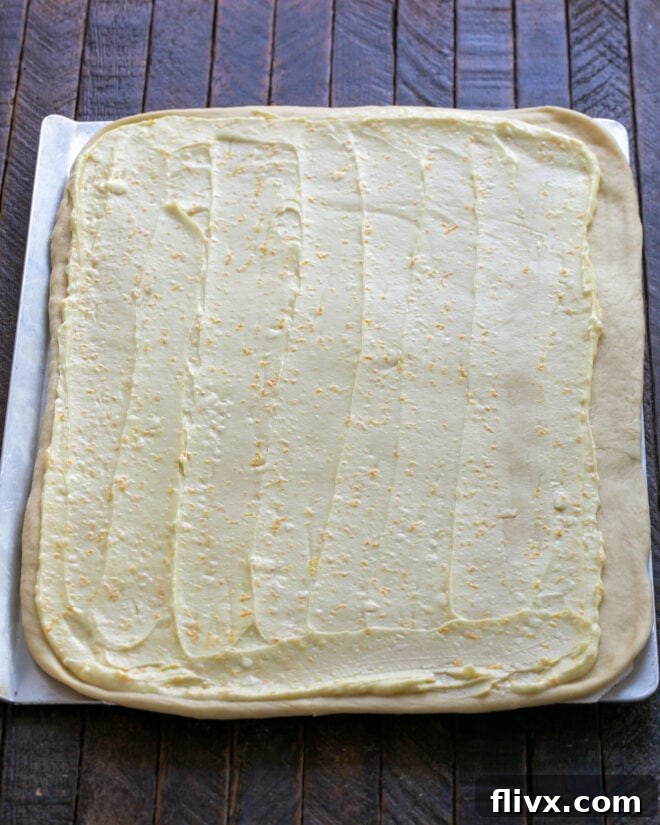
- Spread Filling: Evenly spread half of the prepared orange filling over the dough, leaving a small border on one long edge.
- Roll & Slice: Starting from the wider (18-inch) side, carefully roll the dough into a tight cylinder. Pinch the seam to seal. Using unflavored dental floss or a sharp knife, cut the roll into 1½-inch slices (you should get 12 rolls).
- Second Rise: Arrange the sliced rolls in a greased 9 x 13-inch baking pan. Cover loosely and let rise in a warm place until doubled in size (approx. 40 minutes).
- Bake: Preheat oven to 375ºF (190ºC). Bake the rolls for 20-25 minutes, or until golden brown.
- Frost: While the rolls are still warm, spread the remaining orange filling/frosting generously over them. Serve warm and enjoy!
Notes
Total time indicated does not include the two crucial proofing times, which are essential for light and fluffy rolls.
Recommended Products
As an Amazon Associate and member of other affiliate programs, I earn from qualifying purchases.
- 9 x 13 Revol Ceramic Baking Dish
- Nesting Mixing Bowls (for mixing and/or ingredients)
- KitchenAid KSM150PSER Artisan Tilt-Head Stand Mixer with Pouring Shield, 5-Quart, Empire Red
Nutrition Information:
Yield:
12 rolls
Serving Size:
1 roll
Amount Per Serving:
Calories: 395
Total Fat: 13g
Saturated Fat: 8g
Trans Fat: 0g
Unsaturated Fat: 4g
Cholesterol: 48mg
Sodium: 282mg
Carbohydrates: 65g
Fiber: 1g
Sugar: 35g
Protein: 5g
HOW MUCH DID YOU LOVE THIS RECIPE?
Please leave a comment on the blog or share a photo on Pinterest