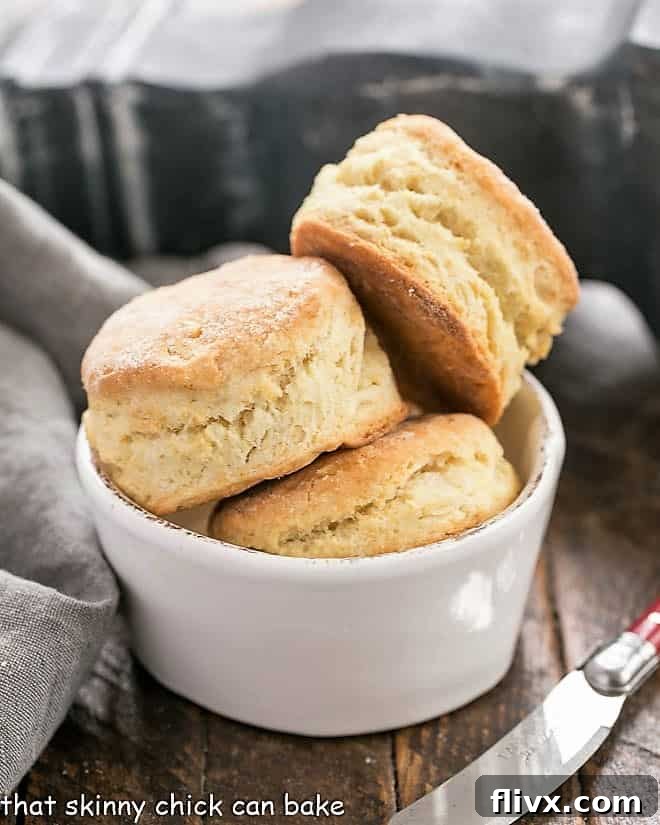
Craving the ultimate comfort food that feels like a warm hug from a Southern grandma? Look no further for an Easy Biscuits Recipe that guarantees spectacular results every single time. This exceptional Buttermilk Biscuits Recipe stands out by employing a unique dough lamination technique, similar to that used in puff pastry, ensuring they emerge from your oven incredibly flaky, tender, and utterly irresistible. If you’ve struggled to achieve that coveted light-as-air texture and rich, buttery flavor in your homemade biscuits, this guide, packed with expert tips and detailed instructions, is your secret weapon to baking perfection. Prepare to transform simple ingredients into magnificent, golden-brown delights right in your own kitchen.
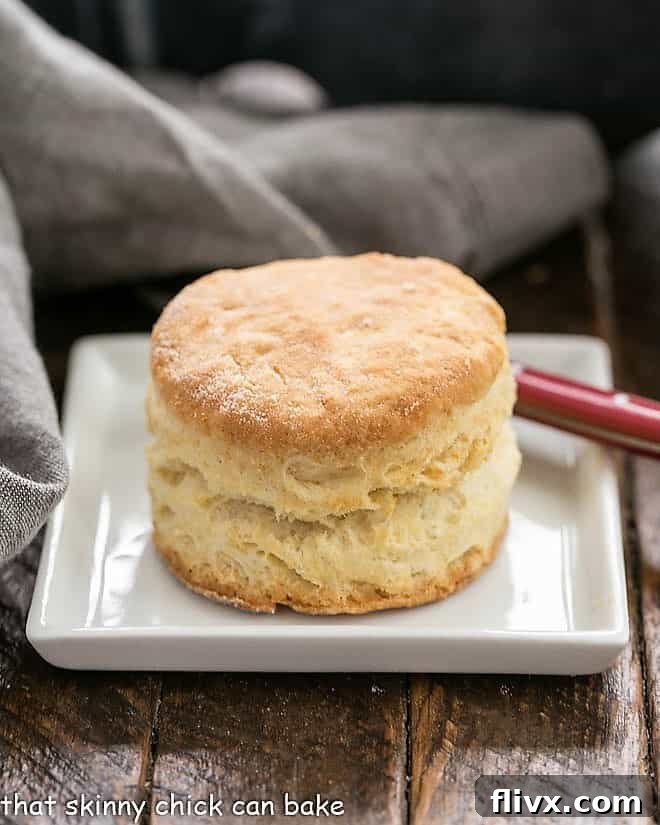
The Secret to Unrivaled Flakiness: Why This Buttermilk Biscuits Recipe Delivers
There are certain recipes that become cherished staples, especially when you have leftover buttermilk yearning to be transformed into something extraordinary. While Ina Garten’s corn muffins are a delightful option, this recipe for profoundly tender and flaky buttermilk biscuits truly shines. Unlike many conventional biscuit recipes that merely call for cutting in cold butter and shortening, this method, inspired by the meticulous techniques of Cook’s Illustrated, elevates the humble biscuit to an art form. It’s designed to maximize those coveted layers, providing a truly exceptional eating experience that goes far beyond your typical quick bread.
The ingenuity lies in a sophisticated yet accessible approach to fat incorporation and dough handling. Here’s how it works to create those magnificent, airy layers:
- **Thin Sheets of Butter for Explosive Steam:** Instead of simply cubing butter, you’ll flatten small pieces of very cold butter with your fingers, dispersing these thin sheets throughout the flour mixture. This crucial step is the foundation of lamination. When these paper-thin butter layers encounter the heat of the oven, they melt rapidly, releasing steam that dramatically lifts and separates the dough, creating countless delicate air pockets. This mechanism is precisely what gives puff pastry and the flakiest pie crusts their characteristic light and airy structure.
- **Extreme Chill for Optimal Texture:** After the initial mixing of fats and flour, the entire bowl is placed in the freezer. This step is often overlooked in other recipes but is paramount here. Ensuring both the butter and shortening are extra cold before the buttermilk is added prevents them from fully incorporating into the flour. Instead, they remain distinct, tiny pockets of fat that are essential for developing those magical flaky layers. This pre-chilling safeguards the structural integrity of the fat, guaranteeing maximum lift during baking.
- **The Lamination Fold: Building Layers with Ease:** The most distinctive technique in this recipe is the simple yet powerful folding method. After gently bringing the dough together, you’ll roll it into a rectangle and fold it into thirds, much like folding a letter. This single “turn,” as it’s called in classical pastry making (pâte feuilletée), effectively triples the layers within the dough. Unlike the laborious, repetitive folds required for traditional puff pastry, this recipe achieves remarkable flakiness with just one strategic fold, avoiding extensive chilling times while still imparting incredible texture. This deliberate layering ensures that every bite of your homemade buttermilk biscuits is an experience in buttery, airy perfection.
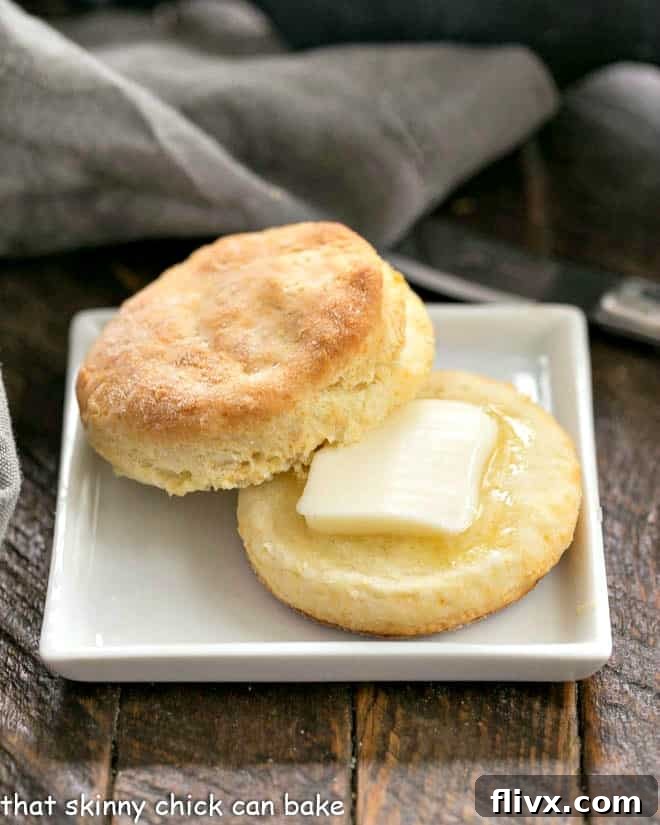
Mastering Flaky Biscuits: Essential Expert Tips & Tricks
Achieving truly extraordinary, light and flaky buttermilk biscuits is less about innate baking talent and more about understanding a few fundamental principles. These expert tips will guide you through each step, ensuring your biscuits are consistently tender, tall, and layered:
- PRO-Tip: The Golden Rule of Cold Ingredients: This cannot be overstated: the absolute key to flaky biscuits is starting and maintaining very cold butter, shortening, and buttermilk. Why? Cold fats create pockets within the dough that melt slowly in the oven, releasing steam that pushes the layers apart. If your fats are too warm, they will blend too readily with the flour, resulting in a dense, cake-like texture rather than the desired flakiness. Always begin with butter straight from the fridge, cut it into tablespoons, and ensure your buttermilk is chilled. The freezer step after incorporating the fats is a game-changer, giving them a final chill before liquids are introduced.
- The Subtle Sweetness: This recipe incorporates a tablespoon of sugar, which serves a dual purpose. It beautifully balances the savory notes from the salt and the slight tang from the leaveners and buttermilk, creating a well-rounded flavor profile. Furthermore, a touch of sugar aids in browning, giving your biscuits that appealing golden crust. If you envision these glorious homemade biscuits as the base for a sweet treat, like luscious strawberry shortcakes, feel free to increase the sugar by another tablespoon or even two for an extra touch of dessert-worthy sweetness.
- PRO-Tip: The Gentle Touch – Avoid Overmixing: When it comes to biscuit dough, a light hand is your best friend. Resist the urge to aggressively knead or mix the ingredients extensively. Overmixing develops the gluten in the flour, which leads to tough, chewy biscuits instead of tender ones. The goal is to preserve those delicate, thin flakes of butter you worked so hard to create and to minimize gluten formation. Mix just until the ingredients are combined and a shaggy dough forms. A few dry spots are preferable to an overmixed, smooth dough.
- PRO-Tip: The Power of Fresh Leaveners: Baking powder is the primary leavening agent in many quick breads, but it has a shorter shelf life than baking soda. Since it might not be used as frequently, it can lose its potency while sitting in your pantry, leading to flat, sad biscuits. Always check the expiration date on your baking powder can. When in doubt, perform a quick freshness test: spoon about a teaspoon of baking powder into a small bowl and pour a quarter cup of hot water over it. If it fizzes immediately and vigorously, it’s fresh and ready to use. If not, it’s time for a new can. This recipe also calls for baking soda, which reacts with the acidic buttermilk to provide additional lift, and generally remains fresh for a longer period.
- Mastering the Dough Fold (Lamination): This technique, while seemingly advanced, is surprisingly straightforward and incredibly rewarding. Begin by ensuring your work surface is lightly floured to prevent sticking – a Silpat mat can also be invaluable here. Gently roll the chilled dough into a large, even rectangle. Now, perform the fold: imagine dividing your rectangle into three equal sections. Fold one-third of the dough over the middle third, then take the remaining one-third from the other side and fold it over the already doubled layer. This creates three distinct layers in a single, simple movement. Once folded, gently roll this new, thicker rectangle until it’s about 1 inch thick. Precision isn’t critical, but working quickly helps keep the butter and shortening cold. This single fold dramatically enhances the flakiness without the fuss of traditional pastry lamination.
- The Art of Cutting Biscuits: Use a sharp, round biscuit cutter, ideally with a 2 to 3-inch diameter. A sharp edge is crucial for clean cuts.
- PRO-Tip: Press Down, Don’t Twist: This is a vital technique for maximizing rise and flakiness. When cutting, press the cutter straight down into the dough with a firm, even motion. Do not twist the cutter as you pull it out. Twisting seals the edges of the dough, preventing the individual layers from rising and separating properly. If the cutter starts to stick, dip it lightly in flour before each cut.
- Beyond the Basket: Versatile Serving Ideas: While perfect on their own, warm from the oven with a smear of butter, these biscuits are incredibly versatile. They make an exceptional topping for savory dishes like my Homemade Chicken Pot Pie, absorbing rich gravies beautifully. For breakfast, serve them with country sausage gravy, eggs, or your favorite jam. They are also the quintessential base for classic strawberry shortcake or any fruit dessert.
- Troubleshooting Common Biscuit Woes:
- Flat Biscuits: Most likely stale leavening agent (baking powder) or insufficient chilling of fats. Ensure fresh ingredients and cold temperatures.
- Tough Biscuits: Almost always due to overmixing the dough. Handle the dough as little as possible.
- Dry Biscuits: Too much flour or not enough liquid. Measure precisely and add buttermilk gradually.
- Biscuits Not Flaky: Fats were too warm, or the dough was twisted when cut. Refer back to the “cold ingredients” and “don’t twist” tips.
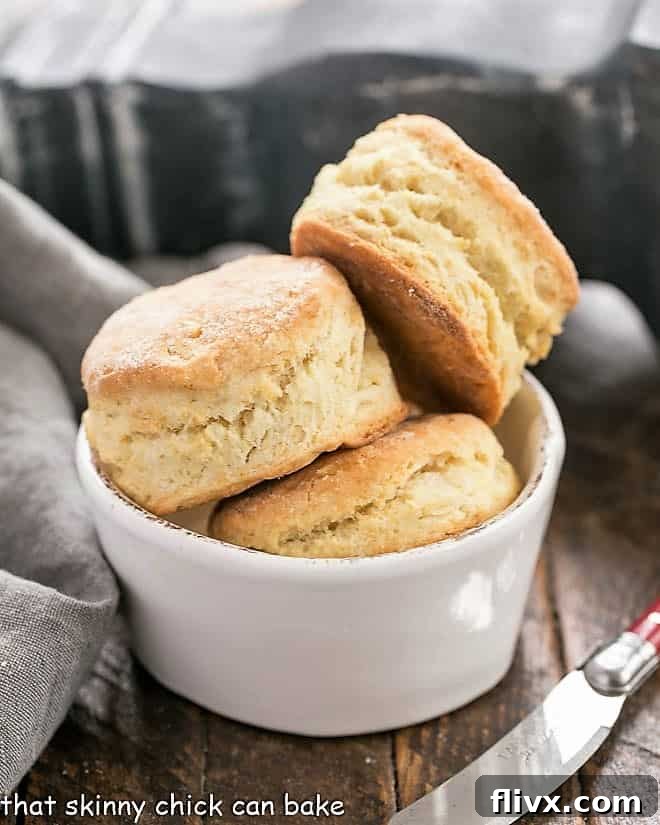
Frequently Asked Questions About Biscuits
In American culinary tradition, a biscuit is a small, savory or slightly sweet quick bread. Unlike yeast breads, biscuits rely on chemical leaveners like baking powder or baking soda to achieve their rise, making them a fast and convenient option. They are typically characterized by their tender crumb, flaky layers, and light texture, often served alongside meals or as a base for sandwiches and desserts.
Several factors can lead to disappointing biscuits. The most frequent culprit for biscuits that don’t rise is expired baking powder. Baking powder has a shorter shelf life than baking soda and often loses its efficacy before being fully used. Always check its freshness. Another common issue is overworking the dough; excessive handling develops gluten, resulting in a tough, dense biscuit instead of a tender, flaky one. Lastly, using warm butter or buttermilk can prevent the formation of those crucial flaky layers, as the fats will melt into the flour too quickly.
The word “biscuit” derives from the Old French phrase bis cuit, which literally translates to “twice cooked.” This term referred to a method of baking hard, dry bread twice to remove moisture, making it incredibly durable and suitable for long voyages. Sailors, in particular, relied on these “ship’s biscuits” or “hardtack” for sustenance during their extensive travels. While modern American biscuits are far from twice-baked, the name remains a fascinating linguistic echo of culinary history.
Absolutely! Biscuits are excellent candidates for freezing, both baked and unbaked. To freeze unbaked dough, cut out the biscuits and place them on a parchment-lined baking sheet. Freeze until solid, then transfer them to a freezer-safe bag or container. Bake from frozen, adding a few extra minutes to the cooking time. For baked biscuits, allow them to cool completely, then freeze them in an airtight container for up to 2-3 months. Reheat in a warm oven for a fresh-baked taste.
No buttermilk? No problem! You can easily make a homemade substitute. For every cup of buttermilk needed, measure out one cup of regular milk (dairy or non-dairy). Add one tablespoon of white vinegar or lemon juice to the milk, stir gently, and let it sit for 5-10 minutes until it slightly curdles. This acidity will activate the baking soda in the recipe, mimicking the leavening properties of true buttermilk.
More Quick Bread Recipes You’ll Adore
If you’ve fallen in love with the ease and deliciousness of quick breads, there’s a whole world of delightful baking waiting to be explored. From sweet scones to savory cheesy breads, these recipes are perfect for breakfast, brunch, or a simple snack. Expand your repertoire with these fantastic selections:
- Oreo Scones from Created by Diane
- Brazilian Cheese Bread
- Raspberry Cream Scones
- Goat Cheese Biscuits
- Herbed Buttermilk Biscuits
- Brown Sugar Apple Bread
- Zucchini Bread Recipe
- And for an authentic Southern breakfast experience, how about classic Biscuits and Gravy? Plus, you’ll love these Yeast Biscuits, also known as Angel Biscuits, which offer a distinct, super flaky texture from a yeast-leavened dough.
- Discover even more delightful Bread Recipes to perfect your baking skills!
This recipe was originally published in February 2011. The text and photos have been comprehensively updated in 2020 to provide the most current and helpful information.
Stay connected and share your culinary creations with me through social media! Follow @ Instagram, Facebook, and Pinterest. Don’t forget to tag me when you try one of my recipes! If you’re delighted with the results, please consider giving it a 5-star rating in the recipe card below – your feedback means the world!
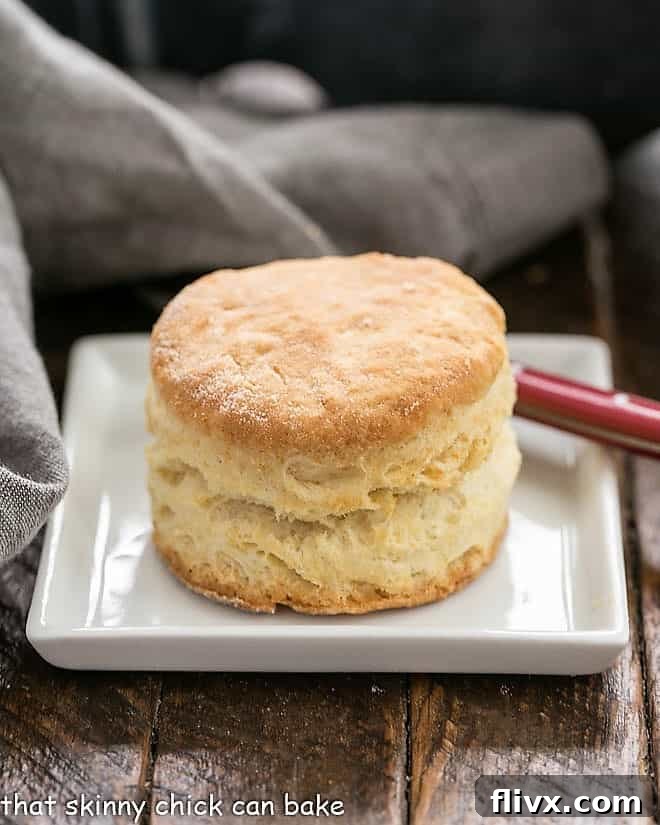
Flaky Buttermilk Biscuits
15 minutes
15 minutes
30 minutes
9 biscuits
Discover how to make the flakiest buttermilk biscuits, adapted from a beloved Cook’s Illustrated technique, guaranteeing tender, layered perfection.
Ingredients
- 2 ½ cups all-purpose flour, plus additional for rolling dough
- 1 tablespoon baking powder
- ½ teaspoon baking soda
- ½ teaspoon salt
- 1 tablespoon granulated sugar
- 2 tablespoons solid vegetable shortening
- ½ cup (1 stick) very cold unsalted butter
- 1 ¼ cups very cold buttermilk
Instructions
- Preheat your oven to 450ºF (232ºC). Prepare a baking sheet by lining it with a Silpat baking mat or parchment paper.
- In a large mixing bowl, thoroughly whisk together the dry ingredients: flour, baking powder, baking soda, salt, and sugar.
- Using a pastry blender or two knives, cut the shortening into the dry ingredients until the mixture resembles coarse meal with pea-sized pieces.
- Cut the very cold butter into 8 small pieces. Working one piece at a time, gently rub each butter piece into the flour mixture with your fingers, flattening it into a thin, flaky sheet. The butter will naturally break apart into smaller flakes. This crucial step creates distinct layers of butter, which will steam and create flakiness when baked.
- Place the bowl with the flour and fat mixture into the freezer for 15 minutes. This ensures the butter and shortening are thoroughly re-chilled, which is vital for maximum flakiness.
- Remove the bowl from the freezer. Pour in all but the last two tablespoons of the very cold buttermilk. Gently mix the dough with a rubber spatula until just combined. If the dough appears too dry and crumbly, gradually add the remaining buttermilk, mixing minimally until a shaggy dough forms. Do not overmix.
- Lightly flour a clean work surface or a second Silpat mat. Turn the dough out onto the prepared surface. Gently roll the dough into a large rectangle, approximately 11 x 16 inches. Fold the dough into thirds, like folding a letter (fold one-third over the middle, then the remaining third over the doubled layer). Then, gently roll the folded dough again until it is about 1 inch thick. Work quickly to keep the dough cold.
- Using a sharp, round biscuit cutter (3-inch diameter or less), cut out the biscuits. Press the cutter straight down without twisting to ensure clean cuts and allow for maximum rise. If the cutter starts to stick, dip it lightly in flour between cuts.
- Gather the dough scraps, gently pat them together (avoid overworking), and cut out any remaining biscuits. Place the cut biscuits on the lined baking sheet, ensuring they are slightly touching for softer sides, or spaced apart for crispier edges. Bake for approximately 15 minutes, or until the tops are beautifully golden brown and risen.
Notes
Total preparation and cook time does not include the additional 15-minute freezing time for the butter mixture.
The final yield of biscuits may vary slightly depending on the size of your chosen biscuit cutter.
Recommended Baking Essentials
As an Amazon Associate and member of other affiliate programs, I earn from qualifying purchases, helping to support this blog.
- Sturdy Pastry Blender
- Versatile Round Cookie Cutter Set
- Reliable Baking Powder
Nutrition Information:
Yield:
9
Serving Size:
1 biscuit
Amount Per Serving (Approximate):
Calories: 375Total Fat: 20gSaturated Fat: 10gTrans Fat: 0gUnsaturated Fat: 8gCholesterol: 30mgSodium: 600mgCarbohydrates: 43gFiber: 1gSugar: 3gProtein: 6g
HOW MUCH DID YOU LOVE THIS RECIPE?
Please leave a comment on the blog or share a photo on Pinterest