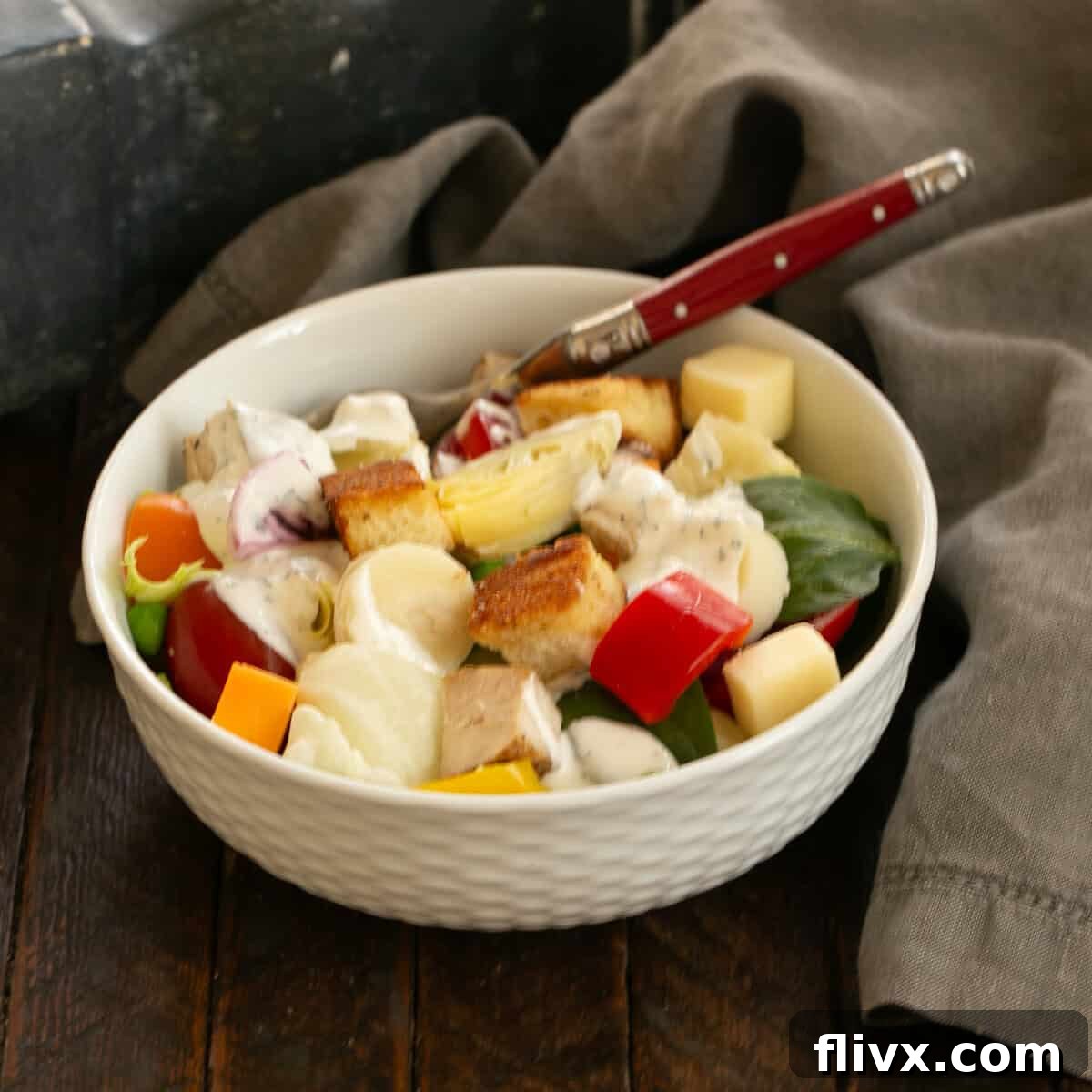
Transform your next dinner party into a fun, interactive culinary experience by learning how to assemble an extraordinary Salad Bar at Home. Whether you’re hosting a casual get-together with girlfriends, a family brunch, or a sophisticated book club meeting, a make-your-own salad bar offers unparalleled customization and undeniable charm. Forget the stress of individual meal prep; with this comprehensive guide, you’ll master everything from selecting the freshest ingredients to organizing a stunning spread that will leave your guests raving.
Crafting the perfect home salad bar revolves around three fundamental categories: crisp **Greens**, an abundance of exciting **Add-Ins** (think colorful chopped vegetables, vibrant fruits, artisanal cheeses, and crunchy nuts or seeds), and a delectable selection of **Salad Dressings**. To elevate your DIY salads into a satisfying main course, consider including substantial proteins like tender shredded roasted chicken, perfectly sliced grilled steak, or flaky baked salmon. This approach ensures there’s something to delight every palate and dietary preference, making it the ideal choice for any gathering.
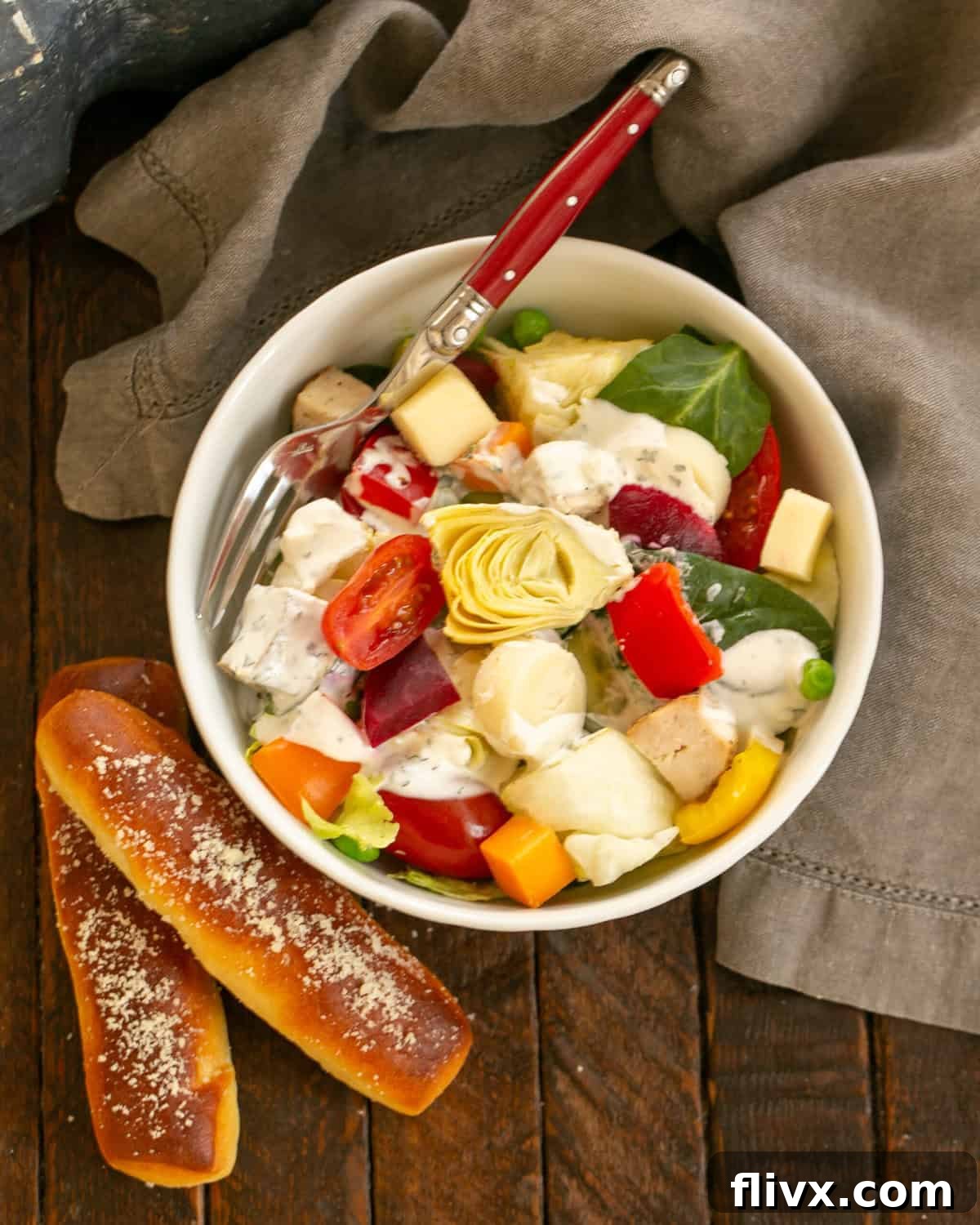
Why a Home Salad Bar is Your Go-To for Effortless Entertaining
A customizable salad bar isn’t just a meal; it’s an interactive and memorable experience. Here’s why embracing the concept of a **DIY Salad Bar** should be your top choice for your next social gathering, promising both ease for you and delight for your guests:
- Interactive & Engaging Entertainment: A Salad Bar at Home transforms mealtime into a delightful, hands-on activity. Guests truly enjoy the freedom to create their ideal salad, leading to lively conversations about favorite toppings, unique flavor combinations, and healthy choices. It’s a dynamic and engaging way to entertain friends and family, fostering a relaxed and fun atmosphere.
- Unmatched Customization for Every Guest: In today’s diverse culinary landscape, dietary needs and preferences are more varied than ever. Whether your guests are vegetarian, vegan, gluten-free, keto, or have specific allergies, a DIY salad bar caters to all with remarkable ease. By offering a wide array of ingredients, you empower everyone to build a meal that perfectly suits their individual taste and requirements, ensuring no one feels left out.
- Effortless Hosting & Reduced Stress: As the host, much of the prep work for a salad bar can be done well in advance. Chopping vegetables, preparing proteins, and mixing dressings can happen hours, or even a day, before guests arrive. This crucial advantage frees you from last-minute kitchen duties, allowing you to relax, socialize, and genuinely enjoy the company of your guests rather than being tethered to cooking tasks. It’s a brilliant strategy for truly stress-free entertaining.
- Impressive Presentation & Rave Reviews: A beautifully arranged salad bar, overflowing with fresh, vibrant colors and enticing textures, is a feast for the eyes even before a single bite is taken. This inherent visual appeal, combined with the personalized culinary experience, virtually guarantees rave reviews from your guests. Just like my recent book club gathering, where our kitchen island transformed into a lavish spread of ingredients, the custom salad creations were a huge hit, eliciting genuine excitement and appreciation!
- Healthy & Wholesome Meal Option: Offer a delicious and inherently healthy alternative to heavier, more calorie-dense meals. A salad bar naturally encourages guests to load up on nutrient-rich fresh vegetables, lean proteins, and wholesome ingredients, making it a guilt-free yet incredibly satisfying and fulfilling dining experience. It’s a great way to promote healthy eating in an enjoyable setting.
- Scalable for Any Occasion: The beauty of a home salad bar is its incredible versatility. You can tailor your setup to be as simple or as elaborate as the occasion demands. For a casual weeknight dinner or a quick lunch, a few key fresh ingredients and a couple of dressings suffice. For a festive celebration or a more formal gathering, you can go all out with gourmet options, artisanal cheeses, exotic fruits, and a wider selection of unique dressings.
Curating the Ultimate Home Salad Bar: Essential Components & Creative Ideas
The secret to an unforgettable home salad bar lies in thoughtful selection, abundant variety, and an eye for appealing presentation. Aim for a spectrum of textures, colors, and flavors to create salads that are not only visually stunning but also incredibly delicious and satisfying. Before you start shopping, take a moment to consider your guests’ preferences, any specific dietary needs, potential allergies, or foods they might avoid. While a DIY salad bar naturally accommodates various choices, a quick check can help you ensure everyone feels welcome and has plenty of tempting options to enjoy.
Protein Power: Building a Substantial and Satisfying Salad
Proteins are key to transforming a light salad into a robust and satisfying entree. Offering a diverse range ensures there’s something appealing for everyone, from avid meat-eaters to plant-based diners.
- Meat Options:
- Grilled Flank Steak or Sirloin: Thinly sliced against the grain, seasoned simply with salt, freshly ground black pepper, and a touch of garlic powder. Can be served warm or chilled.
- Leftover Roast Beef: Elegantly repurposed into tender, bite-sized slices.
- Pork Tenderloin: Grilled or roasted to perfection, then cut into small cubes or delicate slices. Marinades like honey-garlic, herb-mustard, or balsamic are excellent choices.
- Poultry Perfection:
- Chicken: Universally loved and incredibly versatile. Offer grilled chicken breast, tender roasted chicken (thighs or breast), or even a convenient store-bought rotisserie chicken, all shredded, sliced, or cubed. Lightly seasoned or marinated varieties add extra depth of flavor.
- Roast Turkey: Leftover holiday turkey can be a fantastic, lean protein addition, especially when thinly sliced or cubed.
- Seafood Sensations:
- Smoked Salmon: Flaked into inviting chunks for a rich, savory, and elegant touch.
- Roasted or Grilled Salmon: Break into large, flaky pieces. Season with fresh lemon, fragrant dill, or a subtle hint of cayenne pepper for an added kick.
- Shrimp: Grilled, sautéed, or boiled, then chilled and peeled. A fantastic light option.
- Cheese, Please! Adds a creamy, tangy, or sharp element that enhances almost any salad.
- Cubed Hard Cheeses: Offer familiar favorites like sharp Cheddar, mild Monterey Jack, nutty Swiss, or savory Provolone.
- Fresh Mozzarella: Mini balls (bocconcini) or small cubes provide a mild, creamy, and delightful texture.
- Crumbled Cheeses: Feta, sharp blue cheese, or tangy goat cheese introduce bold, pungent, or earthy notes.
- Grated Parmesan: A classic finishing touch for an umami boost.
- Shredded Cheese Blends: Convenient and popular, such as a Mexican blend for a southwest theme or an Italian mix.
- Plant-Based & Miscellaneous Proteins: Ideal for vegetarian, vegan, and health-conscious guests, ensuring robust options for all.
- Tofu or Tempeh: Cubed, pressed (to remove excess water), and then pan-fried, baked, or grilled with a savory marinade (like soy-ginger or a smoky BBQ flavor).
- Beans & Legumes: Canned chickpeas, black beans, kidney beans, or lentils, thoroughly rinsed and drained, offer substantial fiber and plant-based protein.
- Hard-Boiled Eggs: Sliced or chopped, these are a classic, easy-to-prepare, and universally appealing protein addition. (See our FAQ section for the best hard-boiling tips!)
- Edamame: Shelled and lightly steamed, provides a pop of green and protein.
The Foundation: Crisp Greens and Vibrant Garden-Fresh Vegetables
The quality of your greens and the peak freshness of your vegetables truly make a salad bar shine. Focus on offering a dynamic variety in color, texture, and flavor profiles to create an enticing base for every salad.
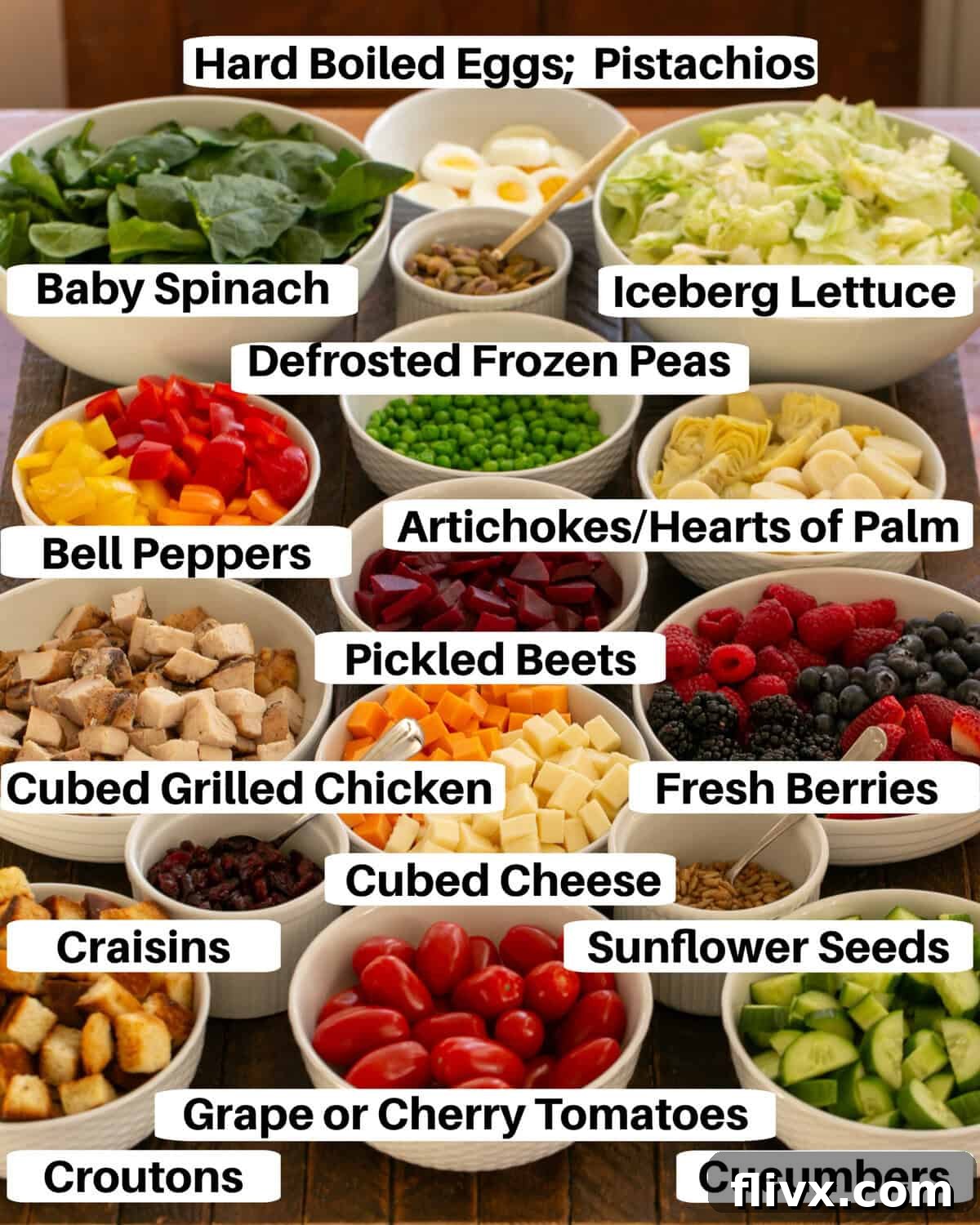
- Greens Galore: Offer a diverse mix to cater to different preferences. Always meticulously wash and thoroughly dry your greens for optimal crispness and to ensure dressings adhere properly.
- Mild & Crisp Options: Finely shredded Iceberg lettuce, crisp Romaine hearts (chopped into bite-sized pieces), and tender Butter lettuce.
- Tender & Flavorful: Delicate Red leaf lettuce, nutrient-rich Baby spinach.
- Peppery & Aromatic: Lively Arugula, vibrant Watercress, and thinly sliced Radicchio for a touch of bitter sophistication.
- Nutrient-Dense Powerhouses: Robust Kale (consider gently massaging kale with a little olive oil and lemon juice to tenderize its leaves and improve digestibility), and diverse Spring mix or Mixed greens.
- Garden-Fresh Vegetables: To ensure ease of eating and eliminate the need for knives at the table, cut all vegetables into uniform, bite-sized pieces.
- Crunchy & Colorful: Brightly chopped bell peppers (offer a rainbow of red, yellow, and orange), refreshing sliced or diced cucumbers, finely shredded carrots, thinly sliced celery, and crisp radishes.
- Sweet & Juicy Additions: Halved cherry or grape tomatoes, defrosted frozen peas or corn (they come pre-cooked and ready to serve).
- Tangy & Savory Delights: Quartered artichoke hearts (marinated or canned), perfectly sliced hearts of palm, a medley of sliced black or green olives, flavorful pickled beets (one of my personal favorites for a sweet and tangy punch!), and zesty pepperoncini.
- Aromatic Onions: Thinly sliced red onion (for a milder flavor, consider soaking in ice water for 10-15 minutes before serving), or freshly chopped green onions (scallions).
- Creamy Avocados: These luxurious, creamy gems are an absolute must-have for their rich texture and healthy fats.
- Select firm but slightly yielding avocados; they should give to gentle pressure when lightly squeezed in the palm of your hand. At this point, they are perfectly ripe and ready to use.
- Cut them into attractive cubes or slices *just before serving* to prevent oxidation, which causes them to turn an unappealing brown color.
- PRO-Tip: If you absolutely must prepare them ahead of time, gently toss the avocado pieces with a squeeze of fresh lemon or lime juice. The citric acid will significantly slow down the browning process. Even if they brown slightly, rest assured they’ll still be delicious, just not as visually pristine.
- Sweet & Tart Fruit: Fruit adds a delightful burst of sweetness, tanginess, and unexpected texture to any salad.
- Fresh Berries: Sliced fresh strawberries, plump blueberries, juicy raspberries.
- Citrus Segments: Bright mandarin orange segments (either canned and thoroughly drained, or freshly peeled and separated), or grapefruit segments for a zesty kick.
- Dried Fruits: Chewy dried cherries, tangy cranberries (Craisins), classic raisins, or finely chopped dried apricots. If your dried fruit looks excessively dry, you can rehydrate them briefly in some hot water until they plump up, then drain thoroughly on paper towels before adding to the bar.
- Crisp Apples & Pears: Sliced or cubed, these fruits are wonderfully refreshing but are highly prone to browning when exposed to air. Prepare and add them to the bar right before guests begin serving themselves.
- PRO-Tip for Apples/Pears: To prepare these susceptible fruits ahead of time without the unsightly browning, soak the cut pieces in a solution of water mixed with a tablespoon of fresh lemon juice. Alternatively, a light soda like Sprite or 7-Up also works effectively, as the citric acid acts as a natural preservative. Always drain thoroughly before adding to your salad bar setup.
Crunchy & Flavorful Add-Ins: The Essential Finishing Touches
These crucial elements bring layers of texture, richness, and delightful bursts of flavor that elevate a good salad to a truly great, memorable one. Don’t underestimate their impact!
- Nuts: Offer a diverse variety of nuts to complement different salad flavor profiles. For an enhanced depth of flavor and irresistible crunch, consider lightly toasting your nuts before serving.
- Classic choices include cashews, almonds (sliced, slivered, or whole), walnuts, pecans, and pistachios.
- Toasting Tip: Spread nuts in a single layer on a baking sheet and toast in a preheated oven at 350°F (175°C) for 5-10 minutes, or in a dry skillet over medium heat, stirring frequently, until fragrant and lightly golden. Watch carefully to prevent burning!
- Seeds: Incorporating seeds is an excellent way to boost the nutritional value of salads while adding a delightful, subtle crunch.
- Popular options include sunflower seeds, pumpkin seeds (also known as pepitas), classic sesame seeds, nutrient-dense flax seeds, tiny chia seeds, and hearty hemp hearts.
- Croutons: An absolute essential for that satisfying, savory crunch that every salad benefits from.
- Homemade Croutons: These are surprisingly simple to make and taste infinitely better than store-bought. Cube a hearty, slightly stale bread (sourdough, rustic white, or whole wheat work exceptionally well) into uniform bite-sized pieces. Sauté them in a mixture of salted butter and a touch of olive oil (the butter provides flavor, the oil helps prevent burning) until they are golden brown and lightly toasted on all sides. For an extra layer of flavor, toss them with a pinch of garlic powder, onion powder, or your favorite dried Italian herbs. Add them to the bar just before serving to ensure they retain their maximum crispness and don’t get soggy.
- Store-bought Croutons: A convenient and readily available option, offering various flavors from Caesar to garlic & herb.
- Crispy Fried Onions: These provide a wonderfully savory and intensely crunchy addition, often found near the salad dressings or snack aisle in grocery stores.
- Tortilla Strips or Wonton Strips: For a delightful, savory crunch with an ethnic flair, these are especially great for Asian-inspired or Mexican-themed salads.
The Grand Finale: A Selection of Irresistible Salad Dressings
No salad bar is truly complete without a tantalizing array of dressings. Offering a variety caters to diverse tastes and allows guests to truly customize and perfect their unique salad creations.
- Variety is Key: To ensure broad appeal, I strongly recommend providing at least three distinct dressing options:
- One classic vinaigrette: light, tangy, and incredibly versatile, pairing well with almost any ingredient.
- One creamy salad dressing: rich, comforting, and a popular choice for many.
- Perhaps a third, lighter, herb-based dressing, or a unique flavor profile to intrigue and surprise your guests.
- Homemade Dressings: Crafting your own dressings often results in superior flavor, fresher taste, and allows you complete control over the ingredients, sugar content, and oil quality. Some of my homemade favorites that are perfect for a generous salad bar include:
- Balsamic Vinaigrette: A timeless and elegant choice that complements almost anything on the bar.
- French Dressing: A delightful blend of sweet and tangy, often a nostalgic favorite.
- Homemade Ranch Dressing: Creamy, herbaceous, and incredibly popular with all ages.
- Blue Cheese Dressing: For those who appreciate a bold, pungent, and savory flavor profile.
- A simple Lemon Herb Vinaigrette: combining fresh lemon juice, olive oil, and finely chopped fresh herbs like parsley, dill, or chives.
- Quality Store-Bought Options: Don’t hesitate to supplement your homemade offerings with excellent quality store-bought brands for convenience, especially if you’re short on time.
- Look for refrigerated dressings typically found near the produce section for fresher, often higher-quality options.
- Explore various reputable brands on your grocer’s shelves, focusing on those with transparent ingredient lists and good reviews.
- Consider popular choices like a light Italian dressing, a creamy Caesar, or even a unique Asian sesame or ginger dressing to add variety.
- Serving Dressings with Style: For a polished and inviting presentation, use attractive glass bottles with pouring spouts, small elegant pitchers, or practical lidded jars. This makes pouring easy and keeps the dressings looking fresh.
Setting Up Your DIY Salad Bar: Pro Tips for Seamless Success
Creating an intuitive and logical flow is paramount for a smooth and enjoyable salad-making experience for your guests. Start by designating a clear beginning point where plates, bowls, silverware, and napkins are readily available. Then, arrange your diverse salad ingredients on a spacious kitchen island, a long counter, or a dedicated dining table. Begin the actual food line with the greens, placed in large, easily accessible bowls, each accompanied by appropriate tongs or other serving utensils. Following the greens, arrange the lighter, crunchier toppings like various chopped vegetables and fruits. Next, place the heartier and more substantial ingredients such as proteins (chicken, steak, eggs) and cheeses. Conclude the setup with the array of salad dressings. This thoughtful sequence allows guests to effortlessly build their salads step-by-step without congestion or confusion.
For a sophisticated, clean, and visually appealing presentation, I wholeheartedly recommend using white bowls of varying sizes. White tableware ensures that the vibrant, natural colors of your fresh ingredients truly pop and are the star of the show, without any competing patterns or hues. Large white serving bowls are versatile staples, perfect for holding voluminous greens and bulkier items. For your array of dressings, elegant glass lidded jars or small, stylish pitchers are ideal, offering both easy pouring and a clean, organized look; I found beautiful ones at Sur la Table, but similar practical options are readily available on Amazon. Critically, ensure you have plenty of individual serving tongs, spoons, or scoops for *each* dish to maintain optimal hygiene and facilitate ease of use for all your guests.
Perfectly hard-boiled eggs are a simple yet incredibly popular and versatile protein addition to any salad bar. To achieve ideal results, start by gently placing cool eggs into a pot of cool water, ensuring they are fully submerged by at least an inch of water. Bring the water to a rolling boil over high heat. As soon as the water reaches a full boil, immediately reduce the heat to a gentle simmer, cover the pot tightly with a lid, and let the eggs cook for precisely 13 minutes. This timing typically yields firm, yet creamy, yolks. Once cooked, swiftly remove the eggs from the hot water and transfer them to a bowl filled generously with ice water. This crucial step immediately stops the cooking process and helps prevent the unattractive green ring around the yolk. Once completely cool, refrigerate them in their shells until you’re ready to peel and slice or chop them for your salad bar setup.
Maintaining the freshness and optimal chill of perishable items is absolutely critical for both food safety and ensuring peak taste and texture. For ingredients like greens, pre-sliced proteins (chicken, salmon), and creamy dressings, consider an elegant and functional solution: place their serving bowls directly into larger bowls or decorative trays filled with ice. This creates an effective ice bath, keeping everything crisp, cool, and inviting throughout your entire event. For items that don’t necessarily require chilling but benefit from being added fresh (like homemade croutons), hold off adding them to the bar until just before guests begin serving themselves. Always keep lids or plastic wrap handy to quickly cover any items if they will be sitting out for an extended period, preventing them from drying out or becoming exposed.
Absolutely! Labeling each ingredient is not just a thoughtful touch, but a highly recommended practice that significantly enhances the guest experience, especially if you have guests with specific dietary restrictions, allergies, or simply unfamiliarity with certain items. Small, elegant tent cards, rustic chalkboard labels, or simply neatly handwritten labels clearly identifying each item – and perhaps even noting if it’s gluten-free, vegan, vegetarian, or contains common allergens like nuts – can be incredibly helpful. This transparent approach removes any guesswork, allows everyone to confidently and safely build their perfect salad, and demonstrates your attentiveness as a host.

More Delicious Salad Inspiration You May Also Love
If you’re a devoted fan of fresh, vibrant, and incredibly satisfying salads, don’t stop here! Explore these other delightful and highly-rated salad recipes from my kitchen, perfect for expanding your repertoire beyond the ultimate DIY salad bar:
- Classic Cobb Salad Recipe – A timeless American favorite, this robust salad recipe received rave reviews from my book club in 2024 for its perfect blend of flavors and textures!
- Hearts of Palm, Artichoke, Avocado, and Butter Lettuce Salad – An elegant, sophisticated, and incredibly flavorful combination that feels gourmet yet is simple to prepare.
- Classic Coleslaw with Buttermilk Dressing – A perfect, creamy, and tangy side dish that complements almost any meal, from BBQ to a simple sandwich.
- Strawberry Spinach Salad with Avocados – A delightful sweet and savory mix, offering a refreshing burst of seasonal fruit with healthy fats.
- For even more creative and delicious meal ideas, browse through my extensive collection of Best Salad Recipes – your inspiration for healthy and exciting dishes is just a click away!
Stay connected for more delicious recipes, entertaining tips, and kitchen inspiration through social media! Follow me on Instagram, Facebook, and Pinterest. Don’t forget to tag me when you try one of my recipes! If you love the results and enjoyed these ideas, please consider sharing your feedback and giving a 5-star rating in the recipe card below – your support means the world!
Easy Salad Bar Ideas for Home Entertaining
30 minutes
15 minutes
45 minutes
Varies (serves 8-12 depending on portions)
Learn how to assemble a fun, customizable, and stress-free home salad bar for your next lunch or dinner gathering. This guide provides all the tips and ingredient ideas to impress your guests!
Ingredients for Your Customizable Salad Bar
- Greens: A generous selection of fresh, washed, and thoroughly dried greens like baby spinach, peppery arugula, crisp iceberg lettuce, tender butter lettuce, and a mixed greens blend.
- Vegetables: A colorful assortment of chopped red, yellow, and orange bell peppers; sliced cucumbers; shredded carrots; finely diced celery; halved cherry tomatoes; marinated artichoke hearts; sliced hearts of palm; defrosted frozen peas or corn; thinly sliced radishes; and tangy pickled beets. Ensure all are cut into bite-sized pieces.
- Fruit: Fresh berries (strawberries, blueberries), mandarin orange segments (canned, drained, or fresh), dried cherries or cranberries (Craisins), and plump raisins. Include sliced apples or pears, added last and tossed with lemon juice or a light dressing to prevent browning.
- Proteins (Optional but Highly Recommended): Choose a variety such as thinly sliced grilled flank steak, tender cubed roasted chicken, flaky smoked or grilled salmon, marinated and pan-fried tofu, an assortment of cubed or crumbled cheeses (e.g., Cheddar, Feta, Fresh Mozzarella, Blue Cheese), and perfectly hard-boiled eggs (sliced or chopped).
- Crunchy Add-Ins: A selection of assorted nuts (toasted cashews, almonds, walnuts, pecans), sunflower or pumpkin seeds, crispy homemade or store-bought croutons, and savory sesame sticks. Consider crispy fried onions or tortilla strips for extra crunch.
- Salad Dressings: Offer a diverse range, including at least one homemade or quality store-bought vinaigrette (e.g., classic Balsamic Vinaigrette or Lemon Herb) and one creamy dressing (e.g., Homemade Ranch, Blue Cheese, or a creamy Caesar). A third unique option like French Dressing is a nice addition.
- Optional Enhancements: Sliced black or green olives, zesty pepperoncini, fresh chopped herbs (parsley, cilantro, dill), and pickled red onions.
Step-by-Step Instructions for Assembling Your Ultimate Salad Bar
- Prepare Dressings: Begin by making or purchasing your chosen salad dressings. Aim for at least one vinaigrette and one creamy option. Transfer them into attractive, easy-to-pour containers such as glass bottles, small pitchers, or lidded jars.
- Arrange Greens: Place your chosen varieties of fresh, thoroughly washed, and dried greens into a large, prominent serving bowl positioned at the beginning of your salad bar setup. Ensure a pair of tongs or a large serving spoon is readily available for guests.
- Display Toppings Systematically: Arrange separate bowls of all your chopped fruits, vegetables, cheeses, proteins, and other add-ins like croutons, nuts, and seeds. Group similar items together and ensure all pieces are uniformly bite-sized for ease of eating. Place lighter toppings first, followed by heavier proteins and cheeses.
- Add Dressings Last: Position the prepared salad dressings at the very end of the bar, allowing guests to add their preferred dressing as the final, custom touch to their freshly built salads.
- Provide Ample Utensils: Ensure you have plenty of clean serving utensils (tongs, spoons, scoops) for *each* individual ingredient bowl, along with a stack of individual plates, bowls, and napkins for your guests.
- Maintain Freshness and Chill: For perishable items such as greens, sliced proteins, and creamy dressings, consider an elegant solution: place their serving bowls inside larger bowls filled with ice. This creates a functional and visually appealing ice bath, keeping ingredients crisp and cool throughout the serving period.
Helpful Notes & Pro Tips for Your Salad Bar:
To ensure maximum freshness and food safety, always keep all perishable salad bar items refrigerated until just before you plan to serve them. The key to a truly effortless guest experience is ensuring that all ingredients are cut into appropriate, easy-to-eat, bite-sized pieces, eliminating the need for guests to use knives at the table.
To Make Perfect Homemade Croutons: Start with sturdy, slightly stale white or whole wheat bread (day-old bread works best). Cube the bread into 1/2-inch pieces. In a large skillet, heat a mixture of olive oil and a touch of butter over medium heat. Add the bread cubes and toss frequently, ensuring they are evenly coated. Continue to cook, stirring regularly, until they are beautifully golden brown and delightfully crispy on all sides. While still warm, season them lightly with salt, garlic powder, onion powder, or your favorite dried herbs for an extra burst of flavor. Let them cool completely before adding them to your salad bar; if making ahead, store them in an airtight container to maintain crispness.
Preventing Avocado Browning: Avocados are best cut right before serving. However, if you must prep them earlier, a simple trick is to gently toss the cubed avocado with a small amount of fresh lemon or lime juice. The natural citric acid acts as an effective inhibitor against oxidation, helping to preserve their fresh green color.
Enhancing Guest Comfort & Clarity: For a truly thoughtful touch, consider providing small, elegant labels for each ingredient. This is particularly helpful if you’re offering unique items or if you have guests with specific dietary needs (e.g., clearly marking “Contains Nuts,” “Vegan,” or “Gluten-Free”). This simple detail removes guesswork and allows every guest to confidently and comfortably build their perfect salad.
Recommended Products for Your Ultimate Home Salad Bar
As an Amazon Associate and member of other affiliate programs, I earn from qualifying purchases.
- White Ceramic Serving Bowls
- Pillivuyt Classic Serving Bowl
- OXO Good Grips 11-Inch Better Balloon Whisk
- OXO Good Grips Carving & Cutting Board
- Wusthof Classic 7-Inch Tomato Knife
- Bormioli Rocco Quattro Stagioni Jars (for Dressings)
Nutrition Information:
Yield:
12 servings (approx.)
Serving Size:
1 bowl (approx.)
Approximate Amount Per Serving (varies greatly by individual selection and portion size):
Calories: 262Total Fat: 15gSaturated Fat: 4gTrans Fat: 0gUnsaturated Fat: 10gCholesterol: 40mgSodium: 248mgCarbohydrates: 19gFiber: 3gSugar: 12gProtein: 14g
Thatskinnychickcanbake.com occasionally offers nutritional information for recipes contained on this site. This information is provided as a courtesy and is an estimate only. This information comes from online calculators. Although thatskinnychickcanbake.com attempts to provide accurate nutritional information, these figures are only estimates.
Varying factors such as product types or brands purchased can change the nutritional information in any given recipe. Also, many recipes on thatskinnychickcanbake.com recommend toppings, which may or may not be listed as optional and nutritional information for these added toppings is not listed. Other factors may change the nutritional information such as when the salt amount is listed “to taste,” it is not calculated into the recipe as the amount will vary. Also, different online calculators can provide different results.
To obtain the most accurate representation of the nutritional information in any given recipe, you should calculate the nutritional information with the actual ingredients used in your recipe. You are solely responsible for ensuring that any nutritional information obtained is accurate.
HOW MUCH DID YOU LOVE THIS RECIPE?
Please leave a comment on the blog or share a photo on Pinterest