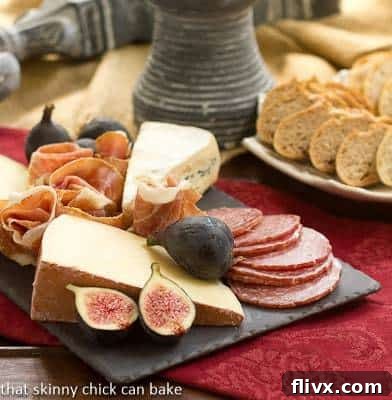
Learning how to arrange a simple yet stunning Cheese Tray or an elaborate Charcuterie Board is an invaluable life skill that will elevate your entertaining for years to come!
A beautifully curated cheese or charcuterie board is more than just an appetizer; it’s a centerpiece, a conversation starter, and a delightful culinary experience. Whether you’re hosting an intimate gathering or a grand celebration, a well-prepared board offers an elegant and effortless way to impress your guests. You can keep it minimalist with a few select cheeses and crisp crackers, or go all out, incorporating an array of cured meats, artisanal olives, fresh and dried fruits, spreads, and much more.
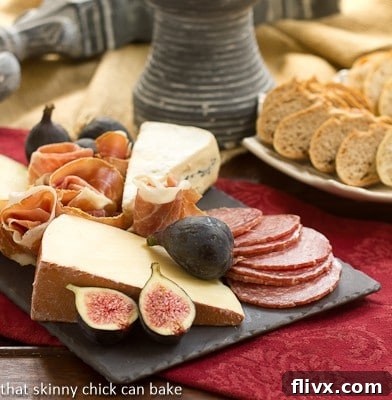
Mastering the Art of Crafting an Irresistible Cheese & Charcuterie Board
Creating an appealing cheese or charcuterie board might seem daunting, but it’s an art form that’s surprisingly easy to master with a few expert tips and a dash of creativity. Forget the days of simply “slapping a rectangle of Velveeta and a sleeve of Ritz crackers on a plate.” With a little finesse, you can transform basic supermarket finds into a sophisticated, delicious, and visually enticing spread that will be the talk of your party. This comprehensive guide will walk you through everything you need to know, from selecting the perfect components to arranging them beautifully.
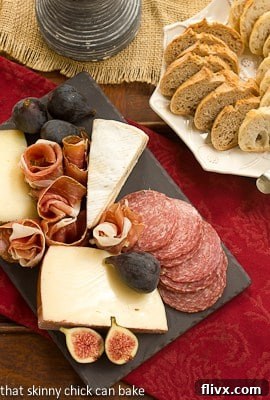
Essential Components for Your Perfect Cheese & Charcuterie Board
The foundation of any great board lies in its components. Here’s a detailed breakdown of what you’ll need to create a memorable spread:
-
Serving Dish: The Canvas for Your Culinary Art
Your board is the stage upon which your delicious offerings will perform. Choose something attractive and functional. Options include a rustic wooden board, an elegant slate platter (like the rectangular one from Sur la Table often favored), a smooth ceramic plate, or a sturdy marble slab. Consider the size based on the number of guests and the variety of items you plan to serve. Larger boards allow for more generous spacing and an abundance of options, making for a more visually impactful presentation.
-
Cheese Selection: The Heart of the Board
Variety is key here. Aim for at least 2-3 types of cheese for a small gathering, and 4-5 or more for a larger crowd. The goal is to offer a spectrum of tastes and textures to delight every palate. Think about different milk types (cow, goat, sheep) and varying flavor profiles (mild, sharp, salty, sweet, pungent). A good strategy is to include:
- Soft & Creamy: A decadent, buttery cheese like Brie, Camembert, or triple-crème Cambozola (a delightful blend of triple creme and Gorgonzola) offers a luxurious, spreadable texture.
- Firm & Mild: Crowd-pleasers such as Cheddar, Fontina, or Gouda are always a hit. They provide a sturdy base for crackers and other accompaniments without overpowering delicate flavors.
- Hard & Nutty: A robust, aged cheese like Parmigiano-Reggiano, Gruyère, or Manchego (which pairs wonderfully with quince paste) adds a savory depth and satisfying crunch.
- Bold & Blue (Optional): For adventurous palates, a blue cheese like Gorgonzola or Roquefort can add a piquant, earthy dimension. If you’ve included Cambozola, this might not be necessary, but it’s a fantastic addition for blue cheese lovers.
- Goat or Sheep Milk Cheese: A fresh chèvre (goat cheese) or a Pecorino (sheep’s milk) introduces unique tanginess and texture.
Remember to cut or crumble some of the cheeses for easy access, but leave some wedges whole for visual appeal.
-
Cheese Knives & Utensils: Practicality Meets Elegance
Provide at least one dedicated knife or spreader for each type of cheese. This prevents flavor cross-contamination and makes it easier for guests to serve themselves. Consider specialized knives for soft, semi-hard, and hard cheeses.
-
Something Sweet: Balancing Flavors
Sweet elements provide a delightful contrast to the savory cheeses and meats. Fresh fruits are always a winner: grapes (on the vine for visual appeal), apple or pear slices (tossed in lemon juice to prevent browning), seasonal berries, or fresh figs (as used in the example). Dried fruits like apricots, cranberries, dates, and figs also pair beautifully. Jams, jellies, marmalades, and honey (especially honeycomb) are fantastic for drizzling over cheeses.
-
Something Crunchy: Adding Texture and Substance
Nuts offer a wonderful textural contrast and an earthy flavor. Marcona almonds, pistachios, cashews, walnuts, or even candied nuts are all delicious choices. Arrange them in small bowls or scattered artfully around the board.
-
Crackers & Toasts: The Perfect Vehicle
Offer a variety of crackers and bread to complement the cheeses. Include plain water crackers, artisanal whole-wheat crackers, crispy breadsticks, mini toasts (crostini), and slices of a fresh baguette. Consider gluten-free options to accommodate all guests.
-
Savory & Tangy Elements (The Charcuterie Expansion):
To truly elevate your board beyond just cheese, introduce an array of savory delights. These additions transform a simple cheese tray into a full-fledged charcuterie experience.
- Cured Meats: Thinly sliced prosciutto, Genoa salami, coppa, or even a spicy soppressata add a salty, umami kick. Roll or fold them artfully for an appealing presentation.
- Olives & Pickles: A mix of briny Mediterranean olives (Kalamata, Castelvetrano) and cornichons (miniature pickled cucumbers) or other pickled vegetables provide a refreshing tangy counterpoint.
- Spreads & Dips: Roasted red pepper tapenade, artichoke heart spread, or a savory olive tapenade can be wonderful additions, offering another layer of flavor and texture.
-
Garnishes & Freshness: The Finishing Touch
Fresh herbs like rosemary sprigs or thyme can add a beautiful aroma and visual appeal. Edible flowers also provide an elegant touch. A drizzle of high-quality extra virgin olive oil or balsamic glaze can enhance flavors and presentation.
Expert Tips for a Stunning and Delicious Board
Beyond selecting the right ingredients, how you prepare and present your board makes all the difference:
- Bring Cheeses to Room Temperature: This is a crucial step often overlooked. Take your cheeses out of the refrigerator at least an hour (or even two for larger, harder cheeses) before serving. Cheeses reveal their true flavor and optimal texture when enjoyed at room temperature. Cold cheese can be flavorless and hard, while properly tempered cheese is aromatic and wonderfully yielding.
- Strategic Arrangement for Visual Appeal: Start by placing your cheeses on the board first, spacing them out evenly to create anchor points. Then, strategically fill in the empty spaces with piles of fruits, nuts, crackers, and meats. Think about color, texture, and height variations. Create clusters of similar items, but also allow for some playful scattering. Don’t be afraid to let items spill over the edges slightly for an abundant, inviting look.
- Consider a Theme or Occasion: While a classic board is always great, sometimes a theme can add a fun twist. For instance, creating an “antipasto platter” incorporates more cured meats, roasted vegetables, and marinated items, making it heartier. Or focus on a regional theme, like an Italian-inspired board with Parmesan, Prosciutto, and sun-dried tomatoes, or a French theme with Brie, pâté, and cornichons.
- Don’t Forget Bowls and Spoons: Small ramekins or bowls are perfect for olives, jams, honey, or any loose items. Provide small spoons or picks for these items.
- Replenish as Needed: For longer events, consider having extra crackers, fruits, and even some cheeses prepped in the fridge to replenish the board, ensuring it always looks fresh and inviting.
- Pair with Beverages: Offer beverages that complement your board. Wine is a classic choice, but craft beers, sparkling cider, or even non-alcoholic spritzers can also be excellent pairings. For instance, a crisp white wine or a light-bodied red often pairs well with most cheeses.
With these guidelines and a little practice, you’ll be creating stunning and delectable cheese and charcuterie boards that impress every time. What combination of cheeses and accompaniments is your go-to favorite when entertaining?
Frequently Asked Questions About Cheese & Charcuterie Boards
Charcuterie (pronounced shahr-Koo-tuhr-ee) is a French term rooted in a rich culinary history dating back to the 15th century. It literally translates to “cooker of meat” and refers to a branch of cooking devoted to prepared meat products, primarily from pork. These products, often found in a delicatessen, include an array of items such as pâtés, terrines, galantines, sausages, cured hams, and confits. Essentially, it encompasses the art of preserving and preparing meats, especially pork, to enhance flavor and shelf life.
While often used interchangeably, there’s a distinct difference. A cheese board primarily focuses on a variety of cheeses, complemented by crackers, fruits, nuts, and spreads. A charcuterie board, on the other hand, puts cured meats (like prosciutto, salami, and pâté) at its forefront, often accompanied by cheeses, olives, pickles, and mustards. Many modern boards, however, combine the best of both worlds, offering a rich selection of both cheeses and charcuterie to create a comprehensive and delightful spread.
As an appetizer, a good rule of thumb is to calculate approximately 2-3 ounces (50-85 grams) of cheese and 1-2 ounces (30-55 grams) of cured meats per person. If the board is intended to be the main course, increase these amounts to about 5-6 ounces (140-170 grams) of cheese and 3-4 ounces (85-115 grams) of meat per person. Remember to also factor in generous amounts of crackers, fruits, and other accompaniments to ensure everyone gets their fill.
Absolutely! Many components of your cheese and charcuterie board can be prepped ahead of time. Cheeses can be sliced, fruits washed and cut (tossing apples/pears in lemon water to prevent browning), nuts portioned, and spreads put into small bowls. Assemble the full board no more than an hour or two before serving. For optimal flavor, remove cheeses from the refrigerator about an hour before guests arrive to allow them to come to room temperature. Cover the assembled board lightly with plastic wrap and refrigerate if preparing more than two hours in advance, then let it sit at room temperature for the recommended time before serving.
Stay in touch through social media @ Instagram, Facebook, and Pinterest. Don’t forget to tag me when you try one of my recipes! And if you love the results, please give it a 5-star rating in the recipe card.
You May Also Like These Appetizer Ideas
- Roasted Red Pepper and Artichoke Tapenade
- Candied Almonds
- Blue Cheese Gougeres
- Fig Gruyere Crostini
- Browse All My Best Appetizer Recipes for More Inspiration!