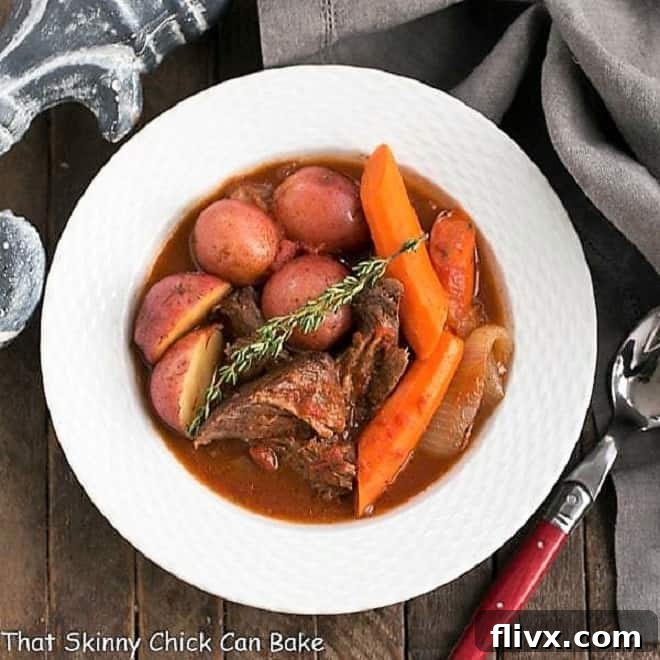
Easy Pot Roast: Your Ultimate Guide to Tender, Flavorful Comfort Food
Few dishes evoke the warmth and comfort of home quite like a classic pot roast. This isn’t just a meal; it’s an experience, a slow-cooked symphony of rich flavors that tenderizes beef to perfection and infuses vegetables with savory goodness. Our easy pot roast recipe is designed to bring this beloved culinary tradition to your dinner table with minimal fuss and maximum flavor, making it the ideal cool-weather comfort food that your entire family will adore.
This oven-baked chuck roast recipe masterfully utilizes the “low and slow” cooking method, transforming an humble cut of beef into a fork-tender masterpiece. As it braises gently in the oven, a magical process unfolds: flavors meld, the meat becomes incredibly succulent, and the aromatic juices create a naturally delicious sauce that coats every bite. Forget complicated techniques; this recipe is all about letting time and quality ingredients do the heavy lifting, delivering a hearty dish that tastes like it took all day to prepare, without the constant hands-on effort.
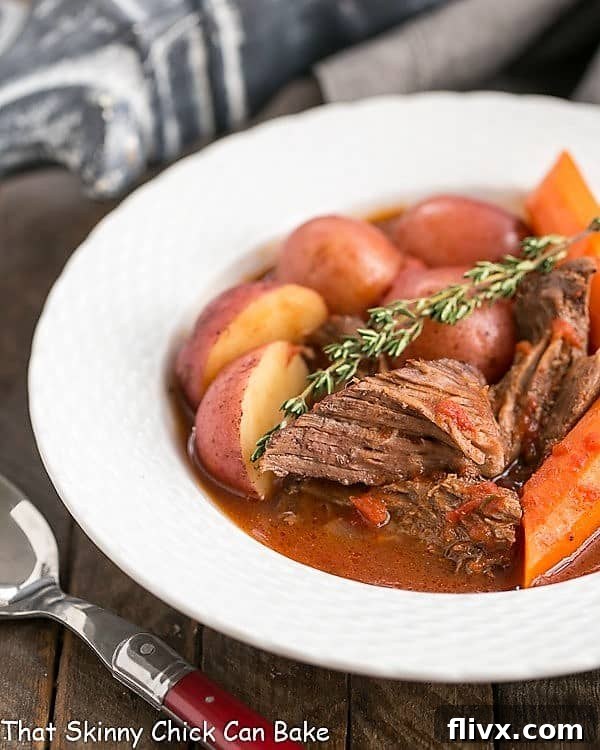
Why This Easy Pot Roast Recipe is a Must-Try
There are countless reasons to add this simple yet spectacular pot roast to your regular meal rotation. Beyond its incredible taste, it offers a blend of convenience and satisfaction that’s hard to beat, especially on busy weeknights or lazy weekends.
- Irresistible Aroma: Imagine walking into your home as the rich scent of slow-cooked beef, aromatic red wine, and fragrant herbs fills the air. This recipe promises to brighten even the dreariest day, creating an inviting atmosphere that signals a truly special meal is on its way.
- Effortless Preparation: While the results are gourmet, the process is surprisingly simple. This easy pot roast recipe requires only a brief searing on the stovetop to lock in flavors. After that, the majority of the ingredients are added to a single pot, and the oven takes over, giving you back precious time.
- Minimal Hands-On Time: Once assembled and placed in the oven, your involvement is largely complete. A few hours of gentle braising yields a spectacular dinner with very little active cooking time. This makes it perfect for meal prepping or for days when you want a delicious homemade meal without being chained to the kitchen.
- Complete Meal in One Pot: Adding tender carrots and small potatoes to the pot during the final hour of cooking allows them to absorb all the incredible, flavorful juices. This creates a wholesome, balanced meal where your vegetables are perfectly cooked and infused with the essence of the roast, all from a single cooking vessel.
- Unmatched Tenderness and Flavor: The slow cooking process breaks down the connective tissues in the chuck roast, resulting in meat that literally falls apart with a fork. This, combined with the carefully selected ingredients, creates a depth of flavor that is truly remarkable and deeply satisfying.
Essential Ingredients for Your Perfect Pot Roast
The success of any pot roast lies in the quality and balance of its ingredients. While simple, each component plays a crucial role in building the robust flavor profile that makes this dish so beloved.
- Kitchen Staples: You’ll start with everyday essentials like high-quality olive oil for searing, kosher salt, and freshly ground black pepper to season the beef and enhance overall taste.
- Chuck Roast: This is the star of our show. Aim for about 3 pounds of chuck roast. This cut, taken from the shoulder, is renowned for its rich beefy flavor and ample connective tissue. While some large pieces of external fat should be trimmed for a cleaner dish, the internal marbling and connective tissue are vital as they break down during slow cooking, rendering the meat incredibly tender and juicy.
- Whole Cloves: These small but mighty spices add a subtle, warm, and aromatic note that complements the savory beef beautifully. For easier retrieval before serving, a clever pro tip is to wrap them loosely in cheesecloth, creating a sachet that can be easily removed.
- Bay Leaves: Another aromatic powerhouse, bay leaves contribute a distinct herbaceous, slightly floral, and woodsy flavor that deepens the overall complexity of the broth. Remember to remove them before serving, as they are meant to infuse flavor, not to be eaten.
- Beef Broth: The liquid foundation of our pot roast. Using a good quality beef broth is paramount. Brands like Pacific are often praised for their balanced flavor profile and lower sodium content, ensuring you can control the seasoning of your dish without it becoming overly salty.
- Red Wine: This ingredient is a game-changer, acting as a profound flavor enhancer. The alcohol in the wine evaporates during the long cooking process, leaving behind a concentrated, rich, and slightly acidic taste that cuts through the richness of the beef and adds incredible depth. Always use a red wine you would enjoy drinking – a dry variety like a Cabernet Sauvignon, Merlot, or Pinot Noir works wonderfully – as “cooking wine” often contains added sodium and preservatives that can detract from the final flavor.
- Chopped Tomatoes and Juice: Approximately 26.46 ounces of chopped tomatoes with their juice add a bright, tangy counterpoint to the rich beef. The Pomi brand, known for its high-quality Italian tomatoes and BPA-free packaging, is an excellent choice for its fresh, vibrant flavor that truly shines in slow-cooked dishes.
- Yellow Onion: A large yellow onion, sliced, provides a sweet and savory base. As it cooks down, it becomes tender and adds a fundamental layer of flavor to the sauce.
- Carrots: Two pounds of peeled and cut into large chunks. Carrots not only add a touch of sweetness and vibrant color but also become wonderfully tender as they braise in the flavorful liquid, absorbing all the deliciousness.
- Small Red Potatoes: Two pounds of small red potatoes. These creamy, tender potatoes complete the one-pot meal. If any are particularly large, slicing them in half ensures even cooking and allows them to soak up more of the pan juices.
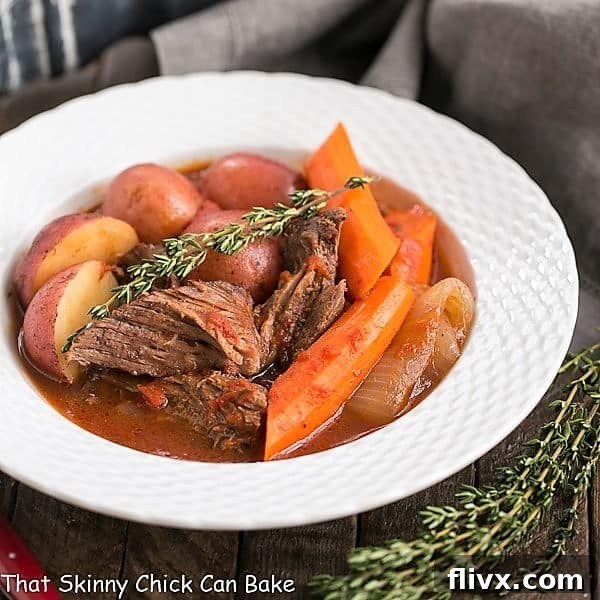
Expert Tips for Pot Roast Perfection
Achieving a pot roast that’s consistently tender, juicy, and packed with flavor is simpler than you might think. Follow these expert tips to elevate your easy pot roast from good to absolutely unforgettable.
- The Power of Red Wine: Like salt, alcohol is a phenomenal flavor enhancer. Adding red wine not only boosts the overall savory depth of your pot roast but also adds a subtle acidity that balances the richness of the beef. Don’t worry about the alcohol content; most of it will evaporate during the lengthy cooking process, leaving behind only the concentrated, delicious flavor. As mentioned, always use a wine you would genuinely enjoy drinking, not an inexpensive “cooking wine,” as the quality of the wine significantly impacts the final taste of your dish.
- Choosing the Right Cut: Chuck roast is undeniably the perfect cut of beef for pot roast, and here’s why. It’s an incredibly flavorful cut that, when cooked correctly, becomes incredibly tender. Unlike leaner cuts that might be ideal for grilling or sautéing, chuck roast contains a good amount of marbling and connective tissue that requires a “low and slow” cooking method to break down. This process renders the meat succulent and fall-apart tender, making it unsuitable for quick cooking methods but absolutely stellar for braising.
- Low and Slow is the Key: This is arguably the most crucial tip for a truly tender pot roast. To effectively break down the tough connective tissue in a chuck roast and achieve that coveted fall-apart texture, it absolutely must be cooked at a low temperature for an extended period. Allot at least a couple of hours, and often more, for the cooking process. Patience is a virtue here, as rushing it will result in tough, chewy meat.
- The Maillard Reaction: Searing the chuck roast first in hot olive oil before braising is not just for appearances; it’s a vital step for flavor development. This browning process triggers the Maillard reaction, a complex chemical reaction between amino acids and sugars in the meat. This reaction creates hundreds of new flavor compounds, giving the beef a rich, complex, and intensely meaty flavor along with that classic golden-brown crust. Don’t skip this step!
- Don’t Overcrowd the Pot: When searing your beef, ensure you don’t overcrowd the Dutch oven. If you put too much meat in at once, the temperature of the pan will drop, and the meat will steam instead of sear, preventing the Maillard reaction from occurring effectively. Sear in batches if necessary.
- Let it Rest: Once the pot roast is done cooking, allow it to rest for about 10-15 minutes, covered, before shredding or slicing. This allows the juices to redistribute throughout the meat, ensuring every bite is as moist and flavorful as possible.
- Fresh Herbs Make a Difference: While dried herbs can be used, fresh thyme, as suggested, offers a brighter, more vibrant flavor. Don’t hesitate to add a few extra sprigs of fresh rosemary or parsley for an even more herbaceous note.
- Seasoning in Layers: Don’t just season the beef; taste your broth/sauce periodically during the last hour of cooking. Adjust salt and pepper as needed. Remember, the flavors will concentrate as it cooks down.
Frequently Asked Questions About Pot Roast
What Type of Beef is Best for a Pot Roast?
For a pot roast that becomes incredibly tender and flavorful, choose cuts of beef that have plenty of connective tissue and marbling. The best options are chuck roast (also known as chuck shoulder, chuck-eye, or blade roast), brisket (flat or point cut), or bottom round roast. These cuts are tougher initially but transform into succulent, fall-apart tender meat when cooked low and slow, as their connective tissues melt into gelatin, enriching the sauce and moisturizing the meat.
What Temperature is Best for Cooking a Pot Roast?
The ideal temperature range for cooking a pot roast is typically between 300°F and 350°F (150°C to 175°C). This lower temperature allows the meat to braise gently over several hours, ensuring that the connective tissues have ample time to break down without drying out the meat. While specific cooking times can vary depending on your oven and the size of your roast, a general guideline is about 30-35 minutes per pound until the meat is fork-tender. Always follow your recipe’s specified temperature and duration for the best results.
Why Is My Pot Roast Tough?
There are typically three primary reasons why a pot roast might turn out tough. First, the most common issue is choosing the wrong cut of meat. Leaner cuts with less connective tissue will remain tough no matter how long you cook them. Always opt for chuck roast, brisket, or bottom round. Second, cooking at too high a temperature can make the meat seize up and become dry and tough. The “low and slow” method is crucial. Third, paradoxically, not cooking it long enough can also result in toughness. The connective tissues need adequate time to fully break down. If your pot roast is tough, it likely needs more time in the oven at a lower temperature.
Can I Make Pot Roast in a Slow Cooker?
Absolutely! Pot roast is an excellent candidate for slow cooker preparation. The “low and slow” cooking environment of a slow cooker perfectly mimics the braising conditions needed to tenderize tough cuts of beef. Simply follow the searing step on the stovetop, then transfer all ingredients to your slow cooker and cook on low for 6-8 hours or on high for 3-4 hours, or until the beef is fork-tender.
How Do I Make a Thicker Gravy from the Pan Juices?
The pan juices from your pot roast are incredibly flavorful and make a fantastic gravy. After removing the beef and vegetables, strain the pan juices to remove any solids. Skim off any excess fat. You can then thicken the gravy by creating a slurry: whisk together equal parts cold water and cornstarch (or flour) until smooth, then slowly whisk it into the simmering pan juices until the desired consistency is reached. Simmer for a few minutes to cook out any starchy taste, then taste and adjust seasoning.
Serving Suggestions and Delicious Variations
This easy pot roast is a complete meal on its own, but it also pairs beautifully with a variety of sides. Consider serving it with a dollop of creamy mashed potatoes (for those who love extra starch to soak up the gravy!), a fresh green salad, or some crusty bread to sop up every last drop of the rich sauce. For variations, feel free to experiment with different root vegetables like parsnips or celery root, or add mushrooms during the last hour of cooking. A sprinkle of fresh parsley or chives before serving adds a lovely pop of color and freshness.
Storage and Reheating Instructions
Leftover pot roast is a delight! Store any remaining pot roast, vegetables, and pan juices in an airtight container in the refrigerator for up to 3-4 days. To reheat, gently warm portions in a pot on the stovetop over medium-low heat, or in the microwave, until heated through. Add a splash of beef broth or water if the sauce appears too thick. Pot roast also freezes well; portion into freezer-safe containers and freeze for up to 3 months. Thaw overnight in the refrigerator before reheating.
More Comforting Main Course Recipes You May Also Like:
- Slow Cooker Beef Stroganoff from The Taylor House
- Pot Roast with Mushrooms, Tomatoes and Red Wine
- Flank Steak with Chimichurri Sauce
- Teriyaki Beef Kabobs
- Cuban Shredded Beef
- Beef Barley Soup
- More Main Course Recipes
- More Easy Beef Recipes
Stay in touch through social media @ Instagram, Facebook, and Pinterest. Don’t forget to tag me when you try one of my recipes! And if you love the results, please give it a 5-star rating in the recipe card.
Easy Pot Roast
A simple, delicious pot roast recipe where the oven does most of the work!
Ingredients
- 3 pound chuck roast, large pieces of fat trimmed
- 3 tablespoons olive oil
- 1 ½ teaspoons kosher salt
- ½ teaspoon freshly ground black pepper
- 4 cloves (you may want to wrap them in cheesecloth for easy retrieval)
- 2 bay leaves
- 2 sprigs of fresh thyme
- 2 cups beef broth
- 1 cup red wine
- 1 box Pomì Organic Chopped Tomatoes and juice (26.46 ounces)
- 1 large yellow onion, sliced
- 2 pounds carrots, peeled and cut into large chunks
- 2 pounds small red potatoes, larger ones may be sliced in half
Instructions
- Preheat Oven: Preheat your oven to 350ºF (175ºC).
- Sear the Beef: Heat olive oil in a large Dutch oven over medium-high heat. Season the chuck roast generously with kosher salt and freshly ground black pepper. Carefully place the seasoned beef into the hot Dutch oven and sear on all sides until well browned. This step is crucial for developing deep, rich flavors. Once seared, remove the beef from the Dutch oven and set aside.
- Braise the Roast: To the same Dutch oven, add the beef broth, red wine, whole cloves (preferably wrapped in cheesecloth for easy removal), bay leaves, fresh thyme sprigs, Pomì chopped tomatoes with their juice, and sliced yellow onions. Return the seared beef to the pot, ensuring it’s nestled among the liquids and aromatics. Place the lid securely on the Dutch oven and transfer it to the preheated oven. Cook for 2 hours.
- Add Vegetables: After the initial 2 hours of cooking, carefully remove the Dutch oven from the oven. Add the peeled and chunked carrots and the small red potatoes (halved if large) to the pot, ensuring they are partially submerged in the flavorful braising liquid. Replace the lid and return the Dutch oven to the oven. Continue to cook for another hour, or until the vegetables are tender when pierced with a fork, and the beef is incredibly tender and easily falls apart.
- Shred and Serve: Once cooked, remove the Dutch oven from the oven. Carefully remove the beef and shred it into large, rustic chunks using two forks, discarding any visible pieces of fat that remain. Remove and discard the bay leaves and any cloves (especially if not wrapped).
- Enjoy: Ladle the tender beef, carrots, and potatoes into shallow bowls. Spoon plenty of the rich, savory pan juices over everything before serving. Garnish with fresh thyme if desired.
Recommended Products
As an Amazon Associate and member of other affiliate programs, I earn from qualifying purchases.
- Santoku Knife
- OXO Cutting Board
- Large Le Creuset Dutch Oven (8 quarts)
Nutrition Information:
Yield: 6 servings
Serving Size: 1
Amount Per Serving:
Calories: 860
Total Fat: 42g
Saturated Fat: 16g
Trans Fat: 2g
Unsaturated Fat: 24g
Cholesterol: 188mg
Sodium: 1136mg
Carbohydrates: 52g
Fiber: 8g
Sugar: 14g
Protein: 62g
Calories calculated before fat removal.
© Liz Berg
Cuisine: American / Category: Beef