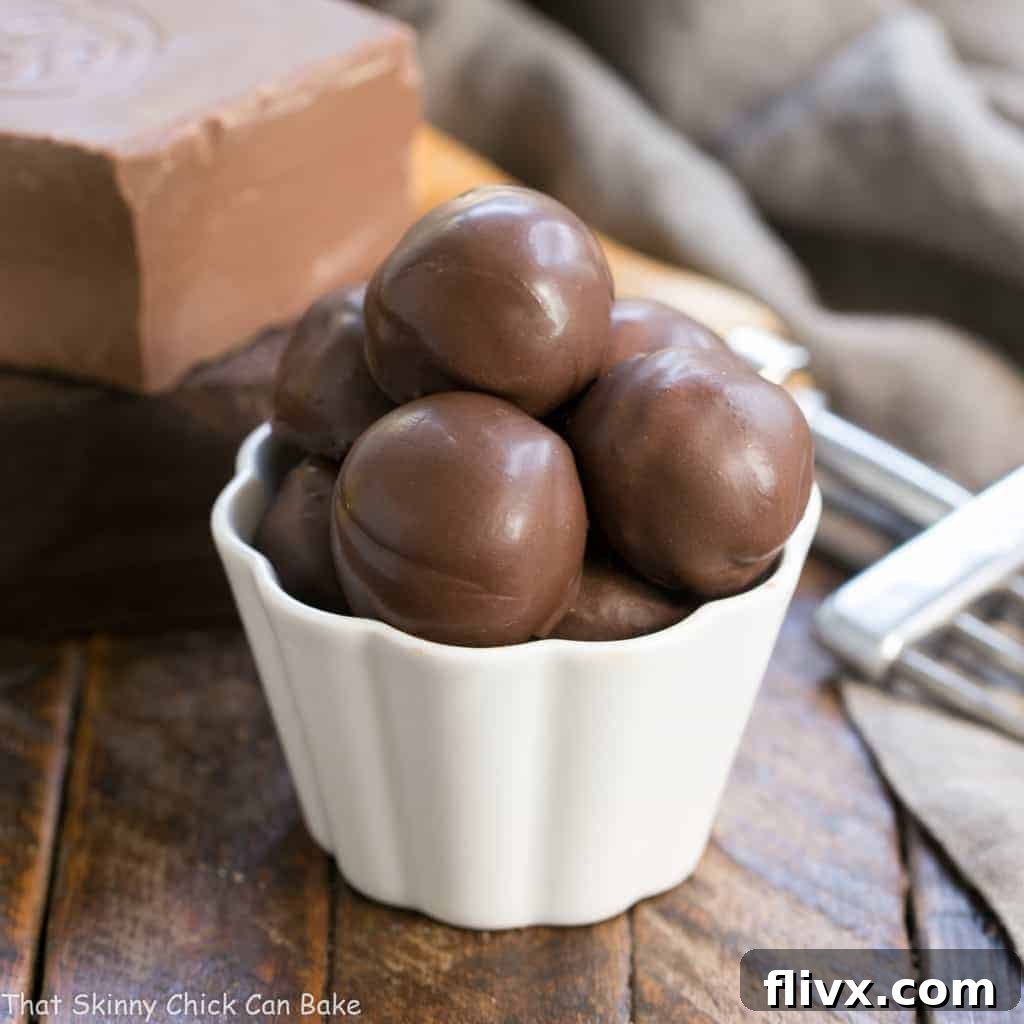
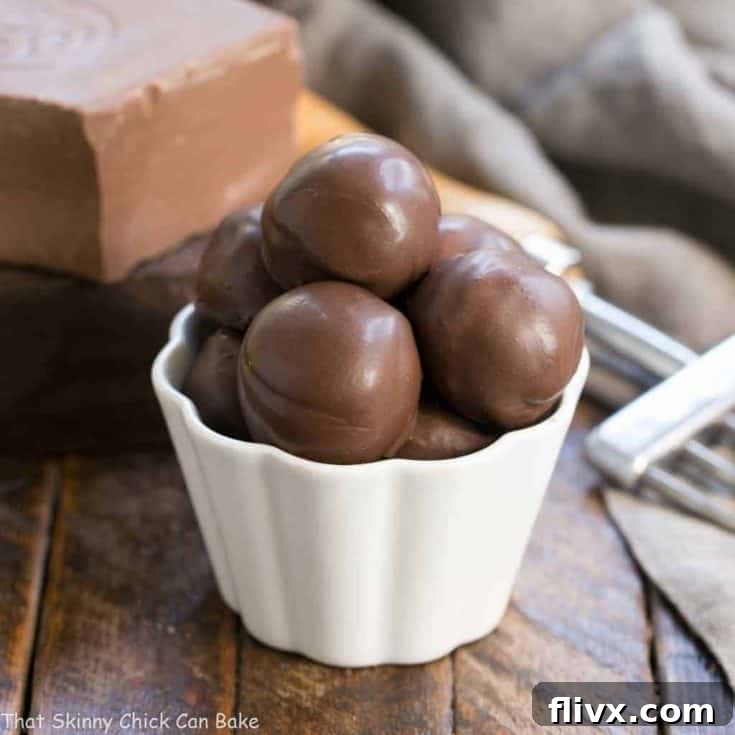
Welcome to a world of pure indulgence where exquisite flavors meet artisanal craftsmanship. Today, we’re diving deep into the creation of truly special confections: Chocolate Frangelico Truffles. These aren’t just any chocolate treats; they’re decadent, rich, and infused with the delightful essence of hazelnut liqueur, making them perfect for gifting, entertaining, or simply savoring as a luxurious personal escape. If you’ve ever dreamt of crafting gourmet chocolates with a professional sheen and a delightful snap, this guide is for you. We’ll not only walk you through making these irresistible truffles but also demystify the art of how to temper chocolate, a fundamental skill for any aspiring chocolatier.
The journey into homemade truffles is surprisingly accessible, promising immense satisfaction. While many shy away from working with chocolate, fearing its complexities, mastering a few key techniques can elevate your confections from delicious to truly extraordinary. And trust me, the results are well worth the effort, transforming a simple dessert into a memorable culinary experience.
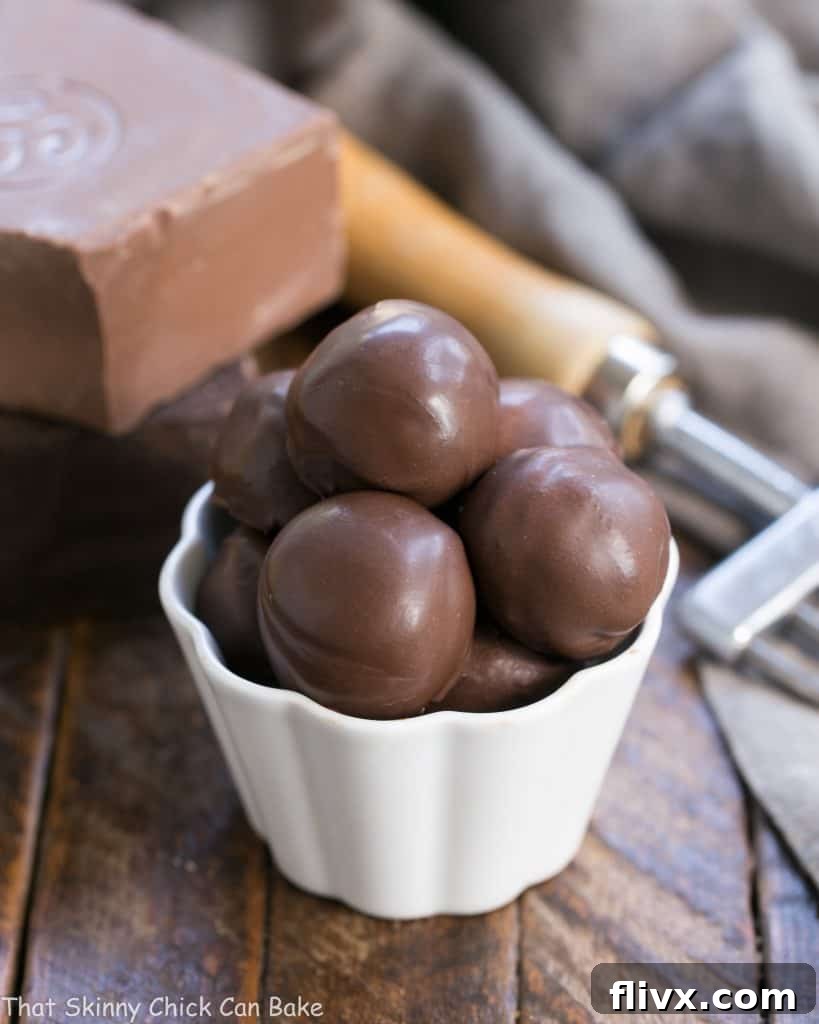
Crafting Decadent Chocolate Frangelico Truffles
There’s something uniquely comforting and universally beloved about a good truffle. Alongside classic chocolate chip cookies and creamy fudge, truffles consistently rank high as a family favorite, especially when they boast a sophisticated twist like the hazelnut notes from Frangelico. If you’ve never ventured into making truffles before, you’re in for a delightful surprise. They are incredibly straightforward to prepare, often much easier than their elegant appearance suggests.
The foundation of any great truffle is a rich, velvety ganache. For these particular treasures, we elevate the classic ganache with a splash of Frangelico, a wonderful hazelnut liqueur. The process begins by pouring hot, cream infused with Frangelico over finely chopped semi-sweet chocolate. This warm embrace allows the chocolate to melt slowly, creating a luxurious base. A gentle stir brings the mixture together into a smooth, glossy emulsion, which is then chilled to firm up. The waiting period, often overnight, allows the flavors to meld beautifully and the ganache to reach the perfect consistency for rolling.
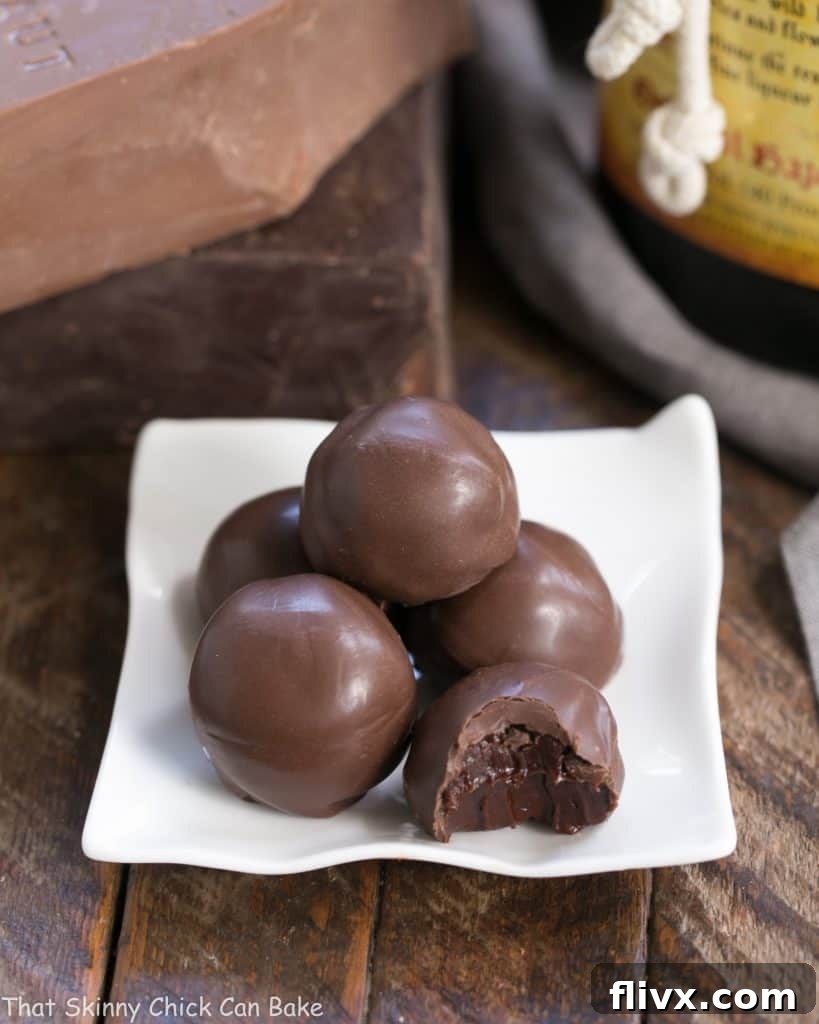
Once the ganache is firm, it’s time to roll it into uniform, bite-sized balls. While a common and equally delicious finishing touch is to simply roll these ganache balls in cocoa powder, finely chopped nuts, or shredded coconut, taking the extra step to dip them in tempered chocolate offers a truly professional and stunning finish. The choice between a simple coating and tempered chocolate often comes down to preference and the desired presentation, but if you’re aiming for that irresistible shine and satisfying snap, tempering is the way to go.
The Art and Science of Tempering Chocolate
Tempering chocolate is a technique that transforms ordinary melted chocolate into a perfectly stable, glossy, and crisp coating. It’s the secret behind that professional “snap” you find in high-quality chocolates and ensures that your truffles maintain their beautiful shine without blooming (developing unsightly gray streaks) at room temperature. While it might sound intimidating, with the right tools and a bit of patience, anyone can master this rewarding skill.
The essence of tempering lies in controlling the crystallization of cocoa butter within the chocolate. When chocolate is simply melted, its fat crystals become unstable, leading to dullness and softness upon re-solidification. Tempering involves a precise process of heating, cooling, and re-heating chocolate to encourage the formation of stable beta crystals, which are responsible for chocolate’s desirable characteristics. This structured approach results in a confection that is resilient, visually appealing, and delightful to eat.
For successful tempering, you’ll need a few essential tools: high-quality chocolate (using couverture chocolate is recommended for best results due to its higher cocoa butter content), a double boiler setup (a heatproof bowl snugly fitting over a saucepan of simmering water), and crucially, a reliable candy thermometer. While seasoned professionals might achieve perfect temper by feel or sight, for home cooks, a thermometer is your indispensable guide, ensuring accuracy through each critical temperature phase.
The tempering process involves carefully melting two-thirds of your chocolate, then introducing the remaining one-third of unmelted chocolate (known as “seeding”) to cool the mixture down while promoting the formation of those desirable beta crystals. Finally, a gentle re-heating brings the chocolate to its ideal working temperature, making it ready for dipping. Each of these steps requires meticulous attention to temperature, a factor that can make or break your temper. Factors like room temperature can also play a role, as warmer environments necessitate stricter adherence to cooling times and potentially adjusted working conditions, such as a cooler kitchen.
Don’t be discouraged by a few initial challenges. Even experienced home bakers can face minor imperfections, like a stray fingerprint or a slightly less-than-perfect sheen, especially when environmental conditions aren’t ideal. However, the true measure of success often lies in the taste, and as many eager tasters will attest, even “imperfect” homemade chocolate truffles are utterly irresistible. For those who prefer a shortcut without sacrificing quality, specialized chocolate melts (like Ghirardelli Dark Chocolate Melts) offer a fantastic alternative that bypasses the tempering process entirely, providing a smooth and shiny coating with minimal effort.
Tempering Ranges for Different Chocolate Types: Precision is Key
Different types of chocolate have varying compositions of cocoa solids, sugar, and milk solids, which means their ideal tempering temperatures differ slightly. Adhering to these specific ranges is vital for achieving the best results for each chocolate variety. Below are the precise temperature guidelines:
Celsius
- Dark Chocolate: Melt to 45°C – 50°C > Cool to 27°C > Reheat to 32°C
- Milk Chocolate: Melt to 45°C > Cool to 27°C > Reheat to 30°C
- White Chocolate: Melt to 45°C > Cool to 27°C > Reheat to 29°C
Fahrenheit
- Dark Chocolate: Melt to 113°F – 122°F > Cool to 80.6°F > Reheat to 89.6°F
- Milk Chocolate: Melt to 113°F > Cool to 80.6°F > Reheat to 86°F
- White Chocolate: Melt to 113°F > Cool to 80.6°F > Reheat to 84.2°F
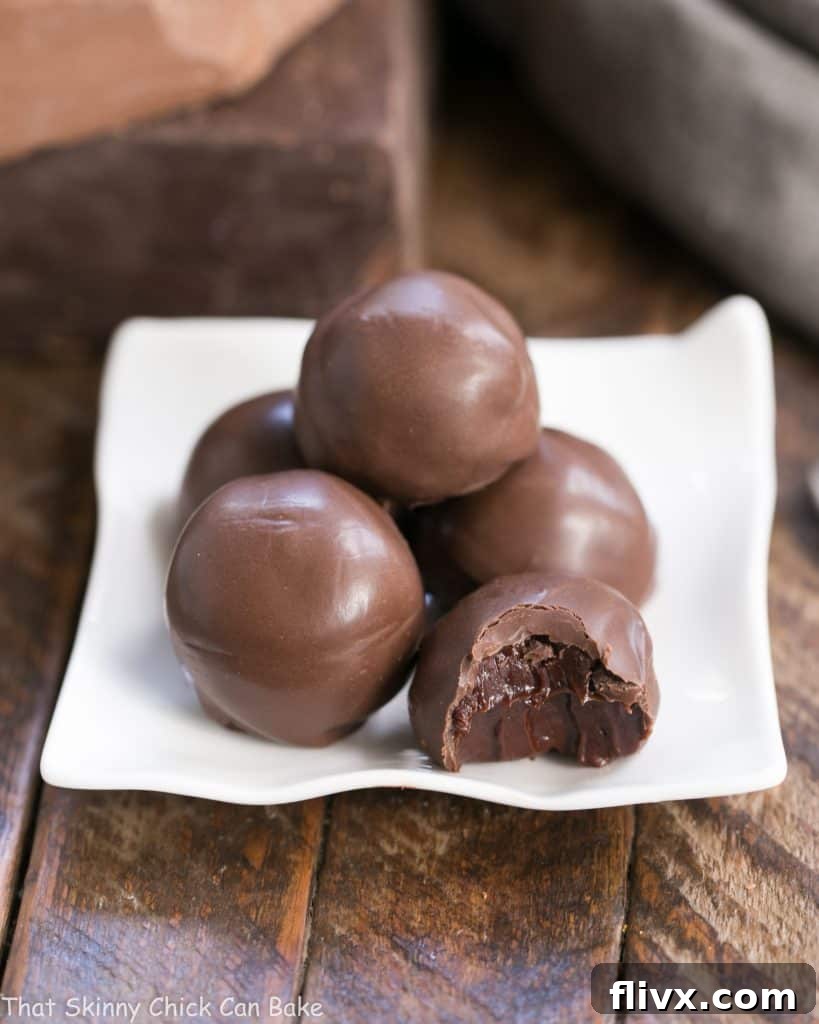
Essential Tips for Flawless Chocolate Tempering
Successful chocolate tempering requires attention to detail and a methodical approach. While the recipe provides step-by-step instructions, these additional tips will help you navigate the process with confidence and achieve perfectly tempered chocolate every time. Remember, if you’re seeking a simpler path, chocolate melts remain a fantastic alternative for coating your delectable truffles.
- Preventing Water Contamination: The arch-nemesis of chocolate is water. Even a tiny droplet of steam or condensation can cause your chocolate to seize, turning it into a grainy, unusable mess. Ensure your heatproof bowl fits snugly over the saucepan, preventing any steam from escaping and forming droplets that could fall into your chocolate.
- Gentle and Consistent Stirring: Use a clean, dry rubber spatula to gently stir the chocolate as it melts. This promotes even melting and prevents hot spots that can scorch the chocolate. Avoid wooden spoons, as they can retain moisture from previous uses, posing a risk to your chocolate.
- Maintain Dryness at All Costs: This cannot be stressed enough: absolutely no water should come into contact with your chocolate at any point during the tempering process. Work in a dry environment and ensure all your tools are thoroughly dry.
- Patience with Un-melted Bits: If, after reaching the target temperature, you still have a few stubborn unmelted chocolate bits, briefly return the bowl to the simmering water. Stir gently and continuously monitor the thermometer to ensure the temperature does not exceed the recommended melting range.
- Vigilant Temperature Monitoring: A candy thermometer is your best friend. It is absolutely crucial to keep a constant eye on the temperature, especially during the re-heating phase. Going even a few degrees above the working temperature can ruin the temper, forcing you to start over.
- Maintaining Working Temperature for Dipping: If you plan to dip a large batch of truffles, your tempered chocolate will naturally cool and thicken as it sits off the heat. To maintain an ideal viscosity for an even, thin coating, periodically place the bowl back over the simmering water for 30 seconds to 1 minute every 10-15 minutes. Always re-check the temperature immediately to ensure it does not go over the working temperature.
- Heat Retention Strategies: To extend the working time of your tempered chocolate, consider using a warmed glass bowl and wrapping it in a hot kitchen towel. Working with larger quantities of chocolate can also help retain heat more effectively than small batches. Any leftover tempered chocolate can be saved, stored in a cool place, and re-tempered for future use.
- The Thermometer’s Supremacy: Unless you possess years of experience and can intuitively gauge chocolate temperature by touching it to your lower lip (a pro trick!), relying on a precise thermometer is non-negotiable. A few degrees off can lead to a failed temper, so invest in a good one.
- Don’t Fear Starting Over: If you make a mistake, don’t despair! Chocolate is forgiving. You can almost always re-melt and restart the tempering process from the beginning. Or, as mentioned, simply reach for those trusty chocolate melts for a stress-free finish!
- Semisweet Specifics: The temperatures provided in the detailed recipe are specifically for semi-sweet chocolate. Refer to the comprehensive tempering ranges above for milk and white chocolate variations to ensure perfect results across all your chocolate projects.
With these comprehensive tips and precise temperature guidance, you are now well-equipped to create stunning, professionally tempered chocolate truffles that will impress everyone who tastes them. Enjoy the process of transforming simple ingredients into edible works of art!
Explore More Decadent Chocolate Delights: You May Also Like:
If you’ve enjoyed mastering the art of chocolate truffles, you’ll love exploring these other irresistible chocolate creations. Expand your repertoire of homemade desserts and find new favorites to share!
- No-Fail Chocolate Fudge: A classic, foolproof recipe for rich, creamy fudge.
- Chocolate Mousse Cups: Light, airy, and intensely chocolatey, perfect for individual servings.
- Caramel Filled Chocolate Truffles: Another delightful truffle variation with a gooey caramel surprise.
- La Bete Noire (Flourless Chocolate Cake): A dense, rich, and naturally gluten-free chocolate cake.
- Cherry Chocolate Brownies: Fudgy brownies studded with vibrant cherries.
- Death by Chocolate Cake: The ultimate indulgence for serious chocolate lovers.
- Flourless Chocolate Cake with Marshmallow Frosting: A sophisticated cake with a dreamy, sweet topping.
- More Homemade Chocolate Recipes: Discover a wide array of delightful chocolate treats.
Chocolate Frangelico Truffles Recipe
1 hour
1 hour
2 dozen
These homemade Chocolate Frangelico Truffles are a decadent confection that’s perfect for gifting or a special treat.
Ingredients
For the Ganache:
- 8 ounces semisweet chocolate, chopped
- ½ cup heavy cream
- 1 tablespoon Frangelico (hazelnut liqueur)
For Tempered Chocolate Coating:
- 8 ounces semisweet chocolate, finely chopped, divided (approximately 5+ ounces for melting, a little less than 3 ounces for seeding)
Instructions
- Prepare the Ganache: Place the 8 ounces of chopped semisweet chocolate in a heatproof bowl.
- Heat the Cream: In a microwave-safe measuring cup (like Pyrex), heat the heavy cream until it’s hot and just barely boiling. Stir in the Frangelico until well combined.
- Combine Cream and Chocolate: Pour the hot Frangelico-infused cream over the chopped chocolate. Let it sit undisturbed for a few minutes to allow the chocolate to soften.
- Whisk to Smoothness: Whisk the mixture gently until it becomes completely smooth and glossy, forming your ganache.
- Chill the Ganache: Allow the ganache to cool at room temperature, then transfer it to the refrigerator and chill for at least 2 hours, or until firm enough to roll. For best results and easier handling, chilling overnight is recommended.
- Roll Truffle Balls: Once the ganache is firm, scoop out small rounds (about 1-inch in diameter) and roll them into uniform balls. Place these ganache balls on a parchment-lined cookie sheet. Return them to the refrigerator to chill thoroughly while you prepare the tempered chocolate.
- Begin Tempering Chocolate: Place about two-thirds of the finely chopped semisweet chocolate (a little more than 5 ounces) in a clean, dry heatproof bowl. Set aside the remaining one-third of the chocolate (a little less than 3 ounces) – these are your “seeds.”
- Melt Chocolate (First Phase): Set the bowl over a saucepan of simmering water, ensuring the bottom of the bowl does not touch the water.
- Gentle Stirring: Using a rubber spatula, gently and consistently stir the chocolate to encourage even melting.
- Reach Melting Temperature: Monitor the chocolate’s temperature with a candy thermometer. As soon as it reaches 45°C / 113°F, immediately remove the bowl from the heat.
- Introduce Seeding Chocolate (Cooling Phase): Gradually add small amounts of your reserved unmelted “seed” chocolate to the melted chocolate. Stir continuously to help the seeds melt and cool the chocolate down.
- Reach Cooling Temperature: Continue adding and stirring in the seed chocolate until the mixture cools down to 27°C / 80.6°F. (For dark chocolate, aim for a range between 80°F and 82°F).
- Reheat to Working Temperature (Re-heating Phase): Place the bowl back over the double boiler (ensuring it still doesn’t touch the water) for very brief intervals, stirring constantly. Gently bring the chocolate’s temperature back up to its working temperature of 32°C / 89.6°F.
- Verify Temper: At 89.6°F, your chocolate should now be tempered and ready to use. You can test it by dipping a knife or piece of parchment; it should set quickly with a glossy finish.
- Dip Truffles: Dip each chilled ganache ball into the tempered chocolate, ensuring it’s fully coated. Remove with a fork, tapping gently to remove excess chocolate.
- Set the Coating: Place the dipped truffles back onto the parchment-lined sheet. Allow the chocolate coating to harden completely at room temperature or in a cool spot.
Notes
If you prefer not to temper chocolate, a convenient alternative is to use high-quality chocolate melts (such as Ghirardelli) for coating your truffles. Simply melt them according to package directions and dip your truffle balls for an easy, glossy finish.
Recommended Products
As an Amazon Associate and member of other affiliate programs, I earn from qualifying purchases.
- Silicone Spatulas
- USA Pan Bakeware Half Sheet Pan
- Reynolds Cookie Baking Sheets Non-Stick Parchment Paper, 25 Sheet, 4 Count
- 3 Pyrex Mixing Bowls
Nutrition Information:
Yield:
24
Serving Size:
1 truffle
Amount Per Serving:
Calories: 108Total Fat: 7gSaturated Fat: 5gTrans Fat: 0gUnsaturated Fat: 3gCholesterol: 6mgSodium: 3mgCarbohydrates: 12gFiber: 1gSugar: 10gProtein: 1g
HOW MUCH DID YOU LOVE THIS RECIPE?
Please leave a comment on the blog or share a photo on Pinterest