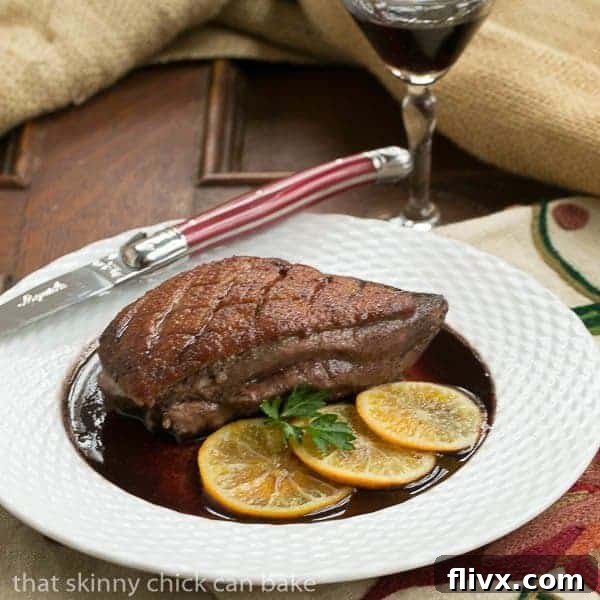
Elevate your holiday dining experience with this exquisite recipe for Pan Seared Duck Breasts with Clementines and a Red Wine Sauce. This sophisticated yet approachable dish combines perfectly seared duck with sweet candied citrus and a rich, aromatic sauce, delivering a restaurant-worthy masterpiece right in your home kitchen. Forget the traditional orange sauce; our clementine twist creates an unforgettable flavor pairing that will impress even the most discerning palates.
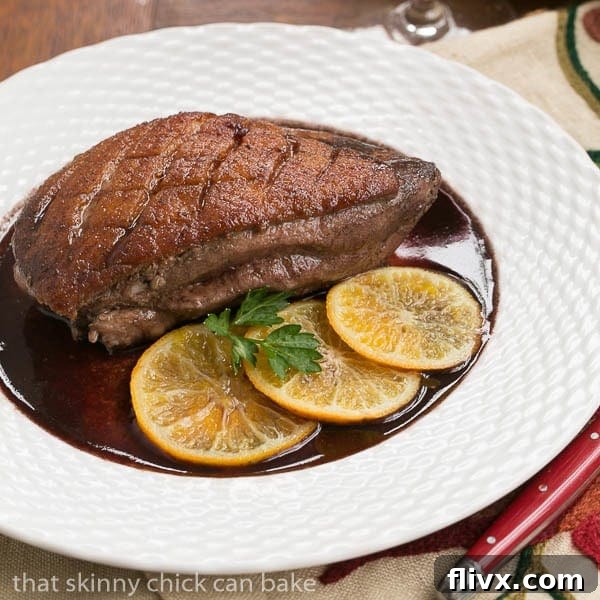
Why This Duck Breast Recipe Deserves a Spot on Your Table
There are countless reasons to add this delightful Pan Seared Duck Breasts with Clementines recipe to your culinary repertoire, especially during the festive season or for any special occasion. It’s a dish that promises both elegance and satisfaction, transforming a simple dinner into a memorable event.
- Inspired by a Culinary Master: This incredible recipe comes from the legendary Dorie Greenspan, a James Beard Award-winning author known for crafting incredibly flavorful and surprisingly accessible recipes. Her expertise ensures that even home cooks can achieve professional-level results with confidence. You’re not just cooking duck; you’re embarking on a culinary journey guided by one of the best.
- A Duck Lover’s Dream: If you or someone in your family appreciates the rich, distinctive flavor of duck, this recipe is a must-try. It allows you to create a gourmet duck dish at home, tailored perfectly to your preferences for doneness, and without the expense of dining out. It’s a wonderful way to indulge in a beloved delicacy.
- Surprisingly Simple Perfection: Despite its impressive appearance and sophisticated taste, this recipe is remarkably straightforward. The primary goal is to master the art of rendering the duck fat, achieving incredibly crispy skin, and cooking the meat to a perfect rare or medium-rare. With Dorie’s method, you’ll find the process much less intimidating than you might imagine, yielding consistently delicious results every time.
- Elegant Holiday Fare: The combination of succulent duck, bright clementines, and a deep, savory red wine sauce makes this dish ideal for holiday gatherings. It presents beautifully and offers a unique alternative to more traditional festive roasts, ensuring your dinner stands out.
Mastering the Art of Pan-Seared Duck: Essential Tips and Techniques
Achieving perfectly pan-seared duck requires attention to a few key details. Follow these expert tips to ensure your duck breasts are cooked to perfection, with golden, crispy skin and tender, juicy meat every time.
- Choosing Your Citrus: While the original Dorie Greenspan recipe might call for kumquats to be candied and used in the sauce and as a garnish, clementines prove to be a fantastic and more readily available substitute. Their sweet-tart flavor beautifully complements the richness of the duck and the red wine sauce. Tangerines also work wonderfully. If you can’t find fresh kumquats, don’t hesitate to use clementines or even a good quality jar of candied citrus for convenience. The goal is to infuse that bright, sweet citrus note into the dish.
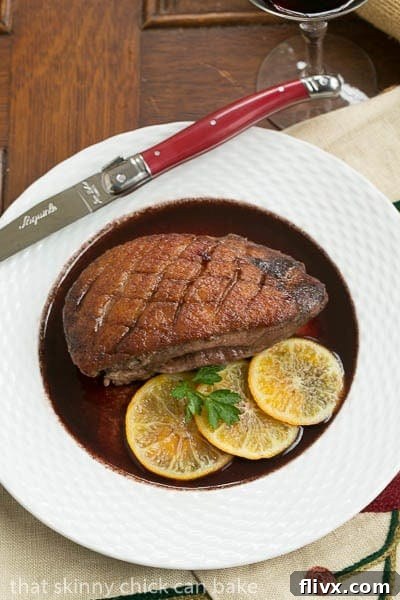
- The Crucial Step of Scoring: Before cooking, it’s essential to score the duck skin. Use a very sharp knife to make a diamond pattern across the skin, being careful not to cut into the meat itself. This scoring allows the fat to render more efficiently during cooking, resulting in irresistibly crispy skin and preventing the duck from curling up in the pan. It also creates a beautiful visual presentation.
- Minimize Spatter with a Dutch Oven: Duck breasts release a significant amount of fat as they cook, which can lead to considerable spatter when using a shallow skillet. Dorie Greenspan wisely recommends using a deep-sided Dutch oven for searing. This helps contain the spatter, keeping your stovetop cleaner and making the cooking process more enjoyable.
- Achieving Crispy Skin: The key to a fantastic pan-seared duck breast is brown, crisp skin. Ensure the duck is cooked skin-side down for a sufficient amount of time, allowing the fat to render slowly and the skin to crisp up. Don’t rush this step; patience will be rewarded with a delightful crunch.
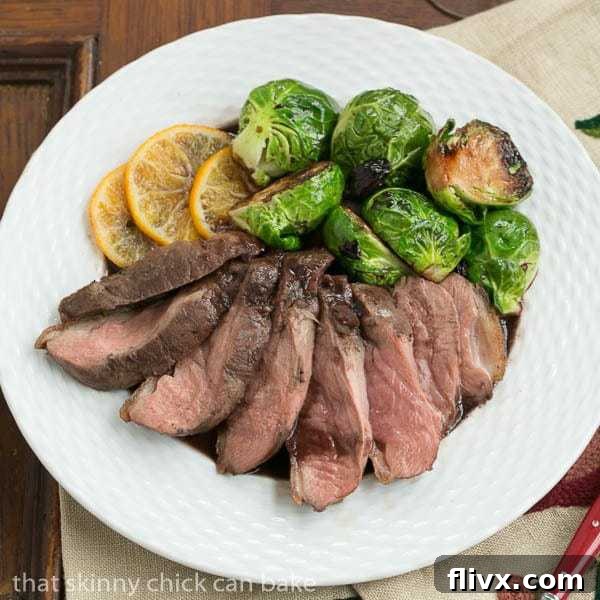
- Elegant Presentation: To serve, slice the cooked duck breasts on the diagonal against the grain. This not only makes the meat more tender but also allows you to fan out the slices artfully on each plate, creating an elegant, restaurant-style presentation. Drizzle generously with the rich red wine sauce and top with some of the candied clementines for a final flourish of color and flavor.
The flexibility with citrus means this dish can be enjoyed year-round. While kumquat season might be fleeting, clementines are often available, making this a foolproof option. And on a personal note, the word “clementine” always brings a smile, reminding me of my dad and his fond crooning of “Oh, my darling, Clementine.” It’s these small, personal connections that often make a dish even more special.
Creating Culinary Magic: The Step-by-Step Guide to Pan-Seared Duck
This Pan Seared Duck Breast recipe, adapted from Dorie Greenspan’s acclaimed cookbook “Around My French Table,” is a testament to the idea that sophisticated flavors can be achieved with straightforward techniques. It’s a truly rewarding cooking experience.
- Dorie’s Foolproof Method: Prior to discovering Dorie’s method, preparing duck could be hit or miss. Her technique simplifies the process: scoring the fat, searing skin-side down for about 8 minutes, then flipping and cooking for an additional 3 minutes for a rare finish. This ensures even cooking and optimal texture, especially if you prefer your duck rare or medium-rare, as my husband does.
- Optimal Doneness: Duck is universally considered best when served rare or medium-rare. This preserves its rich flavor and tender texture. Overcooked duck can become tough and lose its inherent succulence. A meat thermometer is your best friend here, aiming for 130°F for a perfect medium-rare.
- A Connoisseur’s Approval: In our household, Bill is the resident duck expert, and his enthusiastic proclamation of this dish being “fabulous” is high praise indeed. This speaks volumes about the recipe’s quality and its ability to satisfy even the most discerning duck palate.
- The Heavenly Red Wine Sauce: The accompanying sauce is where much of the magic happens. A luxurious blend of red wine, balsamic vinegar, crushed black peppercorns, coriander seeds, shallots, fresh orange juice, and chicken broth creates an aroma that fills the kitchen with a truly heavenly fragrance. This sauce is a perfect example of how a few carefully chosen ingredients can create incredible depth of flavor. Its complex notes beautifully cut through the richness of the duck.
- The Art of Presentation: As Dorie suggests, slicing and fanning out the duck on the plate elevates the dish from a simple meal to a work of art. This elegant presentation enhances the dining experience, making it feel truly special and refined.
- Perfect for Holiday Menus: If your family includes duck enthusiasts, this recipe is an absolute must-add to your holiday menu. It’s special enough for festive occasions and offers a delightful departure from more common holiday mains. And if you time it right with kumquat season, you’ll have an extra layer of authenticity and beauty for your garnish, though clementines are a superb alternative.
Frequently Asked Questions About Cooking Duck Breasts
Cooking duck can seem intimidating, but with the right knowledge, it’s a simple and rewarding endeavor. Here are answers to some common questions to help you prepare flawless Pan-Seared Duck Breasts.
The most accurate and reliable method for determining doneness is by using a good quality meat thermometer. For medium-rare duck, Dorie Greenspan recommends an internal temperature of 130°F (54°C). While recipes often provide cooking times for each side, these can vary based on the size and thickness of your duck breasts, as well as whether they’ve been brought to room temperature or are still cool from the refrigerator. A general rule of thumb to keep in mind, and one Dorie emphasizes, is that approximately three-quarters of the total cooking time should be spent with the skin side down to ensure optimal fat rendering and crispiness.
Scoring the duck skin is a fundamental step for two primary reasons. Firstly, duck breasts can be quite fatty, and scoring the skin allows this fat to render out more effectively during the cooking process. This prevents the fat layer from becoming rubbery and instead helps create an incredibly crispy, golden-brown skin. Secondly, Dorie suggests a ¾-inch crosshatch pattern, which not only aids in fat rendering but also creates a beautiful and sophisticated presentation, adding visual appeal to your finished dish.
Creating a deeply flavorful sauce for duck involves leveraging the very essence of the duck itself. After searing the duck breasts, make sure to reserve some of the rendered duck fat. This fat is packed with incredible flavor and serves as an excellent base for your sauce. Deglazing the pan with red wine after cooking the duck is another crucial step; it releases all the delicious browned bits (fond) from the bottom of the pan, adding immense depth and complexity. Just like salt, wine acts as a magnificent flavor enhancer, elevating all the other ingredients in your sauce.
Explore More Enticing Main Course Recipes
If you enjoyed this exquisite duck recipe, you might be interested in exploring other equally delicious and impressive main course options for your next meal or special occasion. Expand your culinary horizons with these fantastic choices:
- Filet Mignon with Red Wine Balsamic Sauce: Another elegant dish featuring a rich, flavorful sauce.
- Rotisserie-Style Chicken: Master the art of perfectly roasted chicken at home.
- Sheet Pan Chicken with Roasted Fall Vegetables: A convenient and delicious meal packed with seasonal flavors.
- Roast Chicken with Mustard Potatoes: A comforting and hearty classic, perfect for any night of the week.
- More of the Best Main Course Recipes: Discover a wide array of delectable dishes to inspire your cooking.
Stay in touch through social media @ Instagram, Facebook, and Pinterest. Don’t forget to tag me when you try one of my recipes! And if you love the results, please give it a 5-star rating in the recipe card – your feedback is greatly appreciated!
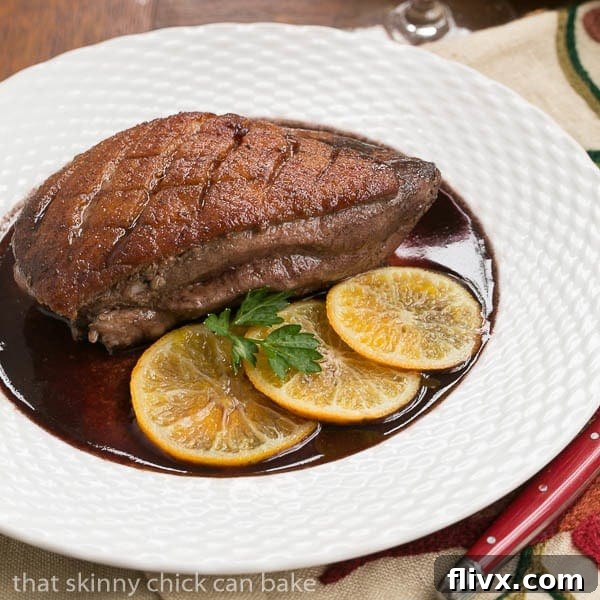
Pan Seared Duck Breasts with Clementines
10 minutes
35 minutes
45 minutes
6
An elegant, restaurant-worthy duck recipe courtesy of Dorie Greenspan, featuring succulent pan-seared duck breasts complemented by a vibrant clementine-infused red wine sauce.
Ingredients
- 2 ¼ cups fruity red wine, such as Beaujolais
- ¾ cup chopped shallots (about 3 large)
- 4 ½ tablespoons balsamic vinegar
- 22 whole black peppercorns, crushed
- 12 coriander seeds, crushed
- 1 cup plus 2 tablespoons fresh orange juice
- 3 cups low-salt chicken broth
- 2 large or 4 small duck breast halves with skin (Dorie Greenspan recommends Muscovy duck breast halves)
- Candied Clementines (or kumquats if preferred)
- Additional crushed whole black peppercorns, for garnish
Instructions
- Prepare the Red Wine Sauce Base: In a medium saucepan, combine the Beaujolais (or other fruity red wine), chopped shallots, balsamic vinegar, crushed peppercorns, and crushed coriander seeds. Bring to a boil over medium-high heat and reduce the mixture until about 1 ½ cups remain, which typically takes around 12 minutes. This concentrated base will form the heart of your flavorful sauce.
- Infuse Citrus Flavor: Add the fresh orange juice to the saucepan and continue to boil for another 5 minutes, allowing the citrus notes to meld with the wine reduction.
- Finish the Sauce Reduction: Pour in the low-salt chicken broth and bring the mixture back to a boil. Reduce the liquid until approximately 3 cups remain, about 15 minutes. Once reduced, strain the sauce through a fine-mesh sieve to remove the solids, then set it aside.
- Preheat Oven: Preheat your oven to a gentle 250°F (120°C). This will be used to keep the duck warm while you finish the sauce.
- Prepare the Duck Breasts: Using a very sharp knife, carefully score the skin of the duck breasts in a diagonal crosshatch pattern, aiming for ¾-inch wide diamonds. Be precise and avoid cutting into the meat itself. Season both sides of the duck generously with salt and pepper.
- Sear Skin-Side Down: Heat a Dutch oven (or a heavy-bottomed skillet with high sides) over medium-high heat. Place the seasoned duck breasts, skin-side down, in the hot pan. Cook until the skin is beautifully brown and crisp, which usually takes about 8 minutes. During this time, a significant amount of fat will render out.
- Flip and Finish Cooking: Turn the duck breasts over and continue to cook on the flesh side until browned and the internal temperature reaches 130°F (54°C) for medium-rare, typically about 6 minutes. Transfer the cooked duck breasts to a rimmed baking sheet and place them in the preheated oven to keep warm while you prepare the final sauce.
- Prepare Candied Citrus & Duck Fat: While the duck rests, drain your candied clementines (or kumquats), carefully reserving the syrup. Pour off the rendered duck fat from the skillet, reserving about 2 tablespoons of this flavorful fat in a separate large skillet for the sauce. You can find a recipe for candied kumquats here, easily adaptable for clementines.
- Create the Final Sauce: Heat the large skillet containing the reserved duck fat over medium-high heat. Add the previously strained red wine sauce and 4 ½ tablespoons of the reserved clementine (or kumquat) syrup. Bring to a boil and reduce until the sauce thickens slightly and reduces to approximately ¾ cup, about 5 minutes.
- Slice the Duck: Remove the duck breasts from the oven. Using a sharp knife, slice them crosswise into ½-inch-thick pieces, cutting against the grain for tenderness.
- Serve with Elegance: Divide the sliced duck breast among 6 plates. Drizzle generously with the rich red wine sauce, garnish with the vibrant candied clementines, and sprinkle with additional crushed peppercorns for a final touch of spice and visual appeal. Serve immediately and enjoy your gourmet creation!
Notes
This recipe is adapted from “Around My French Table” by Dorie Greenspan, a fantastic resource for French-inspired home cooking.
For convenience, the red wine sauce may be prepared a day in advance. Store it covered in the refrigerator and gently rewarm it just before serving to ensure optimal flavor and consistency.
HOW MUCH DID YOU LOVE THIS RECIPE?
Please leave a comment on the blog or share a photo on Pinterest
Dorie Greenspan’s original recipe for this exquisite duck dish can be found in her acclaimed cookbook, “Around My French Table,” and is also available for viewing and printing on Epicurious. It’s a testament to her mastery of making sophisticated French cuisine accessible to home cooks.

Skinny Tip: Smart Choices for a Balanced Lifestyle
I frequently receive inquiries about my approach to maintaining a healthy lifestyle. As part of an ongoing series, I’m sharing practical “Skinny Tips” that have helped me. You can find more tips by clicking on the #SkinnyTip tag at the end of this post.
Tip #49: With the holiday season often bringing an abundance of tempting desserts, it’s timely to revisit smart eating strategies. If you find yourself craving a slice of pumpkin pie (or apple, chocolate, or pecan), consider enjoying just the flavorful filling. Skipping the crust can significantly reduce the calorie count, allowing you to savor the taste without overindulging. Remember, the goal during holidays isn’t necessarily to lose weight, but rather to maintain a healthy balance and enjoy the festivities without guilt.