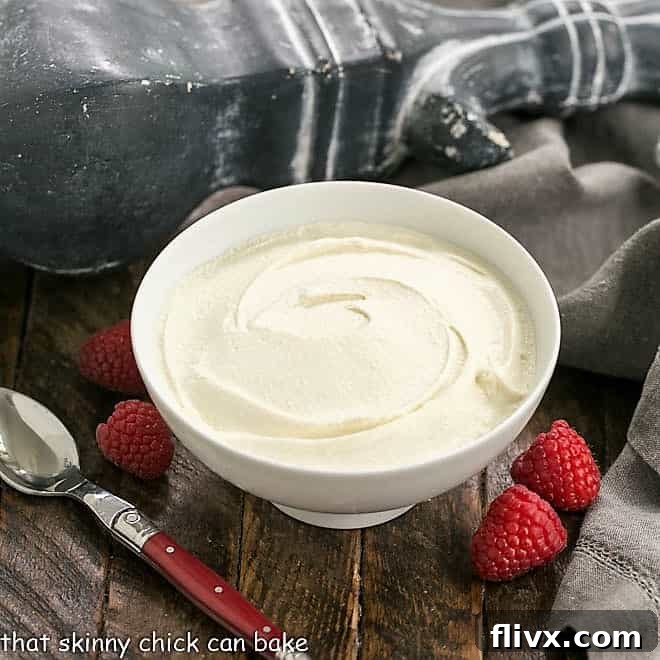
Indulge in the luxurious simplicity of homemade Mascarpone Cheese! This rich, velvety Italian cream cheese is surprisingly easy to make from scratch, transforming readily available ingredients into a gourmet delight. Forget the frustrating search at specialty stores and the premium price tag – crafting your own fresh mascarpone is a culinary revelation that opens up a world of exquisite Mascarpone Recipes.
Have you ever found yourself on a wild goose chase, visiting multiple grocery stores just to track down that one elusive ingredient? For many home cooks, mascarpone cheese often fits this description. While it’s a staple in classic desserts like Tiramisu, finding high-quality mascarpone consistently can be a challenge, depending on your location. The good news? You no longer need to rely on supermarket stock! This guide will empower you to create your own decadent mascarpone cheese in your very own kitchen. Imagine having this sweet, buttery, and subtly tangy ingredient on hand whenever inspiration strikes, ready to elevate everything from desserts to savory dishes.
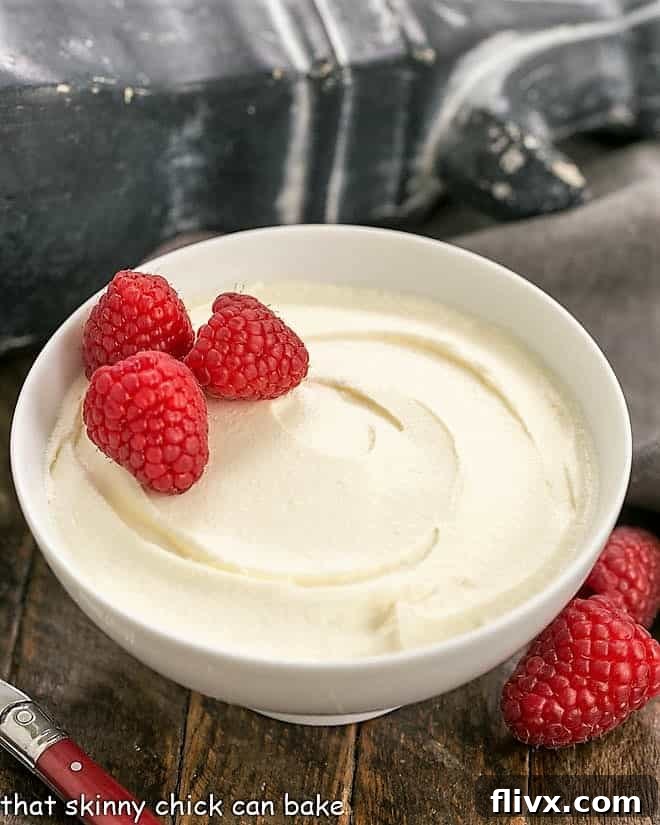
Why Embark on Your Homemade Mascarpone Journey
Making mascarpone cheese at home isn’t just a fun kitchen project; it’s a practical and rewarding endeavor that offers numerous benefits. Here’s why you absolutely must try this recipe:
- Accessibility and Convenience: For years, finding specialty ingredients like mascarpone cheese was a significant hurdle in many areas. While the growth of gourmet markets has improved availability, why endure the hunt when you can easily create a superior product at home? This recipe frees you from the whims of grocery store stock and makes this elegant ingredient accessible anytime you desire.
- Unbeatable Freshness and Quality: Store-bought mascarpone, while convenient, often contains stabilizers or has traveled long distances. Homemade mascarpone, on the other hand, is incredibly fresh, allowing you to taste the pure, delicate flavors of high-quality dairy. You control the ingredients, ensuring no unwanted additives, just pure, creamy goodness.
- Cost-Effectiveness: A small tub of mascarpone cheese at the store can be surprisingly expensive. By making it yourself with just two common ingredients – heavy cream and lemon juice – you significantly cut down on costs. This allows you to use this luxurious cheese more frequently in your cooking without breaking the bank.
- Surprisingly Simple Process: Despite its gourmet reputation, mascarpone is ridiculously simple to make. With just two ingredients and a reliable candy thermometer, you’ll be amazed at how quickly and effortlessly you can transform basic cream into a rich, decadent cheese. It’s a rewarding experience for cooks of all skill levels.
- Culinary Empowerment: Learning to make foundational ingredients like mascarpone boosts your confidence in the kitchen. It’s a skill that expands your culinary repertoire, allowing you to experiment with authentic Italian recipes and infuse your dishes with an unparalleled creamy texture and rich flavor.
Essential Ingredient Notes for Perfect Mascarpone
The beauty of homemade mascarpone lies in its simplicity, requiring only two key ingredients. However, the quality and type of these ingredients are paramount for achieving that signature rich, creamy texture.
- Heavy Cream: This is the star of your mascarpone. The most crucial detail here is to use pasteurized heavy cream, not ultra-pasteurized. Look for cream with a butterfat content of around 36% or higher.
- Why Pasteurized, Not Ultra-Pasteurized? Ultra-pasteurization involves heating the cream to very high temperatures for a short period, which denatures the proteins in the cream more significantly. While this extends shelf life, it can interfere with the cream’s ability to properly curdle and thicken when acid is introduced, leading to a grainy or less consistent mascarpone. Pasteurized cream undergoes a gentler heating process, leaving its proteins more intact and receptive to acid-induced coagulation, resulting in a smoother, richer final product. Check labels carefully – many organic or smaller-batch creams are pasteurized rather than ultra-pasteurized.
- Lemon Juice: The acid in lemon juice is essential for initiating the curdling process that transforms heavy cream into mascarpone.
- Freshly Squeezed vs. Bottled: For the best flavor and acidity profile, freshly squeezed lemon juice is always recommended. Its bright, vibrant tang complements the richness of the cream beautifully. However, if fresh lemons aren’t available, bottled lemon juice can be used in a pinch, though the flavor might be slightly less nuanced. Ensure it’s 100% lemon juice without added sugars or preservatives.
- The Role of Acid: The lemon juice lowers the pH of the heavy cream, causing the milk proteins (casein) to denature and clump together, forming curds. This controlled curdling is what creates the distinct texture of mascarpone.
Step-by-Step Guide: Crafting Your Own Mascarpone
Creating homemade mascarpone is a straightforward process, but precision in temperature and patience during draining are key to success. Follow these simple steps to yield beautifully creamy mascarpone:
- Gently Heat the Cream: Pour 2 cups of pasteurized heavy cream into a heavy-bottomed saucepan. Over medium-low heat, bring the cream to a gentle simmer. It is crucial not to let it come to a rolling boil, as this can affect the texture of the final product. Stir occasionally to prevent scorching.
- Introduce the Acid: Once the cream reaches a simmer, remove it from the heat briefly and stir in 1 tablespoon of freshly squeezed lemon juice. Return the saucepan to the heat.
- Maintain Temperature and Cook: Using a candy thermometer, carefully monitor the temperature of the cream mixture. Maintain a consistent temperature of around 190º F (88-90º C). Cook for about 5 to 7 minutes, stirring frequently with a rubber spatula or whisk. You will notice the mixture begin to thicken as the lemon juice gently curdles the cream. It should have a slightly heavier, almost custard-like consistency but will not be as thick as pudding at this stage.
- Cool to Room Temperature: Once thickened, remove the saucepan from the heat. Allow the mixture to cool completely to room temperature. This step is important before straining to prevent the cheese from drying out or becoming rubbery.
- Prepare for Draining: Line a fine-mesh strainer with a double layer of high-quality cheesecloth. Position this strainer over a deeper bowl, ensuring there’s enough space for the liquid (whey) to collect without touching the bottom of the strainer. Gently pour the cooled cream mixture into the cheesecloth-lined strainer.
- Refrigerate and Drain: Carefully gather the edges of the cheesecloth over the top of the strained cream, creating a loose pouch. Place the entire setup (strainer with cheesecloth and bowl) in the refrigerator. Allow it to refrigerate and drain for a minimum of 8 hours, or preferably overnight. During this time, the excess whey will drip away, leaving behind the rich, thickened mascarpone.
- Store Your Homemade Mascarpone: After draining, carefully scrape the thick, creamy cheese from the cheesecloth into an airtight storage container. To prevent a skin from forming and to maintain freshness, press a piece of plastic wrap directly over the surface of the mascarpone before sealing the container.
- Enjoy and Store: Your fresh homemade mascarpone is now ready to use! Store it in the refrigerator for up to a week.
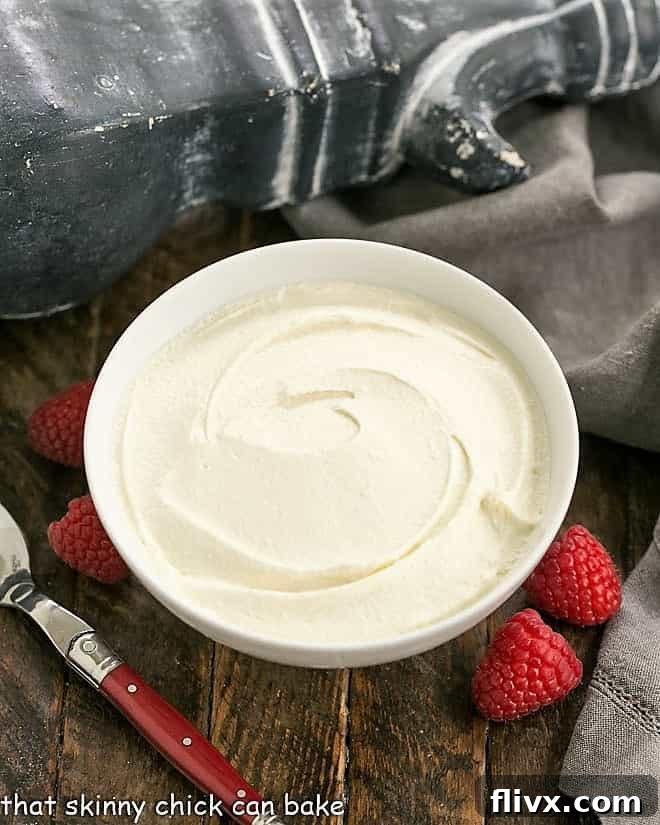
Expert Tips for Mascarpone Perfection
Achieving the perfect creamy consistency and rich flavor in your Homemade Mascarpone Cheese is simple with a few insider tips. Pay attention to these details, and you’ll consistently produce exceptional results:
- The Right Tools Make a Difference: A high-quality, accurate thermometer is your best friend for this recipe. A digital instant-read thermometer or a candy thermometer that clips to the side of your saucepan will ensure you hit and maintain the crucial 190º F temperature without fail. This precision prevents both under-curdling and over-cooking, which can lead to a grainy texture.
- Prioritize Pasteurized Heavy Cream: As mentioned, the type of cream is paramount. Always read labels diligently and seek out pasteurized heavy cream, specifically avoiding ultra-pasteurized varieties. Ultra-pasteurization alters the milk proteins in a way that makes proper curdling difficult, often resulting in a thinner or grainy mascarpone. Many natural food stores, co-ops, or local dairies are excellent sources for pasteurized cream.
- Gentle Heating, Not Boiling: When heating the cream, the goal is a gentle simmer, not a rolling boil. Boiling cream can cause it to break or develop an off-flavor, compromising the delicate taste of your mascarpone. Keep the heat on medium-low and stir constantly.
- Understanding the Science of Curdling: The lemon juice (or any acid) causes the pH of the heavy cream to drop. This acidity triggers the casein proteins in the cream to coagulate and form curds, which is the foundation of your cheese. This natural process requires careful temperature management to ensure a smooth, even curd.
- Optimal Draining for Texture: The draining process is critical for achieving the desired thick, spreadable texture of mascarpone.
- Ensure your cheesecloth is fine enough to prevent cream from seeping through but allows whey to pass. A double layer is usually sufficient.
- Allow ample time for draining – 8 hours is a minimum, but overnight often yields a firmer, more authentic consistency.
- If your mascarpone seems too thin after draining, it might need another hour or two in the refrigerator. If it’s too thick or dry, it may have drained too long.
- Proper Storage for Longevity: Always store your homemade mascarpone in an airtight container. Pressing plastic wrap directly onto the surface of the cheese helps prevent oxidation and the formation of a dry skin, keeping it fresh and creamy. Use your homemade mascarpone within 7-10 days for the best quality and flavor.
- Freezing Mascarpone (with a caveat): If you find yourself with an abundance of homemade mascarpone, it can be frozen for up to 6 weeks. While freezing may slightly alter the texture upon thawing (it might become a bit grainy or separate), a good whisk or vigorous stir can often reincorporate it sufficiently for use in baked goods or sauces where a perfectly smooth texture isn’t strictly necessary. It’s generally best used fresh for applications where texture is paramount, like Tiramisu.
- Troubleshooting Graininess: If your mascarpone turns out grainy, it’s often due to either ultra-pasteurized cream or overheating the mixture. Ensure you use pasteurized cream and maintain the temperature precisely at 190ºF, avoiding boiling. Gentle stirring throughout the cooking process also helps maintain a smooth texture.
Frequently Asked Questions About Mascarpone Cheese
Mascarpone cheese is a luxurious Italian cream cheese originating from the Lombardy region of Italy. Unlike standard American cream cheese, which is made from milk and typically has a tangier flavor and firmer texture, mascarpone is made from heavy cream. This gives it a significantly higher fat content, resulting in an exceptionally rich, velvety smooth, and subtly sweet profile. It’s often described as a “triple-cream” cheese due to its decadent butterfat levels, giving desserts a luscious and creamy texture. While traditional Italian methods might involve tartaric acid derived from wine production, home recipes widely and successfully use common culinary acids like lemon juice to achieve similar, delicious results due to its accessibility and effectiveness in controlled curdling. Mascarpone can indeed substitute cream cheese in many applications, but remember its looser texture and sweeter flavor. If substituting in a recipe like cookies, you might need slight adjustments, perhaps a touch more flour. Conversely, if replacing mascarpone with cream cheese, blend in a bit of heavy cream to mimic mascarpone’s signature richness and fluidity.
Mascarpone boasts a truly exquisite flavor and texture. It is incredibly smooth, meltingly rich, and distinctly buttery. Unlike the pronounced tang of some other cream cheeses, mascarpone has a very subtle sweetness that makes it exceptionally versatile, particularly in dessert recipes. Its creamy mouthfeel is unparalleled, often described as velvety and luxurious.
Mascarpone cheese is incredibly versatile and shines in both sweet and savory applications. It is, of course, famously the star of the classic Italian dessert, Tiramisu, where it provides that iconic creamy layer. Beyond Tiramisu, its uses are endless:
- Desserts: Substitute it for cream cheese in decadent cheesecakes (like a Mascarpone Cheesecake with Balsamic Strawberries). Whip it with a touch of sugar and vanilla as an elegant garnish for fruit tarts, pies, or fresh berries, serving as a lighter alternative to whipped cream. It’s fantastic in no-bake desserts like Mocha Icebox Cake or a creative Berry Tiramisu.
- Breakfast & Brunch: Spread it on toast, bagels, or scones instead of clotted cream, paired with your favorite jam. Swirl it into pancake or waffle batter for extra richness.
- Savory Dishes: Don’t limit mascarpone to sweets! Italians also incorporate it into savory recipes. It makes a wonderfully creamy base for white pizza sauces, enriches pasta sauces, and adds a luxurious touch to risottos and polenta. It can also be dolloped on top of soups or stews for an extra layer of creaminess and flavor.
Mastering the pronunciation of Italian culinary terms adds to your gourmet confidence! Mascarpone is pronounced: mahs-kahr-POH-neh (with the “eh” sound at the end). Now you can order or discuss this delightful cheese like a true connoisseur!
Explore More Delicious Mascarpone Recipes
Once you’ve experienced the joy of homemade mascarpone, you’ll want to incorporate it into all your favorite dishes. Its versatility shines in both sweet and savory creations. Here are some delectable recipes where mascarpone truly makes a difference, turning everyday meals into extraordinary culinary experiences. It also makes a scrumptious spread on this yummy Brown Sugar Apple Bread!
- Mascarpone Filled Strawberries
- Individual Tiramisu Parfaits
- Balsamic Raspberries with Mascarpone
- Chocolate Mascarpone Cheesecake
- Mascarpone Topped Poached Apples
- Discover more incredible Best Dessert Recipes
Stay connected for more delicious recipes! Follow us on Instagram, Facebook, and Pinterest. Don’t forget to tag us when you try one of our creations! If you love the results, please consider leaving a 5-star rating on the recipe card below.
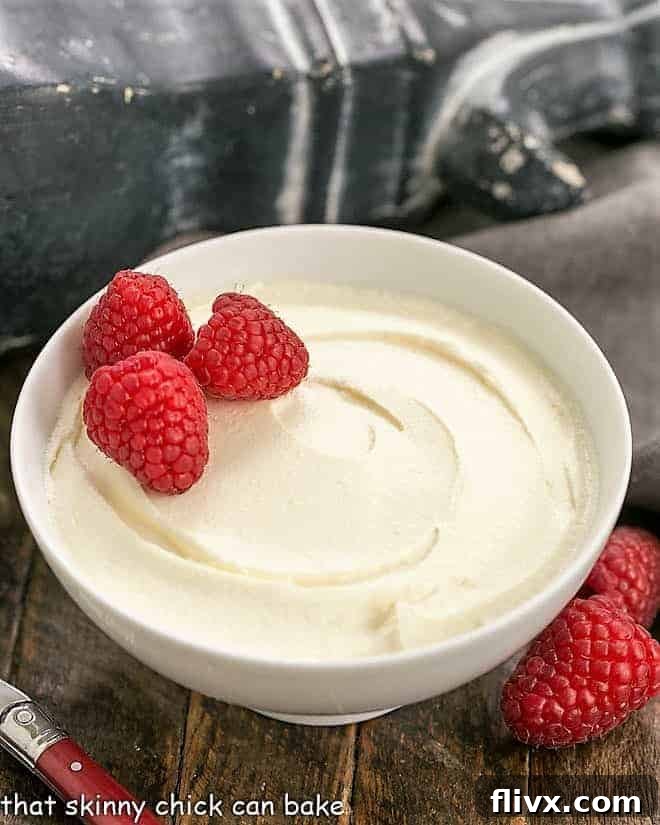
Homemade Mascarpone Cheese Recipe
5 minutes
10 minutes
15 minutes
Approximately 1½ cups
An incredibly simple and rewarding recipe to make luxurious mascarpone cheese right in your own kitchen. Adapted from Pastry Affair, this method yields rich, creamy results every time.
Rating: 4.8 out of 5 stars (Based on 52 reviews)
Ingredients
- 2 cups heavy cream (ensure it is pasteurized, NOT ultra-pasteurized)
- 1 tablespoon freshly squeezed lemon juice
Instructions
- Pour the heavy cream into a large, heavy-bottomed saucepan. Heat over medium-low heat until it reaches a gentle simmer, just before boiling. Stir occasionally to prevent scorching.
- Remove the saucepan briefly from the heat and stir in the freshly squeezed lemon juice. Return the pan to medium-low heat.
- Using a candy thermometer, monitor the temperature and maintain it steadily around 190º F (88-90º C). Continue to cook for approximately 5-7 minutes, stirring frequently with a rubber spatula, until the mixture visibly thickens to a custard-like consistency.
- Remove the saucepan from the heat and allow the thickened cream mixture to cool completely to room temperature.
- Line a fine-mesh strainer with a double layer of clean cheesecloth. Place the strainer over a deep bowl, ensuring there is adequate space for whey to drain. Carefully pour the cooled cream mixture into the prepared strainer.
- Cover the strainer lightly with plastic wrap or flip the cheesecloth over the top, then refrigerate for at least 8 hours, or ideally overnight, to allow the excess whey to fully drain.
- Once drained, gently scrape the thick, creamy mascarpone cheese from the cheesecloth into an airtight storage container. Press a piece of plastic wrap directly onto the surface of the mascarpone to prevent a skin from forming.
- Store your fresh homemade mascarpone in the refrigerator and use within 7 to 10 days for optimal freshness and flavor.
Notes
The key to exceptionally creamy homemade Mascarpone is using pasteurized heavy cream, not ultra-pasteurized. Ultra-pasteurized cream’s altered proteins can hinder proper curdling, leading to a less desirable texture. Take the time to find quality pasteurized cream for the best results!
Nutrition Information:
Yield:
24 servings (approx. 1½ cups total)
Serving Size:
1 tablespoon
Amount Per Serving (estimated):
Calories: 68
Total Fat: 7g
Saturated Fat: 5g
Trans Fat: 0g
Unsaturated Fat: 2g
Cholesterol: 22mg
Sodium: 6mg
Carbohydrates: 1g
Fiber: 0g
Sugar: 1g
Protein: 1g
HOW MUCH DID YOU LOVE THIS RECIPE?
Please leave a comment on the blog or share a photo on Pinterest!