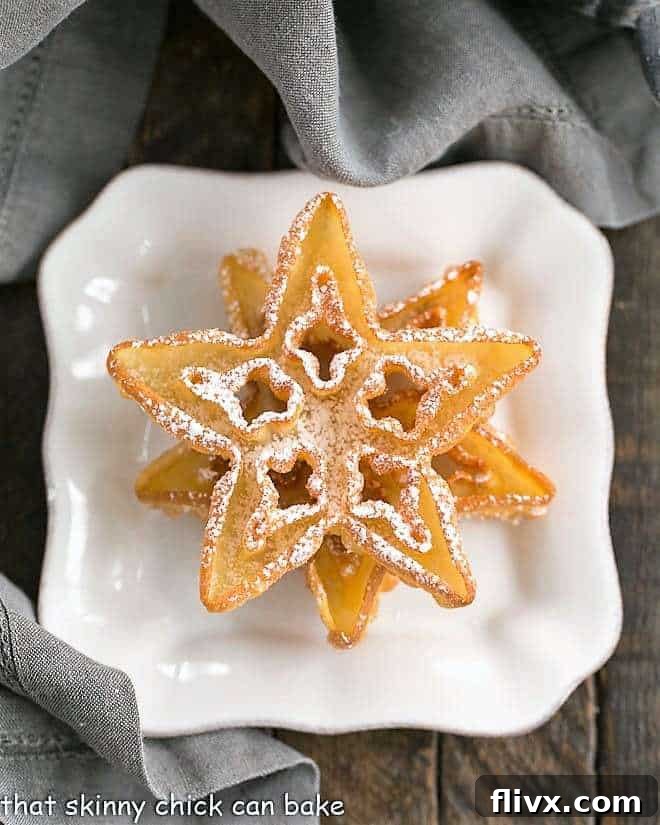
Rosettes, those ethereal Scandinavian fried cookies, offer a delightful crunch and a whisper of sweetness. Dusted delicately with powdered sugar, they transform into festive edible ornaments, making them an indispensable treat during the holiday season. This comprehensive guide will equip you with all the knowledge and expert tips needed to master the art of making perfect rosette cookies right in your own kitchen. Prepare to enchant your family and friends with these exquisite, heirloom-quality delights.
Embarking on the journey to create these beautiful cookies begins with acquiring a specialized Rosette Iron. This unique tool, coupled with a generous amount of high smoke point oil like canola, is all you need to set the stage for a memorable baking experience. With their intricate shapes reminiscent of stars and snowflakes, rosettes are a timeless classic, embodying the warmth and joy of holiday traditions passed down through generations.

The Irresistible Allure of Rosette Cookies
There are countless reasons why rosette cookies deserve a prominent spot in your holiday baking repertoire. Beyond their inherent deliciousness, they bring an unparalleled elegance and a touch of nostalgic charm that sets them apart from conventional treats.
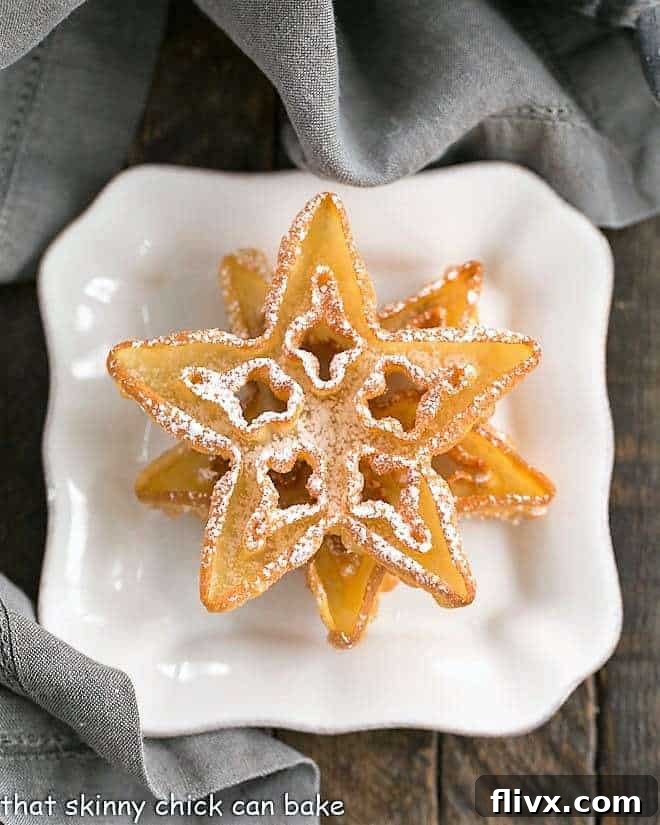
- Elegance Redefined: Rosettes are undeniably beautiful. Their delicate, intricate patterns, whether star-shaped, snowflake-inspired, or floral, elevate any dessert spread. When lightly coated with powdered sugar, they truly look like miniature works of art, glistening under festive lights.
- Perfect for Holiday Gatherings: If you’re looking for a unique and impressive offering for cookie exchanges or holiday parties, rosettes are an excellent choice. They stand out from the typical cookie array, sparking conversation and delighting guests with their distinctive appearance and crisp texture.
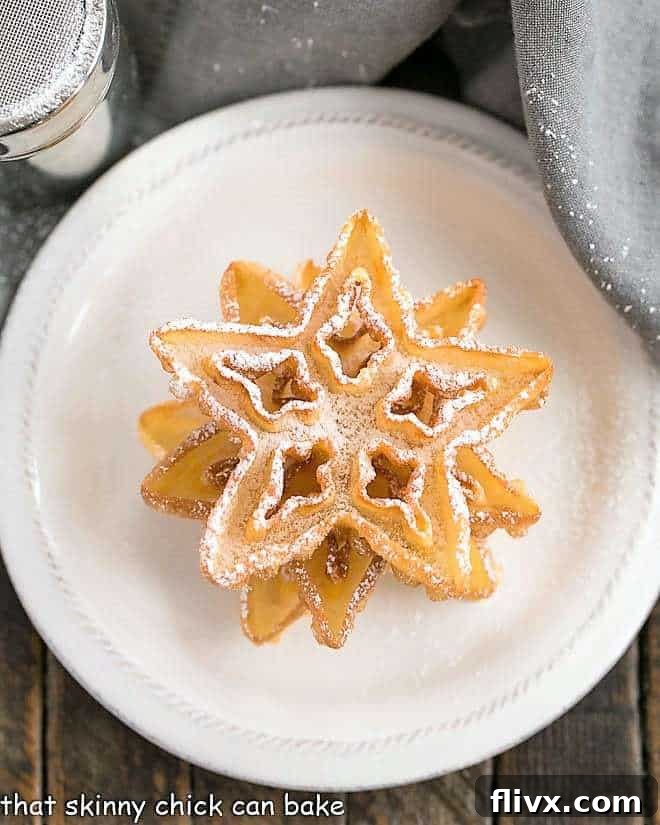
- A Touch of Winter Magic: The dusting of powdered sugar isn’t just for taste; it’s a visual transformation. It gives each rosette the enchanting appearance of being freshly kissed by a gentle snowfall, perfectly aligning with the magical aesthetic of the winter holidays.
- Edible Decorations: With a simple loop of ribbon, these charming cookies can even be hung on your Christmas tree, adding a whimsical and delicious element to your holiday decor. Imagine a tree adorned with these shimmering, edible treasures!
- A Legacy of Flavor: For many, rosettes are more than just a cookie; they are a taste of tradition. Learning how to make them can become a cherished legacy, much like the one my dear mother passed on to me. These sweet, crispy delights evoke fond memories and create new ones with every bite.
While classics like Cream Cheese Sugar Cookies are staples on my baking list, the memory of these crispy rosettes from my childhood always brings a special warmth. Keep scrolling to discover my tried-and-true tips for crafting perfectly airy and crispy rosettes every time.
Step-by-Step: How to Make Rosette Cookies
Creating these delicate Scandinavian pastries is a process that requires a little patience and attention to detail, but the results are incredibly rewarding. Follow these steps for flawless rosette cookies:
- Prepare Your Frying Station: Begin by heating your chosen deep-frying oil in a deep-fryer or a sturdy, heavy saucepan. The oil needs to reach a precise temperature of around 375ºF (190ºC) for optimal frying, so a candy thermometer is highly recommended. Ensure you have about 3 inches of oil depth.
- Whisk the Batter: In a mixing bowl, gently whisk together your rosette batter ingredients until smooth. It should have a consistency similar to thin pancake or crepe batter. Avoid overmixing, as this can introduce too many air bubbles, which can cause the rosettes to break during frying.
- Preheat the Rosette Iron: Submerge your rosette iron into the hot oil for approximately 2 minutes. This crucial step ensures the iron is sufficiently hot for the batter to adhere properly.
- Dip and Fry: Carefully lift the hot iron from the oil, allowing any excess oil to drain off briefly. Immediately dip the heated iron into the prepared batter, ensuring it’s coated about 7/8ths of the way up the sides. Do not let the batter flow over the top of the iron. Plunge the batter-coated iron back into the hot oil.
- Fry Until Golden: Allow the rosette to fry for about 30 seconds to 1 minute, or until it turns a beautiful golden brown. The cookie should gently release from the iron into the oil as it cooks.
- Drain Excess Oil: Once golden, remove the rosette from the oil using a slotted spoon or tongs. Place it on a paper towel-lined wire rack to drain any excess oil. If the rosette sticks to the iron, gently pry it off with the tip of a dinner knife.
- Repeat the Process: Reheat the iron in the hot oil for about a minute between each rosette. This maintains the essential temperature for proper batter adhesion. Continue dipping and frying until all the batter has been used.
- Dust and Serve: Once the rosettes have cooled completely to room temperature, delicately dust them with powdered sugar. This final touch adds both sweetness and their signature snowy appearance. Serve immediately and enjoy!
Mastering the Art: Expert Tips for Flawless Rosettes
Achieving perfect, crisp rosettes consistently is an art refined through experience. Here are some invaluable tips, many inherited from generations of bakers, to guide you to success:
- Choosing Your Frying Fat: My mother swore by lard for its distinctive aroma and superior crispness, which truly permeated the house for days—a cherished holiday scent. While traditional, modern palates and availability often lean towards alternatives. For this recipe, I opted for canola oil, which performs beautifully. The key is to use an oil with a high smoke point to prevent burning and unpleasant flavors. Lard available in most grocery stores today isn’t always the same quality as what was once used, making high-quality vegetable oils an excellent, accessible substitute.
- Batter Consistency is Key: The simple batter takes mere seconds to prepare, requiring only a quick whisking of all ingredients. The critical point is to ensure the batter is perfectly smooth. Any lumps can lead to uneven cooking or sticking. However, resist the urge to overmix vigorously. Excessive mixing incorporates air bubbles, which can make your delicate rosettes fragile and prone to breaking during frying. Aim for a consistency akin to thin crepe batter.
- Oil Temperature Precision: This is arguably the most critical factor for successful rosettes. The oil must be heated to, and consistently maintained at, approximately 375ºF (190ºC). A candy thermometer is an indispensable tool for this task, unless you are using a deep fryer with a reliable temperature gauge. When frying on a stovetop, be prepared to adjust your burner frequently to keep the temperature steady. If the oil is too cool, the rosettes will absorb too much oil and become soggy and greasy. If it’s too hot, they’ll brown too quickly on the outside while remaining raw inside, or even burn.
- Heavy-Duty Cookware for Even Heat: If you’re not using a dedicated deep fryer, opt for a heavy-bottomed saucepan. The heavy construction helps distribute and retain heat more evenly, which is crucial for consistent frying. Ensure the oil depth is roughly 3 inches to fully submerge the rosette molds.
- Proper Iron Preheating and Maintenance: The rosette iron absolutely *must* be properly preheated in the hot oil before it touches the batter. Give the iron a good minute or two to reach the oil’s temperature. If the iron isn’t hot enough, the batter will simply slide off or adhere poorly, resulting in incomplete or broken cookies. Between each cookie, ensure you reheat the iron for about a minute.
- The Perfect Dip: After preheating, lift the iron from the oil and allow any excess to drip off for a few seconds. Then, quickly and confidently dip the iron into the batter, coating it about 7/8ths of the way up the sides. It is vital that no batter flows over the top edge of the iron. If batter covers the top, the rosette will not release properly and will remain stuck to the mold.
- Even Browning: In less than a minute in the hot oil, the rosette should turn a beautiful golden brown. While many will tell you to simply drain it, I find it beneficial to gently detach the rosette from the iron with a table knife and flip it over in the oil for a few extra seconds. This ensures both sides achieve a uniform golden hue and crispness before being transferred to a paper towel-lined rack to drain.
- Gentle Removal: Most perfectly fried rosettes will slip off the iron easily with a gentle shake. However, if one resists, use the tip of a thin dinner knife to carefully pry it loose. A few gentle nudges are usually all it takes. Remember, these are delicate!
- The Finishing Touch: The dusting of powdered sugar is the iconic final step for these elegant, delicate, and festive “cookies.” Always wait until the rosettes have cooled completely to room temperature before sprinkling them with powdered sugar. Applying sugar to warm cookies will cause it to melt and absorb, leaving a sticky, uneven coating.
- Freezing for Future Enjoyment: Rosettes freeze beautifully, making them excellent candidates for advanced holiday preparation. If you plan to freeze them, hold off on dusting them with powdered sugar until they have been thawed and brought back to room temperature. This preserves their crispness and the pristine look of the powdered sugar.
Frequently Asked Questions About Rosette Cookies
Rosettes have a rich Scandinavian heritage, being particularly popular in both Norway and Sweden, especially during festive seasons. The very name “rosettes” is derived from the Norwegian word rosetbakkelser, which directly translates to “rosette cakes” or “rosette pastries.” However, their appeal is not limited to Scandinavia. Interestingly, these crispy fried delights also enjoy significant popularity in Spain, particularly as a traditional Carnival dessert. There, they are known by beautiful names like Flores de Carnaval (Carnival Flowers) or Flores de Entroido (using the Galician word for Carnival), showcasing their widespread cultural significance as a festive fried treat.
When stored properly at room temperature, loosely covered to prevent them from becoming stale while still allowing a bit of air circulation, rosettes will maintain their crispness and flavor for approximately 2 to 3 days. For longer storage, they are an excellent candidate for freezing. Rosettes can be frozen for up to 2 months without a significant loss of quality. If you choose to freeze them, remember to thaw them thoroughly at room temperature before serving, and then sprinkle with powdered sugar just before enjoyment for the best presentation and texture.
Proper packaging is essential to preserve the delicate structure and crispness of rosettes during freezing. I highly recommend using an airtight, rigid container such as a Rubbermaid or Tupperware container. Arrange the cooled rosettes in single layers, placing a sheet of wax paper or parchment paper between each layer to prevent them from sticking together or becoming crushed. Ensure the cookies are completely cool before freezing them. This prevents condensation from forming and turning them soggy. Place the container in an area of your freezer where they won’t be jostled or crushed by other items. As a final reminder, always wait to dust them with powdered sugar until after they’ve been defrosted and are ready to serve.
Soggy rosettes are typically a result of one primary issue: incorrect oil temperature during frying. If the cooking oil is not hot enough (below the recommended 375ºF/190ºC), the batter will absorb excessive amounts of oil rather than crisping up quickly, leading to a greasy and soggy texture. Always use a thermometer to monitor your oil temperature. Another factor could be improper storage; if stored in an overly humid environment or an airtight container while still warm, they can lose their characteristic crispness. If you find your rosettes have become a bit soft, they can often be crisped up again by placing them in a 350-degree Fahrenheit (175ºC) oven for a few minutes until they regain their crunch.
Reseasoning is a crucial step primarily for cast iron rosette irons, similar to how you would care for a cast iron skillet. Non-stick irons generally don’t require seasoning. To reseason your cast iron rosette iron, first ensure they are thoroughly cleaned and completely dry. Any moisture will impede the seasoning process. Next, apply a thin, even coat of vegetable oil or shortening over all surfaces of the iron. Place the coated irons on a rack in a 375-degree Fahrenheit (190ºC) oven, with a layer of aluminum foil placed on the rack below to catch any drips. Heat them for approximately 45 minutes to an hour. After this time, turn off the oven and allow the irons to cool completely inside the oven. This slow cooling helps the seasoning bond effectively to the metal, creating a naturally non-stick surface and protecting against rust.
My Mom’s Timeless Recipe for Rosettes: A Cherished Tradition
Each December, a cherished ritual unfolded in our home. My mom and Mrs. Homer, who happened to be my best friend’s mom, would orchestrate an evening of deep-frying rosettes. This wasn’t just about making cookies; it was a festive social event, a lively gathering filled with laughter and a lot of good old-fashioned gabbing. Initially, they alternated homes, but after a few years, a pattern emerged: they’d simply meet at our house.
Perhaps my mom possessed a slightly lower standard when it came to the persistent, savory aroma that would inevitably permeate our home, making it smell delightfully like a bustling diner for days. Regardless, my sisters and I would hover in the kitchen, captivated by the fascinating process, until we were reluctantly shooed off to bed. The tantalizing scent of frying cookies, even after we were tucked in, was a sure sign that the holidays were truly upon us.
Once cooled, my mom would meticulously store her share of these exquisite Scandinavian cookies in our basement freezer. Then, during the week leading up to Christmas, she would carefully package them into beautiful assortments, ready for delivery to all our dearest friends and neighbors. I recall, even after I’d returned home from college, still accompanying my dad on these special deliveries, feeling the joy of sharing our family’s holiday tradition.
Of course, my sisters and I could rarely resist the temptation. We’d often sneak down to the freezer, “swiping” a few rosettes for an illicit, frosty sample. I’m certain the tell-tale trail of powdered sugar we left behind gave away our secret escapades every time. The rosette iron my mom used was a sturdy cast iron model, much like many available today on Amazon. You’ll find a link to a recommended rosette iron in the recipe card below, inviting you to start your own delicious tradition.
More Holiday Baking Inspiration
If you’ve enjoyed delving into the world of rosettes, you’ll love exploring these other delightful holiday treats and baking tips to enhance your festive season.
- 127 Favorite Christmas Cookies, Candies & Holiday Recipes from Brown Eyed Baker
- Candy Cane Blossoms
- Pecan Pie Thumbprint Cookies
- Stained Glass Cookies
- Holiday Truffle Cookies
- 30+ Christmas Cookies
- Plus, Tips on How to Host a Cookie Exchange
- More Holiday Recipes
Do you have a personal favorite cookie that you love to bring to a cookie exchange? Share your ideas in the comments below; I’m always eager to discover new inspirations!
Stay in touch through social media @ Instagram, Facebook, and Pinterest. Don’t forget to tag me when you try one of my recipes! And if you love the results, please give it a 5-star rating in the recipe card.
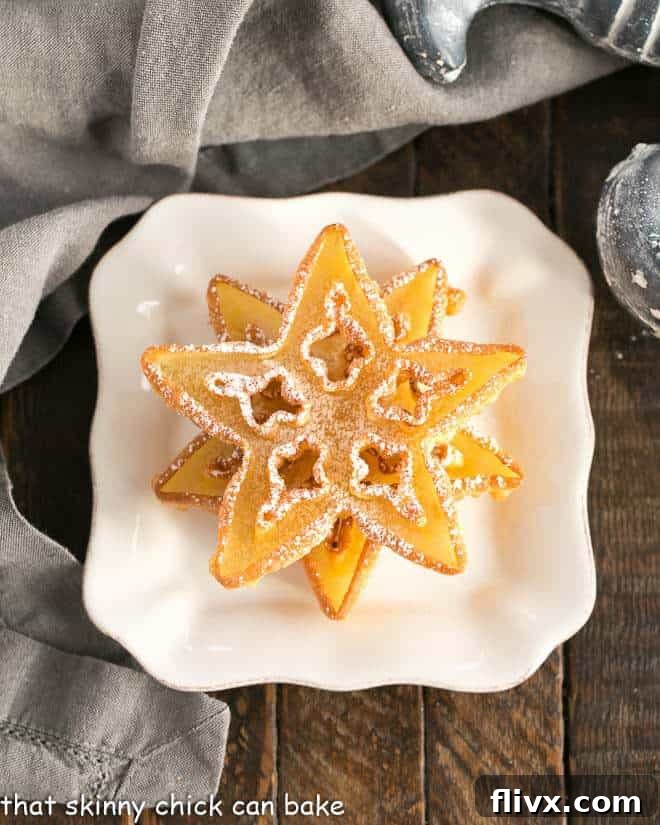
Rosettes Recipe
5 minutes
1 hour
1 hour 5 minutes
36
A beautiful and delicate Scandinavian deep-fried cookie, perfect for Christmas and other holiday celebrations!
Ingredients
- 2 large eggs
- 1 tablespoon granulated sugar
- 1 cup all-purpose flour
- 1 cup whole milk
- 2 teaspoons pure vanilla extract
- ¼ teaspoon fine salt
- Powdered sugar for dusting
- Canola oil (or lard) for deep frying (approximately 3 inches deep in your pan)
Instructions
- In a medium bowl, combine eggs, granulated sugar, and salt. Whisk vigorously until well combined and slightly frothy. Gradually add the flour, milk, and vanilla extract, whisking constantly until the batter is completely smooth with no lumps. Be careful not to overmix, as this can create air bubbles.
- Heat canola oil (or lard) in a deep-fryer or a deep, heavy saucepan to 375ºF (190ºC). Use a candy thermometer to monitor the temperature closely and adjust heat as needed to maintain consistency.
- Submerge the rosette iron in the hot oil and heat for a full 2 minutes. This ensures the iron is hot enough for the batter to adhere properly.
- Carefully lift the hot iron from the oil, allowing any excess oil to drip off for a few seconds. Immediately dip the heated iron into the prepared batter, coating approximately 7/8ths up the sides of the iron. Crucially, ensure no batter flows over the very top edge of the iron. Immediately transfer the batter-coated iron back into the hot oil.
- Fry the rosette until it turns a lovely golden brown, usually about 30-60 seconds. The cookie should gently release from the iron into the oil. Remove the rosette to a paper towel-lined wire rack to cool and drain. If the rosette doesn’t easily slip off the iron, use the tip of a dinner knife to gently pry it loose.
- To continue, reheat the iron in the hot oil for about 1 minute between each cookie. Repeat the dipping and frying process until all the batter is used.
- Once all rosettes are completely cool, delicately dust them with powdered sugar just before serving. This creates their signature snowy finish and prevents the sugar from dissolving.
Notes
Recipe courtesy of my beloved mom.
It’s crucial not to overmix the batter; aim for a smooth consistency without incorporating excessive air bubbles, which can make the rosettes brittle.
Rosettes freeze exceptionally well. If you plan to freeze them, hold off on dusting with powdered sugar until they are fully thawed and at room temperature for the best presentation and texture.
Recommended Products
As an Amazon Associate and member of other affiliate programs, I earn from qualifying purchases.
- OXO Good Grips 11-Inch Better Balloon Whisk
- Rosette Iron
- KitchenAid 9-Speed Digital Hand Mixer
Nutrition Information:
Yield:
36
Serving Size:
1
Amount Per Serving (estimated, without oil absorption):
Calories: 35Total Fat: 0gSaturated Fat: 0gTrans Fat: 0gUnsaturated Fat: 0gCholesterol: 11mgSodium: 22mgCarbohydrates: 7gFiber: 0gSugar: 4gProtein: 1g
Calories and fat information provided is an estimate based on the ingredients and does not include the oil absorbed during the deep-frying process, which can vary significantly.
HOW MUCH DID YOU LOVE THIS RECIPE?
Please leave a comment on the blog or share a photo on Pinterest