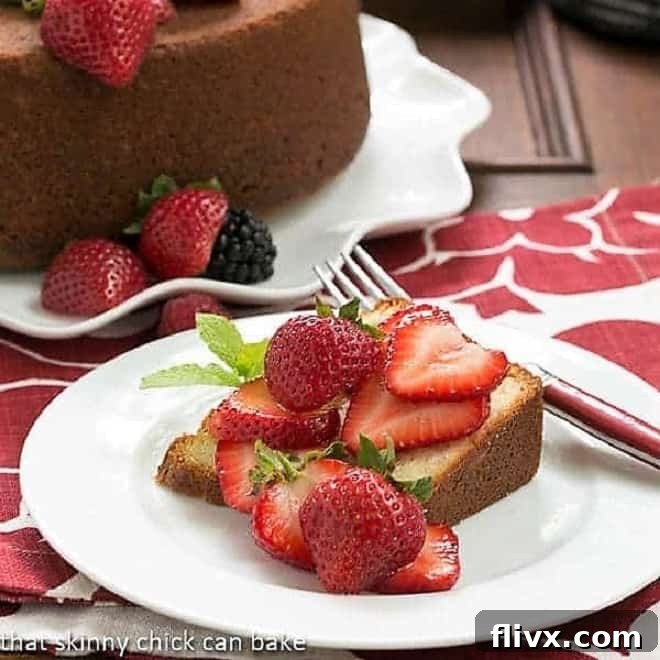
The Ultimate Vanilla Pound Cake Recipe: A Classic, Versatile Dessert
There are some dessert recipes that simply stand the test of time, and a classic Vanilla Pound Cake is undeniably one of them. Revered for its dense, buttery crumb and rich vanilla flavor, this cake is not just a treat for the taste buds but also a foundational recipe every home baker should master. Its elegance lies in its simplicity, making it the perfect canvas for a myriad of toppings and creative dessert applications.
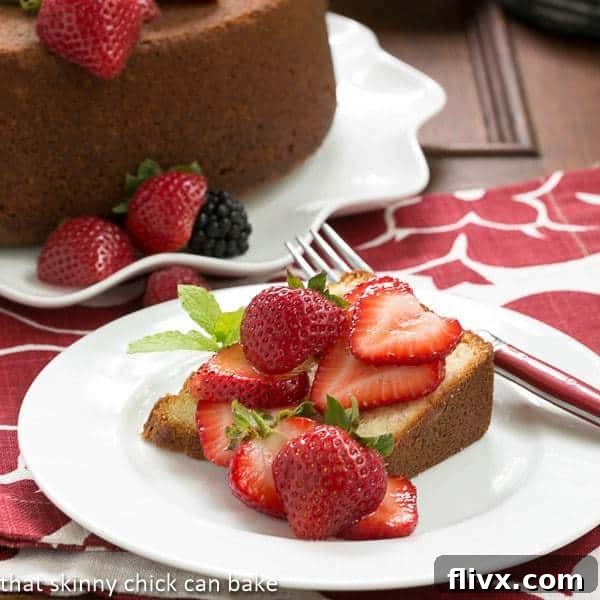
A truly Simple Pound Cake Recipe offers unparalleled versatility. Imagine a warm slice, served elegantly with a dollop of fresh whipped cream and vibrant berries, or perhaps a scoop of your favorite ice cream drizzled with a decadent fudge or caramel sauce. Beyond these classic pairings, pound cake can be transformed into impressive layered desserts like trifles or parfaits, making it an indispensable component of any entertaining menu.
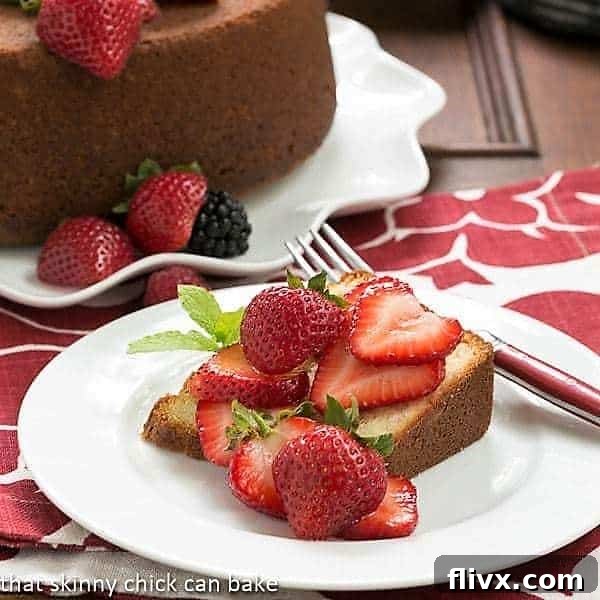
Why This Vanilla Pound Cake Will Become Your Go-To Recipe
Every year, our family embarks on a summer journey to visit loved ones. On our most recent trip, with my spry 87-year-old mother-in-law having just frozen eight quarts of ripe strawberries, I knew exactly what dessert to bring. A freshly baked Vanilla Pound Cake, carefully wrapped and nestled among the suitcases, was the perfect complement to her bounty. This particular recipe consistently earns rave reviews, not just for its exquisite flavor but also for its remarkable adaptability.
Here’s why this Homemade Vanilla Pound Cake recipe is a must-make:
- Unmatched Versatility: The beauty of a simple vanilla pound cake lies in its ability to adapt to any occasion or craving. It’s truly a dessert chameleon.
- Endless Serving Possibilities: Thin slices can be served warm or at room temperature. Enjoy it with a homemade Fresh Strawberry Compote, a medley of other seasonal berries, sweetened whipped cream, or a luxurious scoop of vanilla bean ice cream accompanied by a rich fudge or caramel sauce. For minimalist palates, a simple dusting of powdered sugar is pure perfection.
- Creative Leftover Transformations: Should you find yourself with any leftovers (a rare occurrence!), this cake is ideal for crafting delightful trifles. Layer cubes of pound cake with fresh berries, your favorite fruit jam, and clouds of whipped cream for an elegant, easy dessert. It also works wonderfully in parfaits or even as a base for strawberry shortcake.
A Glimpse into the History of Pound Cake
The name “Pound Cake” itself offers a charming peek into its historical origins. Dating back to the 18th century, the original recipe was remarkably straightforward, calling for a pound each of butter, sugar, flour, and eggs. This simple, balanced ratio yielded a dense, rich cake that quickly became a beloved staple. Over centuries, while variations and refinements have emerged, the fundamental principles of a tender, moist, and flavorful cake remain at its heart. Our modern Vanilla Pound Cake pays homage to this heritage, offering a slightly more nuanced flavor profile while retaining the classic texture.
Essential Ingredient Notes for a Perfect Pound Cake
Creating a truly exceptional pound cake begins with understanding your ingredients. While many seem like basic pantry staples, a few key considerations can elevate your cake from good to extraordinary.
- Flour, Salt, Sugar: These are the foundational elements. Use all-purpose flour unless otherwise specified. Fine-grain granulated sugar helps create that signature tender crumb.
- Baking Powder: Unlike baking soda, baking powder has a shorter shelf life. Always check the expiration date. If it’s been in your pantry for a while, you can test its potency: simply drop a spoonful into a cup of very hot or boiling water. If it fizzes vigorously, it’s still active and ready to use. This ensures your cake achieves the proper lift without compromising its dense structure.
- Unsalted Butter: Opting for unsalted butter is crucial as it gives you complete control over the total salt content in your cake. Different brands of salted butter vary in their sodium levels, which can lead to unpredictable results. Ensure your butter is at perfect room temperature – soft enough to make an indentation with your finger, but not melted.
- Eggs: Use large eggs and ensure they are at room temperature. Room temperature eggs emulsify better with the butter and sugar, leading to a smoother, more uniform batter and a more tender final product. Lightly whisking them before adding can also aid in incorporation.
- Milk: Similar to eggs, milk should be at room temperature. I typically use 2% milk for this recipe, but whole milk also works beautifully, contributing to a richer flavor and moist texture. The temperature helps prevent the batter from curdling when mixed with the creamed butter and sugar.
- Vanilla Extract: This is where your cake gets its defining flavor. Invest in a good quality pure vanilla extract. Avoid imitation vanilla, as it often has an artificial aftertaste that can detract from the cake’s overall deliciousness. A high-quality vanilla makes a noticeable difference.
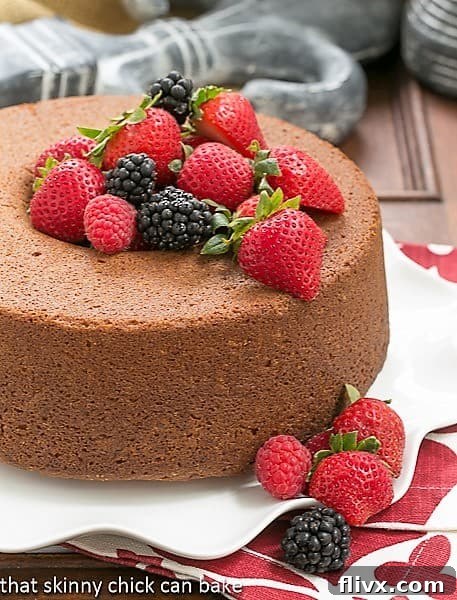
Essential Baking Tips for the Perfect Pound Cake
My friend Jane recently declared this the best pound cake she’d ever tasted, and I must admit, it gives my Best Pound Cake recipe a run for its money. This recipe yields a tight, moist crumb with a pronounced, delightful vanilla punch. What’s more, it doesn’t demand specialty cake flour, making it incredibly convenient for those whose pantries aren’t always fully stocked. If you’re looking for a show-stopping cake for the holiday season, my Holiday Cream Cheese Pound Cake is another recipe that always sparks conversation!
Achieving that coveted dense, yet tender and moist pound cake texture involves a few critical steps:
- Use a Stand Mixer with a Paddle Attachment: If available, your stand mixer with a paddle attachment is your best friend for this recipe. The paddle attachment minimizes the amount of air beaten into the batter, which is key to developing that fine, close, and moist crumb characteristic of a true pound cake. Over-aeration can lead to a lighter, more open texture, which is not what we’re aiming for here.
- Proper Flour Measurement is Key: This is one of the most common baking errors. Avoid scooping flour directly from the bag with your measuring cup, as this compacts the flour and results in using too much. Instead, fluff the flour in its container with a spoon, then gently spoon it into your measuring cup until it overflows. Use the back of a knife or an offset spatula to level off the excess. This method ensures you have the correct amount, preventing a dry or tough cake.
- Room Temperature Ingredients are Non-Negotiable: As mentioned, large eggs and milk at room temperature are vital. They emulsify more easily with the creamed butter and sugar, creating a smooth, homogenous batter that holds together beautifully and bakes more evenly.
- Follow Mixing Instructions Precisely: The order and duration of mixing each ingredient are crucial for pound cake success. Creaming the butter and sugar adequately, then adding eggs slowly, and finally alternating dry and wet ingredients until just combined, all contribute to developing the fine, dense crumb that pound cakes are celebrated for. Avoid overmixing, especially after adding flour, as this can develop gluten and lead to a tough cake.
- Adjust Salt if Using Salted Butter: If you find yourself without unsalted butter and must use salted, be sure to decrease the amount of added salt in the recipe. A general guideline is to reduce the recipe’s salt by about ¼ teaspoon per stick of salted butter used.
- Prepare Your Pan Meticulously: Even with a nonstick tube or Bundt pan, proper preparation is essential to prevent sticking. Always butter and flour the pan thoroughly, ensuring every crevice is coated. This creates a release layer that guarantees your beautifully baked cake will unmold perfectly.
- Don’t Forget to Preheat: Ensure your oven is fully preheated to the specified temperature before placing the cake inside. An accurate oven temperature is vital for even baking and proper rise.
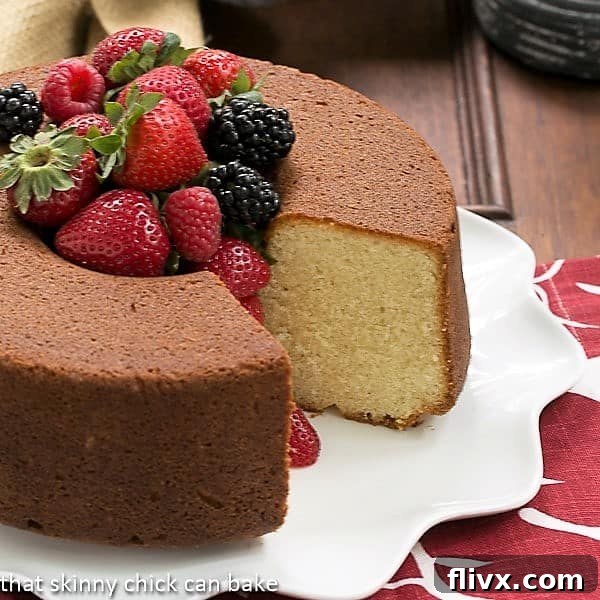
Serving Suggestions and Creative Variations
While delicious on its own, a vanilla pound cake truly shines when paired with thoughtful accompaniments. Its rich yet neutral flavor profile makes it incredibly adaptable to a variety of seasonal and thematic pairings.
- Classic Fruit Pairings: Fresh berries (strawberries, raspberries, blueberries) are always a winner. Consider a quick berry compote by simmering berries with a touch of sugar and lemon juice. Sliced peaches, grilled pineapple, or roasted plums also offer delightful contrasts.
- Decadent Sauces: Elevate a simple slice with a drizzle of warm chocolate ganache, a rich caramel sauce, or a tangy lemon curd. These additions transform the cake into a more indulgent dessert experience.
- Creamy Toppings: Whipped cream, crème fraîche, or even a mascarpone cream add a luxurious, cooling counterpoint to the dense cake.
- Glazes and Frostings: For an extra layer of sweetness and visual appeal, a simple vanilla glaze (powdered sugar and milk/vanilla), a lemon glaze, or a light cream cheese frosting can be added once the cake is cooled.
- Dessert Transformations: Cut cooled pound cake into cubes and use it as the base for mini trifles or parfaits layered with fruit, yogurt, granola, or custards. You can even lightly toast slices for a delightful morning treat with butter and jam.
Frequently Asked Questions About Vanilla Pound Cake
The name “pound cake” originates from the traditional recipe’s ingredient proportions: a pound each of butter, sugar, flour, and eggs. This classic ratio gives the cake its characteristic dense texture and rich flavor.
Ensuring a moist pound cake involves several crucial steps. First and foremost, avoid overbaking. Start checking your cake for doneness about 10-15 minutes before the recipe’s minimum bake time. Insert a toothpick into the center; if it comes out clean or with only moist crumbs attached, the cake is done. Overbaking is the quickest way to a dry cake. Additionally, meticulously follow the mixing instructions: thoroughly creaming the butter and sugar, adding eggs slowly one at a time, and using a paddle attachment (if you have one) all contribute to a fine, dense, and moist crumb.
For optimal freshness, leftover pound cake should be wrapped tightly in plastic wrap to prevent it from drying out. It can be stored at room temperature for 5-7 days. For longer storage, pound cake freezes exceptionally well. Wrap it airtight in several layers of plastic wrap and then foil to protect against freezer burn. It can be frozen for up to 2 months. To serve, simply defrost the cake overnight in the refrigerator, then bring it to room temperature before slicing and enjoying.
Absolutely! Pound cakes are excellent make-ahead desserts. Their dense texture allows them to stay fresh and moist for several days at room temperature when properly stored. You can bake it a day or two before your event, or even freeze it for a few weeks, allowing you to focus on other preparations closer to serving time.
A 10-inch tube pan or a Bundt pan is ideal for pound cake. These pans typically have a central core that helps the dense batter bake more evenly and thoroughly. Ensure your pan is nonstick and always butter and flour it thoroughly to prevent sticking.
You May Also Love These Cake Recipes
If you’ve enjoyed this classic vanilla pound cake, you might be interested in exploring other delicious variations and cake recipes:
- Apple Pound Cake from Julie Blanner
- Key Lime Pound Cake
- Sour Cream Pound Cake
- Whipping Cream Pound Cake
- Discover more of the Best Cake Recipes
Stay connected and share your baking adventures! Find me on Instagram, Facebook, and Pinterest. Don’t forget to tag me when you try one of my recipes! If you love the results, please consider leaving a 5-star rating in the recipe section below.
The Recipe:
Vanilla Pound Cake Recipe
20 minutes
1 hour 5 minutes
1 hour 25 minutes
12 servings
A dense, delicious, and incredibly versatile pound cake that’s perfect for any occasion.
Ingredients
- 3 cups flour
- 2 teaspoons baking powder
- ½ teaspoon salt
- 2 sticks (8 oz each) unsalted butter, at room temperature
- 2 cups sugar
- 3 large eggs, at room temperature, lightly whisked
- 1 cup milk, at room temperature (2% or whole milk)
- 2 teaspoons vanilla extract (pure vanilla is best)
Instructions
- Sift the flour, baking powder, and salt together into a medium bowl. (Note: While sifting is recommended for the lightest texture, many successful bakers skip this step without significant issue).
- In a large bowl of a stand mixer fitted with the paddle attachment (or using a handheld mixer), beat the softened butter at medium speed until smooth and creamy. Gradually add the sugar in a steady stream with the mixer running. Scrape down the sides of the bowl as needed. Continue beating for 4 to 5 minutes until the mixture is light, fluffy, and pale in color.
- With the mixer still running at medium speed, add the lightly whisked eggs in small additions, about a tablespoon at a time. Beat well after each addition. If the mixture appears watery or begins to separate, stop adding eggs and beat for an additional minute until it comes back together. Scrape down the sides of the bowl frequently. The mixture is properly combined when it looks white, fluffy, and has noticeably increased in volume.
- Reduce the mixer speed to low. Gradually add the sifted flour mixture and the room temperature milk alternately, beginning and ending with the flour. Add approximately one-quarter of the flour mixture, mix until just combined, then add one-third of the milk, mix until just combined. Repeat this pattern (4 additions of flour, 3 of milk), scraping down the sides of the bowl as needed, until the batter is smooth after each addition. Be careful not to overmix.
- Add the vanilla extract and mix on low speed just until it is fully blended into the batter, about 10-15 seconds.
- Pour the batter evenly into a thoroughly buttered and floured 10-inch tube pan or Bundt pan. Gently tap the pan on the counter a couple of times to release any large air bubbles.
- Bake in a preheated oven at 350°F (175°C) for 55 to 65 minutes, or until a wooden skewer or toothpick inserted into the center of the cake comes out clean.
- Allow the cake to cool in the pan on a wire rack for 10-15 minutes. Then, carefully invert the cake onto the wire rack to cool completely to room temperature before slicing and serving.
Notes
This recipe is adapted from a classic method found in “Baking with Julia” by Flo Braker.
- Always ensure your baking powder is fresh for the best results; its shelf life is shorter than baking soda.
- If you choose to use salted butter instead of unsalted, remember to reduce the amount of added salt in the recipe by about ¼ teaspoon per stick of butter.
- For an extra touch of richness, you can experiment with adding a tablespoon of sour cream or heavy cream to the milk for a moister cake.
- Cooling the cake completely before slicing yields cleaner cuts and prevents it from falling apart.
Recommended Products
As an Amazon Associate and member of other affiliate programs, I earn from qualifying purchases through the links below.
- Non-stick Tube Pan
- 10-Inch Wire Whisk
- KitchenAid Artisan Stand Mixer
Nutrition Information:
Yield:
12 servings
Serving Size:
1 slice
Amount Per Serving:
Calories: 290
Total Fat: 4g
Saturated Fat: 2g
Trans Fat: 0g
Unsaturated Fat: 2g
Cholesterol: 53mg
Sodium: 223mg
Carbohydrates: 59g
Fiber: 1g
Sugar: 33g
Protein: 6g