
Indulge in Decadence: The Ultimate Sugar-Crusted French Toast Recipe
Sugar-Crusted French Toast isn’t just breakfast; it’s a sublime experience with its double coating of caramelized sugar and an extra-rich, vanilla-infused custard. A truly unforgettable treat perfect for a luxurious morning or a comforting dessert!
Elevate your breakfast game with this outstanding French Toast recipe. Through a few simple yet impactful twists, we transform a classic into an extraordinary culinary delight. The secret lies in a lavish custard, enriched with extra egg yolks and generous splashes of real vanilla extract, all culminating in an irresistible sugary crust that promises a symphony of textures and flavors. Prepare to create a dish that will be remembered long after the last bite.

Why This Sugar-Crusted French Toast Recipe is a Must-Try
After countless renditions of French toast, we’ve perfected a recipe that stands head and shoulders above the rest. Inspired by classic techniques and elevated with gourmet touches, this isn’t your everyday breakfast item. Here’s what makes our Sugar-Crusted French Toast truly exceptional:
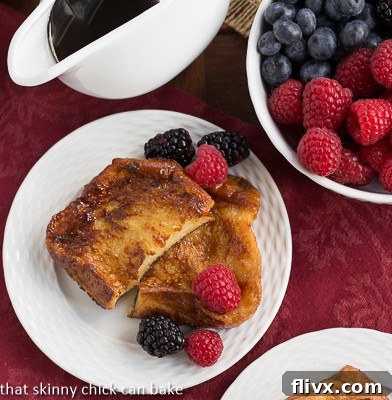
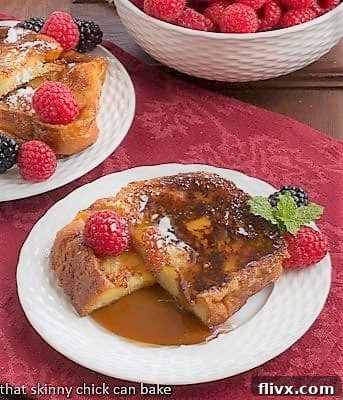
- The Dazzling Sugar Crust: Unlike traditional French toast, this recipe features a double layer of sugar that caramelizes into a glistening, crisp crust during frying. This creates an incredible textural contrast with the soft, custardy interior, adding a depth of flavor and a satisfying crunch with every bite.
- Luxuriously Rich Custard: We enhance the standard egg mixture with additional egg yolks, lending unparalleled richness and a silky texture to the interior of the toast. This, combined with a blend of whole milk and cream, ensures a deeply satisfying and indulgent soak for your bread.
- Aromatic Vanilla Infusion: Forget subtle hints; we champion a generous “slosh” of real vanilla extract. This fragrant addition permeates the bread, creating an intoxicating aroma and a robust, comforting flavor profile that is utterly irresistible.
- The Perfect Bread Base: The foundation of exceptional French toast is the bread. We advocate for thick slices of eggy brioche or challah, preferably slightly stale, which are perfectly suited to absorb the rich custard without falling apart, ensuring a magnificent texture from edge to edge.
While my mom might have favored a pinch of nutmeg, the combination of extra yolks, rich dairy, and abundant vanilla in this recipe creates a profile that is both decadent and familiar, offering a nostalgic nod to classic comfort while pushing the boundaries of gourmet breakfast.
Mastering the Art of Sugar-Crusted French Toast: Expert Tips & Tricks
Achieving French toast perfection is an art, and with these expert tips, you’ll be creating culinary masterpieces in no time. From selecting the right bread to mastering the sizzle, we’ve got you covered for the tastiest results:
- The Bread is Key: Always opt for a sturdy, slightly stale bread like brioche, challah, or even a good quality Texas toast. Stale bread absorbs the custard beautifully without becoming mushy. If your bread is fresh, simply leave it uncovered on the counter for an hour or two (flipping once) to dry it out slightly. This minor step makes a major difference in texture.
- Optimal Soaking: Don’t rush the soak! Place your bread slices in the rich vanilla custard mixture in a single layer and allow them to soak for approximately 3 minutes per side, or until thoroughly saturated but not waterlogged. The goal is a fully flavored interior that still holds its structure.
- The Perfect Fry: For maximum flavor and browning, fry your French toast in a combination of butter and a neutral oil (like vegetable or canola oil). Butter provides an unparalleled richness, while the oil helps prevent the butter from burning at higher temperatures, ensuring an even, golden crust. Maintain a medium heat – too high and the outside will burn before the inside cooks; too low and it will absorb too much fat.
- Double the Sugar, Double the Delight: This is where the magic happens! Before placing your soaked bread in the skillet, sprinkle a generous amount of sugar directly into the melted butter and oil. This forms the first layer of caramelization. Once the first side is beautifully golden, sprinkle more sugar on the uncooked side *before* flipping. This double application creates an intensely crisp, sweet, and caramelized crust on both sides – a truly signature characteristic of our Sugar-Crusted French Toast.
- Serve Immediately: French toast is best enjoyed fresh off the skillet when the crust is at its crispiest and the interior is warm and custardy. Arrange on plates with your favorite toppings and savor every glorious bite.
While some might relegate French toast to breakfast, its rich and indulgent nature makes it a fantastic dessert option too. My husband, ever the traditionalist, happily approved this as a decadent start to the day. It’s certainly a more elevated (and perhaps less guilt-inducing!) treat than some store-bought alternatives, proving that a little sugar can truly make your morning – or evening – shine.
Frequently Asked Questions About French Toast
What is French Toast?
French toast, known as pain perdu (meaning “lost bread”) in France, is a beloved breakfast dish made by dipping slices of bread into an egg and milk (or cream) mixture, then frying them in a skillet until golden brown. It earned its French name because it was traditionally a clever way to utilize stale or “lost” bread, preventing waste and transforming it into a delicious meal. It’s commonly served with a variety of toppings like maple syrup, powdered sugar, fruit, or jam.
Why is My French Toast Soggy?
Soggy French toast is a common complaint, but easily avoidable! Several factors can contribute to it:
- Over-soaking: If you soak your bread for too long, it will become oversaturated with custard, preventing it from cooking through properly. Aim for saturation, not submersion to the point of disintegration.
- Wrong Bread Choice: Using very soft, fresh bread can lead to sogginess, as it lacks the structure to hold up to the liquid. Always choose a sturdy, slightly stale bread.
- Improper Custard Ratio: A custard with too much liquid compared to eggs can result in a weaker structure that cooks unevenly. Ensure your custard is well-mixed and balanced.
- Heat too High/Low: Cooking on excessively high heat will brown the exterior too quickly, leaving the inside uncooked and soggy. Conversely, cooking on very low heat for too long can cause the bread to absorb too much grease. Medium heat is ideal for even cooking.
What Kind of Pan is Best to Make French Toast?
A good quality nonstick skillet or a griddle is highly recommended for making French toast. The nonstick surface ensures easy flipping and prevents the bread from sticking, allowing you to achieve that beautiful, even golden-brown crust without tearing. A large pan or griddle also allows you to cook multiple slices at once, speeding up the process.
Should You Fry French Toast in Butter or Oil?
For the absolute best results, we recommend frying French toast in a combination of butter and a neutral vegetable oil. Butter imparts an incredible, rich flavor and helps achieve a golden-brown finish. However, butter alone can burn easily at medium-high heat due to its low smoke point. Adding a tablespoon of vegetable oil to the butter elevates its smoke point, allowing you to cook the French toast without burning the butter, while still enjoying its delicious flavor. This combination ensures a beautifully caramelized crust and prevents any acrid burnt notes.
You May Also Love These Decadent Breakfast & Brunch Recipes
If you’ve fallen in love with our Sugar-Crusted French Toast, explore more of our delightful breakfast and brunch creations:
- Raspberry Mascarpone French Toast Casserole
- Cinnamon Bread French Toast Casserole
- Grand Marnier French Toast
- Strawberry Mascarpone French Toast
- For an autumnal twist, try our Pumpkin French Toast
- And don’t miss our full collection of marvelous Breakfast and Brunch Recipes!
The Ultimate Sugar-Crusted French Toast Recipe

An elegant French Toast recipe dipped in rich, vanilla-infused custard, then coated in sugar and pan-fried to achieve a glorious, caramelized crust.
Prep Time: 15 minutes
Cook Time: 10 minutes
Total Time: 25 minutes
Yield: 6 servings
Rated: 4.9 out of 5 stars by 11 reviewers.
Ingredients
- 6 large eggs
- 3 large egg yolks
- 3 ½ cups whole milk
- ⅔ cup plus 8 tablespoons granulated sugar (divided)
- 1 tablespoon vanilla extract
- ½ teaspoon salt
- 6 slices (approximately 4x4x1-inch each) sturdy egg bread (such as brioche or challah)
- 6 tablespoons (¾ stick) unsalted butter
Instructions
- In a large baking dish, whisk together the large eggs, egg yolks, whole milk, ⅔ cup of the granulated sugar, vanilla extract, and salt until thoroughly combined and smooth.
- Place the bread slices in a single layer in the prepared egg mixture. Spoon some of the custard over the bread to ensure full saturation. Let stand until soaked through, approximately 3 minutes per side.
- Melt 3 tablespoons of the butter in a large nonstick skillet over medium heat. Once melted, sprinkle 2 tablespoons of the remaining granulated sugar evenly into the skillet.
- Carefully add 3 bread slices to the skillet. Cook until the bottom is a deep golden brown and beautifully caramelized, which typically takes about 3 minutes.
- While the first side cooks, sprinkle the tops of the bread slices in the skillet with another 2 tablespoons of granulated sugar. Then, using a spatula, carefully turn the slices over and cook until the second side is also deep golden brown and caramelized, about 3 minutes more.
- Transfer the cooked French toast slices to individual plates. Repeat the process with the remaining 3 tablespoons of butter, 4 tablespoons of sugar, and 3 slices of bread.
- Serve your Sugar-Crusted French Toast immediately with your favorite toppings, such as fresh berries, maple syrup, whipped cream, or fruit compote.
Notes
Challah or Brioche are excellent choices for this recipe due to their rich, eggy texture and ability to absorb the custard without becoming soggy.
Nutrition Information:
Amount Per Serving (1 slice):
- Yield: 6 servings
- Serving Size: 1 slice
- Calories: 389
- Total Fat: 15g
- Saturated Fat: 6g
- Trans Fat: 0g
- Unsaturated Fat: 7g
- Cholesterol: 344mg
- Sodium: 498mg
- Carbohydrates: 44g
- Fiber: 1g
- Sugar: 25g
- Protein: 18g
Keywords: Cooking, Breakfast, Brunch, Dessert, French Toast, Sugar Crust, Brioche, Decadent, Easy French Toast
Cuisine: American
Category: Brunch