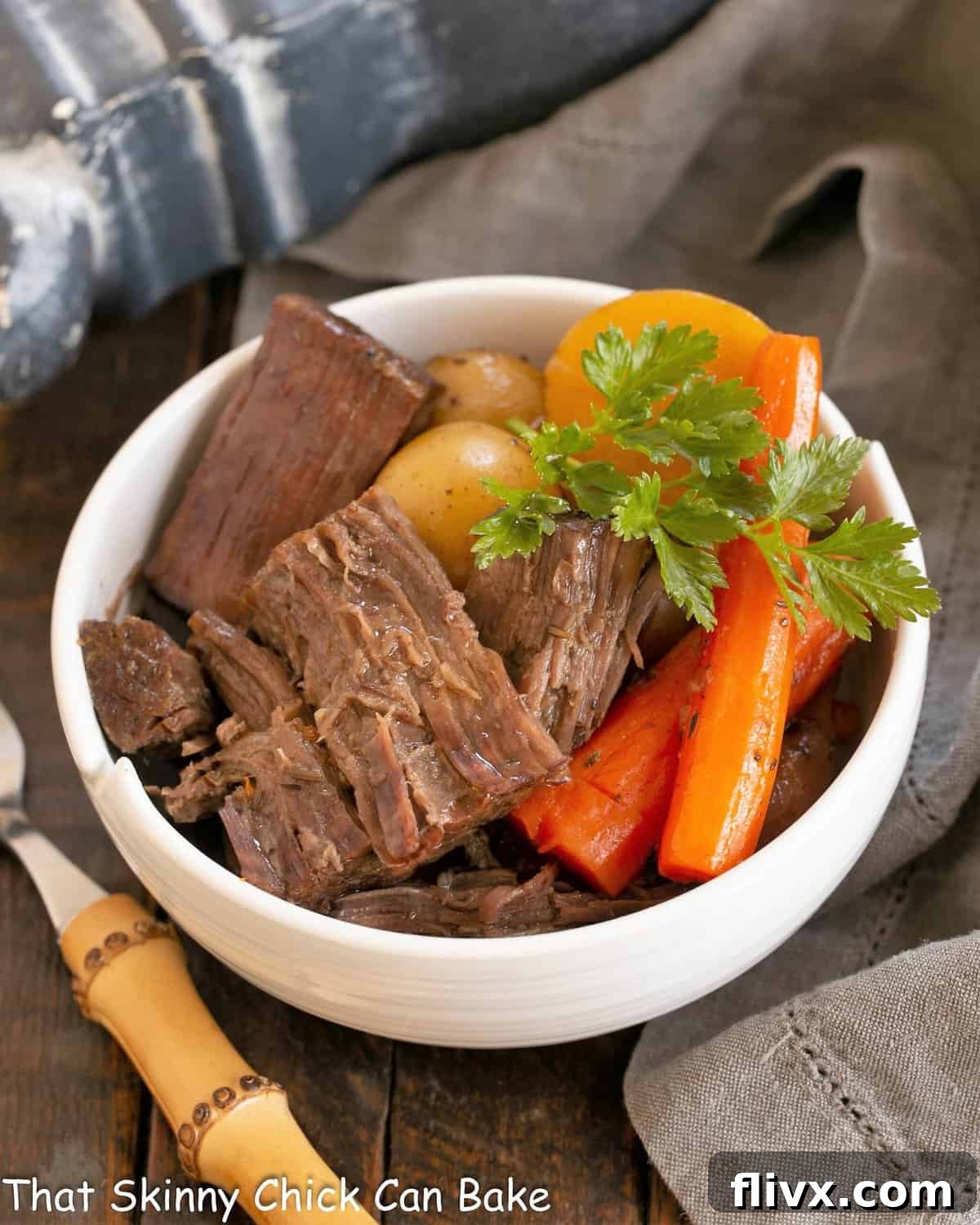
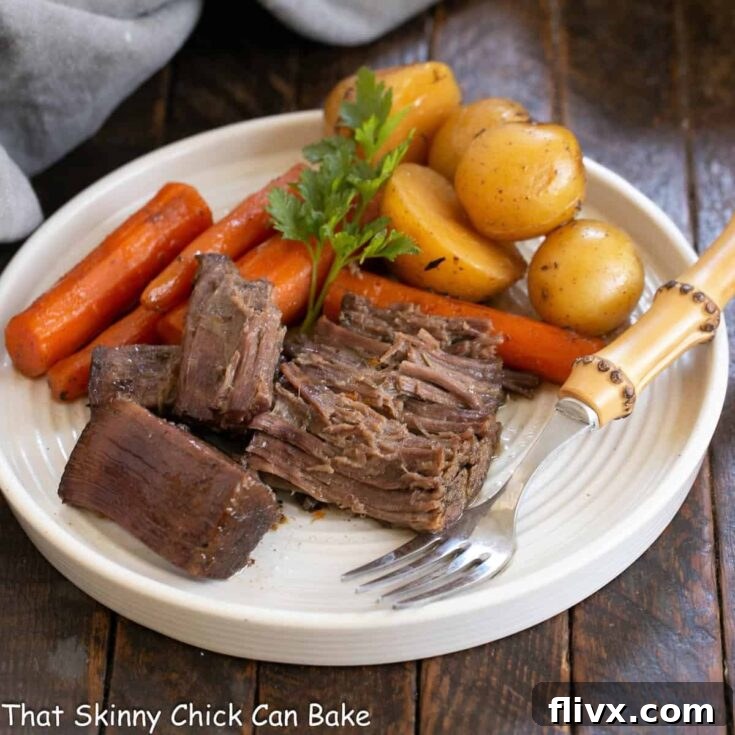
Indulge in the ultimate comfort food with this incredibly flavorful Beef Chuck Roast recipe, meticulously crafted to ensure a fall-apart tender meal with minimal effort. This guide will walk you through mastering the art of cooking a chuck roast in your oven, transforming a humble cut of beef into a culinary masterpiece that’s perfect for any occasion. Prepare to impress your family and friends with a delicious, hearty one-pot meal that practically cooks itself.
One-pot recipes are a godsend for busy home cooks, offering a delightful blend of rich flavors and incredibly easy cleanup. Once you unlock the secrets to achieving perfectly tender beef and vegetables, this oven-baked pot roast will undoubtedly become a cherished staple in your weekly menu rotation. It’s a timeless classic that promises warmth, satisfaction, and an irresistible aroma that fills your home.
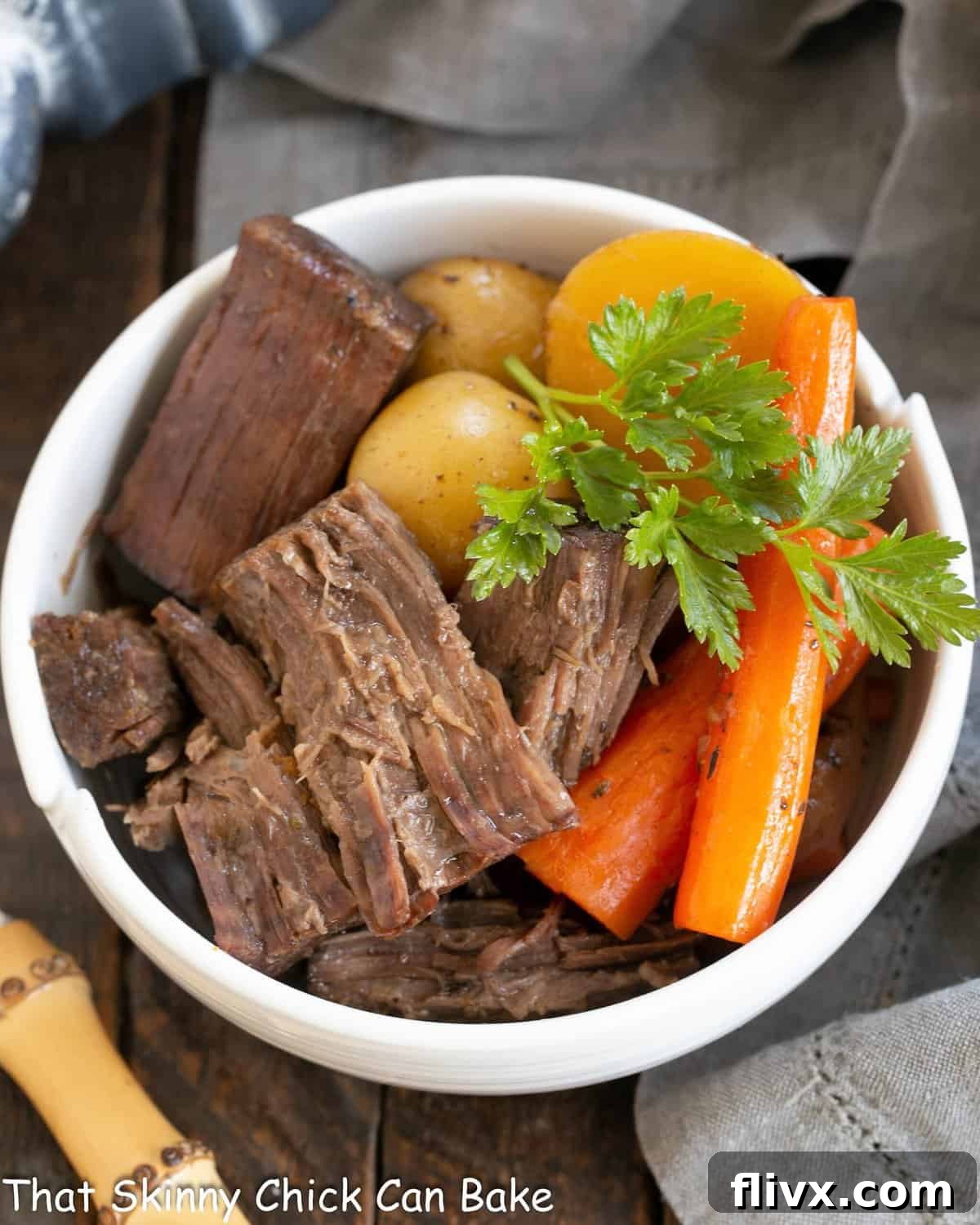
Why This Oven Chuck Roast is a Must-Make Recipe
There are countless reasons why this oven-cooked beef chuck roast deserves a prime spot in your culinary repertoire. It’s more than just a meal; it’s an experience that combines affordability, incredible flavor, and surprising simplicity.
- Economical Elegance: Chuck roast is a relatively inexpensive cut of beef, making it an excellent choice for feeding a family without breaking the bank. Despite its affordability, when cooked properly, it transforms into an incredibly tender and flavorful dish that rivals more premium cuts. This recipe proves that you don’t need to spend a fortune to enjoy a luxurious, satisfying meal.
- Fork-Tender Perfection: The magic of slow cooking lies in its ability to break down the connective tissues in the chuck roast, resulting in meat that is so tender you can easily cut it with a fork. Our method, combining searing with a long, gentle braise in the oven, ensures every bite melts in your mouth, infused with savory juices and rich aromatics.
- Unforgettable Aroma: As this beef pot roast slowly braises in your oven, your kitchen will be filled with an intoxicating aroma of savory beef, aromatic herbs, and sweet vegetables. It’s an irresistible scent that builds anticipation and promises a truly comforting meal, creating a welcoming atmosphere in your home.
- Effortless One-Pot Wonder: This recipe simplifies mealtime. After a quick initial sear, the oven takes over, doing all the hard work while you go about your day. The result is not only a fantastic meal but also minimal cleanup, as everything cooks together in one pot – typically a Dutch oven.
- Versatile and Wholesome: Beyond its deliciousness, this pot roast is a complete meal in itself, packed with protein and hearty vegetables. It’s ideal for a cozy family dinner, a casual gathering with friends, or even as a make-ahead option for busy weeks. Its robust flavors are universally appealing, making it a crowd-pleaser every time.
Essential Ingredients for Your Perfect Pot Roast
Crafting the ultimate oven-baked chuck roast starts with selecting the right ingredients. Each component plays a vital role in building the deep, complex flavors that make this dish so irresistible.
- Quality Chuck Roast (3+ pounds): The star of our show. Look for a chuck roast that is well-marbled, meaning it has streaks of fat running through the meat. This marbling is key to both flavor and tenderness as it renders during the long cooking process. A boneless chuck roast is often preferred for easier slicing, but bone-in versions can add extra depth of flavor. This cut is also sometimes labeled as shoulder roast or pot roast.
- Kitchen Staples:
- Kosher Salt & Freshly Ground Black Pepper: Essential for seasoning the beef generously before searing. Don’t be shy; proper seasoning is the foundation of flavor.
- Olive Oil: Used for searing the beef, which locks in moisture and develops a rich, savory crust.
- Onion: A large onion, cut into wedges, provides a sweet and pungent base for the broth, adding layers of savory flavor as it slowly caramelizes.
- Garlic Cloves: Freshly minced garlic is non-negotiable for its aromatic depth, infusing the entire dish with its distinctive, warm essence.
- Hearty Vegetables:
- Carrots (6-8, peeled and cut into 3-4-inch chunks): Carrots add natural sweetness and vibrant color. Cutting them into larger chunks helps them hold their shape during the extended cooking time.
- New Potatoes (1 pound bag, larger ones cut in half): New potatoes are ideal for their creamy texture and ability to absorb the rich pan juices. Cutting larger ones ensures even cooking. You could also use small Yukon Gold potatoes.
- Flavorful Liquids:
- Broth (2 cups – Chicken or Beef): While beef broth is a natural choice for intensifying beef flavor, chicken broth works wonderfully too and is often what many have on hand. It provides the liquid base for braising and helps tenderize the meat.
- Red Wine (¾ cup – Optional, but highly recommended): Red wine acts as a phenomenal flavor enhancer, adding depth, acidity, and a touch of sophistication to the pot roast. It helps deglaze the pan, picking up all those delicious browned bits from searing. Choose a dry red wine you enjoy drinking, like a Cabernet Sauvignon or Merlot. If omitting, simply replace with additional broth.
- Dried Herbs (Rosemary, Thyme, Bay Leaf): These classic herbs are perfectly suited for beef, lending an earthy, aromatic profile that complements the rich flavors of the roast and vegetables. A bay leaf provides a subtle, savory background note. For an even fresher aroma, a sprig of fresh rosemary or thyme can be added.
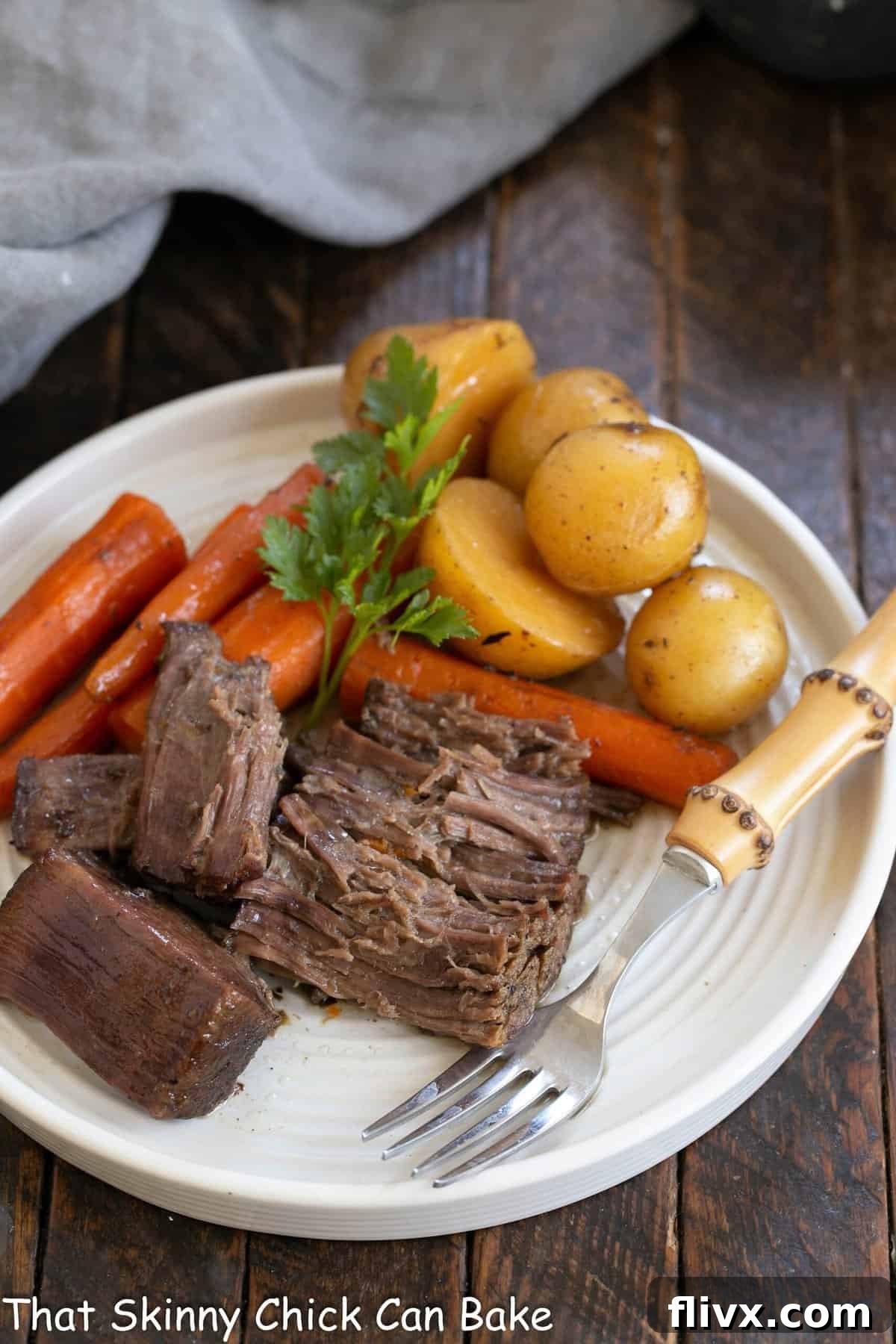
Mastering the Art: Step-by-Step Guide to Cooking Chuck Roast in the Oven
Cooking a perfectly tender beef chuck roast in the oven is simpler than you might think. Follow these detailed steps to achieve a flavorful, melt-in-your-mouth meal that will become a family favorite.
- Preheat Your Oven for Optimal Cooking: Begin by preheating your oven to 325°F (160°C). This ensures the oven is at a consistent temperature when the pot roast goes in, allowing for even, slow cooking that tenderizes the beef without drying it out.
- Sear the Chuck Roast for Deep Flavor: Heat 2 tablespoons of olive oil in a large, heavy-bottomed Dutch oven or oven-safe pot over medium-high heat. Pat the chuck roast dry with paper towels – this is crucial for achieving a good sear. Generously season both sides of the roast with Kosher salt and freshly ground black pepper. Carefully place the seasoned roast into the hot oil and sear each side for 3-5 minutes, until a rich, golden-brown crust forms. This searing step, known as the Maillard reaction, is vital for developing complex, savory flavors that form the foundation of your pot roast.
- Build the Aromatic Base: Once seared, remove the chuck roast from the Dutch oven and set it aside. Add the onion wedges and minced garlic to the pot, sautéing them for 2-3 minutes until softened and fragrant. If there are any browned bits stuck to the bottom of the pot, this is the perfect time to scrape them up using a wooden spoon – these are packed with flavor!
- Deglaze and Add Liquids: Return the seared chuck roast to the Dutch oven. Pour in the beef or chicken broth and the red wine (if using). Add the dried rosemary, dried thyme, and bay leaf. Bring the liquid to a gentle simmer on the cooktop, allowing the flavors to meld.
- Slow Braise in the Oven: Once simmering, cover the Dutch oven tightly with its lid. Carefully transfer the covered pot to your preheated oven. Let it cook undisturbed for the initial 2 hours. This long, slow braise is what breaks down the tough connective tissues in the chuck roast, transforming it into incredibly tender meat.
- Introduce the Vegetables: After the first 2 hours of cooking, carefully remove the Dutch oven from the oven. Uncover it and add the cut carrots and potatoes around the roast, nestling them into the savory liquid. Stir gently to ensure the vegetables are somewhat submerged.
- Continue Cooking to Fork-Tender Perfection: Re-cover the Dutch oven and return it to the oven for another 2 hours, or until both the beef and vegetables are exceptionally tender. The chuck roast should be so tender that it easily pulls apart with a fork, and the vegetables should be soft but still hold their shape. The exact cooking time may vary slightly depending on the thickness and size of your roast, so check for tenderness towards the end.
- Rest, Portion, and Serve: Once cooked, remove the Dutch oven from the oven. For best results, let the pot roast rest, covered, for 10-15 minutes before serving. This allows the juices to redistribute throughout the meat, ensuring maximum tenderness and flavor. Cut the beef into desired portions or shred it with two forks. Serve generously with the tender carrots, potatoes, and a few spoonfuls of the rich pan juices. Enjoy your magnificent one-pot meal!
Expert Tips for Your Best Chuck Roast Yet
Elevate your oven-baked chuck roast from great to extraordinary with these valuable tips and tricks, covering everything from thickening sauces to ingredient variations and meal prep strategies.
- Crafting a Velvety Gravy: If you desire a thicker, richer sauce to spoon over your pot roast, creating a simple slurry is the way to go. A slurry is a thin paste made from equal parts cornstarch (or flour) and cold liquid (water or some of the pan juices). For this recipe’s generous amount of liquid, start with 2 tablespoons of cornstarch mixed with 2 tablespoons of cold water until smooth. Remove the roast and vegetables from the pot and keep them warm. Bring the pan juices to a simmer on the stovetop, then gradually whisk in the slurry, stirring constantly until the sauce thickens to your desired consistency. Season with additional salt and pepper if needed.
- Embrace Vegetable Versatility: While carrots, potatoes, and onions are classic companions for pot roast, feel free to get creative with other hearty vegetables. Turnips, parsnips, butternut squash, or even sweet potatoes make excellent additions, adding different flavor profiles and textures. Add these firmer vegetables at the same time as the carrots and potatoes. For softer vegetables like mushrooms, which don’t require extended cooking, tuck them into the pot during the last hour of cooking to prevent them from becoming mushy. Celery stalks can also be added with the onions for an aromatic base.
- Exploring Meat Alternatives: If a chuck roast isn’t available, other cuts of beef can also shine in this slow-cooking preparation. Brisket, particularly the flat cut, benefits immensely from long, slow braising, yielding incredibly tender results. Beef short ribs are another fantastic option, offering rich, meaty flavor when braised until fall-off-the-bone tender. For a quicker option, consider using pre-cut stew meat (which is often derived from chuck roast itself) and adjust cooking times accordingly.
- Enhancing Flavor with Spices and Fresh Herbs: Don’t hesitate to experiment with your seasoning. A pinch of smoked paprika can add a subtle smoky depth, while a dash of Worcestershire sauce can boost umami flavor. While dried herbs are convenient, fresh rosemary and thyme sprigs added during the last hour of cooking will infuse the pot roast with a more vibrant, fresh aroma. You can also add a pinch of dried oregano or marjoram for another layer of complexity.
- The Importance of Resting: Just like any large cut of meat, allowing your chuck roast to rest for 10-15 minutes after it comes out of the oven is crucial. This resting period allows the muscle fibers to relax and reabsorb the juices, ensuring that every slice is tender, moist, and bursting with flavor. If you cut into it too soon, the juices will run out, leaving you with drier meat.
- Serving Suggestions Beyond the Pot: While this recipe is a complete meal, consider serving it with a side of crusty bread to sop up the delicious gravy. A light green salad with a vinaigrette dressing can provide a refreshing counterpoint to the rich flavors of the pot roast. For an extra indulgent touch, consider serving over a bed of creamy mashed potatoes or egg noodles.
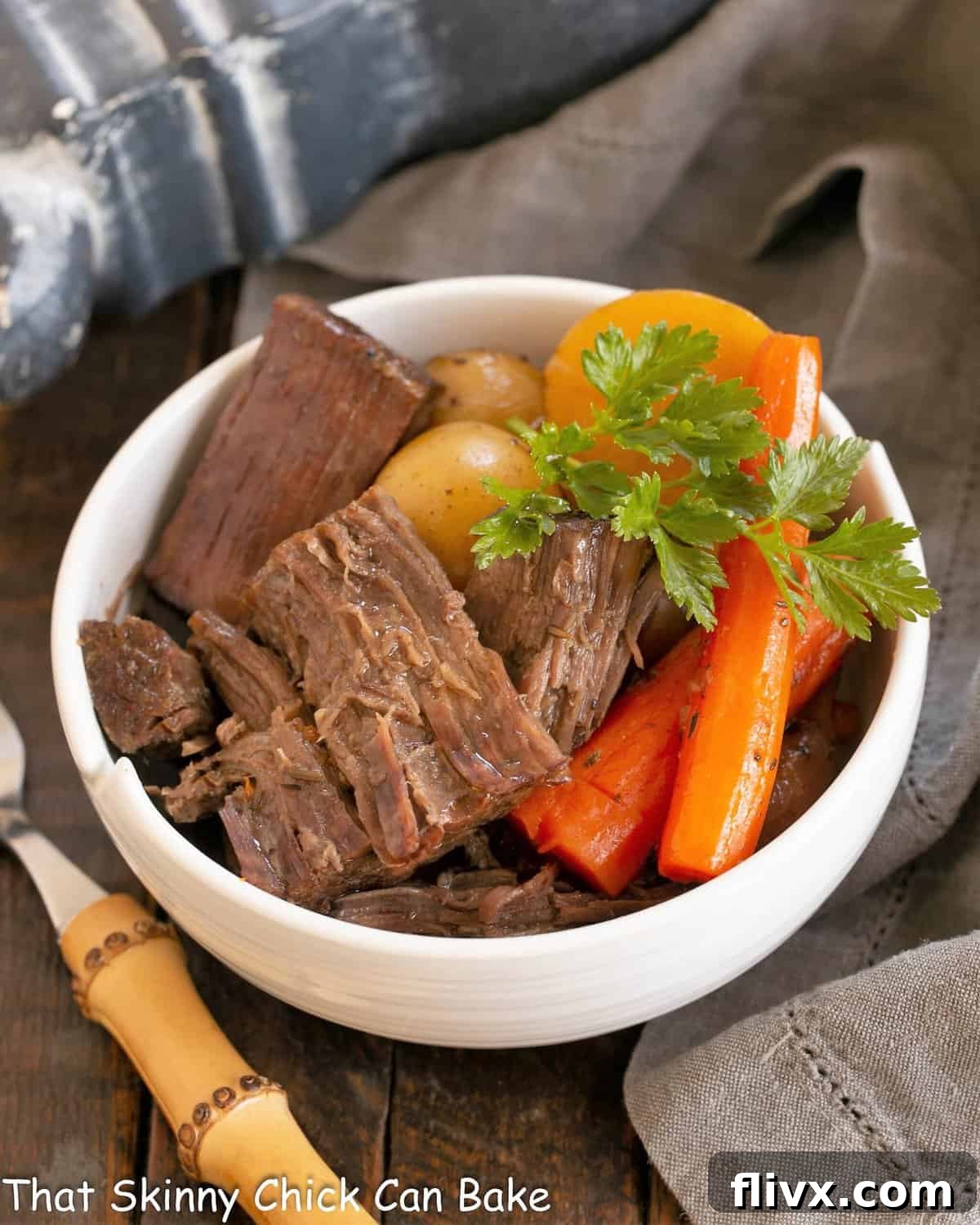
Frequently Asked Questions About Cooking Chuck Roast
A chuck roast is a cut of beef that comes from the shoulder area of the cow, specifically between the neck and the shoulder blade. It’s known for its rich beefy flavor and excellent marbling, but it also contains a good amount of connective tissue. This makes it a tougher cut initially, but it’s precisely this connective tissue that breaks down during slow cooking, transforming into gelatin and yielding an incredibly tender, moist, and flavorful roast. It’s an ideal cut for pot roasts, stews, and braised dishes.
The best way to determine if a chuck roast is done is not just by time, but by its internal temperature and, more importantly, its tenderness. While a thermometer will show it’s “cooked” around 145-160°F, for a truly fall-apart tender pot roast, you want the internal temperature to reach between 190-205°F. At this temperature, the collagen and connective tissues have fully broken down. You’ll know it’s ready when you can easily shred or pull the meat apart with a fork with very little resistance. The total cooking time can vary based on the size and thickness of your roast, as well as your oven’s true temperature.
For a perfect pot roast, “low and slow” is the golden rule. An oven temperature between 300°F (150°C) and 325°F (160°C) is generally considered ideal. This lower temperature allows the roast to braise gently over several hours, giving ample time for the tough connective tissues to dissolve into succulent gelatin, resulting in that desirable fork-tender texture. Anything much higher risks drying out the meat before it has a chance to fully tenderize.
Absolutely! This recipe adapts beautifully to a slow cooker, offering another convenient hands-off cooking method. After searing the chuck roast and sautéing the onions/garlic on the stovetop (if desired, though you can skip searing for ultimate simplicity in a slow cooker), transfer all ingredients to your slow cooker. Cook on high for 4-6 hours or on low for 8-10 hours. The exact timing will depend on your slow cooker model and the size of your roast. Always check for tenderness; the meat should be easily shreddable with a fork when ready.
Leftover beef chuck roast, along with its vegetables and gravy, should be stored in an airtight container in the refrigerator for 3-4 days. Always ensure the food has cooled to room temperature before refrigerating. It’s crucial to never leave cooked meat at room temperature for more than 2 hours to prevent bacterial growth. For longer storage, leftover meat can be frozen for up to 2 months. When freezing, it’s best to separate the meat from the vegetables if possible, as potatoes and carrots tend to become mushy and grainy in texture after being frozen and defrosted. You can always make fresh vegetables when reheating frozen pot roast.
While you technically *can* skip the searing step, it is highly recommended and truly worth the extra few minutes. Searing the chuck roast creates a beautiful browned crust through the Maillard reaction, which develops deep, complex, savory flavors that cannot be achieved through braising alone. This browning locks in a richer taste and significantly enhances the overall depth and appeal of your final pot roast.
For pot roast, a dry red wine such as Cabernet Sauvignon, Merlot, Pinot Noir, or even a Zinfandel works wonderfully. Choose a wine that you would enjoy drinking, as its flavors will concentrate in the dish. If you prefer not to use alcohol, or don’t have wine on hand, you can simply substitute the red wine with an equal amount of beef broth or even a non-alcoholic red wine substitute. A splash of red wine vinegar or balsamic vinegar (about 1-2 tablespoons) can also be added to broth to mimic the acidity and depth that wine provides.
Explore More Delicious Recipes
If you’ve loved this classic oven-baked chuck roast, you’ll be thrilled to discover more hearty and satisfying dishes from my collection. Whether you’re craving more slow-cooked perfection or exploring other beef favorites, these recipes are sure to inspire your next meal.
- Slow Cooker Mississippi Pot Roast from Moore or Less Cooking
- Oven Pot Roast with Mushrooms, Tomatoes, and Red Wine
- Easy Pot Roast Recipe
- Slow Cooked Beef Stew with Red Wine, Carrots and Tomatoes
- Slow Cooker Beef Barbacoa
- 30+ Slow Cooker Recipes
- Plus, More of my Best Beef Recipes
Stay connected and share your culinary creations with me on social media! Find me on Instagram, Facebook, and Pinterest. Don’t forget to tag me when you try one of my recipes! If you adore the results and found this recipe truly exceptional, please consider leaving a 5-star rating in the recipe card below. Your feedback helps other home cooks discover and enjoy these delicious meals!
Beef Chuck Roast Recipe
20 minutes
4 hours
4 hours 20 minutes
8 servings
This slow-cooked beef chuck roast, braised with tender vegetables and aromatic herbs, delivers an unforgettable one-pot meal that’s perfect for cozy gatherings and satisfying family dinners.
Ingredients
- 2 tablespoons of olive oil
- 4-pound chuck roast
- Kosher Salt and Freshly Ground Black Pepper
- 1 large onion, cut into wedges
- 6-8 carrots, peeled and cut into thirds
- 1 pound new potatoes, large ones cut in half
- 2 cups beef or chicken broth
- ¾ cup dry red wine (optional, or substitute with broth)
- 3-4 cloves of garlic, minced
- ½ teaspoon dried rosemary
- ½ teaspoon dried thyme
- 1 bay leaf
Instructions
- Preheat your oven to 325°F (160°C).
- Heat the olive oil in a large oven-safe pan with a lid (like a Dutch oven) over medium-high heat.
- Pat the chuck roast dry and season both sides generously with kosher salt and freshly ground black pepper.
- Sear the chuck roast in the hot oil for 3-5 minutes per side until nicely browned all over. Remove the roast and set aside.
- Add the onion wedges and minced garlic to the pot, sautéing for 2-3 minutes until fragrant. Return the roast to the pot.
- Pour in the beef or chicken broth and red wine (if using). Add the dried rosemary, dried thyme, and bay leaf. Bring the liquid to a gentle simmer on the cooktop.
- Cover the Dutch oven tightly and transfer it to the preheated oven. Cook for 2 hours.
- Carefully remove the pot from the oven, add the carrots and potatoes around the roast. Re-cover and return to the oven for an additional 2 hours, or until the chuck roast is fork-tender and the vegetables are soft.
- Let the roast rest for 10-15 minutes before slicing or shredding and serving with the tender vegetables and pan juices.
Notes
Recipe adapted from Spend with Pennies for an even richer flavor profile and simplified steps.
If a chuck roast is unavailable, a beef brisket or even boneless short ribs can be used as a delicious alternative, requiring similar slow cooking methods.
For a thicker gravy, create a slurry with 2 tablespoons cornstarch and 2 tablespoons cold water. Remove meat and veggies, bring pan juices to a simmer, then whisk in slurry until thickened.
Recommended Products
As an Amazon Associate and member of other affiliate programs, I earn from qualifying purchases.
- OXO Good Grips Swivel Peeler
- OXO Good Grips Carving & Cutting Board
- Le Creuset Enameled Cast Iron Signature Oval Dutch Oven
Nutrition Information:
Yield:
8
Serving Size:
1
Amount Per Serving:
Calories: 812Total Fat: 48gSaturated Fat: 19gTrans Fat: 2gUnsaturated Fat: 26gCholesterol: 238mgSodium: 390mgCarbohydrates: 19gFiber: 3gSugar: 3gProtein: 73g
Thatskinnychickcanbake.com occasionally offers nutritional information for recipes contained on this site. This information is provided as a courtesy and is an estimate only. This information comes from online calculators. Although thatskinnychickcanbake.com attempts to provide accurate nutritional information, these figures are only estimates.
Varying factors such as product types or brands purchased can change the nutritional information in any given recipe. Also, many recipes on thatskinnychickcanbake.com recommend toppings, which may or may not be listed as optional and nutritional information for these added toppings is not listed. Other factors may change the nutritional information such as when the salt amount is listed “to taste,” it is not calculated into the recipe as the amount will vary. Also, different online calculators can provide different results.
To obtain the most accurate representation of the nutritional information in any given recipe, you should calculate the nutritional information with the actual ingredients used in your recipe. You are solely responsible for ensuring that any nutritional information obtained is accurate.
HOW MUCH DID YOU LOVE THIS RECIPE?
Please leave a comment on the blog or share a photo on Pinterest