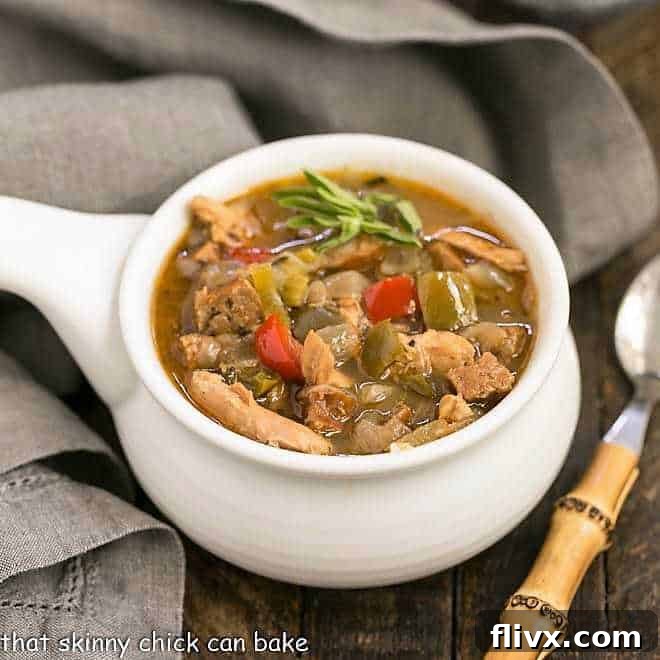
Hearty, robust, and infused with a captivating spice, this Sausage and Chicken Gumbo is a true culinary journey to the heart of Louisiana. Packed with succulent andouille sausage, tender shredded chicken, the essential bell peppers, celery, and onions, and served over fluffy rice, it’s a dish that promises to warm you from the inside out. This authentic Cajun chicken stew is much more than just a meal; it’s a celebration of Southern comfort food, perfect for gathering with loved ones, enjoying on a chilly evening, or making any game day feel like a festive occasion.
There’s an undeniable magic in a bowl of perfectly crafted gumbo. It speaks of history, tradition, and the vibrant culinary spirit of the bayou. Our recipe for Sausage and Chicken Gumbo captures that essence, delivering a deeply flavorful and satisfying experience that will leave a lasting impression. Get ready to embark on a delicious adventure as we delve into the secrets of creating this iconic Louisiana dish, from mastering the crucial dark roux to understanding the symphony of flavors that defines a truly great gumbo.
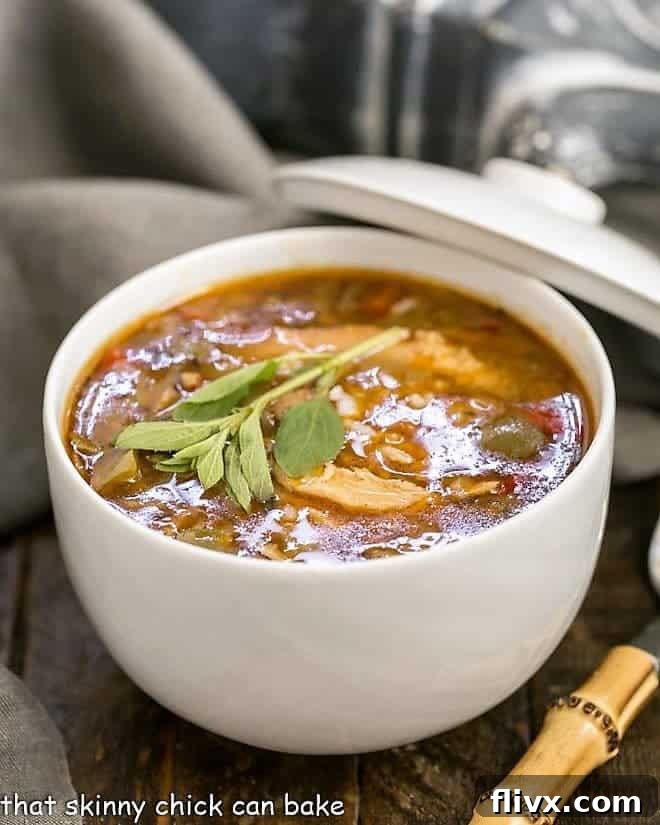
Sausage and Chicken Gumbo: A Taste of Louisiana’s Soul
My culinary love affair with Louisiana began decades ago during my inaugural visit to New Orleans. My daughter was just an infant then, and while my knowledge of Cajun and Creole cuisine was nascent, it was a memorable trip that opened my eyes—and my palate—to a whole new world of flavors. Dining at iconic establishments like Commander’s Palace was an unforgettable experience, yet it was at Mr. B’s Bistro where I first encountered their renowned Gumbo Ya Ya. That dark, intensely spiced, and incredibly rich gumbo left an indelible mark, and it’s a taste profile I’ve cherished ever since, inspiring this very recipe for a scrumptious Cajun chicken and sausage stew.
Gumbo is more than just a dish; it’s a cultural cornerstone of Louisiana, reflecting a rich tapestry of influences from French, Spanish, African, and Native American culinary traditions. Each spoonful tells a story of the region’s diverse heritage, blending hearty ingredients with soulful cooking techniques. This Sausage and Chicken Gumbo is our tribute to that legacy, designed to bring the authentic flavors of the South right into your kitchen. It’s a dish that invites you to slow down, savor the process, and enjoy the profound rewards of traditional cooking.
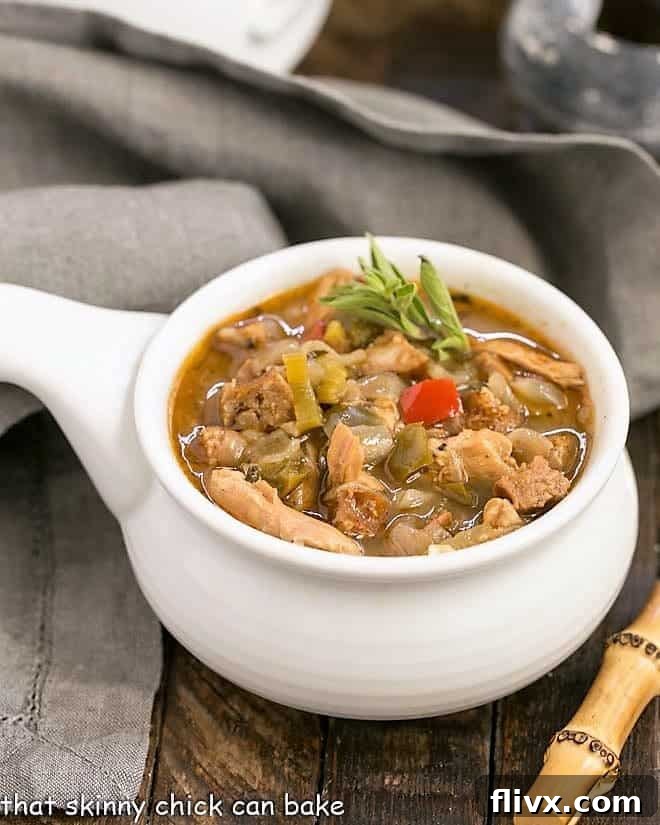
Unpacking the Heart of Louisiana Cuisine: What Exactly is Gumbo?
At its core, gumbo is a thick, flavorful stew, deeply rooted in Louisiana culture and culinary tradition. The word “gumbo” itself carries a fascinating etymology, believed to stem from either the Bantu word “kombo” for okra or a Native American word for filé powder, both key ingredients. This hints at the ancient origins of this iconic dish, which has evolved over centuries to become the beloved staple it is today.
Regardless of its specific origin story, a true gumbo always revolves around a few fundamental components: a carefully prepared roux, a choice of meat or seafood, the aromatic “Holy Trinity” of vegetables, and either okra or filé powder for thickening and flavor. There are countless variations of gumbo across Louisiana, each with its unique twist, yet these essential elements remain constant, providing the foundational character of the dish.
Let’s delve deeper into these crucial ingredients:
- The Holy Trinity: This foundational aromatic base is a blend of finely diced bell peppers, onions, and celery. It’s an indispensable trio in Louisiana cooking, providing a fresh, vibrant, and savory backbone to the gumbo’s rich flavors. The trinity slowly cooks down, contributing sweetness and depth without overpowering the other ingredients.
- Okra vs. Filé Powder: These are the traditional thickening agents for gumbo, each contributing a distinct texture and flavor. Okra, a vegetable native to Africa, provides a slightly mucilaginous texture and a mild, earthy taste. Filé powder, on the other hand, is made from ground sassafras leaves and adds a unique, somewhat root beer-like flavor, along with thickening properties. Traditionally, a gumbo uses one or the other, rarely both. In my local markets, filé powder can be elusive, but I often find excellent Cajun spice mixtures where filé is the primary ingredient, which works beautifully to impart that authentic taste.
- Meats and Seafood: Gumbo is incredibly versatile when it comes to protein. While our recipe features hearty andouille sausage and tender chicken, other popular additions include shrimp, crab, oysters, duck, or even squirrel in more traditional country gumbos. The smoky, spicy notes of andouille sausage are particularly well-suited to the deep flavors of a dark roux, creating a profoundly satisfying stew.
- The Roux: Arguably the soul of any gumbo, the roux is a mixture of fat and flour cooked together until it reaches a desired color and flavor profile. It not only thickens the gumbo but, more importantly, provides a deep, nutty, and complex flavor that is truly unique to the dish. Without a proper roux, a gumbo simply isn’t a gumbo.
Understanding these elements is key to appreciating and creating an authentic, incredibly flavorful gumbo that transports you straight to the lively kitchens of Louisiana.
Mastering the Art of the Roux: The Foundation of Flavor
The roux (pronounced “roo”) is far more than just a thickener; it’s the very foundation of gumbo’s distinctive flavor and color. Originating in France over 300 years ago, this simple mixture of fat and flour transforms through careful cooking into a rich, nutty, and aromatic paste that is indispensable for many classic dishes, especially gumbo. The process of making a roux demands patience and attention, but the reward is immense.
There are typically three main types of roux, categorized by how long they are cooked and their resulting color and flavor:
- White Roux: Cooked only for a few minutes until it’s barely off-white, a white roux has the strongest thickening power and a very mild, floury taste. It’s common in béchamel sauce or lighter gravies.
- Blonde Roux: Cooked a bit longer, until it resembles peanut butter in color, a blonde roux develops a slightly nutty aroma and provides a moderate amount of thickening. It’s often used in lighter soups and sauces.
- Brown or Dark Brown Roux: This is the roux we use for our Sausage and Chicken Gumbo, and it’s the most crucial for achieving that characteristic deep, mahogany color and complex flavor profile. A dark roux is cooked for an extended period, often 10 to 20 minutes or even longer, until it reaches a shade similar to milk chocolate or dark coffee. During this process, the flour toasts significantly, losing much of its thickening power but gaining an incredibly deep, nutty, and slightly smoky flavor. This profound flavor contribution is what truly defines an authentic gumbo.
Creating a dark roux is a meditative culinary experience. It starts by heating a good quality oil (like vegetable or canola) in a heavy-bottomed pot or Dutch oven. Once shimmering, the flour is gradually whisked in. From this point, constant stirring is key. You’ll watch the mixture progress from a pale paste to blonde, then a light brown, and finally, the desired rich, dark mahogany. The aromas will also transform, from floury to nutty, and eventually to a deep, earthy scent. The trick is to keep stirring, especially scraping the bottom and sides of the pot, to prevent any scorching. A burnt roux will impart a bitter, acrid taste to your entire dish, and unfortunately, there’s no way to salvage it—you’ll have to start over. This makes patience and vigilance your best allies in the roux-making process.
The dark roux not only gives the gumbo its signature rich color but also infuses it with layers of savory depth that are impossible to replicate with any other ingredient. It’s this carefully developed base that allows the other flavors of the Holy Trinity, chicken, and andouille sausage to sing in perfect harmony.
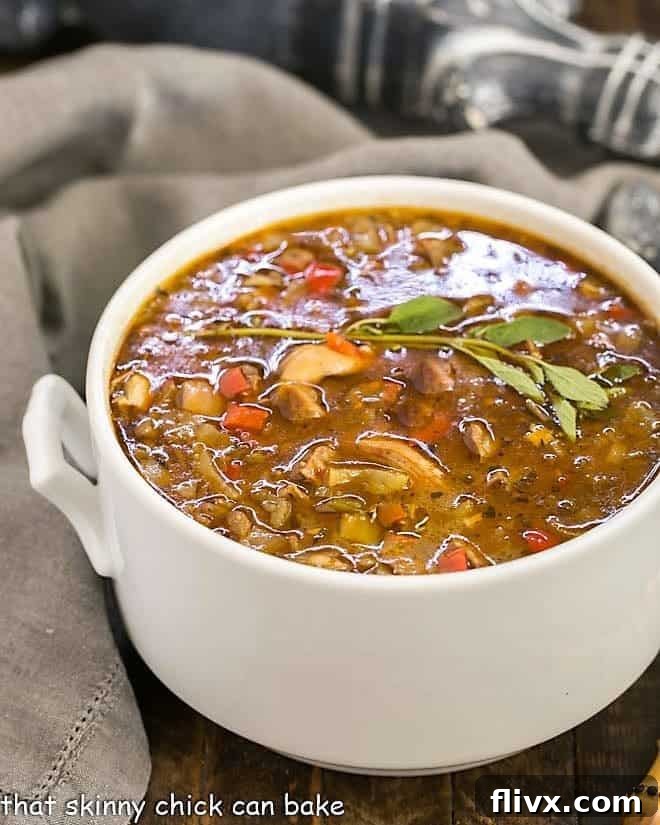
Beyond Gumbo: Exploring More Cajun, Creole, and Louisiana-Inspired Delights
The rich tapestry of Louisiana cuisine extends far beyond the confines of a gumbo pot. When my husband Bill and I were newlyweds, we were captivated by Justin Wilson, “The Cajun Chef,” whose humor and passion for Southern cooking shone brightly on PBS. In those days of limited television channels, Bill was drawn in by Wilson’s charming anecdotes, while I eagerly absorbed his culinary wisdom. His influence, alongside countless other home cooks and professional chefs, highlights the incredible diversity and vibrancy of cooking in the Bayou State.
From the bustling streets of New Orleans to the tranquil bayous, Louisiana offers a spectrum of flavors—from spicy and savory to sweet and decadent. If you’ve fallen in love with the robust tastes of this Sausage and Chicken Gumbo, you’ll undoubtedly appreciate these other fantastic Louisiana-style recipes that showcase the region’s unique culinary heritage:
- Cajun Chicken Pasta from Spend with Pennies
- Chicken Jambalaya Soup from That Skinny Chick Can Bake
- Cajun Shrimp Boil Packets from Well Plated
- Bananas Foster from That Skinny Chick Can Bake
- Cajun 15 Bean Soup from Melissa’s Southern Kitchen
- Roasted Creole Edamame from That Skinny Chick Can Bake
- Crunchy Creole Roasted Chick Peas from Mama Loves Food
- Plus more Soup Recipes for every occasion.
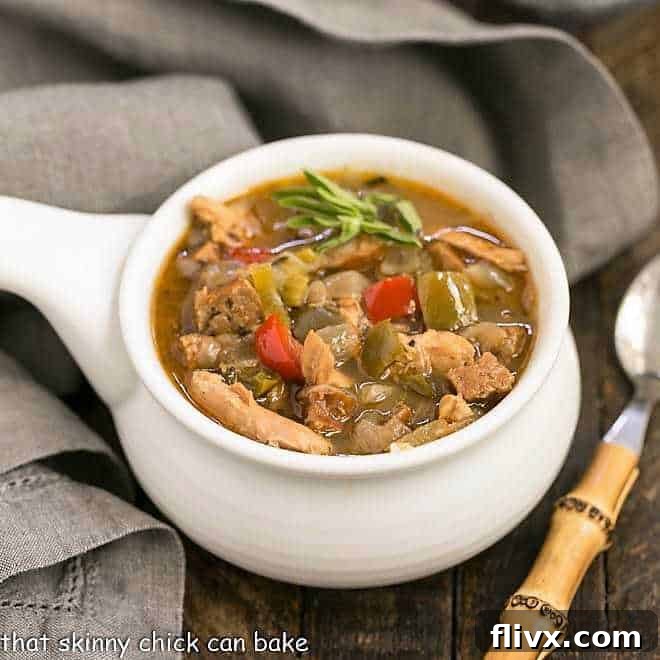
Sausage and Chicken Gumbo
30 minutes
2 hours
2 hours 30 minutes
10 servings
This classic Cajun chicken and sausage stew is a divine option for game day or a comforting dinner on a chilly evening! Adapted from the legendary Chef Paul Prudhomme.
Ingredients
- 3 tablespoons plus ¾ cup vegetable oil
- 2 ½ pounds bone-in chicken breasts
- Kosher salt and freshly ground black pepper
- 1 cup flour, divided
- 4 stalks celery, thinly sliced
- 4 large onions, diced
- 4 bell peppers, diced (I used 2 green and 2 red)
- 2 tablespoons minced garlic
- ½ to 1 teaspoon cayenne pepper (to taste)
- ¾ teaspoon oregano
- ¾ teaspoon basil
- ¾ teaspoon thyme
- 4 bay leaves
- 8 cups chicken broth, good quality canned or homemade
- 1 ½ pounds andouille sausage cut into slices, then quartered
- 1 tablespoon filé powder or gumbo seasoning with filé powder
- 4 cups cooked white rice
Instructions
- In a large, heavy-bottomed pot or Dutch oven, heat 3 tablespoons of the vegetable oil over high heat until shimmering. Season the chicken breasts generously with kosher salt and freshly ground black pepper. Lightly dredge the chicken in ¼ cup of the flour, tapping off any excess. Carefully brown the chicken on both sides, about 8 minutes total, to develop a flavorful crust. Remove the browned chicken from the pot and set it aside.
- Reduce the heat to medium-high. Add the thinly sliced celery, diced onions, and diced bell peppers (the “Holy Trinity”) to the same pot. Cook, stirring occasionally, until the vegetables are softened, about 8-10 minutes. Remove the softened vegetables from the pot and set them aside with the chicken.
- To make the essential dark roux, add the remaining ¾ cup of vegetable oil to the pot and let it warm up for a few minutes over medium heat. Slowly and gradually add the remaining ¾ cup of flour to the pan, whisking constantly to prevent lumps. Continue to cook, stirring continuously and scraping the bottom and sides of the pot, until the mixture achieves a deep, rich mahogany brown color. This process will take approximately 10 to 20 minutes, depending on your heat and pot. Be vigilant, as a burnt roux will spoil the entire dish; if it burns, you must start over.
- Once your roux is a beautiful mahogany brown, return the cooked vegetables to the pot. Add the minced garlic, cayenne pepper (adjust to your preferred spice level), oregano, basil, thyme, and bay leaves. Stir well to combine all ingredients, allowing the spices to toast slightly with the roux and vegetables. Cook for an additional 3 minutes, stirring occasionally. Season further with salt and pepper to taste.
- Slowly and gradually whisk in the 8 cups of chicken broth, stirring constantly to ensure it blends smoothly with the roux and forms a cohesive base. Add the browned chicken and the sliced and quartered andouille sausage to the pot. Bring the gumbo to a gentle simmer, then reduce the heat to low, ensuring it maintains a steady, uncovered simmer. Skim off any excess fat or foam that rises to the surface during this time. Continue to simmer for about 1 to 1 ½ hours, or until the chicken is fork-tender and easily falls off the bone.
- Carefully remove the chicken and any bones from the pot. Discard the bones and shred the chicken into bite-sized pieces. Return the shredded chicken to the gumbo. Bring the stew back to a gentle boil, then whisk in the filé powder (or gumbo seasoning with filé powder) until it is completely dissolved and no clumps remain. This will slightly thicken the gumbo and add a distinctive flavor. Taste the gumbo for seasoning, adjusting with more salt, pepper, or cayenne as needed.
- Serve the hot and flavorful Sausage and Chicken Gumbo generously over individual portions of freshly cooked white rice. For an extra touch of freshness, you can garnish with chopped green onions or parsley. Enjoy!
Notes
Andouille sausage is known for rendering a significant amount of flavorful fat during cooking. If you prepare this delicious gumbo the day before you plan to serve it, you can easily remove the chilled, solidified fat from the surface before reheating. This not only makes for a slightly lighter stew but also allows the flavors to meld and deepen overnight, often resulting in an even more delicious gumbo!
Nutrition Information:
Yield:
10
Serving Size:
1
Amount Per Serving:
Calories: 1013Total Fat: 73gSaturated Fat: 11gTrans Fat: 1gUnsaturated Fat: 56gCholesterol: 143mgSodium: 1476mgCarbohydrates: 39gFiber: 2gSugar: 6gProtein: 49g
HOW MUCH DID YOU LOVE THIS RECIPE?
Please leave a comment on the blog or share a photo on Pinterest