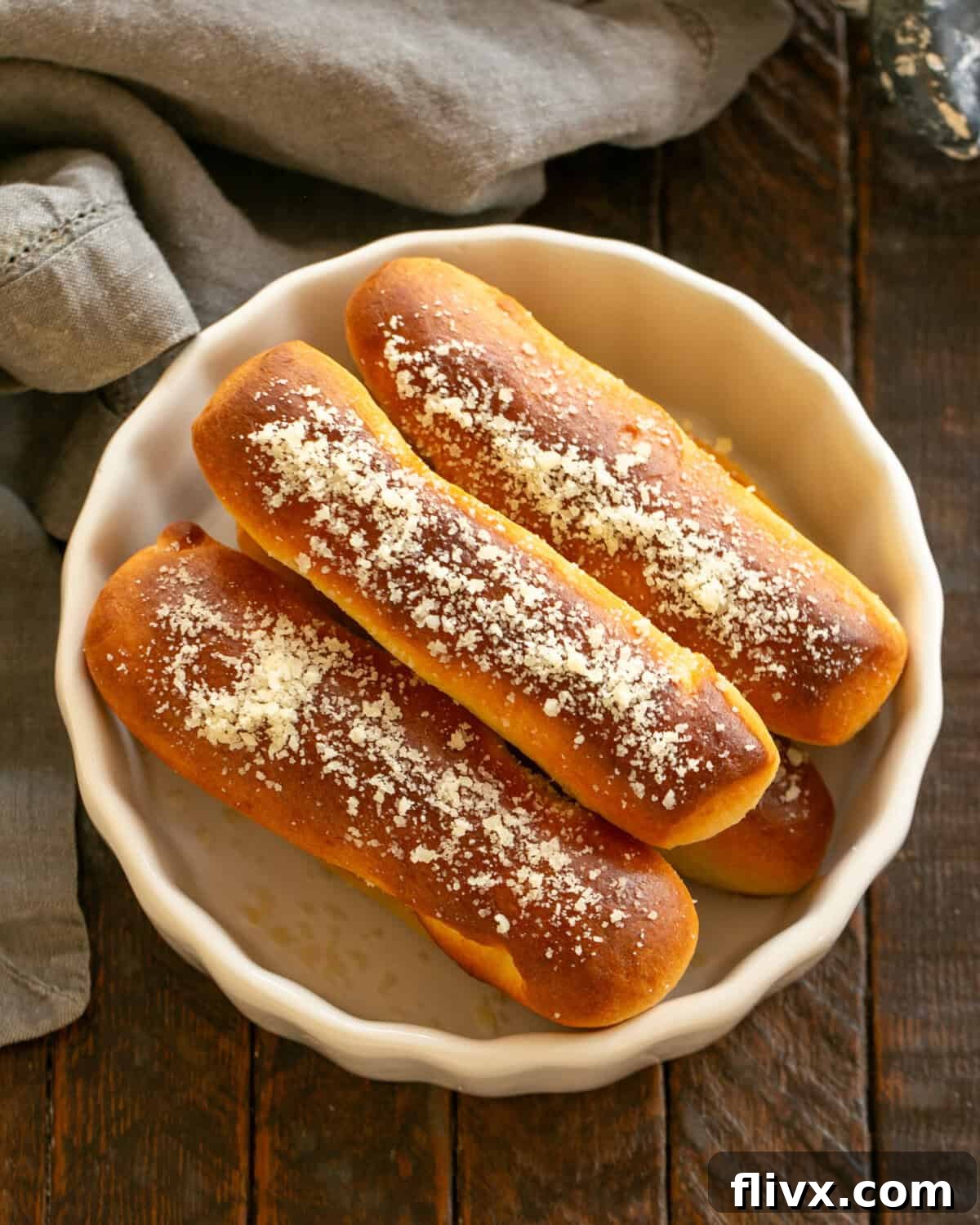
Homemade Garlic Parmesan Breadsticks: An Easy Recipe for Fluffy Perfection
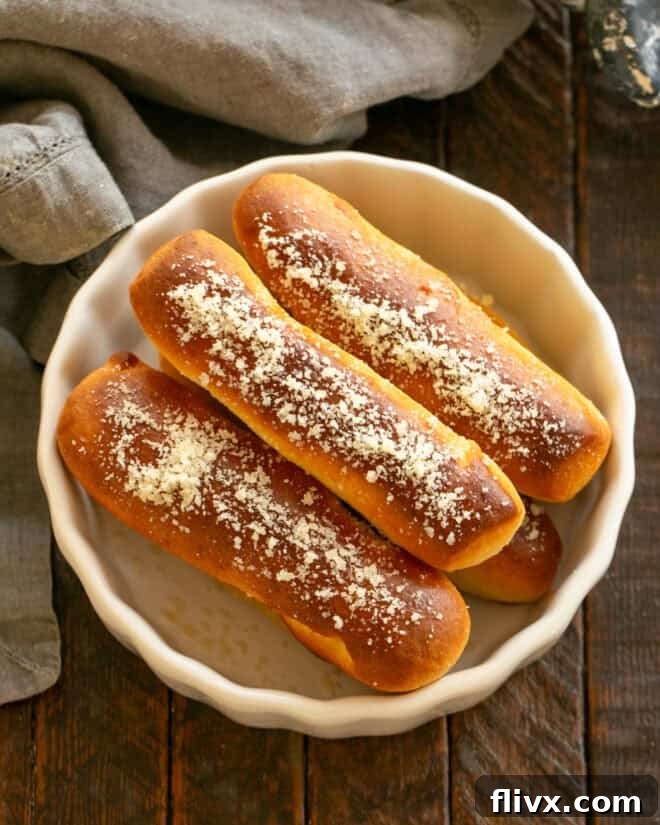
There’s nothing quite like the comforting aroma of freshly baked bread filling your home. This easy breadsticks recipe brings that comforting experience right to your kitchen, yielding soft, fluffy breadsticks coated in a savory garlic butter and rich Parmesan cheese. Forget those store-bought versions – these homemade breadsticks are so simple to make, yet taste incredibly gourmet. They’re the perfect companion to almost any meal, guaranteed to disappear quickly, just as they did for my book club and even my famously picky husband, Bill!
Imagine serving warm, golden-brown breadsticks that rival the famous ones from Olive Garden, straight from your oven. With just a few basic ingredients and straightforward steps, you can create a batch of these irresistible delights. Whether you’re a seasoned baker or new to working with yeast, this recipe is designed for success, promising a delicious outcome that will impress family and friends alike. Get ready to elevate your dinner table with these truly exceptional garlic Parmesan breadsticks!
Why These Homemade Breadsticks Are a Must-Try
Diving into the world of homemade yeast bread might seem daunting, but these easy breadsticks prove just how rewarding it can be. Here’s why this recipe deserves a permanent spot in your culinary repertoire:
- Unbeatable Flavor and Aroma: The moment these breadsticks begin to bake, your kitchen will be filled with the most incredible, mouth-watering aroma. There’s simply no substitute for the fresh, wholesome taste of homemade yeast bread, especially when it’s generously slathered with garlic butter and sprinkled with real Parmesan cheese. It’s a sensory experience that prefaces a truly delightful meal.
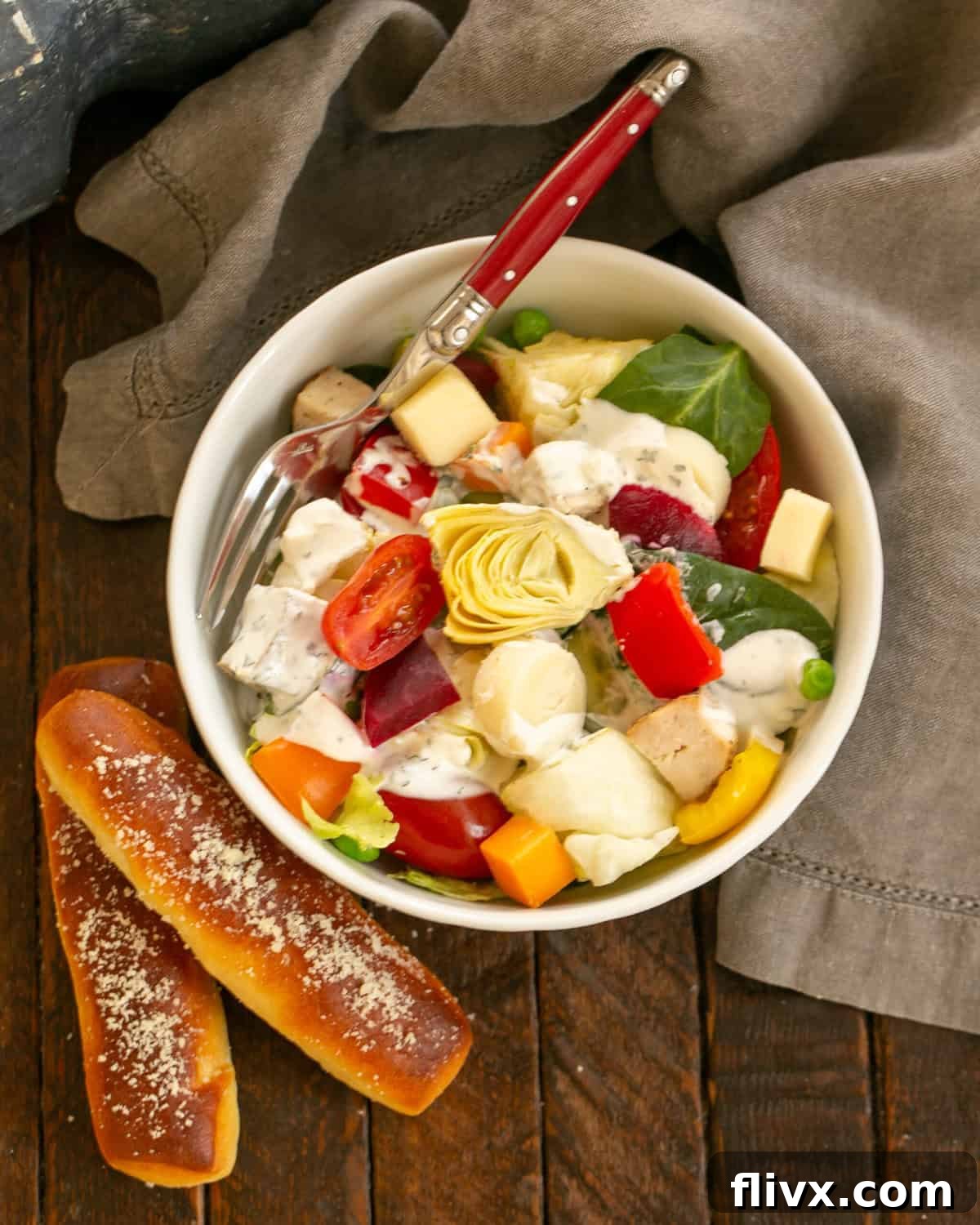
- Perfect for Any Occasion: While they shine brightly alongside Italian classics like lasagna, spaghetti, or chicken parmesan, these soft breadsticks are incredibly versatile. They’re a fantastic addition to pizza night, a comforting side for a hearty bowl of soup, or even a sophisticated accompaniment to a homemade salad bar for entertaining. They elevate casual meals into something special without requiring extra effort.
- A Universal Crowd-Pleaser: From the pickiest eaters to the most discerning foodies, these breadsticks consistently receive rave reviews. Their tender texture and savory topping make them irresistible to both kids and adults. When I served these to my book club, two friends specifically asked where I bought them, which is truly the highest compliment a home baker can receive!
- Cost-Effective and Customizable: Making breadsticks from scratch is often more economical than buying pre-made versions, especially considering the quality you achieve. Plus, you have complete control over the ingredients, allowing you to choose high-quality components and even experiment with different herbs or cheese blends to suit your family’s tastes.
- The Joy of Baking: There’s immense satisfaction in creating something delicious with your own hands. The process of working with yeast dough, watching it rise, and seeing your efforts transform into golden, fluffy breadsticks is incredibly fulfilling. It’s a culinary journey that rewards you with both delicious food and a sense of accomplishment.
Essential Ingredients for Perfect Breadsticks
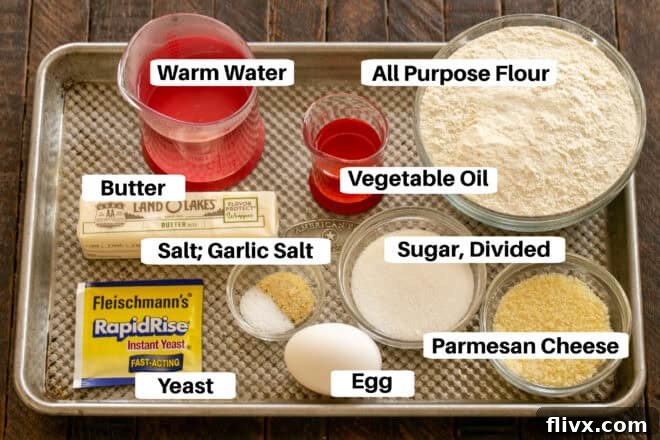
Creating the best homemade breadsticks starts with understanding the role of each ingredient. Here’s a detailed look at what you’ll need and why:
- Kitchen Staples:
- Sugar: Not just for sweetness, sugar provides food for the yeast, helping it activate and the dough to rise. We use white granulated sugar.
- All-Purpose Flour: The foundation of our breadsticks. All-purpose flour gives the breadsticks their structure and texture. While specific bread flour can be used for a chewier result, all-purpose works beautifully for a softer breadstick.
- Warm Water: Crucial for activating the yeast. The water should be warm to the touch, like a baby’s bath, ideally between 105-115°F (40-46°C). Water that’s too hot will kill the yeast, and water that’s too cold won’t activate it.
- Salt: Enhances the flavor of the breadsticks and also helps to control the yeast activity, preventing it from rising too quickly. Don’t skip it!
- Dry Active Yeast: This is the leavening agent that makes your breadsticks light and airy. One standard package (.25 ounces or 2¼ teaspoons) is usually sufficient. Always check the expiration date on your yeast before beginning. Expired yeast will not activate, resulting in a flat, dense dough.
- Vegetable Oil: Adds moisture and tenderness to the dough, contributing to that soft, fluffy texture. Canola oil is a great neutral-flavored choice that I always keep on hand. You can also use other mild oils like sunflower or grapeseed oil.
- Egg: A single egg enriches the dough, adds flavor, and helps bind the ingredients together, resulting in a slightly softer crumb and a beautiful golden crust. For easier incorporation into the dough, ensure your egg is at room temperature.
- Butter (Melted): Used for the irresistible garlic topping. I recommend using salted butter for an extra layer of flavor. If you only have unsalted, simply add a tiny pinch more garlic salt to the topping mixture.
- Garlic Salt: The star of the savory topping, providing that classic garlic bread flavor. If you prefer a milder garlic taste, you can use garlic powder and a bit of regular salt separately.
- Parmesan Cheese: For the best flavor, ditch the pre-grated green can and opt for real grated Parmigiano-Reggiano. Its nutty, salty, and sharp flavor makes a world of difference in the final product. A microplane zester works wonderfully for achieving a fine, fluffy grate.
Step-by-Step Guide to Baking Perfect Breadsticks
Baking homemade breadsticks is a wonderfully rewarding process. Follow these simple steps to achieve soft, flavorful breadsticks every time.
Expert Tips for Flawless Homemade Breadsticks
Achieving bakery-quality breadsticks at home is easier than you think with these helpful pointers:
- Yeast Vitality is Key: Always, always double-check the expiration date on your active dry yeast. Old or inactive yeast is the most common reason for bread dough not rising. If you’re unsure, proof a small amount of yeast with warm water and a pinch of sugar first. If it doesn’t foam, get new yeast.
- PRO-Tip: The Right Water Temperature: When activating your yeast, the water should be warm, not hot. Aim for a temperature between 105-115°F (40-46°C). Water that’s too hot will kill the delicate yeast organisms, while water that’s too cold won’t activate them effectively. Use a kitchen thermometer for precision.
- PRO-Tip: Ideal Proofing Environment: A warm, draft-free spot is crucial for dough to rise properly. The ideal proofing temperature is around 85°F (30°C). Many newer ovens have a “proof” setting, which is perfect. If yours doesn’t, you can warm your oven to its lowest setting for a few minutes, then turn it off and let the dough rise inside with the door slightly ajar.
- Customizing the Garlic Flavor: If you’re not a big fan of garlic, you can easily adjust the topping. Simply brush your warm breadsticks with plain melted butter before dusting them with Parmesan cheese. For a more intense garlic flavor, consider adding a pinch of garlic powder to the dough itself.
- Don’t Over-Flour: When kneading, resist the urge to add too much flour. A slightly sticky dough is often a good sign; it means your breadsticks will be tender. Only add flour if the dough is unmanageable. Over-flouring can lead to dry, tough breadsticks.
- Parchment Paper for Easy Cleanup: Lining your baking sheets with parchment paper not only prevents sticking but also makes cleanup a breeze. Plus, it helps the breadsticks bake evenly on the bottom.
- Storage and Reheating: Homemade breadsticks are best enjoyed fresh and warm from the oven. If you have leftovers, store them in an airtight container at room temperature for up to 2 days. To reheat, simply warm them in a preheated oven at 350°F (175°C) for a few minutes until soft and warm again, or briefly microwave for a quick reheat (though this can make them a bit chewier).
- Freeze for Later: You can freeze baked breadsticks! Once cooled, place them in a single layer on a baking sheet and freeze until solid, then transfer to a freezer-safe bag or container. They can be stored for up to 2-3 months. Reheat from frozen in a 350°F (175°C) oven until warmed through.
Frequently Asked Questions About Homemade Breadsticks
While I haven’t personally tried Olive Garden’s breadsticks to confirm, this recipe was adapted from one submitted by Kandilynn on Allrecipes, who claimed they are very close! Many reviewers also echo this sentiment, praising their soft texture and flavorful garlic-Parmesan topping as being reminiscent of popular restaurant versions. They definitely capture that warm, savory, and irresistible quality.
Breadsticks are incredibly versatile! They are a natural pairing for any Italian entree such as lasagna, spaghetti, ravioli, or chicken Alfredo. They also make an excellent side for a hearty bowl of soup, chili, or stew. For my book club, I served them alongside a build-your-own salad bar, and they were a huge hit. Don’t limit yourself; they can even be a simple, satisfying snack on their own!
Yes, you can! If using instant yeast (also called rapid-rise or bread machine yeast), you typically don’t need to proof it first. You can add it directly to the dry ingredients along with the sugar and then add the warm water. However, for this recipe, dissolving it in warm water with sugar first (as instructed) works perfectly fine for instant yeast too, just note it might activate even faster.
The most common culprits for dough not rising are inactive yeast (check the expiration date!) or incorrect water temperature (too hot kills it, too cold doesn’t activate it). Ensure your proofing environment is warm and draft-free. Sometimes, dough just needs a bit more time, especially in cooler kitchens. Give it extra time in a warm spot before assuming it’s a lost cause.
Customization Ideas for Your Breadsticks
While garlic and Parmesan is a classic, don’t hesitate to get creative with your homemade breadsticks! Here are a few ideas to inspire you:
- Herb Infusion: Add dried Italian herbs, oregano, basil, or a pinch of rosemary to your dough during the kneading phase for an aromatic twist. You can also sprinkle fresh chopped herbs (like parsley or chives) along with the Parmesan cheese after brushing with butter.
- Cheese Blends: Instead of just Parmesan, try a blend of Parmesan with a little shredded mozzarella, provolone, or even a sharp cheddar for a different cheesy flavor profile.
- Spicy Kick: For those who love a bit of heat, mix a pinch of red pepper flakes into the garlic butter or sprinkle them over the breadsticks with the cheese.
- Sweet Breadsticks: Believe it or not, breadsticks can go sweet! Skip the garlic salt and Parmesan. After baking, brush with melted butter, then sprinkle with cinnamon sugar for a delicious dessert or breakfast treat.
- Everything Bagel Seasoning: For a unique savory flavor, brush the breadsticks with an egg wash before baking, then sprinkle generously with everything bagel seasoning.
Troubleshooting Common Breadstick Issues
Even experienced bakers face challenges. Here’s how to tackle common breadstick problems:
- Breadsticks are Too Dense/Hard: This usually indicates either expired yeast (which didn’t allow proper rising), insufficient kneading (which didn’t develop enough gluten for a light texture), or too much flour added to the dough. Ensure yeast is fresh, knead thoroughly until elastic, and avoid over-flouring.
- Dough is Too Sticky: A slightly sticky dough is normal and often leads to more tender breadsticks. If it’s too difficult to handle, add flour gradually, one tablespoon at a time, during kneading until it’s manageable but still soft.
- Breadsticks Burn on the Bottom: This can happen if your oven rack is too low or if your baking sheet is dark-colored, which absorbs more heat. Try moving the rack to the middle position and using light-colored baking sheets. Parchment paper also helps prevent over-browning on the bottom.
- Unevenly Baked Breadsticks: Ensure your oven is preheated to the correct temperature and consider rotating the baking sheet halfway through the baking time to ensure all breadsticks get even exposure to heat.
Explore More Delicious Bread Recipes
If you’ve enjoyed making these easy breadsticks, you might love exploring other homemade bread creations:
- Braided Challah Bread
- Irish Soda Bread
- Classic Oatmeal Bread
- Homemade Bagels
- All my Best Bread Recipes
Stay in touch and share your baking triumphs! Find me on social media @ Instagram, Facebook, and Pinterest. Don’t forget to tag me when you try one of my recipes! If you love the results, please consider giving it a 5-star rating in the recipe card below.
Homemade Breadsticks Recipe
20 minutes
10 minutes
40 minutes
1 hour 10 minutes
16
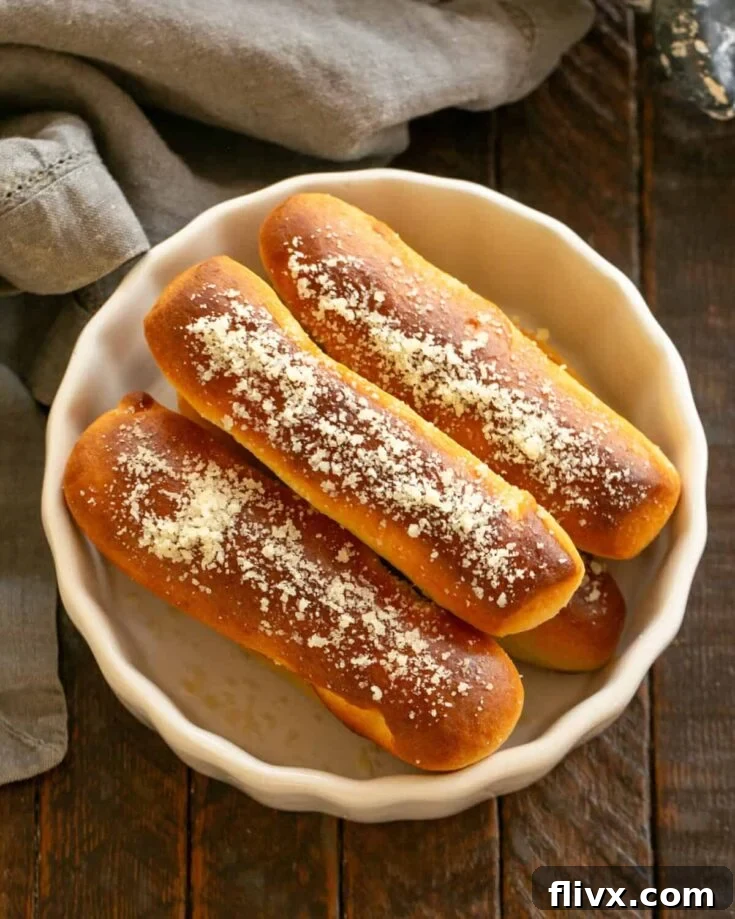
Homemade breadsticks with a Parmesan topping.
Ingredients
- 2 ½ tablespoons white sugar, divided
- 1 (.25 ounce) package active dry yeast
- 1 cup warm water, divided
- 3 cups all-purpose flour
- 3 tablespoons vegetable oil
- 1 egg
- ½ teaspoon salt
- ½ cup butter, melted
- ½ teaspoon garlic salt
- ¼ cup Parmesan cheese
Instructions
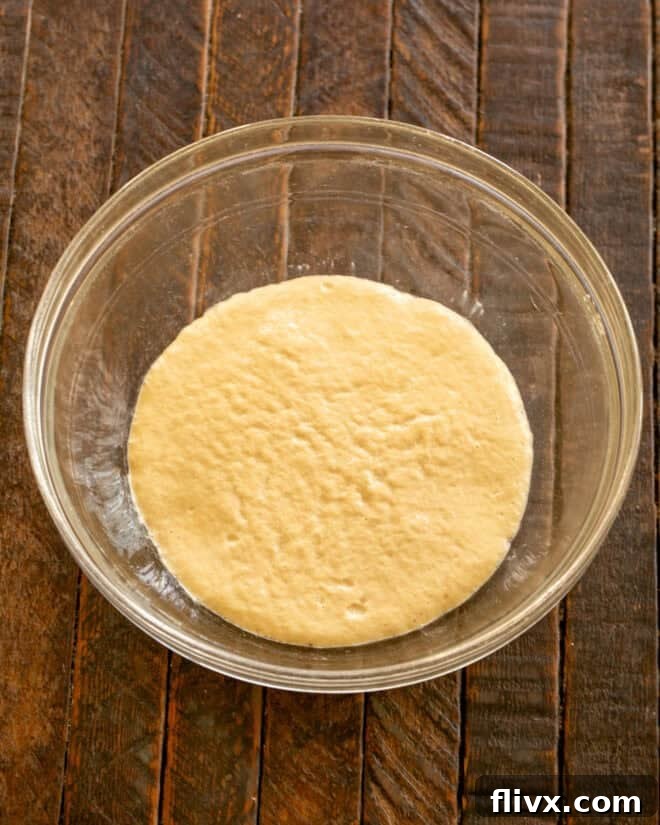
- Dissolve 1 ½ teaspoons sugar and yeast in ½ cup warm water in a bowl. Let stand until the yeast softens and begins to form a creamy foam, about 5 minutes.
- Beat flour, oil, egg, salt, remaining sugar, and remaining warm water into yeast mixture until smooth, adding more flour if needed to form a soft dough. Turn the dough onto a floured work surface; knead until smooth and elastic, 6 to 8 minutes.
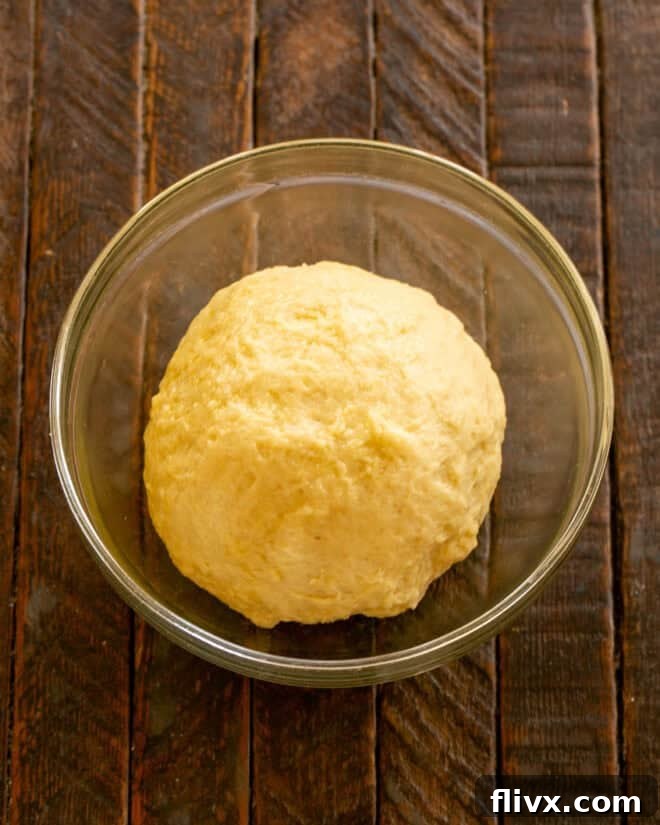
- Place the dough in a greased bowl, turning once to cover completely with oil. Cover the bowl with a damp towel and place in a warm area until the dough is doubled in size, about 40 minutes.
- Grease a baking sheet.
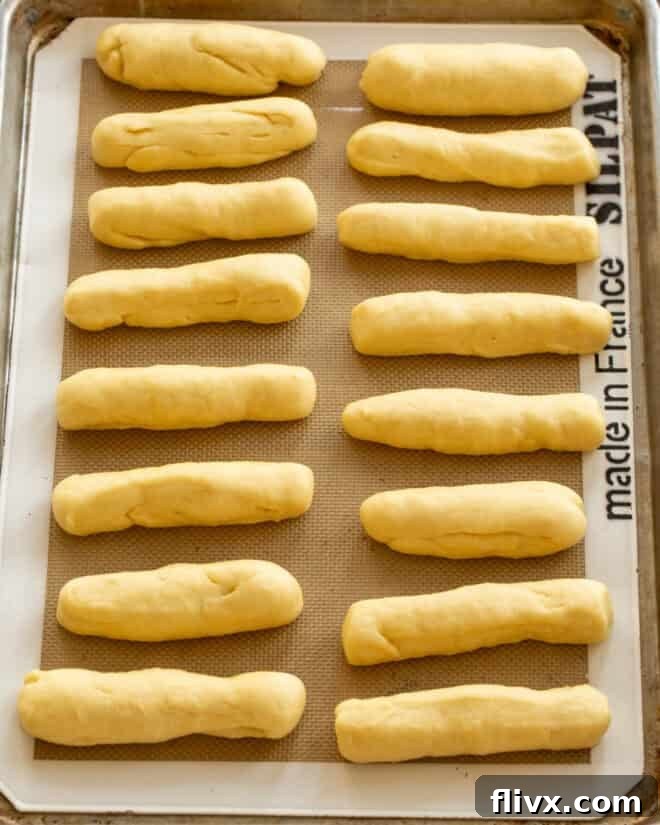
- Punch the dough down and turn it onto a floured work surface. Divide the dough into 16 pieces and shape each into a 6-inch rope.
- Arrange dough pieces on the prepared baking sheet about 2 inches apart; cover with a towel or plastic wrap and let rise until doubled in size, about 25 minutes.
- Preheat the oven to 400°. Remove cover from dough.
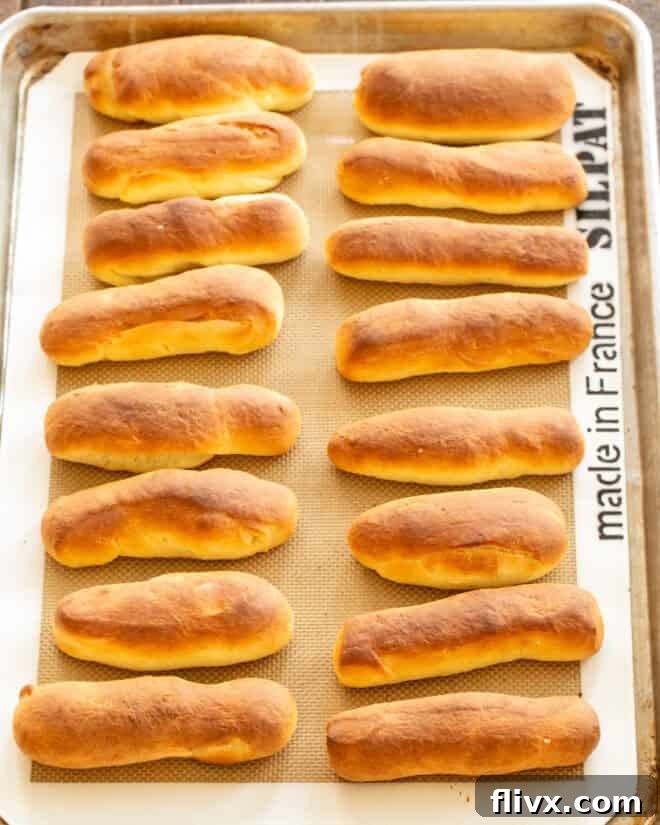
- Bake in the preheated oven until golden brown, 10 to 12 minutes.
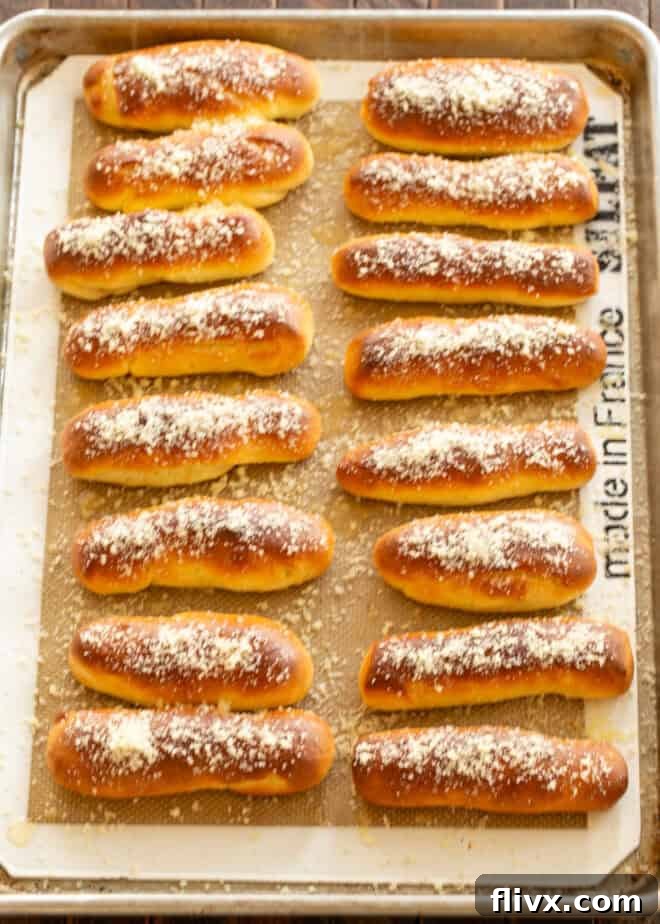
- Whisk butter and garlic salt together in a bowl; brush over each breadstick. Sprinkle Parmesan cheese over each.
Notes
Recipe adapted from Allrecipes.com.
Recommended Products
As an Amazon Associate and member of other affiliate programs, I earn from qualifying purchases.
- KitchenAid 9-Speed Digital Hand Mixer
- OXO Measuring Beakers
- Nesting Mixing Bowls (for mixing and/or ingredients)
Nutrition Information:
Yield:
16
Serving Size:
1
Amount Per Serving:
Calories: 178Total Fat: 9gSaturated Fat: 4gTrans Fat: 0gUnsaturated Fat: 4gCholesterol: 28mgSodium: 195mgCarbohydrates: 20gFiber: 1gSugar: 2gProtein: 3g
Thatskinnychickcanbake.com occasionally offers nutritional information for recipes contained on this site. This information is provided as a courtesy and is an estimate only. This information comes from online calculators. Although thatskinnychickcanbake.com attempts to provide accurate nutritional information, these figures are only estimates.
Varying factors such as product types or brands purchased can change the nutritional information in any given recipe. Also, many recipes on thatskinnychickcanbake.com recommend toppings, which may or may not be listed as optional and nutritional information for these added toppings is not listed. Other factors may change the nutritional information such as when the salt amount is listed “to taste,” it is not calculated into the recipe as the amount will vary. Also, different online calculators can provide different results.
To obtain the most accurate representation of the nutritional information in any given recipe, you should calculate the nutritional information with the actual ingredients used in your recipe. You are solely responsible for ensuring that any nutritional information obtained is accurate.
HOW MUCH DID YOU LOVE THIS RECIPE?
Please leave a comment on the blog or share a photo on Pinterest