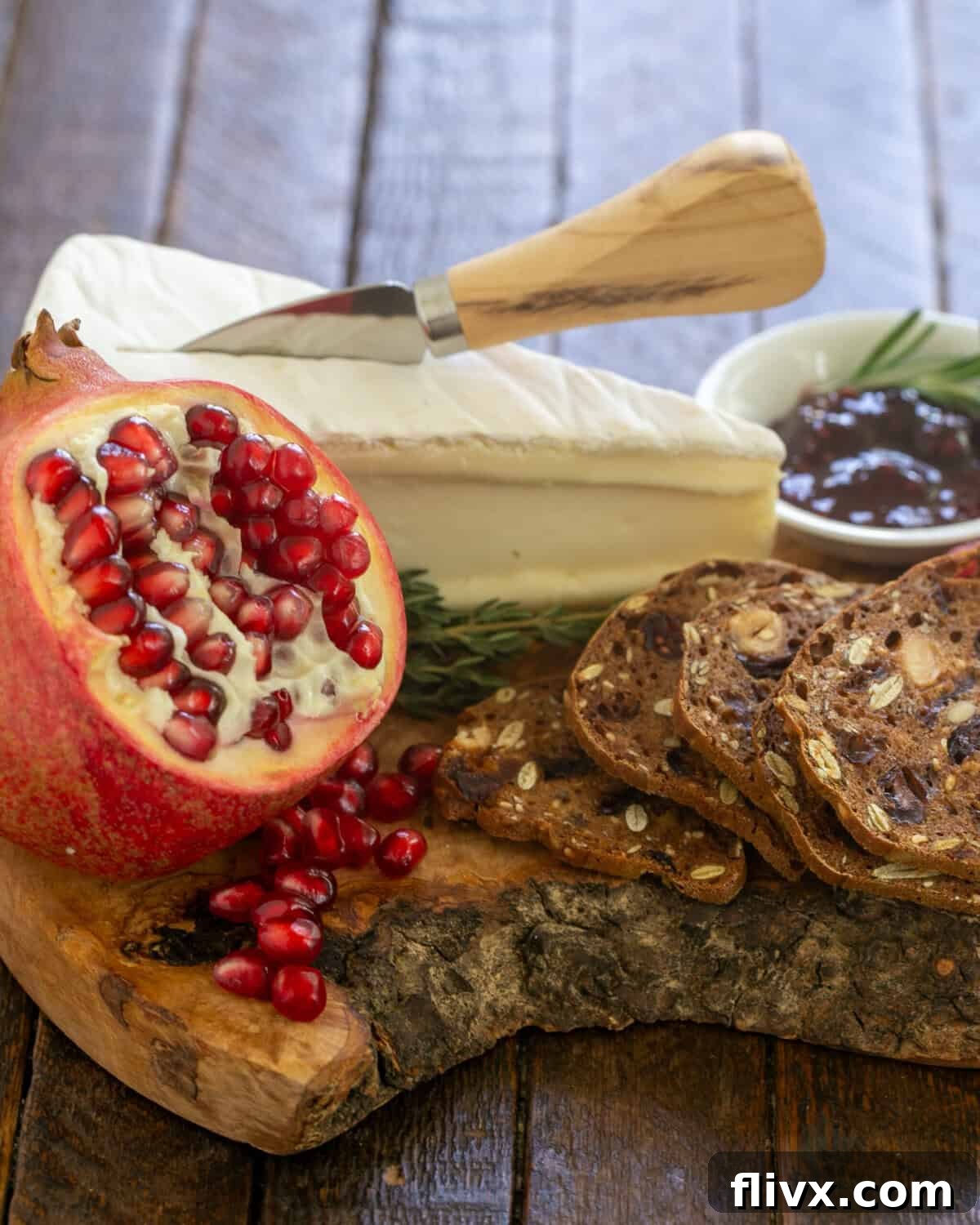
Crafting the Perfect Charcuterie and Cheese Board: A Guide to Effortless Entertaining
Elevate your entertaining game with a stunning charcuterie and cheese board. Learn how to combine cured meats, an array of cheeses, delightful nuts, and vibrant fruits into an irresistible platter that promises to please every palate. There’s truly nothing quite like the experience of sharing a beautifully curated cheese board, whether as a sophisticated appetizer or the star of your gathering.
A thoughtfully assembled charcuterie or cheese board is the epitome of adaptability. Its beauty lies in its versatility, allowing you to tailor it to any occasion, theme, or personal preference. Hosting a French-inspired dinner? Curate a selection of exquisite French cheeses. Welcoming the autumn season? Incorporate seasonal fruits like crisp apples and juicy pears. Each board becomes a unique culinary canvas, reflecting your favorite flavors and the tastes of your guests.
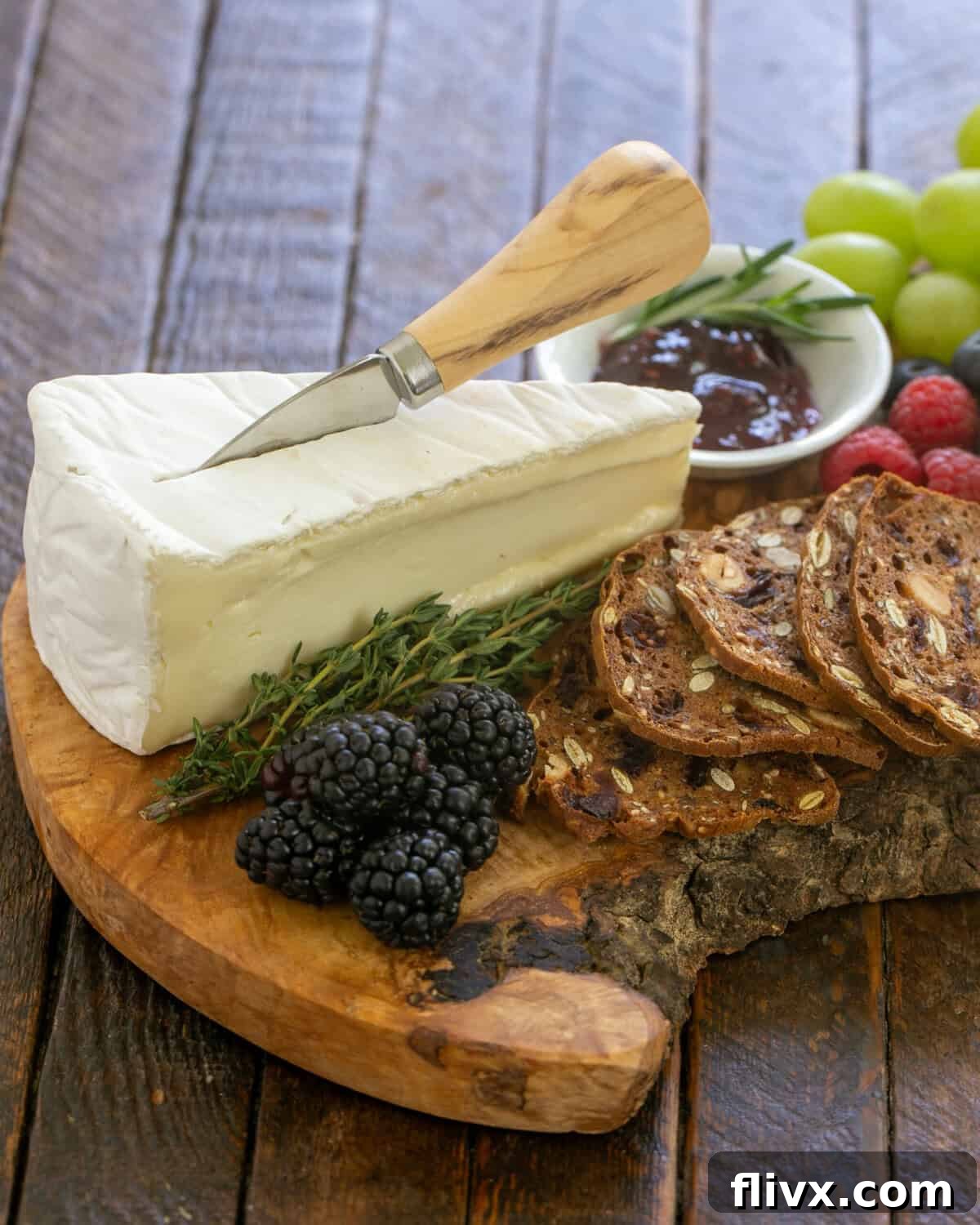
Why a Charcuterie Board is Your Go-To for Entertaining
Beyond its undeniable charm, a charcuterie board offers numerous practical benefits that make it an indispensable tool for hosts:
- Unmatched Customization: A basic cheese board serves as the perfect foundation, allowing you to endlessly customize it with your preferred meats, cheeses, fruits, crackers, and snacks. This ensures every guest finds something they love, catering to diverse tastes and even dietary needs.
- Seamless Thematic Integration: Easily align your board with the theme of your meal or holiday celebration. Imagine a festive red and green board for Christmas, a vibrant spring-themed arrangement, or a rustic harvest board for Thanksgiving. The possibilities are endless, making your board an integral part of your decor.
- Effortless Scalability: Whether you’re hosting an intimate gathering or a large holiday party, a charcuterie tray can effortlessly expand to feed a crowd. Simply use a larger board or multiple boards, increasing the quantities of your chosen ingredients. It’s perfect for holiday entertaining, corporate events, or casual get-togethers.
- Simplify Your Appetizer Spread: Forget the tedious chore of preparing multiple individual appetizers. A grand charcuterie board presents an irresistible combination of meats, cheeses, and accompaniments, serving as a comprehensive and visually stunning starter that requires minimal cooking on your part. It saves time and reduces stress in the kitchen.
- Something for Everyone: The diverse array of textures, flavors, and ingredients ensures that there truly is something for every guest. From savory to sweet, crunchy to creamy, mild to bold, a well-stocked board offers a delightful culinary journey for all. For a fun, seasonal twist, consider a themed board like a Santa Charcuterie Board for the holidays!
- Visual Spectacle: Beyond taste, a charcuterie board is a feast for the eyes. The vibrant colors, varied shapes, and artful arrangement create a stunning centerpiece that sparks conversation and encourages guests to gather around.
How to Master the Art of Charcuterie Board Assembly
Crafting a memorable charcuterie board is an art form, but one that is surprisingly easy to master. Follow these steps to create a show-stopping platter:
-
Begin with the Foundation: Choosing Your Board Base. The board itself sets the stage. Opt for a beautiful wooden cutting board, a sleek ceramic tray, a natural slate slab, or even a specialized cheeseboard set complete with knives. Consider the size based on your guest count; a larger board allows for more variety and less overcrowding.
-
Step 1: Selecting the Cheeses (The Heart of Your Board). Always start with the cheese selection, as it’s often the most central element. A good rule of thumb is to pick an odd number of cheeses, usually three to five, for visual balance and diverse flavor profiles. Aim for a mix:
- One Firm Cheese: Think robust flavors like sharp Cheddar, nutty Gruyère, or savory aged Gouda. These offer a satisfying bite and can be cubed or sliced.
- One Soft Cheese: Creamy and luxurious options such as Brie, Camembert, fresh Goat Cheese (chevre), or a decadent triple-cream cheese. These are perfect for spreading.
- One Fragrant or Bold Cheese: Introduce an adventurous note with a pungent blue cheese (Gorgonzola, Roquefort), a spicy pepper jack, or a unique washed-rind cheese. For a crowd-pleaser, try a flavorful cheese like Kerrygold’s Dubliner with Irish Stout.
- Consider Variety Beyond Texture: Explore different milk types (cow, goat, sheep) and varying levels of intensity. Don’t be afraid to ask for samples at your local cheese shop!
PRO-Tip: Allow your cheeses to rest at room temperature for about an hour before serving. This brings out their full flavor and creamy texture.
-
Step 2: Curating the Meats (The Charcuterie Element). While a cheese board doesn’t strictly require cured meats, a true charcuterie board does. Select three or more varieties to offer a range of flavors and textures:
- Italian Salami: Classic choices like spicy Calabrian Capicola, robust Italian Toscano salami, or delicate Finocchiona (fennel salami). Arrange them folded or rolled for visual appeal.
- Prosciutto: Thinly sliced, delicate, and salty, prosciutto di Parma or San Daniele adds an elegant touch.
- Other Cured Meats: Consider smoked duck breast, savory chorizo, or even a rich pâté or rillettes for a gourmet touch.
- Seek Expert Advice: Don’t hesitate to consult the experts at your favorite deli or specialty market. They can help you pair meats with your chosen cheeses and may even offer samples, helping you discover new favorites.
-
Step 3: Harmonizing with Accompaniments. These “odds and ends” are crucial for complementing the main stars and adding bursts of flavor and texture:
- Fresh Fruits: Grapes (red and green), berries (blackberries, raspberries), figs (fresh in season), and thinly sliced apples or pears. These add natural sweetness and freshness.
- Dried Fruits: Apricots, figs, cranberries, and dates offer a chewy texture and concentrated sweetness.
- Nuts: Provide a delightful crunch. Roasted Marcona almonds, honeyed pecans, walnuts, and pistachios are excellent choices.
- Crackers and Breads: Offer a variety of vessels for your cheese and meats. Include plain water crackers, artisanal crisps, thin slices of a fresh baguette, breadsticks, or Sardinian flatbread.
- Spreads and Dips: Jams, jellies, fruit pastes (like quince paste), honey, whole-grain mustard, or olive tapenade. These add a layer of complexity and moisture.
- Olives and Pickles: Briny olives (Kalamata, Castelvetrano) and crisp pickles (cornichons, pickled onions) provide a refreshing acidic counterpoint to rich cheeses and meats.
- Garnishes: A few sprigs of fresh rosemary or thyme, or even edible flowers, can add a vibrant pop of color and aroma.
Remember, the goal is variety in flavor, texture, and color. Use the experts at your favorite market, deli, or specialty shop to help you select ingredients that will truly delight your guests.
Quantities for Your Perfect Board: A Planning Guide
Determining the right amounts for your charcuterie board depends on its role in your meal. Is it a light appetizer before a substantial meal, or is it the main event, designed to satisfy hearty appetites? These recommendations, inspired by America’s Test Kitchen, offer a helpful starting point:
- Cheeses: Plan for 2 to 3 ounces per person if serving as an appetizer, or 4 to 6 ounces per person if it’s the main course.
- Meats: Allocate 2 to 3 ounces per person for an appetizer board, or 4 to 6 ounces per person for a main meal board.
- Nuts: Approximately 2 to 3 tablespoons per person.
- Crackers, toasts, or bread: Budget 4 to 6 ounces per person.
- Fruit or Vegetables: Aim for 4 to 8 ounces per person, adjusting based on seasonality and preference.
- Dips/Spreads: Roughly ½ cup per person, assuming small portions are consumed with other elements.
Example: For an appetizer board for 4 people, you’d need about 8-12 oz of cheese, 8-12 oz of meat, 8-12 tbsp of nuts, 16-24 oz of crackers, and 16-32 oz of fruit/veg. Adjust up or down based on your guests’ appetites and the other food being served.
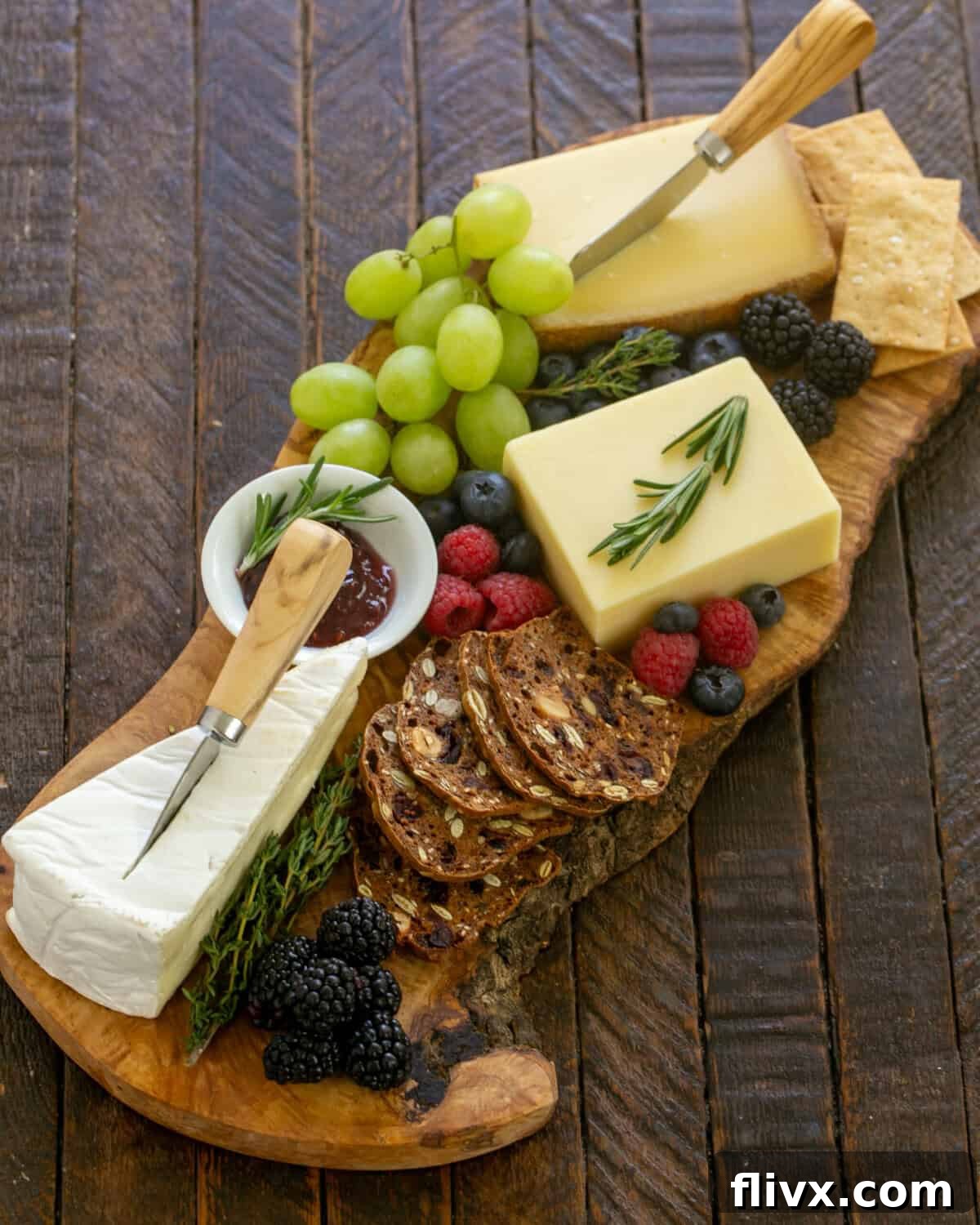
Expert Tips for a Visually Stunning and Delicious Platter
Creating an aesthetically pleasing board is just as important as selecting delicious ingredients. Here are some expert tips to make your charcuterie platter truly shine:
- Choose the Right Base: As mentioned, your board is the canvas. A beautiful wooden cutting board, an unembellished ceramic tray, or a dedicated cheeseboard set will highlight your ingredients.
- Let Ingredients Shine: The true beauty of a cheese and meat board is in its ingredients. Opt for plain, neutral crackers and bread to allow the complex flavors of your cheeses and cured meats to take center stage.
- Pair with Fresh & Dried Fruits: Fresh fruits like crisp apples, juicy pears, plump figs, and sweet grapes pair wonderfully with most cheeses. Don’t forget to add dried fruits such as apricots and cranberries for varied textures and concentrated sweetness.
- Add Crunch with Nuts: Scatter a selection of nuts—almonds, pecans, walnuts—around the board to provide a satisfying crunch that contrasts beautifully with soft cheeses.
- Include Sweet & Savory Spreads: Jams, jellies, and fruit pastes (like traditional quince paste) offer a delightful sweetness that complements savory cheeses. Small bowls of honey or gourmet mustard can also elevate the flavor profile.
- Vary Shapes and Colors: Think about visual appeal. Cut cheeses into different shapes (wedges, cubes, slices), fold meats artfully, and arrange colorful fruits and vegetables to create a dynamic and inviting presentation.
- Optimal Cheese Temperature: For maximum flavor and ideal texture, always allow your cheeses to rest at room temperature for at least an hour before serving. This softens them and intensifies their aromatic compounds.
- Diversity in Texture and Flavor: Aim for a range of textures, from hard, crumbly cheeses to soft, buttery ones. Introduce a bold-flavored blue cheese or a spiced variety for an adventurous note. Incorporate goat’s milk or sheep’s milk cheeses alongside your cow’s milk selections for broader appeal.
- Artful Arrangement: Take your time to arrange your charcuterie platter with care. Start by placing larger items like cheeses and small bowls of dips. Then, artfully weave in the meats, followed by crackers and bread. Fill any remaining gaps with fruits, nuts, and garnishes. Creating “rivers” of ingredients or fanning sliced items adds visual interest. You’ll be delighted with the results!
- Don’t Forget Utensils: Provide small tongs, individual spoons for spreads, and appropriate cheese knives for different types of cheese to ensure easy and hygienic serving.
Frequently Asked Questions About Charcuterie Boards
The word Charcuterie can be traced back to 15th-century France and traditionally translates to “the products of a fancy pork butcher.” In modern culinary terms, it refers to a selection of prepared meats, often served with cheese and other accompaniments.
Charcuterie is pronounced shar-KOO-tuhr-ee. Practicing it a few times will make it second nature!
This popular guideline refers to having: 3 kinds of cheese (e.g., one soft, one firm, one bold), 3 types of meat (e.g., salami, prosciutto, smoked turkey), 3 starches (e.g., crackers, baguette slices, breadsticks), and 3 extras. These “extras” are where you add flair with garnishes, jams, fruit paste, fresh fruit, vegetables (like cucumber slices or cherry tomatoes), and/or fresh herbs. It’s a great framework to ensure variety and balance.
A good rule of thumb is to allow for about 3 ounces of total charcuterie (meat and cheese combined) per person if the board is an appetizer. If your board is intended to be the main meal, double that to 6 ounces per person. This can vary depending on what other appetizers you serve, whether a large meal follows, and if you know your guests have particularly hearty appetites.
While often used interchangeably, a traditional “cheese board” focuses primarily on a variety of cheeses and their accompaniments like fruits, nuts, and crackers. A “charcuterie board” specifically includes cured meats as a central component, alongside cheeses and other complementary items. Many modern boards beautifully combine both elements.
Partially, yes! Cheeses can be sliced and stored in airtight containers, meats can be folded, and many fruits (like grapes and berries) can be washed and dried. Crackers should be added just before serving to prevent them from getting stale. Arrange the main components a few hours beforehand, then cover and refrigerate. Add delicate items and crackers closer to serving time.
The best pairings depend on your specific board! Generally, a crisp Sauvignon Blanc, a medium-bodied Pinot Noir, or a dry rosé are versatile wine choices. Craft beers, ciders, and even non-alcoholic sparkling apple cider or infused waters can also complement a charcuterie board beautifully. Consider the intensity of your cheeses and meats when choosing a beverage.
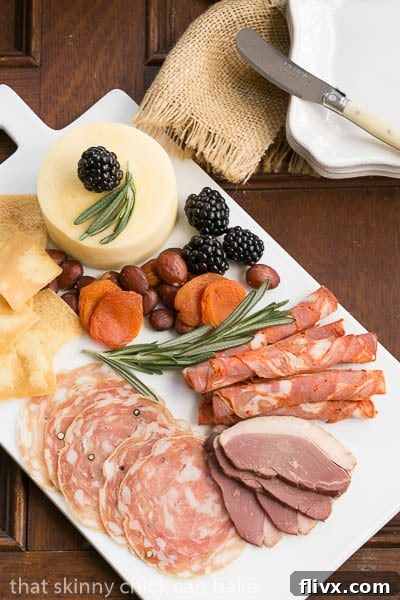
Photo circa 2014
Featured Product Recommendation: Forest Decor Cheeseboards
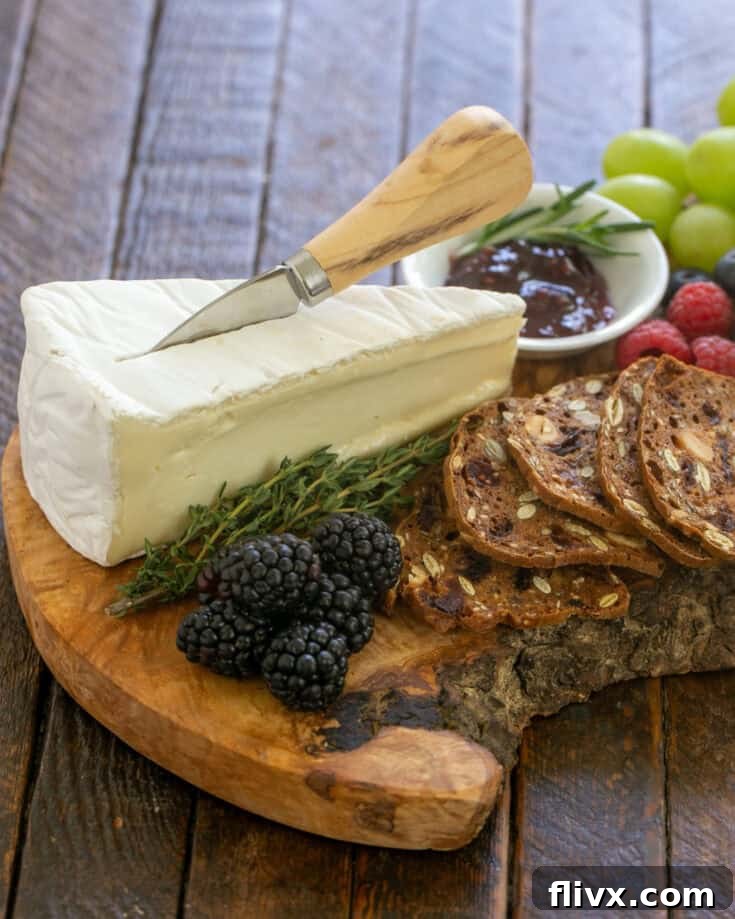
I instantly fell in love with the gorgeous olive wood cheeseboard and knife set from Forest Decor pictured earlier. Their beautiful products are handmade with 100% olive or forest wood and are completely free of chemicals, making them a natural and eco-friendly choice. These high-quality boards make fabulous, thoughtful gifts for any cook or entertainer in your life. Think ahead to upcoming birthdays, anniversaries, or Christmas – a Forest Decor board is always a welcome present!
If you’re looking to elevate your presentation, I highly recommend checking out the range of products on the Forest Decor Website. Their craftsmanship is truly exceptional, and you’re sure to find a board that perfectly complements your style.
You May Also Like These Appetizer Ideas:
- Easy Spring Charcuterie Board from Reluctant Entertainer
- Chocolate Dessert Board
- Triple Cheese Gougeres
- How to Arrange a Simple Cheese Tray
- Festive Blue Cheese Balls
- More Easy Appetizer Recipes
Stay connected and share your culinary creations through social media! Follow @ Instagram, Facebook, and Pinterest. Don’t forget to tag me when you try one of my recipes! Your feedback is invaluable, and if you love the results, please consider giving it a 5-star rating on the recipe card below.
How to Make a Cheese Board
15 minutes
15 minutes
Learn what to put on a cheese board and how to arrange it for a beautiful and delicious presentation.
Ingredients
- Wooden cheese board or large ceramic plate.
- 3 to 5 cheeses with a variety of textures, pungency, shapes, and flavors. Odd numbers often look best for visual balance.
- Fresh fruit such as apples, pears, grapes, or berries. Remember not to cut apples and pears too early to prevent browning.
- Fresh herbs (e.g., rosemary, thyme) for a pop of green and aromatic garnish.
- Condiments such as chutney, jelly, jam, honey, mustard, or olives.
- An assortment of crackers, toasts, or slices of a fresh baguette.
Instructions
- Prepare Your Base: Choose a suitable cheeseboard or platter with ample room to artfully arrange your cheeses, crackers, and various accompaniments.
- Place the Cheeses: Strategically place at least 3 distinct cheeses on your board. Aim for an odd number for a balanced look. Vary their texture (soft, firm, semi-hard), pungency (mild, medium, bold), and shapes for maximum visual interest.
- Fill and Enhance: Begin filling the spaces around your cheeses with fresh fruit, sprigs of herbs, a selection of crackers, and small bowls of jams or spreads. If you are creating a charcuterie board, now is the time to add your cured meats, folding or rolling them attractively.
- Optimal Serving Temperature: For the best flavor and texture, remove your cheeses from the refrigerator approximately one hour before your guests are expected to arrive. Allowing them to come closer to room temperature will help them soften and enhance their natural flavors.
Notes
Note: There are no hard and fast rules when it comes to creating your perfect cheese board. Feel free to personalize it and make it YOUR way!
Recommended Products
As an Amazon Associate and member of other affiliate programs, I earn from qualifying purchases.
- Small white bowls
HOW MUCH DID YOU LOVE THIS RECIPE?
Please leave a comment on the blog or share a photo on Pinterest