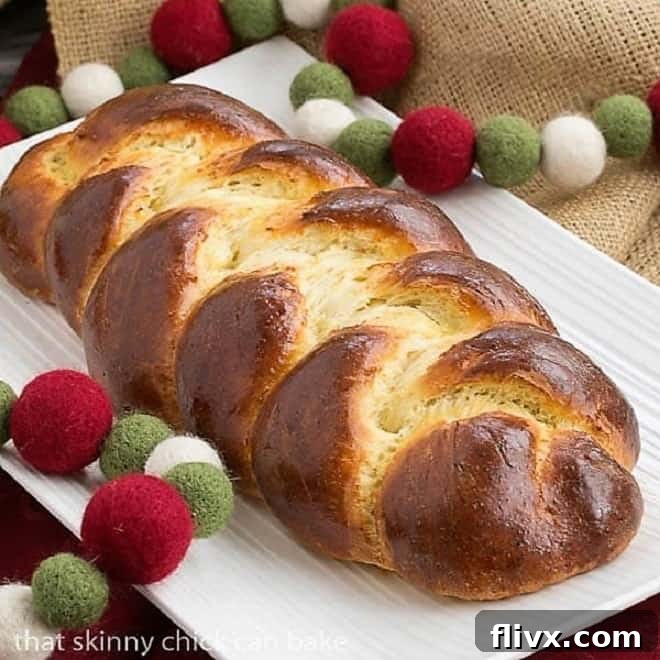
Swiss Butter Braid, famously known as Butterzopf, is a truly exquisite, slightly sweet, and beautifully plaited bread that transforms any meal into a special occasion. Originating from the heart of Switzerland, this magnificent bread is more than just a baked good; it’s a testament to centuries of tradition and culinary artistry. Whether you’re planning a holiday feast, hosting an elegant brunch, or simply desiring a comforting, yeasty treat, baking a loaf of Butterzopf promises a rewarding experience. Prepare to fill your home with an irresistible aroma and delight your senses with every tender, buttery bite of this iconic braided bread.
Why This Swiss Butter Braid Recipe Is a Must-Try
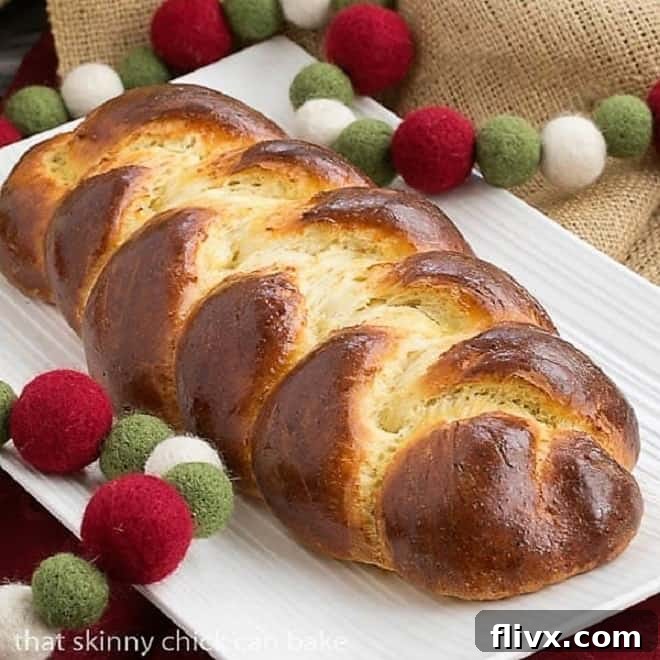
There’s something uniquely captivating about braided bread. It exudes a certain elegance and festivity that elevates it beyond everyday fare. This Swiss Butter Braid, or Butterzopf, is no exception. While it might be an everyday delight for the Swiss, its stunning appearance and rich flavor profile make it feel incredibly special.
- A Feast for the Eyes and Palate: Braided bread has always held a special place in my heart, evoking warm memories of festive occasions. My mother would often incorporate dyed hard-boiled eggs into her Easter bread, drizzling it with sweet icing – a tradition I almost adapted for this loaf, contemplating forming it into a wreath before deciding on the classic braid. This Butterzopf, with its intricate weave and golden hue, is inherently beautiful, making it a perfect centerpiece for any table.
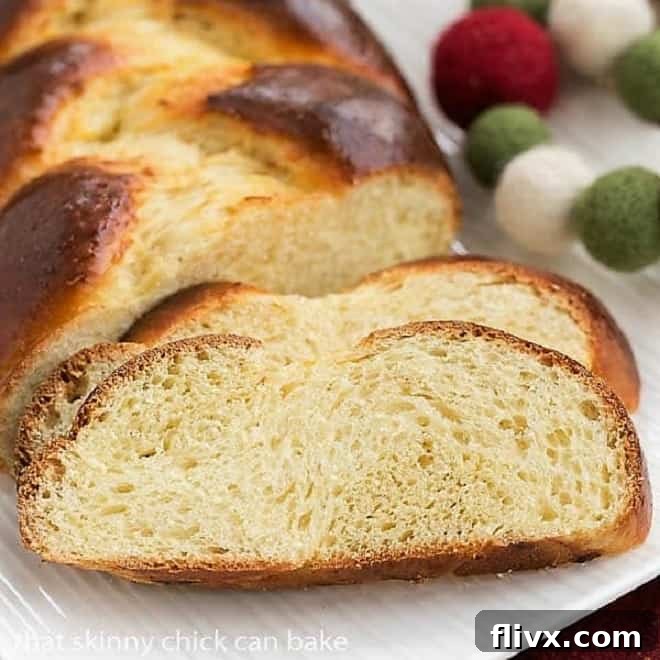
- Unforgettable Flavor and Texture: This recipe delivers a perfectly balanced sweetness, thanks to a generous measure of sugar, which complements the rich notes from two whole eggs and an additional egg yolk. This combination not only contributes to the bread’s delightful richness but also imparts a gorgeous golden color and an incredibly tender crumb. Each slice is soft, airy, and infused with the luxurious taste of butter, melting in your mouth with every bite.
- Versatility for Any Occasion: While ideal for holiday gatherings and special brunches, this Swiss Butter Braid is so delicious, you’ll want to make it “just because.” Imagine serving warm slices with butter and jam, or elevating your morning coffee with a piece of this buttery goodness. And for an absolute treat? Envision transforming any potential leftovers (though they are rare!) into the most divine French toast you’ve ever tasted, soaking up the custard beautifully and frying to a golden crisp. The mere thought is enough to make anyone swoon! My family absolutely adored this Butterzopf, and I’m confident yours will too.
The Rich History and Cultural Significance of Butterzopf
Butterzopf, meaning “butter braid” in Swiss German, is deeply embedded in Swiss culinary heritage. This beloved bread is not merely a delicious staple but also carries fascinating historical roots. Dating back to the mid-15th century, the tradition surrounding this bread reveals a profound cultural shift.
Historically, there was a solemn custom where, during a burial, a woman would cut off her own braid and place it in her husband’s grave. This act symbolized a lasting bond and mourning. Over time, this poignant ritual evolved, with the actual hair braid eventually being replaced by a beautifully crafted, braided loaf of bread. This transformation allowed for a symbolic gesture of remembrance and comfort through a shared, nourishing food, becoming the Butterzopf we know and love today.
In modern Switzerland, Butterzopf holds a cherished place, especially at the breakfast table on Sunday mornings. It’s a culinary symbol of weekend relaxation, family gatherings, and the simple pleasures of life. Its inviting aroma and comforting taste make it an integral part of Swiss family traditions, shared amongst loved ones, often with butter, honey, or jam. This bread is more than just a recipe; it’s a piece of living history, bringing warmth and flavor to generations.
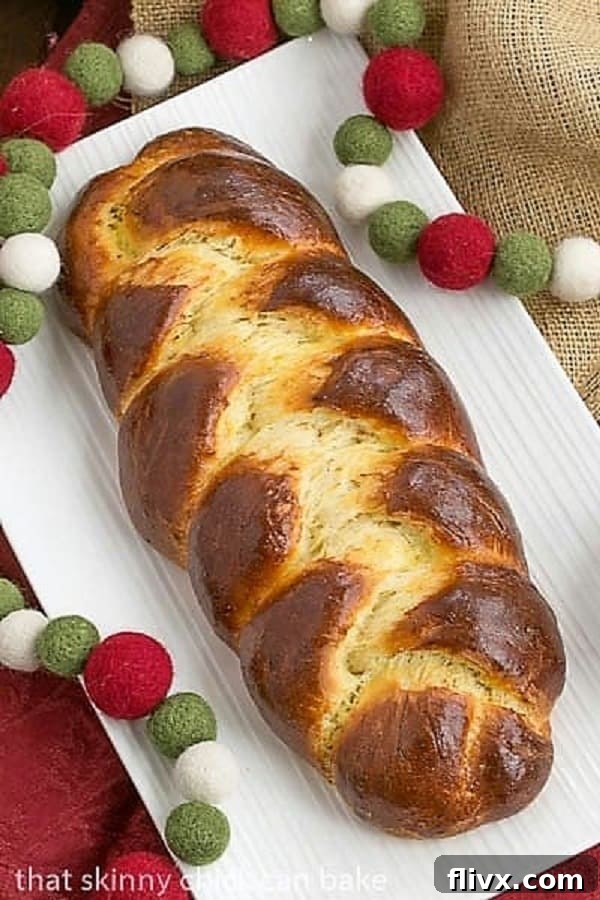
Essential Ingredients for Your Perfect Butterzopf
Crafting the perfect Swiss Butter Braid requires a few simple, high-quality ingredients, most of which are likely already in your pantry. Each component plays a vital role in achieving the signature richness, tenderness, and golden color of this traditional bread, ensuring a consistently delicious outcome every time.
- Kitchen Staples:
- Milk: Provides crucial moisture and helps create a wonderfully tender crumb. Whole milk is often preferred for its added richness, contributing to a more luxurious bread, though any milk will yield good results.
- Granulated Sugar: This isn’t just for sweetness; it also fuels the yeast and contributes to the bread’s beautifully golden-brown crust during baking. It balances the richness of the butter and eggs perfectly.
- Melted Butter: The star ingredient, butter is absolutely crucial for the bread’s distinctive rich flavor and exceptionally soft texture. Melting the butter ensures it incorporates smoothly and evenly into the dough, distributing its luscious taste throughout.
- Eggs plus one Yolk: Eggs add significant richness, moisture, and contribute to the bread’s structural integrity. The addition of an extra egg yolk provides an unparalleled boost of richness and helps create an even more tender, almost cake-like crumb, while also enhancing the golden hue of the bread.
- Salt: Essential for balancing the sweetness, enhancing all the other flavors, and importantly, regulating the yeast activity. Never omit the salt, as it impacts both taste and texture.
- All-Purpose Flour: This forms the foundational structure of your Butterzopf. Ensure you’re using fresh, unbleached all-purpose flour for optimal gluten development and the best texture.
- Instant Yeast: One standard envelope (about 2 ½ teaspoons) of instant yeast is all you need to bring your dough to life. Instant yeast is wonderfully convenient as it doesn’t require prior proofing; it can be mixed directly with the dry ingredients. For best results and reliable activation, I highly recommend using a premium brand like Red Star Platinum Yeast, known for its consistent performance and ability to produce exceptionally soft, fluffy bread. Always double-check the expiration date on your yeast packet to guarantee it’s active and ready to work its magic.
Expert Tips for Mastering Your Braided Yeast Bread
Baking a beautifully braided loaf might seem daunting at first glance, but with a few expert tips and a little practice, you’ll be creating stunning Swiss Butterzopf like a seasoned pro. These insights will help you achieve the perfect texture, a magnificent rise, and that signature glossy golden finish.
- Leverage Your Stand Mixer: If you’re fortunate enough to own a heavy-duty stand mixer (such as a KitchenAid) equipped with a dough hook, put it to good use! It will dramatically reduce your kneading time and energy, ensuring a perfectly developed gluten structure which is vital for a tender, elastic dough. If you don’t have a stand mixer, don’t despair; kneading by hand on a lightly floured surface is traditional and effective, just be prepared for a good arm workout. The dough will be soft but manageable.
- Consider Fruitful Additions for Extra Flair: For an additional layer of flavor, texture, and visual appeal, consider incorporating dried fruits into your dough. Renowned baking expert Nick Malgieri suggests mixing in about 1½ cups of raisins, currants, or other diced dried fruits (like tender apricots or tart cranberries) before you begin the braiding process. This inclusion adds a delightful burst of sweetness and a pleasant chewiness that beautifully complements the rich, buttery bread.
- Cultivate Optimal Proofing Conditions: Patience is an indispensable virtue when working with yeast dough. Resist the temptation to rush the proofing process by placing your dough in an excessively warm environment. An ideal temperature range for rising is a cozy 80-90 degrees Fahrenheit (27-32 degrees Celsius). Any warmer than this, and the yeast activity can become erratic and overactive, leading to a less flavorful bread with a potentially coarse texture. A slower, more gradual rise not only ensures proper dough development but also allows for a richer, more complex flavor to develop in the bread, enhancing its overall aroma and taste profile.
- Mastering the Art of Braiding: The technique for braiding bread is surprisingly similar to braiding hair – once you grasp the simple rhythm, it becomes intuitive, even meditative.
- Begin by taking three strands of dough of equal length. Pinch them together very firmly at one end to create a secure anchor.
- Take the outermost left strand and cross it over the middle strand. This original left strand now becomes the new middle strand.
- Next, take the outermost right strand and cross it over the new middle strand. This original right strand now becomes the latest middle strand.
- Continue this alternating pattern, consistently crossing the left strand over the middle, then the right strand over the middle.
- As you approach the end of your dough ropes, pinch the remaining strands together firmly to prevent any unraveling during baking.
- Finally, gently tuck both of the pinched ends underneath the loaf for a clean, professional-looking finish.
- Avoid Over-Tight Braiding: While you aim for a secure and cohesive braid, it’s crucial not to pull the strands too tightly. An overly taut braid can restrict the dough’s ability to rise properly during both the second proofing stage and the actual baking process. This restriction can cause the loaf to split apart in the oven, marring its beautiful appearance. Strive for a braid that is firm enough to hold its shape but relaxed enough to allow for ample expansion.
- The Critical Second Rise: After you’ve artfully braided your loaf, it’s essential to allow it to proof (rise) again. This second rise, often called the final proof, is absolutely vital for achieving that signature light, airy, and tender texture of a perfect Butterzopf. Once the loaf has visibly doubled in size, it’s ready for the oven, typically after a generous application of the beautiful egg glaze!
- Strategic Browning Prevention: Keep a watchful eye on your Swiss Butter Braid as it bakes. If you notice that the crust is developing a deep brown color too rapidly, especially after about 30 minutes in the oven, simply loosely cover the entire loaf with a piece of aluminum foil. This clever trick will shield the top from further browning while allowing the interior of the bread to finish baking thoroughly without burning the crust.
- Confirming Doneness: To ensure your Butterzopf is perfectly baked through and not undercooked, perform two quick tests. Gently press on the top of the loaf; it should feel firm and resilient. Another highly reliable test is to carefully lift the loaf and tap the bottom – a distinct hollow sound indicates that the bread is fully cooked and ready to be removed from the oven.
- The Importance of Cooling Completely: As incredibly tempting as it is to slice into a warm, fragrant loaf straight out of the oven, resist the urge! Always transfer your freshly baked Swiss Butter Braid to a wire rack and allow it to cool completely before attempting to slice it. This crucial cooling period allows the internal starches and structure of the bread to set properly, preventing it from becoming gummy or dense. Your patience will be generously rewarded with perfectly textured, beautiful slices.
Frequently Asked Questions About Swiss Butter Braid (Butterzopf)
When Do the Swiss Serve Butterzopf?
In Switzerland, this delightful butter braid, known as Butterzopf, is a common and cherished addition to breakfast on Sunday mornings. It embodies a culinary tradition symbolizing relaxation and togetherness, often enjoyed with family over coffee, a selection of delicious fruit jams, honey, or even a slice of local cheese. While it’s a quintessential weekend staple, its irresistible deliciousness makes it a welcome treat any day of the week, especially for special gatherings, brunches, or festive occasions.
How Does Butterzopf Differ from Challah?
While both Butterzopf and Challah are renowned for their beautiful braided appearance and rich, tender crumb, a key distinction lies in their primary fat content. Challah is traditionally made with oil (often olive oil or vegetable oil), making it pareve (dairy-free) and suitable for Jewish dietary laws, allowing it to be served with meat meals. Butterzopf, on the other hand, unequivocally uses generous amounts of real butter as its signature fat. This butter imparts its distinct, luxurious flavor and exquisitely tender crumb, which is why it cannot be considered pareve.
How Long Has This Butter Braid Recipe Been Around?
The origins of Butterzopf are quite ancient and fascinating, tracing back to the mid-15th century. Its history is deeply intertwined with a poignant symbolic tradition. Originally, there was a solemn custom where, during a husband’s burial, a woman would cut off her own braid and place it in his grave as a profound act of mourning and remembrance. Over time, this deeply personal and sorrowful act evolved, and the physical hair braid was symbolically replaced by this beautiful, braided loaf of bread. Thus, the Butterzopf emerged as a comforting, enduring symbol of tradition, remembrance, and community connection.
What’s the Best Way to Store a Butter Braid?
Like most freshly baked bread, Swiss Butter Braid is undeniably at its peak on the very day it’s made, when its crust is perfectly crisp and its interior is wonderfully tender and aromatic. However, any potential leftovers can be stored effectively to maintain their quality and deliciousness:
- Room Temperature: For optimal freshness over a few days, store the bread in an airtight container or a tightly sealed plastic bag at room temperature. This helps to retain moisture and prevent it from drying out. It will stay fresh for 3-4 days.
- Refrigerator: For slightly extended freshness, particularly in warmer or more humid climates, you can store Butterzopf in the refrigerator for up to a week. Be aware that refrigeration can sometimes alter the texture of bread, making it slightly firmer, but a quick toast or warm-up can restore its tenderness.
- Freezer: To enjoy your homemade Butterzopf for even longer, it freezes beautifully. Once the loaf has completely cooled, wrap it tightly in plastic wrap, then encase it in a layer of aluminum foil. Store it in the freezer for up to 3 months. To serve, simply thaw at room temperature or gently warm slices in a toaster or oven for that fresh-baked feel.
Serving Suggestions for Your Homemade Butterzopf
Swiss Butter Braid is incredibly versatile and can be enjoyed in numerous delightful ways, making it a perfect addition to various meals and gatherings. Its inherent slight sweetness and rich profile make it an ideal accompaniment for both savory and sweet dishes.
- Classic Breakfast or Brunch Essential: Serve warm, thick slices with a generous smear of high-quality butter, your favorite fruit jams, vibrant marmalades, or local honey. It pairs exquisitely with a freshly brewed cup of coffee, a comforting mug of tea, or rich hot chocolate.
- Elevated Sandwiches: Use hearty slices of Butterzopf to create elegant breakfast sandwiches featuring savory ham and cheese, or even a sophisticated egg salad. Its sturdy yet tender texture holds up beautifully to fillings.
- Sweet Delights: For a simple dessert or an afternoon treat, drizzle warm slices with a light powdered sugar glaze, or spread with creamy Nutella for a truly decadent experience.
- French Toast Perfection: As mentioned, any slightly stale Butterzopf transforms into the most incredible French toast. Its rich, eggy texture soaks up the custard beautifully, yielding a golden-brown, custardy interior and a perfectly crisp exterior – a truly luxurious breakfast.
- Comforting Bread Pudding: Don’t let any leftover Butterzopf go to waste! It’s fantastic for making a comforting bread pudding. Combine cubes of the bread with a rich custard, spices, and perhaps some fresh or dried fruit for a heartwarming dessert.
Explore More Braided Bread Recipes & Sweet Treats
If you’ve fallen in love with the rewarding art of making braided bread, or simply enjoy discovering unique and delicious baked goods, we invite you to explore these other fantastic recipes from our kitchen. Each one promises a delightful baking adventure and a delicious outcome:
- Stollen Wreath from Cake Duchess – Discover a festive German classic, beautifully presented and rich with fruit and spice.
- Braided Easter Bread – Another wonderful braided option, perfect for spring celebrations and holiday tables.
- Plaited Easter Bread with Cream Cheese Filling – A delightful variation featuring a creamy, sweet surprise inside.
- Easy King Cake – A colorful and fun sweet bread, traditionally enjoyed during the Mardi Gras season.
- Spinach Onion Braid – For those who appreciate a savory braided option, perfect as an appetizer or side dish.
- More Bread Recipes – A diverse and expanding collection of bread recipes to expand your baking repertoire and fill your home with delicious aromas.
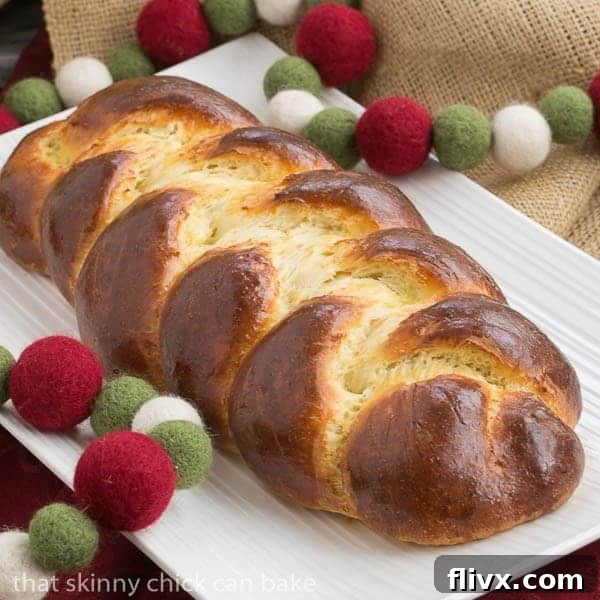
Swiss Butter Braid Recipe
A sweet, buttery, and beautifully plaited loaf, perfect for holidays or any special occasion. This recipe is adapted from renowned baker Nick Malgieri’s highly acclaimed cookbook, How to Bake, ensuring a reliable and consistently delicious result.
Prep Time: 30 minutes
Cook Time: 30 minutes
Total Time: 1 hour (Please note: this does not include essential dough proofing time, which typically adds 2-3 hours to the overall process.)
Yield: 1 magnificent loaf (approximately 12 generous servings)
Ingredients
- ½ cup fresh milk (whole milk is highly recommended for enhanced richness)
- ½ cup granulated sugar
- 6 tablespoons unsalted butter, thoroughly melted
- 2 large eggs, plus 1 additional large egg yolk (ensure eggs are at room temperature for optimal mixing)
- 2 ½ teaspoons (or one standard 0.25 oz / 7g envelope) instant yeast (Red Star Platinum yeast is preferred for best rise and consistent quality)
- ¼ teaspoon fine sea salt
- 2 ¾ cups all-purpose flour, plus extra for lightly dusting your work surface
- 1 large egg, lightly whisked (for the beautiful egg glaze)
Instructions
- Prepare the Dough Base: In the bowl of a heavy-duty stand mixer fitted with the paddle attachment (or a large mixing bowl if kneading by hand), combine the warm milk, granulated sugar, and thoroughly melted butter. Mix gently on low speed until all ingredients are well combined and smooth.
- Incorporate Wet Ingredients and Yeast: Add the 2 whole eggs and the extra egg yolk to the mixture. Beat until fully incorporated and the mixture is uniform. Then, sprinkle in the instant yeast and stir briefly to combine.
- Add Dry Ingredients and Knead: With the mixer set to low speed, slowly add the salt, followed by the all-purpose flour, adding it incrementally about one cup at a time. Once all the flour has been added and a shaggy dough forms, switch to the dough hook attachment (if using a stand mixer) and continue to mix and knead for an additional 2 minutes until the dough comes together, feels soft, and exhibits elasticity. If kneading by hand, transfer the dough to a lightly floured surface and knead vigorously for 8-10 minutes until it becomes smooth, supple, and elastic. The dough will be soft and slightly sticky.
- First Rise (Bulk Fermentation): Lightly grease a clean, large mixing bowl with a little oil or butter. Transfer the kneaded dough to the greased bowl, turning it once to ensure the entire surface is lightly coated. Cover the bowl tightly with greased plastic wrap to prevent a skin from forming. Let the dough rise in a warm, draft-free place at a comfortable room temperature (ideally between 80-90°F / 27-32°C) for 1 to 1 ½ hours, or until it has visibly doubled in bulk and appears puffy.
- Shape the Braid: Gently deflate the risen dough by carefully punching it down to release the trapped gases. Transfer the dough to a lightly floured work surface and divide it evenly into 3 equal pieces. Roll each piece into a uniform rope, approximately 15 inches (38 cm) long. Arrange the three ropes side-by-side and firmly pinch them together at one end to create a secure starting point. Begin the braiding process: take the leftmost rope and cross it over the middle rope, then take the rightmost rope and cross it over the new middle rope. Continue this alternating pattern until you reach the end of the ropes, pinching the remaining ends firmly together. Gently tuck both of the pinched ends underneath the loaf for a neat and polished appearance.
- Second Rise (Proofing): Carefully transfer the beautifully braided loaf to a baking sheet that has been lined with parchment paper. Cover the loaf loosely with another piece of greased plastic wrap. Allow it to rise again in a warm, draft-free place for another 1 to 1 ½ hours, or until it has noticeably doubled in size and looks light and airy. This crucial second rise is vital for achieving the characteristic light and airy texture of Butterzopf.
- Prepare for Baking: During the last 15-20 minutes of the second rise, preheat your oven to 375°F (190°C). Whisk the remaining large egg in a small bowl to create an egg glaze. Gently brush this rich, golden glaze evenly over the entire surface of the risen braided bread. This step is key to developing Butterzopf’s beautiful, glossy, golden-brown crust.
- Bake the Loaf: Carefully place the baking sheet with the Swiss Butter Braid into the preheated oven. Bake for approximately 30 minutes. It’s important to monitor the loaf during baking; if you notice the crust is beginning to brown too quickly, particularly during the last 5-10 minutes of baking, simply loosely cover the loaf with a piece of aluminum foil. This will protect the top from further browning while ensuring the interior finishes cooking thoroughly.
- Cool and Serve: Once baked, the bread should have a rich golden-brown color, feel firm to the touch when gently pressed, and sound hollow when you tap the bottom of the loaf. Carefully transfer the hot loaf from the baking sheet to a wire rack and allow it to cool completely. Resisting the urge to slice warm bread is crucial, as cooling completely allows the internal structure to set, resulting in perfectly textured, non-gummy slices.
Notes
The total time listed for this recipe (1 hour) refers to active preparation and baking time and does not include the essential dough proofing times, which typically add an additional 2-3 hours to the overall process. This meticulously crafted recipe is an adaptation from the pages of Nick Malgieri’s highly regarded cookbook, How to Bake, ensuring a thoroughly tested and consistently delicious outcome for your homemade Butterzopf.
Recommended Baking Products
As an Amazon Associate and member of other affiliate programs, I earn from qualifying purchases. These are products I personally recommend and frequently use in my kitchen for achieving the best baking results.
- USA Pan Bakeware Half Sheet Pan, Warp Resistant Nonstick Baking Pan
- Set of Glass Mixing Bowls (Durable and versatile for all your baking needs)
- KitchenAid KSM150PSER Artisan Tilt-Head Stand Mixer (A baking essential!)
Nutrition Information (per serving)
Amount Per Serving (1 slice, calculated as approximately 1/12 of a full loaf):
- Calories: 226
- Total Fat: 8g
- Saturated Fat: 4g
- Trans Fat: 0g
- Unsaturated Fat: 3g
- Cholesterol: 78mg
- Sodium: 115mg
- Total Carbohydrates: 33g
- Fiber: 1g
- Sugar: 11g
- Protein: 5g
We absolutely love seeing your baking creations and hearing about your culinary adventures! Stay connected and share your passion for delicious food by following us on social media: Find us on Instagram, Facebook, and Pinterest. Don’t forget to tag us when you try one of our recipes – we can’t wait to see your wonderful results! Your feedback is incredibly valuable to us – if you love this Swiss Butter Braid recipe and are thrilled with the outcome, please consider leaving a 5-star rating on the recipe card above or sharing a comment on the blog!
HOW MUCH DID YOU LOVE THIS RECIPE?
Your thoughts and experiences help fellow bakers! Please leave a comment on the blog or share a photo of your beautiful Butterzopf on Pinterest.
© Liz Berg
Cuisine: Swiss / Category: Bread