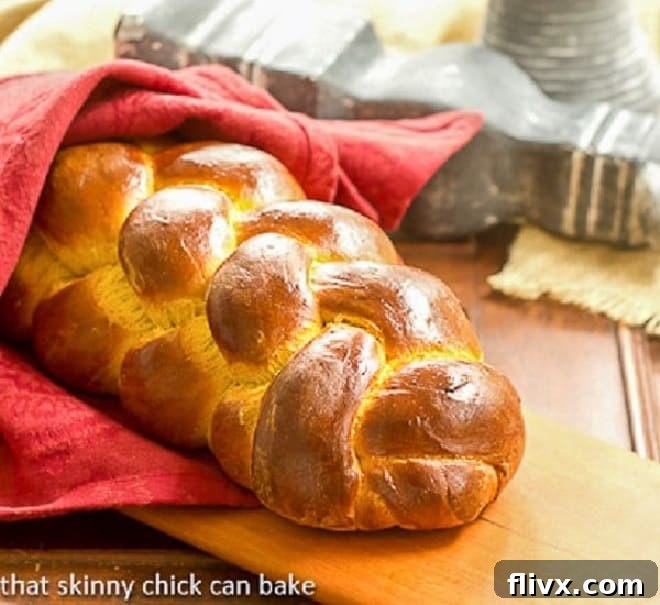
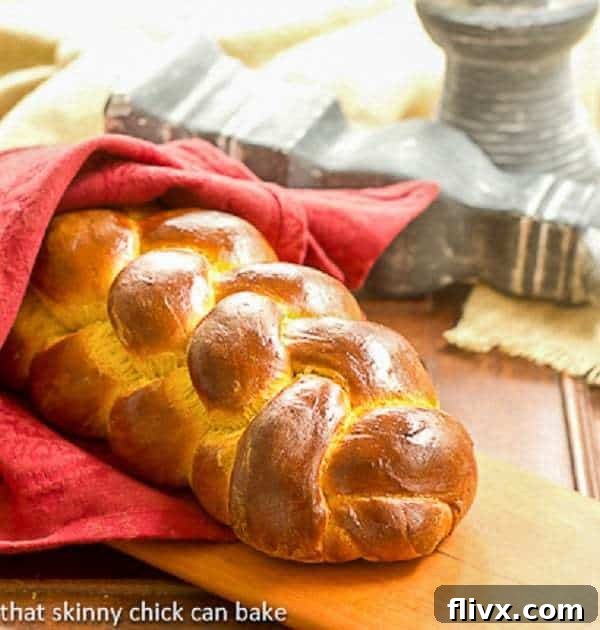
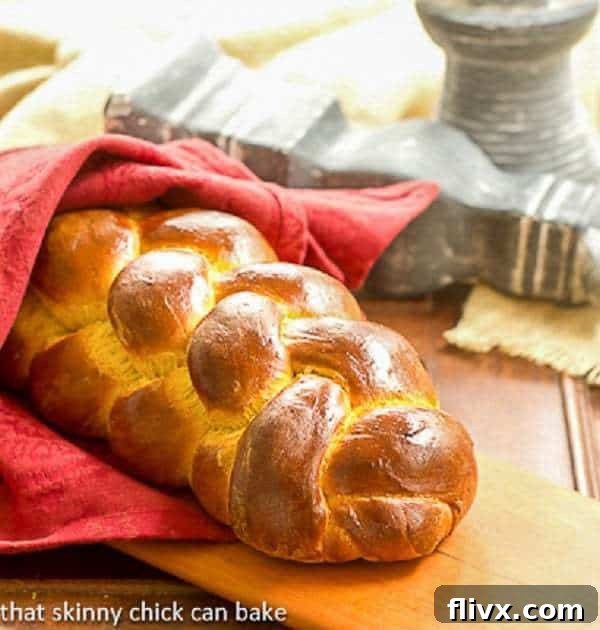
Welcome to the enchanting world of fall baking, where warmth, comfort, and exquisite flavors come together. Among the many seasonal delights, a truly special creation stands out: Pumpkin Challah. This isn’t just any bread; it’s a rich, egg-laden masterpiece, offering a delightful twist on the classic braided loaf. Imagine the soft, tender texture of traditional challah, infused with the subtle, earthy sweetness of pumpkin puree and boasting a gorgeous golden hue that perfectly captures the essence of autumn.
Often considered the queen of braided breads, challah finds its ultimate seasonal expression in this pumpkin rendition. It’s an ideal centerpiece for your Thanksgiving dinner, a comforting companion for any meal, or a simply stunning loaf to share with loved ones. If you have a soft spot for eggy, incredibly moist bread, then prepare to fall in love with this autumnal sensation. Its vibrant color alone is enough to brighten any table, promising a taste as phenomenal as its appearance.
Why This Pumpkin Challah is an Absolute Must-Make
Preparing a homemade loaf of bread is always a rewarding experience, but this Pumpkin Challah elevates it to an art form. Here’s why this recipe should be at the top of your fall baking list:
- Embrace the Season: This challah recipe is exquisitely designed for the fall season, bringing the quintessential flavors and vibrant colors of autumn directly to your kitchen and table. It’s more than just bread; it’s a celebration of harvest.
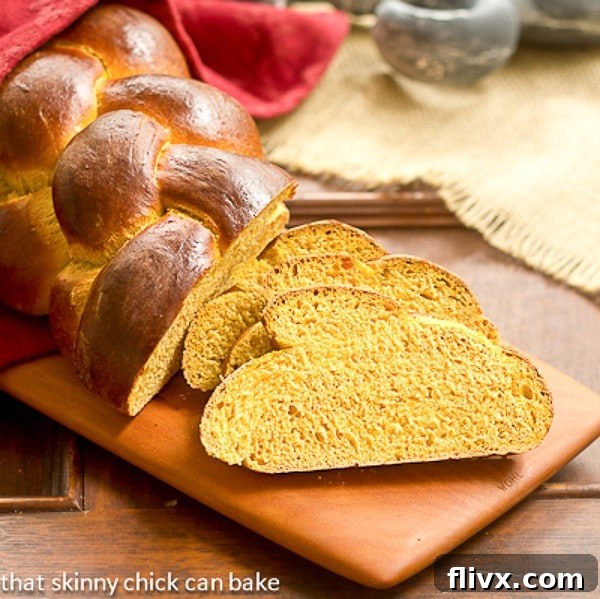
- Unmatched Moisture and Subtle Sweetness: The secret lies in the addition of pumpkin puree, which doesn’t just impart a beautiful color but also adds incredible moisture and a delicate, natural sweetness to the dough. This results in a loaf that is exceptionally tender and flavorful, without being overtly “squashy.”
- Perfect for Braiding Practice: If you’ve ever felt intimidated by braiding bread, this is your golden opportunity to master the craft. Challah dough is forgiving and a joy to work with. Even if your first attempt isn’t picture-perfect, the taste will undoubtedly be divine, making every effort worthwhile.
I distinctly recall the sense of triumph when I finally mastered the challenging 6-strand braided challah, a feat I largely attribute to an insightful online video tutorial by Joan Nathan. As someone who struggles even with braiding hair, this was a significant accomplishment. I enlisted my daughter’s help, and together we carefully followed the video, me repeating the instructions aloud as I braided. While I hoped the process would become easier with practice, the immediate result was a truly spectacular loaf that impressed everyone.
My curiosity was sparked after seeing numerous food bloggers sharing their pumpkin challah recipes throughout the fall. However, I wasn’t keen on incorporating strong autumn spices like cinnamon, nutmeg, or cloves. My vision was to let the pure, earthy sweetness of the pumpkin shine through, unmasked by a medley of spices. Therefore, I consciously omitted them from this recipe, aiming for a cleaner, more versatile flavor profile that truly highlights the natural goodness of the pumpkin.
Expert Recipe Tips for Perfect Pumpkin Challah
Crafting the perfect Pumpkin Challah involves a few key techniques and insights. Follow these tips to ensure your bread is nothing short of magnificent:
- Embrace Subtle Pumpkin Flavor: For those concerned about an overpowering pumpkin taste, rest assured. This bread offers a lovely, subtle sweetness and a hint of pumpkin, rather than a dominant “pumpkin spice” flavor. It’s designed to be versatile and enjoyable for all palates.
- Customizable Spices: While this version highlights pure pumpkin essence, feel free to personalize your loaf. If you desire a more spiced profile, warm spices like cinnamon, a pinch of nutmeg, or even a touch of ginger can be added to the dough. Just remember that omitting them keeps the bread more adaptable for various pairings.
- The Art of Proofing (Dough Rise): Patience is a virtue when it comes to bread making. Avoid rushing the dough’s rise. The ideal temperature for proofing bread dough ranges from 75-95°F (24-35°C). Many professional bakers actually prefer a cooler, slower rise, as it allows for deeper flavor development and a more robust structure. Let your dough take its time; it will thank you with superior texture.
- Minimal Flour for Shaping: When it’s time to shape your dough, use flour sparingly on your work surface and hands. Adding too much extra flour can alter the dough’s hydration, potentially making your bread drier or tougher. You want to maintain the perfect balance achieved in the initial recipe.
- Proof Until Triple in Size: This is a crucial “PRO-Tip.” Ensure your dough proofs to about triple its original size during the second rise (after braiding). If it doesn’t rise sufficiently, your beautiful braids might separate during baking, or the bread could end up dense, resembling a cake. A properly proofed loaf should be puffed up like a marshmallow and will have a slight wobble when gently moved.
- Delicious Leftover Creations: Don’t let any leftover Pumpkin Challah go to waste! It makes the most incredible French toast. Imagine slices soaked in an eggy batter, griddled to golden perfection, and topped with sautéed apples spiced with cinnamon. It’s a breakfast or brunch dream come true.
I once sent a portion of a freshly baked loaf home with my oldest son. He commented that he didn’t perceive a significant difference in flavor from regular challah. This might have been partly due to the generous amount of butter he slathered on his slice, but I was pleased that the pumpkin flavor wasn’t overly dominant or “squashy,” confirming the subtle balance I aimed for.
Mastering the Art of Braiding Challah
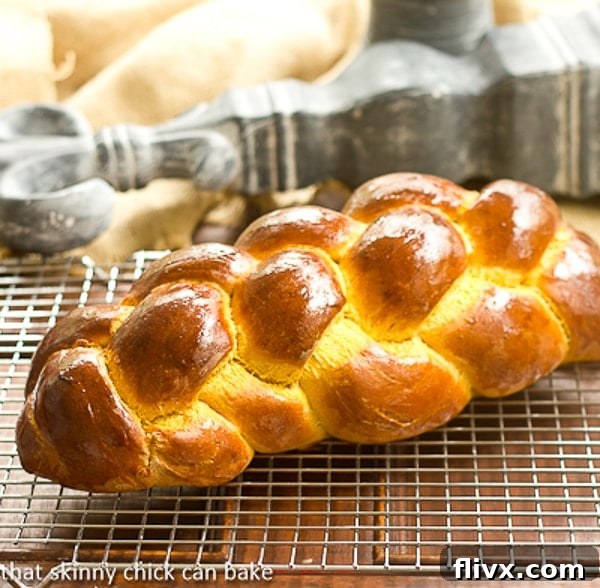
The braided appearance is one of challah’s most iconic features. While it might look complex, it’s a skill that can be easily learned with a few simple techniques. Here’s how to achieve that beautiful, characteristic braid:
- Achieve Even Strands: For a uniform and aesthetically pleasing braid, divide your dough into equal parts – whether you’re aiming for 3 strands, 4, or even 6. A “PRO-Tip” here is to use a kitchen scale for precise measurement. This ensures each strand has the same weight, leading to a perfectly balanced loaf.
- Shaping the Strands: First, gently shape each individual dough portion into a log. Then, delicately roll them into long, even strands. The key is to be gentle; avoid stretching the dough excessively, as this can create unsightly striations or uneven textures as the bread rises and bakes.
- Setting Up Your Braid: Line your prepared strands parallel on a lightly floured work surface. If one strand happens to be slightly longer than the others, strategically place it in the middle; this helps maintain symmetry. Leave a small space, about an inch or so, between each strand to allow for expansion.
- Securing the Top: Pinch the three (or more) strands together firmly at the very top. Once pinched, tuck this secured end slightly underneath the loaf. This creates a neat starting point and prevents the strands from unraveling as you begin braiding.
- The Braiding Motion: For a 3-strand braid, simply braid as you would a classic three-strand hairstyle. Once you reach the end, pinch the strands together again and tuck them securely underneath the opposite end of the loaf. This creates a beautifully finished look on both sides. If you’re feeling adventurous, many online video tutorials demonstrate how to create more intricate multi-strand braids (4, 6, or even 8 strands!), offering a stunning visual appeal.
- The Golden Egg Wash: After your braided bread has completed its final proof (its second rise), prepare an egg wash by whisking an egg yolk with a teaspoon and a half of water. Gently brush this mixture over the entire surface of the loaf. This egg wash is the secret to achieving that characteristic shiny, golden-brown crust.
- Double Egg Wash for Extra Sheen: For an even more professional and glossy finish, here’s another “PRO-Tip”: apply a second coat of egg wash about 20-25 minutes into the baking process. As the bread rises in the oven, little nooks and crannies become exposed. A second wash ensures these newly revealed surfaces also get glazed, resulting in an all-over luminous crust.
- Utilize Video Tutorials: If you’re a visual learner or want to explore more complex braiding patterns, the internet is a fantastic resource. Search for “challah braiding tutorial” on platforms like YouTube; you’ll find countless step-by-step videos that make the process incredibly easy to follow.
Frequently Asked Questions About Challah
Challah is a deeply symbolic and traditional Jewish yeast bread. It is typically served on the Sabbath (Shabbat), Jewish holidays, and other significant occasions. Known for its rich, slightly sweet flavor and distinct golden hue (thanks to a generous amount of eggs), challah dough is incredibly versatile. While it can be formed into various shapes, the elegant braided loaf remains its most classic and recognizable form.
While both challah and brioche are renowned for being rich, soft, and eggy breads, a key distinction lies in their fat content. Traditional challah is made with oil (often vegetable or canola oil), making it pareve (neither meat nor dairy) and suitable for Jewish dietary laws. Brioche, on the other hand, is a French bread that uses a substantial amount of butter, which gives it a distinct richness and flavor profile. Both are delicious, but their primary fat source sets them apart.
While “healthy” can be subjective, challah offers some nutritional benefits. The eggs in the dough provide a good source of protein, and since it typically uses oil instead of butter, it generally contains less saturated fat compared to brioche. The enriched flour and the addition of pumpkin puree contribute some vitamins and minerals. However, like most breads, challah is relatively high in carbohydrates and can be calorie-dense, especially when enjoyed with spreads or toppings. It’s best enjoyed as part of a balanced diet rather than a primary health food.
Absolutely! Using fresh pumpkin puree can enhance the flavor even further. Just ensure that your homemade puree is thick and free of excess moisture. If it’s too watery, you might need to gently simmer it down or blot it with a paper towel to achieve the right consistency, as too much moisture can affect the dough’s texture.
Once cooled, Pumpkin Challah is best stored at room temperature in an airtight container or a bread bag. It will remain fresh and soft for 2-3 days. For longer storage, you can freeze the entire loaf or individual slices. Wrap it tightly in plastic wrap and then in aluminum foil, and it will keep well in the freezer for up to 2-3 months. Thaw at room temperature or gently warm in the oven.
Explore More Pumpkin and Bread Delights
If you’ve enjoyed baking this Pumpkin Challah, you might love these other fall-inspired recipes and bread creations:
- Pumpkin Churro Cheesecake Bars from Nutmeg Nanny
- Old Fashioned Pumpkin Roll
- Caramel-Topped Pumpkin Cheesecake
- Pumpkin Pie Cupcakes
- Classic Pumpkin Bread
- Pumpkin Bars with Cream Cheese Frosting
- My Favorite Pumpkin Recipes
- More Delectable Bread Recipes
Stay connected and share your culinary creations with me through social media! Follow me on Instagram, Facebook, and Pinterest. Don’t forget to tag me when you try one of my recipes! If you’re thrilled with the results, please consider leaving a 5-star rating in the recipe card below – your feedback means the world to me!
The Recipe:
Pumpkin Challah Recipe
30 minutes
40 minutes
1 hour 10 minutes
1 loaf
A fabulous 6-strand Pumpkin Challah loaf, offering a beautiful autumnal twist on a classic. Adapted for enhanced flavor and texture.
Ingredients
- 1 package active dry yeast (Red Star brand recommended)
- ½ cup lukewarm water, divided (approximately 110ºF / 43°C)
- 1 tablespoon plus 1 ½ teaspoons granulated sugar
- 2 tablespoons whisked egg (half of one large egg)
- 3 egg yolks
- 2 tablespoons honey
- 1 tablespoon vegetable oil
- 1 teaspoon salt
- ¼ cup brown sugar
- 1 cup canned pumpkin puree (not pumpkin pie filling)
- 3 ½ – 4 ½ cups all-purpose flour
For the Egg Wash:
- 1 egg yolk
- 1 ½ teaspoons water
Instructions
- Activate Yeast: Pour ¼ cup of the lukewarm water (about 110°F / 43°C) into a large mixing bowl or the bowl of your stand mixer. Add the yeast and 1½ teaspoons of sugar, then stir gently to dissolve.
- Proof Yeast: Allow the mixture to sit for 10 minutes. The yeast should become foamy and bubbly, indicating it’s active.
- Combine Wet Ingredients: Add the remaining ¼ cup lukewarm water to the bowl, along with the rest of the granulated sugar, whisked egg, egg yolks, honey, oil, and salt. Whisk everything together until well combined.
- Incorporate Pumpkin and Brown Sugar: Stir in the brown sugar and pumpkin puree until fully integrated into the wet mixture.
- Form the Dough: Using the paddle attachment of your stand mixer (or a wooden spoon if kneading by hand), begin adding the all-purpose flour slowly, about a cup at a time. Continue mixing until the dough comes together, becoming smooth and elastic, and is no longer sticky to the touch. You may not need all of the flour, or you might need a tiny bit more; adjust as needed.
- Knead the Dough: If using a stand mixer, switch to the dough hook and knead on low speed for a couple of minutes until the dough is smooth and pliable. If kneading by hand, turn the dough out onto a lightly floured surface and knead for 8-10 minutes until smooth and elastic.
- First Rise (Bulk Fermentation): Lightly grease a clean mixing bowl. Place the dough ball into the bowl, twisting it to ensure the bottom is greased. Flip the dough over, cover the bowl with a damp towel or plastic wrap, and place it in an unheated oven with a pan of hot water on a lower rack (the warmth from the water helps create a humid, warm environment). Let the dough rise for 2 hours. Gently punch down the dough at the 1-hour mark to release air, then reshape and let it continue rising.
- Prepare for Shaping: After the first rise, gently punch the dough down a few times within the bowl to deflate it. Turn the dough out onto a lightly floured work surface. If the dough feels sticky, knead in a small amount of additional flour, sparingly, until it’s easy to handle.
- Divide and Shape Strands: Divide the dough into three equal portions (or more, depending on your desired braid complexity). Roll each portion into a long, even “snake” or strand. For a detailed guide on braiding, refer to the “Mastering the Art of Braiding Challah” section above, or check for online video tutorials for a 6-strand braid.
- Second Rise (Proofing): Carefully place the braided bread on a baking sheet lined with parchment paper. Whisk together the egg yolk and water for the egg wash. Lightly brush the entire surface of the loaf with the egg wash. Let the braided bread rest in a warm, draft-free place while you preheat your oven to 350°F (175°C). The bread should visibly puff up during this time.
- Bake the Challah: Bake the challah for a total of 35-40 minutes. Halfway through the baking time (around 17-20 minutes), rotate the baking sheet 180 degrees to ensure even browning. If the crust begins to brown too quickly, loosely tent the loaf with aluminum foil to prevent over-browning.
- Check for Doneness: The bread is done when it’s deeply golden brown and sounds hollow when you gently rap on its bottom.
- Cool and Serve: Carefully remove the baked challah from the oven and transfer it to a wire cooling rack. Let it cool completely before slicing and serving to ensure the interior sets properly and remains moist.
Notes
Total time indicated does not include the essential proofing (rising) times for the dough. These are crucial steps for developing flavor and texture.
Recommended Baking Tools
As an Amazon Associate and member of other affiliate programs, I earn from qualifying purchases.
- 7 qt Pro Line KitchenAid Mixer
- Roul’Pat Silicone Counter Mat
- USA Pan Bakeware Half Sheet Pan
Nutrition Information:
Yield:
18 servings
Serving Size:
1 slice
Amount Per Serving:
Calories: 443
Total Fat: 3g
Saturated Fat: 1g
Trans Fat: 0g
Unsaturated Fat: 2g
Cholesterol: 47mg
Sodium: 126mg
Carbohydrates: 90g
Fiber: 3g
Sugar: 6g
Protein: 12g
HOW MUCH DID YOU LOVE THIS RECIPE?
Please leave a comment on the blog or share a photo on Pinterest!