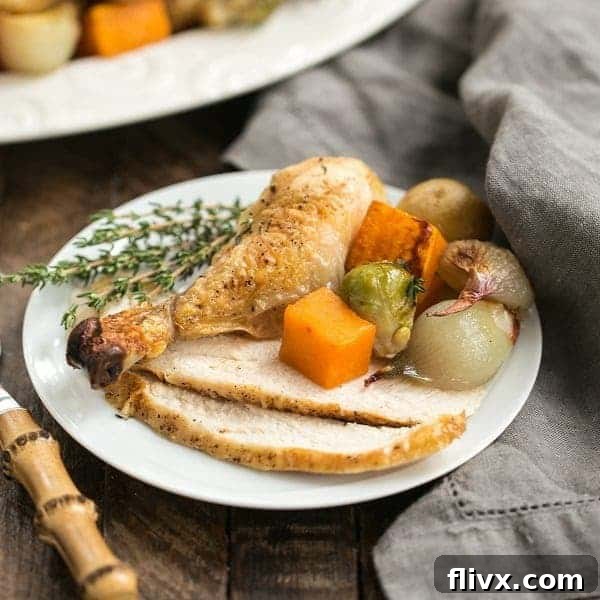
Sheet Pan Chicken with Roasted Fall Vegetables: Your Ultimate One-Pan Autumn Dinner
As the days grow shorter and the air turns crisp, there’s nothing quite as comforting as a warm, hearty meal shared with loved ones. Imagine a dinner that not only fills your home with an irresistible aroma but also promises rich, savory flavors with minimal effort and, best of all, only one pan to clean. This dream becomes a delicious reality with our ultimate recipe for Sheet Pan Chicken with Roasted Fall Vegetables.
This dish perfectly encapsulates the essence of autumn comfort food. Tender, juicy chicken roasts alongside a colorful medley of seasonal vegetables, each absorbing the delicious drippings and caramelizing to perfection. It’s a complete meal, packed with nutrients and bursting with the robust tastes of the season, all from the convenience of a single sheet pan.
Whether you’re a seasoned chef or a busy home cook, this recipe is designed for simplicity without compromising on taste. Forget the fuss of multiple pots and pans; embrace the ease and elegance of a meal that practically cooks itself, leaving you more time to savor the moments that matter.
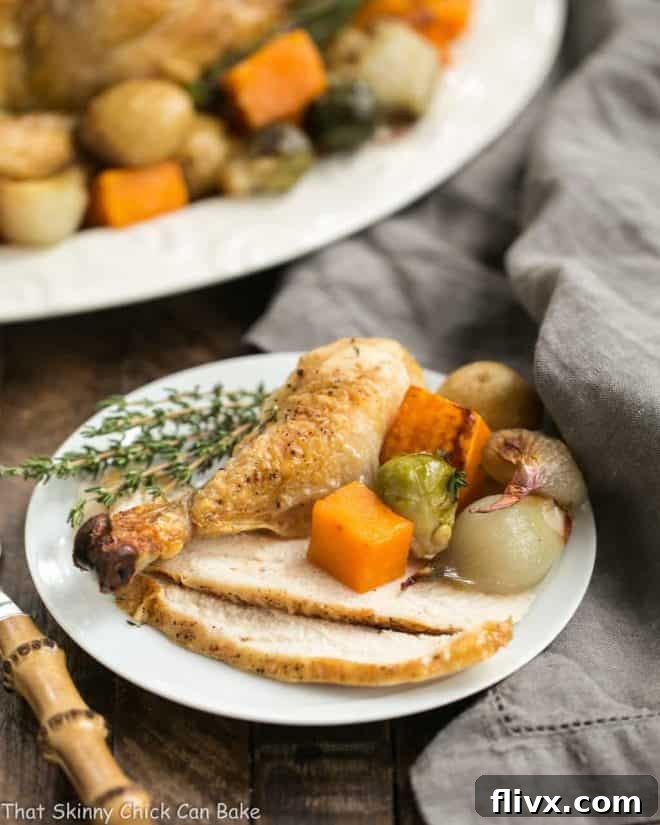
The Unbeatable Appeal of Sheet Pan Dinners
Sheet pan dinners have revolutionized weeknight cooking, earning their place as a go-to method for busy families and culinary enthusiasts alike. The concept is beautifully simple: combine your protein and vegetables on a single baking sheet, roast them together in the oven, and emerge with a complete, flavorful meal. This approach offers a multitude of benefits that make it an indispensable technique in any kitchen.
- Minimal Cleanup: Perhaps the most celebrated advantage, reducing post-dinner dishwashing to just one pan dramatically simplifies mealtime routines.
- Effortless Convenience: With most of the prep involving chopping and tossing, the oven does the majority of the work, freeing you up for other tasks.
- Healthy and Nutritious: Roasting is a fantastic cooking method that enhances the natural sweetness of vegetables while requiring minimal added fats. Combining protein and a variety of vegetables ensures a balanced meal.
- Incredible Versatility: Sheet pan meals are endlessly adaptable. Swap out proteins, experiment with different vegetables, or change up your seasoning to create a new dish every time.
- Flavor Layering: As ingredients roast together, their flavors meld and deepen. The juices from the chicken drip onto the vegetables, infusing them with an unparalleled richness and creating delicious caramelized bits.
This harmonious cooking process creates a symphony of textures and tastes, making sheet pan dinners a truly delightful and practical choice for any occasion.
Why This Sheet Pan Chicken Recipe is a Must-Try
Our Sheet Pan Chicken with Roasted Fall Vegetables isn’t just another convenient meal; it’s an experience designed to delight your senses and simplify your life. Here’s why this particular recipe stands out:
A Symphony of Aromas
There’s a primal comfort in the scent of a chicken roasting in the oven. As this dish cooks, your kitchen will fill with an inviting fragrance—a blend of savory chicken, earthy herbs, and sweet, caramelized vegetables. This tantalizing aroma signals that a truly satisfying dinner is on its way, promising warmth and nourishment on even the chilliest autumn evenings. It’s an instant mood lifter and a precursor to the deliciousness to come.
Efficiency Meets Exquisite Flavor
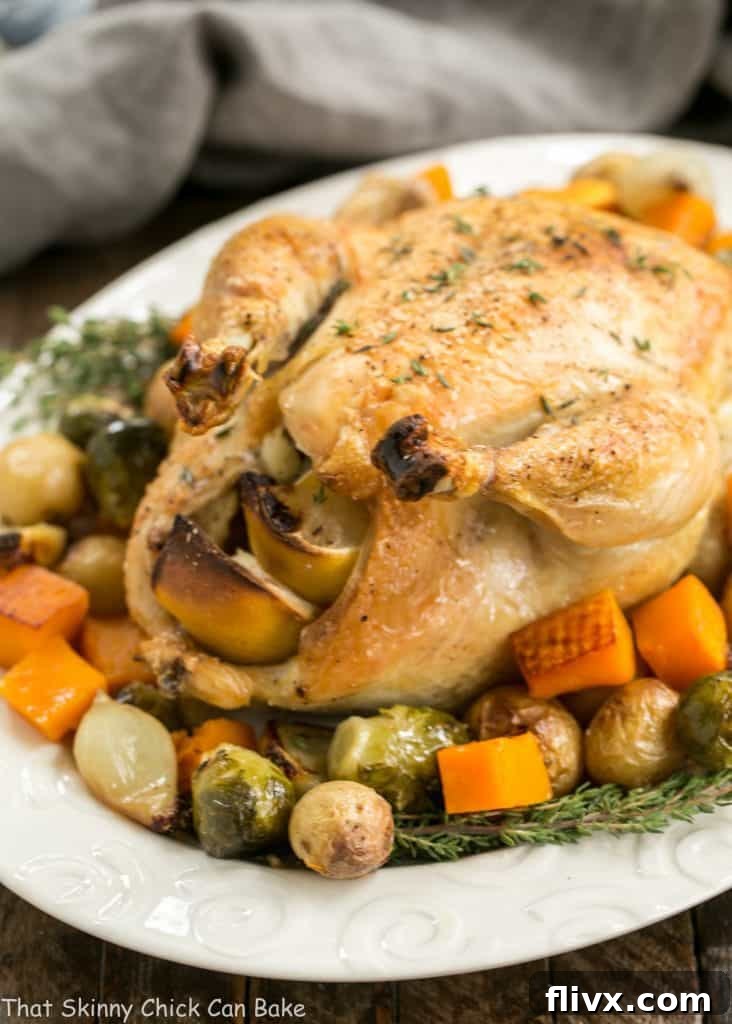
With the oven temperature cranked up, this sheet pan chicken cooks to perfection in less than an hour, delivering wonderfully crispy skin and incredibly tender, juicy meat. But the magic doesn’t stop there. As the chicken roasts, its flavorful juices drip down, bathing the surrounding autumnal vegetables. This natural basting process ensures the vegetables absorb those tantalizing savory notes, caramelizing beautifully and transforming them into irresistible morsels.
Seasonal Goodness in Every Bite
This recipe celebrates the bounty of the fall season. By pairing the succulent chicken with an array of robust vegetables like butternut squash, Brussels sprouts, and new potatoes, you create a dish that’s not only visually appealing but also bursting with the distinct, hearty flavors that define autumn. Each ingredient contributes its unique texture and taste, culminating in a meal that feels both wholesome and wonderfully indulgent.
Essential Techniques for Perfect Roasted Chicken and Vegetables
Achieving a perfectly roasted chicken and exquisitely tender, caramelized vegetables on a single pan requires a few key techniques. Mastering these tips will elevate your sheet pan dinner from good to absolutely unforgettable.
Preparing Your Chicken for Roasting Glory
- Drying is Key: Before seasoning, it’s crucial to thoroughly pat the chicken dry with paper towels. This seemingly small step prevents the skin from steaming in the oven, ensuring it becomes beautifully golden and crisp. Don’t forget to dry the internal cavity as well.
- Generous Seasoning: A generous sprinkle of kosher salt over the entire exterior of the chicken, along with freshly ground black pepper and aromatic herbs like thyme or rosemary, is paramount. Salt not only seasons the meat but also aids in drawing out moisture from the skin, further enhancing crispiness.
- Lemon for Moisture and Zest: Placing a quartered lemon (or even an onion) in the cavity of the chicken isn’t just for show. As the chicken roasts, the lemon’s moisture and subtle citrus notes infuse the bird from the inside out, contributing to a more tender and delicately flavored meat. It also adds a wonderful aroma to your kitchen.
Mastering the Roasting Process
- Temperature Control with a Thermometer: The single most important tool for roasting chicken is a reliable meat thermometer. Overcooking leads to dry, unappetizing meat, while undercooking poses food safety risks. Aim for an internal temperature of 160-165°F (71-74°C) in the thickest part of the thigh (without touching bone). The temperature will rise a few degrees as it rests.
- The Crucial Rest: Once your chicken reaches the desired internal temperature, resist the urge to carve it immediately. Removing it from the oven and letting it rest loosely tented with foil for at least 15-30 minutes allows the juices to redistribute throughout the meat. This results in an incomparably tender and moist chicken.
- Choosing the Right Roasting Method: For sheet pan dinners with vegetables, a “hot and quick” roasting method (typically 400-475°F or 200-245°C) is ideal. This high heat promotes rapid browning and caramelization on both the chicken and vegetables, achieving that desirable crisp exterior while keeping the interior succulent.
- Trussing for Even Cooking: Trussing involves tying the chicken’s legs together and tucking the wings. This creates a more compact, uniform shape, ensuring all parts cook evenly and preventing the wings and breast from drying out before the thighs are done. While not always possible when surrounded by many vegetables, it’s a valuable technique for overall consistency.
Selecting and Prepping Your Autumnal Vegetables
- Even Cooking Times: Choose root vegetables and hardier greens that will finish cooking in approximately the same amount of time as the chicken. Excellent choices include carrots, sweet potatoes, new potatoes, butternut squash, Brussels sprouts, and parsnips. Cut them into roughly uniform pieces to ensure consistent cooking.
- Staggered Additions for Delicate Veggies: If you wish to incorporate faster-cooking or more delicate vegetables like mushrooms, bell peppers, or asparagus, add them to the sheet pan during the last 15-20 minutes of roasting. This prevents them from burning or becoming mushy.
- Avoid Overcooked Greens: Green vegetables such as broccoli or green beans tend to overcook and lose their vibrant color and crisp texture if roasted for the entire duration alongside a whole chicken. For best results, consider steaming or lightly sautéing them separately, or add them very late in the roasting process.
- Proper Seasoning for Veggies: Just like the chicken, your vegetables need proper seasoning. Toss them thoroughly with olive oil, salt, and pepper (and any desired herbs) before spreading them on the sheet pan. The oil helps them caramelize and prevents sticking, while the seasoning enhances their natural flavors.
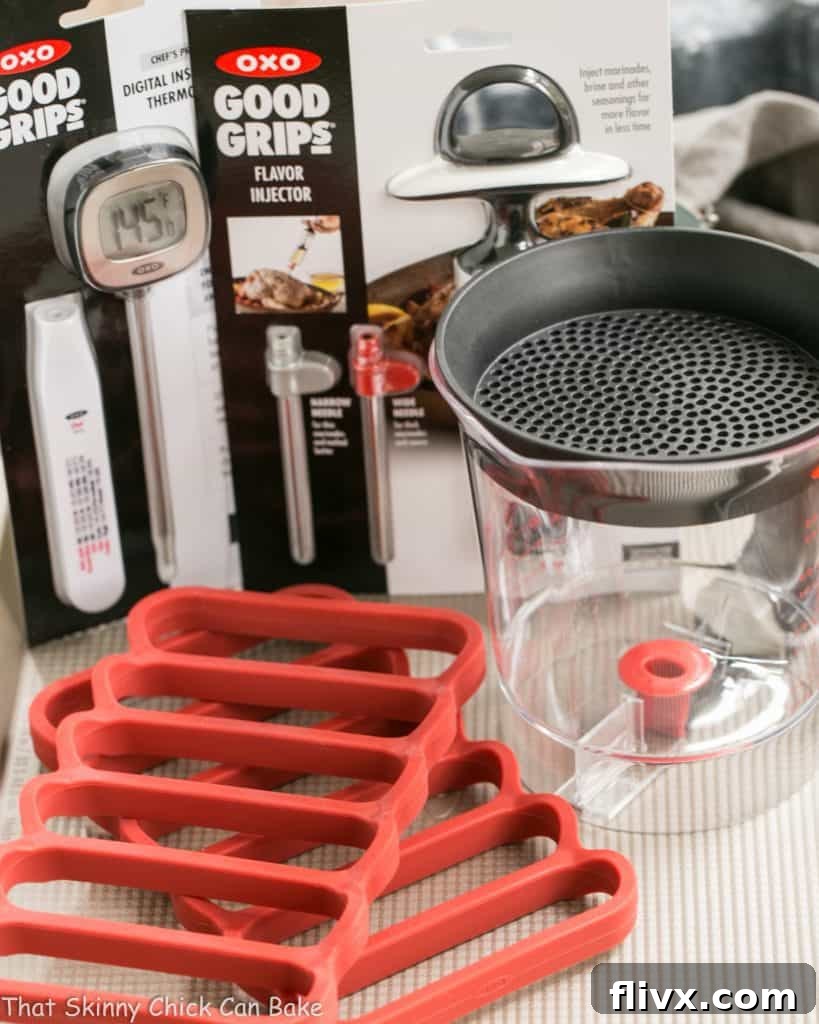
Recommended Kitchen Tools for a Seamless Roasting Experience
While this recipe is designed for simplicity, having the right kitchen tools can significantly enhance your roasting experience, making the process smoother and the results even more spectacular. Here are some essential items that can turn a good meal into a great one:
- Digital Meat Thermometer: An instant-read digital thermometer is your best friend when roasting poultry. It eliminates guesswork, ensuring your chicken is cooked to a safe internal temperature without being overdone and dry. Look for features like a pivoting head for easy reading at any angle.
- Silicone Roasting Rack: These flexible racks elevate your meat slightly off the pan, promoting better air circulation around the chicken for more even cooking and browning on all sides. They also prevent the meat from sticking and allow vegetables nestled beneath to soak up delicious drippings.
- Non-Stick Half Sheet Pan (13″ x 18″): A sturdy, non-stick sheet pan is the workhorse of any sheet pan meal. The 13″ x 18″ size is ideal for accommodating a whole chicken and a generous amount of vegetables without overcrowding. A high-quality non-stick coating ensures easy food release and makes cleanup a breeze.
- Good Gravy Fat Separator: For those who love to make gravy from their pan drippings, a fat separator is invaluable. It allows you to easily separate the flavorful meat juices from the excess fat, creating a rich, less greasy sauce to complement your roasted meal. Modern designs often feature drip-free valves for mess-free pouring.
- Flavor Injector: While not strictly necessary for this recipe, a flavor injector is a fantastic tool for infusing marinades, brines, or other seasonings deep into the meat of your chicken, turkey, or roasts. It’s a simple way to boost flavor and moisture, especially for larger cuts of poultry.
Investing in quality tools like these will not only make your cooking more enjoyable but also help you achieve consistently excellent results with all your roasted dishes.
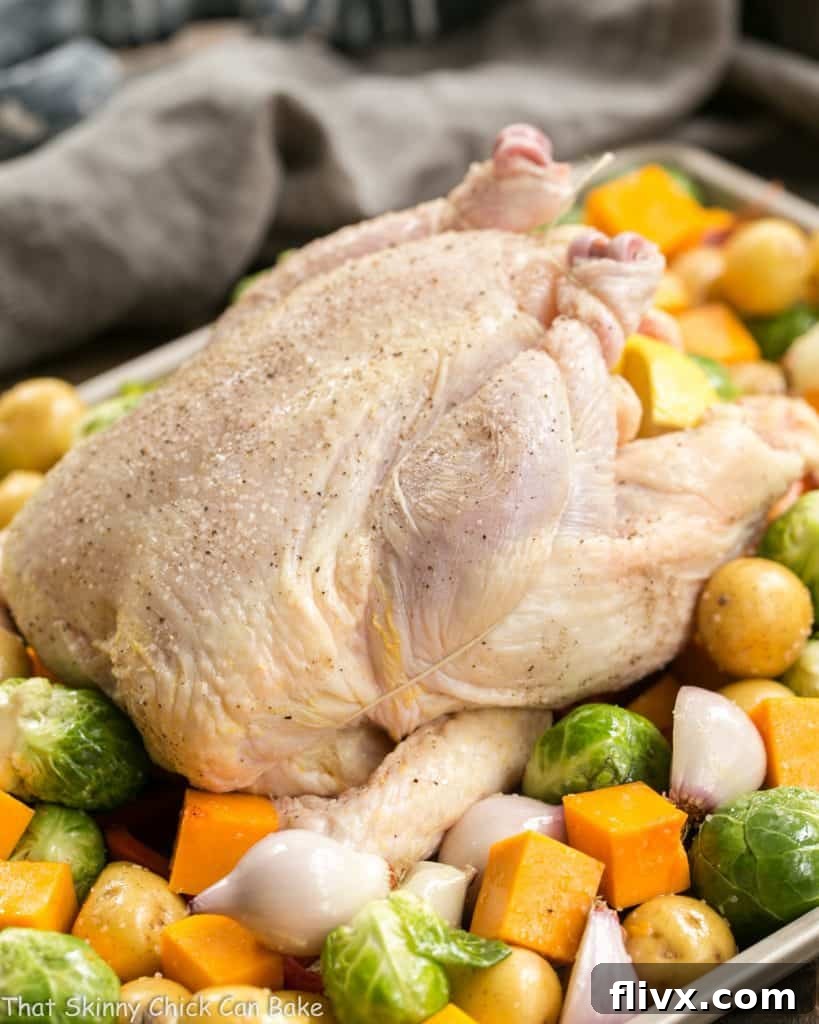
Crafting the Perfect Oven-Roasted Chicken: Advanced Tips
Beyond the basic techniques, a few advanced tips can truly elevate your oven-roasted chicken, ensuring it’s not just cooked but truly spectacular—crispy, juicy, and packed with flavor.
- No Washing, Just Drying: It’s a common misconception that chicken needs to be washed before cooking. In fact, washing raw chicken can spread bacteria around your kitchen. Instead, focus on thoroughly drying the exterior and ensuring there are no juices sitting in the cavity. A dry surface is paramount for achieving that coveted crispy skin; moisture leads to steaming, not browning.
- Pre-Salting for Crispy Skin (Dry Brine): For the crispiest skin imaginable, generously salt your chicken and let it rest uncovered in the refrigerator for at least an hour, or even overnight. This “dry brining” process draws moisture from the skin, allowing it to become incredibly crisp while seasoning the meat deeply.
- Minimalist Seasoning for Maximum Flavor: Sometimes, less is more. Esteemed chefs like Thomas Keller advocate for a simple approach: a generous sprinkling of kosher salt both inside and out, followed by a few grinds of fresh black pepper. The chicken’s natural flavors are allowed to shine, with fresh herbs like chopped thyme dusted over the finished bird for an aromatic flourish.
- Aromatic Cavity Fillers: While not strictly essential for a yummy chicken, stuffing the cavity with aromatic elements like quartered lemons, onions, garlic cloves, or fresh herb sprigs (rosemary, thyme, sage) can subtly enhance the pan juices. These infused juices can then be used to create a flavorful sauce or simply drizzled over the finished dish.
- High Heat Roasting Explained: There are two basic methods for roasting chicken: “low and slow” or “hot and quick.” For sheet pan chicken with vegetables, the “hot and quick” method (typically 425-475°F or 220-245°C) is preferred. This high temperature ensures the skin gets crispy and the vegetables caramelize beautifully in a shorter amount of time.
- The Art of Trussing: Trussing (tying the chicken) helps the bird cook more evenly, keeping the legs and wings tucked close to the body. This prevents the breast from overcooking and drying out before the darker meat of the thighs is done. To truss, use butcher’s twine to tie the legs together, then wrap the twine around the body, pulling it snug to create a more compact, uniform shape. This also makes for a more aesthetically pleasing presentation.
- The Importance of a Roasting Rack: Using a roasting rack (or a silicone roasting rack as suggested above) is ideal for allowing air to circulate completely around the chicken. This promotes even browning and crispness on all sides, including the bottom. While sometimes challenging when roasting with loads of vegetables, try to ensure at least some elevation to prevent the chicken from sitting directly in juices.
Elevate Your Meal: Serving Suggestions and Pairings
Your Sheet Pan Chicken with Roasted Fall Vegetables is a complete meal in itself, but a few thoughtful additions can elevate the dining experience even further. Consider these serving suggestions and pairings to complement the rich flavors of your roasted dinner:
- Fresh Green Salad: A crisp, vibrant green salad with a light vinaigrette offers a refreshing contrast to the richness of the roasted chicken and vegetables.
- Crusty Bread: A loaf of warm, crusty bread is perfect for soaking up any delicious pan juices left on your plate.
- Grain Side Dish: For an extra hearty meal, serve alongside a simple quinoa, couscous, or wild rice pilaf.
- Wine Pairings:
- White Wine: A full-bodied Chardonnay with its buttery notes, or a crisp Pinot Grigio to cut through the richness.
- Red Wine: A light-to-medium-bodied Pinot Noir or a fruity Merlot will complement the chicken and earthy vegetables without overpowering them.
- Herbed Yogurt Sauce: A dollop of Greek yogurt mixed with fresh dill, chives, and a squeeze of lemon juice can add a bright, creamy element.
Customizing Your Sheet Pan Masterpiece
One of the greatest joys of sheet pan cooking is its incredible flexibility. This recipe for Sheet Pan Chicken with Roasted Fall Vegetables is a fantastic starting point, but feel free to customize it to your taste, what’s in season, or what you have on hand. Here are some ideas to inspire your next creation:
- Spice Rubs and Marinades: Experiment with different spice blends! Try a smoked paprika and garlic powder rub for a smoky flavor, a Mediterranean blend with oregano and cumin, or a simple lemon-herb marinade before roasting.
- Citrus and Aromatic Additions: Beyond lemon, consider adding orange slices or lime wedges to the pan for different citrus notes. Tuck in extra fresh rosemary, sage, or whole garlic cloves among the vegetables for deeper aromatic infusion.
- Alternative Proteins: While chicken is classic, this method works beautifully with other proteins. Consider bone-in, skin-on pork tenderloin medallions, hearty sausages (chicken, pork, or even vegetarian), or firm white fish fillets (added later in cooking). Adjust cooking times accordingly.
- Seasonal Vegetable Swaps:
- Spring: Asparagus, snap peas, radishes, baby carrots.
- Summer: Zucchini, bell peppers (various colors), cherry tomatoes, red onion.
- Winter: Parsnips, rutabaga, celeriac, thicker-cut carrots.
- Cheese Finish: For the last 5-10 minutes of roasting, sprinkle some grated Parmesan cheese over the vegetables for a salty, umami crust.
Frequently Asked Questions (FAQ) about Sheet Pan Roasting
Can I use chicken pieces instead of a whole chicken?
Absolutely! Using bone-in, skin-on chicken pieces (thighs, drumsticks, or quarters) is a fantastic alternative. They tend to cook more quickly than a whole bird, so you might need to adjust the roasting time. Ensure your chicken pieces are roughly similar in size for even cooking.
How do I prevent vegetables from getting soggy?
Several factors contribute to crispy vegetables:
- Don’t Overcrowd the Pan: Give your vegetables space. If the pan is too full, they will steam instead of roast. Use two pans if necessary.
- Ensure Veggies are Dry: Just like the chicken, patting your chopped vegetables dry removes surface moisture.
- Use Enough Oil: A good coating of olive oil helps with browning and crisping.
- High Heat: Roasting at a higher temperature encourages caramelization.
What’s the best way to clean my sheet pan?
For easy cleanup, soak your sheet pan with warm, soapy water immediately after removing the food. For stubborn stuck-on bits, create a paste with baking soda and a little water, spread it over the affected areas, let it sit for 15-30 minutes, then scrub with a non-abrasive sponge. High-quality non-stick pans will, of course, make this process much simpler.
You May Also Like These Delicious Recipes
- Sheet Pan Chicken Quesadillas from The Cookie Rookie
- Classic Roast Chicken with Mustard Potatoes from That Skinny Chick Can Bake
- Low-Carb Sesame Chicken and Broccoli Sheet Pan Meal from Kalyn’s Kitchen
- Chocolate Sheet Cake from That Skinny Chick Can Bake
- Sheet Pan Asian Salmon with Broccoli, Carrots and Rice Noodles from The Food Charlatan
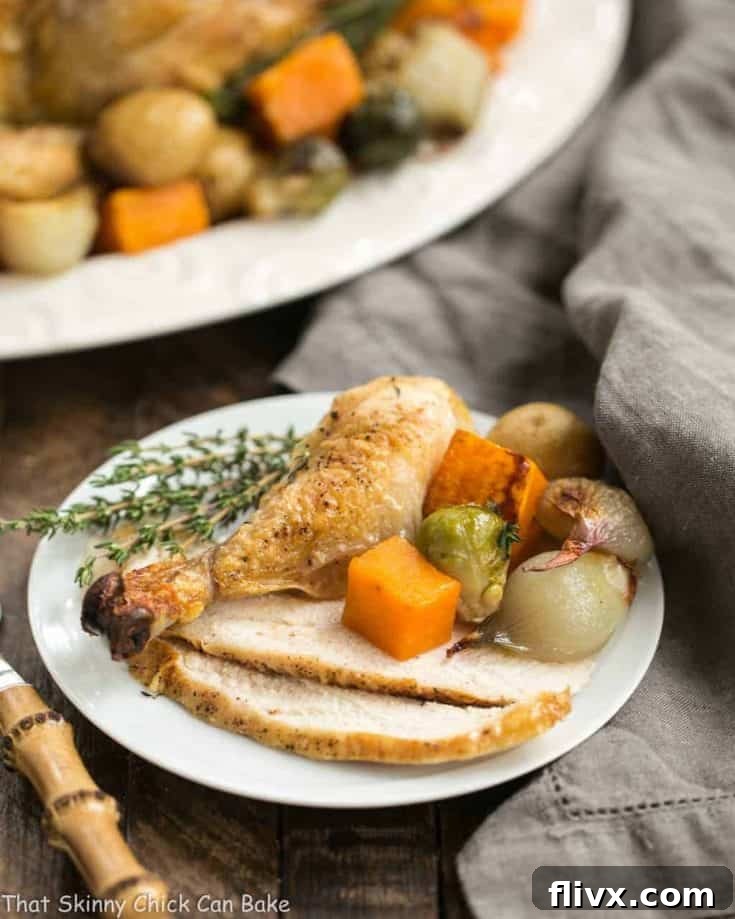
Sheet Pan Chicken Recipe with Roasted Fall Vegetables
An effortless and incredibly flavorful one-pan meal, perfect for any autumn evening.
Prep Time: 20 minutes
Cook Time: 1 hour
Total Time: 1 hour 20 minutes
Yield: 4 servings
Rating: 5 out of 5 stars (based on 4 reviews)
Ingredients
- 1 roasting chicken, about 3 pounds
- 2 teaspoons kosher salt
- ¼ teaspoon freshly ground black pepper
- 1 lemon, cut into quarters (optional, for cavity)
- 1 medium butternut squash, peeled, seeded, and cubed (approx. 4 cups, or buy pre-cubed)
- 1 pound Brussels sprouts, large ones cut in half
- 1 pound new potatoes, halved or quartered depending on size
- ½ pound shallots, peeled and large ones cut in half
- 1-2 tablespoons olive oil
- ¾ teaspoon kosher salt (for vegetables)
- 2 teaspoons minced fresh thyme (for garnish)
Instructions
- Begin by preparing your chicken: Thoroughly pat the chicken dry with paper towels, both inside and out, to ensure crispy skin. Trim off any excess fat. Sprinkle the chicken generously with 2 teaspoons of kosher salt and ¼ teaspoon of black pepper, making sure to season inside the internal cavity as well. If desired, place the quartered lemon into the cavity. For more even cooking and presentation, you may truss the chicken using butcher’s twine.
- Prepare the vegetables: In a large mixing bowl, combine the cubed butternut squash, halved Brussels sprouts, and halved shallots. Drizzle with 1-2 tablespoons of olive oil, tossing well to ensure all vegetables are lightly coated. Sprinkle with ¾ teaspoon of kosher salt and a few grinds of black pepper, then toss again to distribute the seasoning evenly.
- Assemble the sheet pan: Place your silicone roasting racks on a large half sheet pan (13″ x 18″). Carefully place the seasoned chicken on top of the racks. Arrange the prepared vegetables around the chicken in a single layer. It’s important not to overcrowd the pan; if necessary, use a second sheet pan or tuck some of the vegetables into the slots of the roasting rack to ensure even cooking and browning.
- Preheat your oven to 475°F (245°C). Once preheated, place the sheet pan into the hot oven. After 30 minutes of roasting, check the vegetables for tenderness and caramelization. Depending on your oven and desired doneness, some vegetables might be ready to be removed earlier. Transfer any tender, nicely browned vegetables to a serving dish and set aside, keeping them warm while the chicken finishes cooking.
- Continue roasting the chicken: Continue to roast the chicken until its internal temperature reaches 160°F (71°C) when measured in the thickest part of the thigh, without touching the bone. This typically takes between 45 minutes to 1 hour total roasting time, including the initial 30 minutes with the vegetables.
- Rest and serve: Once the chicken reaches temperature, carefully remove the sheet pan from the oven. Sprinkle the chicken and any remaining vegetables with the minced fresh thyme. Tent the chicken loosely with foil and let it rest for at least 15 minutes before carving. This crucial resting period allows the juices to redistribute throughout the meat, resulting in a more tender and moist chicken. Carve the chicken and serve immediately with the roasted fall vegetables.
Nutrition Information (per serving):
Yield: 4 servings
Serving Size: 1
Amount Per Serving:
- Calories: 631
- Total Fat: 28g
- Saturated Fat: 7g
- Trans Fat: 0g
- Unsaturated Fat: 19g
- Cholesterol: 132mg
- Sodium: 1621mg
- Carbohydrates: 49g
- Fiber: 10g
- Sugar: 9g
- Protein: 49g
HOW MUCH DID YOU LOVE THIS RECIPE?
Please leave a comment on the blog or share a photo on Pinterest.