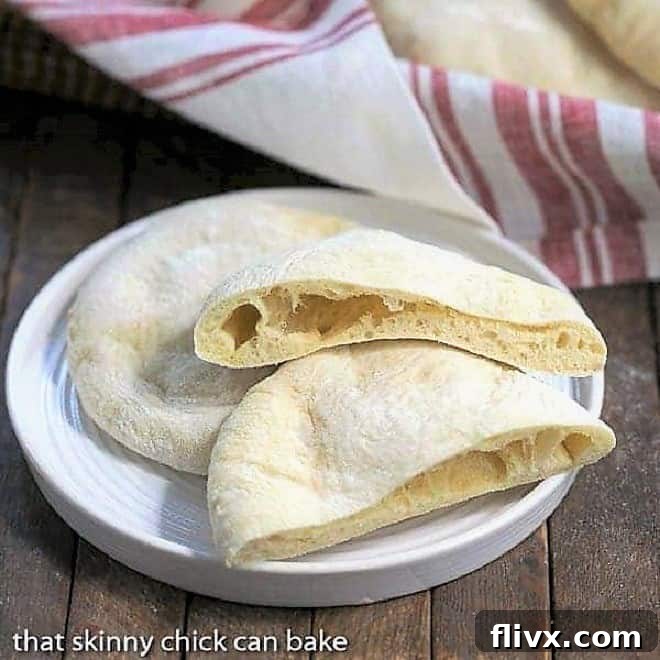
Imagine biting into a piece of bread that’s incredibly soft, wonderfully pillowy, and still warm from the oven. This isn’t a dream – it’s the reality of making your very own Homemade Pita Bread. Forget the dry, often lackluster versions found in grocery stores. This recipe transforms simple pantry staples into magnificent, restaurant-quality flatbreads with a delightful pocket. Prepare to elevate your meals and impress your taste buds with this tender, delicious yeast bread recipe!
There’s a world of difference between store-bought flatbreads and the fresh, aromatic wonders you can create in your own kitchen. This isn’t just a recipe; it’s an experience that promises superior flavor, texture, and satisfaction. Once you taste the authentic taste of freshly baked pita, you’ll understand why making it yourself is always the better choice. It’s incredibly rewarding and surprisingly straightforward, making it a perfect project for bakers of all skill levels. Give it a try, and you’ll never look back!
Why Embark on Your Homemade Pita Bread Journey?
For years, the quest for truly authentic pita bread has been on my culinary bucket list. The commercial options available locally simply don’t capture the essence of the soft, pillowy bread I fondly remember from childhood. This constant disappointment with the quality of pita in our markets led me on a mission to recreate that magical experience at home. And I’m thrilled to report, this recipe delivers!
Here’s why you absolutely *must* make this homemade pita bread recipe:
- Unmatched Freshness and Flavor: Store-bought pita often lacks the vibrant flavor and delicate texture of freshly baked bread. When you make pita at home, you get to enjoy it moments after it emerges from the oven, still warm and fragrant. This freshness is simply incomparable.
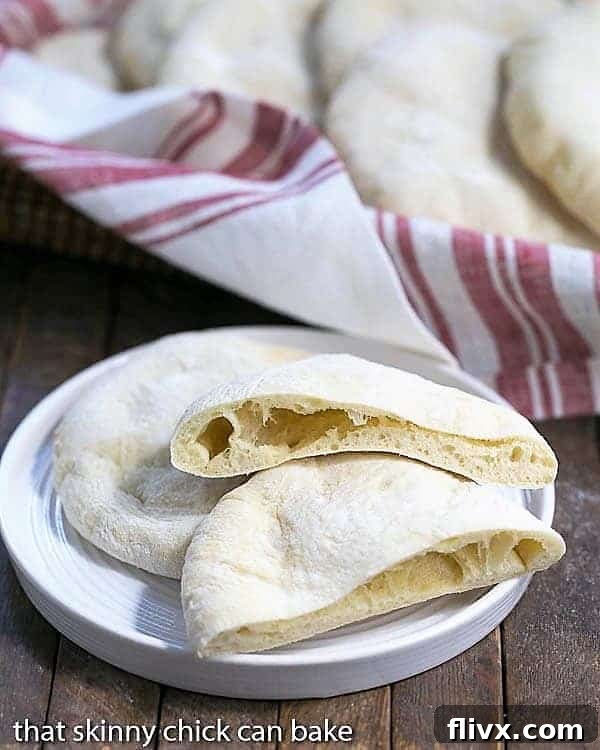
- The Perfect Pocket Every Time: There’s nothing quite like slicing open a beautifully puffed-up pita to reveal that signature pocket, ready to be filled with your favorite ingredients. This recipe consistently yields those delightful pockets, a feat rarely achieved with mass-produced versions.
- Control Over Ingredients: Making your own pita means you know exactly what goes into it. No preservatives, artificial flavors, or questionable additives. Just wholesome, simple ingredients you can trust.
- A Rewarding Culinary Experience: Baking bread from scratch is a deeply satisfying process, and watching your pita puff up dramatically in the oven is a truly magical moment. It’s a wonderful way to connect with your food and enjoy the fruits of your labor.
- Cost-Effective and Convenient: While a trip to the grocery store might seem easier, making pita at home is surprisingly economical. Plus, once you have the hang of it, you can whip up a batch whenever the craving strikes, ensuring you always have fresh pita on hand.
Essential Ingredients for Perfect Pita
Creating exceptional pita bread starts with quality ingredients. Fortunately, most of what you’ll need are common kitchen staples, easily found and probably already in your pantry. Let’s break down the key components and why they matter for achieving that perfect, airy texture and rich flavor.
- Kitchen Staples: These foundational ingredients are likely already in your kitchen.
- Sugar: A small amount of sugar isn’t just for sweetness; it acts as food for the yeast, helping to activate it and encourage a robust rise.
- Warm Water: Crucial for activating the yeast. The temperature is key, as detailed in our expert tips.
- Table Salt: Beyond seasoning, salt plays a vital role in controlling yeast activity and strengthening the gluten structure in the dough, contributing to both flavor and texture.
- Yeast: The Heart of Your Bread
- I highly recommend using Red Star Platinum yeast, a premium instant yeast known for its consistent and reliable performance. Instant yeast can typically be added directly to dry ingredients, but proofing it in warm water with sugar ensures it’s active and ready to work its magic.
- Crucial Tip: Regardless of the brand you choose, always double-check the expiration date. Expired yeast is inactive and will prevent your bread from rising properly. Fresh yeast is the secret to soft, airy pita.
- Bread Flour: The Gluten Powerhouse
- My personal favorite is King Arthur brand Bread Flour. The higher protein content in bread flour means more gluten. Gluten is the elastic network that forms when flour is mixed with water and kneaded, providing the necessary structure and chewiness for yeast bread. This strong gluten development is what allows the pita to puff up and create its iconic pocket.
- Olive Oil: For Flavor and Texture
- I prefer California Olive Ranch olive oil due to its quality and clear labeling with pressing and expiration dates. Olive oil adds a subtle richness to the dough, contributing to a tender crumb and a delicious aroma. It also helps keep the dough pliable and prevents it from sticking.
Mastering Homemade Pita: Expert Tips for Success
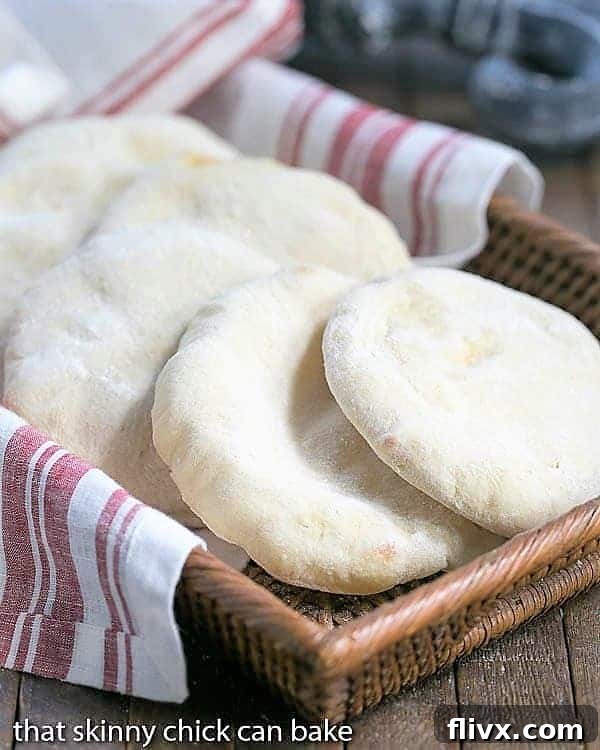
While making homemade pita bread is incredibly rewarding, there can be a slight learning curve. Don’t be discouraged if your first few attempts at rolling out the dough don’t result in perfectly uniform rounds. Some of mine have been nearly ideal spheres, while others have had a more… shall we say, amoeba-like quality! The good news is, regardless of shape, they will still be absolutely delicious. Here are some expert tips to help you achieve perfect pita every time:
- Verify Yeast Freshness: This is arguably the most critical step. Before you begin, always ensure your yeast has not expired. Inactive yeast is the most common reason for bread not rising.
- PRO-Tip: Extend Yeast Lifespan: Did you know you can store yeast in the freezer to significantly extend its shelf life? Unopened yeast can remain viable in the freezer for up to two years. Once opened, it’s best to use it within 6 months, even if stored in the fridge. Always bring it to room temperature before using.
- Precision in Water Temperature: The water used to proof your yeast should be precisely between 105-110°F (40-43°C). Water that is too cold won’t activate the yeast, while water at 140°F (60°C) or higher will immediately kill it. Using a thermometer is highly recommended for accuracy.
- Embrace Your Stand Mixer: If you own a stand mixer equipped with a dough hook, this recipe becomes incredibly easy. The mixer takes the hard work out of kneading, developing the gluten efficiently. If you don’t have one, don’t worry – hand kneading is entirely possible and equally effective, though it requires a bit more effort. Knead until the dough is smooth and elastic.
- PRO-Tip: Monitor Mixer Temperature: During extended kneading, especially with a stand mixer, the motor can get warm. Periodically place your hand on top of the motor. If it feels hot, give your mixer a short rest (5-10 minutes) before continuing to prevent overheating and prolong its life.
- Optimal Proofing Environment: The ideal temperature for dough proofing (rising) is around 85°F (29°C). Forcing it to rise at a significantly warmer temperature can negatively affect the final texture of your bread, potentially leading to a less airy result. Find a warm, draft-free spot in your kitchen, or use your oven with just the light on to create a warm, consistent environment.
- PRO-Tip: The Importance of Resting Dough: After dividing and shaping your dough balls, allow them to rest for about 15 minutes before rolling. This crucial step helps the gluten relax, making the dough much easier to roll out into thin, even rounds without it snapping back.
- The Magic of a Hot Pizza Stone: Using a preheated, screaming hot pizza stone in the oven is absolutely key to achieving that perfect pita pocket. It replicates the intense, even heat of a traditional pita oven, causing the moisture in the dough to rapidly turn to steam, which then puffs up the bread like a balloon. The goal of soft, tasty pocket bread is perfectly achieved this way! If you don’t have a pizza stone, a heavy cast-iron skillet or baking steel can work as a substitute, preheated in the same manner.
- Even Rolling for Consistent Puffs: When rolling out your dough, aim for an even thickness of about ¼-inch. Inconsistent thickness can lead to uneven puffing. A smooth, even surface without any folds or wrinkles is essential for the pita to puff up properly.
- Don’t Overcrowd the Oven: Bake only two pita rounds at a time on your pizza stone. Overcrowding can lower the oven temperature and hinder proper puffing.
- Watch Carefully: Pita bakes very quickly! Keep a close eye on them during the 3-4 minutes of baking to ensure they puff up beautifully and achieve a pale golden color without burning.
Frequently Asked Questions About Pita Bread
Pita bread, a staple of Middle Eastern cuisine, boasts a rich history spanning thousands of years. It is a traditional flatbread believed to have originated in the Mesopotamia region. This versatile bread is typically made with either white or whole wheat flour, forming the base of countless dishes across various cultures.
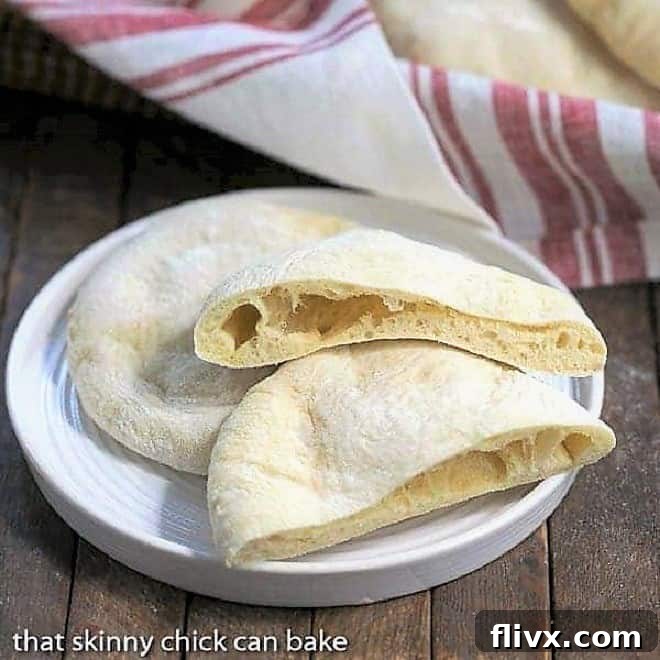
Yes, pita bread is indeed synonymous with pocket bread. The distinguishing characteristic of pita is the internal pocket that forms during baking. This pocket is created when the high heat of the oven causes the moisture within the dough to rapidly turn into steam, separating the layers of dough. This unique feature makes pita perfect for stuffing with various fillings.
The versatility of pita bread is truly one of its greatest assets. It can be used in numerous delicious ways:
- Sandwiches and Wraps: Slice a pita into two semi-circles and fill the pockets with an array of ingredients to create classic sandwiches like gyros, falafel, chicken shish tawook, or even simple salads.
- Dipping: Cut each half into wedges, and use them for dipping into beloved Middle Eastern and Mediterranean spreads such as creamy hummus, smoky baba ghanoush, tzatziki, or simply seasoned olive oils.
- Pita Chips: Brush with olive oil, sprinkle with herbs and salt, then bake until crispy for homemade pita chips perfect for snacking or accompanying dips.
- Mini Pizzas: Use pita bread as a convenient and quick base for personal pizzas.
- Open-Faced Toasts: Top a whole pita with your favorite savory toppings and serve as an open-faced toast.
To maintain its freshness and softness, store homemade pita bread in an airtight container or a sealed plastic bag at room temperature for up to 2-3 days. For longer storage, pita bread freezes exceptionally well. Simply place cooled pita breads in a freezer-safe bag, removing as much air as possible, and freeze for up to 3 months. Thaw at room temperature or gently warm in a toaster or oven before serving.
Several factors can prevent pita from puffing. The most common reasons include inactive yeast, dough that hasn’t risen enough, uneven rolling (too thick or too thin in spots), or an oven that isn’t hot enough. Ensure your yeast is fresh, the dough is well-kneaded and adequately proofed, and your pizza stone (or baking surface) is thoroughly preheated to a very high temperature before baking. Don’t worry if a few don’t puff perfectly; they will still be delicious and can be enjoyed as flatbread!
Beyond Pita: More Delicious Bread Recipes to Explore
If you’ve enjoyed the rewarding experience of baking your own pita bread, you’re likely to appreciate the charm and satisfaction of creating other homemade bread varieties. Expand your baking repertoire with these fantastic recipes:
- No Yeast Flatbread from Life Currents Blog: Perfect for those times when you’re short on yeast or time, this recipe offers a quick and easy way to enjoy fresh flatbread.
- Lefse Recipe: Explore Scandinavian traditions with this delicate potato flatbread, a wonderfully tender and versatile treat.
- Shokupan Bread: Indulge in the famously soft and fluffy texture of Japanese milk bread, known for its incredible tenderness and rich flavor.
- Homemade Potato Bread: Discover the added moisture and unique flavor that mashed potatoes bring to a classic loaf of bread.
- More Yeast Bread Recipes: Dive deeper into the world of yeast baking with a collection of diverse and delightful bread creations.
Stay in touch through social media @ Instagram, Facebook, and Pinterest. Don’t forget to tag me when you try one of my recipes! And if you love the results, please give it a 5-star rating in the recipe card. Your feedback means the world!
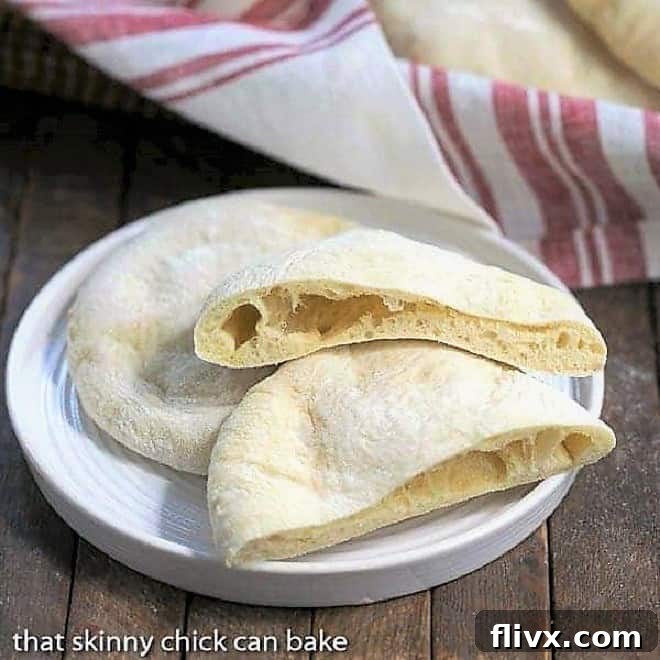
Homemade Pita Bread
20 minutes
4 minutes
24 minutes
8 pitas
A homemade version of the amazing pita bread you can get at Middle Eastern restaurants! Recipe adapted from Tyler Florence.
Ingredients
- 1 package instant yeast, I used Red Star Platinum yeast
- 1 teaspoon sugar
- 1 ½ cups warm water
- 1 teaspoon salt
- 3 ½ cups bread flour
- 1 teaspoon olive oil
Instructions
- In your heavy-duty stand mixer fitted with the dough hook, combine the yeast, sugar, and warm water, and blend. Let the yeast stand until foamy, about 5 to 10 minutes.
- Stir in the salt. Add the flour, a little at a time, mixing at the lowest speed until all the flour has been incorporated. Mix for about 4 minutes until the dough forms a ball.
- Turn the dough onto a lightly floured surface and knead until it’s smooth and elastic. Oil a mixing bowl and place the dough into the bowl. Turn it over so an oiled surface is on the top, cover with plastic and move to a warm, non-drafty spot in your kitchen. Let rise until double in size, about 1½ hours.
- When the dough is almost done proofing, place a large pizza stone on a lower oven rack and preheat the oven to 500ºF (260ºC).
- Punch the dough down, divide it into 8 pieces, and gather each piece into a ball. Dust dough balls with flour and keep them covered with a towel or plastic wrap. Allow the balls of dough to rest, for 15 minutes.
- Using a rolling pin, roll each dough ball into a 6-8-inch round, about ¼-inch thick. So that it puffs up properly, make sure the round is smooth and without any folds. Cover the rounds after they’re rolled.
- Place two of the rounds on the pizza stone and cook for 3 to 4 minutes, or until the bread puffs up like a balloon and is pale golden. Watch carefully so they don’t burn. Cool on a wire rack before serving.
Notes
Total time does not include proofing time. 85°F (29°C) is the ideal proofing temperature for optimal results.
Recommended Products
As an Amazon Associate and member of other affiliate programs, I earn from qualifying purchases.
- Pizza Stone
- French Rolling Pin
- KitchenAid KSM150PSER Artisan Tilt-Head Stand Mixer with Pouring Shield, 5-Quart, Empire Red
Nutrition Information:
Yield:
8
Serving Size:
1 pita
Amount Per Serving:
Calories: 227Total Fat: 2gSaturated Fat: 0gTrans Fat: 0gUnsaturated Fat: 1gCholesterol: 0mgSodium: 268mgCarbohydrates: 44gFiber: 2gSugar: 1gProtein: 8g
HOW MUCH DID YOU LOVE THIS RECIPE?
Please leave a comment on the blog or share a photo on Pinterest