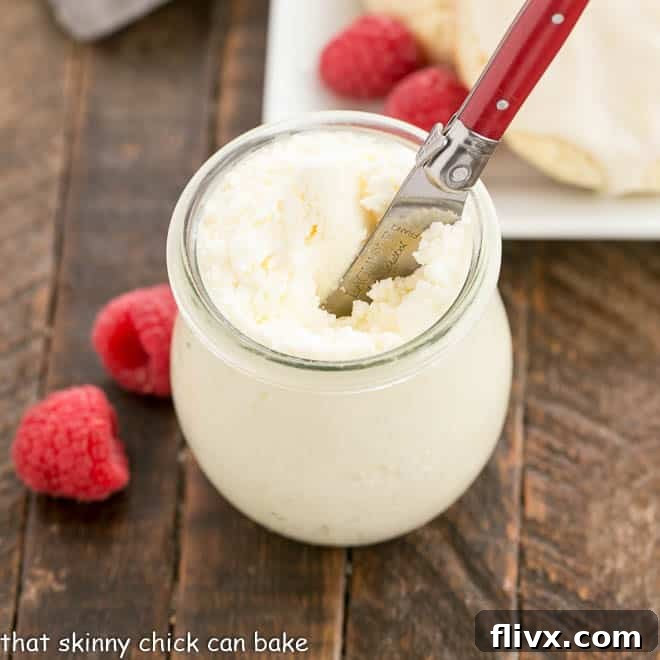
Instant Pot Clotted Cream: Your Ultimate Guide to a British Classic
Delight in the quintessential British tradition with our easy, hands-off Instant Pot Clotted Cream recipe. Perfect for enhancing your scones for a special breakfast, an elegant brunch, or an authentic afternoon tea experience. Reign in your inner Anglophile and savor this classic treat from the comfort of your home.
The allure of a traditional British cream tea often brings to mind fluffy scones, delectable jam, and, most importantly, a generous dollop of rich clotted cream. While many associate clotted cream with quaint English tearooms, the truth is, you can recreate this luxurious spread with surprising ease, especially with the help of a modern kitchen marvel: the Instant Pot.
My culinary journey with clotted cream began with a special occasion – a pre-dawn gathering to celebrate a royal wedding, this time Prince Harry and Meghan Markle’s nuptials. The theme was distinctly British, complete with fascinators, and, of course, homemade scones. Knowing I needed a truly authentic spread, I decided to revisit the challenge of making Devonshire Cream from scratch. Instead of the lengthy oven method I’d previously attempted, I turned to my trusty Instant Pot for an alternative, faster, and remarkably hands-off approach to creating Homemade Clotted Cream.
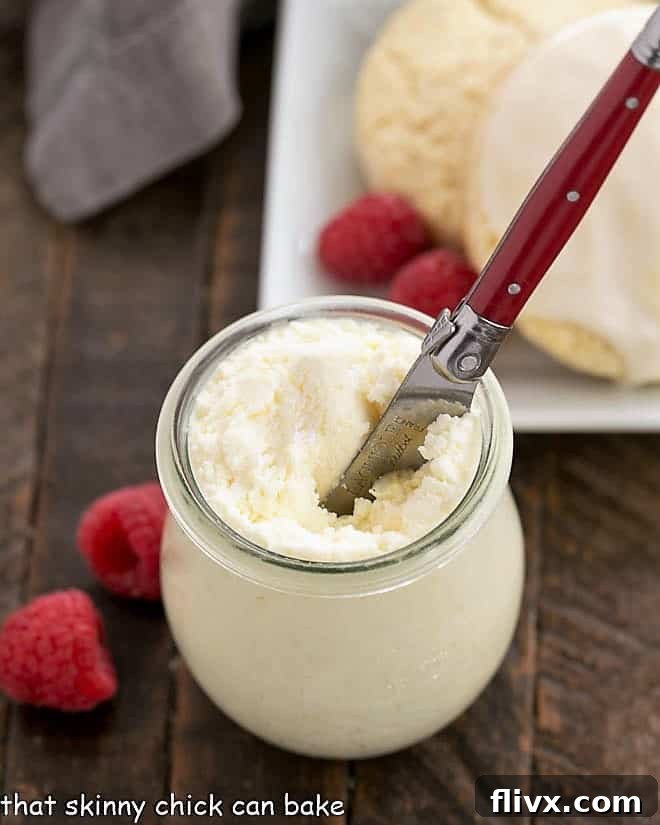
Why You Need to Master This Homemade Clotted Cream Recipe
There are several compelling reasons why making your own clotted cream, especially using the Instant Pot, is an absolute must for any food enthusiast:
- Simplicity with a Single Ingredient: This recipe remarkably requires only one core ingredient – heavy cream – and a touch of patience. It’s a testament to how the simplest components can transform into something truly extraordinary.
- Accelerated Process with the Instant Pot: Traditional oven methods for clotted cream can demand hours upon hours of slow cooking before the distinctive “clots” begin to form. The Instant Pot significantly speeds up this process by providing a consistent, low-heat environment that encourages the cream to thicken and separate more efficiently.
- Authentic, Unbeatable Flavor: The resulting clotted cream boasts an incredibly rich, subtly sweet, and nutty flavor profile that tastes remarkably authentic, just like what you’d find in the finest British tearooms. Forget the store-bought jars; this homemade version truly captures the essence of this beloved dairy spread.
- A Rewarding Culinary Experience: Beyond its delicious taste, the process of creating clotted cream at home is a rewarding culinary adventure. There’s a deep satisfaction in transforming a common ingredient into a gourmet delicacy, perfect for impressing guests or simply indulging yourself.
Rave Reviews: Hear From Our Satisfied Readers
Don’t just take our word for it! Here’s what one delighted reader, Becca, shared about her experience with this recipe:
Testimonial from Becca: “I really wanted to say thank you again. I have been trying to find clotted cream since we got back from Scotland with no luck, and my stove isn’t reliable. Recipe turned out perfect, and it really made my weekend.”
Becca’s experience perfectly encapsulates the joy of discovering a reliable, homemade method for this elusive treat. Many, like her, have struggled to find authentic clotted cream outside of the UK, making this recipe a game-changer for recreating those cherished travel memories.
My initial foray into making clotted cream was using the oven. Having only experienced this traditional British spread from a jar, I wasn’t entirely sure what to expect. After hours of low, slow heat, a thick, golden-yellow layer of cream ascended to the top of my baking dish, leaving a thin layer of liquid whey below. That was the clotted cream! While its appearance might not have been instantly appetizing to the uninitiated, according to my friend Sally, who has a discerning palate for British treats, the taste was absolutely spot on.
I had always harbored a slight suspicion about those small, commercially produced jars of clotted cream found in grocery stores. Could they truly capture the same quality and richness that the British were accustomed to spreading on their teatime scones, alongside a smear of berry jam? My personal experience with authentic clotted cream was limited, but the desire to create my own, ensuring its freshness and flavor, was strong.
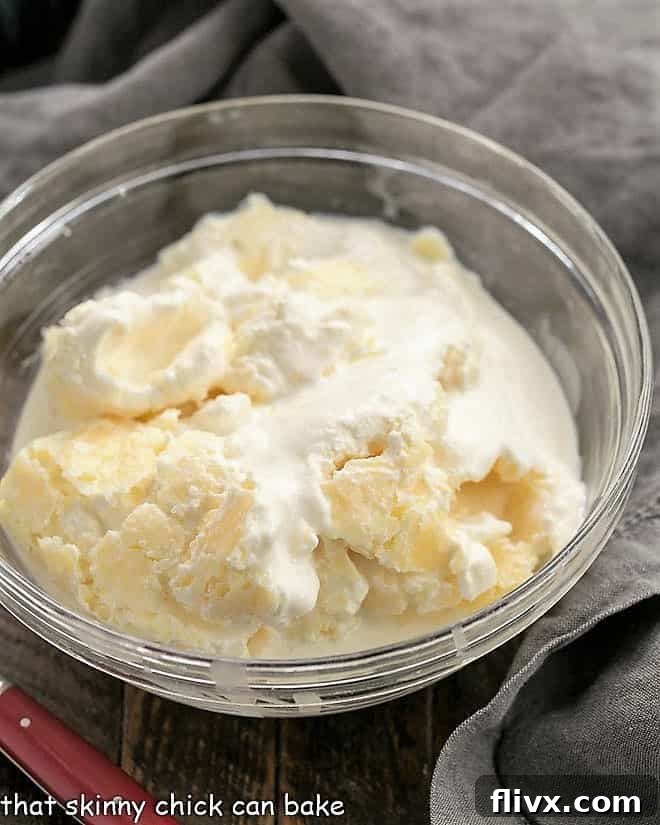
Understanding the Magic: How Clotted Cream is Made
The fundamental principle behind clotted cream, whether made in an oven or an Instant Pot, remains consistent: cook heavy, pasteurized cream for an extended period at a low, constant temperature. This gentle heat allows the cream to separate, with the milk solids and fats rising to the surface and thickening into the delectable “clots” we adore. I was eager to explore both the traditional oven method and a more modern Instant Pot version.
Comprising solely heavy cream, this is a rare and beautiful one-ingredient recipe. However, this simplicity comes with a crucial caveat: it is paramount to source rather elusive pasteurized heavy cream instead of the far more common ultra-pasteurized variety. This distinction is perhaps the most significant challenge in your quest for perfect clotted cream. Ultra-pasteurized cream has been heated to a much higher temperature for a shorter duration, which alters its protein structure and prevents it from clumping effectively to form true clotted cream. Before embarking on a long drive, it’s wise to call around to local specialty stores, organic markets, or even larger grocery chains to confirm they carry pasteurized (not ultra-pasteurized) heavy cream. Look for brands that specifically state “pasteurized” without the “ultra.” The higher the milkfat percentage, the richer and more successful your clotted cream will be. While British double cream boasts an impressive 48% milkfat, in the United States, you’ll typically find whipping cream at 30% and heavy cream at 36%. Aim for the highest fat content available.
The General Clotting Process:
- Locate Your Cream: As discussed, the first and most vital step is to find pasteurized, not ultra-pasteurized, heavy cream. This is the cornerstone of successful clotted cream.
- Gentle Heating: The cream needs to be heated at a steady low temperature, typically between 170-180ºF (77-82ºC), for an extended period – usually 10-12 hours. During this time, a thick, rich layer, often referred to as a “skin” or “clot,” will develop over the liquid whey. The top layer might acquire a very slight golden hue, but the key is to remove the clotted cream from the heat source before it becomes excessively tanned or browned.
- Cooling and Separation: After the cooking period, allow the cream to cool completely, ideally for at least 8 hours, usually overnight, in the refrigerator. This cooling process further solidifies the clotted cream, making it easier to separate. Once chilled, use a slotted spoon to carefully remove the thickened clotted cream from the surface, leaving the liquid whey behind. If you are using the oven method and prefer a very pale yellow or cream-colored clotted cream, covering your baking dish loosely with foil during the cooking phase can help prevent excessive browning.
Expert Tips for Flawless Clotted Cream Every Time
- PRO-Tip for Thickness Adjustment: If, after chilling, your clotted cream appears too thin or looser than desired, don’t despair! Line a fine-mesh strainer with a piece of cheesecloth, gently spoon the clotted cream into it, wrap the cheesecloth over the top, and place the strainer over a bowl in the refrigerator for an hour or two. This will allow any excess liquid whey to drain off, resulting in a thicker, more luxurious product.
- PRO-Tip for Texture Preference: The distinctive yellow “skin” that forms on top during cooking is cherished by many Brits, who consider it the most flavorful and desirable part of the clotted cream. If you prefer a smoother, more uniform texture without visible skin fragments, simply whisk the entire mixture gently after skimming. If it becomes too thick during whisking, add back a small amount of the leftover liquid whey, a teaspoon at a time, until you achieve your preferred consistency. Remember, a slightly grainy or textured consistency is perfectly normal and characteristic of authentic clotted cream.
- The Cream Conundrum: This cannot be stressed enough – diligently read your heavy cream labels! Always purchase pasteurized heavy cream, and explicitly avoid ultra-pasteurized cream. As mentioned, ultra-pasteurization involves heating the cream to a much higher temperature to extend its shelf life, but this process changes the milk proteins in a way that prevents the cream from properly clotting and separating. You simply won’t achieve the desired results with ultra-pasteurized cream. In my experience, I consistently find reliable pasteurized heavy cream at Whole Foods, and I’ve heard reports that Trader Joe’s may also carry it. It’s worth a specific trip for this ingredient.

Traditional Elegance: Making Clotted Cream in the Oven
My first successful attempt at clotted cream utilized the traditional oven method. Instead of the challenge of maintaining a constant 170-180ºF (77-82ºC) on a stovetop, which can be tricky, I transferred my pan of warmed cream into the oven. Luckily, my oven has a “warm” setting that allows me to accurately set temperatures below 200ºF, which is ideal for this low-and-slow cooking process. If your oven doesn’t have such a precise low setting, you might need an oven thermometer to monitor and adjust the temperature manually.
- Prepare the Cream: Select a wide, shallow baking dish – this allows for more surface area, encouraging clot formation. Pour the pasteurized heavy cream into the dish, ensuring it’s at a depth of 1-2 inches (2.5-5 cm). This shallow depth is crucial for optimal clotting.
- Slow Cook: Preheat your oven to a precise 170-180ºF (77-82ºC). Place the dish of cream into the preheated oven and let it cook for a full 12 hours. This is an ideal overnight project unless you happen to sleep for more than 12 hours! The consistent low heat slowly transforms the cream.
- Cool and Chill: Once the cooking time is complete, carefully remove the dish from the oven. Allow it to cool at room temperature for about an hour or so, letting it gradually come down in temperature. Then, cover the baking dish loosely with plastic wrap or foil and transfer it to the refrigerator to chill for approximately 8 hours, or preferably overnight. This chilling period is essential for the clotted cream to fully set.
- Harvest and Enjoy: After chilling, uncover the dish. You will observe a distinct, thick layer of clotted cream, including its characteristic “skin,” atop the liquid whey. Use a slotted spoon or a small spatula to carefully skim this glorious clotted cream off the surface and transfer it to a serving bowl or airtight container. It’s now ready to be enjoyed!
Modern Marvel: Making Clotted Cream in an Instant Pot
The discovery that an Instant Pot could maintain a gentle, consistent warm temperature in a steamy environment was a game-changer for homemade clotted cream. With a royal wedding viewing party on the horizon, the timing was perfect to experiment with this convenient method. The procedure in the Instant Pot is remarkably similar in principle to the oven method, but with the added convenience and precise temperature control of a pressure cooker.
- Initial Heat: Pour the pasteurized heavy cream directly into the inner pot of your Instant Pot. Secure the lid and ensure the vent is set to “SEALING.” Select the YOGURT setting, and then immediately adjust it to the “BOIL” function. This step quickly brings the cream to the initial necessary temperature.
- Low and Slow Cooking: Once the Instant Pot signals that the cream has reached a boil (it will beep and display “yogt” and then switch to “BOIL”), cancel the “BOIL” function. Now, reset the Instant Pot to the YOGURT setting for 10-12 hours. The “YOGURT” setting is perfect for clotted cream as it maintains a gentle, consistent temperature (around 100-105°F or 38-40°C), which is ideal for the slow clotting process. Some models allow you to set the time directly; otherwise, it will typically run for 12 or 24 hours on its default.
- Cool Down: After the long, slow cooking period is over, carefully release any remaining pressure (if applicable, though on yogurt setting there may not be much). Allow the Instant Pot to cool at room temperature for about 30 minutes to an hour. This gradual cooling is important.
- Chill Thoroughly: Once cooled, remove the inner pot, cover it with plastic wrap, and place it in the refrigerator. Chill for a minimum of 8-12 hours, or ideally overnight. This allows the clotted cream to firm up properly.
- Retrieve Your Cream: After thorough chilling, remove the lid. You’ll find a beautiful, thick, yellow layer of clotted cream floating on top of the liquid whey. Using a slotted spoon, carefully skim this rich topping into a clean, airtight container. Discard the leftover whey (or save it for baking if you wish!). Your homemade Instant Pot clotted cream is now ready to be served and enjoyed!
The homemade clotted cream was an absolutely perfect, authentic addition to the royal wedding viewing party menu. It complemented an already lavish spread that included various homemade scones, purchased clotted cream for comparison, fresh strawberries, a delicate elderflower cake, and a hearty egg casserole. What a truly unforgettable feast!
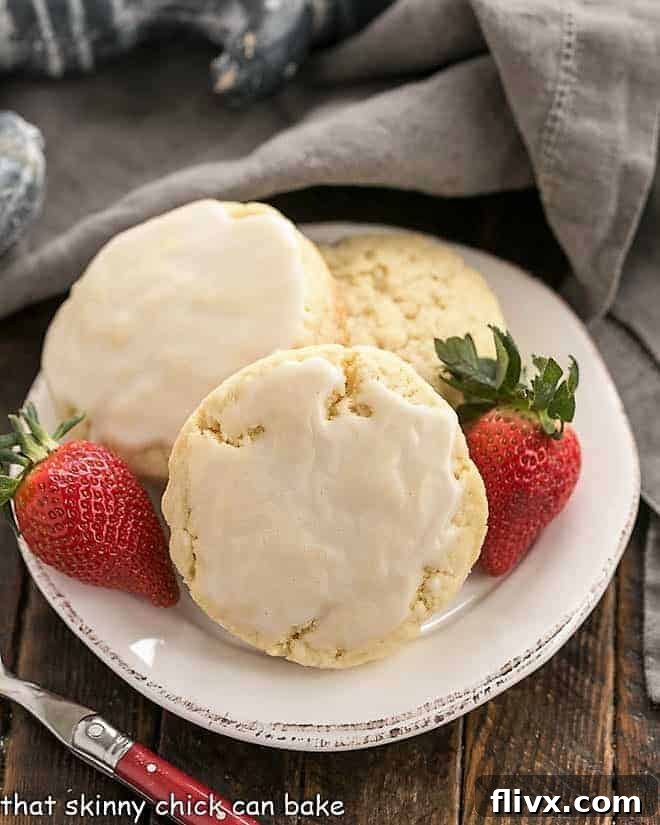
Serving Suggestions: The Perfect Accompaniment to Your Treats
Clotted cream, with its velvety texture and rich flavor, is incredibly versatile and can elevate a variety of dishes. Here are some delightful ways to serve this homemade delicacy:
- The Classic Cream Tea: If you’ve never experienced scones fresh from the oven, you are truly missing out! They are undoubtedly best on the day they’re baked, ideally still warm. Spread your scone halves with a layer of homemade jam, and then crown it with a generous dollop of clotted cream – the Cornish (jam first) or Devon (cream first) way, as your preference dictates! Scones can also be frozen for later enjoyment, allowing you to have a mini cream tea anytime.
- Scone Baking Tips: For tender, flaky scones, remember the cardinal rule: do not overwork the dough. Just like pie crust, you want to leave tiny pieces of cold butter dispersed throughout the dough, which create those wonderful pockets of steam and flakiness during baking.
- Beyond Scones: While scones are the quintessential vehicle for clotted cream, don’t limit yourself! It’s equally delicious spread on warm muffins, quick breads like banana bread or Irish soda bread, and delicate tea cakes. Try it on English muffins, croissants, or even toasted brioche.
- Sweet Pairings: Elevate your desserts! Serve clotted cream with fresh berries (strawberries, raspberries, blueberries), pancakes, or waffles for an indulgent breakfast. You can also incorporate it into your baking by replacing some of the heavy cream in homemade ice cream recipes or rich chocolate truffles for an added layer of flavor and creaminess.
- Savory Surprises: Don’t overlook the savory applications! A spoonful of clotted cream can add incredible richness and depth to mashed potatoes, making them extra creamy and luxurious. Stir it into risotto for an unparalleled velvety texture, or even add a dollop to your scrambled eggs for an incredibly creamy, gourmet breakfast.
Frequently Asked Questions About Clotted Cream
Clotted Cream is an English specialty, primarily associated with the picturesque counties of Devon and Cornwall. It is also affectionately known as Devonshire cream, Devon cream, or Cornish cream, named after these regions where it’s a culinary staple. This indulgent dairy product is an essential topping for scones, famously paired with jam for the traditional “cream tea.” It’s characterized by its thick, spoonable texture, rich creaminess, and a delicate, subtly sweet, and nutty flavor derived from the slow heating process. Beyond scones, it’s wonderfully versatile on biscuits, muffins, English muffins, croissants, and other baked goods.
Clotted cream offers a unique flavor profile that can be described as a rich, intensely creamy version of unsweetened heavy cream, with hints of unsalted butter. It carries a subtle, natural sweetness from the dairy’s lactose, which caramelizes slightly during the extended, gentle cooking process (a phenomenon known as the Maillard reaction), contributing faint caramel or toffee undertones. Its texture is distinctively thick and spreadable, much like a very firm mascarpone cheese, yet it melts exquisitely in the mouth.
Yes, clotted cream freezes remarkably well, making it ideal for longer-term storage. While the refrigerator shelf life for homemade clotted cream, including this Instant Pot Clotted Cream, is typically about 3-4 days, you can freeze it in an airtight container for several months. To thaw, simply transfer it to the refrigerator overnight. Its texture may be slightly softer after thawing, but the delicious flavor will remain largely intact.
Explore More Delicious Recipes for Your British Tea Time:
Once you’ve mastered homemade clotted cream, you’ll want the perfect accompaniments! Here are some fantastic recipes to complete your British-inspired spread:
- Lemon Blueberry Scones from Mom on Timeout – A delightful fruity twist.
- Classic Lemon Scones – Bright and zesty, perfect with rich cream.
- Irresistible Vanilla Bean Scones – A simple yet elegant choice.
- Easy Scones Recipe with Fresh Strawberries – Double the strawberry delight!
- Best Scones Recipe with Juicy Blackberries – A wonderful seasonal option.
- Fresh Peach Soda Bread or any quick bread would be delicious served with a generous smear of clotted cream.
- More Easy Breakfast Recipes to start your day right.
- More Brunch Food Ideas for your next gathering.
Stay connected for more delicious recipes and culinary inspiration! Follow us on Instagram, Facebook, and Pinterest. Don’t forget to tag me when you try one of my recipes! If you love the results, please consider leaving a 5-star rating in the recipe card below to help other home cooks discover these delightful creations.

Print Recipe
Instant Pot Clotted Cream Recipe
5 minutes
10 hours
10 minutes
10 hours 15 minutes
1 1/2 cups
A homemade version of the classic clotted cream, traditionally used to top British scones, made easily in your Instant Pot for an authentic taste.
Ingredients
- 2 pints heavy whipping cream, pasteurized (crucially, NOT ultra-pasteurized)
Instructions
- Pour the pasteurized heavy cream into the Instant Pot’s inner pot.
- Seal the lid and turn the vent to SEAL. Press the YOGURT button and then ADJUST to BOIL. This brings the cream to an initial boil.
- Once the Instant Pot signals that it has boiled, cancel the boil function. Reset your Instant Pot to the WARM setting for 10-12 hours, or select the YOGURT button and set it for 12 hours. This setting keeps the cream warm (approximately 100-105 degrees F or 38-40 degrees C) for the slow clotting process.
- After the cooking cycle, allow the Instant Pot to cool at room temperature for about a half-hour. Then, cover the inner pot with plastic wrap, transfer it to the refrigerator, and chill overnight (8-12 hours) until fully set.
- Remove the lid. You will observe a distinct yellow, thick layer on top of the liquid whey. Carefully skim this thickened topping off the surface using a slotted spoon and transfer it into a clean, airtight container. Cover with a lid and store in the refrigerator until ready to use.
Notes
- It is critical that your Instant Pot reaches and maintains approximately 180 degrees F (82 degrees C) during the “BOIL” phase and then the subsequent warm hold. If your Instant Pot is smaller than 8 quarts or if you live at a high altitude, you may need to run an extra cycle on the warm setting to ensure proper clotting.
- If you wish to try the oven method instead, preheat your oven to a consistent 180ºF (82ºC). Pour the pasteurized heavy cream into a shallow baking dish to a depth of 1-2 inches.
- Let it cook for 12 hours. Then, follow the same cooling, chilling, and skimming procedure as outlined in the Instant Pot recipe.
- For a smoother consistency, if you prefer, you can gently whisk the skimmed clotted cream. If it becomes too thick, mix in some of the leftover liquid whey a teaspoon at a time until your desired texture is achieved.
- If you desire an even thicker clotted cream, place it in a fine-mesh strainer lined with cheesecloth and allow it to drain over a bowl in the refrigerator for an hour or so.
- Store your homemade clotted cream in a covered container in the refrigerator and use it within 3-4 days for optimal freshness.
Recommended Kitchen Tools
As an Amazon Associate and member of other affiliate programs, I earn from qualifying purchases.
- Cuisinart Fine Mesh Strainers
- Cotton Cheesecloth
- 8 quart Instant Pot
Nutrition Information:
Yield:
24
Serving Size:
1 tablespoon
Amount Per Serving:
Calories: 135Total Fat: 14gSaturated Fat: 9gTrans Fat: 0gUnsaturated Fat: 4gCholesterol: 45mgSodium: 11mgCarbohydrates: 1gFiber: 0gSugar: 1gProtein: 1g
HOW MUCH DID YOU LOVE THIS RECIPE?
Please leave a comment on the blog or share a photo on Pinterest