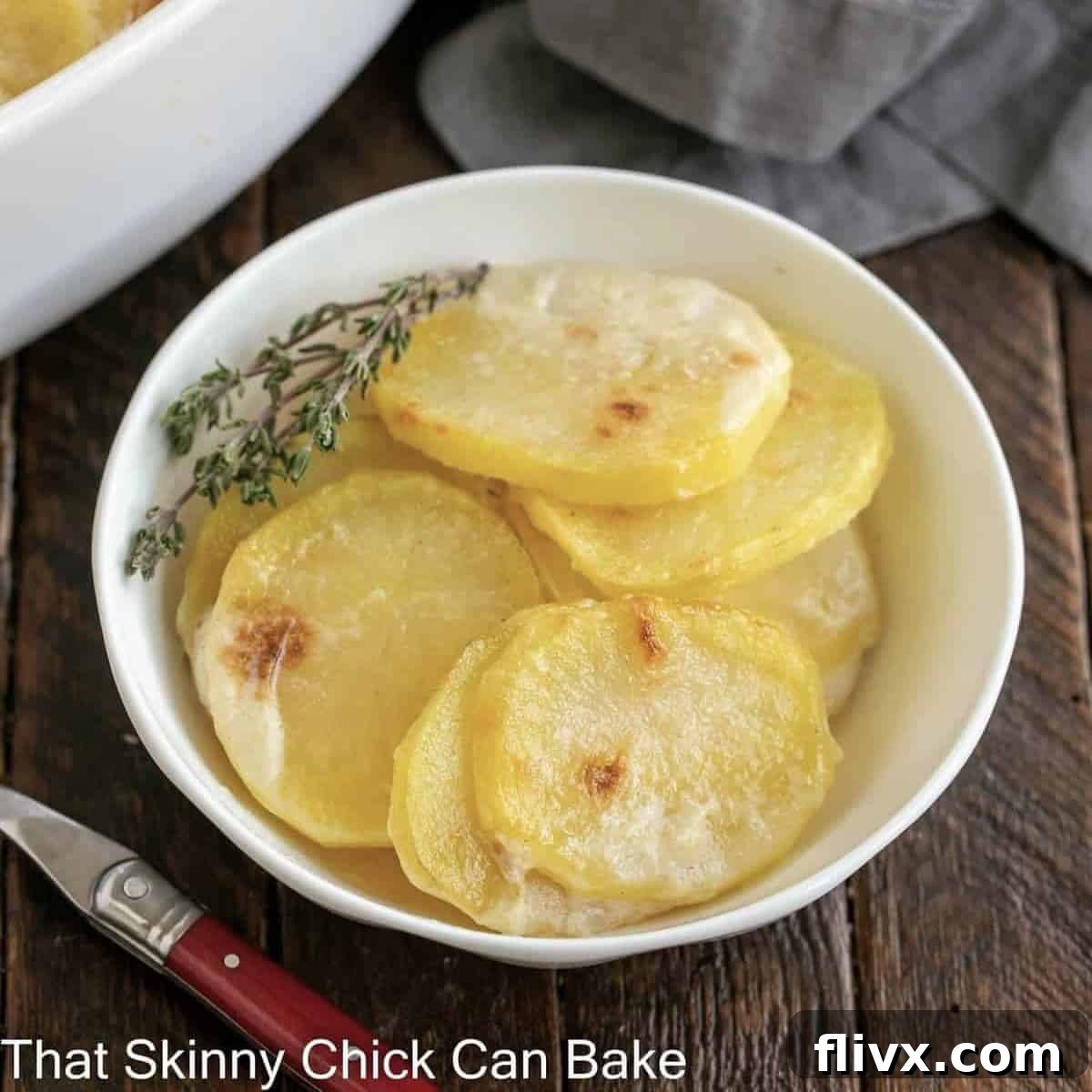
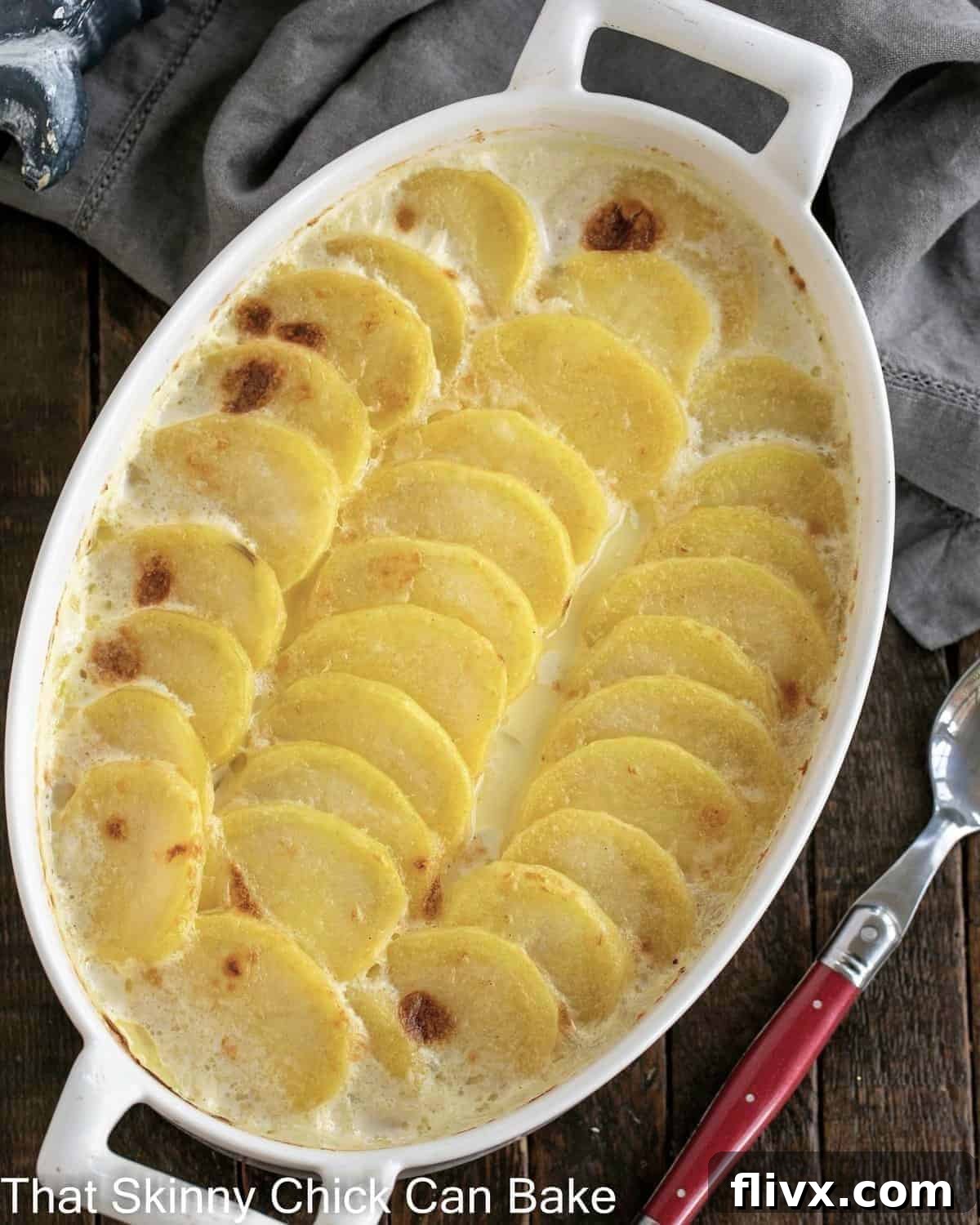
Indulge in the ultimate comfort food with this incredibly rich, creamy, and undeniably cheesy Scalloped Potatoes Recipe. Crafted with heavy cream, whole milk, and a blend of savory shredded cheeses, this dish isn’t just a side; it’s the star of any meal. Prepare to be amazed by the tender texture and luxurious flavor that makes this truly the Best Scalloped Potatoes you’ll ever taste. Just ask anyone who’s tried it!
Whether you’re planning a festive holiday feast, a comforting family dinner, or looking for a delightful way to utilize those Easter leftovers, these Cheesy Scalloped Potatoes are a perfect choice. The recipe offers a fantastic opportunity to incorporate baked ham, transforming a classic side into a hearty main course. You can effortlessly make a batch of Scalloped Potatoes with Ham after the holidays, or even freeze extra ham for future cravings, ensuring you’re always ready to whip up this irresistible dish. Both versions promise a symphony of creamy textures, tender potatoes, and a rich, savory flavor that will have everyone reaching for seconds.
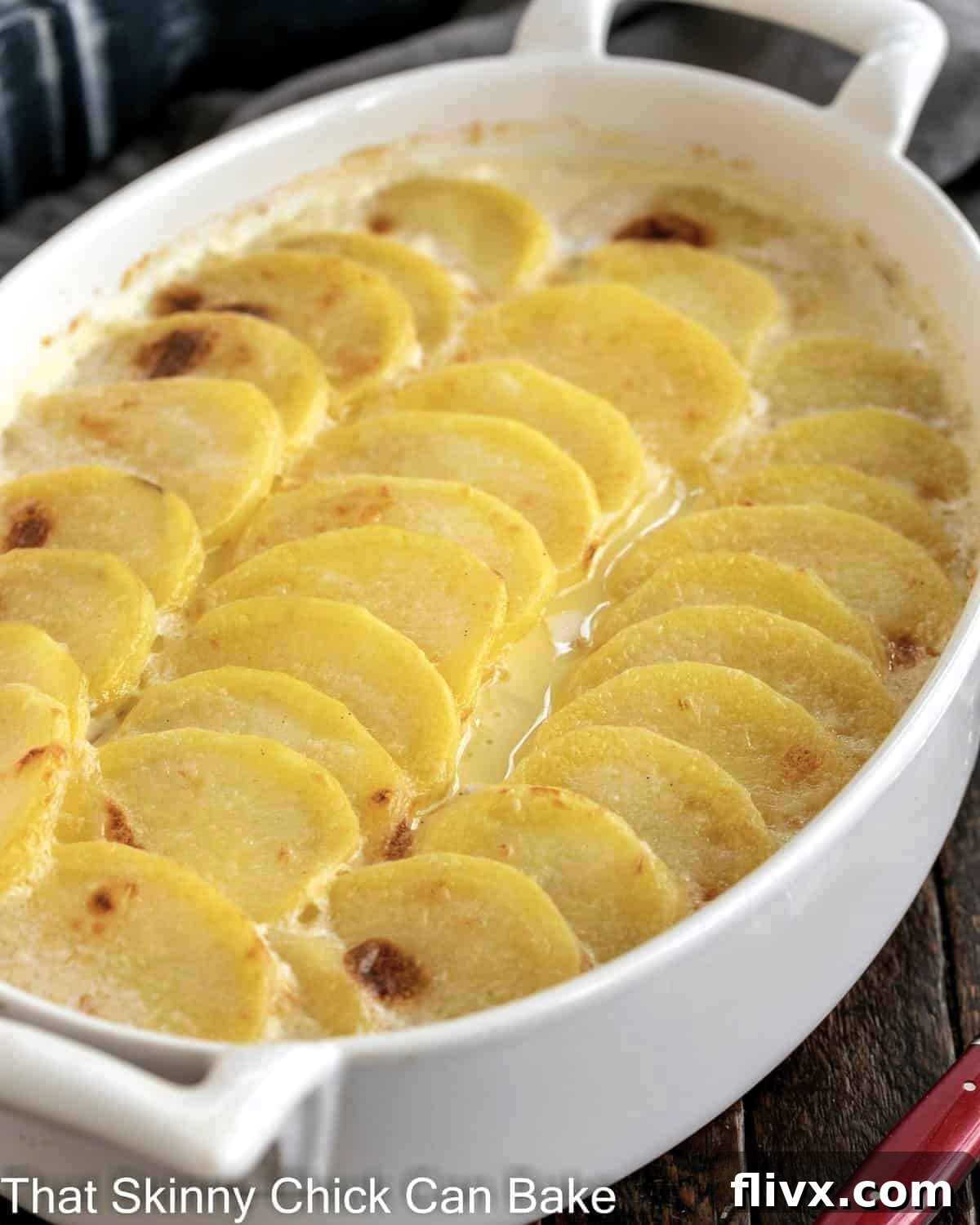
Why These Scalloped Potatoes Are a Must-Make
Beyond being a timeless classic, this specific recipe for scalloped potatoes stands out for several compelling reasons. It elevates a traditional dish into an extraordinary culinary experience, combining simplicity with gourmet results.
- Inspired Perfection: This recipe’s foundation was meticulously honed, taking inspiration from the rigorous testing and perfectionism seen on America’s Test Kitchen. This ensures a reliable, foolproof method that consistently delivers outstanding results.
- Creative Leftover Solution: Tired of endless ham sandwiches after Easter or any holiday? This recipe provides a wonderfully delicious and creative way to repurpose leftover glazed ham. It transforms simple leftovers into a decadent, satisfying meal, making holiday meal planning even more efficient and enjoyable.
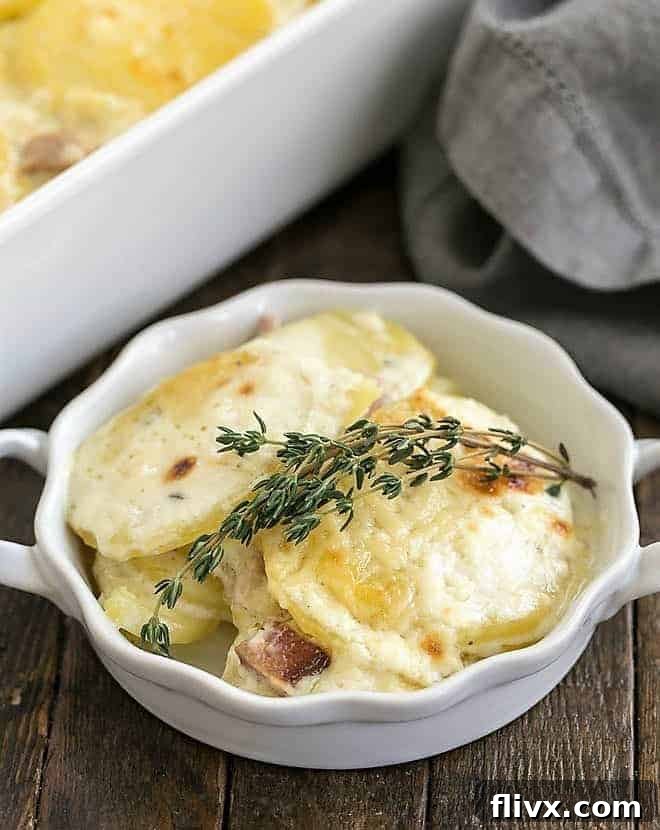
- Unbeatable Texture and Flavor: The end result is nothing short of culinary bliss: perfectly tender potato slices enveloped in an incredibly rich, luscious, and creamy sauce. Every bite is a harmonious blend of textures and deeply savory flavors, making it an instant family favorite and a showstopper for guests.
- Effortless Elegance: Despite its luxurious taste and appearance, this recipe is surprisingly straightforward to prepare. The method streamlines the cooking process, ensuring you can achieve restaurant-quality scalloped potatoes without unnecessary fuss or complexity, making it ideal for both busy weeknights and special occasions.
- Crowd-Pleasing Comfort: Scalloped potatoes are the quintessential comfort food, universally loved and always a hit. This recipe, with its enhanced richness and cheesy goodness, guarantees satisfied smiles and requests for the recipe from everyone at the table.
Key Ingredients for the Perfect Scalloped Potatoes
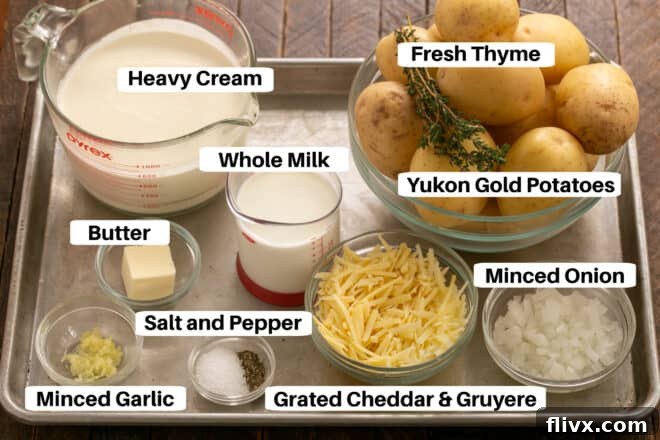
Crafting the best scalloped potatoes starts with selecting the right ingredients. Each component plays a vital role in achieving that rich, creamy texture and unforgettable flavor profile. Here’s a closer look at what you’ll need and why these choices matter:
- Kitchen Staples:
- Butter: Essential for sautéing and building a flavorful base for the sauce. Use unsalted butter to control the overall saltiness of the dish.
- Minced Onion: Adds a foundational layer of savory sweetness, which deepens as it caramelizes slightly during sautéing.
- Fresh Garlic: Provides an aromatic punch and enhances the savory notes of the potatoes and cheese. Always opt for fresh garlic for the best flavor.
- Salt and Freshly Ground Black Pepper: These aren’t just for seasoning; they’re crucial for balancing the richness and bringing out the natural flavors of the potatoes and dairy. Adjust to taste.
- Heavy Cream: This is the secret to an incredibly rich and velvety sauce. Its high-fat content ensures a luxurious mouthfeel and prevents curdling during cooking. Do not substitute with lighter creams if you want the ultimate indulgence.
- Whole Milk: Complements the heavy cream by adding additional body and richness to the sauce without making it overly dense. The fat in whole milk contributes to a smoother, more stable sauce compared to lower-fat alternatives.
- Yukon Gold Potatoes: These are the star of the dish for a reason. Yukon Golds are waxy potatoes, meaning they hold their shape beautifully when cooked while still becoming incredibly tender. Their naturally buttery flavor and moist texture are superior to starchy russets, which can turn mushy and release too much starch into the sauce.
- Cheddar Cheese (Shredded): A classic choice for its sharp, tangy flavor and excellent melting properties. Shredding the cheese yourself ensures it melts more evenly and smoothly into the sauce, avoiding clumps.
- Gruyere Cheese (Shredded): This semi-hard Swiss cheese brings a sophisticated, nutty, and slightly sweet flavor to the dish, perfectly complementing the cheddar. Like cheddar, freshly shredded Gruyere melts beautifully, contributing to the irresistible cheesy crust and creamy interior.
- Fresh Thyme: Earthy and aromatic, fresh thyme infuses the cream sauce with a delicate herbaceous note that pairs wonderfully with potatoes and cheese. If fresh thyme is unavailable, you can use a third of the amount of dried thyme, but fresh is always recommended for maximum flavor.
- Chopped, Cooked Ham (Optional): A fantastic addition for a heartier meal or to utilize holiday leftovers. The savory, slightly salty ham adds another layer of flavor and texture, transforming the scalloped potatoes into a complete, satisfying casserole. Ensure it’s fully cooked and chopped into bite-sized pieces.
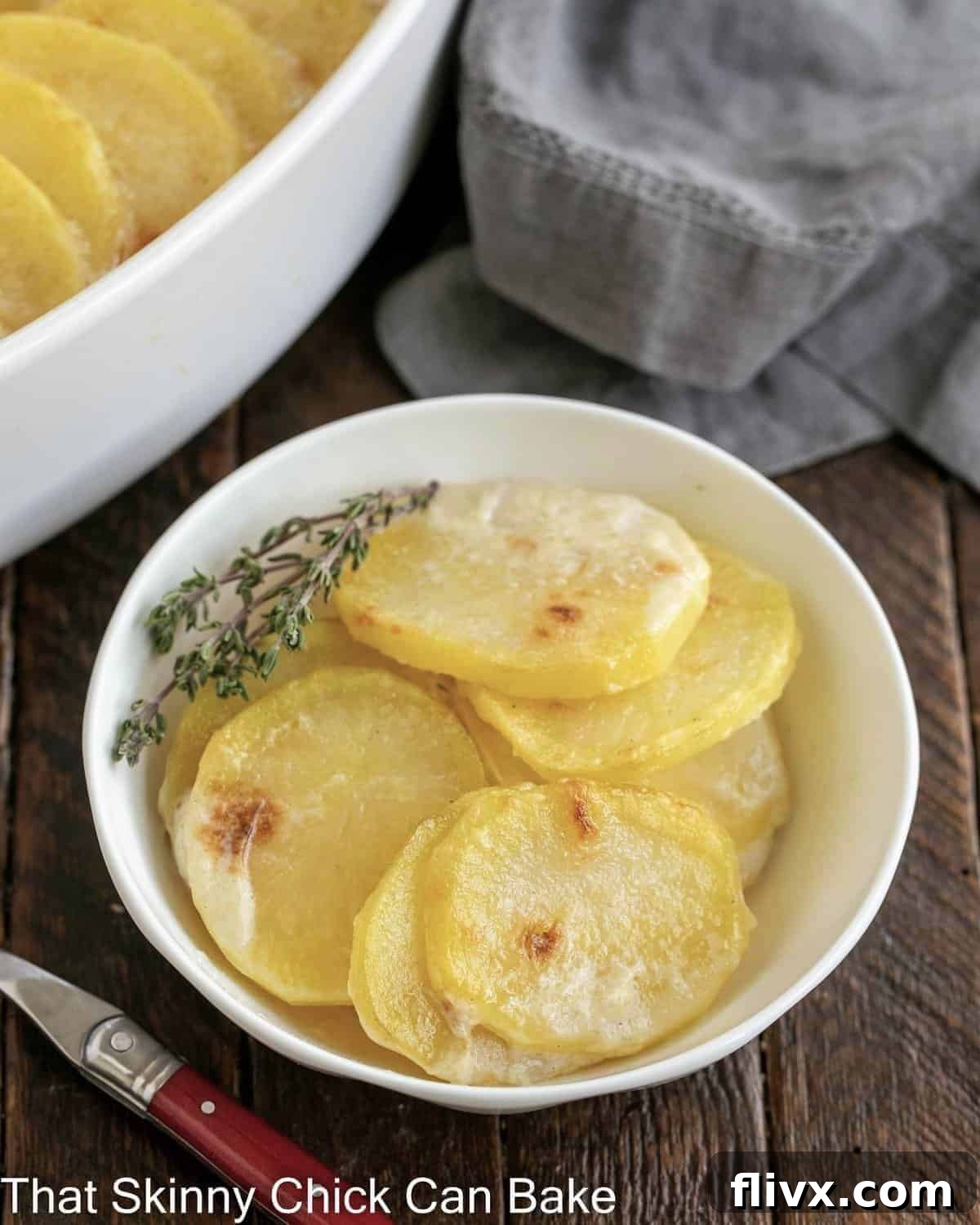
Step-by-Step Guide: Crafting Your Perfect Scalloped Potatoes
Creating these divine scalloped potatoes is a straightforward process, made even easier by a clever technique that guarantees tender results every time. Follow these steps to achieve culinary perfection:
Expert Tips for Unbeatable Scalloped Potatoes
Achieving truly magnificent scalloped potatoes is all about understanding a few key techniques and tips. This recipe is designed to be foolproof, eliminating the common frustrations of unevenly cooked potatoes. Here’s how to ensure your dish is perfect every single time:
- The Power of Pre-Simmering: One of the most critical steps in this recipe is simmering the potato slices in the seasoned cream and whole milk mixture until they are almost tender. This brilliant technique ensures uniform cooking, eliminates the need for constant poking and checking in the oven, and guarantees perfectly tender potatoes without excessive baking time. It also infuses the potatoes with flavor from the inside out.
- Flavorful Sauce Foundation: Don’t underestimate the impact of the sauce. Adding fresh thyme sprigs, salt, and pepper to the cream mixture during simmering creates a deeply flavorful base. For an extra layer of complexity, consider adding a bay leaf or a few gratings of fresh nutmeg, which beautifully complements dairy and potatoes.
- Choose the Right Potato: Always opt for waxy potatoes like Yukon Gold or red potatoes. Their lower starch content means they hold their shape better and create a creamy, stable sauce. Russet potatoes, on the other hand, are high in starch and can lead to a mushy texture and a gluey sauce.
- PRO-Tip: Shortened Oven Time: By pre-cooking the potato slices until almost tender, you significantly reduce the required oven time to just about 20 minutes. This is precisely enough time for the cheese to melt into a bubbling, golden crust and for the sauce to thicken perfectly, without overcooking the potatoes.
- Maintain Ideal Baking Temperature: Bake your potato casserole at a moderate temperature, ideally between 325-350°F (160-175°C). Baking at too high a temperature risks curdling the delicate cream sauce, leading to an unappetizing texture. Similarly, resist the temptation to use low-fat dairy ingredients, as they are more prone to curdling and won’t deliver the desired richness; instead, manage your portion size.
- PRO-Tip: Precise Potato Slicing: Uniformity is key for even cooking. Aim to slice your potatoes about ⅛-inch thick. Slices that are too thin will fall apart and turn mushy, while thicker slices will take longer to cook through. Using a mandoline slicer or a benriner slicer is highly recommended for achieving consistent thickness effortlessly. If using a chef’s knife, take your time for even results.
- Prevent Oxidation: Potatoes oxidize and turn gray when exposed to air after peeling and slicing. To prevent this, do not peel and slice your potatoes until you are ready to add them to the simmering cream mixture. Alternatively, you can keep peeled, whole potatoes in a bowl of cool water, but avoid slicing them until immediately before use, as excess water on sliced potatoes can thin out the sauce.
- Cheese Choices Matter: While this recipe uses a delicious blend of sharp cheddar and Gruyere for balance and complexity, feel free to customize. You can use solely one type of cheese, like all cheddar, or experiment with other good melting cheeses such as Fontina, Swiss, or even a touch of Parmesan for an extra savory kick.
- The Importance of Resting: For the best results, cover the baked scalloped potatoes with foil and let them rest for 20-30 minutes before serving. This crucial step allows the dish to cool slightly, making it less likely to scald your mouth, and more importantly, gives the sauce time to set and thicken further, resulting in beautifully structured, creamy layers that don’t run.
- Ham is Optional (But Delicious!): While the addition of chopped, cooked ham makes this dish a wonderfully hearty and complete meal, these scalloped potatoes are absolutely sensational on their own. Don’t hesitate to prepare them without ham if you prefer a classic vegetarian side dish.
Frequently Asked Questions About Scalloped Potatoes
While the word “scalloped” literally refers to an edge or border marked with semicircles, in culinary terms, it describes a baked dish where ingredients (often thinly sliced) are layered with a sauce, typically a creamy one, and cooked in a casserole. The potatoes, though usually cut into circles rather than semicircles, adopt the “scalloped” moniker from this method of preparation and presentation. It evokes a sense of elegantly arranged, oven-baked goodness.
The name “scalloped potatoes” has an interesting etymological journey. Despite the potato slices being circular, not semicircular, their name is believed to derive from the Old English word collop, which means “to cut very thin.” This aligns perfectly with the preparation of the dish, where potatoes are thinly sliced. In French cuisine, the term escalope refers to preparing food by layering thin slices with a creamy sauce in a casserole dish, a practice very similar to how scalloped potatoes are made. This fusion of linguistic roots speaks to the dish’s long-standing culinary tradition across cultures.
Traditionally, culinary definitions dictate distinct differences:
Scalloped Potatoes: In the strictest sense, these feature thicker-sliced potatoes baked in a simple cream sauce, typically without cheese. The focus is on the tender potatoes and rich, unadorned cream.
Potatoes Gratin (or Potatoes Dauphinoise): This dish involves thinly sliced potatoes layered and baked in a rich cream or milk sauce, often with garlic and nutmeg, but traditionally *without* cheese.
Potatoes Au Gratin: The term au gratin translates from French to “with a crust,” specifically referring to a dish topped with cheese and/or breadcrumbs, which is then browned under a broiler or in the oven to form a crispy, golden crust. Potatoes Gratin in this context would include these exact toppings. Gratin potatoes are also typically sliced a bit thinner than traditional scalloped potatoes.
However, modern culinary practices have blurred these lines considerably. While my recipe is named “scalloped potatoes,” the generous inclusion of cheese might, by strict definition, make it closer to “potatoes au gratin.” Ultimately, the deliciousness of these cheesy scalloped potatoes transcends precise classification. Call them what you will; this rich, creamy, and cheesy side dish is a must-have on any menu!
Peeled and sliced potatoes turn gray due to a natural process called oxidation. When the internal cells of the potato are exposed to air, enzymes react with iron compounds, causing discoloration. To minimize this effect, it’s best not to peel and slice your potatoes until you are just about to add them to the pot with the cream and milk mixture. If you need to prep them slightly in advance, you can keep whole, peeled potatoes submerged in a bowl of cool water. However, avoid slicing them and storing them in water, as the excess moisture on the slices can thin out your creamy sauce and affect the overall texture of the dish.
The most common reason for potatoes remaining firm in scalloped potato dishes is the presence of an acidic ingredient. Acids, such as those found in sour cream, excess amounts of onions, or even too much garlic, can cause a chemical change in the potatoes that prevents their pectin from breaking down properly during cooking. This results in stubbornly hard potatoes. To ensure tender results, always add acidic components sparingly or later in the cooking process, and adhere to recipes that balance the pH for optimal potato softening.
Yes, absolutely. While the goal is tender potatoes, overcooking can lead to undesirable results. If scalloped potatoes are baked for too long or at too high a temperature, the potatoes can become overly soft and mushy, losing their appealing texture. Furthermore, the delicate cream sauce may curdle or separate, resulting in a grainy rather than smooth consistency. It’s best to cook them just until the potatoes are fork-tender and the sauce is thickened and bubbly, with a golden-brown top.
Yes, with a few considerations. You can prepare the dish up to the point of baking, cover it tightly, and refrigerate it for up to 24 hours. When ready to bake, let it come to room temperature for about 30 minutes before baking as directed, possibly adding an extra 5-10 minutes to the baking time if it’s still cold. This helps prevent the sauce from curdling due to extreme temperature changes.
While technically possible, freezing scalloped potatoes is not recommended for optimal quality. The high dairy content can cause the sauce to separate or become grainy upon thawing and reheating. The potatoes might also become mushier. If you must freeze, bake completely, cool thoroughly, then wrap tightly and freeze. Thaw in the refrigerator overnight and reheat gently, covered, in the oven at a low temperature.
Explore More Delicious Potato Side Dishes:
- Easy Potato Casserole
- Twice Baked Potatoes
- Grilled Potato Packets
- Hasselback Potatoes
- Potato Gratin
- Crispy Smashed Potatoes
- More Side Dish Recipes
Stay connected with us for more delicious recipes and cooking inspiration! Follow us on Instagram, Facebook, and Pinterest. We love seeing your creations, so don’t forget to tag us when you try one of our recipes! If you adore the results, please consider leaving a 5-star rating in the recipe card below – your feedback helps us grow and inspires other home cooks.
Ultimate Cheesy Scalloped Potatoes Recipe
10 minutes
35 minutes
45 minutes
8 servings
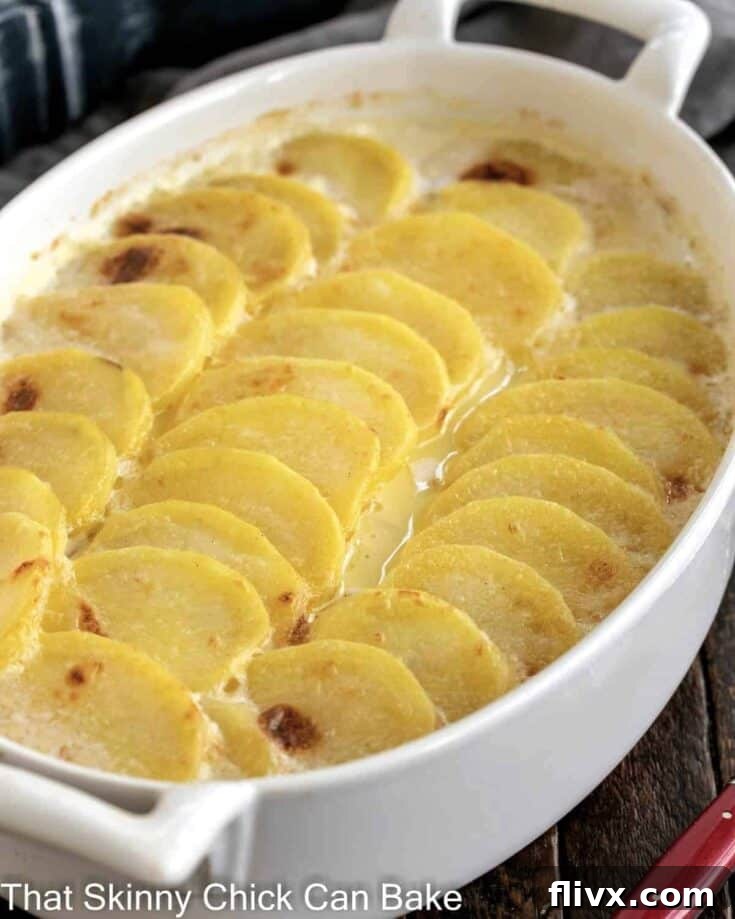
A luxurious, rich, and cheesy potato casserole that’s perfect for holiday gatherings, impressing guests, or simply making any family dinner feel special!
Rated 5 stars by 14 reviewers
Ingredients
- 2 tablespoons unsalted butter
- ½ cup minced yellow onion
- 2 cloves fresh garlic, minced
- 3 cups heavy cream
- 1 cup whole milk
- 4 sprigs of fresh thyme
- 2 teaspoons salt
- ½ teaspoon freshly ground black pepper
- 4 pounds Yukon Gold potatoes, peeled and uniformly sliced into 1/8-inch-thick rounds
- ½ cup freshly shredded sharp cheddar cheese
- ½ cup freshly shredded Gruyere cheese
- 1 ½ cups chopped cooked ham (optional, for a heartier dish)
Instructions
- Preheat your oven to 350 degrees Fahrenheit (175°C).
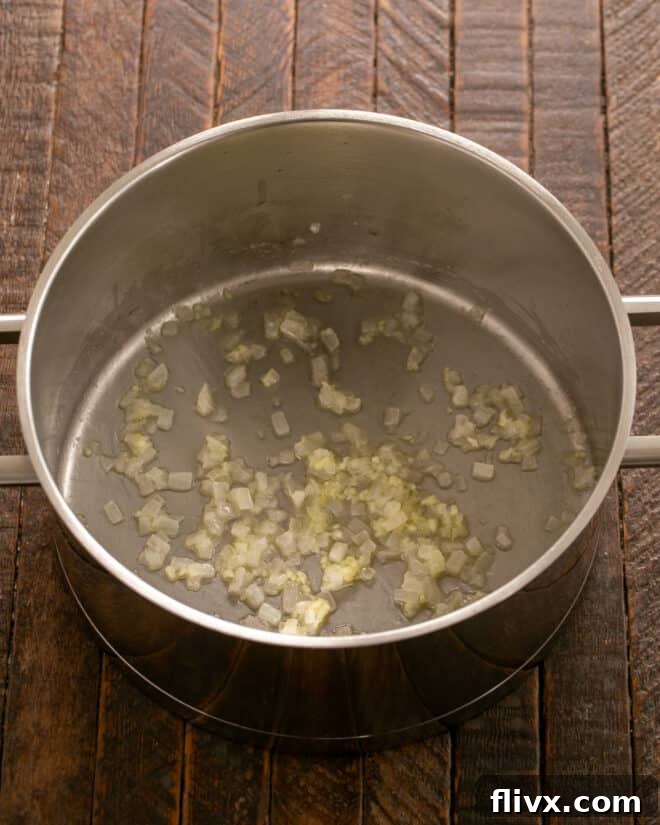
- In a large, heavy-bottomed pot or Dutch oven, melt the butter over medium heat. Add the minced onion and sauté for 3-5 minutes until it’s soft and translucent. Stir in the minced garlic and cook for another minute until fragrant. Immediately remove the pot from the heat to prevent the garlic from burning.
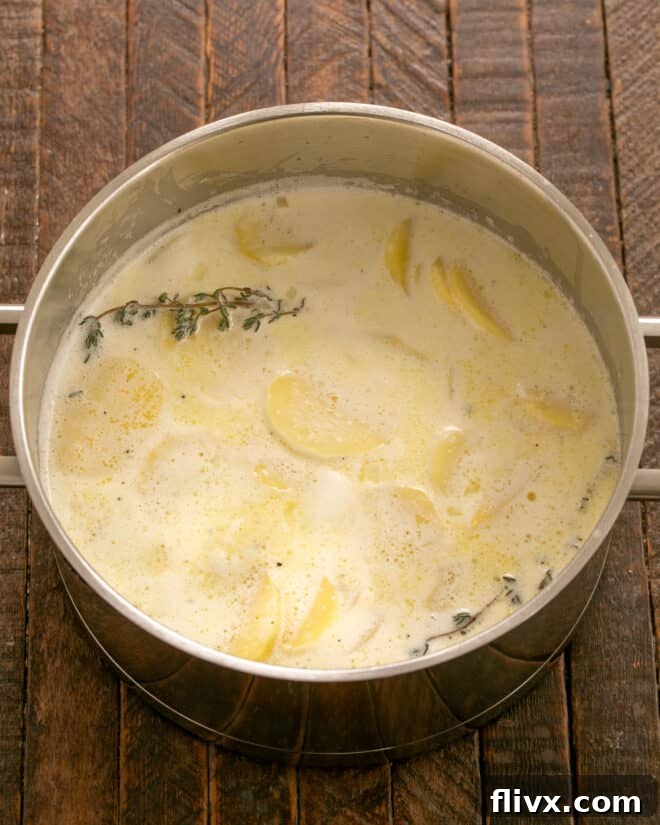
- Return the pot to the stove. Pour in the heavy cream and whole milk. Add the fresh thyme sprigs, salt, and black pepper. Bring the mixture to a gentle simmer. Carefully add the thinly sliced Yukon Gold potatoes. Cover the pot and let the potatoes simmer for approximately 15 minutes, or until they are almost tender when pierced with a knife. If incorporating ham, gently mix in the chopped cooked ham during the last few minutes of simmering.
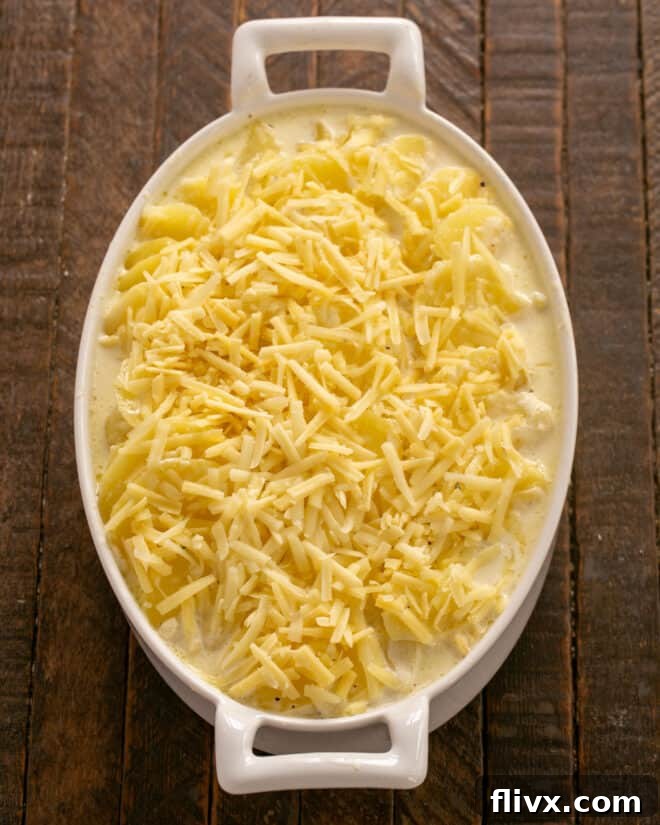
- Remove the thyme sprigs from the potato mixture. Transfer the mixture evenly into a shallow, 3-quart baking dish. Sprinkle generously with the shredded cheddar and Gruyere cheeses.
- Bake in the preheated oven for about 20 minutes, or until the cream has thickened, the mixture is bubbling around the edges, and the cheese topping is beautifully melted and golden brown. Let the dish rest for 10-15 minutes before serving for optimal texture.
Nutrition Information:
Yield:
8
Serving Size:
1
Approximate Amount Per Serving:
Calories: 659Total Fat: 42gSaturated Fat: 26gTrans Fat: 1gUnsaturated Fat: 13gCholesterol: 142mgSodium: 954mgCarbohydrates: 54gFiber: 5gSugar: 8gProtein: 19g
HOW MUCH DID YOU LOVE THIS RECIPE?
Please leave a comment on the blog or share a photo on Pinterest