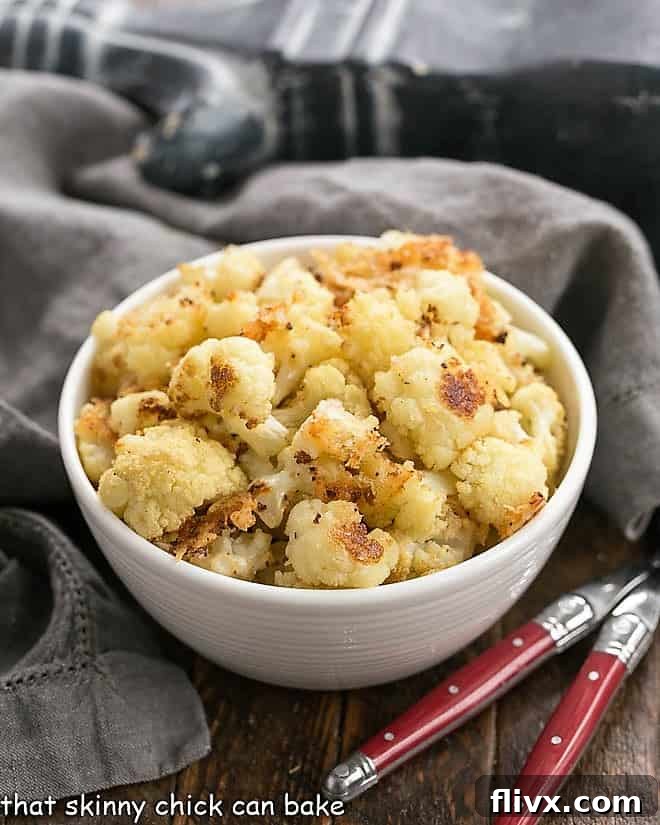
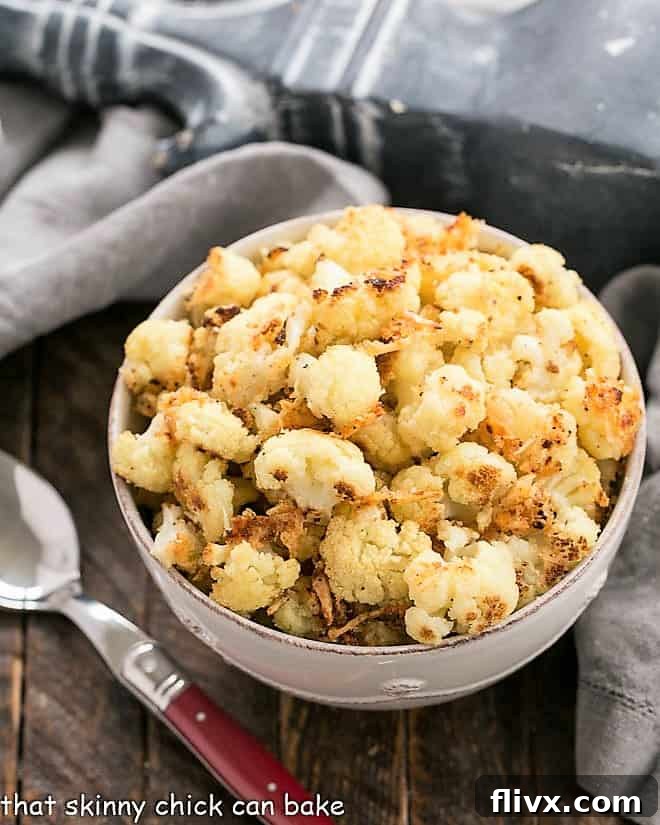
This incredible Roasted Cauliflower Recipe completely transformed my husband’s opinion of this often-overlooked vegetable! The florets, beautifully caramelized and tender, are infused with a delightful sweetness that makes them utterly irresistible. Now, it’s a race between us to nibble on these flavorful bites even before they make it to the dinner table! Forget everything you thought you knew about cauliflower; this preparation method unlocks its true potential, turning a humble vegetable into a star side dish.
Oven Roasted Cauliflower isn’t just a cooking method; it’s a magical process that deepens the natural sweetness of cauliflower, creating an absolutely delicious side dish characterized by nutty, buttery undertones and a satisfying tender-crisp texture. This recipe proves that simple ingredients, when prepared with the right technique, can yield extraordinary results that will impress even the most discerning palates.
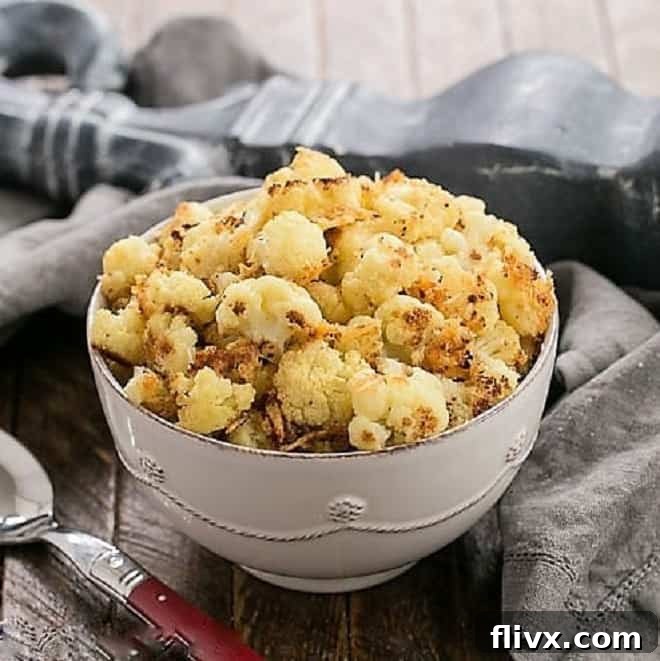
Why This Roasted Cauliflower Recipe Will Be Your New Favorite
For those of you who follow my culinary adventures, you know I’ve been on a mission to win over my husband’s notoriously picky palate for nearly 35 years. It’s been a slow but rewarding journey, transforming him from a skeptic into an enthusiast for various vegetables. Over the years, he’s come to appreciate broccoli, asparagus, and even the occasional zucchini (though he still affectionately calls it cucumber!). But the real game-changer, the ultimate vegetable triumph, has been this irresistible roasted cauliflower recipe.
- The Picky Eater Conversion Masterpiece: This roasting method finally, decisively, and irrevocably swayed my husband to become a genuine cauliflower fan. And believe me, he is a tough sell! If it can win him over, it can certainly win over anyone at your table who claims not to like cauliflower. It’s truly a testament to the power of proper preparation.
- Unlocking Unparalleled Flavor Through Caramelization: Roasting isn’t just cooking; it’s a flavor transformation. When cauliflower florets are exposed to intense, dry heat, they undergo the Maillard reaction. This scientific marvel is what creates those beautiful golden-brown edges and sweet, nutty flavors that make roasted vegetables so incredibly delicious. The high heat caramelizes the natural sugars within the cauliflower, enhancing its inherent sweetness and giving it a depth of flavor that steaming or boiling simply cannot achieve.
- Simple Ingredients, Outrageously Delicious Results: The beauty of this recipe lies in its simplicity. Just a few kitchen staples—fresh cauliflower, quality Parmesan cheese, crispy breadcrumbs, a drizzle of olive oil, and basic salt and pepper—work their magic in the oven. There’s no complicated technique or long list of exotic ingredients needed. It’s a very easy recipe, yet it delivers outrageously delicious results that taste far more complex than their preparation suggests.
- A Versatile Side Dish for Any Occasion: Whether you’re looking for a quick weeknight side, an impressive dish for a holiday meal, or a healthy addition to your meal prep, this roasted cauliflower fits the bill. Its robust flavor profile makes it pair perfectly with almost any main course, from grilled chicken and roasted meats to simple pasta dishes or hearty vegetarian meals.
- A Healthier Indulgence: Not only is this dish incredibly tasty, but it also packs a nutritional punch. Cauliflower is a powerhouse of vitamins, minerals, and fiber. Roasting it with wholesome ingredients means you’re enjoying a decadent-tasting side that’s actually incredibly good for you. It’s the perfect way to sneak more vegetables into your diet, or your family’s, without anyone feeling like they’re eating “diet food.”
Essential Ingredients for Perfect Roasted Cauliflower
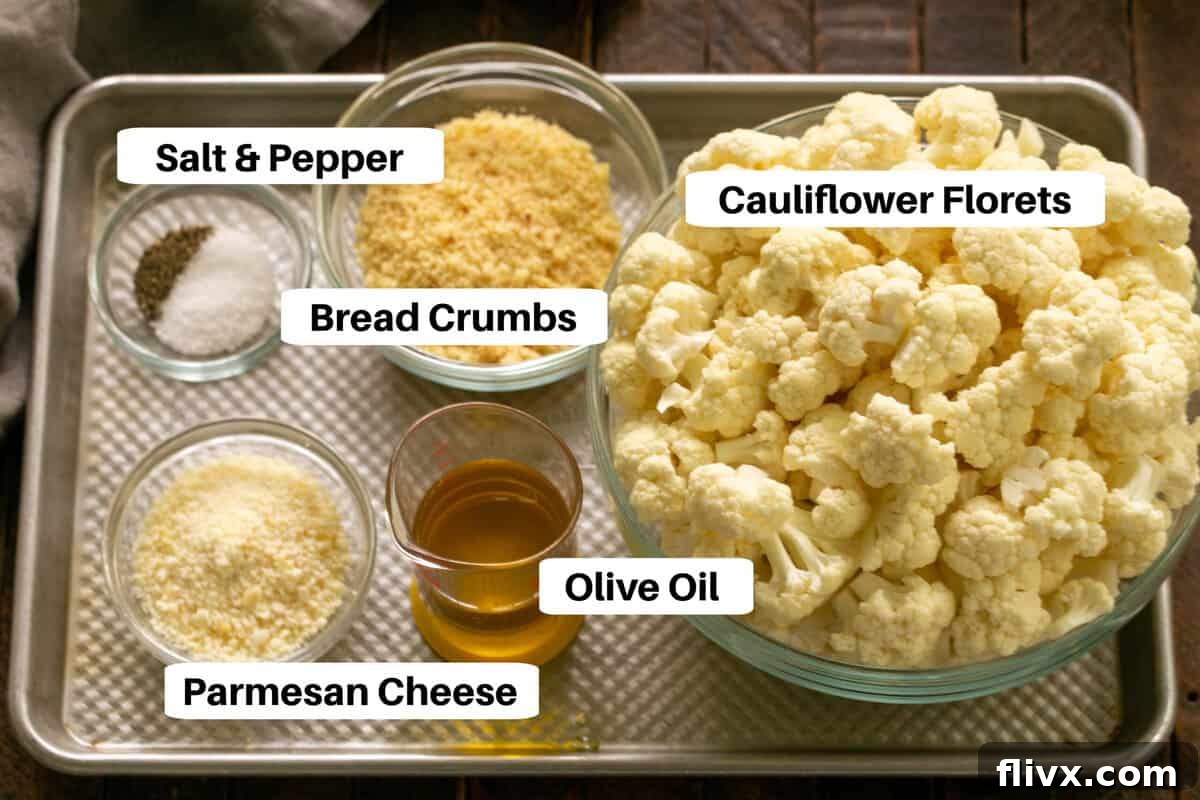
Achieving perfectly roasted cauliflower doesn’t require a gourmet pantry, but focusing on quality ingredients makes a world of difference in the final taste and texture. Here’s a closer look at what you’ll need:
- Cauliflower: The Star of the Show – Select a firm, white head of cauliflower with tight florets and fresh, green leaves. Avoid any heads with brown spots or a soft texture. Once home, wash it thoroughly and cut it into uniform, bite-sized florets, ideally about ½ to 1-inch pieces. Uniformity is key here for even cooking. You can either discard the excess core and stems or save them for vegetable broth, soups, or even homemade cauliflower rice, minimizing food waste.
- Parmesan Cheese: The Flavor Enhancer – This is where quality truly shines. We strongly recommend using freshly grated Parmigiano Reggiano, not the pre-grated variety from a green can. The authentic Italian cheese offers a complex, nutty, salty flavor that melts beautifully and creates a crispy, savory crust. The pre-grated versions often contain anti-caking agents that hinder proper melting and lack the nuanced flavor profile of real Parmesan.
- Bread Crumbs: For Irresistible Crunch – Bread crumbs add a fantastic textural contrast and a delightful golden crispness to the roasted cauliflower. While you can certainly use good quality grocery store breadcrumbs, making your own is surprisingly easy and yields superior results. Save crusts and heels from your sliced bread loaves, dry them out (either air dry or lightly toast in the oven), then grind them in a food processor until you have coarse crumbs. Store them in a sealed Ziploc bag in your freezer, and they’ll be ready whenever you need them. For an extra crispy texture, consider using panko breadcrumbs.
- Olive Oil: The Binding Agent and Flavor Carrier – A good quality extra virgin olive oil is crucial for coating the florets evenly, promoting caramelization, and carrying the flavors of the seasonings. Its fruity, peppery notes complement the cauliflower beautifully.
- Salt and Freshly Ground Black Pepper: The Essential Seasonings – These pantry staples are non-negotiable. Use kosher salt for its clean flavor and coarse texture, which adheres well to the florets. Freshly ground black pepper provides a more pungent and aromatic kick compared to pre-ground pepper. Remember that Parmesan cheese is already quite salty, so season judiciously, tasting as you go.
Expert Tips for Perfectly Roasted Cauliflower Every Time
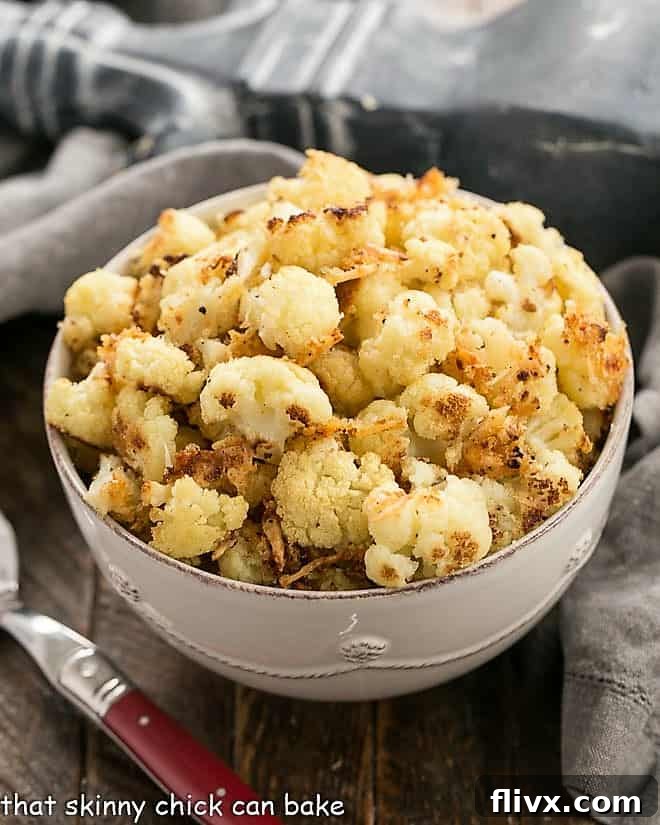
Roasting vegetables might seem straightforward, but a few simple tricks can elevate your dish from good to utterly delicious. I’ve learned these through countless trials, and they’ll ensure your roasted cauliflower—and other vegetables—turn out perfectly crispy and flavorful every single time.
- Uniform Florets are Key: When cutting your cauliflower, aim for small florets, about ½ to 1-inch in size. The most crucial aspect is that all pieces are approximately the same size. This ensures they cook evenly. If you have some tiny pieces and some large ones, the small ones will burn before the large ones are tender. While I typically discard excess core and stems, you can certainly roast them alongside the florets or save them for other culinary uses like soups or cauliflower rice.
- PRO-Tip: Ensure Your Cauliflower is Bone Dry: This step cannot be stressed enough! Wash your cauliflower well in advance, giving it ample time to air dry completely. You can also pat it thoroughly with paper towels. Why is this so important? Oil won’t adhere properly to damp florets. More importantly, excess moisture on the cauliflower will cause it to steam in the oven rather than roast. Steamed cauliflower is soft and watery; roasted cauliflower is tender with a beautiful, caramelized exterior.
- Toss Thoroughly in a Large Bowl: After drying, place the florets in a spacious bowl. Drizzle with olive oil and toss vigorously until every single piece is lightly coated. Yes, it means an extra bowl to wash, but this method ensures even distribution of oil, which is essential for uniform browning and crispness. Then, add the Parmesan and bread crumbs and toss again, making sure they cling to the oiled florets.
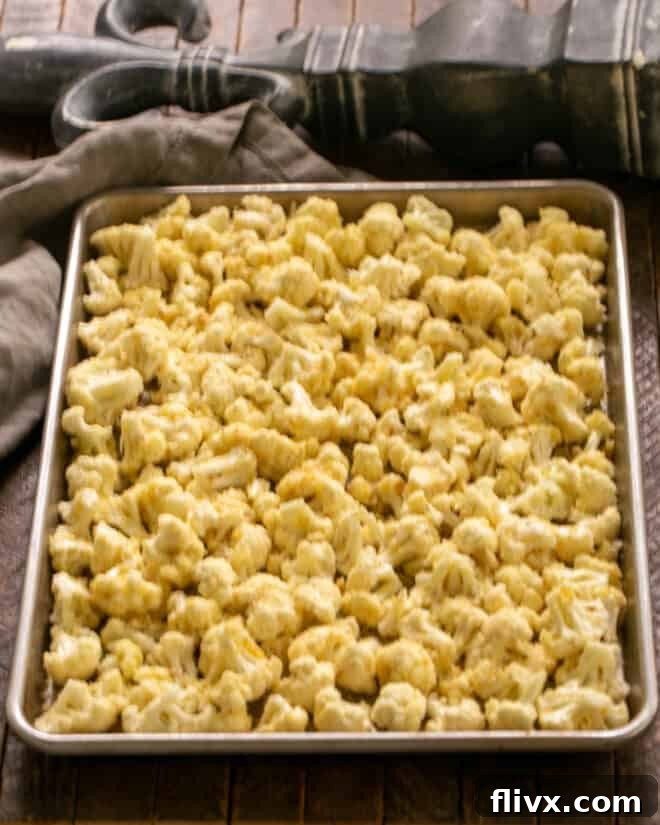
- PRO-Tip: Don’t Crowd the Pan: This is another critical tip for achieving true roasting. Use a large sheet pan, or even two, to spread the cauliflower florets in a single layer without overcrowding them. If they are too close together, they release moisture, creating steam, and you’ll end up with soggy, bland cauliflower instead of beautifully caramelized, crispy florets. Give them space to breathe and brown!
- Season Thoughtfully: Sprinkle with kosher salt and freshly ground pepper. Remember that freshly grated Parmesan cheese already contributes a significant salty flavor, so be mindful not to over-salt. However, don’t skip the salt entirely, as it’s crucial for enhancing the overall flavor profile. A light hand at first, with the option to add more after tasting, is always a good approach.
- PRO-Tip: High Heat for High Flavor: For the best caramelization and crispiness, roast your cauliflower at a high temperature, typically between 400-450ºF (200-230ºC). This intense heat ensures the exterior browns quickly while the interior becomes tender, creating that desirable texture contrast.
- Toss Halfway for Even Browning: About halfway through the cooking time, take a moment to toss or flip the cauliflower florets on the sheet pan. This simple action helps ensure that as much surface area as possible comes into contact with the hot pan, promoting even browning and crispiness on all sides.
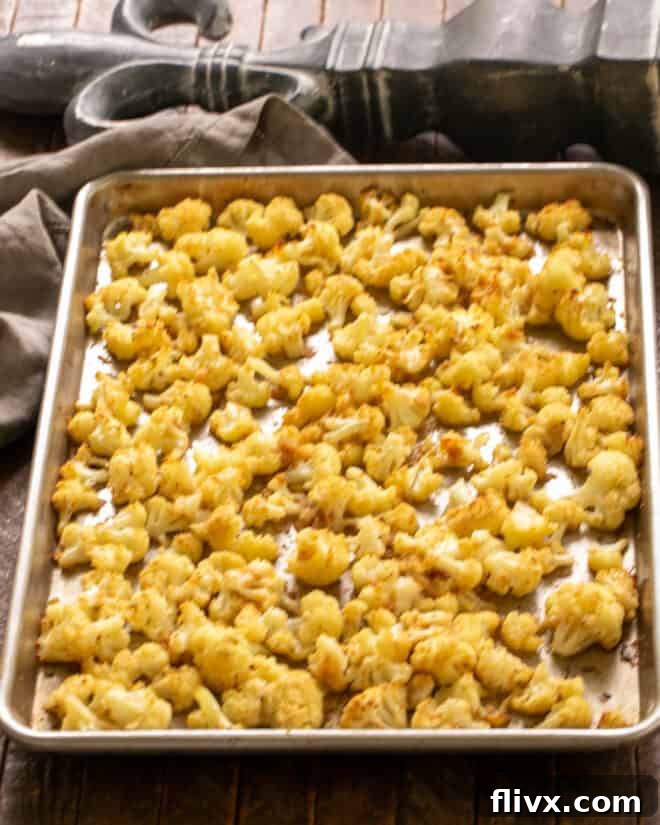
- Don’t Overcook: While you want tenderness and browning, be careful not to overcook the cauliflower. Overcooked cauliflower can become mushy and lose its appealing texture. Keep an eye on it towards the end of the cooking time; it should be fork-tender with golden-brown, crispy edges.
- Personalize with Additional Seasonings: Feel free to experiment with other herbs and spices. A sprinkle of garlic powder, onion powder, paprika, or a dash of red pepper flakes can add extra layers of flavor. Fresh herbs like parsley or chives can be added after roasting for a fresh finish.
The Remarkable Nutritional Benefits of Cauliflower
We’re all aware that vegetables are cornerstones of a healthy diet, and that a balanced plate should be brimming with fruits and veggies. But have you ever stopped to consider the specific, impressive benefits that come from incorporating cauliflower into your meals? This cruciferous gem is a nutritional powerhouse with a host of advantages for your health.
- High in Fiber: Cauliflower is an excellent source of dietary fiber, with approximately 3 grams of fiber in every cup. Fiber is vital for digestive health, promoting regularity and preventing constipation. It also contributes to satiety, helping you feel fuller for longer, which can be beneficial for weight management. While you might not eagerly consume a cup of raw cauliflower, sweet, caramelized roasted cauliflower is a completely different (and much more appealing!) story.
- Rich in Essential Nutrients: This humble vegetable is a veritable treasure trove of vitamins and minerals. It’s particularly rich in Vitamin C, an antioxidant crucial for immune function, skin health, and collagen production. Beyond Vitamin C, cauliflower is also a significant source of Folate (important for cell growth and function), Vitamin B6 (essential for brain development and nerve function), Vitamin K (critical for blood clotting and bone health), Magnesium (involved in over 300 bodily reactions), Potassium (vital for blood pressure regulation), and more.
- Contains Choline for Brain Health: Cauliflower is one of the few plant-based sources of Choline, an essential nutrient often grouped with B vitamins. Choline plays a crucial role in various bodily functions, including cell structure, metabolism, and neurotransmitter synthesis. It is particularly important for brain development, memory, and learning. Regular consumption of choline-rich foods like cauliflower can help support cognitive function and overall brain health.
- Packed with Antioxidants and Anti-inflammatory Compounds: This cruciferous vegetable is teeming with antioxidants, including glucosinolates and isothiocyanates, which help protect your body’s cells from damage caused by harmful free radicals. These compounds are also known for their potent anti-inflammatory properties, which can help reduce chronic inflammation throughout the body. Furthermore, these antioxidants have been studied for their potential protective effects against various types of cancer.
- Aiding in Weight Management: Thanks to its low-calorie, low-carb, and high-fiber profile, cauliflower is an excellent ally for weight loss. As a versatile substitute for higher-carb ingredients like rice, mashed potatoes, or even pizza crust, cauliflower rice and purees offer a delicious and satisfying low-carb option. The high fiber content in cauliflower also helps to fill you up and keep you feeling satiated, which naturally helps to minimize overeating and snack cravings, supporting your weight management goals.
How to Make Roasted Cauliflower with Parmesan and Bread Crumbs
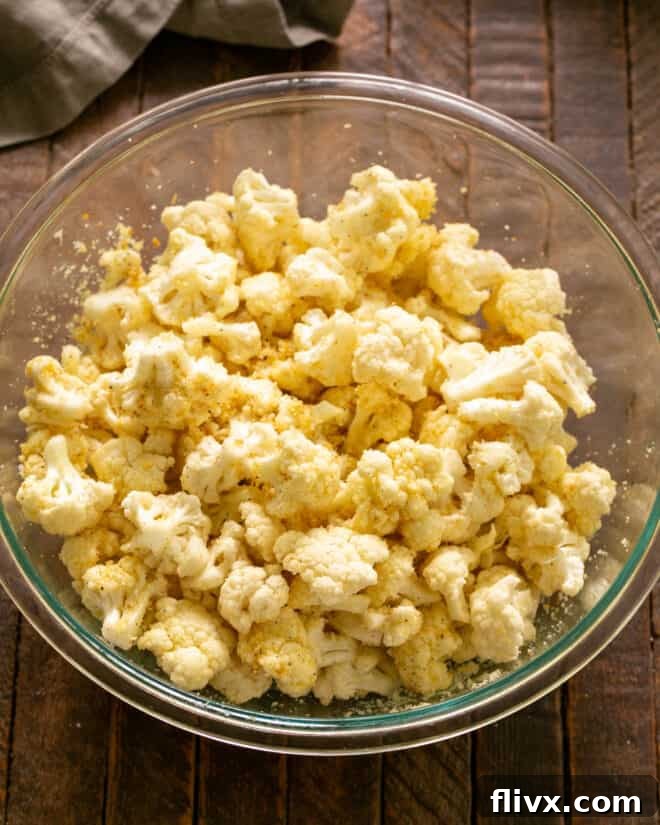
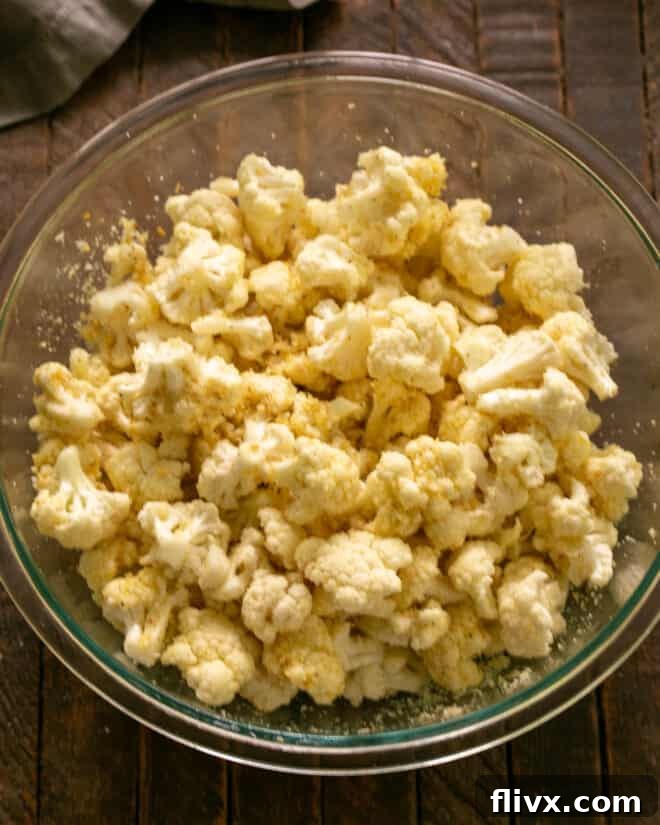
Making this incredibly flavorful roasted cauliflower is straightforward, following just a few easy steps that ensure crispy, caramelized perfection. The visual guide below walks you through the process, from prepping your florets to achieving that golden-brown finish.
Frequently Asked Questions About Roasted Cauliflower
Yes, you can roast frozen cauliflower, but for the best results, roast it directly from its frozen state rather than defrosting it first. Defrosting can lead to excess moisture, which will cause the cauliflower to steam rather than roast and caramelize, resulting in a softer texture. Keep in mind that when using frozen cauliflower, you won’t be able to achieve the same adherence for toppings like breadcrumbs and Parmesan as you would with fresh, dry florets. While fresh is always preferred for this specific recipe, frozen works wonderfully in a pinch for a quick, simple roasted vegetable side.
For quick reheating at our house, we typically use the microwave for convenience. However, if you want to revive some of that wonderful crispiness, sautéing the leftovers in a skillet with a little olive oil on medium heat is a far better option. Stir-fry for a few minutes until heated through and lightly re-crisped. Alternatively, you can spread it on a baking sheet and reheat it in a preheated oven at 350°F (175°C) for about 10-15 minutes until warm and slightly crisp.
Absolutely! If you roast your cauliflower with just olive oil and Parmesan cheese, it is indeed a fantastic low-carb option, making it suitable for ketogenic or low-carb diets. Once you introduce breadcrumbs into the mix, the amount of carbohydrates per serving will naturally increase. For a strictly low-carb version, simply omit the breadcrumbs or substitute them with a low-carb alternative like finely crushed pork rinds or almond flour for a similar texture.
You can freeze plain roasted cauliflower (without any toppings like breadcrumbs or Parmesan) quite successfully. Simply let it cool completely, then spread it in a single layer on a baking sheet and flash freeze until solid. Transfer to an airtight freezer bag for storage. However, this specific version with breadcrumbs and Parmesan would not defrost well. The breadcrumbs tend to get soggy and lose their crispy texture upon thawing, which detracts significantly from the dish’s appeal. It’s best enjoyed fresh!
Absolutely! Roasted cauliflower pairs wonderfully with other root vegetables and cruciferous veggies. Broccoli, carrots, Brussels sprouts, bell peppers, or even potatoes can be roasted alongside. Just ensure that the vegetables you choose have similar cooking times or cut them into appropriate sizes so everything cooks evenly. For example, denser vegetables like carrots or potatoes might need to be cut smaller or started a bit earlier than the cauliflower.
This recipe is a fantastic base for customization! You can easily adjust the flavor profile to suit your taste. Consider adding a pinch of garlic powder, onion powder, smoked paprika for a smoky depth, or a touch of cayenne pepper or red pepper flakes if you enjoy a little heat. Fresh herbs like rosemary, thyme, or oregano can also be tossed in with the oil for an aromatic boost. Lemon zest or a squeeze of fresh lemon juice after roasting brightens the flavors beautifully.
Explore More Delicious Side Dishes
If you loved this roasted cauliflower, you’re in for a treat! We have many more recipes that elevate simple vegetables into irresistible side dishes. For a heartier cauliflower dish that also received my husband’s enthusiastic seal of approval, be sure to check out this Cauliflower Bacon Gratin.
- Parmesan Roasted Carrots from Your Homebased Mom – Sweet carrots caramelized and savory with Parmesan.
- Pesto Roasted Brussels Sprouts from Aggie’s Kitchen – A vibrant and flavorful way to enjoy Brussels sprouts.
- Roasted Asparagus with Balsamic Brown Butter – A sophisticated twist on classic roasted asparagus.
- Cheesy Vegetable Tian – Layers of colorful vegetables baked with cheese until golden.
- Green Bean and Bacon Bundles – An elegant and savory side, perfect for any meal.
- Oven Roasted Green Beans – Simple, garlicky, and utterly delicious.
- Honey Roasted Carrots – A sweet and tangy complement to any main dish.
- Discover even more inspiring Side Dish Recipes to complete your meals.
Stay connected and share your culinary creations with me through social media! You can find me @ Instagram, Facebook, and Pinterest. Don’t forget to tag me when you try one of my recipes! And if you love the results, please consider leaving a 5-star rating and comment in the recipe card below – your feedback means the world to me!
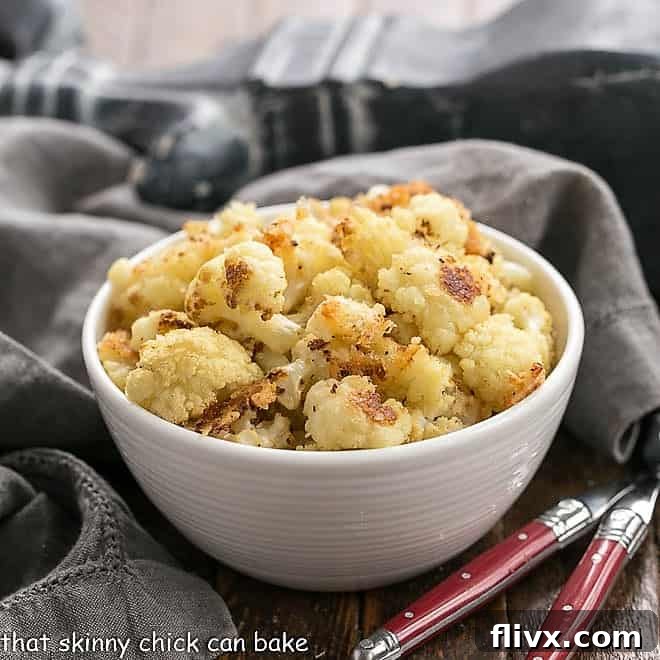
Roasted Cauliflower with Parmesan and Bread Crumbs
10 minutes
40 minutes
50 minutes
4 servings
Roasting cauliflower with Parmesan and bread crumbs is the ultimate way to convert anyone into a lover of this previously maligned vegetable. Experience sweet, tender florets with a crispy, savory crust.
Ingredients
- 1 head cauliflower, cut into ½ to 1-inch florets
- ½ cup fresh bread crumbs
- ¼ cup freshly grated Parmesan (Parmigiano Reggiano recommended)
- ¼ cup olive oil
- Salt and freshly ground black pepper to taste
Instructions
- Preheat your oven to 400ºF (200ºC).
- In a large bowl, toss the dry cauliflower florets with olive oil until every piece is lightly coated. Then, add the bread crumbs and grated Parmesan cheese, tossing again until evenly distributed.
- Spread the seasoned cauliflower out in a single layer over a large, rimmed baking sheet. Ensure the florets are not too crowded; use a second sheet pan if necessary to prevent steaming. Season with kosher salt and freshly ground black pepper.
- Roast for 30-40 minutes, flipping the cauliflower halfway through the cooking time. Continue roasting until the cauliflower is tender inside and beautifully browned and slightly crispy on the outside.
Notes
Do not crowd the cauliflower on the baking sheet, or the florets will steam instead of roast, resulting in a soft texture rather than crispy.
Servings will vary from 4-6 depending on the size of your cauliflower head and individual portion preferences.
Recommended Products
As an Amazon Associate and member of other affiliate programs, I earn from qualifying purchases.
- Black Spatula
- OXO Cutting Board
- USA Pan Bakeware Half Sheet Pan
Nutrition Information:
Yield:
6
Serving Size:
1
Amount Per Serving:
Calories: 154Total Fat: 11gSaturated Fat: 2gTrans Fat: 0gUnsaturated Fat: 8gCholesterol: 4mgSodium: 204mgCarbohydrates: 11gFiber: 3gSugar: 3gProtein: 4g
Thatskinnychickcanbake.com occasionally offers nutritional information for recipes contained on this site. This information is provided as a courtesy and is an estimate only. This information comes from online calculators. Although thatskinnychickcanbake.com attempts to provide accurate nutritional information, these figures are only estimates. Varying factors such as product types or brands purchased can change the nutritional information in any given recipe. Also, many recipes on thatskinnychickcanbake.com recommend toppings, which may or may not be listed as optional and nutritional information for these added toppings is not listed. Other factors may change the nutritional information such as when the salt amount is listed “to taste,” it is not calculated into the recipe as the amount will vary. Also, different online calculators can provide different results. To obtain the most accurate representation of the nutritional information in any given recipe, you should calculate the nutritional information with the actual ingredients used in your recipe. You are solely responsible for ensuring that any nutritional information obtained is accurate.
HOW MUCH DID YOU LOVE THIS RECIPE?
Please leave a comment on the blog or share a photo on Pinterest