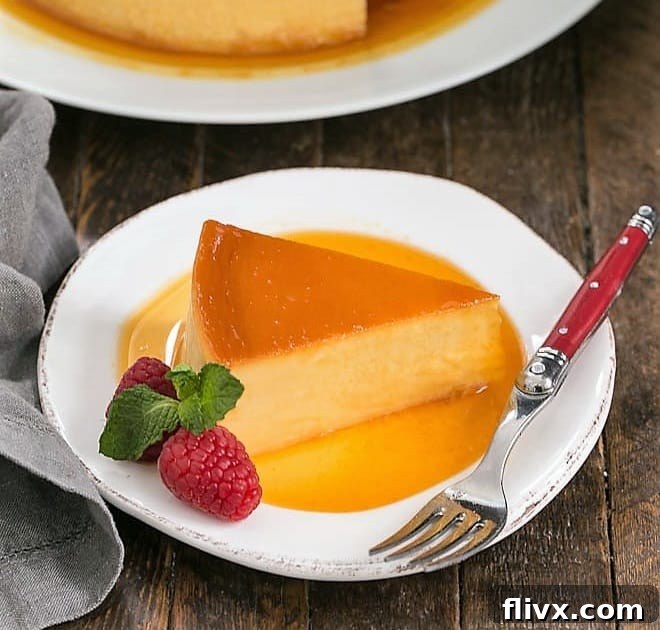
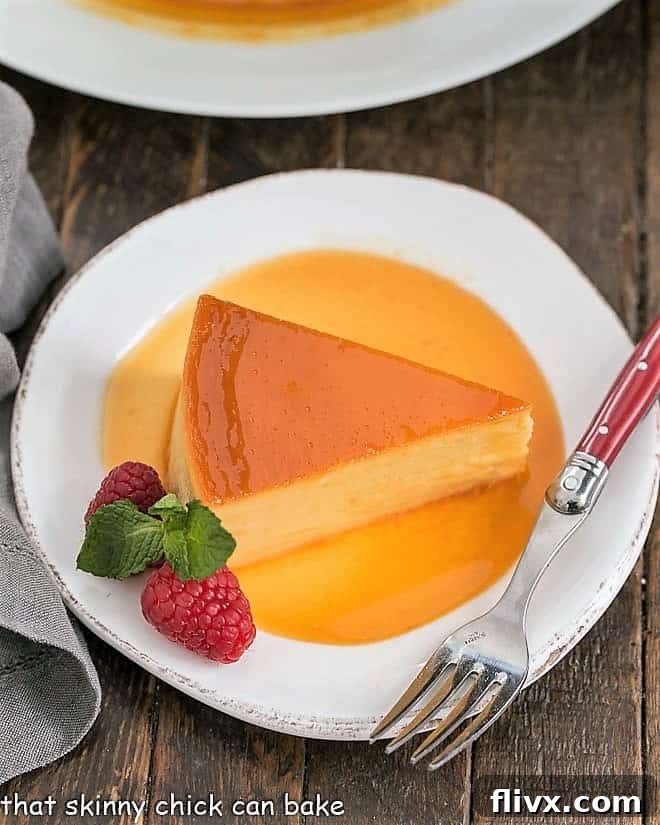
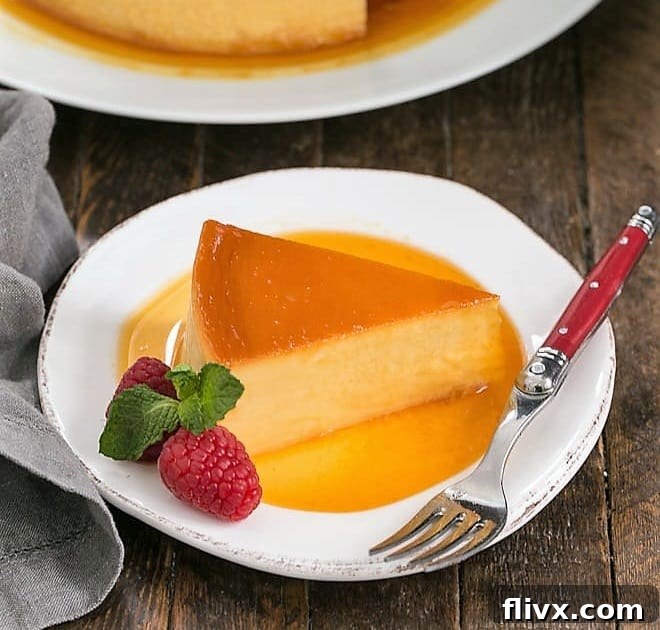
Welcome to a dessert experience that transcends the ordinary: our exquisite Cream Cheese Caramel Flan. Imagine the silky smoothness of a classic crème brûlée perfectly fused with the rich, tangy creaminess of a vanilla cheesecake, all bathed in a luscious, golden caramel sauce. This unique flan recipe promises an unforgettable indulgence that will have everyone reaching for seconds and practically licking their plates clean!
I first crafted this extraordinary Flan de Queso for a lively dinner club gathering, where we were serving a delicious paella. While my husband is typically not a fan of traditional caramel desserts, he not only enjoyed his initial slice but also polished off all the leftovers from the fridge! This unexpected endorsement solidified my belief: I had truly stumbled upon a winning recipe that delights even the most discerning palates.
Why This Cream Cheese Caramel Flan is an Absolute Must-Make
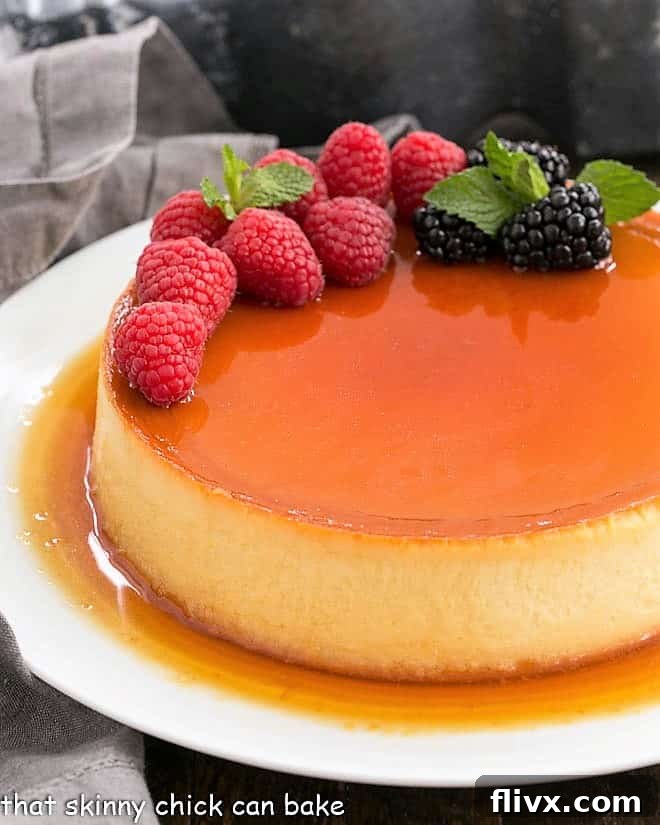
This isn’t your average flan. While many traditional recipes rely solely on evaporated milk, sweetened condensed milk, eggs, and vanilla for their custard base, our version takes a delightful detour. The secret? The strategic addition of cream cheese, which elevates this dessert to an entirely new level of richness and flavor. Here’s why this flan recipe stands out:
- Unmatched Richness and Flavor: The cream cheese introduces a subtle tang and an incredibly luxurious texture that makes this flan significantly richer and more decadent than its traditional counterparts. It’s a game-changer for anyone seeking a more profound dessert experience.
- A Unique Culinary Fusion: This flan beautifully bridges the gap between different dessert worlds. It presents with the classic glossy caramel coat of a conventional flan, yet each spoonful delivers that unmistakable hint of cheesecake texture and flavor, thanks to the cream cheese. It truly offers the best of both worlds.
- Surprise and Delight: Prepare to surprise your guests! The subtle complexity and creamy mouthfeel will have them wondering about your secret ingredient. It’s familiar enough to be comforting but unique enough to be exciting.
- Perfect for Any Occasion: Whether you’re hosting a grand dinner party, celebrating a special event, or simply craving a sophisticated treat, this cream cheese caramel flan is the ideal choice. Its elegant appearance and sensational taste make it a showstopper every time.
Don’t just take my word for it. Past tasters have exclaimed, “I love crème brûlée, and this is even better!” and “I don’t usually like caramel, but I absolutely adore this!” These glowing endorsements confirm that this recipe appeals broadly, even to those who might typically shy away from caramel-centric desserts.
Expert Tips for a Flawless Flan
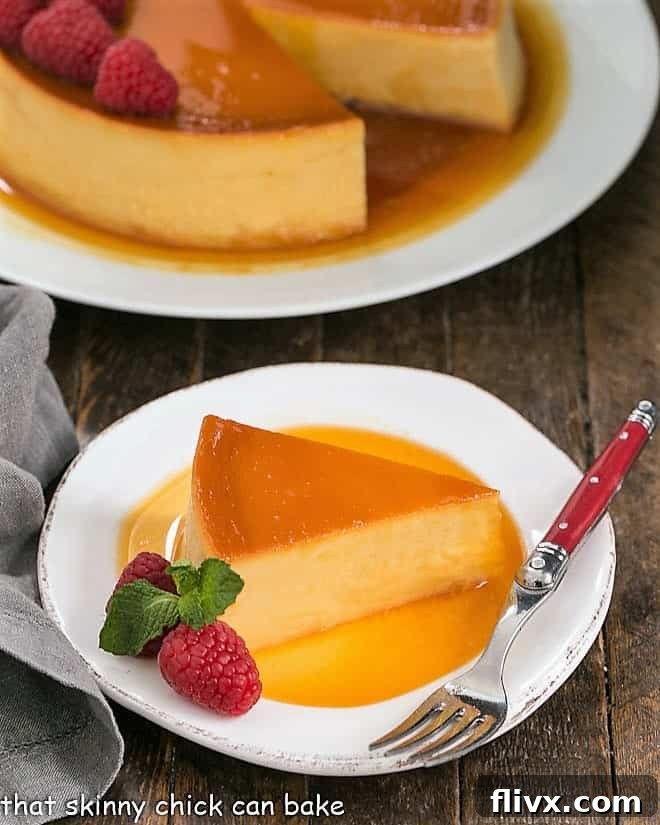
For those new to making flan, two steps can seem a bit daunting: creating the caramel and then successfully unmolding the finished dessert. Fear not! With these expert tips, you’ll master both with confidence, resulting in a perfectly smooth, rich, and beautifully presented flan every time.
Mastering the Creamy Custard
- Achieve Optimal Creaminess with Room Temperature Cream Cheese: This is a crucial step for a silky-smooth custard. Ensure your cream cheese is at room temperature before you begin. This allows it to whip smoothly, preventing lumps and ensuring it seamlessly combines with the other ingredients. Start by beating the cream cheese until it’s light and fluffy, then gradually incorporate the remaining custard ingredients. While a hand mixer is effective, be mindful not to whip on high speed, as incorporating too much air can lead to a less dense and potentially bubbly custard.
- The Art of the Caramel Base: The glossy caramel coating is integral to flan’s appeal. This simple yet critical component is made from sugar alone. Heat the sugar over medium-low heat on your stovetop, stirring occasionally. Don’t be alarmed if the sugar initially clumps together; this is a normal part of the process. With patience, it will eventually melt into a smooth, golden, amber-colored syrup. This can take up to 15 minutes, so resist the urge to increase the heat, which can lead to burnt caramel. Once melted, carefully pour the hot caramel into the bottom of your chosen baking dish, tilting the dish immediately to coat the entire base evenly.
- The Essential Water Bath (Bain-Marie): To bake the flan, place your caramel-lined baking dish into a larger roasting pan. Carefully add about an inch of boiling water to the roasting pan. This creates a bain-marie, a French term for a water bath. This technique is indispensable for custards because it helps maintain a consistent, gentle baking temperature around the delicate custard. This even heat prevents the edges from cooking too quickly, ensures a moist and tender texture, and significantly reduces the risk of the custard cracking. While flan is less prone to cracking than some other custards, the water bath ensures ultimate perfection.
- Knowing When Your Flan is Perfectly Set: The cheese flan is ready when the center appears mostly set but still has a slight, delicate jiggle when you gently move the pan. Overbaking can lead to a rubbery texture, so trust the jiggle!
- Cooling and Chilling for Best Results: Once baked, remove the flan from the water bath and cool it completely on a wire rack at room temperature. After it has cooled, refrigerate it overnight (or for at least 8 hours). This extended chilling period is vital, allowing the custard to fully set, firm up, and for the flavors to meld beautifully. It also makes the unmolding process significantly easier.
The Art of Unmolding Your Flan
Unmolding a flan can be a source of anxiety, but with the right approach and a bit of patience, you can achieve a beautifully presented dessert. The goal is to release the flan cleanly, allowing the luscious caramel to cascade over the sides.
If a perfectly smooth edge isn’t your top priority, simply run a thin knife around the perimeter of the flan to loosen it from the dish. Then, dip the bottom of the baking dish into a pan of boiling water for a few seconds. This gentle heat helps to liquefy any solidified caramel, making release easier. Finally, invert the flan onto your chosen serving plate.
However, if you’re aiming for pristine edges, a slightly more cautious approach might be needed. I’ve experimented with several methods to achieve a flawless unmolding. Some tips suggest a firm whack on the side of the pan to “break the seal.” While this might work for some, it didn’t quite do the trick for me initially. Adding a quick dip in hot water also proved insufficient on its own. Gradually, after carefully running a knife just an inch or two around the edge to create a small release point, and then allowing the bottom of the dish to sit in hot water for about a minute, the flan finally surrendered its hold and gracefully inverted onto the serving plate. The key often lies in ensuring the caramel at the bottom is thoroughly melted without overheating the custard.
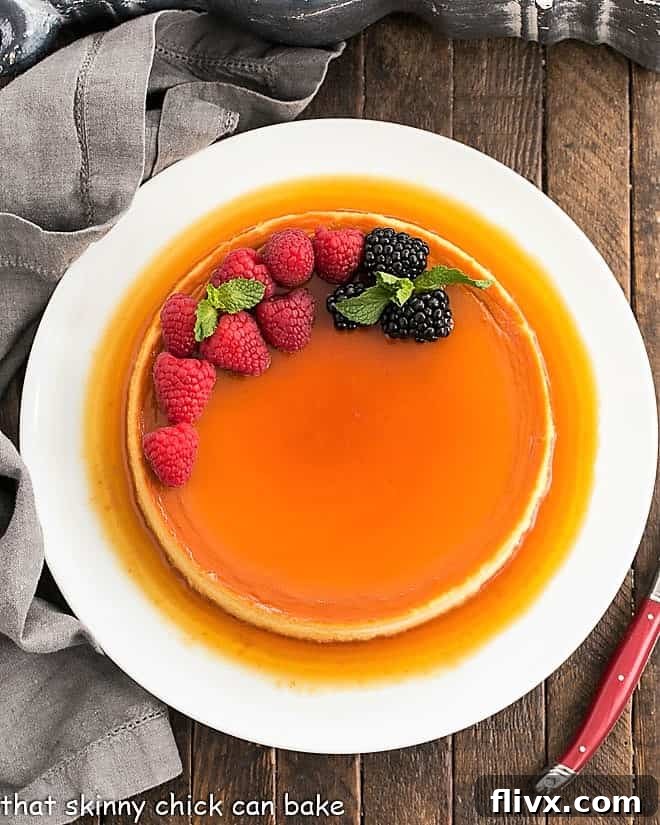
It’s worth noting that if a small section of the edge breaks or isn’t perfectly smooth, don’t fret! Fresh berries, a dusting of powdered sugar, or a sprig of mint can beautifully conceal any imperfections and add an elegant touch to your dessert.
PRO-Tip for Serving: Always choose a serving plate with a slight well or a raised rim. This design is crucial for catching the delicious excess caramel sauce that will flow around the flan once inverted. A flat plate will inevitably lead to a sticky, messy situation, and nobody wants to deal with that when a magnificent dessert awaits!
Frequently Asked Questions About Flan
Flan is a classic baked custard dessert, renowned for its smooth, creamy texture and a glistening caramel sauce that forms when the flan is inverted. The process typically involves coating the bottom of a baking dish with caramel, then pouring the custard mixture over it before baking in a water bath. It shares similarities with the French Crème Caramel and is often simply referred to as Caramel Custard. While it’s akin to Crème Brûlée, flan features a liquid caramel topping that bathes the custard, contrasting with crème brûlée’s solid, crisp caramelized sugar crust. The word “flan” itself has ancient roots, derived from the Latin “flado,” meaning a flat cake or object, tracing its history back to the Roman Empire.
While flan is widely celebrated today as a quintessential Mexican, Spanish, or Puerto Rican dessert, its earliest forms date back to the Roman Empire, where it was often prepared in savory versions. Following the decline of the empire, the sweet dessert iteration gained popularity across Europe. It was the Spanish who first introduced the concept of topping flan with a sweet caramel sauce. As the recipe traveled to the Americas, particularly Mexico, it evolved further, leading to delicious regional variations like chocolate and coconut flans, firmly establishing its place in Latin American cuisine.
To maintain its freshness and creamy texture, flan should be stored in the refrigerator. When properly covered, it will remain delicious for 3 to 4 days. For longer storage, flan can also be frozen for up to a month. Ensure it is tightly wrapped to prevent freezer burn. When you’re ready to enjoy a frozen flan, simply defrost it slowly in the refrigerator, then allow it to come to room temperature briefly before serving to appreciate its full flavor and texture.
A water bath, or bain-marie, is a crucial technique employed when delicate dishes, such as custards, sauces, or savory mousses, require gentle and even heat during baking. This method prevents the food from cooking too rapidly or unevenly, which can lead to curdling, cracking, or a dry texture. By placing the baking dish containing the flan into a larger pan filled with warm water, the water acts as a thermal buffer, ensuring a stable and moderate cooking environment. This results in an incredibly smooth, moist, and tender custard with a perfect consistency.
Leche flan is the beloved traditional Filipino version of flan. It is particularly known for its incredibly rich, smooth, and dense texture, achieved through the generous use of egg yolks, evaporated milk, and condensed milk. Like other flans, it features a characteristic caramel coating that beautifully glazes the custard when it’s inverted from its baking dish, making it a standout dessert in Filipino cuisine.
You May Also Love These Dessert Recipes:
- Crème Caramel from Home Cooking Adventure
- Chocolate Mascarpone Cheesecake
- Strawberry Topped Cheesecake
- Cheesecake Filled Red Velvet Cake
- White Chocolate Creme Brulee
- Discover more of the Best Dessert Recipes
Stay connected and share your culinary creations with me! Find me on Instagram, Facebook, and Pinterest. Don’t forget to tag me when you try one of my delicious recipes! And if you absolutely love the results, please consider leaving a 5-star rating in the recipe card below – your feedback means the world to me!
Cream Cheese Caramel Flan Recipe
20 minutes
1 hour
8 hours (Chilling)
9 hours 20 minutes
10 servings
A baked vanilla custard made extra rich with cream cheese, bathed in a decadent caramel sauce.
Ingredients
- ¾ cup sugar
- 8 ounces package cream cheese, at room temperature
- 5 large eggs
- 14 ounces sweetened condensed milk (1 can)
- 12 fluid ounce can evaporated milk
- 2 teaspoons vanilla extract
Instructions
- Preheat the oven to 350°F (175°C).
- In a small, heavy saucepan over medium-low heat, cook sugar, stirring occasionally, until it melts and turns a golden amber color. The sugar will clump before melting smoothly. Be patient and do not increase the heat too much.
- Carefully pour the caramelized sugar into an ungreased, round 2-quart baking dish (a soufflé dish works perfectly). Quickly tilt the dish to coat the entire bottom surface with the caramel. Set aside to cool and harden.
- In a large mixing bowl, beat the room temperature cream cheese until it is smooth and creamy. Gradually beat in the eggs, one at a time, ensuring each is fully incorporated before adding the next.
- Stir in the sweetened condensed milk, evaporated milk, and vanilla extract until the mixture is completely smooth and well combined.
- Gently pour the custard mixture into the caramel-coated baking dish.
- Place the baking dish into a larger roasting pan. Then, place the roasting pan on the oven rack. Carefully pour boiling water into the roasting pan to a depth of about 2 inches, creating a water bath (bain-marie).
- Bake for 50 to 60 minutes, or until the center of the flan is just set but still has a slight jiggle.
- Carefully remove the baking dish from the water bath. Cool the flan on a wire rack for one hour at room temperature, then refrigerate for at least 8 hours, or preferably overnight, to allow it to fully set and chill.
- To unmold, run a thin knife around the edges of the pan to loosen the flan. If needed, briefly dip the bottom of the pan into hot water for a few seconds to help liquefy the caramel. Then, carefully invert the flan onto a rimmed serving platter.
Notes
The water bath (bain-marie) is essential for cooking delicate custards like flan, as it provides a stable and gentle baking temperature, ensuring a smooth, moist, and evenly cooked dessert without curdling or cracking.
Watch how to make this delicious Cream Cheese Caramel Flan:
Recommended Products
As an Amazon Associate and member of other affiliate programs, I earn from qualifying purchases.
- Silicone Spatulas
- KitchenAid 9-Speed Digital Hand Mixer
- 2 quart ceramic souffle dish
Nutrition Information:
Yield:
10
Serving Size:
1 slice
Amount Per Serving:
Calories: 557Total Fat: 33gSaturated Fat: 19gTrans Fat: 0gUnsaturated Fat: 11gCholesterol: 191mgSodium: 357mgCarbohydrates: 52gFiber: 0gSugar: 51gProtein: 14g
HOW MUCH DID YOU LOVE THIS RECIPE?
Please leave a comment on the blog or share a photo on Pinterest