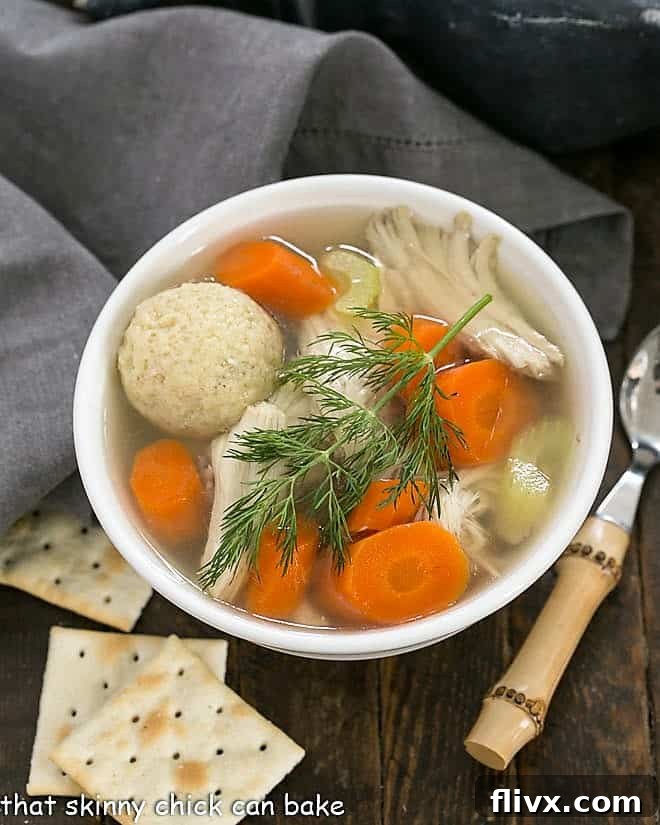
Welcome to the ultimate guide for preparing a soul-soothing bowl of Homemade Chicken Soup, affectionately known as Jewish Penicillin. Whether you’re battling a stubborn cold, recovering from the flu, or simply seeking the profound comfort only a warm, savory broth can provide, this recipe is guaranteed to hit every right note and quite possibly expedite your recovery. Forget store-bought alternatives; this is the definitive chicken soup experience that promises both healing and pure culinary delight.
There’s a reason chicken soup has transcended cultures as the go-to remedy for ailments and a timeless comfort food. Our rendition stands out as arguably the best chicken soup recipe you’ll ever encounter. It’s more than just a meal; it’s a therapeutic ritual that can significantly alleviate congestion and a host of other bothersome symptoms. But even if you’re in perfect health, its incredible flavor profile makes it a dish worth savoring time and again.
Why You Must Make This Iconic Soup
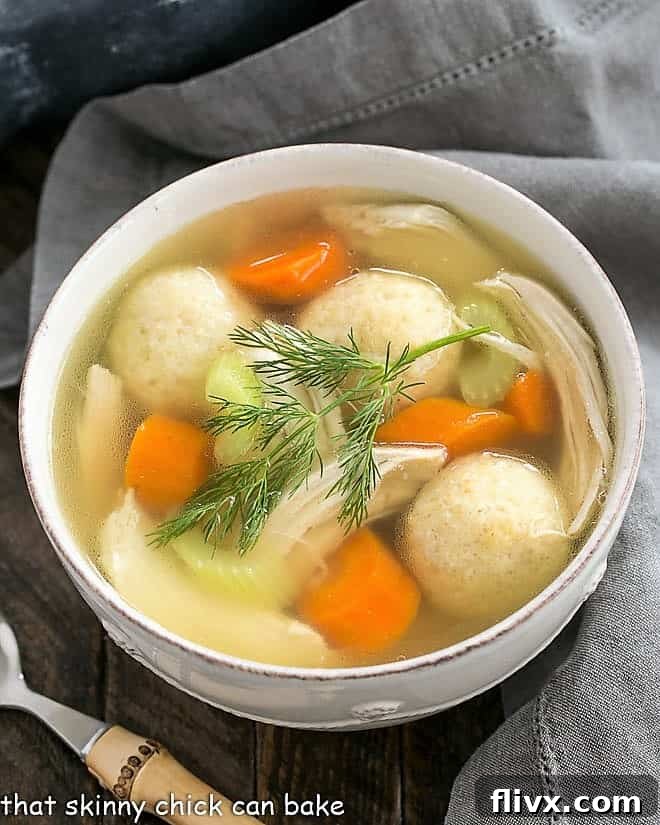
This isn’t just any chicken soup; it’s the pinnacle of comfort, flavor, and tradition. Often dubbed Jewish Penicillin for its reputed healing powers, this recipe offers a depth of taste that will utterly transform your perception of homemade soup. I confess, I used to shy away from ingredients like parsnips, and dill wasn’t my preferred herb. However, in this particular blend, both play crucial roles, adding nuanced layers of earthy sweetness and vibrant freshness that elevate this chicken vegetable soup to extraordinary heights.
My own childhood memories are steeped in the warmth of matzo ball soup, a seemingly unconventional staple for our Catholic family. Yet, my sisters and I adored it, a testament to its universal appeal. I can only imagine my mother’s cherished version was a gift from our wonderful Jewish neighbors down the street, Hanna. Growing up in a modest college town in the Midwest, my mom was a culinary explorer, collecting recipes from friends of all backgrounds, soaking up wisdom from Julia Child on PBS, and meticulously poring over her treasured cookbook collection, including the venerable New York Times Cookbook.
Over the years, I’ve experimented with various accompaniments, from classic matzo balls to small, rice-shaped pasta like orzo. The beauty of this flavorful chicken broth is its versatility – any noodle, dumpling, or even rice would be a delightful addition. This authentic Jewish chicken soup is your perfect companion when you’re feeling under the weather, providing a comforting embrace that warms you to the core on even the chilliest evenings. It’s a recipe I’ve shared with countless friends, and without exception, every single one has declared it the best chicken soup recipe they’ve ever tasted. Their unanimous endorsement speaks volumes.
Mastering Homemade Chicken Soup: A Step-by-Step Guide
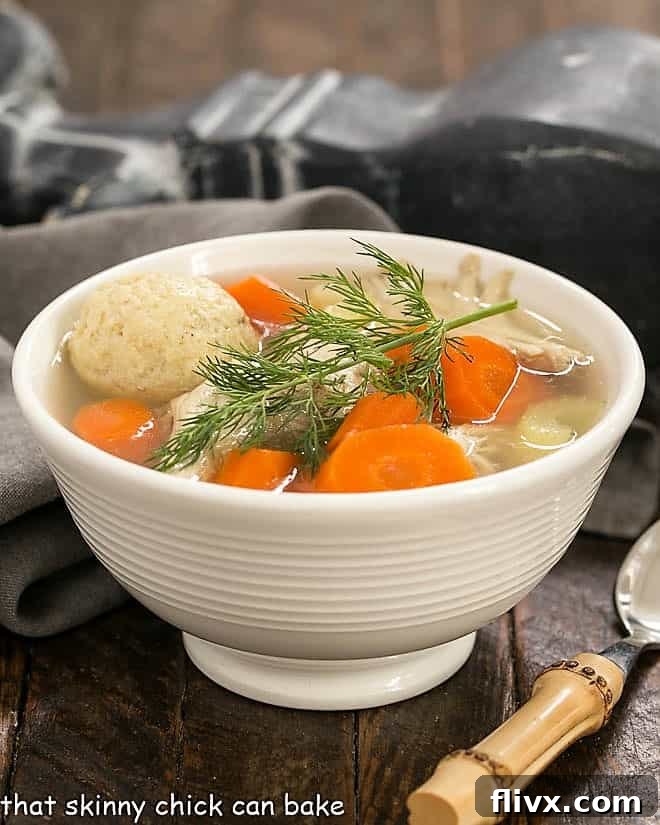
Crafting the perfect chicken soup from scratch is a rewarding process that yields unparalleled flavor. The journey to this exceptional Chicken Soup, often celebrated as Jewish Penicillin, begins with a crucial step: selecting the right chicken. For an unequivocal success in the flavor department, you absolutely need a whole chicken or bone-in chicken pieces. Boneless, skinless chicken breasts simply won’t suffice, as the bones are the secret repository of collagen, marrow, and essential nutrients that infuse the broth with its rich, savory depth. If opting for bone-in pieces, ensure a mix of both dark and white meat, as dark meat contributes a more profound flavor to the stock.
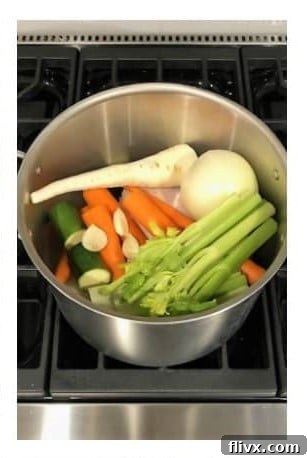
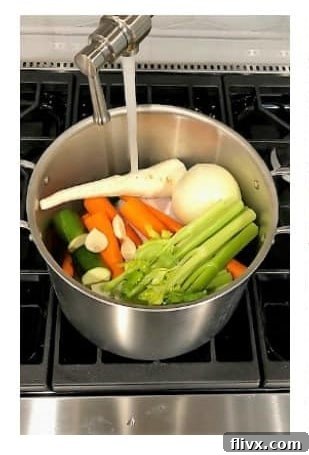
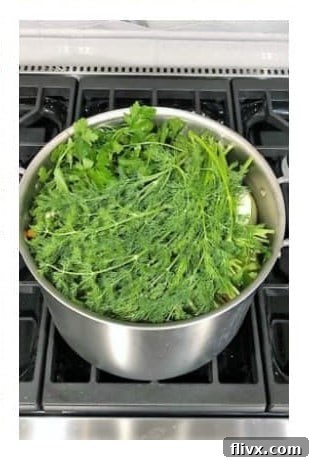
Once you’ve selected your chicken, place it gently into a generously sized stockpot. Next, large chunks of fresh, aromatic vegetables are introduced – think robust onions, crisp celery, sweet carrots, a subtle parsnip for added depth, and even a touch of zucchini. Alongside these vegetables, a generous hand with fresh herbs like Italian parsley and dill is vital. Cover all these wonderful ingredients with cold water, ensuring it’s just about an inch above the vegetables, creating the perfect environment for flavor extraction. Bring this medley to a gentle boil, then immediately reduce the heat to a steady simmer.
The long cooking time is the heart of this recipe. Over three patient hours, the liquid gradually reduces through evaporation, intensely concentrating the flavors extracted from the chicken, bones, and vegetables. This slow simmer allows the ingredients to meld beautifully, creating a complex and incredibly aromatic broth. During this simmering process, it’s important to occasionally skim off any foam that rises to the surface. This foam, composed of impurities, can lead to a cloudy broth if not removed, so a clear, golden liquid is your goal.
Seasoning is key to unlocking the full potential of your soup. I recommend starting with about a tablespoon of kosher salt; remember, it takes a significant amount of liquid to properly cover a whole chicken. After the first hour or so of simmering, make sure to taste the broth. This is your chance to adjust the seasoning, adding a bit more salt if needed to achieve that perfect balance of savory goodness. Exercise patience, as the flavors will continue to deepen over time.
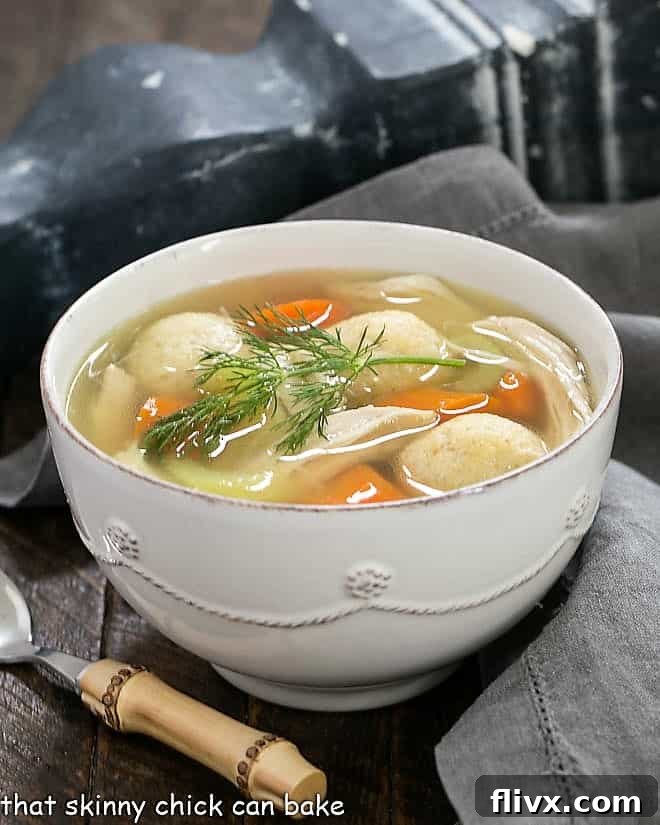
After three hours of diligent simmering, you’ll be eagerly anticipating a bowl of this fragrant, golden broth. Before serving, carefully remove the chicken and vegetables from the pot. Shred the tender chicken meat from the bones and return it to the strained broth. Slice some of the cooked carrots into appealing chunks and add them back in. For an extra touch of freshness and texture, I also like to slice up some raw celery and add it towards the very end of the cooking time, allowing it to gently soften while retaining a slight bite. The final touch? Loading your bowl with homemade matzo balls for a most gratifying and traditional meal, or opting for a delightful alternative like small pasta such as orzo.
A crucial tip for serving: while small pasta like orzo can be cooked directly in the soup pot, I always cook matzo balls separately. Simmering them in salted water or a separate box of chicken broth prevents them from absorbing too much of your precious homemade soup, ensuring your broth remains rich and undiluted. I genuinely hope you’ll take the plunge and give this truly exceptional recipe a shot!
The Healing Power of “Jewish Penicillin”: Health Benefits Explained
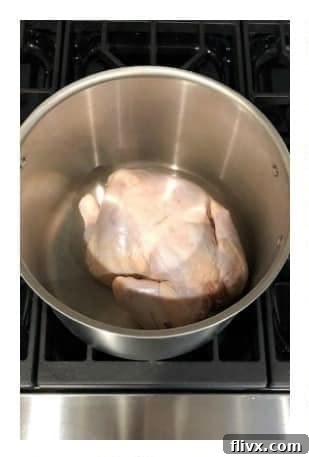
The timeless recommendation of chicken soup for those feeling unwell isn’t merely an old wives’ tale; it’s steeped in both tradition and legitimate health benefits, giving rise to its affectionate moniker, Jewish Penicillin. This homemade elixir, or even a good quality canned version, offers a surprising array of advantages when you’re grappling with upper respiratory infection symptoms. Let’s delve into why this comforting dish is so highly regarded for its healing properties:
- Hydration and Congestion Relief: First and foremost, consuming any hot liquid, especially a flavorful broth, is excellent for hydration. Adequate fluid intake is crucial when you’re sick, helping to thin mucus and thereby reduce congestion in the nasal passages and chest.
- Soothing Steam for Airways: The steam emanating from a piping hot bowl of chicken soup acts as a natural decongestant. Inhaling this warm vapor can help soothe an irritated throat and effectively open up clogged nasal passages, providing immediate, albeit temporary, relief from stuffiness.
- Anti-Inflammatory Properties: Beyond mere comfort, scientific research supports chicken soup’s therapeutic effects. A notable 2000 study conducted by The American College of Chest Physicians revealed that chicken soup can indeed help reduce upper respiratory inflammation. While it doesn’t directly kill the viruses responsible for illnesses, it plays a vital role by inhibiting the movement of certain white blood cells (neutrophils) to inflamed areas. This reduction in neutrophil migration helps to prevent further congestion and inflammation, aiding in a smoother recovery.
- The “TLC Factor” and Psychological Comfort: A fascinating aspect cited in a Huffington Post article is the “TLC factor.” The act of someone caring enough to prepare and provide a warm bowl of soup, particularly one with such strong cultural connotations of healing and nurturing, can genuinely make you feel better. This isn’t just the placebo effect; it’s the powerful psychological boost derived from feeling cared for and comforted during a vulnerable time.
- Cultural Significance and Tradition: The term “Jewish Penicillin” itself highlights the deep-rooted cultural significance of chicken soup. It is a traditional and highly cherished food in Ashkenazi Jewish culture, frequently served during holidays like Passover and throughout the year as a staple of comfort and wellness. This long-standing tradition reinforces its perception as a powerful remedy.
Your Guide to Crafting the Ultimate Chicken Soup
For those eager to recreate this magic in their own kitchen, here’s a comprehensive breakdown of the ingredients and step-by-step instructions for our beloved Homemade Chicken Soup.
Essential Ingredients
- 3-5 pound whole chicken (or bone-in chicken parts, ensuring a mix of dark and white meat for optimal flavor)
- 2 large onions, peeled and halved
- 5 stalks of celery, including the leaves, cut into large halves
- 1 pound carrots, peeled and ends removed, cut into large chunks
- 1 medium parsnip, peeled and cut into large pieces (adds subtle sweetness)
- 1 or 2 small zucchini, each cut into 3-4 substantial chunks
- 3 whole cloves of garlic, peeled
- 1 large bunch of fresh Italian parsley
- 1 large bunch of fresh dill (for its distinctive aroma and flavor)
- Kosher salt to taste (start with a scant 1 tablespoon, then adjust as needed after the initial simmering)
- Optional: Orzo or other small pasta, or homemade matzo balls (for serving)
Step-by-Step Cooking Instructions
- Prepare the Base: Place the whole chicken (or bone-in chicken parts) into a very large stockpot. Add the prepared onions, celery, carrots, parsnip, zucchini, and peeled garlic cloves around the chicken.
- Add Water and Bring to a Simmer: Cover all the ingredients generously with cold water. Ensure the water level is about an inch over the vegetables, but avoid overfilling. Bring the pot to a rolling boil over high heat, then immediately reduce the heat to a low simmer. Begin to skim off any foam that rises to the surface during this initial stage.
- Season and Simmer: Add the initial measurement of kosher salt to the pot. Gently lay the bunches of fresh Italian parsley and dill on top of the simmering liquid. Place the lid partially on the pot, leaving a small gap to allow steam to escape. Continue to simmer the soup for a full 3 hours, periodically skimming any additional foam that may appear.
- Strain and Finish: After 3 hours, carefully remove the chicken and all the vegetables from the broth. Strain the rich broth through a fine-mesh sieve into a clean pot or large bowl, discarding the cooked parsley and dill.
- Assemble the Soup: Allow the chicken to cool slightly, then remove the meat from the bones and shred or tear it into bite-sized pieces. Discard the bones and skin. Slice the tender cooked carrots into smaller, more palatable rounds or pieces and add them back to the strained broth. Return the shredded chicken meat to the broth as well.
- Serve with Additions: At this point, you can add cooked orzo, other small pasta, or freshly prepared matzo balls or dumplings directly to individual serving bowls. Ladle the hot, fragrant chicken soup over them. Garnish each serving with a sprinkle of fresh parsley or a sprig of dill for an appealing presentation and added freshness. Serve immediately and enjoy!
Chef’s Tips for Perfection
- Cooking Matzo Balls/Pasta Separately: To prevent your delicious homemade chicken soup from becoming too thick or having all its precious broth absorbed, always cook matzo balls or pasta separately. Use salted water or a good quality boxed chicken broth for cooking them, then add them directly to individual bowls just before serving. This ensures your main broth remains pristine and flavorful.
- Adapted with Love: This cherished recipe has been lovingly adapted from the wonderful How to Cook a Wolf Blog, with personal touches refined over years of enjoyment.
Frequently Asked Questions About Homemade Chicken Soup
What is Matzo Ball Soup?
Matzo ball soup is a classic and beloved Ashkenazi Jewish dish, most traditionally served during the Passover meal, but enjoyed year-round. At its heart are the matzo balls themselves: light, fluffy, or sometimes denser dumplings made from matzo meal (finely ground unleavened bread), eggs, fat (such as schmaltz or vegetable oil), water or broth, and a pinch of salt. These dumplings are typically cooked separately and then served immersed in a clear, flavorful homemade chicken broth. While I occasionally mince fresh parsley into my matzo balls for a touch of color and extra flavor, I sometimes forget in the rush of preparation! If matzo balls aren’t your preference, don’t worry—adding noodles or rice to your chicken soup is also a delicious and widely enjoyed alternative!
How Can I Enhance My Chicken Soup’s Flavor?
If you find your chicken soup tasting a bit bland, the most common culprit is simply a lack of salt. It’s truly a “superpower” ingredient for soup, which is why tasting the broth along the way and adjusting seasonings is paramount. PRO-Tip: You can always add more salt, but you can never remove excess salt once it’s in the pot! Beyond salt, there’s a world of ingredients to explore for deepening flavor. Consider incorporating more aromatic herbs like bay leaves or thyme, adding extra cloves of garlic, or a few whole peppercorns. Using more chicken bones (perhaps from roasted chicken carcasses you’ve saved) will also significantly boost the richness of your stock. Don’t be afraid to experiment with more unusual vegetables like an extra parsnip, or even a leek, for layers of subtle sweetness and savory notes. A very important note on safety: do not taste the broth until the chicken has simmered for at least an hour to avoid any chance of foodborne illness, such as salmonella, from undercooked chicken.
Discover More Comforting Soup Recipes
I always ensure my freezer is well-stocked with chicken, a testament to its incredible versatility. From this uniquely comforting Chicken Jambalaya Soup, bursting with bold flavors, to a hearty and satisfying White Chicken Chili, the array of delicious flavor profiles is truly endless. I’m also particularly fond of this creamy and earthy Chicken Wild Rice Soup. For those craving something extra rich, how about this decadent Creamy Chicken Soup? And for something with a bit of a European flair, this French Côte d’Azur Cure-All-Soup, loaded with garlic and chicken broth, is famously touted to cure hangovers – it might just possess similar restorative powers to our Jewish chicken soup! For vibrant and fresh alternatives, this flavorful Verde Chicken Soup and an aromatic Asian Chicken Soup have both captured my attention as must-tries. And if you’re fortunate enough to own a pressure cooker, this Instant Pot Chicken Stock yields unbelievably good, rich broth in a fraction of the time!
Plus, be sure to explore my extensive collection of Best Soup Recipes for endless culinary inspiration.
Stay connected with me and explore more delicious recipes through social media on Instagram, Facebook, and Pinterest. Don’t forget to tag me (@thatskinnychickcanbake) when you whip up one of my recipes! If you adore the results, please consider giving it a 5-star rating in the recipe card you find on my blog. Your feedback means the world to me!
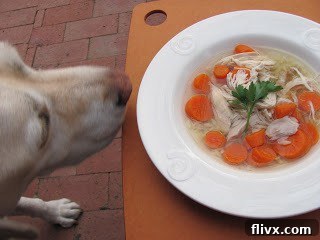
Lambeau, our beloved companion, curiously checking out this Homemade Chicken Soup back in November 2010 when this cherished recipe was first shared. This recipe, along with its photos and descriptive text, was thoroughly updated in 2020 to bring you the best possible experience.