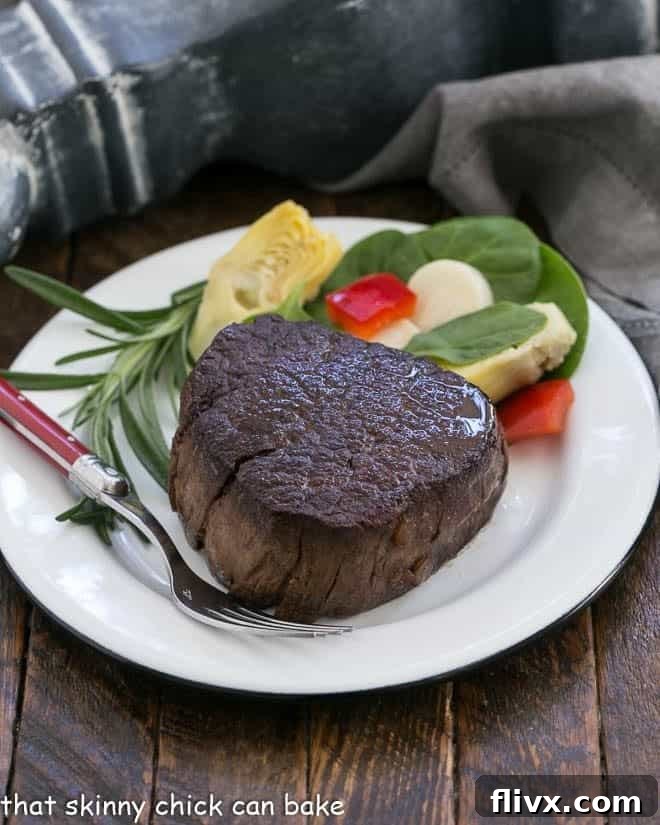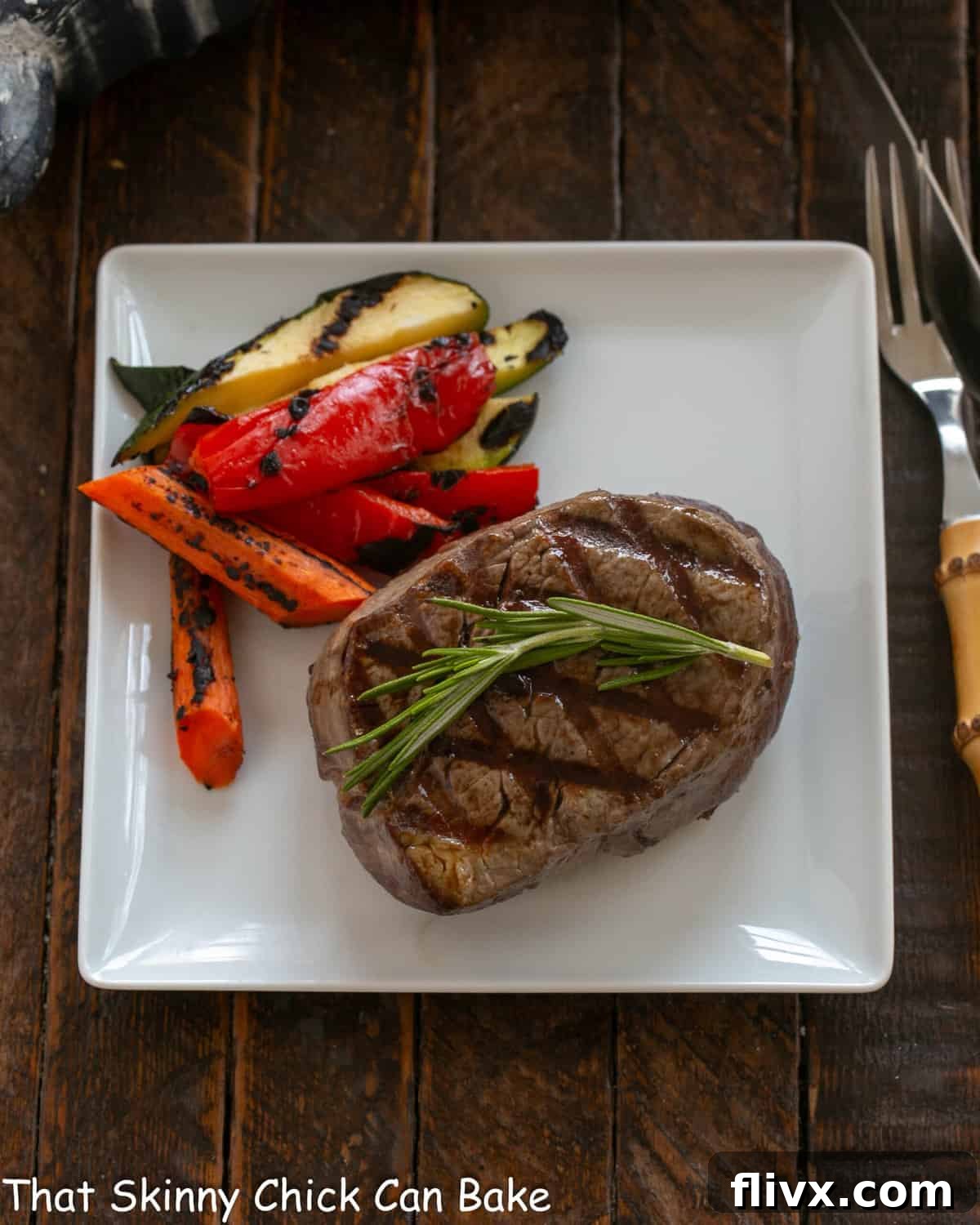
Experience Five-Star Dining at Home: Filet Mignon with a Rich Red Wine Balsamic Sauce
Prepare to impress with this incredibly elegant yet surprisingly simple Filet Mignon Recipe featuring a luscious Red Wine Balsamic Sauce. This dish isn’t just a meal; it’s a culinary experience, offering the sophisticated flavors of a top-tier steakhouse right in your own kitchen. Whether it’s a special celebration or a desire to elevate a weeknight dinner, this pan-seared or grilled steak, crowned with its exquisite pan sauce, promises to deliver rave reviews and unforgettable moments.
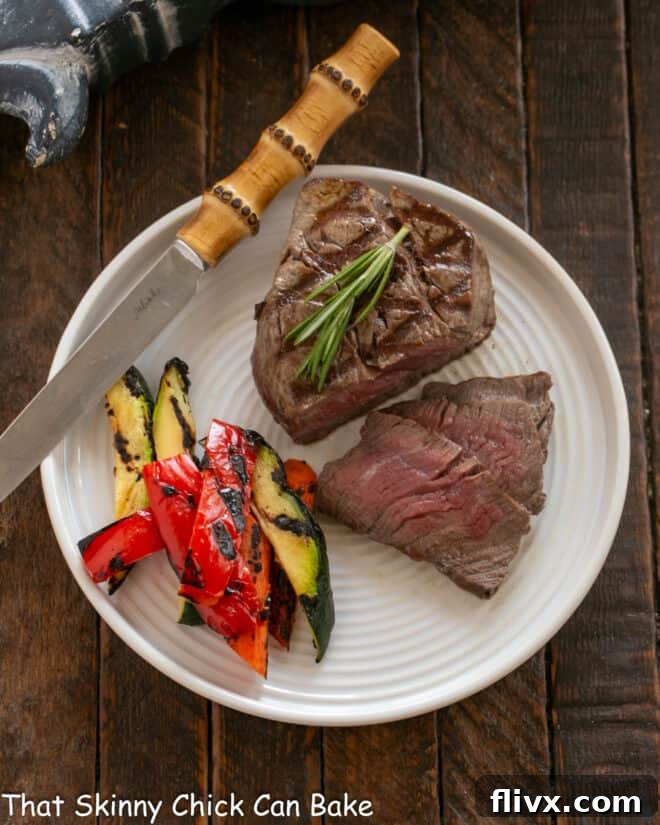
Why This Filet Mignon with Red Wine Balsamic Sauce is a Must-Try
This isn’t just another steak recipe; it’s an opportunity to create culinary magic with minimal fuss. Here’s why this Filet Mignon with Red Wine Balsamic Sauce should be next on your menu:
- Gourmet Quality, Home Kitchen Convenience: Imagine the succulent tenderness of a perfectly cooked beef tenderloin steak, complemented by a sophisticated sauce that tastes like it was crafted by a professional chef. You can achieve this restaurant-quality elegance right in your home, making special occasions even more memorable.
- An All-Weather Solution for Steak Lovers: Love grilled steaks but facing unfavorable weather? This recipe offers a brilliant alternative. Master the art of the pan-seared filet mignon, ensuring a beautiful crust and juicy interior, regardless of the season. No grill? No problem!
- The Unforgettable Red Wine Balsamic Sauce: The true star of this dish is the rich and aromatic sauce. A harmonious blend of dry red wine, aged balsamic vinegar, sautéed shallots, and butter creates a depth of flavor that is truly “sheer perfection.” It elevates the natural richness of the beef, making every bite extraordinary.
- Simple Steps, Spectacular Results: Despite its impressive appearance and taste, this recipe is designed to be straightforward. With clear instructions and a few expert tips, even novice cooks can achieve flawless results that will garner endless compliments.
- Impress Your Guests Effortlessly: Hosting a dinner party? This dish guarantees to impress without overwhelming you in the kitchen. Its elegant presentation and exquisite flavor profile make it an ideal choice for entertaining, leaving your guests utterly delighted.
The inspiration for this exquisite dish came during a special Valentine’s Day celebration when my son, Nick, was away. I wanted to create a meal that felt both indulgent and heartfelt. A friend, Hilary, suggested a red wine and balsamic sauce with shallots to accompany beef, and her idea sparked the creation of this very recipe. Paired with creamy mashed potatoes and tender roasted asparagus, it became an instant family favorite. If you’re exploring other beef dishes, our Gorgonzola Mushroom Stuffed Beef Tenderloin is another exceptional choice.
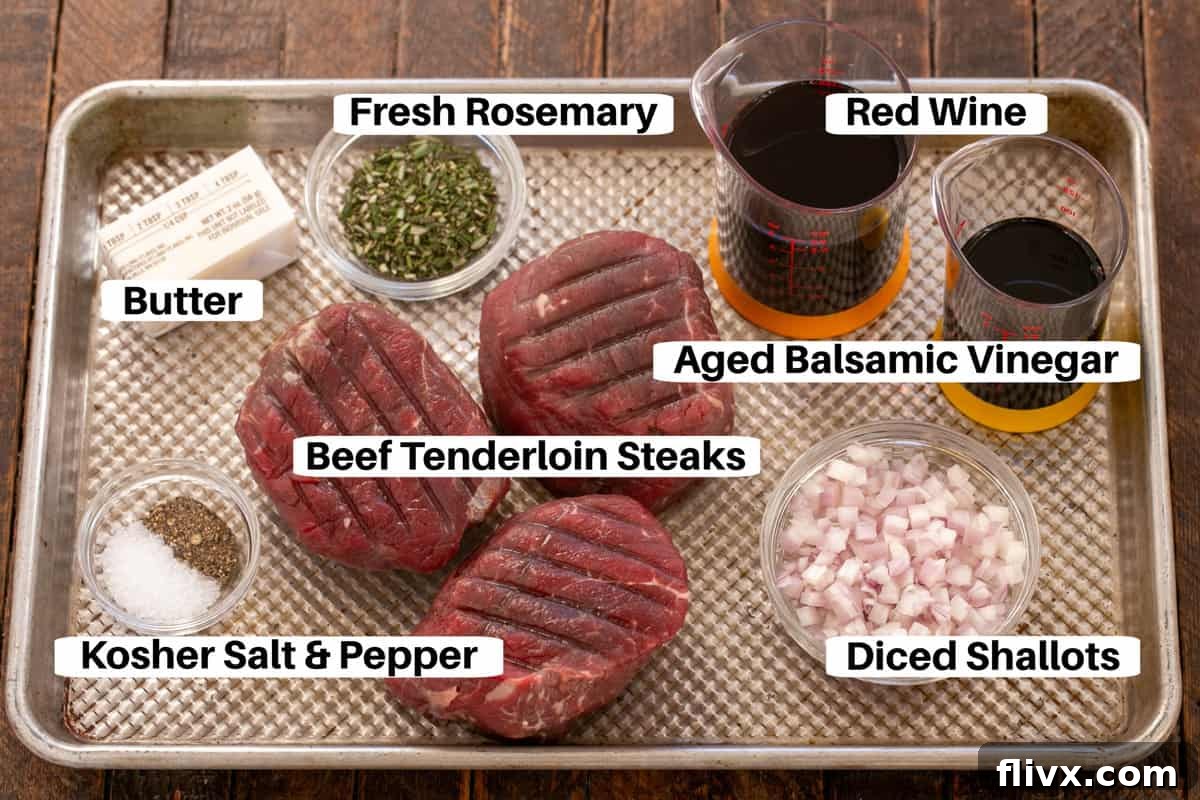
Essential Ingredients for a Superb Filet Mignon
Crafting a truly exceptional filet mignon starts with selecting the right ingredients. Quality makes all the difference in achieving that five-star restaurant taste.
- Beef Tenderloin Steaks or Filet Mignon: For this recipe, we recommend four 8-ounce steaks. Filet Mignon is a cut from the small end of the beef tenderloin, renowned for its incredible tenderness and fine grain. While often more expensive, its melt-in-your-mouth texture is unparalleled. Beef tenderloin steaks, cut from other parts of the tenderloin, offer similar tenderness at a slightly more accessible price point. Both options will yield fantastic results.
- Butter: Opt for high-quality salted butter. Butter is crucial for cooking filet mignon as it adds a rich, delicate flavor and helps create a beautiful sear. Its nutty notes perfectly complement the beef and form the foundation of our luxurious sauce.
- Shallot: Look for a single, larger shallot. Shallots offer a milder, sweeter, and more aromatic flavor than onions, making them ideal for delicate sauces. Peel off the papery outer layer and dice finely to ensure it melts into the sauce.
- Dry Red Wine: This is a cornerstone of the sauce. The golden rule for cooking with wine is simple: use a wine you would genuinely enjoy drinking. A dry red wine like a Cabernet Sauvignon, Merlot, or Pinot Noir will infuse your sauce with complex fruit notes and a wonderful depth. Avoid “cooking wine,” which often contains added salt and preservatives and lacks the nuanced flavor of a good vintage.
- Balsamic Vinegar: The quality of your balsamic vinegar significantly impacts the sauce. Seek out a good quality, aged balsamic. Aged balsamic vinegar is naturally sweeter, thicker, and boasts a more complex, syrupy consistency. It provides a beautiful tang and sweetness that balances the richness of the wine and beef.
- Fresh Rosemary: Minced fresh rosemary is preferred over dried. Fresh herbs provide a brighter, more vibrant flavor and aroma that truly shines in the sauce, elevating the overall freshness of the dish.
- Kitchen Staples: Don’t underestimate the power of Kosher salt and freshly ground black pepper. Generous seasoning is key to bringing out the natural flavors of the beef.
Expert Tips for a Flawless Filet Mignon and Sauce
Achieving steakhouse-quality filet mignon at home is easier than you think with these expert tips and tricks:
- Pre-Seasoning is Paramount (Dry Brining): For the most flavorful results, generously season your beef tenderloin steaks with kosher salt the night before cooking. This process, known as dry brining, allows the salt to penetrate deep into the meat, tenderizing it and enhancing its natural flavors from within.
- Room Temperature Matters: Always bring your steaks out of the refrigerator at least 30 minutes (up to an hour for thicker cuts) before cooking. Allowing them to come closer to room temperature ensures more even cooking from edge to center, preventing a gray band around the perimeter.
- The Magic of Red Wine Reduction: Alcohol acts as a fantastic flavor enhancer. When you add dry red wine to your sauce and allow it to simmer and reduce by half, the alcohol evaporates, leaving behind all its concentrated, delicious flavor compounds. This creates a deeply rich and complex sauce.
- Achieving Perfect Grill Marks (Indoor or Out): If you desire those appealing crosshatch grill marks, use a cast-iron grill pan on your stovetop. Ensure the pan is screaming hot before adding the steaks. Sear each side for a few minutes, then rotate the steak 90 degrees and sear again to create those coveted diamond patterns.
- Always Use a Meat Thermometer: The only way to guarantee your desired doneness is with an instant-read meat thermometer. Filet mignon is a lean cut, making precise temperature control crucial to prevent overcooking. Remove the steaks a few degrees below your target temperature, as they will continue to cook as they rest.
- Butter for Unmatched Flavor: While olive oil can work for searing, cooking your filets in butter adds unparalleled richness and flavor. Filet mignon, being lean, benefits immensely from the added fat and nutty notes of butter, contributing to a more succulent and delicious result.
- Invest in Quality Balsamic: A well-aged balsamic vinegar (like an 18-year-old variety) is transformative. Its natural sweetness and syrupy texture elevate the sauce, providing a beautiful tang and luxurious mouthfeel. Seek out a reputable local oil and spice shop for the best selection.
- Don’t Forget to Rest: After cooking, always transfer your steaks to a cutting board, cover loosely with foil, and let them rest for at least 10 minutes. This allows the juices to redistribute throughout the meat, ensuring every bite is incredibly tender and juicy.
How to Make Filet Mignon with Red Wine Balsamic Sauce
Follow these simple steps for a culinary masterpiece:
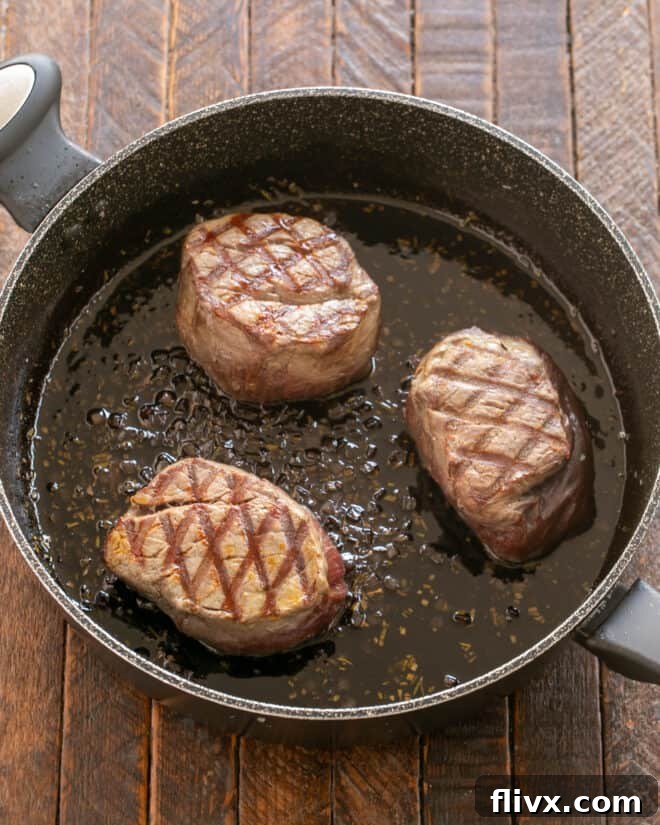
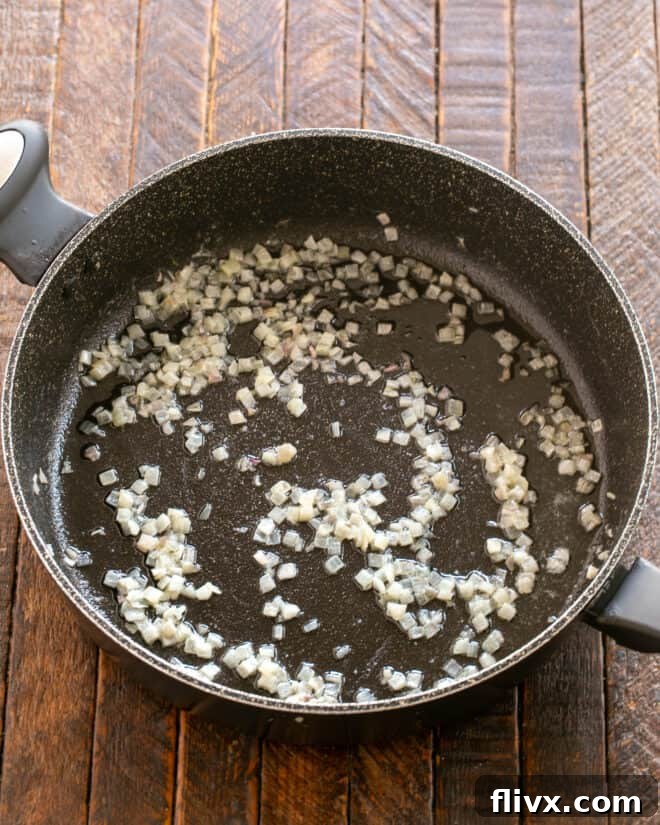
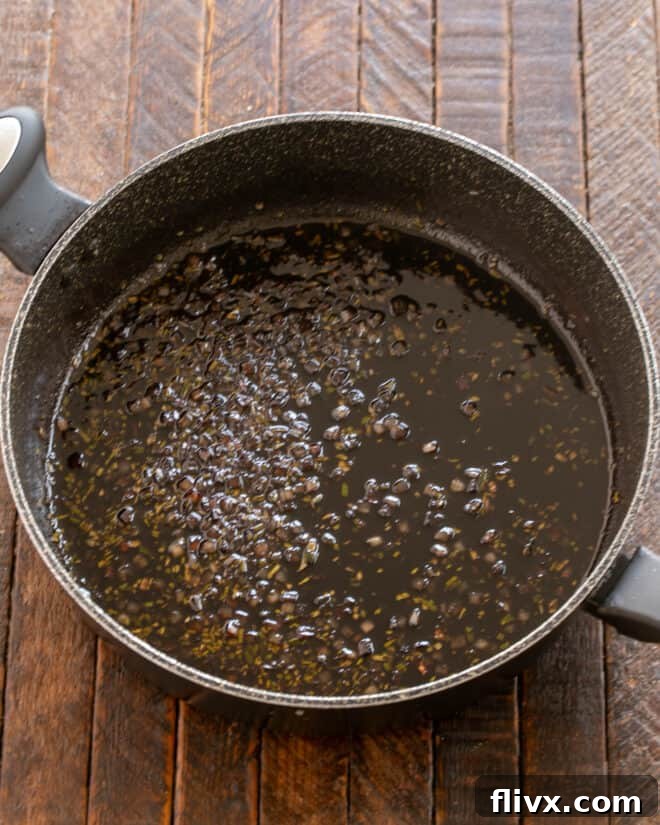
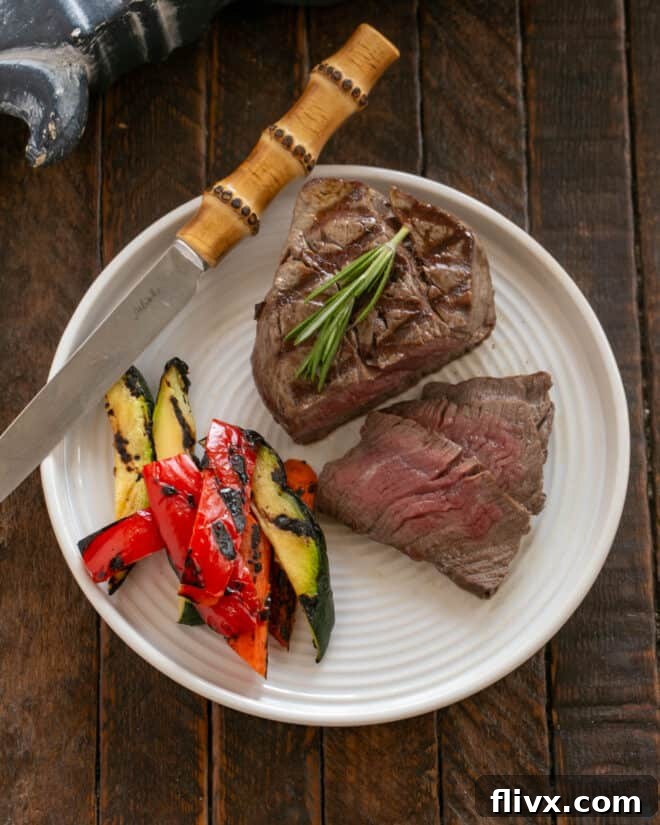
Mastering Pan-Seared Filet Mignon with Red Wine Sauce
Even when grilling isn’t an option, a perfectly pan-seared filet mignon can be achieved right on your stovetop. This method ensures a beautiful crust and a tender, juicy interior, all while building the foundation for our incredible Red Wine Balsamic Sauce. The key lies in proper seasoning, diligent temperature control, and a rich cooking fat.
- Prepare Your Steaks for Maximum Flavor: Begin by seasoning your beef tenderloin steaks generously with kosher salt the night before. This crucial dry brining process allows the salt to fully penetrate the meat, drawing out moisture and then reabsorbing seasoned liquid, resulting in profoundly flavorful and tender steaks. Store them uncovered in the fridge overnight.
- Achieve Even Cooking with Room Temperature Steaks: On cooking day, remove your steaks from the refrigerator at least 30 minutes prior to cooking. This brings them closer to room temperature, which promotes more even cooking throughout the entire cut. While the steaks are warming, pat them thoroughly dry with paper towels to ensure a superior sear.
- The Perfect Sear: In a heavy-bottomed skillet or cast-iron pan, melt 2 tablespoons of butter over medium-high heat until it shimmers and begins to foam slightly. Place the seasoned, dry steaks into the hot pan, ensuring not to overcrowd it. Sear each side for about 3-4 minutes, or until a deep golden-brown crust forms. Remove the seared filets to a clean platter.
- Building the Flavorful Pan Sauce: To the same pan (do not clean it, as the fond – the browned bits – are packed with flavor), add the remaining 2 tablespoons of butter and the diced shallots. Sauté the shallots over medium heat until they are soft and translucent, typically 2-3 minutes. Be careful not to let them brown too quickly; reduce heat if necessary.
- Deglaze and Reduce for Depth: Pour in the dry red wine and balsamic vinegar. Use a wooden spoon to scrape up any browned bits from the bottom of the pan, incorporating them into the liquid. Stir in the minced fresh rosemary. Bring the sauce to a simmer and let it reduce by about half, which should take 5-7 minutes. The sauce will thicken slightly and intensify in flavor. Taste and add a pinch of salt if needed.
- Finish Cooking and Infuse with Sauce: Return the seared steaks to the pan, nestling them into the simmering red wine balsamic sauce. Continue to cook, flipping the steaks once, until they reach your desired internal temperature (refer to our temperature guide below). The sauce will coat the steaks, infusing them with its exquisite flavor.
- Rest for Juiciness: Once cooked to perfection, transfer the filets back to the platter. Tent them loosely with foil and allow them to rest for 10 minutes. This resting period is critical as it allows the muscle fibers to relax and the juices to redistribute, ensuring a tender and succulent steak.
- Serve with Elegance: While the steaks are resting, keep the pan sauce warm over very low heat. Before serving, pour the luscious Red Wine Balsamic Sauce into a small pitcher or directly over the rested steaks. Serve immediately with your chosen side dishes. You’ll truly adore this pan-seared filet mignon!
- PRO-Tip for Grilling Enthusiasts: If you prefer to grill your steaks but still want this incredible sauce, simply sear your seasoned steaks in a skillet with butter for 1-2 minutes per side before transferring them to the grill to finish cooking. This initial sear will create the flavorful fond in the pan, allowing you to proceed with making the sauce as directed while your steaks achieve their grilled perfection.
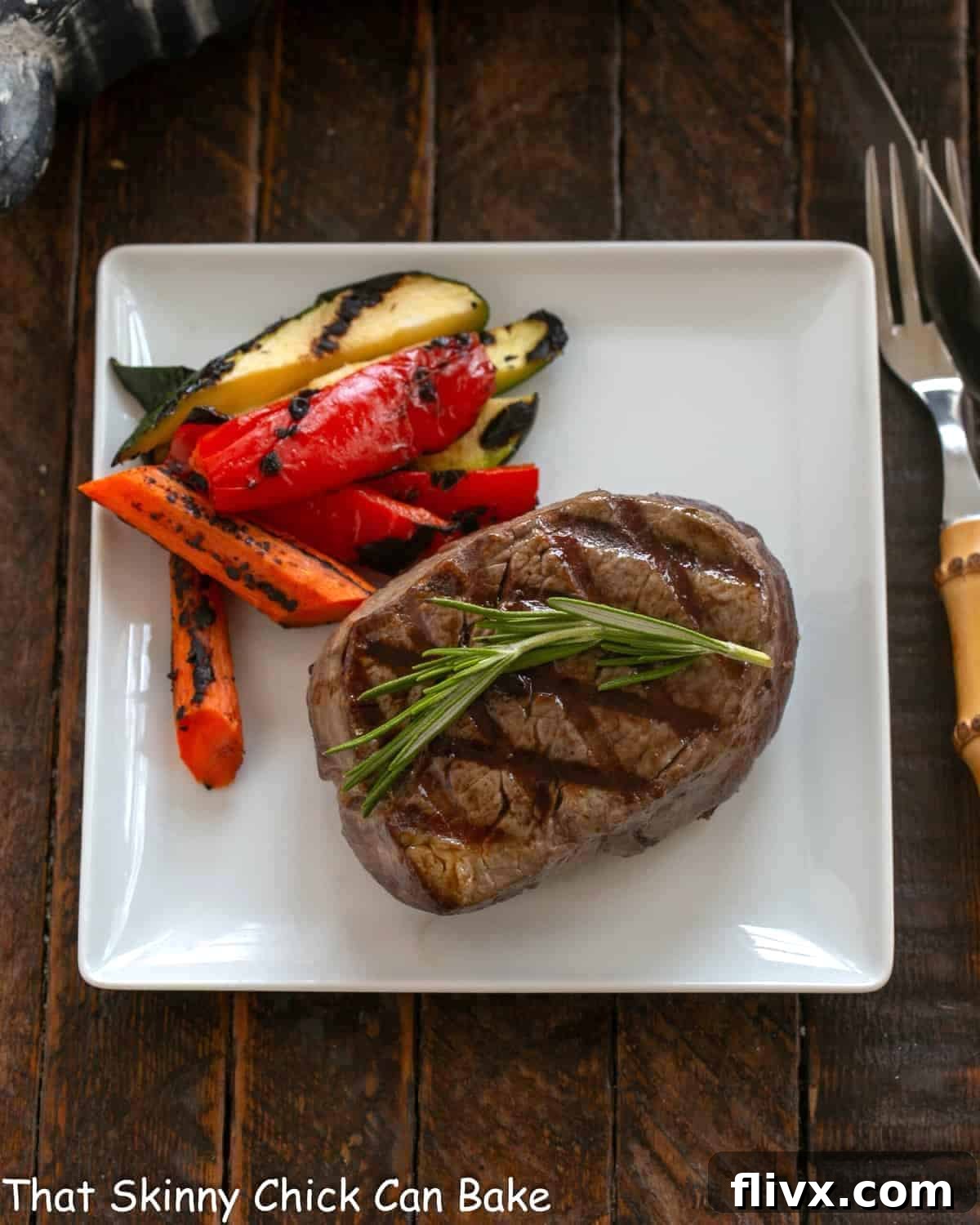
Guide to Achieving Your Perfect Steak Doneness
Cooking steak to your preferred level of doneness is an art, but with a reliable instant-read meat thermometer, it becomes a science you can master. Whether you enjoy a ruby-red rare or a barely-pink medium, understanding internal temperatures and the critical resting period is essential for a truly perfect filet mignon.
I appreciate a tender medium-rare, while my husband prefers his steak very rare. We’ve often hosted guests with varying preferences, so a clear guide is incredibly helpful. An instant-read thermometer is your best friend in the kitchen for this task, ensuring precision every time.
Remember to account for carryover cooking. This refers to the phenomenon where meat continues to cook even after it’s removed from the heat source. During the resting period, when steaks are tented loosely with foil, their internal temperature will typically rise another 5-10 degrees. Therefore, always remove your steaks from the pan or grill a few degrees *below* your target doneness.
The resting process is just as important as the cooking itself. By allowing the steaks to rest for 10 minutes, the muscle fibers relax, and the flavorful juices, which have migrated to the center during cooking, redistribute throughout the entire steak. This results in a juicier, more tender, and more flavorful piece of meat.
According to Certified Angus Beef, here’s a comprehensive guide to filet mignon temperatures for each degree of doneness:
- For a RARE Steak (featuring a cool, bright red center): Target an internal temperature of 125°F, but remove from heat when the thermometer reads 120°F.
- For MEDIUM RARE Steak (showcasing a warm, deep red center): Aim for an internal temperature of 135°F, removing from heat at 130°F.
- For MEDIUM Steak (presenting a warm, rosy pink center): Desire an internal temperature of 145°F, but take off the heat at 140°F.
- For MEDIUM WELL Steak (displaying a slightly pink center): Work towards an internal temperature of 150°F, removing from heat at 145°F.
- For WELL DONE Steak (with minimal to no pink center): Seek an internal temperature of 160°F, but pull the steak from heat at 155°F.
Serving Suggestions and Perfect Pairings
A magnificent Filet Mignon with Red Wine Balsamic Sauce deserves equally impressive accompaniments. Here are some ideas to complete your gourmet meal:
- Classic Comfort Sides: Creamy mashed potatoes (like our Cream Cheese Mashed Potatoes) are a quintessential pairing, perfect for soaking up every drop of that exquisite sauce. Roasted asparagus, green beans almondine, or broccoli with garlic are also excellent choices for adding vibrant color and fresh flavors.
- Earthy Vegetable Enhancements: Sautéed mushrooms (button, cremini, or wild varieties) cooked in butter and garlic make a fantastic addition, complementing the savory notes of the beef and sauce. You could even incorporate them directly into the sauce in the last few minutes.
- Fresh and Bright Salads: A simple, crisp green salad with a light vinaigrette provides a refreshing contrast to the richness of the steak. Consider a peppery arugula salad with shaved Parmesan or a mixed greens salad with cherry tomatoes.
- Hearty Grain Options: For a more substantial meal, consider serving alongside wild rice pilaf, quinoa, or even a classic risotto.
- Bread for Sopping: Don’t let any of that delicious sauce go to waste! Crusty bread, such as a baguette or sourdough, is perfect for sopping up every last drop from your plate.
- Wine Pairings: Stick with the theme and pair your filet mignon with a full-bodied dry red wine like a Cabernet Sauvignon, Merlot, or a Syrah. The tannins in these wines beautifully cut through the richness of the beef and complement the sauce.
Variations and Customizations for Your Red Wine Balsamic Sauce
While the classic Red Wine Balsamic Sauce is undeniably perfect, don’t hesitate to experiment with these simple variations to tailor it to your taste:
- Herb Swaps: Not a fan of rosemary? Thyme, sage, or a bay leaf can offer different aromatic profiles. You can even try a blend of herbs de Provence.
- A Touch of Sweetness: For a slightly sweeter and more complex sauce, consider adding a tablespoon of honey or maple syrup during the reduction phase, adjusting to taste.
- Mushroom Magic: Sauté sliced mushrooms (cremini or shiitake work well) with the shallots. They’ll absorb the rich flavors and add a wonderful earthy texture to your sauce.
- Spice It Up: A tiny pinch of red pepper flakes or a dash of Worcestershire sauce can add an extra layer of depth and subtle heat.
- Creamy Indulgence: For an even richer, creamier sauce, stir in a tablespoon or two of heavy cream or crème fraîche after the sauce has reduced, just before serving.
Frequently Asked Questions (FAQ)
Here are answers to some common questions about making this Filet Mignon with Red Wine Balsamic Sauce:
- Can I use dried rosemary instead of fresh? While fresh rosemary offers the best vibrant flavor, you can use dried. Use about 1 teaspoon of dried rosemary for every tablespoon of fresh, and add it earlier in the cooking process to allow its flavors to rehydrate.
- What if I don’t have shallots? A finely minced small onion or even a quarter of a small red onion can be used as a substitute, though the flavor will be slightly stronger.
- What kind of red wine is best? A dry red wine like Cabernet Sauvignon, Merlot, Pinot Noir, or a Zinfandel works wonderfully. Avoid sweet wines or “cooking wines” for the best flavor.
- How do I store leftovers? Store leftover filet mignon and sauce separately in airtight containers in the refrigerator for up to 3-4 days.
- How do I reheat filet mignon? Gently reheat leftover filet mignon in a preheated oven at 275°F (135°C) until warmed through, about 15-20 minutes, to avoid drying it out. Reheat the sauce gently on the stovetop over low heat.
More Beef Recipes You’ll Love:
- Beef Teriyaki Kabobs
- Pot Roast with Mushrooms, Tomatoes and Red Wine
- Beef Barley Soup
- Instant Pot Short Ribs
- Italian Pesto Burger
- Easy Black Bean Chili
- Explore more delicious Beef Recipes
- Discover a variety of delectable Entree Recipes
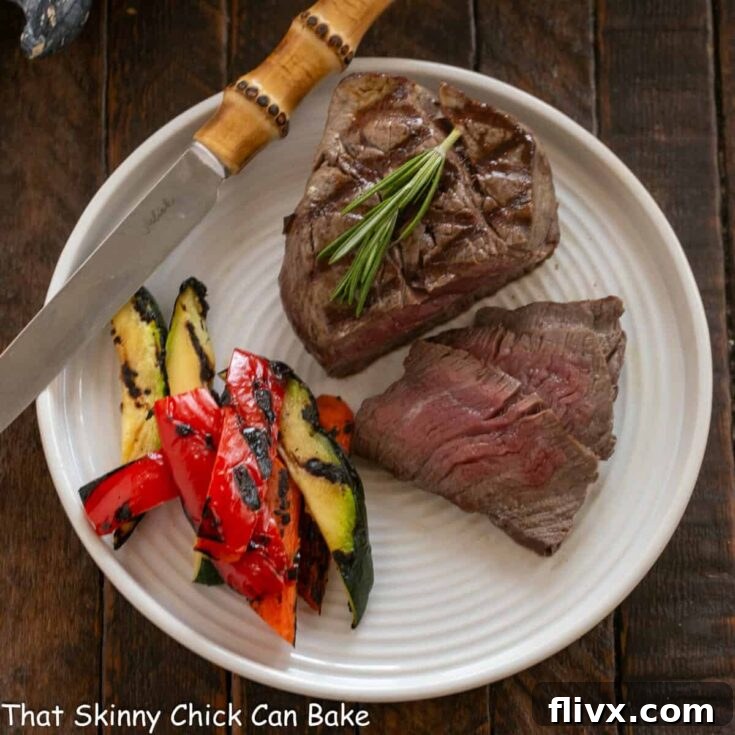
Filet Mignon with a Red Wine Balsamic Sauce Recipe
10 minutes
10 minutes
20 minutes
4 servings
An easy, elegant entree perfect for any special occasion or gourmet dinner at home.
Ingredients
- 4 8-ounce beef tenderloin steaks
- 4 tablespoons butter, divided
- 1 large shallot, diced
- ⅔ cup dry red wine
- ⅓ cup balsamic vinegar (good quality)
- 2 tablespoons fresh rosemary, minced
- Kosher salt and freshly ground black pepper
Instructions
- Remove steaks from the refrigerator 30 minutes before cooking. Season well with kosher salt and freshly ground black pepper on both sides.
- Melt 2 tablespoons butter in a large sauté pan or heavy skillet over medium-high heat until shimmering. Add the seasoned filets and sear on each side for 4 minutes to create a golden crust. Remove the seared filets to a platter.
- Add the remaining 2 tablespoons of butter and the diced shallots to the same pan. Sauté for a few minutes until the shallots are tender and translucent, decreasing the heat if they start to brown too quickly.
- Pour in the dry red wine and balsamic vinegar to deglaze the pan, scraping up any browned bits from the bottom. Stir in the minced fresh rosemary. Bring to a simmer and reduce the sauce by half, allowing the flavors to concentrate. Taste and add ½ teaspoon salt or more, if needed.
- Return the steaks to the pan, nestling them into the simmering sauce. Continue to cook to your desired doneness, flipping them once during this final cooking time to coat them evenly with the sauce. Serve immediately over mashed potatoes or your favorite side dish, drizzled generously with the Red Wine Balsamic Sauce.
Notes
Recipe inspired by Food for My Family. For best results, use an instant-read meat thermometer to ensure perfect doneness.
Recommended Products
As an Amazon Associate and member of other affiliate programs, I earn from qualifying purchases.
- Flat Whisk
- Nonstick Saute Pan with Lid
- Thermapen Instant Read Thermometer
Nutrition Information:
Yield:
4
Serving Size:
1
Amount Per Serving:
Calories: 902Total Fat: 68gSaturated Fat: 29gTrans Fat: 0gUnsaturated Fat: 29gCholesterol: 223mgSodium: 303mgCarbohydrates: 8gFiber: 1gSugar: 4gProtein: 55g
HOW MUCH DID YOU LOVE THIS RECIPE?
Please leave a comment on the blog or share a photo on Pinterest!