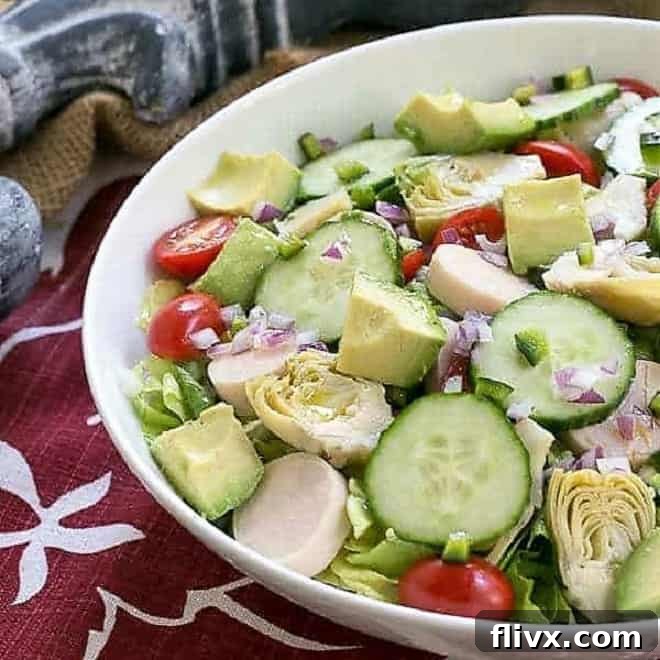
Exquisite Hearts of Palm, Artichoke, Avocado, and Butter Lettuce Salad: A Refreshing & Healthy Side Dish
This Hearts of Palm, Artichoke, Avocado, and Butter Lettuce Salad is not just light on calories but bursting with vibrant flavors, making it the perfect addition to “Lighten Up Your Holiday Table” or any meal requiring a fresh, wholesome component. Built on a foundation of tender, soft, and naturally buttery Boston Bibb Lettuce, this salad provides a delicate base for a medley of distinctive ingredients.
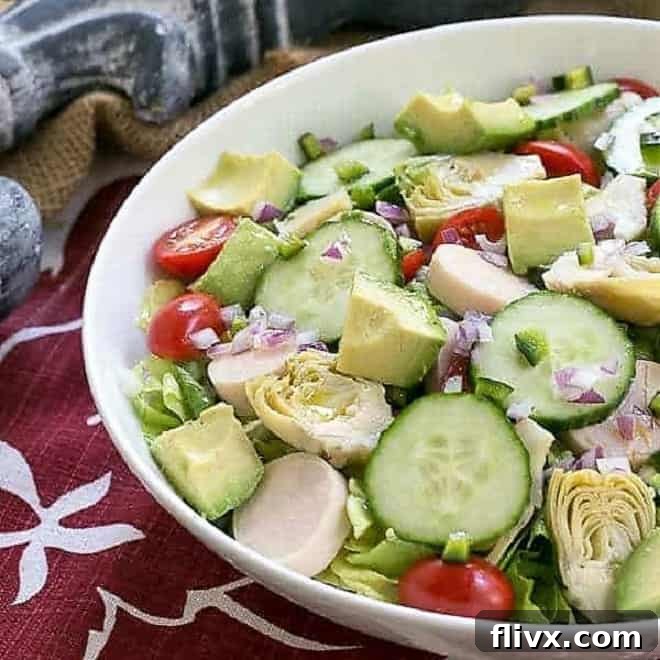
Why This Hearts of Palm, Artichoke, Avocado, and Butter Lettuce Salad Is a Must-Make
Prepare to be enchanted by a salad that effortlessly combines sophisticated flavors with straightforward preparation. This isn’t just a side dish; it’s a culinary experience waiting to unfold on your plate. Here’s why this particular combination of Hearts of Palm, Artichoke, Avocado, and Butter Lettuce is destined to become a staple in your kitchen:
- A Story of Culinary Inspiration: The genesis of this delightful salad often starts with shared moments and culinary adventures. Inspired by a recent delicious Cuban Vaca Frita dish, the quest for a complementary side began. Sometimes, the best recipes are born from impromptu pantry discoveries! Spotting hearts of palm in the pantry sparked the idea, leading to a truly unique and flavorful creation. It’s a testament to how simple ingredients can come together to form something extraordinary, transforming an ordinary dinner into a memorable feast.
- A Symphony of Flavors and Textures: What sets this salad apart is its incredible diversity of taste and mouthfeel. The tender, mild leaves of Bibb lettuce provide a subtle canvas, while diced red onion introduces a refreshing bite. Sweet grape or cherry tomatoes burst with juiciness, and creamy avocado adds a luxurious, smooth texture. The star, hearts of palm, offers a unique, crisp-tender bite and a subtle, slightly sweet flavor. Artichoke hearts bring a tangy, earthy note, while a hint of finely chopped poblano pepper adds a subtle, intriguing warmth without overwhelming heat. This thoughtful combination ensures every forkful is a delightful surprise.
- The Perfect Light Counterbalance: In a world where holiday tables and festive gatherings are often laden with rich, calorie-dense dishes, having a vibrant and light option is a welcome relief. This salad offers a refreshing contrast, providing essential vitamins and fiber without compromising on taste. Its wholesome ingredients make it an ideal choice for balancing out heavier main courses or decadent desserts, allowing you to enjoy your meal without feeling overly full. It’s the smart, delicious way to add a healthy touch to any menu.
- Effortless Elegance: Despite its gourmet appeal, this salad is surprisingly simple to assemble. With minimal cooking required and straightforward preparation steps, it’s perfect for busy weeknights or when you need an impressive dish in a pinch. The simple yet elegant champagne vinegar and olive oil dressing ties all the flavors together beautifully, creating a harmonious and irresistible dish with minimal effort. It’s proof that healthy and delicious can also be quick and easy.
Ingredient Notes: Crafting Your Hearts of Palm Salad with Precision
Selecting the right ingredients is paramount to achieving the optimal flavor and texture in this exquisite salad. Here’s a detailed look at each component, ensuring you choose and prepare them for perfection:
- Kitchen Staples: Olive Oil, Salt, Freshly Ground Black Pepper – These form the backbone of any good dressing. Opt for a high-quality extra virgin olive oil for its rich, fruity notes, and always use freshly ground black pepper and good sea salt or kosher salt to enhance the overall taste.
- Small Artichoke Hearts – A 14-ounce can, packed in water and thoroughly drained, is ideal. These tender, slightly tangy hearts add a wonderful textural contrast and a distinct Mediterranean flavor profile that pairs beautifully with the other ingredients.
- Hearts of Palm – A 14-ounce can, drained and sliced into attractive bite-sized chunks. These unique vegetable hearts, sourced from the inner core of certain palm trees, offer a delicate, slightly nutty flavor and a crisp-tender texture reminiscent of white asparagus. They are the true star of this salad.
- English Cucumber – Thinly sliced for a delicate crunch. English cucumbers are preferred because they are virtually seedless and have a thinner, more tender skin, eliminating the need for peeling. If using a standard cucumber, peeling and deseeding might be advisable to avoid bitterness and excess water.
- Small Red Onion – Finely chopped to provide a sharp, pungent bite that beautifully cuts through the richness of the avocado and the sweetness of the tomatoes. Adjust the quantity to your preference, as its intensity can vary. Soaking in cold water for 10 minutes can mellow its flavor if desired.
- Poblano Pepper – Use about half the pepper, seeded, ribbed, and finely chopped. Poblano peppers offer a mild, earthy heat rather than a fiery kick, adding a subtle depth of flavor that complements the other ingredients without overpowering them. Feel free to adjust the amount based on your spice tolerance.
- Grape or Cherry Tomatoes – Halved for easy eating and to release their sweet, juicy flavors. Their vibrant color and natural sweetness provide a delightful burst of freshness with every bite, contrasting beautifully with the other savory components.
- Butter Lettuce (Bibb or Boston) – 1 to 2 heads, thoroughly rinsed, dried, and gently chopped or torn into bite-sized pieces. This variety is celebrated for its soft, tender, and distinctly buttery leaves, which provide a delicate and yielding base that perfectly cradles the other ingredients. Ensure it’s very dry to prevent a watery salad.
- Avocados – 1 to 2 ripe avocados, cut into generous large chunks. Avocados are crucial for their creamy texture and healthy fats, adding a rich, smooth counterpoint to the crispness of the other vegetables. To minimize oxidation and keep them vibrant, cut them right before serving.
- Champagne Vinegar – This mild and elegant vinegar, often made from Chardonnay and Pinot Noir grapes, is the secret to a perfectly balanced dressing. Its delicate acidity is less harsh than other vinegars, allowing the natural flavors of the salad ingredients to shine through beautifully.
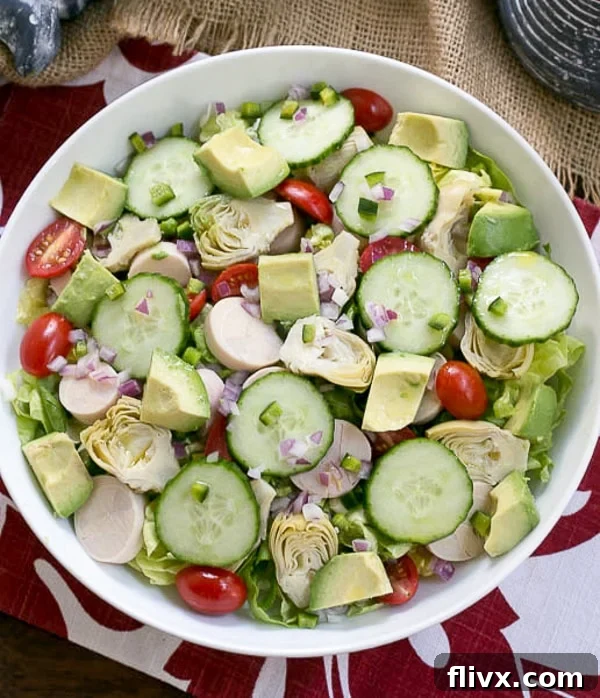
Recipe Tips: Achieving a Flawless Hearts of Palm, Artichoke, Avocado, and Butter Lettuce Salad
Crafting the perfect salad goes beyond simply combining ingredients; it involves a few key techniques that elevate the entire dish. Follow these expert tips to ensure your Hearts of Palm, Artichoke, Avocado, and Butter Lettuce Salad is always vibrant, fresh, and utterly delicious:
- Prioritize Dry Lettuce: This is a non-negotiable step for any truly great salad. Wash and thoroughly dry your butter lettuce ahead of time. Excess moisture on the leaves will dilute your dressing and prevent it from adhering properly, resulting in a soggy, lackluster salad. A salad spinner is an invaluable tool for this, or you can gently pat the leaves dry with paper towels. Properly dried lettuce ensures every leaf is beautifully coated and full of flavor.
- Uniform Bite-Sized Pieces: For an enjoyable eating experience, ensure all your ingredients are cut into manageable, bite-sized pieces. This not only makes the salad easier to eat but also ensures an even distribution of flavors and textures in every mouthful. If your cucumber slices are too large, halve or quarter them. Similarly, cutting grape or cherry tomatoes in half prevents them from rolling off your fork and allows their sweet juices to mingle with the dressing.
- Timing is Key for Avocados: Avocados are notoriously prone to oxidation, which causes them to brown when exposed to air. To maintain their vibrant green color and fresh appearance, wait to cut your avocados until just before you are ready to serve the salad. While browned avocado is still perfectly safe to eat and tastes fine, it’s visually less appealing. If you must prepare the salad slightly ahead of time, tossing the avocado chunks immediately with some of the dressing (especially the vinegar) can help minimize discoloration. The acidity from the vinegar acts as a barrier, and the oil helps to shield the fruit from oxygen.
- Mastering the Emulsified Dressing: To achieve a homogenous and smooth dressing that won’t separate, the trick is in the emulsification. When combining your champagne vinegar and olive oil, slowly drizzle the olive oil into the vinegar while continuously whisking. This gradual addition, combined with vigorous whisking, creates a stable emulsion where the oil and vinegar are evenly suspended, resulting in a rich, cohesive dressing that beautifully coats every ingredient.
- Taste and Adjust: Always taste your salad before serving and adjust seasonings as needed. A pinch more salt or pepper can often enhance all the other flavors. If you feel it needs a bit more acidity, a tiny splash more champagne vinegar can do wonders. Don’t be afraid to trust your palate!
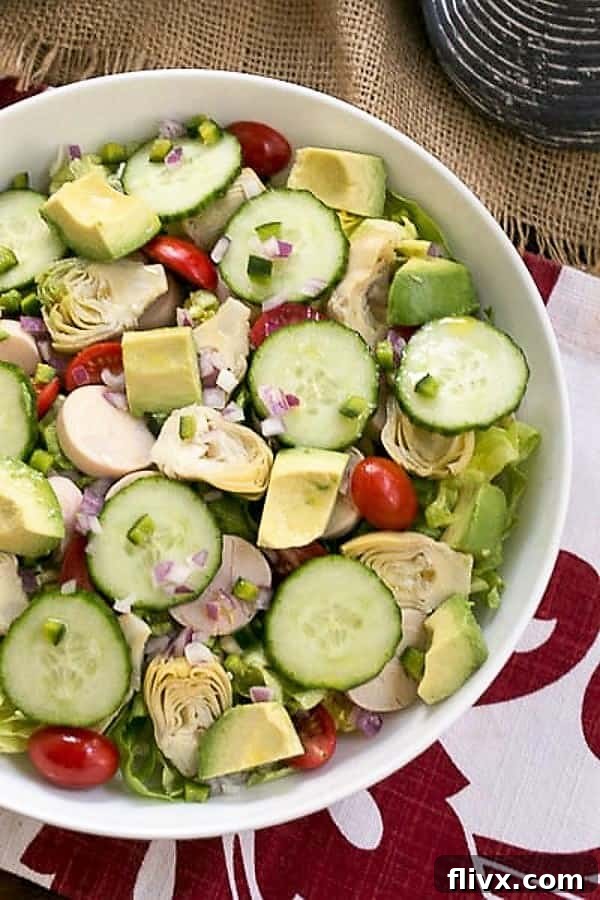
Frequently Asked Questions: All About Your Hearts of Palm, Artichoke, Avocado, and Butter Lettuce Salad
While Bibb or Boston lettuce offers a wonderfully soft and buttery texture, several other varieties can work beautifully as a base for this salad. For a crispier texture, try Romaine lettuce. If you prefer a firmer, more neutral base, Iceberg lettuce can be an option, though it lacks the delicate flavor of Bibb. Any loose leaf lettuce variety, such as green leaf or red leaf, would also be a good substitute, providing a gentle crunch. For a nutrient boost and slightly earthy flavor, baby spinach or mixed greens could also be a delicious alternative, making the salad even more versatile.
Hearts of palm are the edible inner core and growing bud of certain species of palm trees, most notably the cabbage palm, which is Florida’s state tree. They are harvested from the very center of the palm stem, giving them a distinct, delicate texture and flavor. Visually, they resemble white asparagus spears, but their taste is often described as a subtle blend of artichoke heart and water chestnut – mild, slightly sweet, and wonderfully crisp-tender. They are a popular ingredient in salads and appetizers, primarily found canned or jarred in most grocery stores, preserving their unique texture and flavor. In regions where they are cultivated, such as Florida or parts of South America, you might be lucky enough to find them fresh.
To maintain the freshness and quality of any leftover salad, it’s crucial to store it properly. Place any remaining salad in an airtight container as soon as you are finished eating. This prevents air exposure, which can cause wilting and spoilage, and helps to keep the ingredients vibrant. Prompt refrigeration is also key to inhibiting bacterial growth and preserving the salad’s crispness and flavor for as long as possible.
The shelf life of a lettuce-based salad, particularly one dressed with vinaigrette, is relatively short. Once the salad dressing is added, the acidity and oil begin to break down the cell walls of the lettuce leaves, causing them to wilt and become soggy. For optimal taste and texture, a freshly tossed salad is always best. Leftovers can be safely stored in an airtight container in the refrigerator for about 3-4 days, but the lettuce will likely not be as crisp as when freshly made. To extend the life of your salad and prevent wilting, consider only dressing the portion you intend to eat in one sitting. Store the dressing separately and add it just before serving. If your salad contains perishable ingredients like meat, cheese, or eggs, and has been left at room temperature for more than two hours, it should be discarded immediately to avoid the risk of food-borne illness.
Beyond the Bowl: Serving Suggestions and Pairings
This Hearts of Palm, Artichoke, Avocado, and Butter Lettuce Salad is incredibly versatile and makes a fantastic accompaniment to a wide variety of meals. While it’s a perfect complement to richer dishes like Vaca Frita or grilled meats, its fresh and light profile also shines in other contexts. Consider serving it alongside pan-seared fish, roasted chicken, or a hearty vegetarian lasagna. For a lighter lunch or dinner, you can easily transform it into a more substantial main course by adding grilled shrimp, shredded chicken, or a sprinkle of toasted nuts for extra protein and crunch. Its vibrant flavors also make it an ideal side for a casual barbecue or a sophisticated brunch.
Explore More Refreshing Salads and Recipes
If you’ve enjoyed this delightful creation, you’ll be thrilled to discover other refreshing and flavorful salad recipes that cater to every palate and occasion. Expand your culinary repertoire with these irresistible options:
- Tomato Salad with Hearts of Palm, Olives and Feta from Kalyn’s Kitchen
- Cold Beet Salad with Blue Cheese and Hearts of Palm
- Best Classic Caesar Salad Recipe
- Spinach, Almond, and Berries Salad
- Festive Holiday Lettuce Salad
- Discover even more of the Best Salad Recipes for every season and taste.
Stay in touch and share your culinary creations with us through social media! Follow @ Instagram, Facebook, and Pinterest. Don’t forget to tag us when you try one of our recipes! And if you absolutely love the results, please consider giving it a 5-star rating in the recipe card below – your feedback helps us grow and inspires other home cooks.
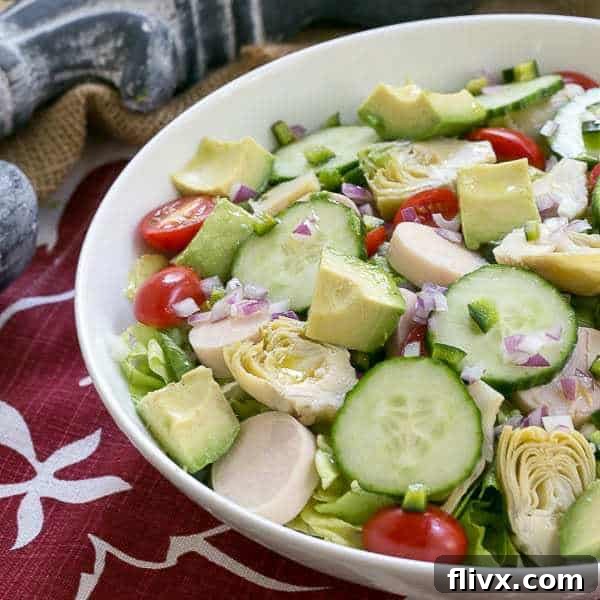
Hearts of Palm, Artichoke, Avocado and Butter Lettuce Salad Recipe
10 minutes
10 minutes
4 servings
A vibrant, veggie-packed salad featuring hearts of palm, artichokes, and creamy avocado, dressed with a scrumptious champagne vinaigrette.
Ingredients
- 1 (14-ounce) can of small artichoke hearts in water, drained
- 1 (14-ounce) can of hearts of palm, cut into medium chunks, drained
- ½ English cucumber, thinly sliced
- ½ small red onion, finely chopped
- ½ poblano pepper, seeded, ribbed, and finely chopped
- 1-2 heads of butter lettuce, rinsed, dried, and chopped or torn
- 1-2 avocados, cut into large chunks
- 3 tablespoons champagne vinegar
- 3 tablespoons olive oil
- Salt and freshly ground black pepper, to taste
Instructions
- In a large bowl, combine the drained artichoke hearts, hearts of palm, thinly sliced cucumber, finely chopped red onion, chopped poblano pepper, and the clean, dry butter lettuce.
- Just before serving, gently add the large avocado chunks to the salad bowl.
- In a separate small bowl, whisk together the champagne vinegar and olive oil until well combined and slightly emulsified. Add a good pinch of salt and freshly ground black pepper to the dressing, then drizzle it evenly over the salad.
- Carefully toss the salad to combine all ingredients, taking care not to break up the avocado chunks. Taste and add more salt and pepper if needed, to your personal preference. Serve immediately.
Notes
To minimize the browning of the avocado cubes, cut and add them to the salad right before adding the salad dressing. The vinegar in the dressing will also help to slow down oxidation.
Nutrition Information:
Yield:
4
Serving Size:
1
Amount Per Serving:
Calories: 272
Total Fat: 25g
Saturated Fat: 4g
Trans Fat: 0g
Unsaturated Fat: 20g
Cholesterol: 0mg
Sodium: 126mg
Carbohydrates: 13g
Fiber: 8g
Sugar: 2g
Protein: 3g
Thatskinnychickcanbake.com occasionally offers nutritional information for recipes contained on this site. This information is provided as a courtesy and is an estimate only. This information comes from online calculators. Although thatskinnychickcanbake.com attempts to provide accurate nutritional information, these figures are only estimates. Varying factors such as product types or brands purchased can change the nutritional information in any given recipe. Also, many recipes on thatskinnychickcanbake.com recommend toppings, which may or may not be listed as optional and nutritional information for these added toppings is not listed. Other factors may change the nutritional information such as when the salt amount is listed “to taste,” it is not calculated into the recipe as the amount will vary. Also, different online calculators can provide different results. To obtain the most accurate representation of the nutritional information in any given recipe, you should calculate the nutritional information with the actual ingredients used in your recipe. You are solely responsible for ensuring that any nutritional information obtained is accurate.
HOW MUCH DID YOU LOVE THIS RECIPE?
Please leave a comment on the blog or share a photo on Pinterest