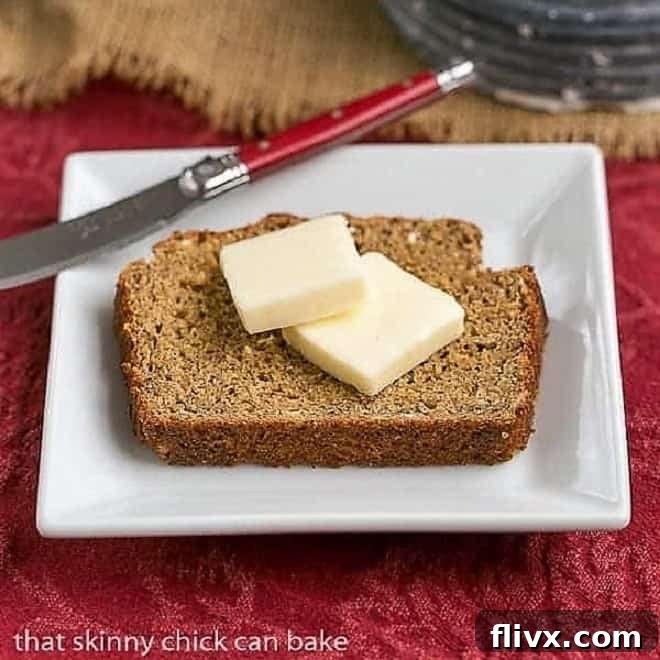
Craving a taste of Ireland without the fuss? This incredibly delicious and easy-to-make Irish Brown Bread recipe is your answer. It’s a true culinary delight – hearty, wonderfully rustic, and utterly irresistible. Best of all, it requires absolutely no yeast, meaning you can whip up a batch and have it baking in your oven in mere minutes! Imagine a warm, thick slice slathered with a generous pat of cold, melting butter… pure bliss.
For many, the memory of savoring authentic Irish Soda Bread served in quaint pubs across the Emerald Isle is an enduring highlight of any trip. This brown bread brings that cherished experience right into your kitchen. While it’s perfect for celebrating St. Patrick’s Day with an authentic touch, its simplicity and comforting flavor make it a fantastic staple to enjoy all year long, whether for breakfast, alongside soup, or as a wholesome snack.
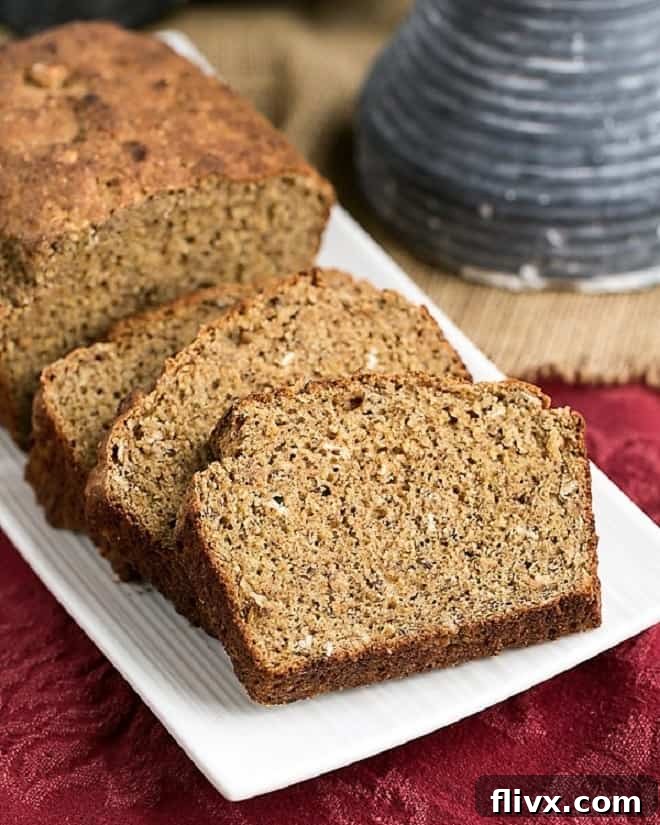
Why This Irish Brown Bread Recipe Will Become Your Favorite
There are countless reasons to add this traditional Irish brown bread to your baking repertoire. It’s more than just a recipe; it’s an experience, a memory, and a wholesome treat all rolled into one. Here’s why you absolutely must try it:
- Effortless and Quick: Say goodbye to waiting for dough to rise! This yeast-free quick bread comes together in a flash, making it ideal for busy weeknights or spontaneous baking sessions. Its simplicity is a baker’s dream.
- Authentic Irish Taste: If you’ve ever dreamt of recreating the rustic, robust flavor of the brown bread served in Irish pubs, this recipe is your golden ticket. It captures that distinctive dense yet tender texture and subtly sweet, nutty taste that makes it so beloved across Ireland.
- A Healthier Quick Bread Alternative: Unlike many quick bread recipes laden with excessive sugar, this Irish brown bread offers a hearty and satisfying option. Packed with whole grains, it provides a more nutritious and wholesome choice without compromising on flavor.
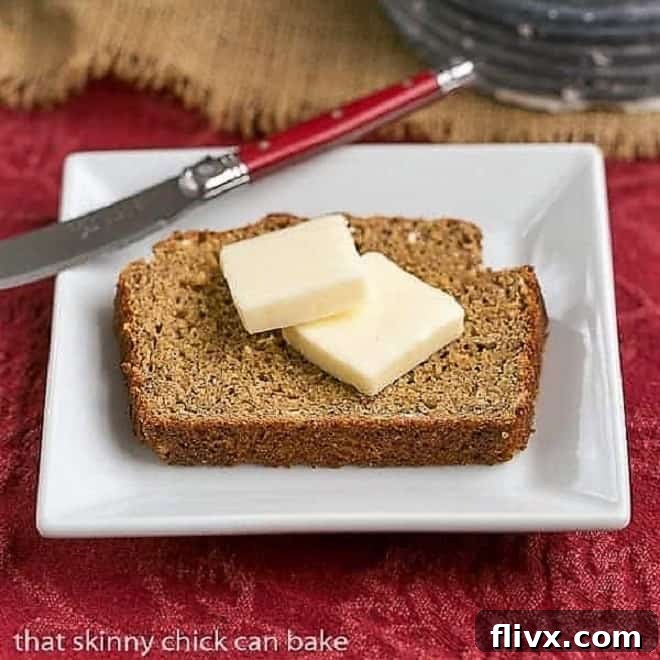
- Versatile and Comforting: Whether you serve it warm with butter and jam for breakfast, alongside a steaming bowl of stew for dinner, or simply as a comforting snack with a cup of tea, this bread is incredibly versatile and always hits the spot. It’s pure comfort in every bite.
What Our Readers Are Saying About This Recipe
We love hearing from you! The feedback from those who have tried this Irish Brown Bread recipe truly speaks volumes about its quality and appeal. Here’s a recent comment from Pinterest that perfectly encapsulates the charm of this recipe:
“Really excellent recipe. Slices beautifully and keeps well. No beer required.”
Beyond the delicious bread, my trip to Ireland was an unforgettable adventure, filled with enchanting landscapes and charming encounters. I vividly recall the pastel-colored facades of village storefronts, the majestic peacocks gracefully roaming the grounds of our countryside bed and breakfast, and the breathtakingly brilliant greens of the rolling hills. Amidst these magical moments, one culinary memory stands out distinctly: the hearty, wholesome Irish brown bread. I made it my mission to seek it out on every pub menu, and each slice was a revelation.
Every establishment seemed to guard its own unique recipe, yet a common thread united them all. Each loaf was slightly sweet, wonderfully dense, and utterly delightful. This recipe is my successful quest to recreate that authentic taste, bringing a piece of Ireland’s culinary soul right into your home.
Essential Ingredients for Authentic Irish Brown Bread
Creating this traditional Irish brown bread relies on a combination of readily available ingredients, with a few specific choices that truly make a difference in achieving that authentic taste and texture. Here’s a detailed look at what you’ll need and why each component is important:
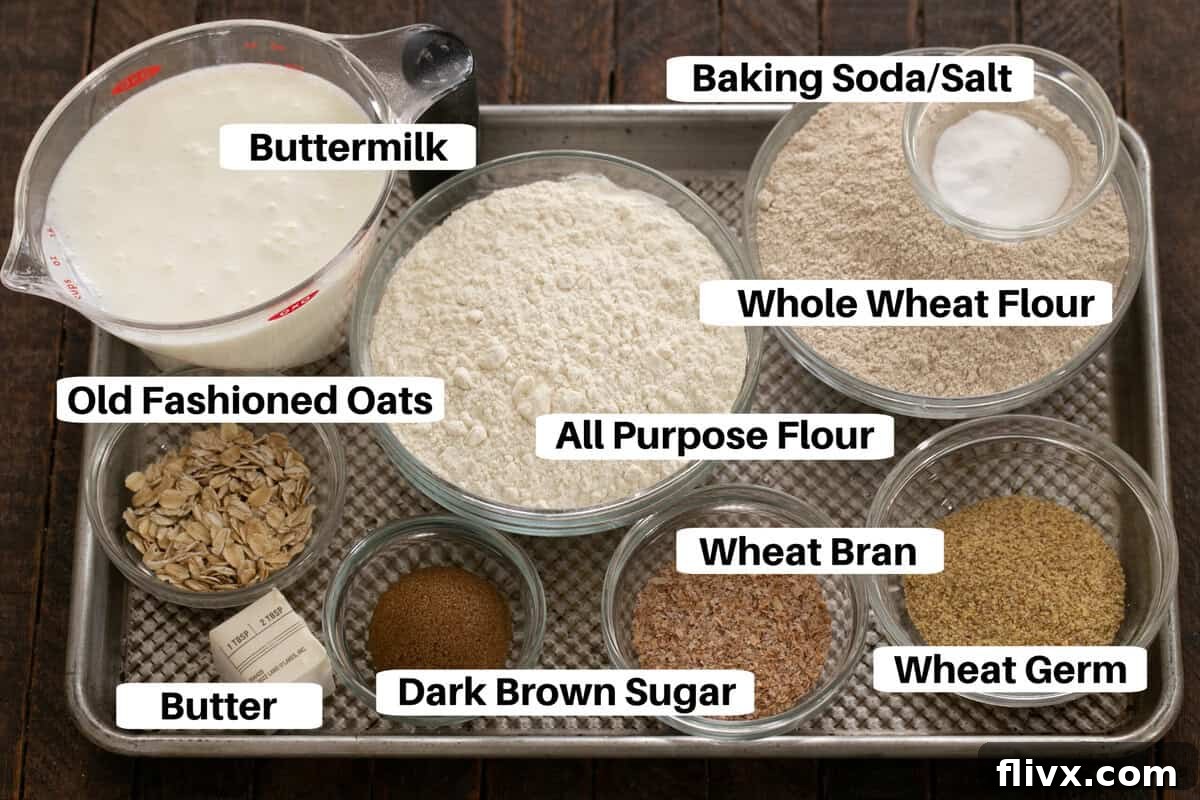
- Kitchen Staples: These foundational ingredients are likely already in your pantry. You’ll need Salt to balance the flavors, Baking Soda as our primary leavening agent (since this is a yeast-free bread), softened Butter for richness and tender crumb, and good quality All-Purpose Flour to provide structure.
- Old Fashioned Oatmeal: This is a crucial ingredient for the texture and chewiness of authentic Irish brown bread. Make sure to use Old Fashioned Rolled Oats, not quick-cooking or instant oats. Quick oats are too finely processed and won’t give you the desired hearty texture, often turning mushy. The coarser texture of old-fashioned oats adds a wonderful dimension to the bread.
- Buttermilk: The magic behind the rise and tender texture of soda bread! The acidity in buttermilk reacts with the baking soda, creating carbon dioxide bubbles that help the bread rise quickly without yeast. More importantly, it contributes to a wonderfully moist and tender loaf, as well as a subtle tang that complements the whole grains beautifully.
- Whole Wheat Flour: This is what gives Irish brown bread its characteristic color, deep flavor, and added nutritional benefits. Using whole wheat flour provides a rich, nutty flavor profile and a denser, heartier texture compared to bread made solely with all-purpose flour. It also boosts the fiber content significantly.
- Dark Brown Sugar: While the amount is modest, dark brown sugar plays a significant role in the bread’s flavor. It contains more molasses than light brown sugar, which imparts a deeper, richer caramel-like flavor and a touch of moisture, enhancing the overall warmth of the bread. This subtle sweetness is traditional and balances the earthy notes of the whole grains.
- Wheat Germ: Found in the baking aisle near the flours, wheat germ is the embryo of the wheat berry and is packed with nutrients, including fiber, protein, and essential vitamins. It adds a subtle nutty flavor and contributes to the bread’s hearty texture and health benefits.
- Wheat Bran: This is the outer layer of the wheat kernel, rich in insoluble fiber. It provides an additional layer of texture and contributes to the “brown” aspect of the bread. If you can’t find it in your local grocery store, as was my experience, it’s often available for order online, such as via Amazon. It’s well worth the effort to source it for the authentic flavor and nutritional boost it provides.
Step-by-Step Guide to Baking Perfect Irish Brown Bread
Baking this Irish brown bread is remarkably straightforward, making it an excellent recipe for bakers of all skill levels. Follow these simple steps to achieve a perfectly hearty and delicious loaf every time:
Expert Tips for the Best Irish Brown Bread
Having returned from Ireland, I embarked on a mission to recreate the authentic brown bread experience. Many recipes fell short, until I discovered this fantastic Bon Appetit version of Irish brown bread. It’s a game-changer, perfect not only for St. Patrick’s Day celebrations but truly for any day of the year!
- Prevent Sticking with Parchment: If you’re concerned about your bread sticking to the loaf pan, a simple trick is to line the bottom with a rectangle of parchment paper. Ensure you still grease the sides and the parchment itself before adding the batter for easy release.
- Proper Cooling is Key: While it’s tempting to slice into a warm loaf immediately, allowing the bread to cool in the pan for about 15 minutes before transferring it to a wire rack is crucial. This step allows the bread to set properly and prevents it from crumbling when sliced. Let it cool completely on the rack for the best texture.
- Test Your Baking Soda: Baking soda is vital for quick bread leavening. While it doesn’t expire as rapidly as baking powder, it’s good practice to check its freshness if you’re unsure. Mix a small amount (about 1/4 teaspoon) with a few drops of vinegar or lemon juice. If it produces vigorous bubbling, your baking soda is fresh and potent.
- Avoid Overmixing: This is a golden rule for all quick breads, especially Irish soda bread. Overmixing the dough develops the gluten, leading to a tough, rubbery texture with undesirable tunnels. Mix only until the dry ingredients are just moistened. A few lumps are perfectly acceptable and even desirable for a tender crumb.
- PRO-Tip: Homemade Buttermilk Substitute: No buttermilk on hand? No problem! You can easily make a substitute at home. Simply add one tablespoon of lemon juice or white vinegar to a 1-cup liquid measuring cup. Then, fill the rest of the cup with regular milk (dairy or non-dairy) up to the 1-cup line. Let it sit for 5-10 minutes until it curdles and thickens slightly. This curdled milk will perform just like store-bought buttermilk in your recipe.
- PRO-Tip: Make Your Own Dark Brown Sugar: If your pantry only holds light brown sugar, you can easily create dark brown sugar. For every one cup of light brown sugar, mix in one tablespoon of molasses. For this specific recipe, where you only need 2 tablespoons of dark brown sugar, you can make a smaller batch by mixing ⅓ cup of light brown sugar with 1 teaspoon of molasses.
- Add a Decorative Touch: For an extra rustic appeal and a slight crunch, sprinkle a handful of old-fashioned oats over the top of the dough before baking. It adds a lovely visual element and a little more texture to your finished loaf!
Frequently Asked Questions About Irish Brown Bread
For this authentic Irish brown bread, it is crucial to use old-fashioned rolled oats. These oats are thicker and heartier than quick-cooking or instant oats, providing the ideal texture and rustic charm that is characteristic of traditional brown bread. Quick oats tend to break down too much during baking, resulting in a less desirable, mushy texture.
To maintain its freshness and flavor, wrap your cooled brown bread tightly in plastic wrap or foil, or store it in an airtight container at room temperature. It will stay wonderfully fresh for 3-4 days. If you wish to store it longer, slice the bread and wrap individual slices (or the whole loaf) airtight before freezing. It freezes exceptionally well for up to 3 months. Thaw at room temperature or gently warm slices in a toaster or oven.
There are a few reliable ways to check if your Irish brown bread is perfectly done. The simplest method is to insert a cake tester or a wooden toothpick into the very center of the loaf; if it comes out clean, the bread is ready. Another accurate method is to use an instant-read thermometer. The internal temperature of a fully baked Irish brown bread should register between 200-210°F (93-99°C). The crust should also be deeply golden brown and sound hollow when tapped.
The “brown” in Irish Brown Bread primarily comes from the use of whole wheat flour, along with additional whole grain components like wheat bran and wheat germ. While both are types of soda bread (meaning they use baking soda as a leavening agent), traditional white soda bread is made exclusively with white all-purpose flour, resulting in a lighter color and slightly softer texture. Brown soda bread offers a richer, nuttier flavor and a denser, heartier crumb due to its higher fiber content.
Absolutely! While this recipe provides an authentic base, feel free to experiment with additions to customize your loaf. Consider adding a handful of raisins, currants, or chopped dried cranberries for a touch of sweetness. A tablespoon of caraway seeds can introduce a subtle, traditional spice. For extra texture, you could mix in some chopped walnuts or pecans. Just be mindful not to overmix the dough once these additions are incorporated.
Explore More Delicious Bread Recipes
If you’ve fallen in love with the comforting simplicity of this Irish Brown Bread, you’ll be thrilled to discover other fantastic bread recipes perfect for any occasion:
- Rosemary Cheddar Irish Soda Bread from Foodness Gracious – A savory twist on a classic!
- Whole Wheat Molasses Quick Bread – Another hearty and flavorful quick bread option.
- Sunflower Whole Wheat Bread – Packed with nutty seeds for extra texture and nutrition.
- Classic Irish Soda Bread – A simpler, traditional white soda bread version.
- Discover even more of the Best Bread Recipes for every taste and skill level.
Stay connected and share your baking journey with us! Follow us on Instagram, Facebook, and Pinterest. Don’t forget to tag me when you try one of my delicious recipes! And if you absolutely love the results, please consider leaving a 5-star rating in the recipe card below – your feedback helps other bakers find and enjoy these wonderful recipes too.
Easy Irish Brown Bread
10 minutes
40 minutes
50 minutes
12 servings
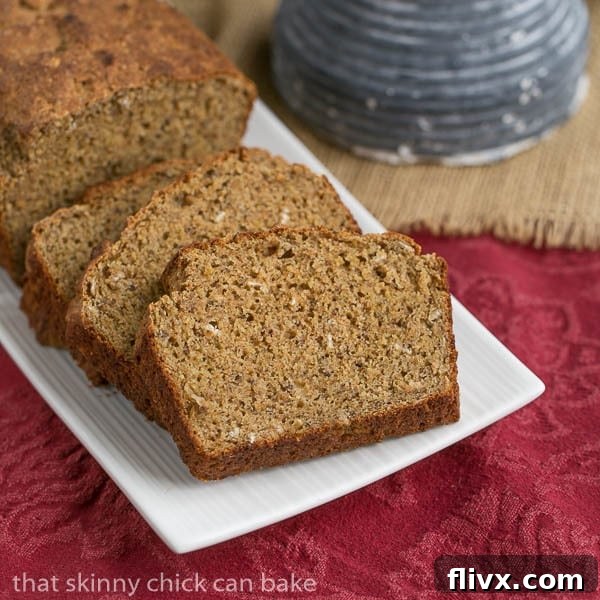
Dense, delicious, and deeply satisfying, this traditional Irish Brown Soda Bread is made with a blend of whole wheat and all-purpose flours, offering a wholesome taste of Ireland without any yeast. Perfect for breakfast, alongside soup, or as a hearty snack.
Rating: 4.7/5 from 118 reviews
Ingredients
- 1 ¾ cups all-purpose flour
- 1 ¾ cups whole wheat flour
- 3 tablespoons wheat bran
- 3 tablespoons wheat germ
- 2 tablespoons old-fashioned oats
- 2 tablespoons dark brown sugar
- 1 teaspoon baking soda
- ½ teaspoon salt
- 2 tablespoons cold butter, cut into small pieces
- 2 cups buttermilk
Instructions
- Preheat your oven to 425ºF (220ºC). Lightly butter a standard 9 x 5 x 3-inch loaf pan and set it aside. This prepares the pan for easy release of the baked bread.
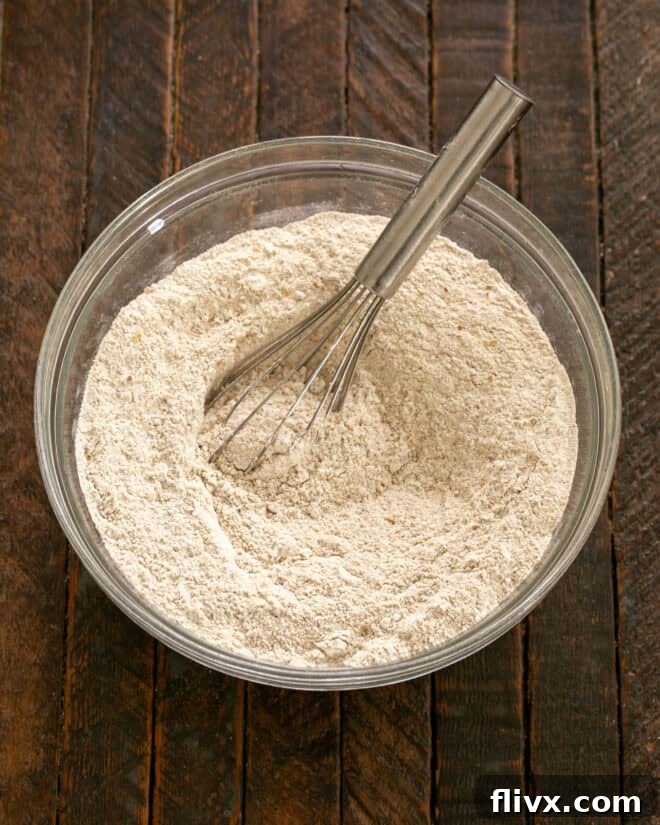
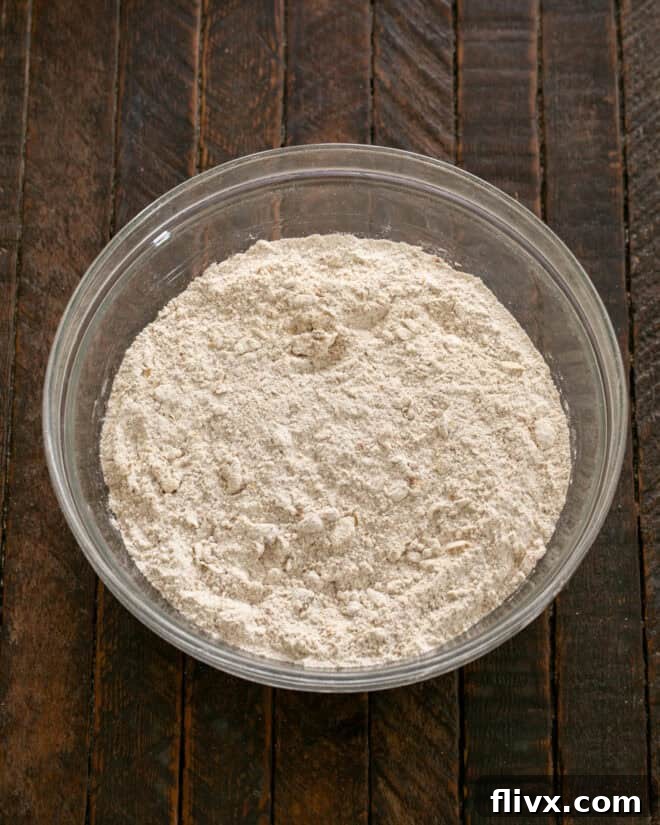
- In a large mixing bowl, combine all the dry ingredients: all-purpose flour, whole wheat flour, wheat bran, wheat germ, old-fashioned oats, dark brown sugar, baking soda, and salt. Whisk them thoroughly to ensure an even distribution of all components.
- Add the cold, cut-up butter to the dry mixture. Using your fingertips, rub the butter into the dry ingredients until the mixture resembles coarse cornmeal or small, pea-sized crumbs. This step is important for creating a tender crumb in the final bread.
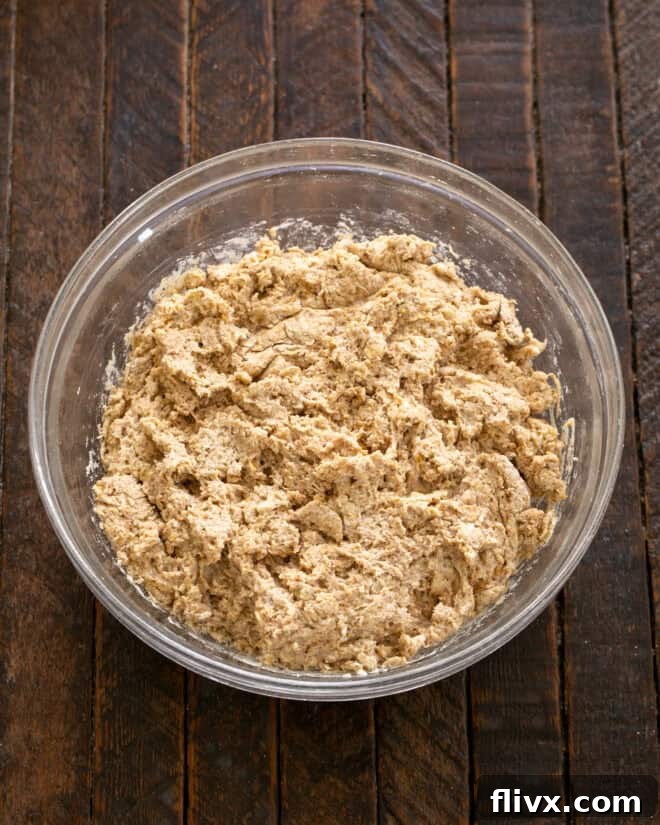
- Pour in the buttermilk. Using a wooden spoon or spatula, stir the ingredients just until they are combined and form a soft dough. Be very careful not to overmix the batter, as this can lead to a tough, chewy bread. A few lumps are perfectly normal.
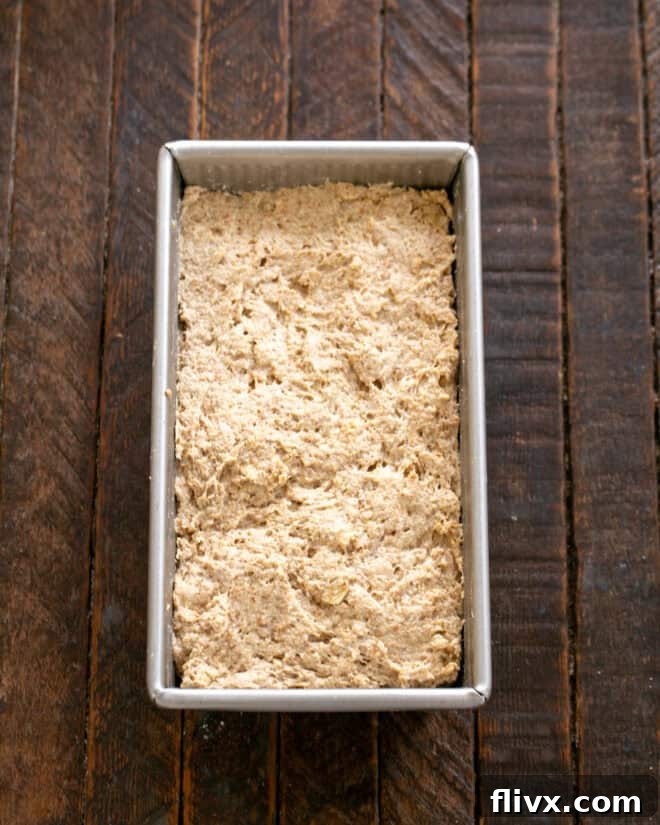
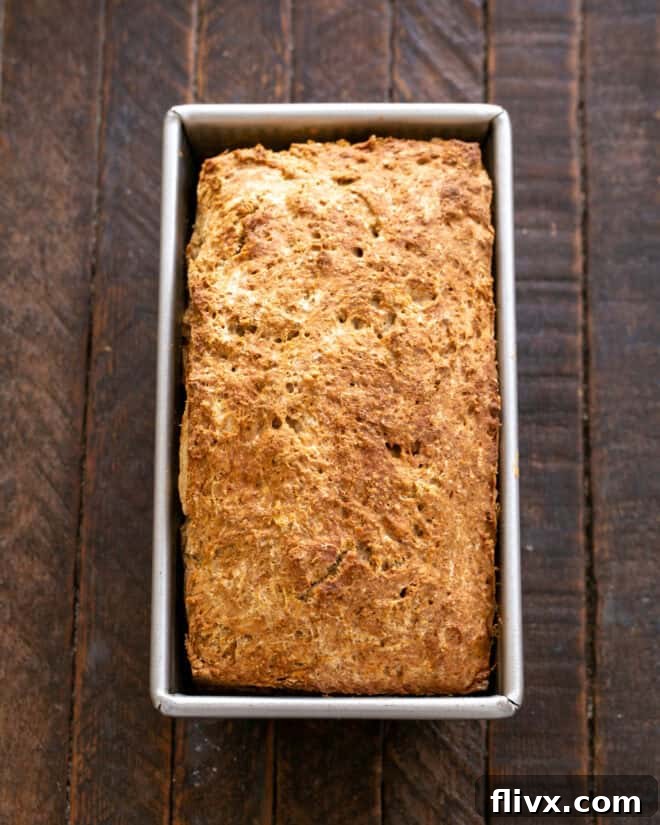
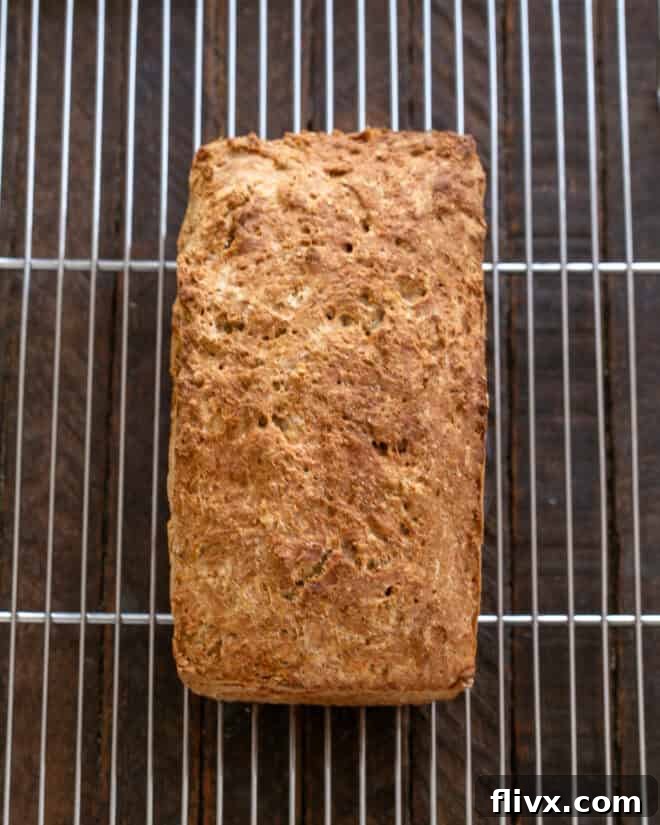
- Scrape the dough into the prepared loaf pan, spreading it out evenly. Place the loaf pan in the preheated oven and bake for approximately 40 minutes. The bread is done when a wooden toothpick or cake tester inserted into the center comes out clean. The crust should be golden brown and firm.
- Once baked, remove the bread from the oven. Allow it to cool in the loaf pan for about 15 minutes before carefully inverting it onto a wire rack. Let the bread cool completely on the rack before slicing, as this helps it set and prevents crumbling.
Notes
Adapted from a highly-rated Bon Appetit recipe, this version delivers an authentic Irish brown bread experience.
Nutrition Information:
Yield:
12 servings
Serving Size:
1 slice
Amount Per Serving:
Calories: 178Total Fat: 3gSaturated Fat: 2gTrans Fat: 0gUnsaturated Fat: 1gCholesterol: 7mgSodium: 287mgCarbohydrates: 32gFiber: 3gSugar: 4gProtein: 6g
HOW MUCH DID YOU LOVE THIS RECIPE?
Please leave a comment on the blog or share a photo on Pinterest