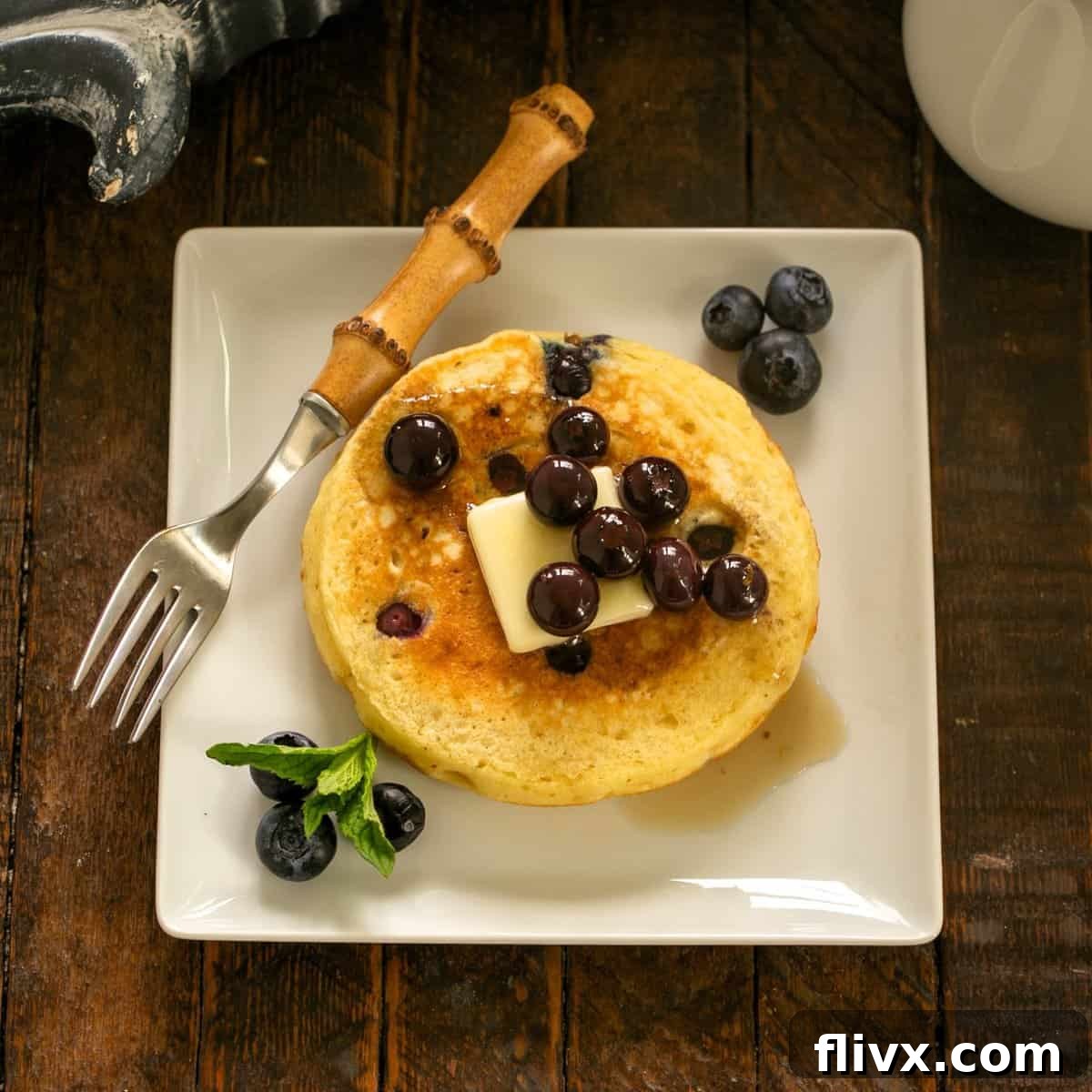
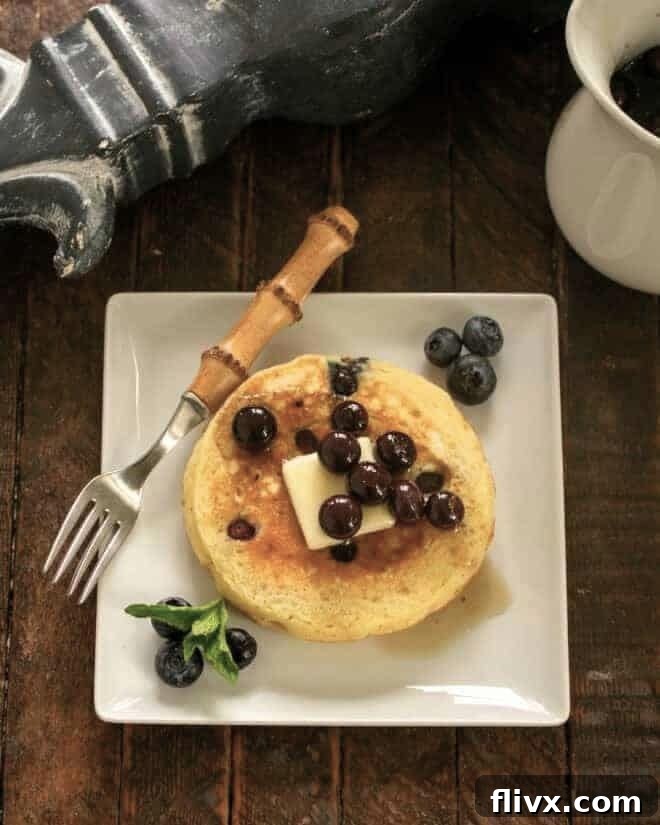
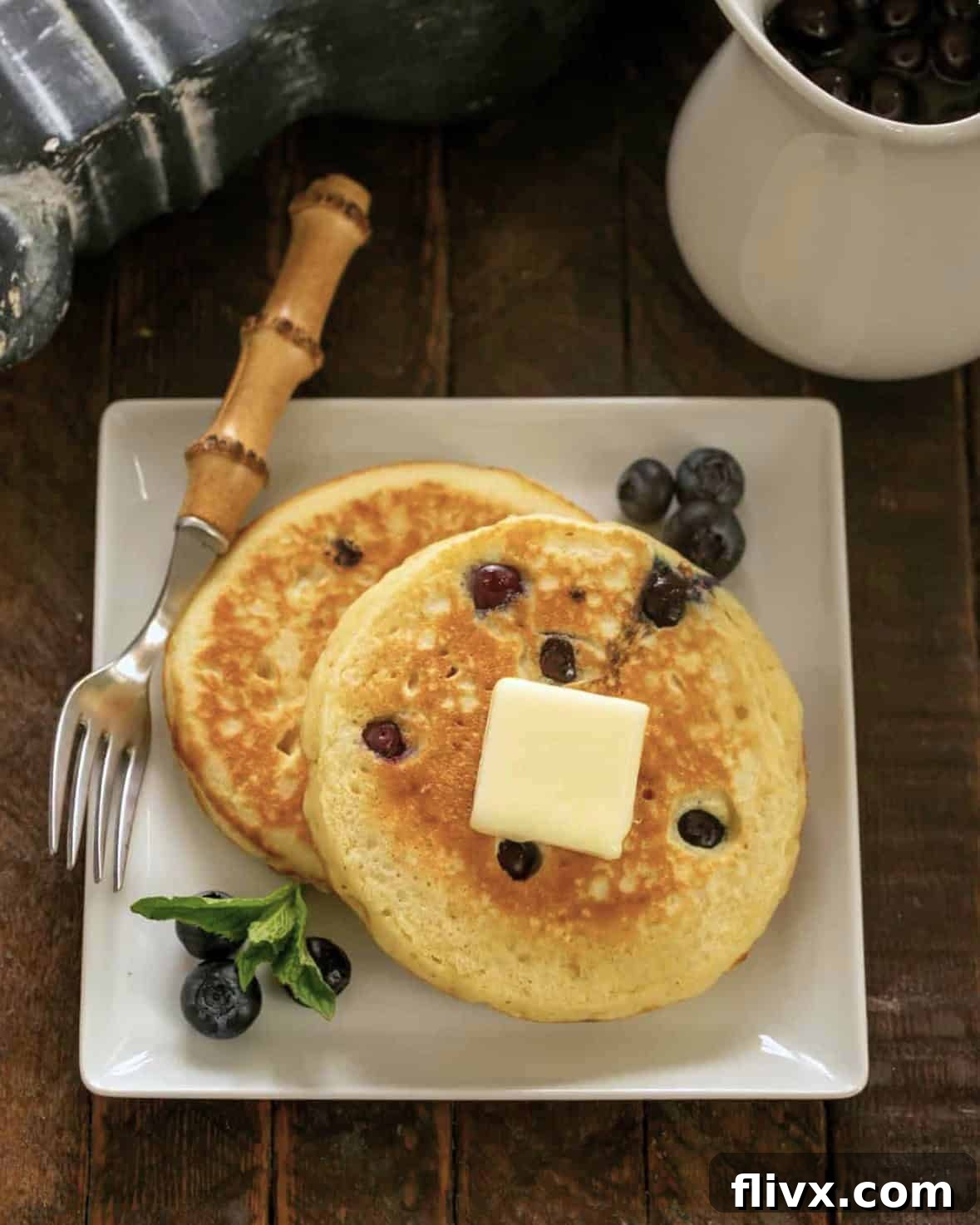
The search for the perfect pancake ends here. Introducing the Best Buttermilk Pancakes with Blueberry Maple Syrup – a timeless recipe designed to deliver exceptionally fluffy, tender pancakes that will transform your breakfast routine. Forget store-bought mixes; this from-scratch recipe, enriched with real buttermilk, promises a taste and texture experience that’s simply unparalleled. Whether you enjoy them with classic maple syrup or our vibrant homemade blueberry maple syrup, these pancakes are guaranteed to become a family favorite. For an added burst of flavor and texture, don’t hesitate to fold some fresh blueberries directly into the batter to create irresistible Blueberry Buttermilk Pancakes!
Why These Are the Only Buttermilk Pancakes You’ll Ever Need
These aren’t just any pancakes; they’re the embodiment of breakfast perfection, offering a delightful blend of simplicity and gourmet flair. Here’s why this recipe deserves a permanent spot in your kitchen:
- A Recipe with Heritage: This cherished recipe originates from our local Junior League cookbook, “Winners.” It gained legendary status when an online query dubbed it the “quintessential pancake recipe.” This enduring legacy speaks volumes about its undeniable quality and delicious results. We initially shared it online to help a fellow home cook, and it quickly became a hidden gem for many years before we decided it needed a fresh look to truly shine.
- Effortless and Accessible: Crafted from common pantry staples, with the simple addition of fresh blueberries, the batter comes together in mere minutes. This makes a delightful homemade breakfast entirely achievable, even on busy mornings. No complicated techniques or obscure ingredients required!
- A Gourmet Breakfast Experience: Elevate your breakfast beyond the ordinary with our homemade blueberry maple syrup. This luxurious addition transforms humble pancakes into a special occasion meal, making every bite feel like a treat from a high-end brunch spot. The warm, fruity syrup perfectly complements the subtle tang of the buttermilk pancakes.
- Versatile Blueberry Bliss: While the blueberry maple syrup is a game-changer, you also have the option to incorporate fresh blueberries directly into the pancake batter. This creates classic blueberry buttermilk pancakes, where bursts of sweet, juicy fruit are found in every bite, adding another layer of texture and flavor that fruit lovers adore.
- Unmatched Texture: Following our simple tips, you’ll achieve pancakes that are incredibly light, fluffy, and tender – a far cry from dense or rubbery pancakes. The secret lies in the buttermilk and a gentle hand with the mixing.
Our journey to perfecting these pancakes took an interesting turn during a TV show, possibly America’s Test Kitchen, where a segment highlighted the unexpected benefit of leaving pancake batter slightly lumpy for thicker, fluffier results. Intrigued, we put this theory to the test. The outcome? A noticeable improvement in texture, yielding incredibly airy and tender pancakes that truly elevate the breakfast experience. It challenged our instinct to whisk away every lump, and we’ve never looked back!
Essential Ingredients for Perfect Buttermilk Pancakes
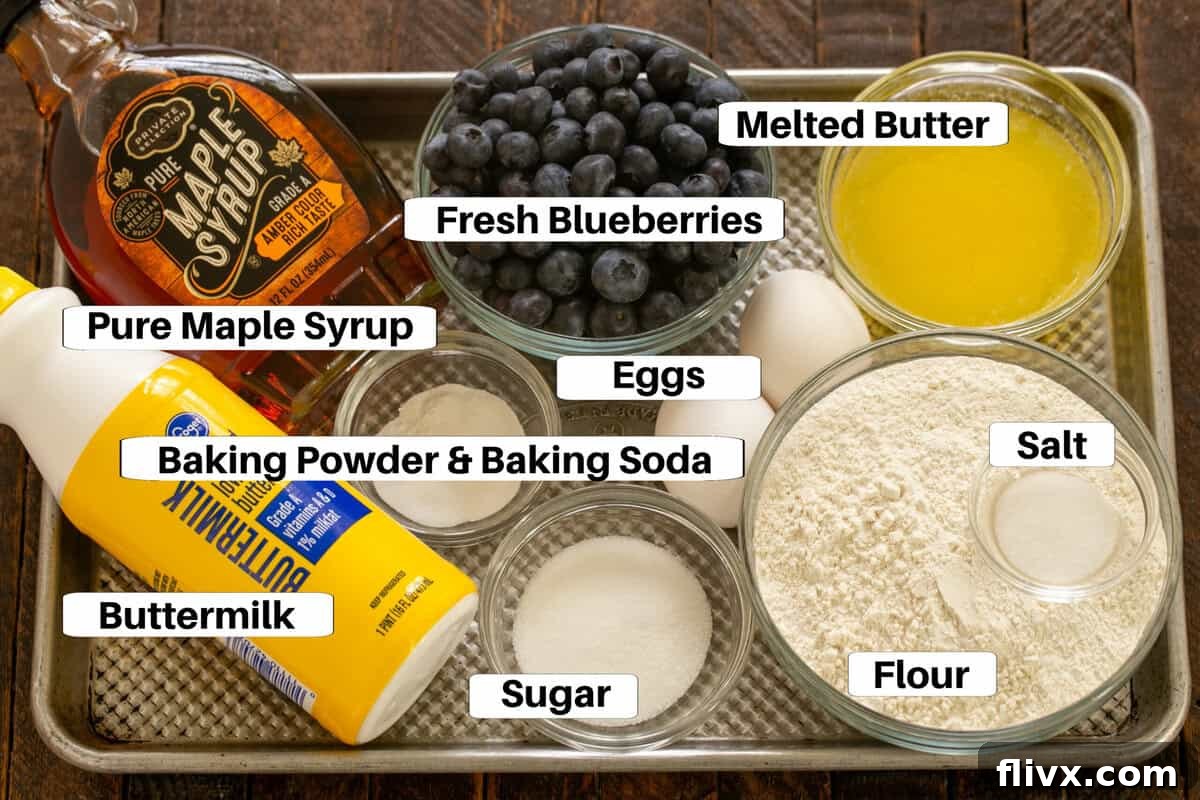
Crafting the best buttermilk pancakes starts with understanding the role each ingredient plays. Here’s a closer look at what you’ll need and why it matters:
- Kitchen Staples: You’ll need basic ingredients like salt (to enhance flavor), sugar (for a hint of sweetness and browning), baking soda (a key leavening agent), all-purpose flour (preferably sifted for a lighter texture), and butter (melted for richness and moisture). Ensure your flour is sifted to prevent lumps and incorporate air, resulting in a lighter pancake.
- Eggs: Use large eggs. For optimal incorporation and a smoother batter, it’s best to have your eggs at room temperature. Room temperature eggs emulsify more easily with other ingredients, leading to a more uniform and tender crumb.
- Buttermilk: This is the star ingredient! The acidic nature of buttermilk reacts with the baking soda, creating carbon dioxide bubbles that make the pancakes rise and become wonderfully fluffy. Beyond its leavening power, the acid also helps break down the gluten strands in the flour, resulting in incredibly tender pancakes with a subtle, delightful tang that plain milk simply can’t replicate.
- Baking Powder: Working in conjunction with baking soda, baking powder provides an additional lift, ensuring your pancakes are extra tall and airy. A crucial tip: unlike baking soda, baking powder often expires before you use an entire can. Always check the expiration date! To test its potency, put a spoonful into a cup of very hot water; if it bubbles vigorously, it’s still active. If not, replace it before you begin.
- Maple Syrup: Do yourself a favor and invest in real maple syrup. Avoid artificially flavored brands like “Log Cabin” or pancake syrups, which are often just corn syrup with artificial flavorings. The rich, nuanced flavor of authentic maple syrup makes an enormous difference in the overall taste profile and is truly essential for that gourmet experience.
- Fresh Blueberries: When selecting blueberries, look for plump, firm berries with a vibrant, deep blue color and a silvery “frost” or bloom on their surfaces. These are indicators of freshness and quality. Avoid any berries that appear soft, shriveled, or bruised. If fresh aren’t available, frozen blueberries can be used; simply add them to the batter while still frozen to prevent them from bleeding too much color into the batter.
Step-by-Step Guide to Fluffy Buttermilk Pancakes
Creating these sensational buttermilk pancakes from scratch is a straightforward and rewarding process. Follow these visual steps to achieve breakfast perfection:
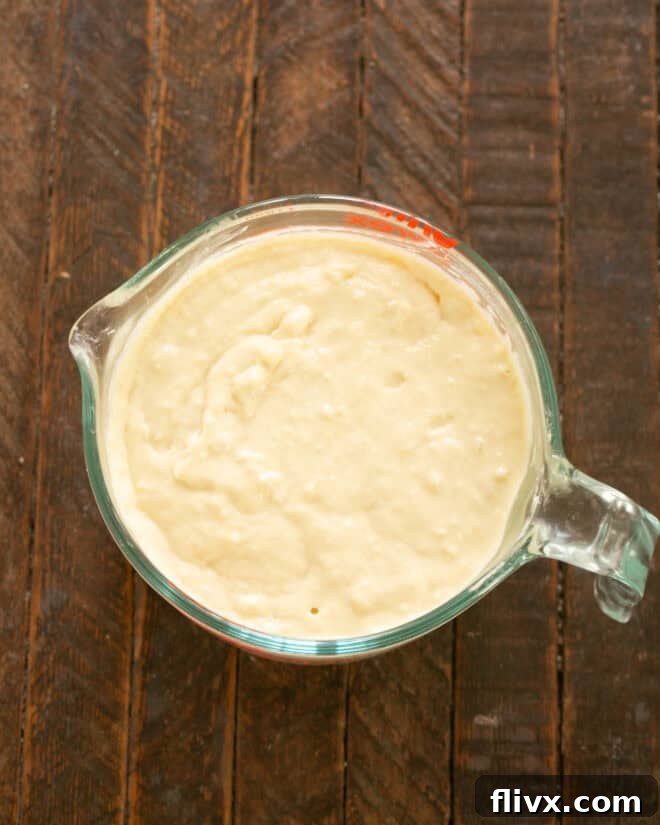
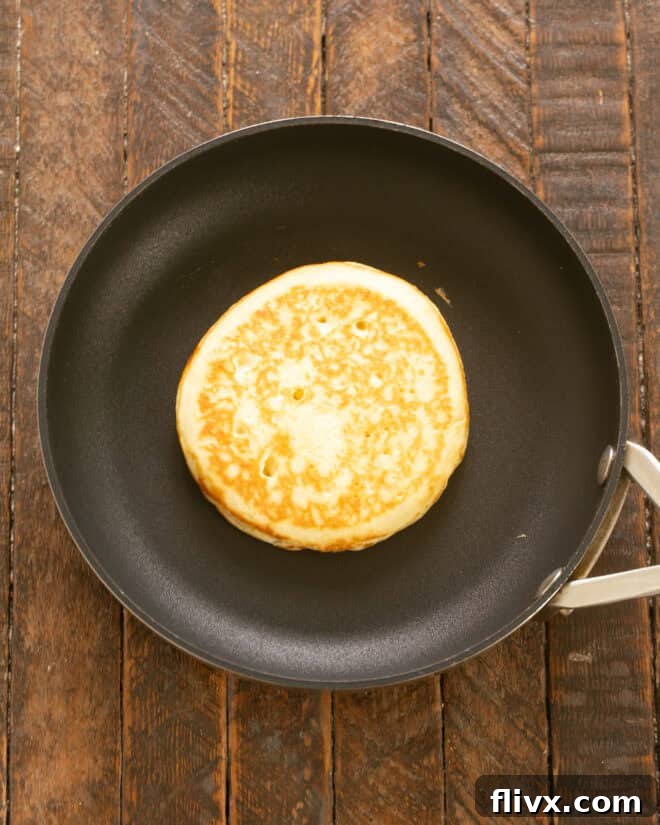
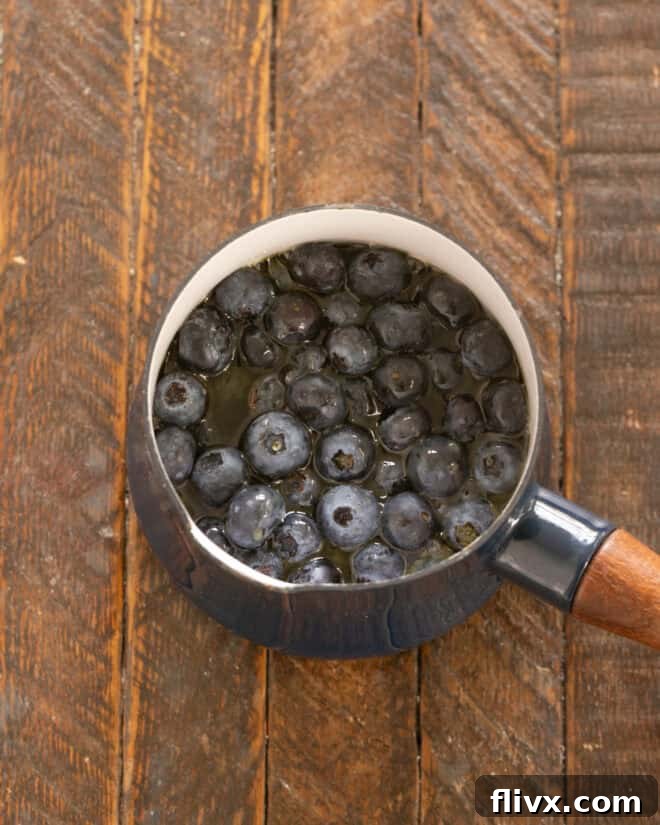
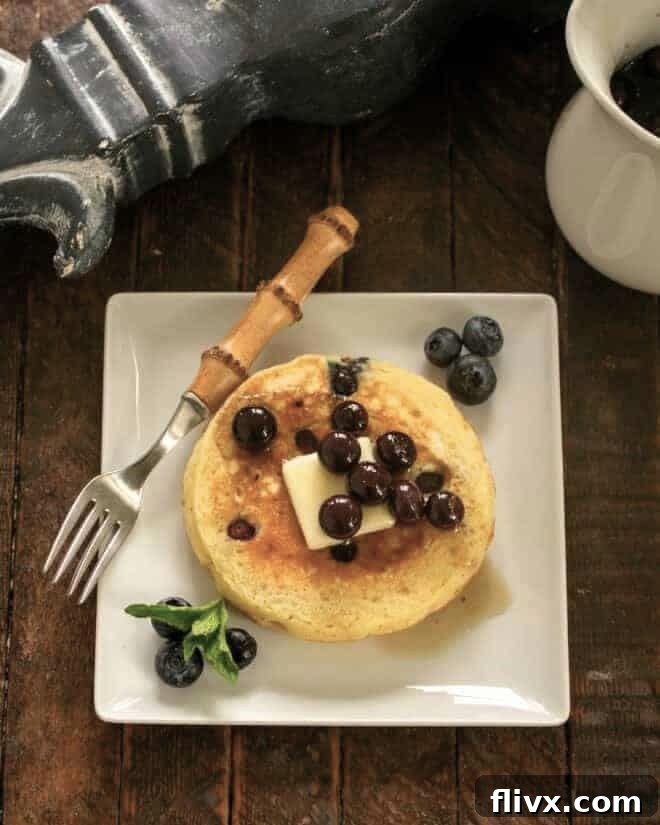
Expert Tips for Unbelievably Fluffy Pancakes
Achieving pancake perfection is within reach with these invaluable tips from experienced home bakers:
- Check Your Leavening Agents: This recipe uses both baking powder and baking soda, both crucial for a light, airy texture. Baking powder has a shorter shelf life and often expires before it’s fully used. Always check the expiration date on the can. You can also test its freshness by mixing a teaspoon with a quarter cup of hot water; vigorous bubbling indicates it’s still active. For baking soda, a similar test with vinegar or lemon juice will confirm its potency.
- Room Temperature Eggs: For optimal emulsification and a smoother, more uniform batter, ensure your eggs are at room temperature. This helps them incorporate more easily with other liquid ingredients.
- Allow Your Batter to Rest: After mixing, let your pancake batter rest for 10-15 minutes. This allows the flour to fully hydrate and gives the gluten a chance to relax. The result? More tender, evenly textured pancakes that rise beautifully.
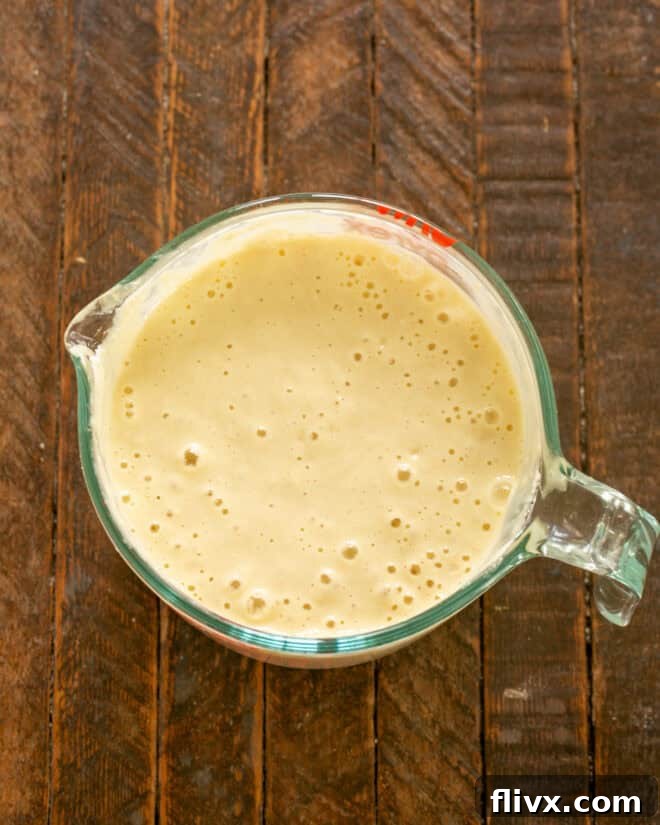
- Embrace the Lumps (The Golden Rule): This is perhaps the most crucial tip! Your pancake batter should be slightly lumpy. Over-mixing develops gluten too much, leading to tough, dense pancakes and minimizing their ability to rise. Mix just until the dry ingredients are moistened, leaving a few small lumps of flour. There shouldn’t be large pockets of dry flour, but small imperfections are desirable.
- Master the Heat: Cook your pancakes over medium heat. If the pan is too hot, the outsides will burn before the insides cook through. If it’s too cool, the pancakes will be dense and won’t brown properly. A griddle temperature of around 350°F (175°C) is ideal.
- Know When to Flip: Patience is key! Flip your pancakes when you see bubbles appearing on the surface, especially when these bubbles start to burst. Additionally, the edges of the pancake should appear set, and the underside should be a beautiful golden brown. Flipping too early can lead to uncooked centers, while flipping too late can result in burnt pancakes.
- Keep Them Warm: As you cook batches of pancakes, you can keep the finished ones warm in a preheated oven set to a low temperature (around 200°F or 90°C) on a wire rack placed over a baking sheet. This prevents them from getting soggy while you finish cooking the rest.
I recall one Sunday morning, my husband (who doesn’t read my blog, thankfully, so this secret is safe with him, though his office might spill the beans!) had a moment of pure panic. His cherished weekend routine – oatmeal on Saturday, followed by French toast, eggs, pancakes, or waffles with bacon on Sunday – was threatened. “NO BISQUICK!” he exclaimed, his heart set on pancakes. Well, being the undeniably best wife in the world (a title I self-proclaim, of course), I calmly set to work. He’ll never know that making these from-scratch beauties is an absolute breeze. Shhh, it’s our little secret how easy true gourmet breakfast can be!
Frequently Asked Questions About Buttermilk Pancakes
The magic of buttermilk lies in its acidity. When buttermilk reacts with baking soda (a common leavening agent), it produces carbon dioxide bubbles, which are essential for making pancakes rise and become exceptionally tall and fluffy. Furthermore, the acid in buttermilk tenderizes the gluten strands in the flour, preventing the pancakes from becoming tough and giving them a distinctive, subtle tangy flavor that enhances their overall deliciousness.
No buttermilk? No problem! A simple and effective substitute can be made at home. For every cup of buttermilk needed, measure one cup of regular milk (whole, 2%, or skim works) and remove one tablespoon. Then, add one tablespoon of either lemon juice or white vinegar to the milk. Stir it gently and let it sit for about 5-10 minutes. The milk will curdle slightly and thicken, mimicking the consistency and acidity of true buttermilk, ready for use in your recipe. You could also use plain sour cream or yogurt thinned with a little milk, but the lemon/vinegar method is the easiest.
While not strictly mandatory, allowing your buttermilk pancake batter to rest for 10-15 minutes is highly recommended. This resting period serves two important purposes: it gives the flour time to fully hydrate, resulting in a more uniform texture, and it allows the gluten to relax, which contributes significantly to making more tender, fluffier, and higher-quality pancakes.
Absolutely! In fact, you ideally want your pancake batter to be slightly lumpy. The key is to avoid over-whisking or over-beating the batter, as this develops too much gluten and can lead to tough, chewy pancakes that won’t rise as well. While you shouldn’t see large clumps of dry flour, small, visible lumps are a sign that you’ve mixed it just enough for optimal tenderness and fluffiness.
The ideal temperature for your pan or griddle when cooking pancakes is generally around 350°F (175°C). To test if your pan is ready, flick a small drop of water onto its surface. If the water sizzles immediately and dances or skips across the surface before evaporating, your pan is at the perfect temperature. If it evaporates too quickly without dancing, the pan is too hot; if it just sits there, it’s not hot enough.
Yes, you can prepare most of the batter components ahead of time. Whisk together the dry ingredients (flour, sugar, salt, baking powder) and store them in an airtight container. Separately, mix the wet ingredients (eggs, buttermilk, melted butter). Combine the wet and dry ingredients just before you are ready to cook. If you combine everything too far in advance, the leavening agents (especially baking soda reacting with buttermilk) will lose their effervescence, resulting in less fluffy pancakes. For best results, mix the complete batter no more than 15-30 minutes before cooking.
Leftover pancakes are a treat! To store them, allow them to cool completely. Then, separate individual pancakes with layers of wax paper or parchment paper to prevent sticking, stack them, and wrap them tightly in plastic wrap or place them in an airtight freezer-safe bag. They will keep in the refrigerator for 2-3 days, or in the freezer for up to 2 months. To reheat, you can use a toaster, microwave, or warm them in a single layer on a baking sheet in a 250°F (120°C) oven until thoroughly heated through.
Explore More Delicious Breakfast Recipes
If you loved these buttermilk pancakes, you might also enjoy these other fantastic breakfast and brunch ideas:
- Sourdough Pancakes from Tastes of Lizzy T
- Light and Airy Dutch Baby Pancakes
- Classic Buttermilk Pancakes
- Savory Fresh Corn Pancakes
- Irresistible Blueberry Cream Cheese Muffins
- Discover more Easy Breakfast Recipes for every day!
We love connecting with our readers! Stay in touch through social media @ Instagram, Facebook, and Pinterest. Don’t forget to tag us when you try one of our recipes! And if you love the results as much as we do, please show your support by giving it a 5-star rating in the recipe card below.
Buttermilk Pancakes with Blueberry Maple Syrup
10 minutes
5 minutes
15 minutes
12 Pancakes
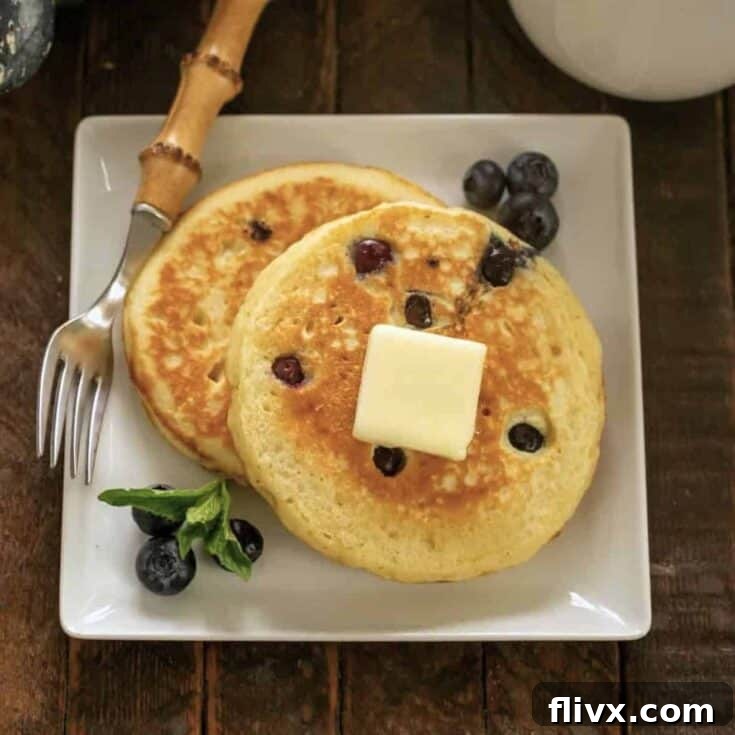
The best darn buttermilk pancakes from scratch, perfectly fluffy and served with a luscious blueberry maple syrup!
★★★★★ (Based on 13 ratings)
Ingredients
For the Fluffy Buttermilk Pancakes:
- 2 large eggs
- 1 teaspoon salt
- 2 tablespoons granulated sugar
- 2 cups fresh buttermilk
- 1 teaspoon baking soda (ensure it’s fresh)
- 1 ¼ teaspoons baking powder (ensure it’s active)
- 2 cups all-purpose flour, sifted
- 6 tablespoons unsalted butter, melted and slightly cooled
For the Homemade Blueberry Maple Syrup:
- 1 cup pure maple syrup (not artificial pancake syrup)
- 1 cup fresh or frozen blueberries
Instructions
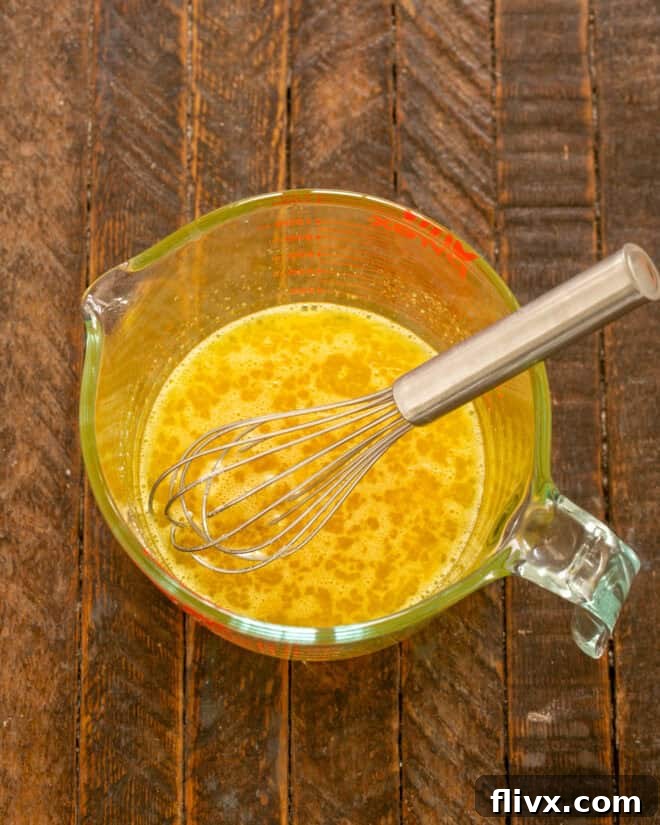
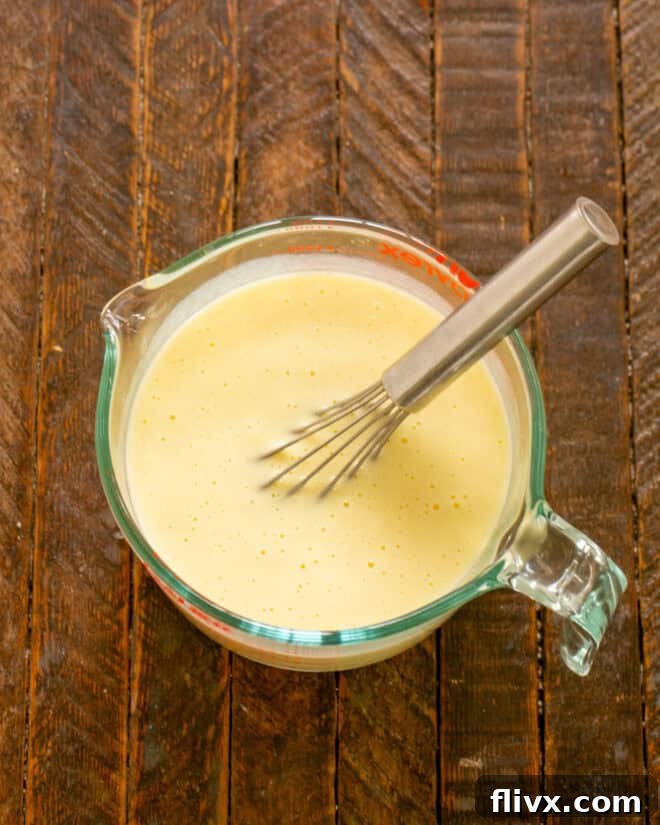
- In a large mixing bowl, beat the eggs lightly. Add the salt and sugar, whisking until well combined. Gradually whisk in the buttermilk until smooth.
- In a separate bowl, whisk together the sifted flour, baking soda, and baking powder. Add the dry ingredients to the wet ingredients, mixing gently just until combined. A few lumps are perfectly fine, even desirable. Do not overmix.
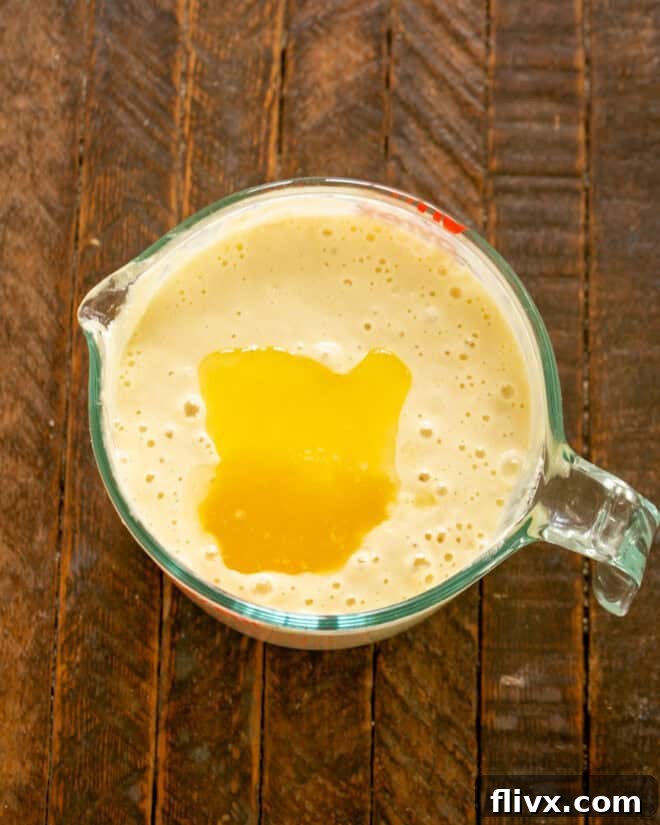
- Finally, stir in the melted butter until just incorporated. Let the batter rest for 10-15 minutes while you prepare your griddle.
- Heat a lightly greased griddle or large pan over medium heat (approx. 350°F / 175°C). Pour or scoop about ¼ cup of batter for each pancake onto the hot surface.
- Cook for 2-3 minutes per side, or until bubbles appear and burst on the surface, the edges look set, and the underside is golden brown. Flip and cook for another 1-2 minutes until the second side is golden.
- Serve the warm pancakes immediately with butter, fresh blueberries, and the homemade blueberry maple syrup.
To Make the Blueberry Maple Syrup:
- In a small saucepan, combine the pure maple syrup and blueberries.
- Bring the mixture to a gentle boil over medium heat, then reduce the heat to a simmer.
- Allow to simmer for 10-15 minutes, stirring occasionally, until the blueberries have softened and burst, and the syrup has slightly thickened and is infused with blueberry flavor.
- For a smoother syrup, you may strain out the blueberry solids if desired, though leaving them in adds wonderful texture. Serve warm over pancakes.
Chef’s Notes & Tips:
This exceptional pancake recipe is thoughtfully adapted from the “Winners” Junior League cookbook, a testament to its enduring quality.
Always double-check the freshness of your baking powder. Unlike baking soda, baking powder has a shorter shelf life and often loses its potency before the container is empty. An active leavening agent is key to truly fluffy pancakes.
For even richer blueberry pancakes, gently fold an additional ½ cup of fresh blueberries into the batter just before cooking.
Nutrition Information:
Yield:
6 Servings (12 Pancakes total)
Serving Size:
2 pancakes
Amount Per Serving (approximate):
Calories: 481Total Fat: 14gSaturated Fat: 8gTrans Fat: 0gUnsaturated Fat: 5gCholesterol: 96mgSodium: 942mgCarbohydrates: 80gFiber: 2gSugar: 43gProtein: 9g
Love This Recipe? Share Your Feedback!
We’d love to hear from you! Please leave a comment on the blog or share a photo of your delicious creations on Pinterest. Your reviews and shares help us bring more amazing recipes to you!